25th Constitutional Amendment Act, Provisions, Significance

25th constitutional amendment Act

The 25th Constitutional Amendment Act was passed to give more importance to the Directive Principles of State Policy in the Constitution of India. The amendment aimed to make it easier for the government to implement laws related to social and economic justice, even if such laws affected certain Fundamental Rights.

25th Constitutional Amendment Act Background

  • Before this amendment, Article 31 of the Constitution of India provided that when the government acquired private property for a public purpose, it had to pay compensation to the owner.
  • However, in the R.C. Cooper v. Union of India, the Supreme Court ruled that compensation must be adequate and fair, and the courts could examine whether the compensation given by the government was reasonable.
  • This created difficulties for the government in implementing certain economic reforms. Therefore, it was considered necessary to amend the Constitution so that such reforms could be carried out more easily.

25th Constitutional Amendment Act Key Provisions

  • Change in Article 31: The amendment changed Article 31 of the Constitution of India by replacing the word “compensation” with the word “amount.”
  • This meant that when the government acquired property, courts could not question whether the amount given was adequate.
  • Limitation on Fundamental Rights: The amendment stated that laws related to property acquisition for a public purpose would not be affected by Article 19 of the Constitution of India, which deals with certain Fundamental Rights.
  • Insertion of Article 31C: A new article, Article 31C of the Constitution of India, was inserted. It provided that laws made to implement certain Directive Principles, especially those mentioned in Article 39(b) of the Constitution of India and Article 39(c) of the Constitution of India, would not be considered invalid even if they violated Article 14 of the Constitution of India, Article 19 of the Constitution of India, or Article 31 of the Constitution of India. It also said that such laws cannot be questioned in court if they contain a declaration that they implement Article 39(b) and (c). Later in Kesavananda Bharati case, the Supreme Court struck down this part that removed judicial review.

25th Constitutional Amendment Act Case Laws

Several important Supreme Court judgments are connected with the 25th Amendment Act. These cases clarified the limits of Parliament’s power and the relationship between Fundamental Rights and Directive Principles of State Policy (DPSP).

  • Kesavananda Bharati v. State of Kerala (1973): This landmark case challenged the 24th, 25th and 29th Amendments. The Supreme Court upheld the change from “compensation” to “amount”, but struck down the part of Article 31C that removed judicial review. The judgment also introduced the Basic Structure Doctrine, which states that Parliament cannot change the basic structure of the Constitution.
  • Minerva Mills v. Union of India (1980): The Court held that the Constitution is based on a balance between Fundamental Rights and Directive Principles. It reaffirmed the limits placed on Article 31C in the Kesavananda Bharati case.
  • R.C. Cooper v. Union of India (1970) (Bank Nationalization Case): The Court ruled that when the government acquires private property, it must provide fair compensation equal to the property’s value. The 25th Amendment was passed partly to overcome this judgment.
  • Waman Rao v. Union of India (1981): The Supreme Court upheld the first part of Article 31C and again confirmed the Basic Structure Doctrine, stating that Parliament’s power to amend the Constitution is not unlimited.

25th Constitutional Amendment Act Significance

The 25th Constitutional Amendment Act was important because it tried to balance Fundamental Rights with Directive Principles of State Policy. It gave the government more power to carry out economic and social reforms, especially those related to the distribution of resources and reduction of economic inequality in India.

25th Constitutional Amendment Act FAQs

Q1: What was the objective of the 25th Constitutional Amendment Act?

Ans: To give greater importance to Directive Principles of State Policy and help the government implement social and economic reforms.

Q2: Why was the amendment introduced?

Ans: It was introduced after R.C. Cooper v. Union of India (1970), which required the government to provide fair compensation for acquired property.

Q3: What change was made in Article 31?

Ans: The word “compensation” was replaced with “amount.”

Q4: What is Article 31C?

Ans: It protects laws implementing Article 39(b) and 39(c) even if they violate Articles 14, 19, or 31.

Q5: How did it affect Fundamental Rights?

Ans: It limited the application of Article 19 in property acquisition cases.

24th Constitutional Amendment Act, Background, Provisions, Case Laws

24th Constitutional Amendment Act

The 24th Constitutional Amendment Act was passed in 1971 to clarify and strengthen the power of Parliament to amend the Constitution of India. The amendment made it clear that Parliament has the authority to amend any part of the Constitution according to the procedure laid down in the Constitution.

24th Constitutional Amendment Act Background

  • The need for this amendment arose after the Supreme Court’s judgment in Golaknath v. State of Punjab. In this case, the Court ruled that Parliament did not have the power to amend the Fundamental Rights of the Constitution of India. According to the judgment, any law that tried to limit or remove Fundamental Rights would be considered invalid.
  • This decision created difficulties for the government because many social and economic reforms required constitutional amendments. Therefore, it became necessary to clearly state that Parliament had the authority to amend the Constitution, including Fundamental Rights.

24th Constitutional Amendment Act Key Provisions

  • The amendment clarified that Parliament has the power to amend any provision of the Constitution.
  • It amended Article 13 of the Constitution of India by stating that constitutional amendments made under Article 368 will not be considered ordinary laws.
  • It amended Article 368 of the Constitution of India to clearly describe the power of Parliament to amend the Constitution and the procedure for doing so.
  • It made it mandatory for the President of India to give assent to a constitutional amendment bill once it is passed by both Houses of Parliament.

24th Constitutional Amendment Act Case Laws

The 24th Constitutional Amendment Act was passed to overcome the effect of the Golaknath v. State of Punjab judgment and to clearly state that Parliament has the power to amend any part of the Constitution of India, including the Fundamental Rights of the Constitution of India.

Several important Supreme Court cases later discussed and clarified the scope of this amendment.

  • Golaknath v. State of Punjab (1967): The Supreme Court ruled that Parliament cannot amend or limit the Fundamental Rights. This decision created difficulties for the government in carrying out reforms and led to the passing of the 24th Constitutional Amendment.
  • Kesavananda Bharati v. State of Kerala (1973): The Supreme Court upheld the validity of the 24th Constitutional Amendment. It stated that Parliament can amend any part of the Constitution, including Fundamental Rights. However, the Court also introduced the Basic Structure Doctrine, which means Parliament cannot change the basic structure of the Constitution.
  • Minerva Mills Ltd. v. Union of India (1980): The Supreme Court further strengthened the Basic Structure Doctrine and stated that Parliament’s power to amend the Constitution is not unlimited.
  • I.R. Coelho v. State of Tamil Nadu (2007): The Court reaffirmed that any constitutional amendment must not violate the basic structure of the Constitution, even if it is passed under the amending power of Parliament.

24th Constitutional Amendment Act Significance

The 24th Constitutional Amendment Act was important because it strengthened Parliament’s power to amend the Constitution and removed the confusion created by earlier court decisions. It also ensured that constitutional amendments could be made to support social and economic reforms while following the procedure laid down in the Constitution.

24th Constitutional Amendment Act FAQs

Q1: What is the 24th Constitutional Amendment Act, 1971?

Ans: The 24th Constitutional Amendment Act strengthened Parliament’s power to amend the Constitution of India, including Fundamental Rights.

Q2: Why was the 24th Constitutional Amendment passed?

Ans: It was passed after the Supreme Court judgment in Golaknath v. State of Punjab, which said Parliament could not amend Fundamental Rights.

Q3: Which constitutional articles were amended by the 24th Amendment?

Ans: The amendment made changes to Article 13 of the Constitution of India and Article 368 of the Constitution of India.

Q4: What change was made in Article 13?

Ans: It clarified that constitutional amendments made under Article 368 will not be treated as ordinary laws.

Q5: What change was made in Article 368?

Ans: It clearly stated that Parliament has the power to amend any part of the Constitution according to the prescribed procedure.

34th Constitutional Amendment Act, Background, Purpose, Case Laws

34th Constitutional Amendment Act

The 34th Constitutional Amendment Act was passed in 1974 as an important amendment to the Constitution of India. It was introduced to make certain changes related to laws passed by the government in order to promote social and economic justice in the country. The amendment aimed to support government efforts to bring reforms in important areas of society and ensure that such laws could function effectively. It also reflected the commitment of India to strengthen the goals of equality, welfare, and development within the constitutional framework.

34th Constitutional Amendment Act Background

  • After independence, the government of India introduced several land reform laws to reduce inequality in land ownership and improve the condition of farmers. These laws aimed to remove large landholdings and distribute land more fairly among the people.
  • However, many of these laws were challenged in courts on the ground that they violated certain Fundamental Rights of the Constitution of India, especially the right to property that existed at that time. Because of these legal challenges, the implementation of some reform laws became difficult.
  • To protect such laws and ensure that social and economic reforms could continue without legal obstacles, the government decided to include them in the Ninth Schedule of the Constitution of India, which gives protection from judicial review in many cases. As a result, the 34th Constitutional Amendment Act was passed to add more laws to the Ninth Schedule and support the process of social and economic reforms in the country.

34th Constitutional Amendment Act Purpose

  • The main purpose of the 34th Constitutional Amendment Act was to protect certain important laws related to land reforms from being challenged in courts.
  • The amendment added several state land reform laws to the Ninth Schedule to ensure their smooth implementation. 
  • Another purpose of the amendment was to support the goal of social and economic justice mentioned in the Constitution of India. By protecting these laws, the government wanted to promote fair distribution of resources and improve the condition of farmers and rural society in India.

34th Constitutional Amendment Act Significance

  • Protected Reform Laws: The 34th Constitutional Amendment Act helped protect several important land reform laws by placing them in the Ninth Schedule of the Constitution of India.
  • Supported Land Reforms: It strengthened the implementation of land reform policies aimed at reducing inequality in land ownership.
  • Reduced Legal Challenges: By adding these laws to the Ninth Schedule, the amendment limited the possibility of these laws being challenged in courts.
  • Promoted Social Justice: The amendment supported the goal of creating a more equal and fair society, as envisioned in the Constitution of India.
  • Strengthened Welfare Policies: It allowed the government to continue policies meant for the welfare of farmers and rural communities in India.

34th Constitutional Amendment Act Case Laws

The 34th Constitutional Amendment Act added 20 land reform and land tenure laws from different states to the Ninth Schedule of the Constitution of India. The main purpose of adding these laws to the Ninth Schedule was to protect them from being challenged in courts. These laws were mainly related to land ceiling, redistribution of land, and tenancy reforms, which aimed to reduce inequality in land ownership and improve the condition of farmers.

  • Kesavananda Bharati v. State of Kerala (1973): The Supreme Court introduced the Basic Structure Doctrine, stating that Parliament cannot amend the Constitution of India in a way that destroys its basic structure.
  • Waman Rao v. Union of India (1981): The Court held that laws placed in the Ninth Schedule of the Constitution of India after 24 April 1973 can be challenged in courts if they violate constitutional principles.
  • I.R. Coelho v. State of Tamil Nadu (2007): The Supreme Court ruled that any law added to the Ninth Schedule after 24 April 1973 is subject to judicial review if it violates fundamental rights or the basic structure of the Constitution.

34th Constitutional Amendment Act FAQs

Q1: What is the 34th Constitutional Amendment Act, 1974?

Ans: The 34th Constitutional Amendment Act added several land reform laws to the Ninth Schedule of the Constitution of India to protect them from legal challenges.

Q2: Why was the 34th Constitutional Amendment passed?

Ans: It was passed to protect land reform laws and ensure fair distribution of land and social justice in India.

Q3: How many laws were added to the Ninth Schedule by this amendment?

Ans: The amendment added 20 land reform and land tenure laws from different states to the Ninth Schedule.

Q4: What types of laws were protected under this amendment?

Ans: The laws mainly dealt with land ceiling, land redistribution, and tenancy reforms.

Q5: What was the main objective of adding laws to the Ninth Schedule?

Ans: The objective was to protect these laws from judicial review so that land reforms could be implemented effectively.

2nd Constitutional Amendment Act, Background, Need, Provisions

2nd Constitutional Amendment Act

2nd Constitutional Amendment Act 1952 is one of the earliest amendments made to the Constitution of India after independence. It mainly dealt with the issue of representation in the Lok Sabha and the relationship between population size and parliamentary constituencies. The amendment became necessary after the first Census of independent India (1951) revealed significant changes in population figures.

2nd Constitutional Amendment Act Background

Before the 2nd Constitutional Amendment Act, Article 81 of the Constitution of India defined the composition of the Lok Sabha and the relationship between population and parliamentary representation.

The original provisions included:

  • The Lok Sabha could have a maximum of 500 elected members.
  • Each parliamentary constituency had to follow a population limit:
    • Not less than one member for every 750,000 people
    • Not more than one member for every 500,000 people

However, the delimitation of constituencies in the early years was based on estimated population figures rather than actual census data. When the 1951 Census of India was conducted, it showed that population levels were higher in most states. As a result, it became difficult to maintain the population limits mentioned in Article 81 while keeping the total number of seats within the constitutional cap of 500 members. 

Thus, the 2nd Constitutional Amendment Act was introduced to resolve this issue.

2nd Constitutional Amendment Act Need

The 2nd Constitutional Amendment Act was necessary because the earlier population limits created practical problems in adjusting parliamentary representation.

The major reasons were:

  • The 1951 Census revealed higher population figures across most states.
  • Strictly following the population ratio would have required increasing the number of Lok Sabha seats beyond the limit of 500.
  • There was a need to re-adjust parliamentary constituencies without violating constitutional provisions.
  • The amendment was required to enable the delimitation of constituencies based on updated population data.

Therefore, the 2nd Constitutional Amendment Act aimed to introduce flexibility in determining the population size of parliamentary constituencies.

Also Read: Indian Constitution

2nd Constitutional Amendment Act Key Provisions

The most important change introduced by the 2nd Constitutional Amendment Act was related to Article 81(1)(b).

Major provision:

  • The amendment removed the words “not less than one member for every 750,000 of the population” from Article 81(1)(b). 

Key implications:

  • The strict population limit for constituencies was relaxed.
  • A parliamentary constituency could now represent more than 750,000 people if necessary.
  • This allowed flexibility in allocating seats while keeping the maximum limit of Lok Sabha members unchanged.

Thus, the 2nd Constitutional Amendment Act made it possible to adjust representation according to population changes.

2nd Constitutional Amendment Act Significance

Significance of 2nd Constitutional Amendment Act 1952 can be understood through the following points:

  • It enabled fair readjustment of parliamentary constituencies after the 1951 Census.
  • It ensured that population growth did not force an increase in Lok Sabha seats beyond the constitutional limit.
  • It provided flexibility to the delimitation process when drawing constituency boundaries.
  • It helped maintain balanced representation of states in Parliament.

2nd Constitutional Amendment Act, 1952 FAQ

Q1: What is the 2nd Constitutional Amendment Act, 1952?

Ans: The 2nd Constitutional Amendment Act, 1952 was one of the earliest amendments to the Constitution of India. It modified provisions related to representation in the Lok Sabha by relaxing population limits for parliamentary constituencies.

Q2: Why was the 2nd Constitutional Amendment Act introduced?

Ans: The amendment was introduced after the 1951 Census of India revealed higher population figures than earlier estimates. This created difficulties in maintaining the population–representation ratio while keeping the total number of Lok Sabha seats within the constitutional limit.

Q3: Which constitutional provision was amended by the 2nd Constitutional Amendment Act?

Ans: The 2nd Constitutional Amendment Act amended Article 81 of the Constitution of India, which deals with the composition of the Lok Sabha and the allocation of seats among states based on population.

Q4: What was the key change introduced by the 2nd Constitutional Amendment Act?

Ans: The amendment removed the requirement that each parliamentary constituency must have not less than one member for every 750,000 people, allowing constituencies to represent larger populations if necessary.

Q5: What is the significance of the 2nd Constitutional Amendment Act?

Ans: The 2nd Constitutional Amendment Act made it possible to readjust parliamentary constituencies after the 1951 Census without increasing the total number of Lok Sabha seats beyond the constitutional limit, ensuring smoother delimitation and balanced representation.

India’s Transformation into a Global Health Powerhouse, Key Achievements

India’s Transformation into a Global health powerhouse

India’s healthcare sector has witnessed a major transformation in the past few decades. From struggling with infectious diseases and limited health infrastructure, the country has now emerged as an important contributor to global healthcare. 

Today, India is widely recognised for its affordable medicines, strong pharmaceutical industry, and expanding healthcare delivery system.

Major Government Initiatives Driving India’s Transformation into a Global Health Powerhouse

Government initiatives aimed at universal health coverage, affordable medicines, digital health systems, and stronger medical infrastructure have improved healthcare access within the country while also strengthening India’s global health role. Key government initiatives are: 

Universal Health Coverage

India’s journey towards becoming a global health powerhouse is strongly linked with its effort to provide universal health coverage. The flagship scheme Ayushman Bharat aims to ensure affordable healthcare for all citizens, especially vulnerable sections of society. Its four major components include: 

  • AB-Pradhan Mantri Jan Arogya Yojana (PM-JAY), the world’s largest publicly funded health assurance scheme. 
  • Ayushman Arogya Mandir for upgrading sub health centres and primary health centres.
  • Pradhan Mantri Ayushman Bharat Health Infrastructure Mission (PM-ABHIM) - the largest pan-India scheme for strengthening healthcare infrastructure across the country.
  • Ayushman Bharat Digital Mission (ABDM), which forms the backbone for a citizen centric interoperable digital health ecosystem.

AB-Pradhan Mantri Jan Arogya Yojana (PM-JAY)

  • Pradhan Mantri Jan Arogya Yojana (PM-JAY) was launched in September, 2018, to achieve universal health care. 
  • It provides healthcare coverage up to Rs. 5 lakhs per year for secondary and tertiary care services and hospitalisation to enrolled socio-economically deprived families and to all senior citizens above 70 years.
  • The scheme enables cashless treatment at empanelled government and private hospitals.
  • It is considered the world’s largest publicly funded health insurance programme.
  • The scheme is aimed at the bottom 40% of the Indian population, covering 120 million people, with over 434 million Ayushman cards already made.
  • The scheme has helped reduce the healthcare expenditure of families by increasing government spending on health insurance. The savings for families was over Rs. 1.25 lakh crore.
  • The allocation for the Pradhan Mantri Jan Arogya Yojana has been raised to Rs. 9,500 crore in Budget Estimates 2026–27, up by Rs. 500 crore or 5.56% over the Revised Estimates of Financial Year 2025–26. This increase aims to expand beneficiary coverage, improve service quality, and strengthen hospital networks.

Ayushman Arogya Mandirs 

  • A strong primary healthcare system is essential for improving health outcomes. Under the Ayushman Bharat programme, Ayushman Arogya Mandirs have been established to provide healthcare services close to communities.
  • Over 1.8 lakh Ayushman Arogya Mandirs have been established across the country.
  • These centres provide preventive, promotive and basic healthcare services.
  • Teleconsultation facilities help patients connect with doctors remotely.
  • These centres also conduct screenings for diseases such as diabetes, hypertension, and cancer.
  • This network has significantly improved healthcare access in rural, tribal and aspirational districts.

Pradhan Mantri Ayushman Bharat Health Infrastructure Mission (PM-ABHIM)

To further strengthen healthcare systems, the government launched the Pradhan Mantri Ayushman Bharat Health Infrastructure Mission (PM-ABHIM). Key objectives include:

  • Building block public health units and integrated public health laboratories.
  • Developing critical care hospital blocks in district hospitals.
  • Strengthening pandemic preparedness and disease surveillance systems.
  • Expanding healthcare infrastructure from the village level to the national level.

These measures aim to create a resilient and responsive healthcare system.

Ayushman Bharat Digital Mission (ABDM)

The Ayushman Bharat also supports the creation of a robust digital public infrastructure through the Ayushman Bharat Digital Mission (ABDM).

  • The Ayushman Bharat Digital Mission (ABDM) aims to build a digital health ecosystem where citizens can access healthcare services easily. 
  • Beneficiaries are assigned a unique health identification number, under the Ayushman Bharat Health Account (ABHA) system, enabling their medical records to be securely stored and accessed online through a “digital health locker”.
  • Through an app, users can also connect with registered healthcare professionals.
  • Verified healthcare professionals can treat patients remotely through teleconsultations and review digital health records. This digital ecosystem enables last-mile health coverage.  

Integration of Technology in Healthcare

India is increasingly using modern technologies to improve healthcare services.

Use of Artificial Intelligence 

  • During the AI Summit 2026 in New Delhi, the Ministry of Health and Family Welfare launched the Strategy for AI in Healthcare for India (SAHI), the first nation in the South-Eastern region to do so.
  • The strategy encourages innovation and rapid increase in the application of AI in healthcare, while emphasising ethical use and conduct. 

Examples of AI Applications

  • Eka Doc: Helps doctors in triaging patients, searching treatment protocols, and summarising patient records. It has assisted over 1 million patients.
  • Sunoh.AI: Uses voice technology to help doctors quickly create electronic prescriptions.
  • Adverse Outcome Prediction Tool: Uses predictive analytics to identify TB patients at risk of treatment failure, helping reduce adverse outcomes by around 27%.
  • MadhuNetrAI: Allows health workers to take retinal images, which AI analyses to identify diabetes-related eye disease, helping prioritise urgent treatment.

i-DRONE Initiative

  • Launched in 2021 by the Indian Council of Medical Research to use drones for delivering vaccines and medical supplies to remote areas.
  • First implemented in Manipur and Nagaland. Later it was expanded to other regions. Drones are now being used for high-altitude medical deliveries in Himachal Pradesh, TB sample transport in Telangana, pathology sample transfers in Karnataka, and blood transport trials in Delhi NCR.
  • Aims to improve last-mile healthcare delivery, reduce transport time, and strengthen medical logistics in difficult terrains.

National Health Mission 

National Health Mission was launched in 2013 by the Government of India to strengthen the public healthcare system, especially in rural and urban areas.

  • It integrates two major programmes: National Rural Health Mission (NRHM) and National Urban Health Mission (NUHM).
  • The mission focuses on improving maternal health, child health, immunisation, and disease control, while strengthening health infrastructure and human resources.
  • It also supports programmes such as the Universal Immunisation Programme, disease control initiatives, and community healthcare services.
  • ASHA workers play a key role in delivering healthcare services at the grassroots level.

Universal Immunisation Programme,

  • Universal Immunisation Programme was launched in 1985 by the Government of India to provide free vaccines to children and pregnant women.
  • It is one of the largest public health programs targeting close of 26.7 million newborns and 29 million pregnant women annually free of cost.
  • Under the Universal Immunisation Programme, the government provides 11 vaccines to protect children and pregnant women from several life-threatening diseases. These include Hepatitis B Vaccine, Oral Polio Vaccine, Bacillus Calmette-Guerin Vaccine for tuberculosis, Injectable Polio Vaccine, Pentavalent Vaccine, Rotavirus Vaccine, Pneumococcal Conjugate Vaccine, Measles & Rubella Vaccine, Diphtheria Pertussis Tetanus Vaccine, Tetanus & Adult Diphtheria Vaccine, and Japanese Encephalitis Vaccine. 
  • These vaccines are provided free of cost through government health centres to reduce child mortality and prevent the spread of infectious diseases.

Mission Indradhanush

  • Launched in 2014 by the Government of India to increase full immunisation coverage among children and pregnant women.
  • The mission focuses on children who are unvaccinated or partially vaccinated under the Universal Immunisation Programme.
  • It aims to protect children from seven vaccine-preventable diseases such as diphtheria, pertussis, tetanus, polio, tuberculosis, measles, and hepatitis B.
  • Special attention is given to remote, tribal, urban slum, and hard-to-reach areas.

HPV Vaccination Programme

  • Launched by the Government of India on 28 February 2026 to prevent Cervical Cancer.
  • The programme provides the Gardasil-4, a WHO-prequalified single-dose vaccine.
  • Targets adolescent girls aged 14 years, with vaccination provided free of cost at government health facilities.
  • Protects against HPV types 16 and 18 (major causes of cervical cancer) and types 6 and 11.
  • Around 11.5 million girls are currently eligible for vaccination.
  • Implemented as a 90-day nationwide campaign, after which it will continue under routine immunisation.
  • With this initiative, India joined more than 160 countries implementing HPV vaccination programmes.

Key Achievements of National Health Mission

  • COVID-19: Over 2.2 billion vaccine doses administered nationwide
  • Maternal Health: Maternal Mortality Ratio declined by 83% since 1990, surpassing the global decline of 45%
  • Child Health: Under-5 Mortality Rate reduced by 75% since 1990, higher than the global reduction of 60%
  • Tuberculosis: TB incidence reduced from 237 per 1,00,000 population in 2015 to 195 in 2023; over 940,000 TB patients supported by 156,000 Ni-kshay Mitra volunteers under the Pradhan Mantri TB Mukt Bharat Abhiyan
  • Measles-Rubella: 97.98% vaccination coverage achieved under the Intensified Mission Indradhanush (IMI) 5.0; over 347.7 million children vaccinated 
  • Sickle Cell Anaemia: Over 26.1 million individuals screened in tribal areas under the National Sickle Cell Anaemia Elimination Mission
  • Dialysis: Over 220,000 patients have availed dialysis services and over 2.5 million hemodialysis sessions held under the scheme (as on June 30, 2024).  
  • Tobacco Control: 17.3% reduction in tobacco use over the past decade

Affordable Medicines

Improving access to affordable medicines is another key aspect of India’s health policy.

Pradhan Mantri Bhartiya Janaushadhi Pariyojana 

  • Launched to provide quality generic medicines at affordable prices.
  • Medicines are sold through around 17,990 Janaushadhi Kendras across India.
  • Over 2,000 medicines and 315 surgical products are available.
  • Prices are 50-90% cheaper than market rates.
  • Medicines cover diseases like cardiovascular diseases, cancer, and diabetes.
  • The scheme has helped people save about ₹30,000 crore in the last decade.

Affordable Medicines and Reliable Implants for Treatment

  • Launched to support tertiary healthcare by providing affordable medicines and medical implants.
  • AMRIT Pharmacies supply branded, branded-generic, and generic medicines, along with surgical items and implants.
  • Around 255 AMRIT pharmacies are currently operating in India.
  • The government plans to expand the network to 500 outlets across the country.

India as the “Pharmacy of the World”

India’s pharmaceutical industry has become a major pillar of global healthcare.

  • India has the 3rd largest pharmaceutical industry in the world by volume and supplies around 20% of global generic medicines, exporting to about 200 countries.
  • India provides over 70% of global anti-retroviral medicines, strengthening health security for many countries in the Global South.
  • India is a major global vaccine supplier, providing 55–60% of vaccines procured by UNICEF and a large share of DPT, BCG, and measles vaccines.
  • During the COVID-19 pandemic, India developed indigenous vaccines such as Covaxin and Covishield, showing strong research and manufacturing capacity.
  • India’s bio-economy grew 13 times from $10 billion in 2014 to $165.7 billion in 2024 and is projected to reach $300 billion by 2030.
  • The Biopharma SHAKTI initiative (Union Budget 2026-27) aims to strengthen biologics and biosimilars manufacturing, develop 1,000+ clinical trial sites, and expand pharmaceutical education through new NIPER institutes.
  • The National Biopharma Mission (launched in 2017) supports biotechnology innovation, with 101 projects, 150+ organisations, and over 1,000 jobs created.
  • Major innovations include India’s first indigenous MRI scanner, biosimilar of Liraglutide for Type-2 diabetes, and ZyCoV-D, the world’s first DNA-based COVID-19 vaccine.

Health Education Expansion in India 

  • The Government of India is expanding medical education to meet the rising demand for healthcare services.
  • There are now 23 publicly funded All India Institute of Medical Sciences institutes, including the first AIIMS in the Northeast at Assam.
  • India has 2,045 medical colleges, including 780 allopathy, 323 dental, and 942 AYUSH institutions.
  • MBBS seats increased by 130%, from 51,348 to 118,190 in the last 11 years.
  • Postgraduate medical seats increased by 138%, from 31,185 to 74,306.

These steps aim to improve access to quality medical education and strengthen India’s healthcare workforce.

India’s Transformation into a Global Health Powerhouse FAQs

Q1: What factors are driving India’s transformation into a global health powerhouse?

Ans: Government initiatives such as Ayushman Bharat, expansion of digital health systems, affordable medicines programmes, and a strong pharmaceutical industry are key drivers of India’s transformation into a global health powerhouse.

Q2: How has Ayushman Bharat contributed to India’s healthcare transformation?

Ans: Ayushman Bharat has expanded health insurance coverage, strengthened primary healthcare through Ayushman Arogya Mandirs, and improved health infrastructure and digital health services across the country.

Q3: Why is India considered the “Pharmacy of the World”?

Ans: India supplies around 20% of global generic medicines, exports pharmaceuticals to nearly 200 countries, and provides a large share of global vaccines and anti-retroviral medicines.

Q4: How is technology supporting India’s rise as a global health leader?

Ans: India is using artificial intelligence, digital health platforms, and drone-based delivery systems to improve diagnostics, telemedicine, and last-mile healthcare services.

Q5: How is India strengthening its healthcare workforce?

Ans: The government is expanding medical education by increasing AIIMS institutes, medical colleges, and MBBS and postgraduate seats to meet the growing demand for healthcare professionals.

AI in Education, Benefits, Policy Framework, Development

AI in Education

The Indian AI market is expected to grow by about 25-35% by 2027. According to NASSCOM, India had an AI talent pool of around 600,000-650,000 professionals in 2024, but the country will require more than 1.25 million AI professionals by 2027. This growing demand highlights the need to integrate AI into the education system to prepare a skilled workforce for the future.

Policy Framework for AI in Education

The Government of India has introduced several policies and initiatives to promote AI education and research. 

National Education Policy 2020 (NEP 2020)

  • The National Education Policy 2020 recognises that technologies such as artificial intelligence, big data, and machine learning will significantly transform labour markets and drive innovation. 
  • The policy emphasises the need for multidisciplinary education and encourages students to learn AI, computer science, and data science along with other subjects.
  • Since education is placed in the Concurrent List of the Constitution, the recommendations of NEP 2020 guide both central and state governments in integrating AI learning into education policies. 

IndiaAI Mission

  • IndiaAI Mission was launched in March 2024 with a budget of ₹10,371.92 crore for five years. 
  • It provides computing infrastructure for developing AI models, creates datasets for training, and develops practical applications across sectors including education.
  • The mission aims to position India as a global AI leader by supporting research, innovation, infrastructure development, and capacity building across government institutions, startups, academia, and the private sector.

AI in School Education

The Ministry of Education has integrated AI into school curricula across India through CBSE and NCERT, starting with grades 9, under National Education Policy (NEP) 2020 and National Curriculum Framework (NCF) 2023.

  • CBSE currently offers a 15-hour AI skill module from Class VI onwards and AI as an optional subject for students in Classes IX to XII. 
  • NCERT has incorporated AI-related topics in the Class XI Computer Science and Informatics Practices textbooks. 
  • AI and machine learning technologies have also been used to translate textbooks of Classes I and II into 22 Indian languages, making educational resources accessible to a wider group of learners.

AI-Courses for Students and Educators

Several digital platforms have been introduced to promote AI learning and improve accessibility in education.

DIKSHA platform

  • The DIKSHA platform, developed by the Ministry of Education, provides digital learning resources for students, teachers, and parents. 
  • AI-based tools on the platform enable features such as keyword search in videos and read-aloud functions for visually impaired students.

SWAYAM (Study Webs of Active Learning for Young Aspiring Minds)

  • SWAYAM (Study Webs of Active Learning for Young Aspiring Minds) offers more than 110 free courses on artificial intelligence and related fields from premier institutions such as IITs and IISc. Over 4.1 million learners have enrolled in these courses.

SOAR (Skilling for AI Readiness) initiative

  • The Ministry of Skill Development and Entrepreneurship has also launched the SOAR (Skilling for AI Readiness) initiative to promote AI awareness among students and teachers from Classes VI to XII.
  • The programme includes three modules of 15 hours each for students and a 45-hour “AI for Educators” module for teachers. 
  • This module trains teachers to understand AI concepts, use AI tools in classrooms, promote inclusive education, and teach ethical and responsible use of AI.

AI in Higher Education

Higher education institutions are also incorporating AI into their academic programmes. 

  • The University Grants Commission introduced an undergraduate curriculum framework in 2022 that includes subjects such as artificial intelligence, big data analytics, machine learning, drone technologies, and deep learning.
  • The All India Council for Technical Education has taken several initiatives to promote AI education. These include integrating AI components into IT-related courses, organising hackathons to promote innovation, offering scholarships for women engineering students under programmes such as PRAGATI and Saraswati, and conducting faculty development programmes.
  • AI-powered search engine Perplexity AI has partnered with AICTE to provide AI support to nearly 40 million students across 14,000 institutions. The collaboration aims to help students explore how AI tools can support research, innovation, and real-world applications.

AI in Education - Research and Development 

The government is supporting research and development in AI through various initiatives or schemes.

IndiaAI Initiative

  • Under the IndiaAI initiative, a Centre for Generative AI called Srijan has been established at Indian Institute of Technology Jodhpur in collaboration with Meta.

YuvAi Initiative

  • The YuvAi initiative, launched in collaboration with the Ministry of Electronics and Information Technology and AICTE, aims to train around 100,000 students and developers between the ages of 18 and 30 over a period of three years. 
  • The programme focuses on developing AI solutions for sectors such as healthcare, agriculture, education, smart cities, and financial inclusion.
  • The initiative includes components such as a Generative AI resource hub, training courses for young developers, workshops on foundational AI concepts, hackathons for developing AI solutions, and an innovation accelerator supporting student-led startups.

AI for Inclusive Education

Under the IndiaAI Mission, several AI-based solutions are being developed to support inclusive education and research. AI tools are being used to help children with learning disabilities bridge learning gaps and improve educational outcomes. Following innovations can help address the shortage of special educators in India and make education more accessible for all students: 

  • Readabled: A web-based application that helps children with dyslexia improve phonetic awareness through interactive exercises.
  • ScreenPlay: A digital, game-based screening tool used to identify children aged 3–6 who may be at risk of autism or other developmental conditions.
  • Voice Fusion AI: An application that provides assistive learning support to individuals with Specific Learning Disabilities (SLDs) in multiple Indian languages.
  • Adaptive Learning and Detection for SLDs: Uses advanced AI techniques to detect learning disorders such as dyslexia, dysgraphia, and dyscalculia.
  • Jiveesha: An AI-powered diagnostic platform for early detection of specific learning disabilities.
  • Special Educator AI: An AI-driven system designed to address the shortage of special educators and support students with learning disabilities

Skilling Initiatives for AI Workforce

To prepare India’s workforce for the digital economy, the government has launched several large-scale skilling programmes.

  • The Pradhan Mantri Kaushal Vikas Yojana provides short-term training and recognition of prior learning in emerging technologies, including AI. The scheme has already trained thousands of individuals, with a significant participation of women.
  • FutureSkills PRIME, developed in collaboration with industry partners, offers hundreds of courses and digital learning pathways in areas such as AI, big data, and cloud computing.
  • iGOT Karmayogi Bharat platform provides training to government officials in AI, data analytics, and digital transformation.
  • YUVA AI for All programme aims to provide basic AI literacy to one crore citizens through short self-paced courses.

Responsible AI in Education 

Several institutions in India are working on responsible and trustworthy AI to ensure AI systems are fair, transparent, and safe to use. Major research areas include:

  • Removing bias from AI datasets using synthetic data.
  • Reducing bias in healthcare AI systems.
  • Developing explainable AI so decisions made by AI can be understood.
  • Building privacy-protecting machine learning models.
  • Creating ethical standards and certification frameworks for AI.

Institutions such as IIT Delhi, IIT Jodhpur, IIT Roorkee, IIIT Delhi, and other research organisations are involved in developing technologies that promote transparency, fairness, and accountability in AI systems.

AI in Education FAQs

Q1: Why is AI in Education important for India?

Ans: AI in Education is important because the Indian AI market is expected to grow by 25-35% by 2027, creating a strong demand for skilled professionals. Integrating AI in education helps students develop future-ready skills and prepares a workforce capable of working in AI-driven industries.

Q2: How does the National Education Policy 2020 support AI in Education?

Ans: The policy recognises that technologies like artificial intelligence, big data, and machine learning will transform future jobs. It promotes multidisciplinary learning and encourages students to study AI, data science, and computer science along with other subjects.

Q3: What role does the IndiaAI Mission play in AI in Education?

Ans: The mission supports AI development by providing computing infrastructure, datasets, and funding for research and innovation. It also promotes AI applications in sectors such as education to strengthen India’s technological capabilities.

Q4: How is AI being introduced in school education?

Ans: AI in Education is being introduced through school curricula and digital learning platforms. Institutions such as the Central Board of Secondary Education and National Council of Educational Research and Training have integrated AI modules from Class VI onwards, with AI offered as an optional subject in Classes IX-XII. AI tools are also used to translate textbooks into multiple Indian languages and improve accessibility for students.

Q5: How can AI in Education improve inclusive learning?

Ans: AI tools can support students with learning disabilities through personalised learning, early diagnosis of learning disorders, and assistive technologies. Applications like Readabled and Voice Fusion AI help make education more accessible for students with special learning needs.

UPSC Daily Quiz 7 March 2026

[WpProQuiz 108]

UPSC Daily Quiz FAQs

Q1: What is the Daily UPSC Quiz?

Ans: The Daily UPSC Quiz is a set of practice questions based on current affairs, static subjects, and PYQs that help aspirants enhance retention and test conceptual clarity regularly.

Q2: How is the Daily Quiz useful for UPSC preparation?

Ans: Daily quizzes support learning, help in revision, improve time management, and boost accuracy for both UPSC Prelims and Mains through consistent practice.

Q3: Are the quiz questions based on the UPSC syllabus?

Ans: Yes, all questions are aligned with the UPSC Syllabus 2025, covering key areas like Polity, Economy, Environment, History, Geography, and Current Affairs.

Q4: Are solutions and explanations provided with the quiz?

Ans: Yes, each quiz includes detailed explanations and source references to enhance conceptual understanding and enable self-assessment.

Q5: Is the Daily UPSC Quiz suitable for both Prelims and Mains?

Ans: Primarily focused on Prelims (MCQ format), but it also indirectly helps in Mains by strengthening subject knowledge and factual clarity.

Gravity Bombs, Use, Types, Significance, Key Details

Gravity Bombs

The United States has indicated that it may deploy precision gravity bombs in operations against Iran. 

What are Gravity Bombs?

  • A gravity bomb, also known as a free-fall bomb, is an aerial weapon that is dropped from an aircraft and falls towards the target due to the force of gravity.
  • Unlike missiles, gravity bombs do not have their own engine or propulsion system. 
  • Once released from an aircraft, the bomb’s path is determined by gravity, the aerodynamics of the bomb, and the speed and altitude of the aircraft that drops it. 
  • The concept of gravity bombs is not new. Such weapons were widely used during World War II, when aircraft dropped unguided bombs over large areas. However, modern versions of gravity bombs are far more advanced and accurate.
  • In the past, gravity bombs were less accurate and often caused large-scale destruction because they simply fell toward the ground after being released. 
  • Over time, technology improved their precision with the help of systems such as the Joint Direct Attack Munition (JDAM) kit. This system adds GPS navigation and adjustable tail fins to a traditional bomb. Because of this, the bomb can guide itself toward a specific target location while falling.
  • As a result, modern gravity bombs are much more accurate and reliable, even in difficult weather conditions.

Types of Gravity Bombs Used by the United States

The United States primarily uses the Mark 80 bomb series for conventional gravity bombing. The main types include:

  1. Mk-82 (500-pound bomb): This is a relatively smaller gravity bomb used against soft targets such as radar installations, light vehicles, supply depots, and exposed troop positions. It is commonly used for precision strikes where limited damage is required.
  2. Mk-83 (1,000-pound bomb): This medium-weight bomb is designed to destroy reinforced structures such as command centres, bunkers, and small bridges. It has greater destructive capability compared to the Mk-82.
  3. Mk-84 (2,000-pound bomb): This is the largest conventional gravity bomb in the series and is often used as a bunker-buster weapon. It is capable of destroying heavily fortified buildings, underground facilities, and large industrial structures, creating large blast craters.

Gravity Bombs Significance 

Before using gravity bombs, the United States relied mainly on stand-off weapons, which are launched from long distances so that aircraft remain outside the range of enemy air defence systems. Weapons such as the Tomahawk cruise missile and unmanned systems like the LUCAS (Low-cost Unmanned Combat Attack System) drones were used to target radar systems and missile defences while reducing risks to pilots. However, these weapons are extremely expensive and cannot always be used in very large numbers.

Gravity Bombs FAQs

Q1: What is a gravity bomb?

Ans: A gravity bomb, also called a free-fall bomb, is an aerial weapon dropped from an aircraft that falls toward the target due to gravity. Unlike missiles, it does not have its own propulsion system and relies on the aircraft’s speed, altitude, and aerodynamics to reach the target.

Q2: How have modern gravity bombs become more accurate?

Ans: Modern gravity bombs have become highly accurate with the addition of guidance systems such as the Joint Direct Attack Munition (JDAM) kit. This system adds GPS navigation and tail fins that allow the bomb to guide itself toward a predetermined target location.

Q3: What types of gravity bombs are used by the United States?

Ans: The United States mainly uses the Mark 80 bomb series, which includes the Mk-82 (500-pound), Mk-83 (1,000-pound), and Mk-84 (2,000-pound) bombs. These bombs vary in size and destructive capability depending on the target.

Q4: Why is the US shifting from stand-off weapons to gravity bombs?

Ans: Earlier, the US relied on long-range weapons such as the Tomahawk cruise missile and drones like the LUCAS (Low-cost Unmanned Combat Attack System) to strike targets from a safe distance. However, these weapons are very expensive. Gravity bombs are cheaper and can be used in large numbers once enemy air defence systems are weakened.

Q5: Why are gravity bombs important in modern warfare?

Ans: Gravity bombs remain important because they are relatively inexpensive, can be deployed in large numbers, and have become highly accurate due to modern guidance systems. Their use often indicates that a country has achieved significant control over the airspace in a conflict.

38th Constitutional Amendment Act, Articles, Changes, Significance

38th Constitutional Amendment Act

The 38th Amendment to the Constitution of India was enacted in 1975 during a politically sensitive period when emergency powers were being widely discussed. This amendment significantly expanded the authority of the executive during emergency situations and restricted the ability of courts to review certain constitutional actions. It mainly focused on making the satisfaction of the President, Governors, and Union Territory administrators final in specific constitutional matters, particularly regarding ordinances and emergency proclamations.

38th Constitutional Amendment Act

The Constitution (Thirty eighth Amendment) Act, 1975 was passed by the Lok Sabha on 23 July 1975 and by the Rajya Sabha on 24 July 1975. The bill was introduced on 22 July 1975 as Bill No. 54 of 1975. The amendment received Presidential assent on 1 August 1975 and came into force the same day. Its main purpose was to make the declaration of emergencies and the promulgation of ordinances non-justiciable, meaning courts could not question the satisfaction of the executive authorities involved in these constitutional decisions.

Changes Under 38th Constitutional Amendment Act

The Thirty eighth Amendment introduced important article wise changes that strengthened executive powers and limited judicial review in matters related to ordinances, emergency proclamations, and suspension of fundamental rights.

  • Amendment to Article 123: A new clause (4) was inserted stating that the satisfaction of the President while promulgating an ordinance under Article 123 would be final and conclusive. Courts were barred from questioning the validity of such satisfaction on any legal ground.
  • Amendment to Article 213: Clause (4) was added to Article 213 declaring that the Governor’s satisfaction in issuing ordinances for a state legislature would be final. This provision ensured that courts could not examine the Governor’s judgment behind promulgating an ordinance.
  • Amendment to Article 239B: The amendment inserted clause (4) in Article 239B concerning Union Territories. It made the satisfaction of the Administrator while promulgating ordinances final and non-justiciable, thereby preventing courts from reviewing such executive decisions.
  • Amendment to Article 352: Two new clauses, (4) and (5), were inserted. Clause (4) allowed the President to issue multiple proclamations of national emergency simultaneously on different grounds such as war, external aggression, internal disturbance, or imminent threats.
  • Further Change in Article 352: Clause (5) made the satisfaction of the President in declaring or continuing a national emergency final and beyond judicial review. It also removed the jurisdiction of the Supreme Court and other courts to question the validity of emergency proclamations.
  • Amendment to Article 356: Clause (5) was inserted stating that the President’s satisfaction in imposing President’s Rule in a state under Article 356 could not be challenged in any court. This strengthened the executive authority in dealing with constitutional breakdown in states.
  • Amendment to Article 359: Clause (1A) was inserted allowing the State to make laws or take executive action even if such actions restricted certain Fundamental Rights during the operation of an order suspending those rights.
  • Effect of Laws under Article 359: The amendment clarified that laws made during suspension of Fundamental Rights would remain valid for actions taken during that period. However, once the suspension order ended, such laws would cease to operate beyond their permitted scope.
  • Amendment to Article 360: Clause (5) was added to Article 360 regarding Financial Emergency. It declared that the President’s satisfaction in declaring financial emergency would be final and could not be challenged before the Supreme Court or any other court.

38th Constitutional Amendment Act Significance

  • Restriction on Judicial Review: The amendment collectively ensured that courts could not question emergency proclamations, ordinances, or related executive actions. This effectively expanded executive discretion and limited constitutional challenges during emergency situations.
  • Expansion of Executive Powers: By making the satisfaction of constitutional authorities final, the amendment increased the power of the executive branch. Decisions related to emergencies and ordinances were protected from legal scrutiny by the judiciary.
  • Emergency Governance Framework: The amendment also formally allowed simultaneous emergency proclamations based on different threats. This created a constitutional framework where the central authority could respond separately to multiple national security concerns.
  • Impact on Fundamental Rights: Through changes to Article 359, the amendment indirectly allowed wider executive action during emergencies. The State could temporarily act beyond restrictions imposed by certain Fundamental Rights when an order suspending them was in force.
  • Ratification by State Legislatures: The amendment was ratified by more than half of the state legislatures as required for constitutional changes. States such as Andhra Pradesh, Bihar, Karnataka, Maharashtra, Punjab, Rajasthan, Uttar Pradesh, and West Bengal supported it.
  • States that did not Ratify: Some states including Gujarat, Tamil Nadu, Nagaland, Manipur, and Jammu and Kashmir did not ratify the amendment. Despite this, the required majority of states approved the constitutional change.
  • Legislative Purpose of the Amendment: The principal objective of the 38th Amendment was to ensure that executive decisions related to emergencies and ordinances could operate without judicial interference, thereby strengthening governmental authority during national crises.

38th Constitutional Amendment Act FAQs

Q1: What is the 38th Amendment of the Indian Constitution?

Ans: The 38th Amendment Act, 1975 made the satisfaction of the President, Governors, and Union Territory administrators final in certain constitutional matters, especially related to ordinances and emergency proclamations.

Q2: When was the 38th Constitutional Amendment Act passed?

Ans: The amendment was passed by the Lok Sabha on 23 July 1975, by the Rajya Sabha on 24 July 1975, and received Presidential assent on 1 August 1975.

Q3: Who introduced the 38th Amendment Bill in Parliament?

Ans: The Constitution (Thirty-eighth Amendment) Bill, 1975 was introduced in the Lok Sabha by H. R. Gokhale on 22 July 1975 as Bill No. 54 of 1975.

Q4: What was the main objective of the 38th Constitutional Amendment Act?

Ans: The main objective was to make emergency proclamations and ordinance promulgations non-justiciable, meaning courts could not question the satisfaction of executive authorities.

Q5: Which constitutional provisions were amended by the 38th Amendment?

Ans: The amendment modified Articles 123, 213, 239B, 352, 356, 359, and 360 to expand executive powers and restrict judicial review in emergency-related matters.

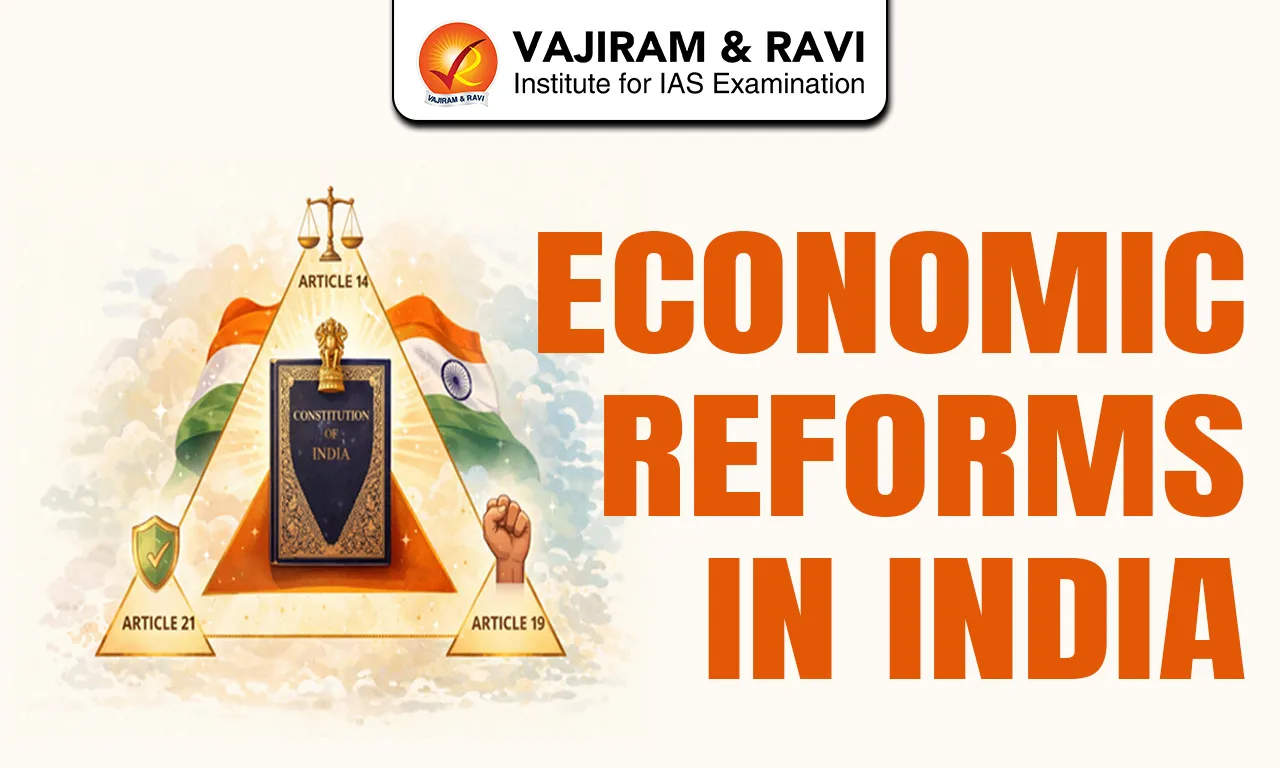
Economic Reforms in India, Background, New Economic Policy

Economic Reforms in India

Economic Reforms in India refer to the policy changes introduced by the government to improve the efficiency and growth of the economy. These reforms began in 1991 during a major economic crisis. The government reduced controls on businesses, encouraged private investment and opened the economy to global markets. Overall, these reforms aimed to promote economic growth, increase competitiveness and integrate India with the world economy. The Economic Reforms in India have been discussed in detail in this article.

Economic Reforms in India Background

  • The economic reforms of 1991 were introduced due to a serious economic crisis faced by India in the late 1980s and early 1990s. During the 1980s, economic growth increased but it created large fiscal imbalances because government expenditure was much higher than its income. To manage this gap, the government borrowed heavily from foreign countries and international institutions.
  • As a result, India faced an unfavourable Balance of Payments (BoP) situation. Imports increased faster than exports, leading to a large current account deficit and a rapid fall in foreign exchange reserves. Inflation and food prices also increased, while domestic and foreign debt kept rising. India’s credit rating declined, commercial loans were reduced, and many NRI deposits were withdrawn.
  • The 1990 Gulf Crisis, which increased oil prices, further worsened the situation. By 1991, India had very little foreign exchange left enough to cover imports for only about two weeks and international institutions like the International Monetary Fund (IMF) and the World Bank were unwilling to give new loans. This severe crisis forced the government to introduce economic reforms in 1991.

New Economic Policy (1991)

  • To manage the economic crisis of 1991, India approached the International Monetary Fund (IMF) and the World Bank (also known as the International Bank for Reconstruction and Development – IBRD) and received about $7 billion as a loan. In return, these institutions asked India to reduce government control, encourage the private sector and remove trade restrictions to open the economy to the world.
  • India accepted these conditions and introduced the New Economic Policy (NEP) in 1991. The main aim was to create a more competitive economy and remove barriers to business growth.
  • The reforms were broadly divided into two types:
    • Stabilisation measures - short-term steps to control inflation and improve the balance of payments by maintaining enough foreign exchange reserves.
    • Structural reforms - long-term changes to improve efficiency and increase global competitiveness.
  • These reforms were mainly carried out through three major policies: Liberalisation, Privatisation, and Globalisation (LPG).

Liberalisation

Liberalisation refers to the removal or reduction of government controls and restrictions in the economy to promote competition, efficiency, and growth. Major liberalisation reforms were introduced in 1991 to open different sectors of the economy.

  • Deregulation of Industrial Sector: Before 1991, industries required government permission through industrial licensing, and many sectors were reserved for the public or small-scale industries. After reforms, industrial licensing was removed for most industries and market forces were allowed to determine production and prices.
  • Financial Sector Reforms: The financial sector includes banks, stock markets, and financial institutions. Earlier it was strictly controlled by the Reserve Bank of India (RBI). Reforms allowed more freedom to banks, encouraged private and foreign banks, and permitted Foreign Institutional Investors (FIIs) to invest in Indian financial markets.
  • Tax Reforms: Tax rates on income and corporations were gradually reduced to encourage savings and reduce tax evasion. Indirect taxes were simplified, leading to the introduction of the Goods and Services Tax (GST) in 2017 to create a unified national market.
  • Foreign Exchange Reforms: In 1991, the rupee was devalued to improve the Balance of Payments situation. Later, exchange rates were largely determined by market demand and supply.
  • Trade and Investment Reforms: The government reduced import restrictions, lowered tariff rates, and removed most import licensing to promote international trade, foreign investment, and global competitiveness.

Privatisation

Privatisation refers to reducing the role of the government in Public Sector Enterprises (PSEs) by transferring ownership or management to the private sector. This can be done either by withdrawing government control or by selling public sector companies to private investors.

  • Disinvestment: Privatisation mainly took place through disinvestment, where the government sold a part of its shares in public sector enterprises to the public or private sector. The main aim was to improve financial discipline, modernisation, and efficiency. It was also expected that private capital and better management would improve the performance of these enterprises and encourage Foreign Direct Investment (FDI).
  • Greater Autonomy to PSUs: The government also tried to improve the performance of Public Sector Undertakings (PSUs) by giving them more managerial freedom. Some efficient PSUs were given special status such as Maharatna, Navratna, and Miniratna.

Globalisation

Globalisation means integrating a country’s economy with the world economy to increase trade, investment, and economic cooperation among countries.

  • Outsourcing: Outsourcing means hiring services from other countries instead of doing them within the company. Due to the growth of IT and communication, many services like BPO, accounting, and banking are outsourced to India because of low costs and skilled labour.
  • World Trade Organization (WTO): The World Trade Organization (WTO) was established in 1995, replacing the General Agreement on Tariffs and Trade (GATT). Its aim is to promote free and fair international trade by reducing trade barriers. India is an important member and has removed many trade restrictions according to WTO rules.

Economic Reforms in India Assessment

The impact of economic reforms in India has been mixed, with both positive results and some challenges.

Positive Outcomes

  • Economic growth after reforms has been higher than the pre-reform period, mainly due to the rapid growth of the service sector.
  • Fiscal deficit and inflation have been better controlled.
  • India has emerged as an important player in areas like manufacturing, medical services, and IT.
  • Exports, especially software exports, and remittances from Indians abroad have increased, leading to a strong rise in foreign exchange reserves.
  • India is now seen as a major emerging market because of its growing economy, young population, expanding middle class, and strong private sector.

Issues and Limitations

  • Economic growth has not been inclusive. There is a wide gap between agriculture and industry, and rural infrastructure remains weak.
  • Reforms mainly focused on the economic sector, while the social sector such as health, education, social security, gender equality, and environmental protection received less attention.
  • Low public spending has increased inequality in education and social services.
  • Indian society still faces major divides such as rural–urban, rich–poor, gender, and caste inequalities.

Need for Inclusive Growth

  • To achieve inclusive growth, the government needs to create more rural employment, improve infrastructure, and invest more in health and education. The state should also provide better public services to support weaker and marginalised sections of society.

Economic Reforms in India FAQs

Q1: What are Economic Reforms in India?

Ans: Policy changes introduced in 1991 to improve economic growth by reducing government control and opening the economy to global markets.

Q2: Why were Economic Reforms introduced in 1991?

Ans: Due to a severe economic crisis, including high fiscal deficit, inflation, rising debt, and very low foreign exchange reserves.

Q3: What is the New Economic Policy (NEP) 1991?

Ans: A reform programme introduced in 1991 to stabilise the economy and promote growth through Liberalisation, Privatisation and Globalisation (LPG).

Q4: What is Liberalisation?

Ans: Reduction or removal of government restrictions on economic activities to promote competition and private investment.

Q5: What is Privatisation?

Ans: Transfer of ownership or management of public sector enterprises to the private sector, mainly through disinvestment.

26th Constitutional Amendment Act, Reasons, Relevance, Significance

26th Constitutional Amendment Act

The 26th Constitutional Amendment Act was an important amendment to the Constitution of India passed in 1971. It aimed to bring changes related to the status and privileges that existed from the time of the integration of princely states after independence. The amendment was introduced to strengthen the principles of equality and democracy in the country and to ensure that the constitutional system was in line with the idea of a modern republic.

About 26th Constitutional Amendment Act

  • The 26th Constitutional Amendment Act was passed in 1971 to abolish the privy purses and special privileges given to the former rulers of princely states. The main objective was to promote equality and establish an egalitarian society in India.
  • After independence, many princely states agreed to join the Indian Union. In return for surrendering their ruling powers, the government guaranteed them a tax-free payment called privy purse along with certain privileges. These guarantees were provided under Article 291 and Article 362 of the Constitution of India. The amount of privy purses was generally about one-fourth of the income that the rulers had earlier received.
  • Although the system of privy purse was initially accepted as part of the agreement for the integration of princely states, it later came to be criticised for being inconsistent with the democratic principle of equality. During the discussions in the Constituent Assembly of India on 12 October 1949, Sardar Vallabhbhai Patel explained that these payments were a necessary compromise to ensure the peaceful integration of the princely states into India.
  • However, over time the government decided that such privileges were not suitable for a democratic republic. Therefore, the amendment abolished the privy purse, ended the recognition of former rulers, and removed Articles 291 and 362 from the Constitution of India, strengthening the principles of equality and democracy.

Relevance of Privy Purse

After independence, many princely states joined India on the condition that their rulers would receive a fixed payment from the government, known as the privy purse. These payments were guaranteed under Article 291 of the Constitution of India and Article 362 of the Constitution of India. However, over time the system was criticised for several reasons:

  • It gave special privileges and financial benefits to former rulers, which created inequality in a democratic country.
  • It continued the old colonial practice of ruler and ruled, which was not suitable for a modern republic.
  • It went against the principle of equality mentioned in the Constitution of India, especially the ideals in the Preamble of the Constitution of India and Fundamental Rights (Part III).
  • The payments also created an extra financial burden on the government at a time when the country was facing poverty, hunger, and development challenges.
  • As a result, the 26th Constitutional Amendment Act was passed in 1971, which abolished the privy purse and removed Articles 291 and 362 from the Constitution.

Reasons for Abolition of Privy Purse

  • Equality before law: Privy purse gave special financial benefits to a small group of former rulers, which went against the principle of equal rights for all citizens.
  • Incompatibility with democracy: The idea of maintaining royal privileges did not match the values of democracy, equality, and social justice.
  • Economic reasons: India was facing serious economic challenges, including poverty and rising government expenditure. Abolishing the privy purse helped reduce the financial burden on the state.
  • Socialist goals: The government aimed to build a socialistic pattern of society, where resources would be used for the welfare of all people rather than for maintaining royal privileges.
  • Political and economic pressures: Events such as the 1971 refugee crisis from East Pakistan (now Bangladesh) increased government expenditure, making it necessary to reduce unnecessary payments.
  • Thus, the abolition of the privy purse was seen as an important step toward strengthening democracy, equality, and economic justice in India.

Significance of the 26th Constitutional Amendment Act (1971)

  • Promoted Equality: The amendment ended special privileges given to former princely rulers and strengthened the principle of equality before law.
  • Strengthened Democracy: By abolishing royal privileges, it reinforced the idea that all citizens are equal in a democratic republic.
  • Ended Privy Purses: It removed the system of privy purse payments, which were earlier given to former rulers after the integration of princely states.
  • Reduced Financial Burden: Abolishing these payments helped reduce unnecessary government expenditure.
  • Completed Political Integration: It marked an important step in fully integrating the princely states into the Indian democratic system.

26th Constitutional Amendment Act FAQs

Q1: What was the 26th Constitutional Amendment Act, 1971?

Ans: The 26th Constitutional Amendment Act abolished the privy purses and special privileges of former rulers of princely states to promote equality in India.

Q2: What was a Privy Purse?

Ans: A privy purse was a fixed, tax-free payment given by the Government of India to former princely rulers after they agreed to join the Indian Union.

Q3: Which constitutional provisions guaranteed the Privy Purse?

Ans: Privy purses were guaranteed under Article 291 of the Constitution of India and Article 362 of the Constitution of India.

Q4: Why were Privy Purses abolished?

Ans: They were abolished because they created inequality, maintained royal privileges, and placed a financial burden on the government.

Q5: What changes were made by the 26th Amendment?

Ans: The amendment abolished privy purses, ended the official recognition of former rulers, and removed Articles 291 and 362 from the Constitution of India.

Lagrangian Point, Meaning, Number, Importance, Aditya L1 Mission

Lagrangian Point

Lagrange Points are special positions in space where objects placed there tend to stay in a stable or nearly stable position. At these points, the gravitational pull of two large bodies, such as the Sun and Earth, balances the centripetal force required for a smaller object to move along with them in orbit.

Because of this balance of forces, spacecraft placed at these points require very little fuel to remain in position, making them extremely useful for satellites, telescopes, and space observatories.

What are Lagrange Points?

Lagrange Points are locations in space where the gravitational forces of a two-body system create regions of enhanced attraction and repulsion. These regions allow a smaller object, such as a satellite, to maintain a constant position relative to the two larger bodies.

The concept was developed in 1772 by the Italian-French mathematician Joseph-Louis Lagrange. In this work, he studied the mathematical problem known as the General Three-Body Problem, which examines how three bodies interact gravitationally in space.

Number of Lagrange Points

In any system of two large celestial bodies, there are five special Lagrange Points where a smaller mass can move in a constant pattern with them. These points are labeled: L1, L2, L3, L4 and L5. Among these five points: 

  • Three points (L1, L2, L3) are unstable
  • Two points (L4, L5) are stable

Lagrange Points Importance

Lagrange Points are extremely important in space exploration because they provide locations where spacecraft can remain in position with very little fuel. These points help scientists observe the Sun, Earth, and deep space continuously without frequent orbital adjustments.

  • Spacecraft placed at Lagrange points require less fuel for station-keeping, which increases mission life.
  • They provide stable or semi-stable locations for satellites and space observatories.
  • L1 helps scientists continuously monitor the Sun and space weather.
  • L2 offers an ideal environment for deep space telescopes and astronomical observations.
  • L4 and L5 are stable regions where asteroids and cosmic dust can accumulate.
  • These points are useful for future space missions, communication satellites, and space stations.
  • They allow uninterrupted observation of Earth, the Sun, and distant galaxies.

About Aditya L1 Mission

The Aditya-L1 Mission is India’s first dedicated solar mission launched to study the Sun and its outer atmosphere. It was developed by the Indian Space Research Organisation (ISRO) to observe solar activities such as solar flares, solar wind, and space weather from the L1 Lagrange Point of the Sun–Earth system.

  • The mission was launched in September 2023 by the Indian Space Research Organisation.
  • It is positioned near the L1 Lagrange Point, about 1.5 million km from Earth.
  • The spacecraft continuously observes the solar corona, solar wind, and solar radiation.
  • It carries seven scientific payloads to study different layers of the Sun.
  • The mission helps scientists predict space weather and solar storms that can affect satellites and communication systems on Earth.
  • It provides important data to understand solar heating, magnetic fields, and solar eruptions.

Lagrangian Point FAQs

Q1: What is a Lagrangian Point?

Ans: A Lagrangian Point is a position in space where the gravitational forces of two large celestial bodies, such as the Sun and Earth, balance the motion of a smaller object, allowing it to remain in a stable position.

Q2: Who discovered Lagrangian Points?

Ans: Lagrangian Points were discovered by the Italian-French mathematician Joseph-Louis Lagrange in 1772 while studying the three-body gravitational problem.

Q3: How many Lagrangian Points are there?

Ans: There are five Lagrangian Points in a two-body system, known as L1, L2, L3, L4, and L5.

Q4: Which Lagrangian Points are stable?

Ans: L4 and L5 are stable points where objects can remain for long periods without major corrections.

Q5: Which space missions use Lagrangian Points?

Ans: Important missions located near Lagrangian points include the Aditya-L1, James Webb Space Telescope, and Solar and Heliospheric Observatory.

Rock Cut Architecture, Evolution, Types, Caves and Monuments in India

Rock Cut Architecture

Rock Cut Architecture represents one of the most remarkable achievements of ancient Indian engineering and artistic skill. This method produced caves, temples, monasteries, and sculptures without assembling separate building materials. In India, Rock Cut Architecture developed extensively and reflects remarkable achievements in ancient engineering, art, and religious expression. Many of these monuments were built between the 3rd century BCE and the medieval period.

What is Rock Cut Architecture?

Rock Cut Architecture is the practice of excavating and sculpting structures from a single solid rock mass. Instead of constructing buildings with bricks or stones, artisans removed unwanted rock portions to create interior spaces, pillars, halls, and sculptures. This technique demanded advanced craftsmanship and planning. In India, most rock cut structures were associated with religious activities such as monasteries, prayer halls, and temples.

Rock Cut Architecture Historical Evolution

Rock Cut Architecture in India evolved through several historical phases, reflecting religious developments, technological advancement, and artistic creativity across centuries.

  • Prehistoric Natural Cave Usage: Early humans used natural caves for shelter and ritual activities during the Palaeolithic and Mesolithic periods. Sites such as the Bhimbetka rock shelters contain paintings dating around 8000 BCE and represent early artistic expression on rock surfaces.
  • Early Religious Use of Natural Caves: During the time of Gautama Buddha in the 6th century BCE, monks began using natural caves for meditation and residence. The Saptaparni Cave near Rajgir in Bihar is believed to have hosted the first Buddhist council after Buddha’s death.
  • Mauryan Period Rock-Cut Caves: The earliest artificial rock-cut caves in India were built during the Mauryan Empire in the 3rd century BCE. The Barabar caves in Bihar were commissioned by Emperor Ashoka around 250 BCE and feature polished granite interiors with precise geometric designs.
  • Development of Advanced Cave Architecture: In the post-Mauryan period, cave construction expanded significantly. Religious communities began carving more elaborate caves containing pillars, halls, and decorative elements. These structures were largely funded by merchants, rulers, and religious followers.
  • Western Deccan Expansion: Between 100 BCE and 170 CE, cave architecture flourished in western India. Buddhist caves such as Bhaja, Karla, Bedse, Kanheri, and Ajanta developed along major trade routes where monks interacted with travelling merchants.
  • Influence of Wooden Architecture: Early rock-cut caves often imitated wooden structures. Craftsmen carved stone beams, arches, and pillars resembling timber architecture, preserving the style of earlier wooden buildings that had decayed over time.
  • Rise of Chaitya and Vihara Structures: During early centuries CE, Rock Cut Architecture evolved into two main types of religious spaces. Chaitya halls served as prayer halls with stupas, while Viharas functioned as monasteries where monks lived in small cells around central halls.
  • Second Phase of Construction: A major revival occurred during the 5th and 6th centuries CE with sites like Ajanta and Ellora. These complexes displayed advanced artistic decoration, sculptural reliefs, and intricate architectural planning.
  • Hindu and Jain Influence: Over time, Hindu and Jain rulers also began commissioning rock-cut temples. The Badami caves and Ellora complex include temples dedicated to Hindu gods and Jain Tirthankaras, showing religious diversity in rock-cut monuments.
  • Final Phase of Rock-Cut Monuments: Rock cut construction continued until the medieval period. Jain monuments around Gwalior Fort and other regions represent some of the last phases of rock carving before free-standing temples became dominant.

Also Read: Historical Monuments in India

Rock Cut Architecture Types

Rock Cut Architecture developed into multiple structural forms used for religious worship, residence, and artistic expression across different historical periods.

  • Rock-Cut Caves: These are excavated chambers carved into hillsides or cliffs. Many served as monasteries and meditation spaces for monks. Early examples include the Barabar caves and numerous Buddhist caves in western India.
  • Chaitya Halls: Chaityas were prayer halls containing a stupa at the end of an apsidal hall. They often featured columns forming a circumambulatory path. The Karla Chaitya Hall in Maharashtra is one of the largest examples built in the 1st century BCE.
  • Viharas (Monastic Residences): Viharas were residential complexes where monks lived and studied. They typically contained a large central hall surrounded by small individual cells carved into the rock for monks’ accommodation.
  • Rock-Cut Temples: Unlike caves, these temples were carved to resemble structural temples with decorative pillars, halls, and sculptures. They often depicted deities and mythological scenes from religious traditions.
  • Monolithic Temples: Monolithic structures were carved entirely from a single rock mass. The Kailash Temple at Ellora is the most famous example, excavated vertically from the top of a basalt hill during the 8th century CE.
  • Rock Relief Sculptures: Some monuments were created as large sculptures carved directly into rock faces. These reliefs often depicted mythological scenes and religious figures in large monumental compositions.
  • Rock-Cut Stepwells: Stepwells are deep wells with steps leading to water reservoirs. Some were carved directly into rock formations and used for water conservation during dry seasons in regions such as Gujarat and Rajasthan.
  • Rock-Cut Monastic Complexes: Large cave complexes often contained multiple structures including chaityas, viharas, shrines, and courtyards. These complexes functioned as religious centres for study, worship, and pilgrimage.

Rock Cut Architecture in India

India contains more than 1,500 Rock Cut Architecture representing the most extensive collection of such structures in the world.

  • Barabar Caves, Bihar: Built during the Mauryan period around 250 BCE, these caves were commissioned by Emperor Ashoka and his grandson Dasharatha. The caves feature extremely smooth granite walls polished to a mirror-like finish and are among the earliest artificial caves in India.
  • Bhaja Caves, Maharashtra: Dating from around the 2nd century BCE, these Buddhist caves contain chaitya halls and monasteries carved into basalt cliffs. The complex includes carved pillars and wooden-style architectural features preserved in stone.
  • Karla Caves, Maharashtra: The Karla cave complex contains one of the largest chaitya halls in India built during the 1st century BCE. The structure includes tall pillars, decorative facades, and a large stupa used for congregational worship.
  • Bedse Caves, Maharashtra: These Buddhist caves are known for their beautifully carved entrance arches and large prayer halls. The caves demonstrate advanced architectural planning and decorative carvings from the early centuries CE.
  • Kanheri Caves, Maharashtra: Located near Mumbai, this complex contains over 100 Buddhist caves dating from the 1st century BCE onwards. The site served as a major monastic centre with living quarters, prayer halls, and inscriptions from donors.
  • Ajanta Caves, Maharashtra: Ajanta consists of 30 rock-cut Buddhist caves built between the 2nd century BCE and 6th century CE. The caves include monasteries and chaitya halls famous for their murals, sculptures, and detailed carvings depicting Buddhist themes.
  • Ellora Caves, Maharashtra: Ellora is one of the largest rock-cut complexes with 34 caves built between the 5th and 11th centuries CE. The caves represent three religions with 12 Buddhist caves, 17 Hindu caves, and 5 Jain caves.
  • Kailash Temple, Ellora: The Kailash temple (Cave 16) is a massive monolithic structure carved from a single rock. Commissioned by Rashtrakuta king Krishna I in the 8th century CE, it required excavation more than 100 feet deep into basalt rock.
  • Elephanta Caves, Maharashtra: Located on Elephanta Island near Mumbai, these caves contain magnificent Hindu sculptures dedicated mainly to Lord Shiva. The central hall features massive stone pillars and the famous three-headed Shiva sculpture.
  • Badami Cave Temples, Karnataka: These caves were created in the 6th century CE during the Chalukya period. The complex includes four caves with elaborate carvings of Hindu deities and one Jain shrine.
  • Udayagiri and Khandagiri Caves, Odisha: Built during the reign of King Kharavela in the 2nd century BCE, these caves were mainly used by Jain monks. The complex contains 18 caves in Udayagiri and 15 caves in Khandagiri.
  • Bagh Caves, Madhya Pradesh: The Bagh caves consist of nine Buddhist caves built around the 6th century CE along the Bagh River. These caves resemble the architectural design and decoration style seen in Ajanta.
  • Udayagiri Caves, Madhya Pradesh: These Gupta period caves include around 20 rock-cut chambers. Cave 5 contains a large relief of the Varaha incarnation of Vishnu rescuing the Earth goddess.
  • Pandavleni Caves, Maharashtra: Also known as Nasik caves, this group contains 24 Buddhist caves built between the 1st century BCE and 3rd century CE. The caves include inscriptions from rulers and merchants.
  • Mahabalipuram Monuments, Tamil Nadu: This coastal site contains monolithic rock-cut temples and sculptures created by the Pallava dynasty in the 7th century CE. The Pancha Rathas are famous examples carved from single stone blocks.
  • Gwalior Rock-Cut Jain Monuments: These monuments near Gwalior Fort contain large statues of Jain Tirthankaras carved into rock cliffs between the 6th and 15th centuries CE, representing one of the final phases of rock-cut architecture.
  • Masroor Rock-Cut Temple, Himachal Pradesh: The Masroor temples are a group of monolithic rock-cut temples carved from sandstone. They display Nagara style architecture and represent a rare example of rock-cut Hindu temple design in northern India.
  • Undavalli Caves, Andhra Pradesh: These caves were built during the 4th to 5th centuries CE and contain large multi-storey structures with Buddhist and later Hindu sculptures carved into sandstone hills.

Rock Cut Architecture FAQs

Q1: What is Rock Cut Architecture?

Ans: Rock-cut architecture is a construction technique in which buildings, temples, or caves are created by carving and excavating solid natural rock instead of assembling materials like bricks or stones.

Q2: Where is the earliest Rock Cut Architecture found in India?

Ans: The earliest examples are the Barabar Caves in Bihar, built during the Mauryan period around the 3rd century BC under Emperor Ashoka.

Q3: How many Rock Cut structures are found in India?

Ans: India has more than 1,500 known rock-cut monuments, including caves, monasteries, temples, and sculptures built between the 3rd century BC and the medieval period.

Q4: What are the main types of Rock Cut structures in India?

Ans: The major types include rock-cut caves, chaitya halls (prayer halls), viharas (monasteries), monolithic temples, and rock relief sculptures.

Q5: Which is the most famous Rock Cut Temple in India?

Ans: The Kailash Temple at Ellora is considered the most remarkable rock-cut monument, carved from a single rock in the 8th century during the Rashtrakuta period.

Light Pollution, Causes, Components, Impact, Measures

Light Pollution

Light pollution refers to the excessive or poorly directed use of artificial light that brightens the night sky and disturbs the natural darkness of the environment. It mainly occurs when lights are used unnecessarily or inefficiently at night. This problem has increased with the growth of cities, industries, and modern lifestyles. Common sources of light pollution include streetlights, lighting in buildings and offices, illuminated advertisements, parking areas, factories, and lights used in sports stadiums and other outdoor places.

Light Pollution Causes

Light pollution mainly occurs because of the excessive and poorly managed use of artificial lighting. Some of the major causes are:

  • Excessive Outdoor Lighting: Many streetlights, floodlights, and decorative lights are not properly shielded, so the light spreads in all directions instead of focusing on the ground. This unnecessary scattering of light brightens the night sky and creates glare.
  • Rapid Urbanization: The fast growth of cities has led to a large increase in artificial lighting from roads, buildings, shopping areas, and public spaces, which contributes significantly to light pollution.
  • Industrial Activities: Factories, warehouses, and industrial zones often use powerful lighting at night for safety and operational purposes, which adds to the overall brightness in surrounding areas.
  • Bright Advertisements and Signboards: Illuminated billboards, digital screens, and neon signs used for advertising remain lit for long hours, especially in busy commercial areas, increasing unnecessary lighting.
  • Inefficient Lighting Technology: The use of outdated or poorly designed lighting systems can produce more light than required and waste energy, thereby increasing light pollution.
  • Security Lighting: Overly bright or poorly directed security lights used in residential areas, offices, and public places can also contribute to unnecessary lighting at night.
  • Lighting in Stadiums and Sports Complexes: Large stadiums and sports facilities use very powerful lights for night events, which can brighten the surrounding sky and contribute to light pollution.
  • Decorative and Festive Lighting: Lights used for decoration during festivals, celebrations, and events may also increase light levels at night, especially in urban areas.

Also Read: Environmental Pollution

Components of Light Pollution

Light pollution is generally understood through several key components that describe different ways artificial light affects the environment.

  • Glare: Glare refers to excessive brightness from artificial lights that causes visual discomfort and reduces visibility. Very bright lights, especially when they shine directly into the eyes, can make it difficult for people to see properly and may even lead to safety issues on roads and public places.
  • Skyglow: Skyglow is the brightening of the night sky over cities and towns due to scattered artificial light from streetlights, buildings, and advertisements. Because of skyglow, the natural darkness of the sky is reduced and stars become difficult to see, especially in urban areas.
  • Light Trespass: Light trespass occurs when unwanted or unnecessary light spreads into areas where it is not needed. For example, light from streetlights or nearby buildings entering houses or residential areas can disturb people and disrupt the natural night environment.
  • Light Clutter: Light clutter refers to the excessive grouping of bright lights in a particular area, such as busy streets filled with illuminated billboards, signboards, and decorative lights. This creates a confusing and visually crowded environment and can distract drivers and pedestrians.

Also Read: Air Pollution

Impacts of Light Pollution

Light pollution has become a growing environmental concern across the world. A large part of the global population now lives under artificially bright night skies. Although artificial lighting is useful for safety and development, excessive lighting at night can create several problems for humans, wildlife and the environment.

  • Impact on Human Health: Too much artificial light at night can disturb the circadian rhythm, which is the body’s natural sleep–wake cycle. When people are exposed to bright light during nighttime, the production of the hormone melatonin may decrease. This can lead to sleep problems, fatigue, stress, headaches, and other health issues over time.
  • Impact on Plants: Plants require sunlight during the day for photosynthesis, but they also need darkness at night for proper growth and development. Artificial light at night can disturb this natural cycle and affect processes such as flowering, seed germination, and seasonal growth patterns.
  • Impact on Animals and Wildlife: Many animals depend on natural darkness for activities such as hunting, feeding, and reproduction. Artificial lighting can confuse nocturnal animals and disturb their natural behaviour. It may also affect the balance between predators and prey, thereby disturbing the ecosystem.
  • Impact on Birds and Migration: Several bird species use the moon and stars to guide their migration. Bright city lights can confuse these birds and cause them to change their direction or timing of migration. As a result, they may miss suitable conditions for nesting and breeding.
  • Impact on Marine Life: Light pollution can also affect marine animals. For example, sea turtle hatchlings usually move towards the natural light reflected from the sea. However, bright lights from coastal areas can mislead them and cause them to move inland instead of towards the ocean, which may threaten their survival.
  • Loss of Insect Biodiversity: Artificial lights attract many insects at night, which can disturb their feeding and breeding patterns. Over time, this can reduce insect populations and affect the food chain because many birds and animals depend on insects for food.
  • Disruption of Ecosystems: Because light pollution affects plants, insects, birds, and animals together, it can disturb the natural balance of ecosystems. Changes in the behaviour of one species can have wider effects on other species in the food chain.
  • Impact on Astronomy: Excessive artificial lighting creates a bright glow in the sky known as skyglow, which makes it difficult to observe stars, planets, and other celestial objects. This creates challenges for astronomers and scientific research.
  • Energy Waste and Environmental Impact: A large amount of artificial light is often wasted because it spreads into the sky or areas where it is not needed. This leads to unnecessary energy consumption and contributes indirectly to greenhouse gas emissions.
  • Economic Impact: Light pollution can also affect activities such as astronomical tourism and scientific research. Dark skies are important for observatories and tourism in some regions and excessive lighting can reduce these opportunities.

Measures to Control Light Pollution

  • Use Energy-Efficient and Directional Lighting: Lights should be designed to point downward rather than spreading in all directions. Using energy-efficient bulbs and motion sensors can reduce unnecessary lighting and save electricity.
  • Establish Dark Sky Parks and Reserves: Governments can create special areas where artificial lighting is strictly controlled. These places help protect the natural night sky, support wildlife, and allow people to observe stars clearly.
  • Light-Optimized Urban Design: Cities can be planned in a way that uses only the required amount of lighting in streets, buildings, and public places. Proper spacing and placement of lights can reduce excessive brightness and glare.
  • Lighting Regulations and Policies: Authorities can introduce rules to control the brightness, direction, and timing of outdoor lighting. For example, lights in commercial areas or billboards can be dimmed or turned off after a certain time.
  • Adoption of Smart and Modern Lighting Technologies: The use of modern technologies such as energy-efficient LEDs, smart lighting systems, and automatic timers can help control the intensity and duration of lighting.
  • Public Awareness and Responsible Use: People should be encouraged to switch off unnecessary lights at homes, offices, and public spaces. Awareness about the negative effects of light pollution can promote responsible lighting practices.

Also Read: Water Pollution

Global Initiatives to Reduce Light Pollution

  • International Dark-Sky Association (IDA): The International Dark-Sky Association works to protect the natural night sky by promoting responsible outdoor lighting. It also certifies Dark Sky Parks and Reserves around the world where strict lighting rules help preserve natural darkness.
  • Globe at Night Campaign: Globe at Night is a global citizen-science program in which people observe the night sky and report the visibility of stars. These observations help scientists measure light pollution levels and spread public awareness.
  • World Atlas of Artificial Night Sky Brightness: The World Atlas of Artificial Night Sky Brightness maps how bright the night sky has become due to artificial lights. It provides important data that helps researchers and policymakers understand the global extent of light pollution.
  • International Year of Light (2015): The International Year of Light 2015 was declared by the United Nations to highlight the importance of light in science and daily life. It also encouraged the responsible and sustainable use of artificial lighting to reduce light pollution.
  • Dark Sky Scotland Project: The Dark Sky Scotland promotes the protection of dark skies in Scotland by encouraging better lighting practices and supporting dark-sky tourism and conservation.

Light Pollution FAQs

Q1: What is Light Pollution?

Ans: Light pollution is the excessive or poorly directed use of artificial light at night that brightens the sky and disturbs natural darkness.

Q2: What are the major causes of Light Pollution?

Ans: It is mainly caused by excessive outdoor lighting, rapid urbanization, industrial lighting, bright advertisements, and inefficient lighting systems.

Q3: What are the main components of Light Pollution?

Ans: The main components are glare (excessive brightness), skyglow (brightening of the night sky), light trespass (light falling where not needed), and light clutter (too many bright lights in one area).

Q4: How does light pollution affect human health?

Ans: Artificial light at night can disturb the body’s sleep cycle, leading to sleep problems, stress, and fatigue.

Q5: How does light pollution affect wildlife?

Ans: It can disturb the behaviour of animals, birds, insects and marine life by affecting their navigation, feeding, and reproduction.

Broadcast Audience Research Council (BARC)

Broadcast Audience Research Council

Broadcast Audience Research Council (BARC) Latest News

The Ministry of Information and Broadcasting recently asked the Broadcast Audience Research Council (BARC) to suspend publication of Television Rating Points (TRPs) for TV news channels for four weeks or until further direction.

About Broadcast Audience Research Council (BARC)

  • It is a joint industry company founded by stakeholder bodies that represent Broadcasters, Advertisers and Advertising & Advertising Agencies. 
  • It owns and manages a transparent, accurate, and inclusive TV audience measurement system. 
  • Established in 2010, the BARC has since been the sole body which can measure and publish television audience data in the country.
  • It is based in Mumbai, India.

What is Television Rating Point (TRP)?

  • It is a metric used to measure the popularity and viewership of television programs.
  • The more viewers a program has, the higher its TRP rating. 
  • It is calculated by measuring the viewership of a particular program over a period of time, usually a week. 
  • TRP ratings are used by broadcasters and advertisers to determine the popularity of different TV programs.
  • According to the TRP of a TV channel or programme, advertisers decide where to display their advertisements, and investors will decide about the investment of the money.

How is TRP Calculated in India?

  • In India, TRP is calculated by BARC using “BAR-O-meters”, that are installed in televisions in selected households. 
  • It uses audio watermark technology to measure viewership of TV channels, and it also measures time-shifted viewing and simulcasts. 
  • BARC has installed “BAR-O-meters” in over 58,000 impanelled households. 
  • These gadgets record data about the channel or programme watched by the family members or selected people. This method is called the People meters.
  • In this way, some thousand viewers are surveyed in the form of justice and sampling. 
  • The data is then extrapolated to estimate the viewership of the entire population.
  • Another method is known as picture matching, where the people meter records a small portion of the picture that is being watched on the TV. 
    • This data is collected from a set of homes in the form of pictures and later on is analysed to calculate the TRPs.
  • The BARC releases weekly TRP results every Thursday ranking all TV channels and TV programmes.

Source: TH

Broadcast Audience Research Council (BARC) FAQs

Q1: What is the Broadcast Audience Research Council (BARC)?

Ans: It is a joint industry company that measures and publishes television audience data in India.

Q2: Which stakeholder groups founded the Broadcast Audience Research Council (BARC)?

Ans: It was founded by stakeholder bodies representing broadcasters, advertisers, and advertising agencies.

Q3: When was the Broadcast Audience Research Council (BARC) established?

Ans: It was established in 2010.

Q4: Where is the headquarters of the Broadcast Audience Research Council located?

Ans: It is based in Mumbai, India.

G- SPIDER Robot

G- SPIDER Robot

G- SPIDER Robot Latest News

Recently, under Swachh Bharat Mission–Urban 2.0, Thiruvananthapuram Municipal Corporation has deployed an AI-powered G-SPIDER robot

About G- SPIDER Robot

  • It is an automated canal cleaning robot, created by Genrobotic Innovations.
  • It is engineered to operate in complex, high-risk canal environments without any human entry.

Features of G- SPIDER Robot

  • Efficient Operation: It is designed to function efficiently even during high water levels and continuous flow conditions.
  • Advanced Technology
    • It is built on Cable-Driven Parallel Robotics (CDPR) architecture and powered by AI-enabled vision and sensor intelligence.
    • It has a five-degrees-of-freedom robotic mechanism, equipped with a biomimetic claw-type grabber, ensures accurate positioning and secure handling of mixed and irregular debris.
    • It enables precise detection, assessment, and removal of accumulated waste.
    • By using advanced machine vision, the system autonomously identifies and adapts to different waste types, flow conditions, and structural challenges in real time.
  • The extracted waste is directly transferred into designated collection vehicles, enabling a fully hands-free and end-to-end canal cleaning process— from detection to safe disposal.
  • Uninterrupted Maintenance: It ensures uninterrupted and consistent maintenance of urban waterways.
  • Safe Waste Extraction: It is capable of safely extracting mixed and hazardous waste—including plastics, sharp debris, and other harmful materials.

Source: PIB

G- SPIDER Robot FAQs

Q1: What is the primary purpose of the G-SPIDEER Robot?

Ans: To clean canals

Q2: What technology does the G-SPIDEER Robot use?

Ans: AI-powered vision and sensor systems

Precision Strike Missile (PrSM)

Precision Strike Missile (PrSM)

Precision Strike Missile (PrSM) Latest News

The United States used Precision Strike Missiles (PrSMs) for the first time during its ongoing war with Iran, US Central Command (CENTCOM) said recently.

About Precision Strike Missile (PrSM)

  • It is a surface-to-surface guided ballistic missile to strike targets at long distances with high precision.
  • It is being developed and manufactured primarily for the US Army by Lockheed Martin (a US aerospace and defence company).
  • It entered US service in late 2023.

Precision Strike Missile (PrSM) Features

  • It features an open systems architecture and a modular design.
  • It is launched from existing artillery platforms, including the M142 High Mobility Artillery Rocket System (HIMARS) and the M270A2 Multiple Launch Rocket System (MLRS).
  • The missile uses solid rocket propellant and advanced navigation systems, including GPS and inertial guidance, to hit targets accurately over long distances, even in challenging weather conditions.
  • It has a range of at least 500 km.
  • It has a hypersonic-class ballistic trajectory that can even be integrated with satellites, drones and radar systems. 
  • It is equipped with an Insensitive Munitions (IM) energetic payload, designed to reduce the risk of accidental detonation.

Source: ALJ

Precision Strike Missile (PrSM) FAQs

Q1: What is the Precision Strike Missile (PrSM)?

Ans: It is a surface-to-surface guided ballistic missile designed to strike targets at long distances with high precision.

Q2: Precision Strike Missile (PrSM) is developed by which country?

Ans: United States

Q3: What is the range of the Precision Strike Missile?

Ans: It has a range of at least 500 km.

Q4: Which navigation systems are used by the Precision Strike Missile for accurate targeting?

Ans: It uses GPS and inertial guidance systems.

Golden Triangle of Indian Constitution, Meaning, Articles, Case Laws

Golden Triangle of Indian Constitution

The Golden Triangle of the Indian Constitution refers to the close relationship between Article 14, Article 19, and Article 21. These three Fundamental Rights are considered very important because they protect the basic freedoms and rights of citizens. Together, they form the core of the Fundamental Rights framework and play an important role in safeguarding individual liberty in India. In this article the Golden Triangle of Indian Constitution has been discussed in detail.

Golden Triangle of the Indian Constitution Meaning

  • The Golden Triangle of the Indian Constitution refers to the close relationship between Article 14, Article 19 and Article 21 of the Constitution of India. These three Fundamental Rights play a crucial role in ensuring equality, freedom, and personal liberty for all individuals. Article 14 ensures equality before the law, Article 19 provides important freedoms such as freedom of speech, expression, assembly, and movement, and Article 21 guarantees the right to life and personal liberty.
  • These rights are closely connected and support one another. Equality before the law helps people enjoy their freedoms without discrimination, and the right to life and personal liberty ensures that individuals can live with dignity. In this way, these three articles together protect the essential rights of citizens.
  • Because of this strong connection, the three articles are considered interdependent and cannot be interpreted separately. When they are read together, they create a strong framework that protects individual liberty and prevents unfair actions by the state. For this reason, they are popularly known as the Golden Triangle of the Indian Constitution, forming the core of the Fundamental Rights system and supporting democratic values in India.

Golden Triangle of Indian Constitution Articles

The Golden Triangle of the Indian Constitution refers to the relationship between Article 14, Article 19, and Article 21. These three Fundamental Rights together protect the core values of the Constitution - equality, freedom, and personal liberty. They are considered very important because they ensure that every individual is treated fairly and that the state does not act in an arbitrary or unjust manner. These articles are closely connected and are often understood together to safeguard the basic rights of citizens.

Article 14 - Right to Equality:

It guarantees equality before the law and equal protection of the laws to all persons. It ensures that the state treats everyone fairly and does not discriminate without a reasonable basis.

Article 19 - Right to Freedom:

This article provides several important freedoms to citizens, such as freedom of speech and expression, peaceful assembly, association, movement, residence, and profession. These freedoms are essential for the proper functioning of a democratic society.

Article 21 - Protection of Life and Personal Liberty:

It states that no person can be deprived of life or personal liberty except according to the procedure established by law. Over time, the Supreme Court has interpreted this article broadly to include many aspects necessary for living with dignity.

Golden Triangle of Indian Constitution Case Laws

  • Kesavananda Bharati v. State of Kerala (1973): In this landmark case, the Supreme Court introduced the Basic Structure Doctrine, which states that certain fundamental features of the Constitution cannot be changed by Parliament. Fundamental Rights, including the principles of equality, freedom, and liberty reflected in Articles 14, 19, and 21, are considered essential to this basic structure.
  • Maneka Gandhi v. Union of India (1978): This is one of the most important cases related to the Golden Triangle. In this case, the Supreme Court expanded the meaning of Article 21 and held that the procedure established by law must be fair, just, and reasonable. The Court also stated that Articles 14, 19, and 21 are closely connected and must be interpreted together. This judgement strengthened the protection of individual liberty and prevented arbitrary actions by the state.
  • Parmanand Katara v. Union of India (1989): In this case, the Supreme Court emphasized that the right to life under Article 21 includes the right to receive immediate medical treatment. The Court held that every doctor and hospital must provide emergency medical aid to accident victims without waiting for legal formalities. The judgement also highlighted the importance of the “Golden Hour,” the critical period after an injury when timely treatment can save lives.

Golden Triangle of Indian Constitution Significance

The Golden Triangle of the Indian Constitution, which includes Article 14, Article 19 and Article 21 of India Constitution, plays a very important role in protecting the basic rights of citizens. These three rights together ensure that people are treated equally, can enjoy important freedoms and are able to live with dignity. They also act as a safeguard against unfair or arbitrary actions by the government. When these rights are read together, they make sure that any law or action taken by the state must be fair and reasonable. In this way, the Golden Triangle forms the foundation for protecting individual liberty and maintaining democratic values in India.

Golden Triangle of the Indian Constitution FAQs

Q1: What is the Golden Triangle of the Indian Constitution?

Ans: The Golden Triangle refers to the close relationship between Article 14 of the Constitution of India, Article 19 of the Constitution of India, and Article 21 of the Constitution of India, which together protect the basic rights and freedoms of citizens.

Q2: Why is it called the Golden Triangle?

Ans: It is called the Golden Triangle because these three articles together form the core of Fundamental Rights and protect equality, freedom, and personal liberty.

Q3: Which articles are included in the Golden Triangle?

Ans: The Golden Triangle includes Article 14 (Right to Equality), Article 19 (Right to Freedom), and Article 21 (Right to Life and Personal Liberty).

Q4: Why are these three articles considered interdependent?

Ans: They are interdependent because equality, freedom, and personal liberty support each other and cannot be properly understood or protected separately.

Q5: Which Supreme Court case emphasized the right to emergency medical aid?

Ans: The Supreme Court highlighted this in Parmanand Katara v. Union of India, stating that hospitals and doctors must provide immediate treatment to accident victims.

India’s Export Performance, Growth, Exports, Development

India’s Export Performance

The Economic Survey 2025-26 describes India’s growth as “the envy of the world,” supported by strong macroeconomic fundamentals such as a healthy banking system, stable foreign exchange reserves, and a comfortable current account balance.

A major factor behind this momentum is the strengthening of India’s Export Performance. While many economies are still dealing with slow recovery, supply chain disruptions, and geopolitical tensions, India’s Export Performance has shown steady growth.

India’s Export Performance: Overall Growth Trends

  • India’s Export Performance has remained strong after the pandemic, reflecting the country’s economic resilience.
  • India’s Export Performance grew by around 6.15%, even as the global economy faced uncertainty and trade disruptions.
  • India’s total exports (goods and services) reached about USD 720.76 billion between April 2025 and January 2026.
  • Services exports reached USD 387.5 billion in FY25, creating a trade surplus of USD 188.8 billion.
  • India ranks among the top 5 countries in export product diversity and top 3 in trade partner diversity, which strengthens India’s Export Performance against global shocks.
  • Multiple sectors such as electronics, petroleum products, pharmaceuticals, textiles, automobiles, and defence are contributing to the steady rise in India’s Export Performance.

India’s Export Performance in Key Sectors

Petroleum Products

  • India has developed a strong refining capacity and has emerged as the seventh-largest exporter of refined petroleum products globally.
  • The country is also among the top five refining nations in the world, supported by modern infrastructure and strategic geographic location.

Electronics Exports

Electronics has become one of the fastest-growing sectors in India’s Export Performance. 

  • Electronic goods moved from the seventh-largest export category in FY22 to the third-largest in FY25.
  • India is the world's second-largest mobile phone manufacturer, with more than 300 manufacturing units operating today compared to just two units in 2014.  
  • Smartphones are a major driver of India’s Export Performance. In the first five months of FY 2025-26, smartphone exports crossed ₹1 lakh crore, showing a 55% increase compared to the previous year.

Pharmaceutical and Chemical Exports

  • India’s pharmaceutical sector continues to strengthen India’s Export Performance. 
  • India ranks as the world’s third-largest pharmaceutical producer by volume and the eleventh largest by value, with the sector recording an annual turnover of ₹4.72 lakh crore in FY25.  
  • India ranks 11th globally in pharmaceutical exports by value, accounting for about 3% of the global market.
  • Exports of medical devices have also expanded significantly, increasing from USD 2.5 billion in FY21 to USD 4.1 billion in FY25.
  • India is often called the “Pharmacy of the World ,” as it plays a crucial role in ensuring access to cost-effective generic drugs.

Textile and Apparel Exports

  • India is the sixth-largest exporter of textiles and apparel globally, holding around 4% share in global exports in this segment.
  • Exports of textiles and apparel increased from USD 35.87 billion in FY24 to USD 37.75 billion in FY25, reflecting steady demand for Indian garments, fabrics, and handicrafts in international markets.

Automobile Exports

Automobile manufacturing has become an important component of India’s Export Performance. 

  • India has emerged as a major exporter of two-wheelers, passenger vehicles, and commercial vehicles.
  • Automobile exports increased from 4.13 million units in FY21 to 5.36 million units in FY25, reflecting growing global demand for India-manufactured vehicles.

Defence Exports

A notable transformation in India’s Export Performance has been witnessed in the defence sector. 

  • Defence exports reached a record ₹23,622 crore in FY 2024-25, compared to less than ₹1,000 crore in 2014.
  • Indian defence equipment is now exported to over 100 countries, demonstrating the growing global confidence in India’s defence manufacturing capabilities.

Services Exports

Services exports remain a major pillar of India’s Export Performance. 

  • In FY25, India’s services exports reached an all-time high of USD 387.5 billion, generating a trade surplus of USD 188.8 billion.
  • The growth of information technology services, financial services, consulting, and digital platforms continues to strengthen India’s global presence in the services sector.

Expanding Trade Partnerships and Market Access

Another major factor contributing to India’s Export Performance is the diversification of trading partners. 

  • Over the past three years, India has signed nine Free Trade Agreements covering 38 countries, providing access to markets representing nearly 70% of global GDP.
  • These agreements are designed to reduce trade barriers, expand market access for Indian goods and services, and strengthen the long-term stability of India’s Export Performance.

Policy Initiatives Strengthening India’s Export Performance

Several government initiatives have played a crucial role in supporting India’s Export Performance.

Production-Linked Incentive (PLI) Schemes

Production-Linked Incentive (PLI) Scheme was first launched in 2020 to encourage companies to manufacture more products in India and increase exports. 

  • PLI Scheme for Automobile and Auto Components: This scheme promotes the manufacturing of high-value Advanced Automotive Technology (AAT) vehicles and components. It aims to attract investment and make India a global hub for advanced automobile manufacturing. By September 2025, the scheme had attracted investments of around ₹35,657 crore, strengthening the automobile sector and contributing to India’s Export Performance.
  • PLI for Bulk Drugs: India has traditionally depended on imports for important pharmaceutical inputs such as Active Pharmaceutical Ingredients (APIs), Key Starting Materials (KSMs), and drug intermediates. The PLI scheme for bulk drugs encourages domestic production of these critical materials. It has created an annual manufacturing capacity of about 55,000 metric tonnes for 26 essential products, which supports pharmaceutical exports and improves India’s Export Performance.

Export Promotion Mission (EPM)

The Export Promotion Mission (EPM) is a major initiative approved with an outlay of ₹25,060 crore for the period 2025-26 to 2030-31. The mission aims to strengthen the overall export ecosystem, improve access to affordable trade finance, and prepare Indian businesses to compete in global markets. It operates through two sub-schemes: Niryat Protsahan and Niryat Disha.

Key interventions under the mission include:

  • E-Commerce Credit Assistance: This provides financial support to exporters selling through digital platforms. Businesses can access credit facilities of up to ₹50 lakh for domestic e-commerce exports and up to ₹5 crore for overseas expansion, supported by government guarantees.
  • TRACE (Trade Regulations, Accreditation and Compliance Enablement): This initiative helps exporters meet international regulatory standards. It reimburses 60-75% of compliance costs, with a maximum limit of ₹25 lakh per exporter annually.
  • FLOW (Facilitating Logistics, Overseas Warehousing and Fulfilment): FLOW supports Indian exporters in setting up overseas warehouses and distribution networks. The scheme provides support of up to 30% of approved project costs.
  • LIFT (Logistics Interventions for Freight and Transport): This scheme helps exporters from districts with lower export activity by reimbursing up to 30% of freight costs, with a cap of ₹20 lakh per exporter annually.
  • INSIGHT (Integrated Support for Trade Intelligence and Facilitation): INSIGHT focuses on improving market research, trade intelligence, and exporter capacity building by funding 50-100% of project costs.

Semiconductor and Electronics Manufacturing Initiatives

Strengthening high-technology manufacturing is another major focus area for improving India’s Export Performance.

  • Electronics Component Manufacturing Scheme (ECMS): Notified in 2025 with an outlay of ₹40,000 crore, this scheme promotes domestic manufacturing of key electronic components. It aims to integrate India’s electronics industry with global value chains, thereby increasing exports of electronics products.
  • India Semiconductor Mission (ISM) 2.0: Announced in the Union Budget 2026-27, this initiative focuses on building India’s semiconductor ecosystem. It promotes industry-led research, technology development, and skill creation in areas such as chip fabrication, assembly, testing, and semiconductor design.
  • Customs and Taxation Measures: The Union Budget 2026-27 also introduced several customs duty reductions to support domestic manufacturing. Duties were reduced on aviation components, lithium-ion cell manufacturing inputs, and defence-related parts. These measures lower production costs and help industries become more competitive in global markets, thereby supporting India’s Export Performance.

Sector-Specific Export Promotion

The government has also introduced targeted initiatives for emerging sectors.

  • PM E-DRIVE Scheme: This scheme encourages the adoption and manufacturing of electric vehicles, including electric two-wheelers, three-wheelers, e-trucks, and e-ambulances. It also supports the development of charging infrastructure, which strengthens India’s electric mobility industry and its export potential.
  • Scheme to Promote Manufacturing of Electric Passenger Cars (SMEC): This initiative promotes domestic production of electric cars for both domestic consumption and exports, helping India enter the global electric vehicle market.
  • Defence Export Promotion: India is also focusing on expanding defence exports.
    • Defence Acquisition Procedure (DAP) 2020 and Defence Procurement Manual (DPM) 2025 aim to promote transparency, faster procurement, innovation, and self-reliance in defence manufacturing.
    • Two major industrial clusters - the Uttar Pradesh Defence Industrial Corridor and the Tamil Nadu Defence Industrial Corridor have attracted investments of more than ₹9,145 crore as of October 2025. These corridors are expected to increase defence production and exports, contributing to India’s Export Performance.

Infrastructure and Ecosystem Development

To support industrial growth and exports, the Union Budget 2026-27 announced new infrastructure initiatives such as Rare Earth Corridors, Chemical Parks, and the Biopharma SHAKTI programme. These initiatives aim to strengthen supply chains and support high-value manufacturing sectors.

Services Export Promotion

Apart from goods exports, India is also witnessing strong growth in services exports. 

  • The rapid expansion of Global Capability Centres (GCCs), supported by tax incentives in Special Economic Zones (SEZs), has strengthened India’s position in the global services sector.
  • Additionally, India ranks second globally in AI skill penetration, which supports growth in technology and digital services exports.

Together, these initiatives are helping expand manufacturing capacity, strengthen supply chains, and improve global competitiveness ultimately supporting long-term growth in India’s Export Performance.

Challenges Affecting India’s Export Performance

Despite the positive trends, India’s Export Performance faces several structural and global challenges.

  • Rising protectionism and tariffs in major economies pose a significant risk. For example, tariff increases by the United States in 2025 affected sectors such as textiles, steel, and seafood exports.
  • Non-tariff barriers, including complex documentation requirements and strict rules of origin under trade agreements. These barriers often increase compliance costs for exporters.
  • The European Union’s Carbon Border Adjustment Mechanism (CBAM) will impose carbon-based taxes on products such as steel, aluminium, and cement, potentially affecting the competitiveness of Indian exports.
  • Geopolitical tensions and supply chain disruptions particularly in energy-supplying regions can increase production and shipping costs for Indian exporters.
  • Competition from countries such as Vietnam and Bangladesh in labour-intensive sectors like textiles and footwear also adds pressure on India’s Export Performance.

Steps Needed to Strengthen India’s Export Performance

To sustain long-term growth in India’s Export Performance, several policy steps are necessary.

  • Simplifying export procedures: To maintain long-term growth in India’s Export Performance, the government needs to make export procedures simpler through digital platforms and better coordination among regulatory agencies.
  • Improving logistics infrastructure: Investment in dedicated freight corridors, modern ports, and better transport networks can reduce export costs and make India’s Export Performance more competitive globally.
  • Focus on sustainability standards: As global trade is increasingly linked with climate regulations, India must develop carbon accounting systems and green financing options so exporters can meet environmental standards and sustain India’s Export Performance.
  • Strengthening manufacturing capacity: Expanding advanced manufacturing through industrial corridors and production incentive schemes will help increase production and support India’s Export Performance.
  • Promoting digital trade and e-commerce: Encouraging digital trade platforms and e-commerce exports can help small and medium enterprises reach international markets, further improving India’s Export Performance.

India’s Export Performance FAQs

Q1: How has India’s Export Performance grown recently?

Ans: In the post-pandemic period, India’s Export Performance has remained strong, with total exports reaching about USD 720.76 billion between April 2025 and January 2026.

Q2: Which sectors contribute the most to India’s Export Performance?

Ans: Major sectors include electronics, petroleum products, pharmaceuticals, textiles, automobiles, defence equipment, and services such as IT and consulting.

Q3: What government initiatives support India’s Export Performance?

Ans: Key initiatives include Production-Linked Incentive (PLI) schemes, the Export Promotion Mission (EPM), India Semiconductor Mission 2.0, and infrastructure initiatives such as defence industrial corridors and rare earth corridors.

Q4: What are the main challenges affecting India’s Export Performance?

Ans: Major challenges include global protectionism, non-tariff trade barriers, the EU’s Carbon Border Adjustment Mechanism (CBAM), supply chain disruptions, and competition from countries such as Vietnam and Bangladesh.

Q5: Why is India’s Export Performance important for the economy?

Ans: A strong India’s Export Performance helps increase foreign exchange earnings, create jobs, expand manufacturing, and strengthen India’s position in global trade.

Mumps

Mumps

Mumps Latest News

Health officials in Maryland, United States recently issued an alert after confirming an uptick in mumps cases.

About Mumps

  • It is a contagious disease caused by the mumps virus, which belongs to a group of viruses known as paramyxoviruses. 
  • It can cause painful swelling in your parotid salivary glands (parotitis). 
  • Transmission:
    • Humans are the only known host for the mumps virus, which is spread from person to person by drops of moisture from the nose and mouth, such as through sneezing. 
    • It is also spread through direct contact with items that have infected saliva on them.
  • Mumps occurs worldwide and usually affects children and young adults.
  • Incubation period: Typically 16 to 18 days; ranging from 12 to 25 days.
  • Symptoms:
    • Face pain
    • Fever
    • Headache
    • Sore throat
    • Loss of appetite
    • Swelling of the parotid glands (the largest salivary glands, located between the ear and the jaw)
    • Swelling of the temples or jaw (temporomandibular area)
  • Normally mumps is a mild, self-limiting disease and disappears without sequelae.
  • However, complications may occur, such as encephalitis or sensorineural deafness.
  • Orchitis (a painful inflammation of the testes) occurs in 20% of young adult males who develop mumps.
  • Treatment: There is no specific treatment for mumps. The various symptoms may be relieved with medicines.
  • Prevention
    • Vaccination is the main preventive measure against mumps.
    • MMR immunization (vaccine) protects against measles, mumps, and rubella.

Source: CNN

Mumps FAQs

Q1: What is mumps?

Ans: Mumps is a contagious viral disease caused by the mumps virus belonging to the paramyxovirus group.

Q2: Which glands are commonly affected in mumps?

Ans: The parotid salivary glands are commonly affected, leading to swelling (parotitis).

Q3: Which age groups are most commonly affected by mumps?

Ans: Mumps usually affects children and young adults.

Q4: What are the common symptoms of mumps?

Ans: Common symptoms include fever, headache, sore throat, face pain, loss of appetite, and swelling of the parotid glands.

Q5: What is the main method of preventing mumps?

Ans: Vaccination is the main method of prevention.

Sambar Deer

Sambar Deer

Sambar Deer Latest News

The Wildlife Wing of the Himachal Pradesh Forest Department recently recorded the presence of sambar deer (Rusa unicolor) in high-altitude protected areas of Chamba district through camera traps for the first time.

About Sambar Deer

  • It is a large deer native to the Indian Subcontinent, southern China and Southeast Asia.  
  • Scientific Name: Rusa unicolor
  • Several races of sambar are recognized, among them the large Indian sambar and the smaller Malayan sambar.

Sambar Deer Habitat and Distribution

  • They are native to India, Pakistan, Ceylon, Sri Lanka, Burma, the Philippines, southern China, Taiwan, Borneo, Malaysia, Sumatra, and Java. 
  • Sambars inhabit both gently sloping and steep forested hillsides. 
  • They reside preferably near cultivated areas, such as gardens and plantations, in order to acquire food, but are also found in thick forests, swamp forests, and open scrub.

Sambar Deer Features

  • A large, relatively long-tailed deer, it stands 1.2–1.4 m (47–55 inches) at the shoulder. 
  • It is the largest oriental deer, with some adult males reaching 550 kg in weight.
  • Its body is covered with a hairy coat that is colored yellowish brown to dark gray. 
  • Its underside is usually dark or chestnut in color.
  • Its hairs are generally long and more so around the neck particularly in males. 
  • It has a long black tail. The underside of this tail is usually white in color. 
  • Males have antlers and tend to be heavier and darker. Their antlers can grow up to 42 inches long and have 3 or 4 tines (points) and are shed periodically. 

Sambar Deer Conservation Status

It is classified as 'Vulnerable' under the IUSN Red List

Source: TI

Sambar Deer FAQs

Q1: Where is the Sambar deer native to?

Ans: The Sambar deer is native to the Indian Subcontinent, southern China, and Southeast Asia.

Q2: Do male Sambar deer have antlers?

Ans: Yes, males have antlers.

Q3: What is the conservation status of the Sambar deer according to the IUCN Red List?

Ans: The Sambar deer is listed as Vulnerable on the IUCN Red List.

India $5 Trillion Economy Target and GDP Revision

$5 Trillion Economy

$5 Trillion Economy Latest News

  • India’s Ministry of Statistics and Programme Implementation (MoSPI) has released new GDP estimates to provide a more accurate picture of the economy.
  • Gross Domestic Product (GDP) represents the total market value of all final goods and services produced within India’s borders and indicates the overall size and prosperity of the economy.
  • Since economies change over time in terms of prices, consumption patterns, and production, GDP calculations are periodically revised.
  • In the latest revision, 2022–23 has been adopted as the new base year for GDP calculations. Updated GDP figures for subsequent years have been released, and earlier data will be revised accordingly.

New GDP Series and Improvements in Data Quality

  • The National Statistics Office (NSO) has released a new GDP series to improve the accuracy of India’s economic data. 
  • The revision incorporates richer data sources from both formal and informal sectors, updates estimation methods, and addresses criticisms of earlier GDP calculations.
  • This new series is designed to better reflect the changing structure of the Indian economy.
  • The new series uses GST data to improve quarterly GDP estimates. It also captures the informal sector more accurately through annual surveys of unincorporated enterprises.
  • Additionally, the issue of double deflation in agriculture and manufacturing has been addressed, and several key economic ratios have been updated using recent studies.

Key Takeaways from the New GDP Series

  • Revision in the Size of the Economy
    • The new GDP series released by the Ministry of Statistics and Programme Implementation (MoSPI) shows that the size of India’s economy is smaller than previously estimated.
    • For example:
      • 2022–23 GDP is now estimated at ₹261 lakh crore, instead of the earlier estimate of ₹269 lakh crore.
      • For the current financial year, GDP is estimated at ₹345 lakh crore, compared to ₹357 lakh crore earlier.
      • This downward revision changes several related economic indicators.
  • Lower Per Capita Income
    • Per capita income represents the average income of a person in a country, calculated by dividing GDP by the population.
    • Under the old estimates, the average annual income of an Indian in 2025–26 was about ₹2,51,393.
    • Under the new estimates, it is ₹2,43,180, or roughly ₹20,265 per month.
    • This shows that the average income level in India is lower than previously believed.
  • India Further from the $5 Trillion Target
    • The $5 trillion economy target is based on nominal GDP, which measures the value of goods and services at current market prices without adjusting for inflation.
    • For international comparison, nominal GDP in rupees is converted into US dollars using the exchange rate.
  • Effect of the New GDP Series
    • Earlier estimates suggested that India’s GDP in 2025–26 had crossed $4 trillion.
    • However, two factors have changed this:
      • Downward revision of nominal GDP, and
      • Depreciation of the rupee against the US dollar.
    • Assuming an exchange rate of ₹88 per dollar, India’s GDP is now estimated at around $3.9 trillion.
    • As a result, India is now further away from the $5 trillion economy milestone than previously thought.

Source: IE | IE

$5 Trillion Economy FAQs

Q1: Why has the India $5 trillion economy target moved further away?

Ans: The India $5 trillion economy target moved further away due to a downward revision of nominal GDP and depreciation of the rupee, reducing India’s GDP to about $3.9 trillion.

Q2: What changes were introduced in the new GDP series?

Ans: The new GDP series adopts 2022-23 as the base year and incorporates GST data, surveys of unincorporated enterprises and improved estimation methods to better capture the informal sector.

Q3: How did the GDP revision affect India’s per capita income?

Ans: Under the revised GDP series, per capita income for 2025-26 is estimated at ₹2,43,180 annually, lower than the earlier estimate of ₹2,51,393.

Q4: What is nominal GDP and why is it important for the $5 trillion target?

Ans: Nominal GDP measures the value of goods and services at current market prices without adjusting for inflation. The $5 trillion economy target is calculated using nominal GDP.

Q5: How does the exchange rate affect India’s GDP in dollar terms?

Ans: India’s GDP is converted from rupees to dollars using the exchange rate. A weaker rupee reduces GDP in dollar terms, making targets like $5 trillion harder to achieve.

State of the World’s Migratory Species Report – Explained

Migratory Species

Migratory Species Latest News

  • A new interim update to the State of the World’s Migratory Species Report warns that nearly half of the world’s migratory species populations are declining and many face growing extinction risks. 

State of the World’s Migratory Species Report

  • The State of the World’s Migratory Species Report is a global assessment that evaluates the conservation status of migratory animals across the world. 
  • It is prepared under the Convention on the Conservation of Migratory Species of Wild Animals (CMS), a legally binding international treaty established in 1979 under the United Nations Environment Programme (UNEP)
  • The report provides comprehensive scientific information on migratory species, their population trends, conservation status, and the threats they face across their migratory routes.
  • The first global State of the World’s Migratory Species Report, released in 2024, was the first comprehensive global assessment of migratory wildlife. It covered 1,189 species listed under the CMS treaty and also analysed trends among more than 3,000 additional migratory species worldwide. 
  • The report uses scientific data from sources such as the IUCN Red List, population monitoring studies, and scientific literature to evaluate extinction risks and population changes. 

Importance of Migratory Species

  • Migratory species play a crucial role in maintaining ecological balance and supporting human livelihoods. For example:
    • Migratory birds help in pollination and pest control.
    • Marine animals such as whales and fish help maintain ocean food chains.
  • Migratory herds on land distribute nutrients and shape ecosystems across landscapes. 
  • These species are also important for cultural traditions, tourism, and food systems in many parts of the world.
  • However, migration itself creates vulnerability. If a single habitat along their migration route is destroyed, the entire migration chain may collapse. Protecting migratory species, therefore, requires coordinated conservation efforts across multiple countries.

Major Findings of the Latest Report

  • Declining Populations of Migratory Species
    • The report highlights alarming trends in migratory wildlife populations.
    • Around 49% of migratory species populations protected under the CMS treaty are declining.
    • Approximately 24% of these species now face the risk of extinction. 
    • This represents a worsening situation compared to earlier assessments, with the proportion of declining species increasing by about 5 percentage points in just two years. 
    • Out of the 1,189 species listed under the CMS, nearly 582 species show declining population trends.
  • Rising Extinction Risks
    • The report found that 26 migratory species have moved into higher extinction-risk categories on the IUCN Red List. 
    • Among these, 18 are migratory shorebirds, highlighting severe threats to coastal and wetland ecosystems. 
    • Many migratory animals affected include:
      • Birds such as cranes and pelicans
      • Ungulates like wildebeest
      • Freshwater fish species
      • Marine animals such as sharks, rays, and turtles
    • These findings underline the growing vulnerability of migratory wildlife across multiple ecosystems.
  • Habitat Loss and Overexploitation as Major Threats
    • The report identifies habitat loss and overexploitation as the two biggest threats facing migratory species globally. 
    • Human activities such as:
      • Urban expansion
      • Infrastructure development
      • Agriculture
      • Overfishing and hunting
    • have disrupted key migratory routes and habitats.
    • For example, infrastructure projects such as roads, railways, fences, and pipelines are creating barriers that block migration paths of large animals such as ungulates in Central Asia. 
    • Because migratory species depend on multiple habitats along their routes, damage at even one location can significantly affect their survival.
  • Emerging Threat from Avian Influenza
    • The report also highlights the growing impact of Highly Pathogenic Avian Influenza (H5N1) on migratory wildlife. 
    • The disease has caused mass mortality events among several migratory bird species and has also affected marine mammals.
    • Species impacted include:
      • African Penguins
      • Humboldt Penguins
      • Peruvian Pelicans
      • Red-crowned Cranes
    • Marine mammals such as the South American Sea Lion and South American Fur Seal have also been affected. 
    • Disease outbreaks add to existing pressures from habitat loss and climate change.
  • Progress in Conservation Efforts
    • Despite the overall decline, the report notes some encouraging conservation successes.
    • Seven migratory species listed under CMS have shown improvements in conservation status, including:
      • Saiga Antelope
      • Scimitar-horned Oryx
      • Mediterranean Monk Seal 
    • These examples demonstrate that coordinated conservation actions across countries can help restore populations of endangered migratory species.
  • Importance of Key Biodiversity Areas
    • The report identified 9,372 Key Biodiversity Areas (KBAs) that are important habitats for migratory species. 
    • However, 47% of these areas currently lack protection, leaving many critical migratory habitats vulnerable to human pressures.
    • Strengthening protection of these areas is essential for ensuring the survival of migratory species.

Source: IE | Earth

Migratory Species FAQs

Q1: What is the State of the World’s Migratory Species Report?

Ans: It is a global assessment of migratory wildlife prepared under the UN Convention on the Conservation of Migratory Species.

Q2: What proportion of migratory species populations are declining globally?

Ans: Around 49% of migratory species populations listed under the CMS treaty are declining.

Q3: How many migratory species are listed under the CMS treaty?

Ans: The CMS treaty currently lists about 1,189 migratory species worldwide.

Q4: What are the main threats to migratory species?

Ans: Habitat loss, overexploitation, infrastructure barriers, and diseases such as avian influenza are major threats.

Q5: Which international treaty protects migratory wildlife?

Ans: The Convention on the Conservation of Migratory Species of Wild Animals (CMS) is the main global treaty protecting migratory wildlife.

Striped Hyena

Striped Hyena

Striped Hyena Latest News

Recently, the Tajikistan and Uzbekistan have urged the inclusion of the striped hyena (Hyaena hyaena) in Appendix I and II of the Convention of Migratory Species (CMS) at the upcoming Convention on the Conservation of Migratory Species of Wild Animals (CMS COP15).

About Striped Hyena

  • It is one of four species belonging to the family Hyaenidae.
    • Other three are the Spotted Hyena, the Brown Hyena and the Aardwolf.
  • Appearance: It is a bit smaller than the spotted hyenas and has stripes all over their bodies. 
  • Habitat: It inhabits savannas, grasslands, semi-deserts, open woodlands, and mountainous regions.
  • Distribution: It is mainly found in South Asia (India, Nepal, Afghanistan), North Africa, Sub-Saharan Africa, Western Asia, and Central Asia.
  • It ranges across Africa (North as well as Sub-Saharan), the Middle East (West Asia) as well as Asia (Central and South Asia).

Characteristics of Striped Hyena

  • They are territorial creatures and scent-mark their territorial boundaries as a warning to their rivals.
  • Diet: Striped hyenas are primarily scavengers and eat mainly carrion and human refuse
  • Adult Striped hyena females are dominant over males and aggressive toward other females.
  • The striped hyena is generally considered solitary, but has some social organization.
  • Movements: 
    • It exhibits diverse movement patterns including long-distance dispersal events and seasonal or nomadic movements in response to prey availability and environmental conditions.
    • In arid and semi-arid regions, where resources are scarce and patchily distributed, striped hyenas may range widely and crossing international borders in search of food and water.

Conservation Status of of Striped Hyena 

  • IUCN: Near Threatened.
  • Wildlife Protection Act, 1972: Schedule I

Source: DTE

Striped Hyena FAQs

Q1: What is the scientific name of the Striped Hyena?

Ans: Hyaena hyaena

Q2: What is the conservation status of the Striped Hyena ?

Ans: Near Threatened

West Asia Conflict Impact on Indian Industries

West Asia Conflict

West Asia Conflict Latest News

  • The ongoing conflict in West Asia may disrupt the supply of critical industrial inputs to India, affecting sectors beyond oil and gas. 
  • Industries such as steel, fertilisers, cement and power transmission depend heavily on raw materials imported from the region.
  • Key imports include limestone, sulphur, gypsum, direct reduced iron (DRI) and copper wires, with more than half of India’s imports of these commodities coming from West Asia.
  • The region — including the Gulf Cooperation Council countries and other West Asian economies — is an important trade partner for India. In 2025, India imported goods worth $98.7 billion from the region.
  • Escalating attacks on energy and logistics facilities and the potential closure of the Strait of Hormuz, a vital global trade route, have increased fears of supply disruptions. Any disturbance in this region could therefore affect multiple Indian industries beyond the energy sector.

Impact of West Asia Conflict Beyond the Energy Sector

  • West Asia is a major global supplier of oil and gas, making global energy markets highly sensitive to regional conflicts. 
  • With crude stocks expected to last about a month, Indian refiners have begun increasing imports of discounted Russian oil. 
  • Gas companies are also considering curbing industrial gas supplies if LNG shipments from Qatar are disrupted.

Risk to Fertiliser, Manufacturing and Exports

  • If disruptions in shipping through the Strait of Hormuz persist, the impact could extend beyond energy markets. 
  • According to the GTRI report, sectors such as fertilisers, manufacturing inputs, construction materials, and export industries like diamonds could face supply challenges.

Construction Sector Vulnerability

  • India relies heavily on West Asia for key minerals used in construction.
  • Limestone: India imported $483 million, accounting for 68.5% of total imports. It is a crucial input for cement production.
  • Gypsum: Imports were $129 million, making up 62.1% of total imports, and it is widely used in cement and construction materials.
  • Supply disruptions could increase cement prices and delay infrastructure projects.

Risks to Fertiliser and Steel Industries

  • Sulphur: India imported $420 million worth from West Asia, representing 65.8% of imports. It is used to produce sulphuric acid, essential for fertilisers and chemicals.
  • Direct Reduced Iron (DRI): Imports of $190 million (59.1% of total imports) are critical for steel production.

Impact on Diamond Processing

  • India’s diamond processing industry could also be affected. 
  • Over 40% of rough diamonds used in India’s cutting and polishing centres are imported from West Asia, making the sector vulnerable to supply disruptions.

Energy Stress on the Steel Sector

  • Experts note that while alternative sources exist for some raw materials, the bigger challenge is rising and volatile energy prices. 
  • The ongoing conflict in West Asia could push up oil and gas prices, affecting industrial costs.

Availability of Alternative Raw Materials

  • Inputs such as limestone and direct reduced iron (DRI) can be sourced from other countries if supplies from West Asia are disrupted.
    • Limestone: Alternatives include Thailand and Vietnam.
    • DRI: Potential suppliers include Libya and Malaysia.
  • However, these alternatives do not solve the issue of energy price fluctuations.

Steel Industry’s Dependence on Gas

  • India’s steel industry increasingly relies on natural gas (LPG and LNG) as part of its decarbonisation strategy. 
  • This dependence makes the sector vulnerable to global gas market disruptions.
  • Industry representatives warn that availability of gas and scrap has already become a concern for steel producers.

Possible Impact on the Fertiliser Sector

  • The fertiliser sector may not face immediate disruption because it is currently the off-season for fertiliser demand.
  • However, prolonged disruption of LNG and sulphur supplies could affect domestic urea production and availability for the next agricultural season.
  • To reduce risks, the fertiliser industry is exploring alternative suppliers, particularly in Southeast Asia, for inputs such as sulphur.

Source: IE

West Asia Conflict FAQs

Q1: How does the West Asia conflict impact Indian industries beyond oil and gas?

Ans: The West Asia conflict impact on Indian industries arises from disruption of imports like limestone, sulphur, gypsum and DRI, which are critical inputs for cement, fertiliser, steel and manufacturing sectors.

Q2: Why is the Strait of Hormuz important for Indian industrial supply chains?

Ans: The Strait of Hormuz is a vital shipping route for industrial imports from West Asia. Any disruption can delay supplies of raw materials essential for Indian industries and global trade.
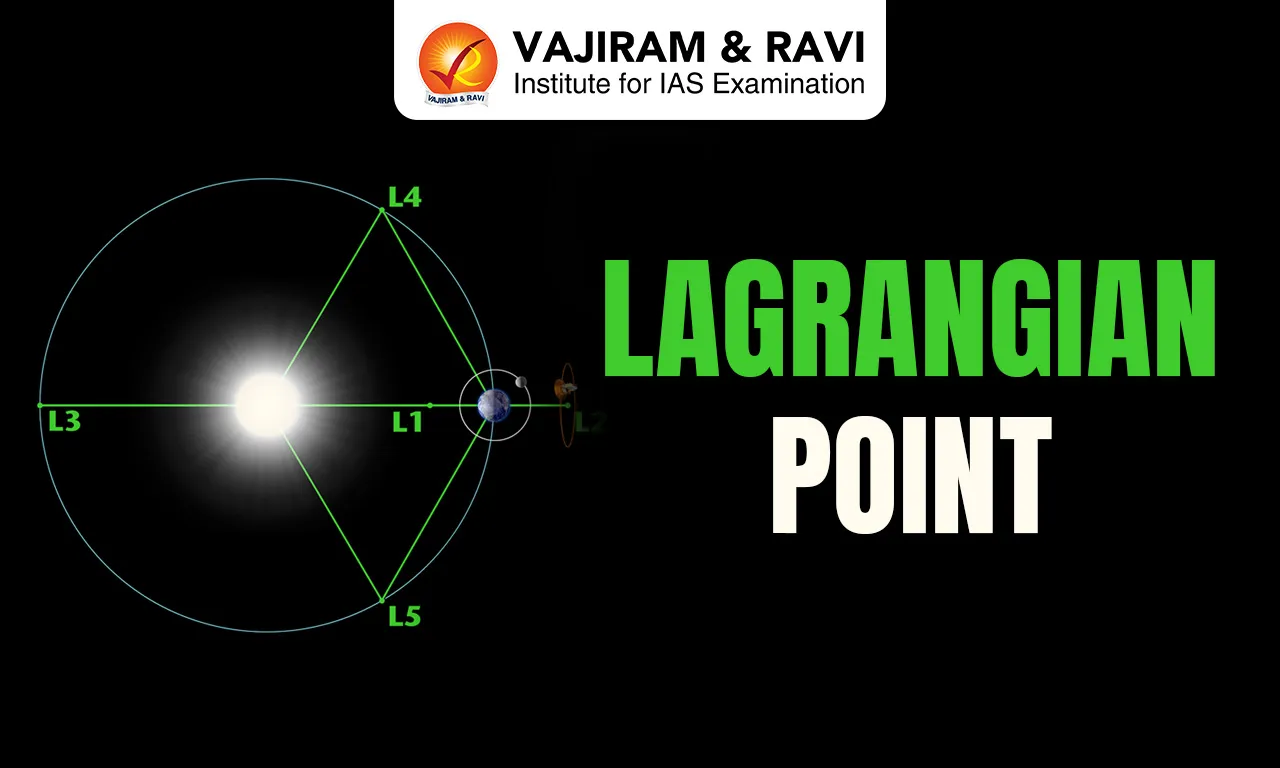
Q3: Which sectors are most vulnerable to the West Asia conflict impact on Indian industries?

Ans: Steel, fertilisers, cement, power transmission and diamond processing sectors are most vulnerable because they depend heavily on raw materials imported from West Asia.

Q4: How could the West Asia conflict affect India’s construction sector?

Ans: India imports large quantities of limestone and gypsum from West Asia. Supply disruptions could raise cement prices, delay infrastructure projects and increase construction costs.

Q5: Why is the steel sector particularly vulnerable to the West Asia conflict?

Ans: The steel sector depends on natural gas and imported inputs such as DRI. Rising oil and gas prices due to conflict can increase production costs and disrupt supply chains.

Ensuring Liquefied Petroleum Gas (LPG) Supply Amid the West Asia Crisis

Liquefied Petroleum Gas

Liquefied Petroleum Gas (LPG) Latest News

  • Amid the ongoing West Asia conflict, disruptions in maritime movement through the Strait of Hormuz—a crucial global energy chokepoint—have threatened India’s supply of Liquefied Petroleum Gas (LPG). 
  • Given that over 80% of India’s LPG imports pass through this route, the Government of India has invoked emergency provisions under the Essential Commodities Act, 1955 to safeguard domestic cooking gas supplies for over 33 crore households.
  • The Ministry of Petroleum and Natural Gas (MoPNG) has directed all oil refiners in India to maximise LPG production and prioritise domestic consumption, preventing diversion to petrochemical manufacturing.

Government’s Emergency Directive

  • Invoking the Essential Commodities Act, 1955
    • The government issued the order under - 
      • Section 3 of the Act
      • Petroleum Products (Maintenance of Production, Storage and Supply) Order, 1999
    • These provisions allow the government to regulate production, supply, and distribution of essential commodities during emergencies.
  • Key provisions of the Order:
    • Refining companies must maximise LPG production.
    • Propane and Butane streams must be used only for LPG production.
    • Refiners are prohibited from diverting these streams for petrochemicals.
    • All LPG produced must be supplied to public sector Oil Marketing Companies (OMCs).
  • Role of public sector OMCs:
    • The three major OMCs responsible for domestic LPG supply are Indian Oil Corporation, Bharat Petroleum Corporation Limited (BPCL), and Hindustan Petroleum Corporation Limited (HPCL).
    • These companies supply almost the entire LPG demand of Indian households.

India’s LPG Demand-Supply Dynamics

  • High import dependence:
    • The country’s LPG consumption in 2024-25 was around 31 million tonnes of LPG, of which just about 13 million tonnes was the domestic production, which translates to import dependency of around 58%.
    • The disruption in Hormuz shipping lanes therefore creates significant supply vulnerability.
  • Sources of LPG imports: India traditionally imports LPG from West Asian countries such as: Saudi Arabia, United Arab Emirates, Qatar, and Kuwait.
  • Strategic importance of the Strait of Hormuz:
    • The Strait of Hormuz is among the world’s most critical energy chokepoints.
    • For India, 80% of LPG, 40% of crude oil, and over 50% of LNG imports pass through it.
    • Any disruption here poses serious energy security risks.

Diversifying Energy Supply Sources

  • LPG import agreement: India recently signed an LPG supply deal with the United States.
  • Key features of the agreement: 2.2 million tonnes LPG imports in 2026, around 10% of India’s annual LPG imports, and supply from the US Gulf Coast. This agreement aims to reduce India’s dependence on West Asian suppliers.
  • Engagement with global traders: India is also coordinating with international traders and suppliers (Vitol, Trafigura, ADNOC Trading). The objective is to secure additional crude oil and LPG cargoes from alternative markets.

Energy Security and Strategic Reserves

  • Current oil and fuel stocks:
    • Indian refiners currently have crude oil stocks to last around 25 days, and around half of these would be replenished on an ongoing basis as supply from non-Hormuz regions continues unabated.
    • India also has strategic petroleum reserves that are currently estimated to hold crude reserves for another week or so of the country’s daily oil consumption of 5.6 million bpd. 
    • Additionally, Indian refiners have sufficient stocks of major fuels like petrol, diesel, and LPG for another 25 days’ of domestic demand.
  • Strategic Petroleum Reserves: India maintains emergency reserves at facilities such as Visakhapatnam, Mangaluru, and Padur Strategic Petroleum Reserves. These reserves act as a buffer against external supply shocks.

Impact on Natural Gas and LNG Supply

  • Vulnerability in LNG supply: India’s cushion is thinner in the Liquefied Natural Gas (LNG) sector because LNG stockpiling is technically difficult. India is the world’s 4th-largest LNG importer.
  • Supply disruptions: Petronet LNG Limited has issued force majeure notices to supplier (QatarEnergy), and domestic gas off-takers. QatarEnergy has also indicated a possible production halt due to the conflict.
  • Domestic gas allocation: 
    • Natural gas in India is allocated based on priority sectors, including city gas distribution (PNG & CNG), fertiliser industry, power sector.
    • If shortages worsen, the government may reprioritise allocation to ensure supply to critical sectors.

Challenges for India

  • Limited domestic LPG production: Despite large refining capacity, propane and butane production is limited.
  • LNG storage constraints: Unlike crude oil, LNG storage infrastructure is limited, reducing the ability to build strategic reserves.
  • Global price volatility: Conflict situations often lead to spikes in energy prices, affecting fiscal stability and subsidies.

Way Forward

  • Diversification: India must expand imports from the US, Africa, and Latin America to reduce reliance on West Asia.
  • Expanding: Strategic Petroleum Reserves (SPR) and exploring LNG storage solutions is essential.
  • Boosting: Domestic gas exploration and refining efficiency can increase LPG availability.
  • Transition: Accelerating adoption of electric cooking, Biogas and compressed biogas (CBG), and Green hydrogen.
  • Cooperation: Strengthening maritime security and diplomatic coordination to ensure safe sea lanes of communication (SLOCs).

Conclusion

  • The government’s decision to invoke emergency provisions reflects a proactive effort to safeguard India’s energy security and household welfare during a volatile geopolitical situation. 
  • While short-term measures such as maximising LPG production and diversifying imports provide temporary relief, long-term resilience will depend on energy diversification, strategic reserves, and accelerated transition to alternative fuels. 
  • Strengthening these pillars is critical for insulating India’s economy and citizens from future global energy shocks.

Source: IE

Liquefied Petroleum Gas (LPG) FAQs

Q1: Why is the Strait of Hormuz strategically important for India’s energy security?

Ans: It is a critical maritime chokepoint through which around 80% of India’s LPG, 40% of crude oil, and over half of LNG imports pass.

Q2: How has the Government of India used the Essential Commodities Act to address LPG supply concerns?

Ans: The government invoked Section 3 of the 1955 Act to direct refiners to maximise LPG production and prioritise supply for domestic consumers.

Q3: What are the key vulnerabilities in India’s LPG supply chain?

Ans: India faces high import dependence (around 58%) and reliance on the Strait of Hormuz.

Q4: How does India’s agreement to import LPG from the United States contribute to energy security?

Ans: The deal diversifies supply sources by importing 2.2 million tonnes of LPG annually.

Q5: What role do Strategic Petroleum Reserves (SPR) play in India’s energy security framework?

Ans: SPRs provide an emergency buffer of crude oil reserves, enabling India to cushion short-term disruptions in global energy supply.

Difference between Legal Rights and Fundamental Rights

Difference between Legal Rights and Fundamental Rights

Difference between Legal Rights and Fundamental Rights explains how two categories of rights function within the Indian constitutional and legal framework. Fundamental Rights arise directly from the Constitution under Part III, while Legal Rights originate from statutes enacted by Parliament or state legislatures.

What is the Difference between Legal Rights and Fundamental Rights?

Fundamental Rights and Legal Rights together form an integrated system within India’s legal structure. Fundamental Rights provide the constitutional guarantee of liberty and equality, while Legal Rights translate many of these ideals into practical benefits through legislation. For example, transparency in governance is achieved through the statutory Right to Information, which enables individuals to exercise the broader freedom of expression guaranteed under Article 19. Similarly, socio-economic legislation such as employment guarantees reflects legislative efforts to strengthen citizens’ welfare within the constitutional framework.

Difference between Legal Rights and Fundamental Rights

Difference between Legal Rights and Fundamental Rights mainly lies in their constitutional status, scope, enforcement mechanisms, and legal origin within the governance system.

Difference between Legal Rights and Fundamental Rights

Aspect

Fundamental Rights

Legal Rights

Source of Authority

Fundamental Rights derive directly from Part III of the Constitution of India, making them constitutionally guaranteed protections against arbitrary state action.

Legal Rights originate from ordinary statutes passed by Parliament or state legislatures, such as specific Acts regulating rights in defined sectors.

Constitutional Status

These rights possess constitutional recognition and are deeply embedded within the constitutional framework, ensuring protection of liberty, equality, and dignity.

Legal Rights exist within statutory frameworks and are not directly enshrined in the Constitution, though they operate within the legal system created by it.

Basic Structure Doctrine

The Kesavananda Bharati v. State of Kerala (1973) judgment held that Fundamental Rights form part of the Constitution’s basic structure, limiting Parliament’s amending power.

Legal Rights do not fall within the basic structure doctrine and therefore do not enjoy the same constitutional protection from legislative modification.

Scope of Application

Fundamental Rights generally apply to all citizens, ensuring equal protection and freedom irrespective of religion, caste, gender, or place of birth.

Legal Rights may apply selectively to certain individuals, groups, sectors, or situations depending upon the provisions of the statute.

Nature of Rights

These rights protect essential freedoms necessary for democratic life, including equality, liberty, and safeguards against exploitation.

Legal Rights primarily grant specific statutory privileges such as employment guarantees, voting rights, or access to public information.

Enforcement Authority

Fundamental Rights can be directly enforced through Article 32 before the Supreme Court and Article 226 before High Courts, ensuring immediate constitutional remedy.

Legal Rights are generally enforced through ordinary courts, where disputes are adjudicated based on statutory law and established procedures.

Remedy Mechanism

The Constitution guarantees the Right to Constitutional Remedies under Article 32, allowing individuals to approach the Supreme Court directly for enforcement.

In case of violation, individuals must initiate proceedings in lower or ordinary courts before the matter may progress to higher judicial forums.

Amendability

Modification of Fundamental Rights requires a constitutional amendment under Article 368, making changes relatively difficult and requiring parliamentary procedure.

Legal Rights may be altered, amended, or repealed through the ordinary legislative process by passing or modifying statutes.

Waiver by Individuals

Fundamental Rights cannot generally be waived by individuals because they protect broader constitutional values and public interest.

Legal Rights may be waived or relinquished by individuals in certain circumstances, such as contractual arrangements governed by law.

Obligation Imposed

Fundamental Rights primarily impose restrictions on state authority, preventing government institutions from violating individual liberties.

Legal Rights often impose obligations on individuals or institutions, for example compliance duties under statutory provisions.

Coverage

These rights cover a wide range of freedoms including equality (Articles 14-18), freedom (Articles 19-22), and protection against exploitation (Articles 23-24).

Legal Rights operate in more specialized domains such as employment guarantees, electoral participation, or administrative transparency.

Legal Protection 

Since they are constitutionally guaranteed, laws inconsistent with Fundamental Rights may be declared void under constitutional review.

Legal Rights depend on the validity of the statute itself and may be modified by subsequent legislative action.

Evolutions of Rights

Initially there were seven Fundamental Rights, including the Right to Property under Article 31, which was later removed.

After the 44th Constitutional Amendment Act, 1978, the Right to Property became a legal right under Article 300A in Part XII.

Examples

Examples include Right to Equality (Articles 14-18), Right to Freedom (Articles 19-22), and Right Against Exploitation (Articles 23-24).

Examples include Right to Vote under the Representation of the People Act, Right to Information under the RTI Act 2005, and Right to Work under MGNREGA.

Functions

Fundamental Rights establish the constitutional foundation of liberty, ensuring democratic governance and protection against misuse of state authority.

Legal Rights operationalize governance by translating statutory benefits and entitlements into enforceable claims within specific policy areas.

Difference between Legal Rights and Fundamental Rights FAQs

Q1: What is the main difference between Legal Rights and Fundamental Rights?

Ans: The main difference is that Fundamental Rights are guaranteed by the Constitution under Part III, while Legal Rights are created through statutes passed by Parliament or state legislatures.

Q2: Where are Fundamental Rights mentioned in the Constitution of India?

Ans: Fundamental Rights are enshrined in Part III of the Constitution of India (Articles 12-35), which protect freedoms such as equality, liberty, and protection from exploitation.

Q3: Can Legal Rights be changed easily?

Ans: Yes. Legal Rights can be amended or repealed through ordinary legislative procedures, while Fundamental Rights require a constitutional amendment under Article 368.

Q4: Which courts enforce Fundamental Rights and Legal Rights?

Ans: Fundamental Rights can be enforced directly in the Supreme Court under Article 32 or High Courts under Article 226, while Legal Rights are generally enforced through ordinary courts.

Q5: Give one example each of Fundamental Rights and Legal Rights.

Ans: Examples of Fundamental Rights include the Right to Equality (Article 14) and Right to Freedom (Article 19), while Legal Rights include the Right to Information under the RTI Act, 2005 and the Right to Vote under the Representation of the People Act.

Dudhwa Tiger Reserve

Dudhwa Tiger Reserve

Dudhwa Tiger Reserve Latest News

Recently, in a rare incident a female one-horned rhinoceros was killed by two tigers in Sonaripur forest range of Rhino Rehabilitation Enclosure-I in Dudhwa Tiger Reserve (DTR). 

About Dudhwa Tiger Reserve

  • Location: It is located on the Indo-Nepal border in the district of Lakhimpur-Kheri in Uttar Pradesh.
    • It includes the Dudhwa National Park and two nearby sanctuaries, viz. Kishanpur and Katerniaghat.
  • Topography: It is a typical Tarai-Bhabar habitat of the upper Gangetic plains biogeographic province.
  • Rivers: The Sharda River flows by the Kishanpur WL Sanctuary, the Geruwa River flows through the Katerniaghat WL Sanctuary, and the Suheli and Mohana streams flow in the Dudhwa National Park, all of which are tributaries of the mighty Ghagra River.
  • Vegetation: The vegetation is of the North Indian Moist Deciduous type, containing some of the finest examples of Sal forests in India.
  • Flora: It mainly consists of Sal Forest along with its associate tree species like Terminalia alata (Asna), Lagerstroemia parviflora (Asidha), Adina cordifolia (Haldu), etc.
  • Fauna: Tiger, leopard, Swamp deer, Rhinoceros, chital, hog deer, barking deer, Sambhar, wild boar, and Ratel.
    • There are about 400 species of birds in the park, such as the Florican and black-necked storks.

Source: IE

Dudhwa Tiger Reserve FAQs

Q1: What is Dudhwa Tiger Reserve known for?

Ans: Part of the Terai Arc Landscape

Q2: Where is Dudhwa Tiger Reserve located?

Ans: Uttar Pradesh

SWAYATT Initiative

SWAYATT Initiative

SWAYATT Initiative Latest News

Recently, the Government e-Marketplace (GeM) celebrated the seven-year journey of its flagship initiative, SWAYATT – Startups, Women and Youth Advantage through e-Transactions.

About SWAYATT Initiative

  • It was launched in February 2019.
  • It was conceptualised with a clear objective of invigorating participation of women-led enterprises and youth in public procurement.
  • It democratizes government procurement by enabling startups, women entrepreneurs, youth, Micro and Small Enterprises (MSEs), Self Help Groups (SHGs) and last-mile sellers to directly participate in the public procurement ecosystem through Government e-Marketplace.
  • It is rooted in GeM’s foundational pillar of social inclusion.
  • SWAYATT focuses on addressing three critical challenges often faced by emerging enterprises—access to markets, access to finance and access to value addition.

Key Facts About Government e Marketplace

  • It is an Online Market platform that was set up in 2016.
  • It facilitates the procurement of goods and services by government ministries, departments, public sector undertakings (PSU) etc.
  • It has been envisaged as the National Procurement Portal of India.
  • It was developed by the Directorate General of Supplies and Disposals (Ministry of Commerce and Industry) with technical support from the National e-governance Division (Ministry of Electronic and Information Technology).
  • GeM is a completely paperless, cashless and system-driven e-marketplace that enables procurement of common-use goods and services with minimal human interface.

Source: PIB

SWAYATT Initiative FAQs

Q1: What does SWAYATT stand for?

Ans: Startups, Women & Youth Advantage Through e-Transactions

Q2: Which platform is SWAYATT integrated with?

Ans: Government e-Marketplace (GeM)

Dark Oxygen

Dark Oxygen

Dark Oxygen Latest News

Scientists exploring the Pacific Ocean seafloor have reported the presence of what they describe as “dark oxygen” in an environment where sunlight does not reach.

About Dark Oxygen

  • It is the oxygen that is being produced thousands of feet below the ocean surface, without any light or photosynthesis.
  • The phenomenon was first observed in 2013 while studying the Clarion-Clipperton Zone, an area in the Pacific Ocean between Mexico and Hawaii. 

Why is the Discovery Important?

  • Until now, it was thought that oxygen was created only through photosynthesis, a process that requires sunlight. 
  • Oceanic plankton, drifting plants, algae, and some bacteria are the primary elements attributed to the production of oxygen in the ocean. All these organisms are capable of photosynthesis. 
  • The production of oxygen at such depths is thought to be impossible because there isn’t enough sunlight for plants to do photosynthesis.
  • However, in this case, oxygen is not being produced by plants.
  • The oxygen comes out of polymetallic nodules that are similar in resemblance to lumps of coal.
  • These nodules, made up of metals like manganese, iron, cobalt, nickel, copper, and lithium, produce oxygen without the process of photosynthesis. 
  • These nodules generate enough electricity to drive electrolysis, which splits water molecules apart and releases oxygen.
  • The researchers think the same process-battery-powered oxygen production that requires no light and no biological process - could be happening on other moons and planets, creating oxygen-rich environments where life could thrive.

Source: TOI

Dark Oxygen FAQs

Q1: What is Dark Oxygen?

Ans: Dark Oxygen is oxygen produced deep below the ocean surface without sunlight or photosynthesis.

Q2: Why is the discovery of Dark Oxygen important?

Ans: It challenges the earlier belief that oxygen can only be produced through photosynthesis.

Q3: Is Dark Oxygen produced by plants?

Ans: No, Dark Oxygen is not produced by plants.

Q4: What geological objects are responsible for producing Dark Oxygen?

Ans: Polymetallic nodules are responsible for producing Dark Oxygen.

Q5: How do polymetallic nodules produce oxygen?

Ans: They generate electricity that drives electrolysis, splitting water molecules and releasing oxygen.

Low-temperature Thermal Desalination Technology

Low-temperature Thermal Desalination Technology

Low Temperature Thermal Desalination Technology Latest News

Recently, the union Minister for Earth Sciences visited the Low Temperature Thermal Desalination (LTTD) plant at Kavaratti in Lakshadweep and reviewed the functioning of desalination facilities.

About Low Temperature Thermal Desalination Technology

  • It is a process under which the warm surface sea water is flash evaporated at low pressure and the vapour is condensed with cold deep sea water.
  • The LTTD technology does not require any chemical pre and post-treatment of seawater and thus the pollution problems are minimal and suitable for island territories.
  • Working Principle
    • This technique works on the principle that water in the ocean 1,000 or 2,000 feet below is about 4º C to 8º C colder than surface water.
    • So, salty surface water is collected in a tank and subject to high pressure (via an external power source).
    • This pressured water vapourises and this is trapped in tubes or a chamber.
    • Cold water plumbed from the ocean depths is passed over these tubes and the vapour condenses into fresh water and the resulting salt diverted away.
    • It produces potable water without the use of chemical additives or high-pressure membranes.
  • Significance: Since no effluent treatment is required, it gives less operational maintenance problems compared to other desalination processes.
  • The first LTTD plant in Lakshadweep was commissioned in Kavaratti in 2005.

Source: PIB

Low Temperature Thermal Desalination Technology FAQs

Q1: Where was the first LTTD plant commissioned in India?

Ans: Kavaratti, Lakshadweep

Q2: How does LTTD Technology work?

Ans: Using temperature difference between surface and deep sea water

Daily Editorial Analysis 7 March 2026

Daily-Editorial-Analysis

Rights, Justice, Action for India’s Women Farmers

Context

  • International Women’s Day, observed on March 8, highlights the global demand for equal rights, justice, and meaningful action for women and girls.
  • The significance of the day in 2026 is reinforced by its recognition as the International Year of the Woman Farmer, drawing attention to the crucial yet under-recognised role of women in agriculture.
  • In India, women contribute extensively to agri-food systems, yet they remain largely excluded from legal recognition, land ownership, and access to institutional support.
  • The disconnect between progressive laws and everyday realities reveals deep structural inequalities that affect women farmers’ economic security, health, and nutritional well-being.

The Invisibility of Women Farmers

  • Most agricultural land and property continue to be registered in men’s names due to patrilineal inheritance, social norms, and administrative barriers.
  • Women who manage day-to-day farming operations, purchasing inputs, supervising labour, and maintaining cultivation, often do so without formal recognition as farmers.
  • The absence of legal ownership has significant consequences. Many agricultural programmes require documentation linked to land ownership, which excludes women from institutional credit, crop insurance, irrigation schemes, extension services, and climate-resilient technologies.
  • Such eligibility conditions create systemic barriers that reinforce women’s marginalisation in agriculture.
  • Consequently, their labour remains undervalued, and their central role in rural food production remains largely invisible.

The Feminisation of Agriculture and Its Challenges

  • The increasing migration of men from rural areas has led to the feminisation of agriculture, with women assuming greater responsibility for cultivation, risk management, and household food provisioning.
  • While this transition could potentially enhance women’s agency, it often results in greater workloads without corresponding access to resources.
  • Women farmers frequently balance productive work in the fields with reproductive responsibilities such as childcare, cooking, and household management.
  • The lack of drudgery-reduction technologies and an adequate care ecosystem, intensifies this burden, creating severe time poverty.

Nutrition, Health, and Intergenerational Consequences

  • Maternal undernutrition and anaemia contribute to low birth weight, stunting, and impaired child development.
  • Rural diets often remain heavily cereal-centric, lacking sufficient pulses, fruits, vegetables, and animal-source foods necessary for balanced nutrition.
  • India has introduced an extensive right-to-food framework through the National Food Security Act, which guarantees subsidised cereals, supplementary nutrition for pregnant and lactating women, and maternity entitlements.
  • Some states have expanded programmes to include millets and fortified foods.
  • However, improvements in women’s nutritional outcomes remain uneven, and anaemia rates continue to raise concern.

The Gap Between Entitlements and Reality

  • Welfare schemes often remain focused on cereal distribution rather than diverse and nutrient-dense foods.
  • Frontline workers, responsible for delivering welfare programmes, are frequently overburdened, which affects the quality-of-service delivery and community awareness.
  • At the same time, increasing digitalisation of welfare systems has introduced new barriers for women lacking digital literacy, documentation, or reliable connectivity.
  • As a result, many women farmers struggle to fully claim and benefit from their legal entitlements to food and social protection.

Key Priorities for Empowering Women Farmers

  • First, improving the visibility of women farmers in law, policy, and gender-disaggregated data is essential.
    • Recognising a farmer based on agricultural activities rather than land ownership ensures inclusion of landless cultivators, sharecroppers, agricultural labourers, and tribal gatherers.
  • Second, strengthening women’s land rights and access to productive resources such as water, credit, and common lands is critical.
    • Measures such as joint spousal titles, enforcement of inheritance laws, and gender-sensitive land registration processes can enhance women’s economic security and decision-making power.
  • Third, aligning food systems and social safety nets with nutritional objectives is essential.
    • Public procurement policies should support the cultivation of nutri-cereals, pulses, fruits, and vegetables by small-scale women farmers and distribute them through public distribution systems, Anganwadis, and school meal programmes.
  • Fourth, women farmers must gain equitable access to agricultural technologies and extension services.
    • Labour-saving tools can reduce physical strain and time poverty, while improved access to training, market information, and sustainable farming practices strengthens women’s agency, productivity, and resilience.

Women as Drivers of Sustainable Agriculture

  • When women farmers gain access to knowledge, resources, and institutional support, they often become leaders in climate-resilient agriculture, biodiversity conservation, and nutrition-sensitive farming.
  • Their participation enhances household food security, strengthens community resilience, and promotes sustainable agricultural practices.
  • Empowering women farmers is therefore not only a matter of gender justice but also a crucial strategy for building resilient food systems and sustainable rural development.

Conclusion

  • Achieving the goals of Rights, Justice, Action requires more than symbolic recognition of women’s contributions.
  • Recognising women as farmers, securing their land rights, ensuring access to productive resources, and enabling them to fully claim their right to food and nutrition are essential steps toward an equitable and sustainable future.
  • Strengthening women’s position in agriculture will promote equity, improve nutrition outcomes, and build a more resilient India where those who feed the nation can also achieve dignity, recognition, and well-being.

Rights, Justice, Action for India’s Women Farmers FAQs

Q1. Why are women farmers often invisible in agricultural systems?
Ans. Women farmers remain invisible because land ownership, legal recognition, and agricultural records are usually registered in men’s names.

Q2. What is meant by the feminisation of agriculture?
Ans. The feminisation of agriculture refers to the increasing responsibility of women in farming due to male migration from rural areas.

Q3. How does lack of land ownership affect women farmers?
Ans. The lack of land titles prevents women farmers from accessing credit, insurance, irrigation schemes, and agricultural services.

Q4. Why is women’s nutrition a major concern in rural areas?
Ans.  Women’s nutrition is a concern because many suffer from anaemia, micronutrient deficiencies, and poor diets, which also affect child health.

Q5. What measures can empower women farmers?
Ans. Women farmers can be empowered through secure land rights, access to resources, improved technologies, and gender-inclusive agricultural policies.

Source: The Hindu


Balancing Innovation with Women’s Digital Safety

Context

  • Artificial Intelligence (AI) is rapidly transforming modern societies by reshaping communication, innovation, and governance.
  • In India, conversations around AI intensified following the India AI Impact Summit 2026 held in February.
  • While AI offers immense potential for technological growth and economic development, it also raises serious ethical concerns, particularly regarding women’s safety in digital spaces.
  • On the occasion of International Women’s Day 2026, it becomes essential to address the growing risks posed by AI misuse, online harassment, and digital violence.

Rising Digital Threats Against Women

  • With the expansion of internet access, women increasingly face online harassment, cyberbullying, doxxing, and digital humiliation.
  • Studies estimate that between 16% and 58% of women have experienced some form of online abuse.
  • These incidents demonstrate that gender-based violence is no longer confined to physical spaces but has expanded into the digital ecosystem.
  • In the physical world, individuals may adopt certain precautions to enhance safety, although such measures are not always effective.
  • However, in digital spaces, protection becomes far more difficult due to the anonymity of perpetrators, rapid content circulation, and limited platform accountability.

The Rise of Deepfakes and AI-Driven Abuse

  • Deepfakes involve the use of AI to create manipulated images, fabricated videos, or synthetic audio that falsely portray individuals saying or doing things they never did.
  • These technologies have been increasingly used to create non-consensual sexualised content, disproportionately targeting women.
  • Controversies involving the AI chatbot Grok AI developed by xAI illustrate the potential misuse of such tools.
  • Reports indicate that AI systems can be exploited to generate sexualised deepfakes, leading to severe psychological harm, social stigma, and privacy violations.
  • In societies already struggling with gender inequality and violence against women, such misuse of technology deepens existing vulnerabilities.

Significant Challenge in Addressing AI-Related Harms: Gender Gap in AI Development

  • Research by UN Women shows that many deepfake tools, largely designed by male developers, rarely target images of men, reflecting potential algorithmic bias and design imbalance.
  • Data from the United Nations Development Programme indicates that women constitute only about 22% of AI professionals, with fewer than 14% occupying senior roles.
  • This lack of gender diversity limits the range of perspectives influencing technological design and policy.
  • Greater inclusion of women in AI research, innovation ecosystems, and technology leadership can significantly improve the development of safer digital tools.
  • Diverse teams are more likely to identify ethical risks, strengthen content moderation systems, and design technologies that promote inclusive digital environments.
  • Integrating women’s experiences into technological design can reshape the ethical foundations of AI and ensure that innovation benefits society more equitably.

Effective Measures to Prevent the Misuse of AI

  • Strengthening Legal and Regulatory Frameworks
    • Strong cyber laws, timely investigations, and firm platform responsibility are necessary to protect individuals from digital harm.
    • In India, the Ministry of Electronics and Information Technology has introduced guidelines requiring online intermediaries to remove deepfake content within three hours of receiving a takedown notice.
    • Although debates continue regarding implementation challenges and oversight mechanisms, such policies represent important steps toward digital governance and legal accountability.
    • Strengthening regulatory frameworks can help curb AI misuse, ensure faster responses to harmful content, and protect victims from irreversible reputational damage.
  • Promoting Digital Safety Education
    • A large proportion of internet users today are children and young adults, often referred to as digital natives because of their constant interaction with technology.
    • Since nearly one-third of internet users belong to this group, integrating digital safety education into school curricula is crucial.
    • Students should be educated about online consent, cyber ethics, AI misuse, and responsible technology use.
    • Awareness programmes can help young users recognise risks such as deepfake manipulation, online exploitation, and cyber harassment.
    • Building a culture of responsible digital behaviour from an early age can significantly reduce future misuse of AI technologies.

Conclusion

  • Artificial Intelligence will continue to influence economic growth, governance, and everyday life. Resisting technological change is neither realistic nor sustainable.
  • However, ensuring that AI development aligns with ethical responsibility, gender equality, and digital safety is essential.
  • Protecting women in digital spaces requires a comprehensive approach that includes ethical AI design, greater female participation in technology, robust legal frameworks, and widespread digital education.
  • As the world observes International Women’s Day, prioritising women’s digital safety becomes a critical step toward building a secure, inclusive, and responsible digital future.

Balancing Innovation with Women’s Digital Safety FAQs

Q1. What is ethical AI?
Ans. Ethical AI refers to the responsible and fair development and use of artificial intelligence that prevents misuse, protects digital rights, and promotes safety and accountability.

Q2. Why are women more vulnerable to online abuse?
Ans. Women are more vulnerable because online anonymity, weak platform regulation, and gender-based discrimination enable perpetrators to target them without immediate consequences.

Q3. What are deepfakes and how do they affect women?
Ans. Deepfakes are AI-generated manipulated images, videos, or audio, and they often harm women by creating non-consensual sexualised content that damages their privacy and reputation.

Q4. How does the gender gap in AI development affect digital safety?
Ans. The lack of women in AI development limits diverse perspectives, which can lead to algorithmic bias and technologies that fail to adequately protect women from digital abuse.

Q5. How can digital safety be improved in the age of AI?
Ans. Digital safety can be improved through ethical AI design, stronger cyber laws, better content moderation, and widespread digital literacy education.

Source: The Hindu

Daily Editorial Analysis 7 March 2026 FAQs

Q1: What is editorial analysis?

Ans: Editorial analysis is the critical examination and interpretation of newspaper editorials to extract key insights, arguments, and perspectives relevant to UPSC preparation.

Q2: What is an editorial analyst?

Ans: An editorial analyst is someone who studies and breaks down editorials to highlight their relevance, structure, and usefulness for competitive exams like the UPSC.

Q3: What is an editorial for UPSC?

Ans: For UPSC, an editorial refers to opinion-based articles in reputed newspapers that provide analysis on current affairs, governance, policy, and socio-economic issues.

Q4: What are the sources of UPSC Editorial Analysis?

Ans: Key sources include editorials from The Hindu and Indian Express.

Q5: Can Editorial Analysis help in Mains Answer Writing?

Ans: Yes, editorial analysis enhances content quality, analytical depth, and structure in Mains answer writing.

UPSC Result 2026 Declared at upsc.gov.in, Download PDF Link

UPSC Result 2026 Declared

UPSC Result 2026 has been officially released by the Union Public Service Commission on its official website at upsc.gov.in. Candidates who appeared for the Civil Services Examination (CSE) 2025 can now check their results online in PDF format. The result includes the roll numbers and names of candidates selected in the final list.

UPSC Result 2026 Out

The UPSC Result 2026 has been officially released on 6th March 2026 by the Union Public Service Commission on its official website, upsc.gov.in. Candidates who appeared for the Civil Services Examination 2026 can now check their qualifying status in the result PDF available online. 

UPSC CSE Result 2026 Overview

The UPSC CSE Result 2026 is officially declared by the Union Public Service Commission on the official portal. It determines the selection of candidates for prestigious services like IAS, IPS, IFS, and other Group A & B central services.

UPSC CSE Result 2026 Overview
Particulars Details

Exam Name

Civil Services Examination (CSE) 2026

Conducting Authority

Union Public Service Commission (UPSC)

Exam Level

National

Exam Stages

Prelims, Mains, Interview (Personality Test)

Mode of Result

Online (PDF Format)

Services Offered

IAS, IPS, IFS, IRS, and other Central Services

UPSC Result 2026 Date

March 6, 2026

Final Merit Basis

Mains Written Marks + Interview Marks

Total Marks (Final Merit)

2025 Marks (1750 Mains + 275 Interview)

Selection Process

Written Examination + Personality Test

Training Academies

LBSNAA (IAS), SVPNPA (IPS), and other service academies

Result Availability

Official website – upsc.gov.in

UPSC Result 2026 Download PDF

The UPSC Result 2026 PDF is released on March 6, 2026, on the official UPSC website and contains the list of qualified candidates for various stages of the Civil Services Examination. This downloadable PDF includes roll numbers of candidates who have cleared interview, which is the final stage of the selection process.

UPSC Result 2026 Download PDF

Steps to Download UPSC Result 2026 PDF

The UPSC Result 2026 PDF can be easily downloaded from the official website of the Union Public Service Commission. Candidates must carefully follow the official steps to access the result and verify their roll number or name in the list.

  1. Visit the Official Website: Open your browser and go to upsc.gov.in.
  2. Go to the Examination Section: On the homepage, click on the “Examination” tab available in the top menu.
  3. Click on Active Examinations: From the dropdown menu, select “Active Examinations” to view the latest updates.
  4. Find the Result Link: Look for the link titled “Civil Services Examination, 2026 – Result” (Prelims/Mains/Final).
  5. Open the PDF File: Click on the result link; the PDF will open in a new tab.
  6. Search Your Roll Number: Press Ctrl + F (or use the search option on mobile) and enter your Roll Number.
  7. Verify Your Details: If your roll number appears in the list, you have qualified for the next stage or final selection.
  8. Download the PDF: Click on the download icon to save the result file to your device.
  9. Take a Printout: Keep a printed copy for future reference, especially for DAF submission and interview rounds.
  10. Check Official Notices: Also review any additional instructions mentioned along with the result notification.

UPSC Toppers List 2025

The UPSC Toppers List 2025 has been published along with the final result by the Union Public Service Commission. Candidates who appeared in the Civil Services Examination 2025 will be able to check the toppers’ names, All India Rank (AIR), roll numbers, and marks.

Rank Roll Number Name
1 1131589 Anuj Agnihotri
2 4000040 Rajeshwari Suve M
3 3512521 Akansh Dhull
4 0834732 Raghav Jhunjhunwala
5 0409847 Ishan Bhatnagar
6 6410067 Zinnia Aurora
7 0818306 A R Rajah Mohaideen
8 0843487 Pakshal Secretry
9 0831647 Astha Jain
10 1523945 Ujjwal Priyank
11 1512091 Yashaswi Raj Vardhan
12 0840280 Akshit Bhardwaj
13 7813999 Ananya Sharma
14 5402316 Surabhi Yadav
15 3507500 Simrandeep Kaur
16 0867445 Monika Srivastava
17 0829589 Chitwan Jain
18 5604518 Sruthi R B
19 0105602 Nisar Dishant Amrutlal
20 6630448 Ravi Raaz

UPSC Cut Off 2025

The UPSC Cut Off 2025 has been released by the Union Public Service Commission as the final result has already been declared. The cut-off marks are published category-wise and stage-wise on the official website after the completion of the entire selection process. Candidates will be able to check the Prelims, Mains, and Final cut-off marks in PDF format. Below is a previous year cut off.

Category 2024 2023 2022 2021 2020
General 947 953 960 953 944
EWS 917 923 926 916 894
OBC 910 919 923 910 907
SC 880 890 893 886 875
ST 884 891 900 883 876
PwBD-1 876 894 879 892 867
PwBD-2 913 930 913 932 910
PwBD-3 701 756 632 689 675
PwBD-5 461 589 590 701 465


[youtube url="https://www.youtube.com/watch?v=uSgHZWfcfvQ" width="560" height="315"]

What is After UPSC Final Result 2026?

After the declaration of the UPSC Final Result 2026 by the Union Public Service Commission, selected candidates officially enter the final phase of the Civil Services selection process. The final merit list is prepared based on marks obtained in the Mains Examination and the Personality Test. This stage marks the transition from aspirant to future civil servant, followed by service allocation and training.

Publication of Final Merit List

  • UPSC releases a merit list containing names, roll numbers, and All India Ranks (AIR).
  • Marks of recommended and non-recommended candidates are also published later.
  • The merit list determines service allocation priority.

Service Allocation Process

  • Services such as IAS, IPS, IFS, IRS, and other Group A & B services are allotted.
  • Allocation depends on rank, category, medical status, and service preference filled in DAF.
  • Higher rank generally increases the chances of getting top preferred services.

Cadre Allocation (For IAS/IPS/IFS)

  • Selected candidates are allotted state cadres or joint cadres.
  • Cadre allocation follows the official cadre policy and reservation norms.
  • Once allotted, officers usually serve most of their career in that cadre.

Medical Examination

  • Candidates must undergo a detailed medical test at designated government hospitals.
  • Medical fitness is essential, especially for services like IPS and IFS.
  • Unfit candidates may be considered for alternative services if eligible.

Document Verification

  • Original certificates (educational, category, age, etc.) are verified.
  • Any discrepancy can lead to cancellation of candidature.
  • Candidates must ensure all documents match the details submitted earlier.

Foundation Course Training

  • Selected candidates join the Foundation Course before service-specific training.
  • IAS officers train at Lal Bahadur Shastri National Academy of Administration.
  • IPS officers undergo training at Sardar Vallabhbhai Patel National Police Academy.

Probation Period

  • Officers remain on probation for a specified period.
  • They receive practical field training and departmental exposure.
  • Performance during probation impacts confirmation in service.

First Posting

  • After training completion, officers receive their first official posting.
  • IAS officers are usually appointed as Sub-Divisional Magistrates (SDM) or equivalent roles.
  • IPS officers begin as Assistant Superintendent of Police (ASP).

UPSC Result 2026 FAQs

Q1: When will the UPSC Result 2026 be declared?

Ans: The UPSC Result 2026 has been declared on 6th March 2026, as per the official notification.

Q2: How can I check my UPSC Result 2026?

Ans: You can visit upsc.gov.in, download the result PDF, and search your Roll Number or Name using the Ctrl + F option.

Q3: Is the UPSC Result released name-wise?

Ans: Yes, the final result is released name-wise along with the All India Rank (AIR) of recommended candidates.

Q4: What details are mentioned in the UPSC Result 2026 PDF?

Ans: The result PDF includes Roll Numbers, Candidate Names (final list), and Rank details for selected candidates.

Q5: What happens after the UPSC Final Result 2026?

Ans: After the final result, candidates undergo service allocation, medical examination, document verification, and training at their respective academies.

Enquire Now