Vajiram & Ravi provides Daily articles for 1 February 2026, tailored for aspirants. We cover all relevant news and events crucial for the exam, ensuring you stay updated & well-prepared.
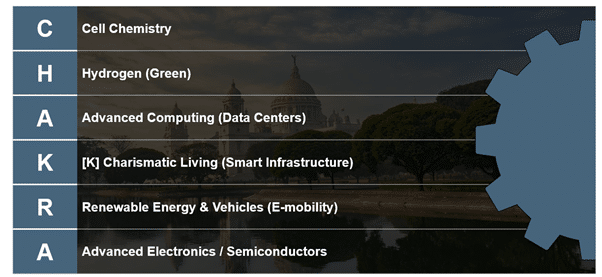
State Bank of India (SBI) recently announced the launch of ‘CHAKRA’ – Centre of Excellence (CoE) for financing sunrise sectors that are critical to India’s economic development.
About ‘CHAKRA’ – Centre of Excellence (CoE)
It was launched by the State Bank of India (SBI) aimed at financing sunrise sectors critical to India’s economic transformation.
The Centre will function as a knowledge-driven platform to facilitate funding for next-generation, technology-led and sustainability-focused industries.
CHAKRA will focus on eight sunrise sectors:
Renewables
Data Centres
E-Mobility & Charging Infra
Advanced Cell Chemistry / Battery
Semiconductors
Green Hydrogen and Ammonia
Decarbonization
Smart Infrastructure.
By 2030, these eight sunrise sectors are expected to unlock cumulative capital expenditure of over INR 100 lakh crore.
The CoE will work towards enabling this investment, enhancing India’s integration into the global value chain, and accelerating progress toward the country’s sustainability and Net Zero goals.
Additionally, the CoE will drive technology & AI innovation and play an advisory role, supporting not only the SBI’s Project Finance & Structuring team but also the broader financial ecosystem in India.
It will engage actively with external stakeholders - with policymakers and regulatory bodies, to shape a robust manufacturing ecosystem that supports investment, innovation, and sustainability.
The Centre will facilitate structured engagement with development finance institutions, multilateral agencies, banks, NBFCs, industry bodies, corporates, start-ups, academia, and policy think tanks.
Q1: What is ‘CHAKRA’ – Centre of Excellence (CoE)?
Ans: CHAKRA is a Centre of Excellence launched by the State Bank of India (SBI) to finance sunrise sectors critical to India’s economic transformation.
Q2: What is the primary objective of ‘CHAKRA’ – Centre of Excellence (CoE)?
Ans: Its objective is to facilitate funding for next-generation, technology-led and sustainability-focused industries.
Q3: How does ‘CHAKRA’ – Centre of Excellence (CoE) function in the financial ecosystem?
Ans: It functions as a knowledge-driven platform supporting project finance, structuring, and advisory services.
Q4: How many sunrise sectors are covered under CHAKRA’ – Centre of Excellence (CoE)?
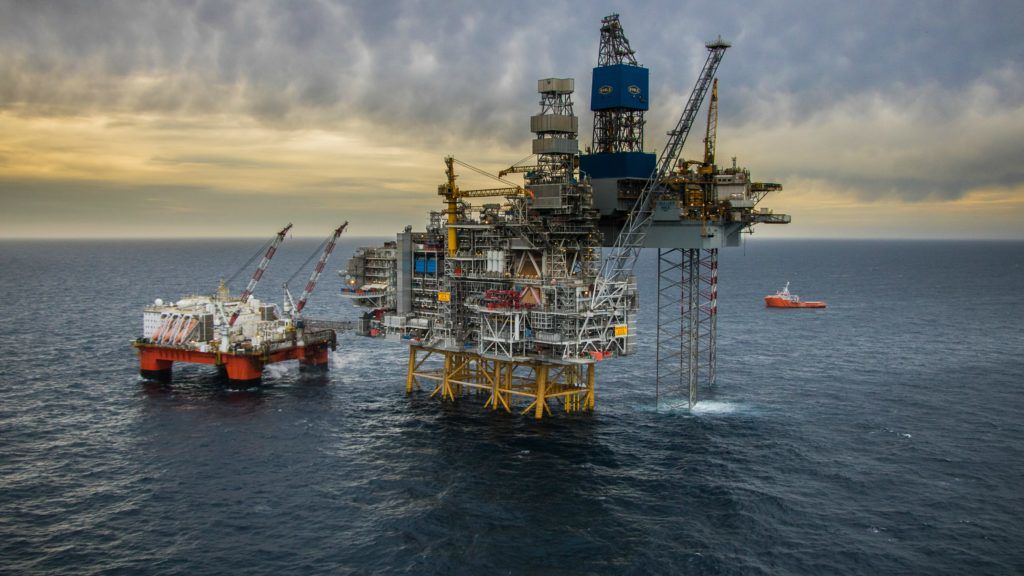
Oil India undertook a seismic study of the blocks it was awarded during the ninth round of the Open Acreage Licensing Policy (OALP) to chart a bidding strategy for the tenth round.
About Open Acreage Licensing Policy (OALP)
It was introduced by the Government of India (GoI) as a part of the Hydrocarbon Exploration and Licensing Policy (“HELP”) on March 30, 2016.
HELP replaced the New Exploration and Licensing Policy (NELP) regime, which was in existence for over 18 years.
OALP is a major reform that changed how companies can apply for oil & gas exploration blocks in India.
Under the OALP, the company has the option to undertake prospecting for fuels in areas which are not notified by the GoI.
Prospecting refers to drilling the selected area to check availability of hydrocarbon fuels.
The OLAP gives a company the opportunity to prospect for fuels in any area where the technical feasibility study indicates the presence of hydrocarbons.
The technical feasibility study is an analysis which indicates the likelihood of availability of hydrocarbons in an area.
Once the feasibility study shows the presence of hydrocarbons, the company can proceed with the exploration after obtaining permission from the Directorate General of Hydrocarbons (DGH).
If multiple requests for sanction are received for the same area, the DGH will make an allotment by conducting an auction.
Until the OALP was introduced, exploration for hydrocarbons was allowed only in the case of areas covered by the tenders issued by the GoI.
Under the OALP the exploration can be made without waiting for an announcement from the GoI that an area is available for exploration.
The OALP regime also allows companies access to seismic data at the National Data Repository (NDR).
NDR is an online data library containing:
Seismic surveys
Geological maps
Well logs
Exploration history
Companies can study the data and propose new blocks.
The Union Budget 2026 is India’s annual financial statement presented by the Central Government that lays down plans for revenue and expenditure for the next financial year from 1 April 2026 to 31 March 2027. It is the most important financial instrument of the government, reflecting priority sectors, economic strategy, taxation policy, social welfare, and fiscal discipline.
The budget determines how India mobilises resources, spends on defence, health, education, infrastructure, and social sectors, and balances growth with fiscal prudence.
What is Union Budget of India?
The Union Budget of India is the annual financial statement of the Government of India, which presents a detailed account of the estimated revenues and expenditures of the Central Government for a particular financial year, running from 1st April to 31st March.
The Union Budget is presented every year by the Union Finance Minister in the Lok Sabha, on 1st February, and it requires approval from Parliament before implementation.
Union Budget 2026-27 PDF Download
Union Budget 2026-27 PDF presents the Government of India’s roadmap for sustained economic growth, fiscal discipline, and inclusive development under the vision of Viksit Bharat. It highlights key policy measures across manufacturing, infrastructure, agriculture, services, taxation, and social sectors with a strong focus on reform-led growth.
The Union Budget 2026-27 has been presented on 1 February 2026 by the Finance Minister of India, Nirmala Sitharaman, in the Parliament. It outlines the government’s plan for income and spending for the financial year 2026-27 (April 2026 to March 2027). The Budget focuses on economic growth, infrastructure development, and welfare of citizens.
Union Budget 2026 Highlights
Union Budget 2026 has been presented by Finance Minister Nirmala Sitharaman on 1st Februaury, 2026 (Sunday). Aligned with the Viksit Bharat@2047 vision, the budget seeks to balance fiscal discipline with strategic investments that promise strong long-term economic returns. The key highlights of the Union Budget 2026-27 has been discussed below in detail.
Rupee Comes From
Rupee Goes to
Receipts
Expenditures
1. Overall Vision and Economic Philosophy
The Union Budget 2026–27 is guided by the theme “Action over Ambivalence, Reform over Rhetoric, People over Populism”, aligning with the long-term vision of Viksit Bharat
The budget focuses on moderate inflation, sustained high growth (~7%), fiscal discipline, and macroeconomic stability, while balancing ambition with social inclusion.
Strong emphasis is placed on reduced import dependence, energy security, domestic manufacturing capacity, and public investment-led growth.
2. Yuva Shakti & Inclusive Growth Focus
The budget is Yuva Shakti-driven, targeting employment generation, skill development, and entrepreneurship for youth.
Priority is given to poor, underprivileged, and disadvantaged sections, reinforcing the vision of Sabka Saath, Sabka Vikas.
The government outlines three Kartavyas:
First Kartavya: Accelerate and sustain economic growth
Second Kartavya: Fulfil aspirations of our people
Third Kartavya: Vision of Sabka Saath, Sabka Vikas
3. Sustaining Momentum of Structural Reforms
Over 350 structural reforms have been implemented, including GST simplification, labour code notification, and quality control rationalisation.
High Level Committees have been formed.
Central Government is working with the State Governments on deregulation and reducing compliance requirements.
Dedicated Chemical Parks, Container Manufacturing, and Rare Earth Permanent Magnets initiatives
Hi-Tech Tool Rooms in CPSEs
Scheme for Container Manufacturing
Dedicated initiative for the manufacturing of affordable Sports Goods
5. Tax & Customs Reforms to Boost Manufacturing
Five-year income tax exemption for non-residents supplying capital goods to toll manufacturers in bonded zones.
Expansion of duty-free import limits for seafood, footwear, leather, and textile exporters.
Deferred duty payment facilities for trusted manufacturers and recognition of regular importers with trusted supply chains.
One-time concessional duty window for eligible SEZ manufacturing units to sell in Domestic Tariff Area
6. MSME Growth as ‘Champions’
Introduction of a ₹10,000 crore SME Growth Fund and ₹2,000 crore top-up to the Self-Reliant India Fund.
Mandatory use of TReDS by CPSEs for MSME procurement, with CGTMSE-backed credit guarantee for invoice discounting.
Linking GeM with TReDS to ensure faster and cheaper MSME financing.
Development of Corporate Mitras in Tier-II and Tier-III towns for affordable compliance support
7. Services Sector as a Growth Engine
Establishment of a High-Powered Education-to-Employment Committee focusing on services.
Five Medical Value Tourism Hubs to be developed in partnership with states and the private sector.
Expansion of AYUSH infrastructure, allied health institutions, caregiver training, and AVGC creator labs.
Strong push to sports, design, healthcare, and the orange economy through institutional strengthening
Khelo India Mission - integrated talent development pathweay, systematic coaching development, intergration of science & technology and development of sports infrastructure.
8. Tourism, Education & Culture
Development of 15 archaeological sites into experiential destinations and a National Destination Digital Knowledge Grid.
Pilot upskilling of 10,000 tourist guides and setting up a National Institute of Hospitality.
Establishment of 5 University Townships, girls’ hostels in STEM institutions, and telescope infrastructure facilities
India to host the first-ever Global Big Cat Summit.
Development of Buddhist Circuits in the North East Region.
9. Financial Sector Reforms
Setting up the High Level Committee on Banking for Viksit Bharat to align with India’s next growth phase.
Incentive of ₹100 crore for the single issuance of municipal bonds of more than ₹1000 crore and continuation of AMRUT-linked support.
Introduction of market-making framework and total return swaps in corporate bonds.
Restructuring Power Finance Corporation (PFC) and Rural Electrification Corporation (REC).
Review of FEMA (Non-debt Instruments) Rules and restructuring of PFC and REC.
BCD exemptions for lithium-ion batteries, solar glass, nuclear projects (extended till 2035), and critical minerals.
Excise duty relief on biogas-blended CNG to promote clean energy
13. People-Centric Development
Creation of a Care Ecosystem with training of 1.5 lakh caregivers.
Launch of SHE Marts, Divyangjan Kaushal Yojana, and Divyang Sahara Yojana.
Expansion of mental health institutions and trauma care centres at district hospitals
Supporting Artificial Limbs Manufacturing Corporation of India (ALIMCO) to scale up production of assistive devices, invest in R&D and AI integration.
14. Ease of Doing Business & Trust-Based Governance
Automated customs, single digital cargo clearance window, and extended validity of advance rulings.
Simplification of TDS/TCS, extended return filing timelines, and decriminalisation of minor tax offences.
MAT rationalisation and immunity schemes to encourage voluntary compliance
15. Fiscal Discipline & Deficit Targets
Fiscal deficit targeted at 4.3% of GDP in BE 2026–27, continuing the consolidation path.
Debt-to-GDP ratio projected at 55.6%, with a medium-term target of 50±1% by 2030.
16th Finance Commission Recommendation: ₹1.4 lakh crore Finance Commission grants to states; vertical devolution share retained at 41%.
Union Budget History
India’s budgetary tradition began during the colonial era and has grown into a vital instrument guiding the country’s economic and social policies. From the first budget in 1860 to modern times, it reflects India’s evolving fiscal priorities and development goals.
Colonial Era Beginnings: The first budget in India was presented on 7th April 1860 by James Wilson, the first Finance Member of the Viceroy’s Council.
Purpose in Early Times: Initially, the budget mainly focused on revenue collection and expenditure for administration under British rule.
First Post-Independence Budget: After India gained independence, the first budget was presented on 26th November 1947 by R. K. Shanmukham Chetty, setting the foundation for India’s sovereign fiscal policy.
Evolution Over Time: The Union Budget transformed from a simple statement of revenue and expenditure to a comprehensive economic policy instrument.
Policy and Social Impact: Today, the budget influences economic growth, social welfare, taxation, infrastructure development, and national priorities.
Annual Significance: The budget is presented every year, on 1st February, marking the beginning of discussions on economic strategies for the upcoming fiscal year.
Modern Innovations: Over decades, the budget has incorporated reforms like digital reporting, gender budgeting, environmental considerations, and sector-specific allocations.
Public Engagement: With growing transparency, the budget now engages citizens, experts, and industries through detailed presentations, press releases, and live sessions.
Union Budget Constitutional Provisions
The Union Budget of India is prepared, presented, and implemented strictly according to the constitutional framework laid down in the Indian Constitution. These provisions ensure financial accountability, legislative control, and transparency in the use of public money.
Rajya Sabha can only discuss the Budget and must return Money Bills within 14 days.
Article 111
Presidential Assent
Budget becomes law only after President gives assent to Appropriation and Finance Bills.
Article 116
Vote on Account
Allows government to meet expenses temporarily if Budget is not passed in time.
Stages of Budget Session in Indian Parliament
The Budget Session of the Indian Parliament is a special session conducted to discuss, scrutinize, and approve the Union Budget for the upcoming financial year. The stages of Budget Session 2026-27 have been discussed below.
Presentation of the Budget: The Union Budget is presented in the Lok Sabha on 1st February every year by the Finance Minister of India. During the presentation, the Finance Minister delivers the budget speech. After the speech, the budget is formally laid before both Houses of Parliament.
General Discussion: Members of the Lok Sabha discuss the budget as a whole or on any principle involved in it. However, no cut motions can be moved, and the budget is not submitted to a vote at this stage. The Finance Minister has the right to reply at the end of the discussion, clarifying policies and addressing members’ concerns.
Scrutiny by Departmental Committees: Each departmental standing committee conducts an in-depth examination of the Demands for Grants of its respective ministry. This process lasts three to four weeks, during which the House remains in recess. At the end of this period, the committees submit their reports to Parliament, suggesting reductions, modifications, or reallocations if necessary.
Voting on Demands for Grants: The Lok Sabha votes on the individual demands for grants of each ministry. Only Lok Sabha members can vote on these demands. Expenditure charged on the Consolidated Fund of India is excluded and does not require voting.
Passing of Appropriation Bill: No money can be withdrawn from the Consolidated Fund of India except through an Appropriation Bill. This bill authorises the government to withdraw funds and meet its approved expenditures for the financial year.
Passing of Finance Bill: The Finance Bill is introduced to give legal effect to the financial proposals of the government, including taxation and revenue measures, for the upcoming year. It is presented as a Money Bill under Article 110 and requires Lok Sabha approval followed by Presidential assent to become the Finance Act.
Documents Presented in Parliament Along with the Union Budget
When the Union Budget is presented in Parliament, it is accompanied by several mandatory documents that provide detailed information on government finances, allocations, and fiscal policies. These documents ensure transparency, accountability, and detailed scrutiny of government expenditure and revenue.
Budget Documents:
Annual Financial Statement (AFS): The primary budget document detailing the estimated receipts and expenditures of the Government of India, prepared under Article 112 of the Constitution.
Demands for Grants (DGs): Ministry-wise requests for funds for specific services and schemes, which must be voted upon by the Lok Sabha.
Finance Bill: Introduces new taxes or amendments to existing tax laws to implement the government’s revenue proposals.
Appropriation Bill: Authorizes the withdrawal of funds from the Consolidated Fund of India to meet expenditure approved through the budget.
FRBM Act Mandated Statements (Fiscal Responsibility and Budget Management)
Macro-Economic Framework Statement (MEFS): Evaluates economic growth prospects, fiscal balance, and external sector position for the upcoming year.
Fiscal Policy Strategy Statement (FPSS): Outlines the government’s fiscal policies and priorities for the financial year.
Medium-Term Fiscal Policy Statement (MTFPS): Presents medium-term fiscal targets and strategies to ensure sustainable public finances over the next 3 years.
Ans: The Union Budget 2026-27 is the annual financial statement of the Government of India for the fiscal year 1st April 2026 to 31st March 2027.
Q2: Who presents the Union Budget 2026-27?
Ans: The Finance Minister of India, currently Nirmala Sitharaman, presents the budget in the Lok Sabha.
Q3: When is the Union Budget 2026-27 presented?
Ans: Union Budget 2026-27 has been presented on 1st February 2026.
Q4: Under which Article of the Constitution is the Union Budget presented?
Ans: The budget is presented under Article 112 (Annual Financial Statement) of the Indian Constitution.
Q5: What are Demands for Grants?
Ans: Demands for Grants (DGs) are ministry-wise requests for funds for specific services or schemes. The Lok Sabha votes on them to authorise spending; the Rajya Sabha can only discuss them.
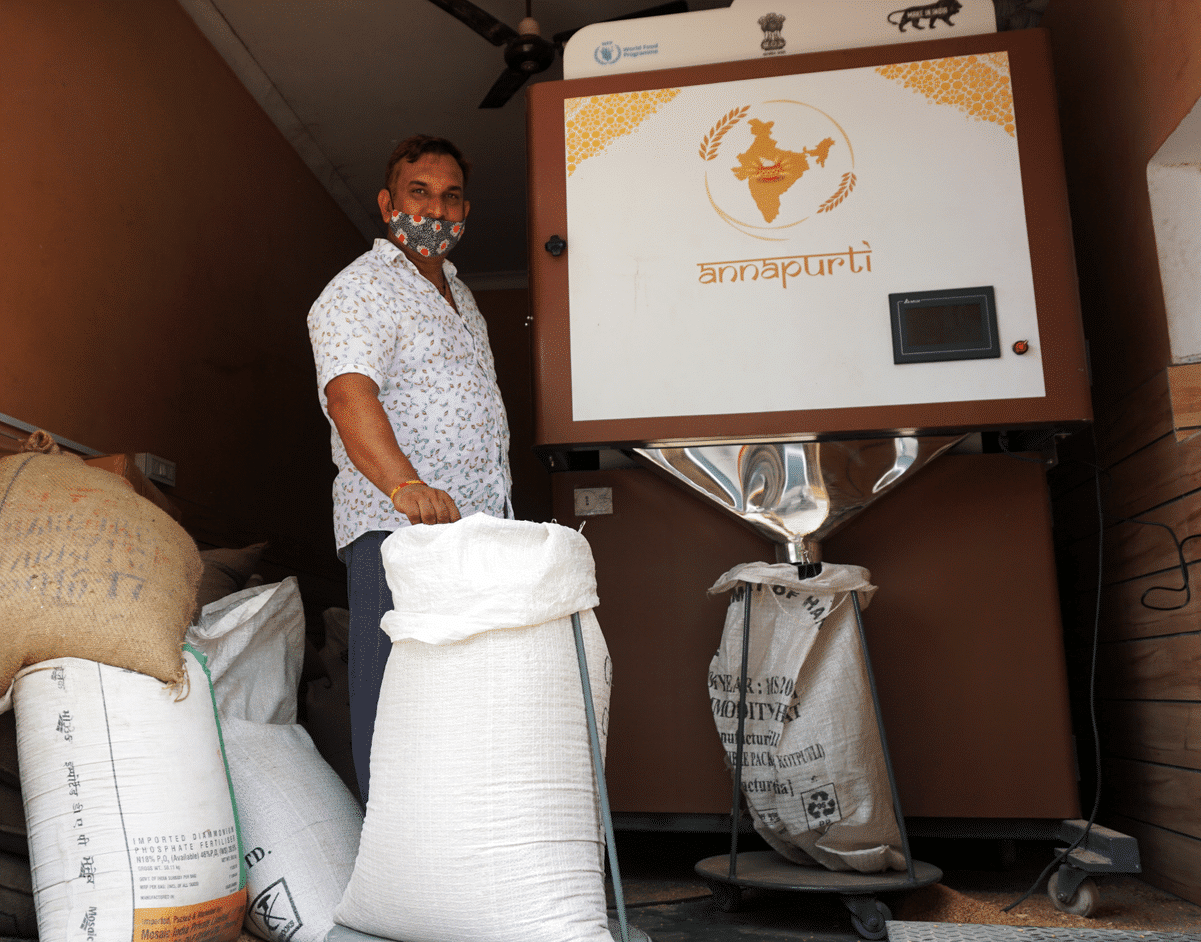
Recently, the Bihar state government approved the installation of the first set of three grain ATM machines in Patna as a pilot project.
About Grain ATM
A grain ATM or Annapurti (meaning “provider of grain”) is an automated machine that dispenses food grains (wheat and/or rice).
The World Food Programme (WFP) developed the technology behind the machine and has worked in collaboration with the Food Corporation of India and various state governments.
Key Features of Grain ATM
It can release 50 kg of grain in five minutes.
The machines can work 24×7 like ATMs, and can be powered through solar energy.
They also require internet connectivity to access the PDS database and the individual profile of a Below Poverty Line (BPL) cardholder.
Working of Grain ATM
Once a PDS beneficiary swipes their beneficiary or grain ATM card on a PoS machine, linked to the ration card or to their Aadhar card, the beneficiary is asked to select the grain option and its quantity.
They must also undergo Aadhar-based biometric authentication.
The maximum limit of grain disbursement is also specified.
Once the grain is dispensed, the beneficiary’s PDS data is updated, and a slip is also issued for confirmation and as a physical record.
United Nations Commission for Social Development Latest News
The Minister of State for Women and Child development to lead the Indian delegation at the 64th Session of the United Nations Commission for Social Development (CSocD).
About United Nations Commission for Social Development
It is a functional commission of the UN Economic and Social Council (ECOSOC).
It wasformerly known as the Social Commission.
It focuses on advancing international cooperation on social development issues, including social inclusion, equity, and welfare-oriented policies.
It has been in existence since the very inception of the United Nations, advising ECOSOC and governments on a wide range of social policy issues and from the social perspective of development.
Purpose:
Its primary purpose is to advance social development and formulate policies and recommendations to address global social issues.
It focuses on topics such as poverty eradication, social inclusion, and the promotion of equitable and sustainable development.
Since the 1995 World Summit for Social Development in Copenhagen , the CSocD has been the key UN body in charge of the follow-up and implementation of the Copenhagen Declaration and Programme of Action.
Membership of United Nations Commission for Social Development
Originally 18, membership has been increased several times, most recently in 1996, and now stands at 46.
Members are elected by ECOSOC based on equitable geographical distribution for four-year terms.
Meetings: The CSocD meets every year at the United Nations Headquarters in New York, typically in February.
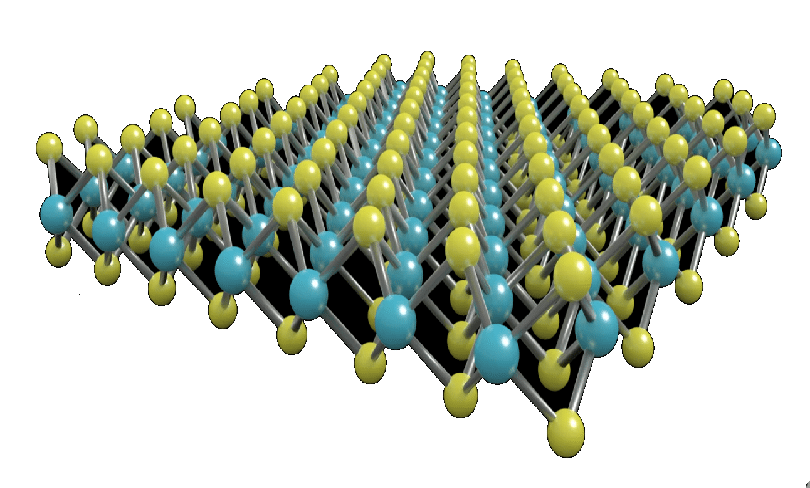
Scientists recently developed an electronic system using molybdenum disulphide only a few atoms thick; high-energy particles pass through it without causing damage.
About Molybdenum Disulfide
Molybdenum disulfide (MoS2) is an inorganic compound made up of sulfur and molybdenum.
It exists in nature in the mineral molybdenite.
In its bulk form, it appears as a dark, shiny solid.
It belongs to a class of materials called 'transition metal dichalcogenides' (TMDCs).
Materials in this class have the chemical formula MX₂, where M is a transition metal atom (groups 4-12 in the periodic table) and X is a chalcogen (group 16).
Its crystals have ahexagonal layered structure that is similar to graphite.
Like most mineral salts, MoS2 has a high melting point, but it begins to sublime at a relatively low 450 ºC. This property is useful for purifying the compound.
Because of its layered structure, hexagonal MoS2, like graphite, is an excellent solid lubricant.
It can be used as surface coatings on machine parts (e.g., in the aerospace industry), in two-stroke engines (the type used for motorcycles), and in gun barrels (to reduce friction between the bullet and the barrel).
Unlike graphite, MoS2 does not depend on adsorbed water or other vapors for its lubricant properties.
It can be used at temperatures as high as 350 ºC in oxidizing environments and up to 1100 ºC in nonoxidizing environments.
Its stability makes it useful in high-temperature applications in which oils and greases are not practical.
MoS2 is highly resistant to oxidation and corrosion, making it an effective lubricant for high-humidity and saltwater environments.
In addition to its lubricating properties, MoS2 is a semiconductor.
Recently, the External affairs minister met the foreign ministers of five Arab League member states and held discussions on ways to develop ties with West Asia and the situation in the region.
About Arab League
The Arab League, or League of Arab States, is a voluntary association of countries whose peoples are mainly Arabic-speaking or where Arabic is an official language.
It is a regional organization of Arab states in the Middle East and parts of Africa.
Its stated aims are to strengthen ties among member states, coordinate their policies and direct them towards a common good.
Formation: It was formed in Cairo on 22 March 1945 with six members: Egypt, Iraq, Transjordan (later renamed Jordan), Lebanon, Saudi Arabia, and Syria, with Yemen joining on 5 May 1945.
Members: It currently has 22 member states: Algeria, Bahrain, Comoros, Djibouti, Egypt, Iraq, Jordan, Kuwait, Lebanon, Libya, Mauritania, Morocco, Oman, Palestinian Authority, Qatar, Saudi Arabia, Somalia, Sudan, Syria, Tunisia, United Arab Emirates, and Yemen.
Observer Members: Brazil, Eritrea, India, and Venezuela.
Headquarters: Cairo, Egypt.
Governance of Arab League
The highest body of the League is the Council, which is composed of representatives of each state.
The League makes decisions on a majority basis. The decisions are binding only on states that voted for them.
The General Secretariat, the administrative and executive body of the League, runs the League on a daily basis.
It is headed by a Secretary-General appointed by the Arab League Council every five years.
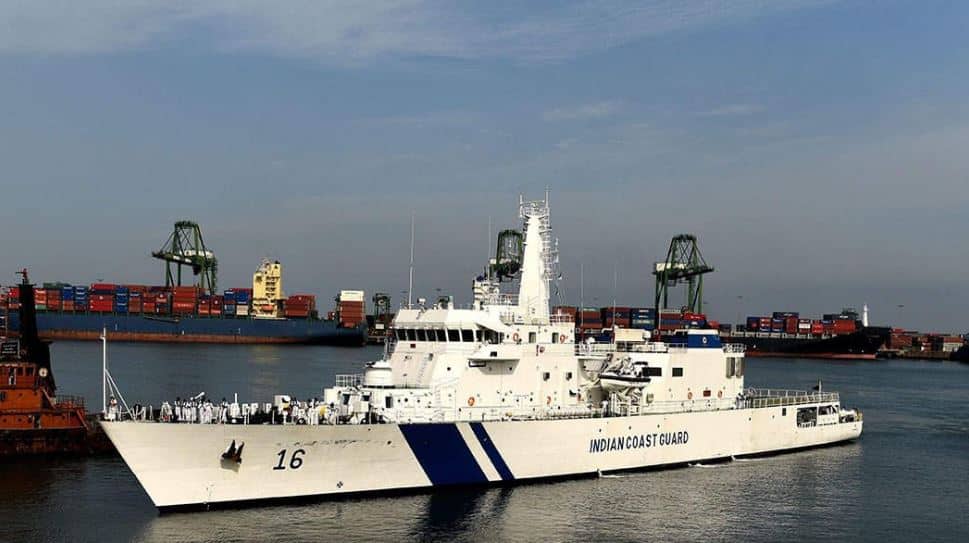
Prime Minister Narendra Modi recently extended greetings to the Indian Coast Guard (ICG) on its 50th Raising Day.
About Indian Coast Guard
It is a maritime armed force operating under the Ministry of Defence, Government of India.
It is a multi-mission organization, conducting round-the-year real-life operations at sea.
Raised on February 1, 1977, the ICG was envisioned to address emerging maritime challenges and safeguard India’s expanding marine interests.
It was formally established in 1978 by the Coast Guard Act, 1978 as an independent Armed force of India.
The Headquarters of the ICG is located in New Delhi, and is under the command of the Director General Indian Coast Guard.
Moto: "VAYAM RAKSHAMAH" - WE PROTECT
Mission:
To protect our ocean and offshore wealth, including oil, fish, and minerals.
To assist mariners in distress and safeguard life and property at sea.
To enforce maritime laws with respect to the sea, poaching, smuggling, and narcotics.
To preserve the marine environment and ecology and protect rare species.
To collect scientific data and back up the Navy during war.
From its humble beginnings in 1977 with just seven surface platforms, the ICG has evolved into a formidable maritime force comprising 155 ships and 80 aircrafts today.
Recently, the union Minister for Environment, Forest and Climate Change has announced the addition of two new wetlands to India’s Ramsar network, ahead of World Wetlands Day.
About New Ramsar Sites
Patna Bird Sanctuary
Location: It is located in the state of Uttar Pradesh.
It consists of freshwater marshes, woodlands and grasslands, and is surrounded by agricultural landscapes.
Together, these different landscapes create a wide range of habitats and support a high level of biodiversity.
It has been designated an Important Bird and Biodiversity Area (IBA) by Birdlife International.
Flora and Fauna: It consists of 178 bird species and 252 plant species.
About Chhari-Dhand Wetland
Location: It is located in Kutch, Gujarat.
It is a seasonal saline wetland situated between the famous Banni grasslands and salt flats of Kutch.
It is an important wintering site for waterfowl.
Fauna: It supports species such as critically endangered sociable lapwing, the vulnerable common pochard, and, notably, common cranes (Grus grus) annually.
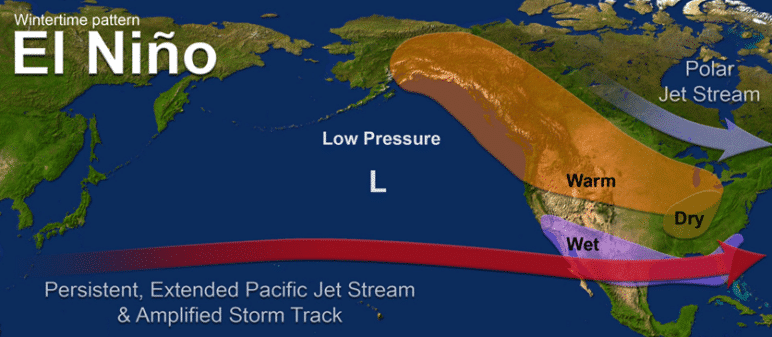
There is a chance that the El Nino phenomenon may occur after July this year, but clarity will only emerge in April, according to the director-general of the India Meteorological Department (IMD).
Normal Climatic Conditions
In "neutral" conditions, surface water in the Pacific Ocean is cooler in the east and warmer in the west.
The "trade winds" tend to blow east-to-west, taking warm water from South Americatowards Asia.
To replace that warm water, cold water rises from the depths — a process called upwelling.
What is El Niño-Southern Oscillation (ENSO)?
El Niño and La Niña are two opposing climate patterns that break normal climatic conditions.
Scientists call these phenomena the El Niño-Southern Oscillation (ENSO) cycle.
El Niño and La Niña can both have global impacts on weather, wildfires, ecosystems, and economies.
Episodes of El Niño and La Niña typically last nine to 12 months but can sometimes last for years.
El Niño and La Niña events occur every two to seven years, on average, but they don’t occur on a regular schedule.
Generally, El Niño occurs more frequently than La Niña.
What is El Nino?
El Niño is a climate pattern that describes the unusual warming of surface waters in the eastern tropical Pacific Ocean.
El Niño is the “warm phase” of the ENSO.
During El Niño, surface temperatures in the equatorial Pacific rise, and trade winds — east-west winds that blow near the Equator — weaken.
They falter and change direction to turn into westerlies,bringing warm waterfrom the western Pacific towards the Americas.
The phenomena of upwelling is reduced under El Niño.
This in turn reduces phytoplankton. Thus, fish that eat phytoplankton are affected, followed by other organisms higher up the food chain.
Warm waters also carry tropical species towards colder areas, disrupting multiple ecosystems.
Since the Pacific covers almost one-third of the earth, changes in its temperature and subsequent alteration of wind patterns disrupt global weather patterns.
El Niño causes dry, warm winters in the Northern U.S. and Canada and increases the risk of flooding in the U.S. gulf coast and south-eastern U.S.
It also brings drought to Indonesia and Australia.
What is La Nina?
La Niña, the “cool phase” of ENSO, sees cooler than average sea surface temperature (SST) in the equatorial Pacific region.
Trade winds are stronger than usual, pushing warmer water towards Asia.
On the American west coast, upwelling increases, bringing nutrient-rich water to the surface.
Pacific cold waters close to the Americas push jet streams — narrow bands of strong winds in the upper atmosphere — northwards.
Impacts:
This leads to drier conditions in the Southern U.S., and heavy rainfall in Canada.
La Niña has also been associated with heavy floods in Australia.
Impact on India’s monsoons
In India, El Niño causes weak rainfall and more heat, while La Niña intensifies rainfall across South Asia, particularly in India’s northwest and Bangladesh during the monsoon.
Recently, a total of 22 states and Union Territories that responded to the Education Ministry’s call for suggestions on the PM-POSHAN scheme have asked the centre to hike the honorarium for PM-POSHAN scheme cooks and helpers.
About PM-POSHAN Scheme
It was formerly known as the Mid-Day Meal Scheme, is a Centrally Sponsored Scheme.
It is implemented by the Ministry of Education.
The Scheme is implemented across the country covering all the eligible children without any discrimination of gender and social class.
It aims to provide one hot cooked meal per school day to children studying in Balvatikas (pre-primary), and Classes 1 to 8 across government and government-aided schools.
Objectives:
Enhancing nutritional status of school-going children
Improving enrollment, retention, and attendance in schools, especially among disadvantaged children
Nutritional norms under PM-POSHAN
For Balvatika and Primary classes: 20g pulses, 50g vegetables, and 5g oil
For Upper Primary classes: 30g pulses, 75g vegetables, and 7.5g oil
The Labour Bureau collects monthly price data from 600 villages in 20 states to calculate inflation for the PM POSHAN basket, using the Consumer Price Index for Rural Labourers (CPI-RL).
Funding Pattern under POSHAN Abhiyan:
60:40 between Centre and States/UTs with legislature
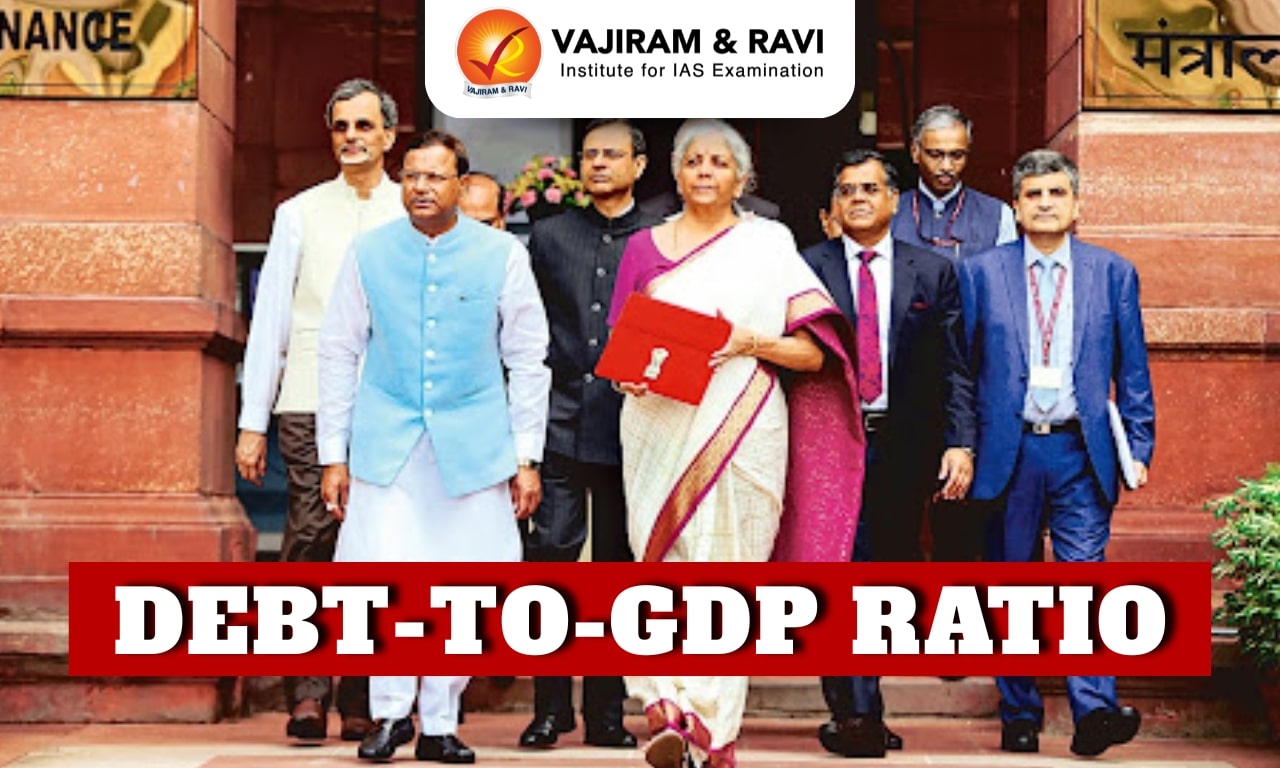
As the Finance Minister prepares to present her ninth consecutive Union Budget, India’s fiscal framework is poised for a structural transition.
From FY 2026–27, the Centre will operationally shift its fiscal consolidation target from the fiscal deficit to the debt-to-GDP ratio, aligning India’s approach with global best practices.
This Budget will, for the first time, spell out the fine print of this new fiscal anchor for a full financial year.
Expected Changes
Shift: From earlier anchor of annual fiscal deficit target to the new anchor of medium-term debt-to-GDP ratio.
Rationale: It provides greater flexibility to respond to economic shocks, enables gradual fiscal consolidation, and creates space for growth- and development-enhancing expenditure.
Key Projections and Targets (Debt Trajectory)
The Centre has projected the debt-to-GDP ratio to decline to 50±1% by March 2031 from an estimated 56.1% in March 2026.
Most economists estimate the Centre to peg it at 55% of the GDP for FY27 in the Budget.
Achieving this trajectory implies a steady annual reduction of ~1 percentage point in the debt ratio.
Fiscal Deficit Implications
A one percentage point reduction in the ratio every year would translate into a fiscal deficit of 4.2% of GDP in FY27.
Even at this level, gross borrowings remain high due to -
Large repayment obligations.
Future liabilities such as implementation of the 8th Pay Commission.
Role of Growth and Borrowings
Determinants of Debt-to-GDP ratio:
Nominal GDP growth (denominator effect)
Government borrowing and repayment profile
Interest costs (likely to ease with softer monetary conditions)
Debt sustainability: Improves faster with higher nominal growth even if fiscal deficits remain moderate.
Economic Survey 2025-26 - Validation of the Strategy
India has reduced general government debt by around 7.1 percentage points since 2020.
This is achieved while sustaining high public capital expenditure.
The Survey endorses 50 ± 1% debt-to-GDP as a credible medium-term policy anchor.
General Government Debt and States’ Role
Why States matter:
General government debt, which refers to the debt of both states and the Centre, is the metric observed by global rating agencies to assess the fiscal health of the country.
While the Centre will detail its fiscal numbers linked to the debt-to-GDP ratio, the role of states in managing their public finances is seen facing greater scrutiny, as they account for a large share of total public debt.
Emerging view:
States may need explicit, medium-term debt-to-GSDP glide paths.
Focus should shift from annual deficit targets to scenario-based debt trajectories.
Finance Commission and Federal Fiscal Architecture
While the 16th Finance Commission recommendations (FY 2026–27 to 2030–31) are awaited, it will clarify -
Tax devolution
Revenue-sharing mechanisms
Possible fiscal parameters for states
CEA V Anantha Nageswaran emphasised:
Need for empirical work and scenario analysis.
Avoid premature decisions on a uniform fiscal metric for states.
RBI’s Concerns on State Finances
RBI warns that high debt crowds out investment and growth.
For example, while the debt of all states put together had declined to 28.1% of GDP by March 2024 from a peak of 31% as of March 2021, the figure is expected to rise to 29.2% by the end of the current fiscal.
RBI urges highly leveraged states to adopt clear debt consolidation glide paths.
Rising State Borrowings
States’ borrowings have risen significantly in the last two decades.
For example, in the first half of the current fiscal, states borrowed 21% more compared to the same period of 2024-25 and are slated to borrow Rs 5 lakh crore in the current quarter that ends on March 31.
Historical context: Debt surge during 2015–20 partly due to UDAY power sector reforms, where states absorbed DISCOM debt.
Centre’s Fiscal Position Going Ahead
On the other hand, the Centre is set to meet its commitment to keep the fiscal deficit below 4.5% of the GDP by FY26 despite tax cuts.
Going ahead, while the government will get some fiscal breather with the debt-to-GDP ratio, the headwinds from the recent reductions in income tax and the Goods and Services Tax may weigh on the deficit projection.
FY27 expectations: Debt target (~55% of GDP) and fiscal deficit (4.3–4.4% of GDP).
Challenges and Way Forward
Managing borrowings: For example, high gross borrowings despite lower deficit targets. Institutionalise debt-to-GDP ratio as the primary fiscal anchor.
Ensuring states’ fiscal discipline: Without undermining cooperative federalism. Align state fiscal strategies with medium-term debt sustainability.
Balancing: Development expenditure with long-term debt sustainability. Use scenario-based fiscal planning rather than rigid annual targets.
Uncertainty: From future liabilities (Pay Commissions, welfare commitments). Leverage higher nominal GDP growth and lower interest costs to rebuild buffers. Strengthen Centre–State coordination post 16th Finance Commission.
Conclusion
India’s shift from a fiscal deficit-centric framework to a debt-to-GDP-based fiscal anchor marks a maturation of its fiscal policy architecture.
By prioritising long-term debt sustainability while preserving flexibility for growth-oriented spending, the new framework seeks to balance macroeconomic stability with developmental aspirations.
However, its success will hinge on robust nominal growth, prudent borrowing, and active participation by states, making cooperative fiscal federalism more critical than ever.
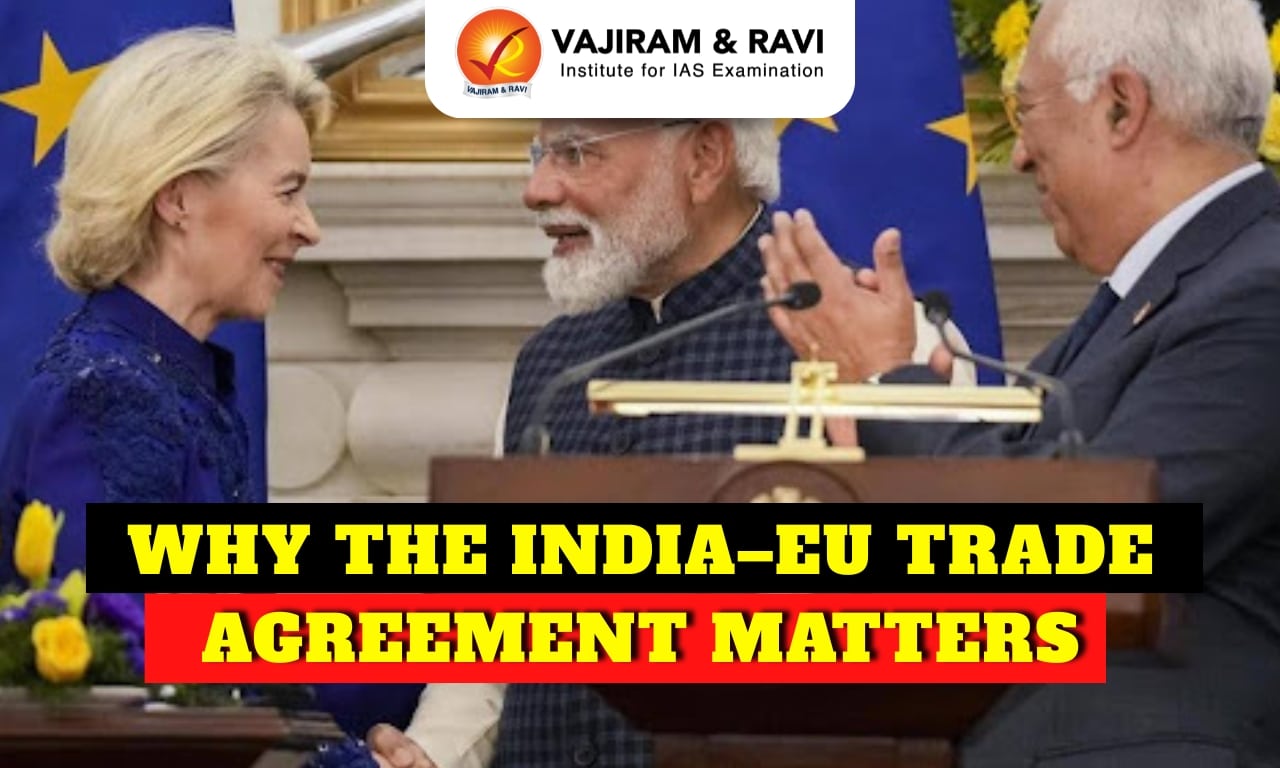
Negotiations on the India–European Union Free Trade Agreement (FTA) formally concluded on January 27, ending nearly two decades of on-and-off talks.
Often described by leaders on both sides as the “mother of all deals,” the agreement balances ambition with pragmatism—delivering mutual economic benefits by securing key concessions while steering clear of the most politically sensitive and intractable issues.
Why the India–EU FTA Is Called the ‘Mother of All Deals’
The India–EU FTA earns this tag due to the sheer scale of the economies and trade involved.
It links the world’s second (EU) - and fourth-largest (India) customs blocs/economy, covering a combined market of about $24 trillion.
While India’s eight recent FTAs together accounted for around 16% of its trade in 2024–25, the EU alone made up nearly 12%.
Bilateral merchandise trade reached $136.5 billion, with Indian exports at $75.9 billion, and services trade touched $83.1 billion in 2024—underscoring the deal’s outsized significance.
What India Gains from the India–EU Free Trade Agreement
Major Tariff Elimination on Indian Exports - Under the deal, the EU will immediately remove duties on 70.4% of tariff lines, covering about 90.7% of India’s export value once the FTA comes into force.
Phased Tariff Cuts on Sensitive Products - Another 20.3% of tariff lines—covering 2.9% of exports—will see tariffs eliminated over 3–5 years, including selected marine products, processed foods, and arms and ammunition.
Partial Reductions and Quota-Based Access - Around 6.1% of tariff lines, accounting for 6% of exports, will see reduced (but not zero) tariffs or quota-based concessions. These apply to items such as poultry, preserved vegetables, bakery products, automobiles, steel, shrimp, and prawns.
Near-Complete Coverage of Indian Exports - Taken together, EU tariff concessions apply to over 99% of the total value of India’s exports to the bloc, making it one of the most comprehensive market-access packages India has secured.
Improved Access for Services - Beyond goods, the EU has offered broader and deeper commitments in services across 144 sub-sectors, including IT/ITeS, professional services, education, and other business services.
Sectors Set to Gain Most from the India–EU FTA
Big Wins for Labour-Intensive Manufacturing - The FTA’s potential gains for labour-intensive sectors are about $35 bn, with $33.5 bn moving to zero duty on Day 1.
Beneficiaries include textiles and apparel, marine products, leather and footwear, chemicals, plastics/rubber, sports goods, toys, and gems and jewellery—sectors that currently face 4–26% EU tariffs.
Relief Amid US Tariff Pressures - These gains are especially significant as many of the same labour-intensive sectors have been hit by high U.S. tariffs on Indian imports, making preferential access to the EU market a timely offset.
Agriculture and Processed Foods Get Preferential Access - The government said tea, coffee, spices, grapes, gherkins and cucumbers, dried onion, fresh fruits and vegetables, and processed food products will receive preferential access, improving their competitiveness in the EU.
Opportunities for Traditional Medicine (AYUSH) - The FTA is also expected to benefit AYUSH services. In EU countries without specific regulations, AYUSH practitioners can offer services using qualifications earned in India, expanding professional opportunities abroad.
What India Has Offered the EU Under the FTA
Wide-Ranging Tariff Liberalisation - India has agreed to immediately eliminate duties on 49.6% of tariff lines, covering 30.6% of trade value, once the FTA takes effect.
A further 39.5% of tariff lines—covering 63.1% of trade value—will see tariffs phased out over 5, 7, or 10 years. Overall, India’s offer spans 92.1% of tariff lines and 97.5% of trade value.
Cheaper European Goods for Indian Consumers - Many European products will become cheaper in India, with wine and automobiles being the most prominent consumer-facing categories affected by the deal.
Wine: Phased Cuts with Safeguards - Duties on European wine—currently around 150%—will be reduced over seven years to 30% for wine priced €2.5–€10 and 20% for wine priced above €10.
Cheap wine is excluded to protect domestic producers. All concessions apply within quotas; imports beyond quotas face non-FTA tariffs.
Automobiles: Gradual Cuts, Quota-Based - Tariffs on motor vehicles will be gradually reduced from 110% to 10%, but strictly under a quota system.
Cars below ₹25 lakh (the bulk of India’s market) are excluded.
Vehicles above this threshold are split into three quota brackets, with smaller quotas where Indian manufacturers compete and larger quotas in the ultra-luxury segment where European makers face little domestic competition.
Balancing Access and Protection - India’s concessions aim to open markets while protecting sensitive domestic sectors, using phased reductions and quotas to manage competitive pressures.
Which Sectors Are Excluded from the India–EU FTA
India kept several sensitive agricultural sectors out of the deal, including beef, poultry, dairy, fish and seafood, cereals (especially rice and wheat), fruits and vegetables, nuts, edible oils, tea, coffee, spices, and tobacco.
EU’s Exclusions and Limited Quotas
The EU, for its part, excluded beef, sugar, rice, chicken meat, milk powder, honey, bananas, soft wheat, garlic, and ethanol.
It offered quota-based access (not full liberalisation) for sheep and goat meat, sweetcorn, grapes, cucumbers, dried onions, and rum made from molasses and starches.
Key Concerns Around the India–EU FTA
One major unresolved issue is the Carbon Border Adjustment Mechanism (CBAM), the EU’s carbon-linked tariff framework.
The EU argued CBAM applies uniformly to all countries, leaving little room for country-specific concessions.
However, India secured a most-favoured treatment assurance—any CBAM concession granted to another country would automatically extend to India.
Investment Climate Pressures
Another concern is investment readiness.
To capitalise on the tariff-free access to Europe and attract firms relocating supply chains, India will need to accelerate domestic reforms to improve ease of doing business, regulatory certainty, and infrastructure.
The Bottom Line
While the FTA delivers broad market access, CBAM-related costs and the pace of domestic reforms will shape how fully India can convert the agreement into sustained trade and investment gains.
Q1: Why is the India–EU trade agreement called the mother of all deals?
Ans: The India–EU trade agreement covers a $24 trillion market, links major customs blocs, and involves trade volumes far larger than India’s other recent FTAs.
Q2: What does India gain from the India–EU trade agreement?
Ans: Under the India–EU trade agreement, over 99% of India’s export value gets tariff concessions, with immediate duty elimination on most goods and wider access in services.
Q3: Which sectors benefit most from the India–EU trade agreement?
Ans: The India–EU trade agreement benefits labour-intensive sectors like textiles, apparel, leather, marine products, gems and jewellery, agriculture, and traditional medicine services.
Q4: What has India offered under the India–EU trade agreement?
Ans: India has offered phased tariff elimination covering 92% of tariff lines, with quota-based concessions on wine and automobiles while protecting sensitive domestic sectors.
Q5: What are the key concerns around the India–EU trade agreement?
Ans: Concerns include unresolved CBAM costs and India’s need to accelerate domestic reforms to attract investment and fully leverage the India–EU trade agreement.
India’s ₹18,100 crore Advanced Chemistry Cell (ACC) Production Linked Incentive scheme, aimed at building domestic battery manufacturing for electric vehicles, has made limited progress.
Against a target of 50 GWh capacity by 2025, only 1.4 GWh has been installed, with 8.6 GWh delayed and 20 GWh seeing no movement.
The scheme has also delivered just 1,118 jobs—a fraction of the projected employment—and attracted only about a quarter of the intended investment, raising concerns over its effectiveness.
About Advanced Chemistry Cells (ACC)
Advanced Chemistry Cells are next-generation energy storage technologies that store electricity in chemical form and release it when needed.
Lithium-ion batteries are the most widely used ACCs today, but India’s ACC scheme is technology-agnostic, allowing alternatives such as nickel manganese cobalt, lithium iron phosphate, and sodium-ion batteries.
ACC PLI Scheme: Big Ambitions, Limited Outcomes So Far
Launched in October 2021, the Advanced Chemistry Cell (ACC) PLI scheme aimed to build a domestic battery manufacturing ecosystem and cut India’s heavy dependence on Chinese imports.
However, various studies by experts show that progress has been minimal.
As of October 2025, only 2.8% of the targeted 50 GWh capacity has been commissioned—1.4 GWh, all from Ola Electric.
Despite a planned incentive payout of ₹2,900 crore by this stage, no funds have been disbursed, as none of the beneficiaries have met the required milestones.
How the ACC PLI Scheme Was Designed to Work
The ACC PLI scheme aimed to build domestic battery manufacturing capacity by incentivising private players to set up production of key components such as cathodes, anodes, and electrolytes.
Companies were selected through an auction process, required to commit to at least 5 GWh capacity, meet minimum net worth criteria, and manufacture batteries domestically.
In return, firms could claim subsidies of up to ₹2,000 per kWh for batteries sold.
To ensure localisation, the scheme mandated 25% Domestic Value Addition within two years and 60% by the fifth year, with the broader goal of reducing battery costs and accelerating the adoption of electric vehicles and energy storage systems.
In the first auction round of the Advanced Chemistry Cell (ACC) PLI scheme, three companies were selected: Ola Electric (20 GWh), Reliance New Energy (15 GWh initially, plus 10 GWh in the second round), and Rajesh Exports (5 GWh).
Why the ACC PLI Scheme Has Struggled
Unrealistic Timelines for Gigafactories - The scheme requires beneficiaries to commission facilities within a two-year gestation period, which experts consider impractical for setting up complex battery gigafactories from scratch in a nascent ecosystem.
Challenging Domestic Value Addition (DVA) Norms - Meeting 25% DVA in two years and 60% in five years has been difficult because India lacks adequate processing capacity for key minerals like lithium, nickel, and cobalt.
Selection Criteria Favoured New Entrants - The evaluation prioritised DVA and subsidy benchmarks over proven manufacturing experience. As a result, established battery makers such as Exide Industries and Amara Raja did not qualify, leaving the programme largely with relatively inexperienced players.
Dependence on China for Inputs and Know-How - India’s heavy reliance on China for raw materials, technology, and expertise has slowed progress. Delays in visas for Chinese technical specialists—amid a shortage of domestic skilled labour for cell manufacturing—have become a major bottleneck.
Foundational Capability Gaps - Many beneficiaries are still building basic technical and operational capabilities, further delaying commissioning and preventing the scheme from meeting its ambitious capacity, investment, and employment targets.
Recommended Fixes for Reviving the ACC PLI Scheme
The report calls for immediate measures such as fast-tracking visas for technical experts and extending project timelines by at least one year to avoid penalising delayed facilities.
For the long term, it recommends building domestic capabilities through schemes for critical mineral refining and component manufacturing, along with sustained investment in R&D and skill development to strengthen India’s battery ecosystem.
Ans: India’s EV battery scheme has underperformed, with only 1.4 GWh installed against a 50 GWh target, minimal job creation, and low investment uptake.
Q2: What was the objective of the EV battery scheme?
Ans: The EV battery scheme aimed to create domestic ACC manufacturing capacity, reduce dependence on Chinese imports, lower battery costs, and accelerate electric vehicle adoption.
Q3: How was the EV battery scheme supposed to work?
Ans: Under the EV battery scheme, companies bid for capacity, committed to domestic manufacturing, met DVA targets, and received subsidies up to ₹2,000 per kWh sold.
Q4: Why has the EV battery scheme struggled to deliver results?
Ans: The EV battery scheme faced unrealistic commissioning timelines, tough DVA norms, lack of mineral processing capacity, inexperienced beneficiaries, and dependence on Chinese expertise.
Q5: What fixes are suggested for the EV battery scheme?
Ans: Experts recommend extending timelines, fast-tracking visas for technical experts, and investing in mineral refining, component manufacturing, R&D, and skill development for the EV battery scheme.
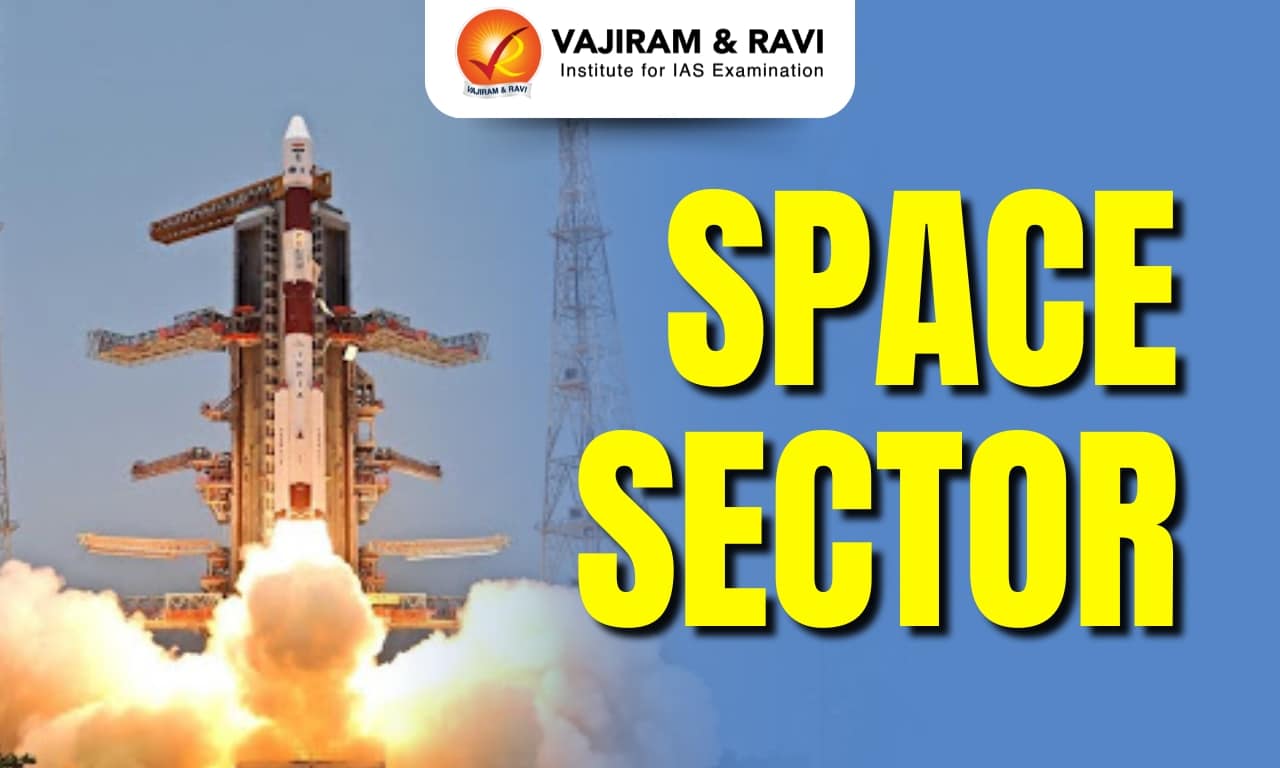
The Economic Survey 2025-26 has assessed India’s space sector amid a flat budget trajectory and growing expectations from the private industry.
India’s Space Sector: Evolution and Policy Shift
India’s space programme has undergone a significant transition over the past decade, moving from a state-dominated model to a more open and commercially oriented ecosystem.
Landmark achievements such as successful lunar missions and a high launch success rate positioned India as a reliable spacefaring nation.
A major policy shift occurred in 2020, when reforms opened the space sector to private participation.
The creation of IN-SPACe as a regulatory and facilitative body and the encouragement of private launch vehicle and satellite start-ups marked the beginning of India’s “NewSpace” phase.
However, this transition has coincided with operational and fiscal challenges within the Department of Space (DoS).
Budgetary Trends in the Space Sector
The Economic Survey 2025-26 points out that the Department of Space has experienced near-stagnant budget growth over the last four years. When adjusted for inflation, the overall allocation has effectively declined.
Capital expenditure, crucial for new launch infrastructure, spacecraft development, and R&D, has fallen steadily.
In contrast, revenue expenditure, such as salaries and routine operational costs, has increased.
This shift has resulted in a growing share of the budget being consumed by maintenance rather than innovation, raising concerns about long-term technological competitiveness.
Additionally, the Department has repeatedly failed to fully utilise its allocated funds, leading to downward revisions during the Revised Estimates stage.
This weak absorption capacity has further constrained the case for a substantial budgetary increase.
Export Performance and Structural Concerns
Despite budgetary stress, the Survey highlights strong export performance.
Between 2015 and 2024, India launched nearly 400 foreign satellites for over 30 countries, generating substantial commercial revenue.
However, the Survey cautions that export earnings may be masking deeper structural issues.
Recent launch failures and near-misses have exposed vulnerabilities in manufacturing quality and supply chains.
The push for higher launch cadence, driven by commercial demand, has placed additional strain on an ecosystem still adapting from a protected state monopoly to a competitive market environment.
Role of NSIL in the Emerging Model
NewSpace India Limited (NSIL), ISRO’s commercial arm, has emerged as a key pillar in the government’s evolving strategy.
According to the Survey, NSIL’s revenues increased sharply within a few years, signalling the government’s intent to rely more on commercial income rather than tax-funded capital investment.
The implicit policy shift is towards commerce-led growth, where NSIL monetises launch services, satellite missions, and downstream applications.
However, this raises questions about whether commercial revenues can adequately substitute for sustained public investment in core R&D and critical infrastructure.
Industry Expectations and Policy Demands
Industry associations have expressed dissatisfaction with current funding levels.
They argue that India’s space budget remains a very small fraction of GDP compared to leading space powers.
Proposals include scaling up allocations, expanding launch infrastructure, and introducing targeted production-linked incentives for space components.
Private players have also advocated for a procurement-driven model, where the government acts as an anchor customer by purchasing services and data from domestic companies rather than owning all assets.
This approach mirrors international practices and could provide predictable demand, encouraging private investment.
Challenges Highlighted by the Economic Survey
The Survey underlines a widening gap between what the industry seeks and what the Department of Space can realistically deliver.
While private firms demand rapid expansion and assured procurement, the Department faces constraints related to quality control, spending efficiency, and operational reliability.
The Survey also notes that different space programmes, such as human spaceflight, satellite launches, and strategic missions, compete for limited resources, complicating prioritisation and long-term planning.
Way Forward
The Economic Survey suggests a phased and balanced transition.
Strengthening quality assurance systems, fixing supply-chain weaknesses, and improving fund utilisation are essential first steps.
Large infrastructure projects, such as new spaceports, must progress without repeated delays.
Equally important is a clear roadmap identifying which missions will gradually shift from government-built assets to industry-provided services.
Enhancing institutional capacity to manage complex, long-term service contracts will be crucial for building investor confidence.