Vajiram and Ravi provide Current Affairs of 15 April 2026 for UPSC aspirants. We cover all relevant news and important events crucial for the exam, helping you stay updated and well prepared.
The Indian Constitution provides special provisions for the upliftment of the Other Backward Classes (OBCs). However, not all OBCs are eligible for reservations and benefits under government schemes. This distinction is made through the classification of Creamy Layer and Non-Creamy Layer within the OBC category.
Creamy Layer of OBC
The Creamy Layer refers to the wealthier and better-educated segment within the OBC category. These individuals are considered socially advanced and thus not eligible for reservation benefits in jobs, education, or government schemes meant for socially and educationally backward classes.
Eligibility Criteria for Creamy Layer (As of 2026)
Annual family income exceeds ₹8 lakh.
Categories Included in the Creamy Layer - The guidelines identified several categories as creamy layer, including individuals holding constitutional posts, Group A/Class I and Group B/Class II government officers, PSU employees, Armed Forces officers, professionals, businesspersons, and property owners, along with those meeting the income/wealth criteria.
Service-Based Criteria for Government Employees – Under these rules, children of Group A officers or those promoted to Group A before the age of 40 are excluded from OBC reservation benefits. Similarly, if both parents are Group B direct recruits, their children fall under the creamy layer.
Criteria for Armed Forces Personnel – For the Armed Forces, officers up to the rank of Lieutenant Colonel remain eligible for OBC reservation benefits, while those holding higher ranks are classified under the creamy layer.
These individuals are excluded from reservation quotas under the OBC category.
Non-Creamy Layer of OBC
The Non-Creamy Layer refers to the economically and socially backward segment of OBCs. This group qualifies for reservation benefits in education, employment, and other government welfare schemes.
Eligibility Criteria for Non-Creamy Layer:
Annual family income is less than ₹8 lakh.
Parents are not in senior government posts or high-earning private positions.
Considered economically weaker and socially disadvantaged within the OBC category.
This classification enables the government to target affirmative action more effectively.
Difference Between Creamy Layer and Non-Creamy Layer of OBC
The classification of OBCs into Creamy Layer and Non-Creamy Layer is essential for equitable distribution of reservation benefits. It ensures that only the genuinely disadvantaged sections receive affirmative action support. The table below includes the Difference Between Creamy Layer and Non-Creamy Layer of OBC:
Difference between Creamy Layer and Non-Creamy Layer of OBC
Aspect
Creamy Layer of OBC
Non-Creamy Layer of OBC
Eligibility for Reservation
Not eligible
Eligible
Annual Income Limit
Above ₹8 lakh (as per current criteria)
Below ₹8 lakh
Social Status
Economically and socially advanced
Economically and socially backward
Government Job Criteria
Parents in Group A/Group B jobs
Parents in lower categories or unemployed
Purpose of Classification
To exclude affluent OBCs from reservation benefits
To provide benefits to the truly backward
Proof Required
No Non-Creamy Layer certificate needed
Must obtain a Non-Creamy Layer Certificate
Example
Doctor earning ₹15 lakh annually
Farmer with annual income of ₹4 lakh
Difference Between Creamy Layer and Non-Creamy Layer Key Points
The concept of the ‘creamy layer’ among OBCs was introduced by the Supreme Court in the 1992 Indra Sawhney vs Union of India (Mandal) judgment to ensure that the benefits of reservation reach the needy among OBCs.
Income and social status both play a role in determining whether an individual falls into the creamy or non-creamy category.
The Non-Creamy Layer Certificate is mandatory to avail of reservation in government jobs and educational institutions.
While SC/ST categories do not have a creamy layer criterion for reservation benefits, OBCs are divided into creamy and non-creamy layers.
Difference between Creamy Layer and Non-Creamy Layer of OBC FAQs
Q1: What is the income limit for determining the creamy layer of OBC?
Ans: As per current rules, the annual family income limit is ₹8 lakh. Above this, OBC individuals fall under the creamy layer and are not eligible for reservations.
Q2: Who issues the Non-Creamy Layer Certificate?
Ans: The Tahsildar or Revenue Officer of the concerned district issues the certificate after verifying the family’s income and occupational status.
Q3: Is the creamy layer concept applicable to SC/ST candidates?
Ans: No. The creamy layer criterion is only applicable to OBCs, not to Scheduled Castes (SC) or Scheduled Tribes (ST).
Q4: Is the income of siblings and spouses considered in determining the creamy layer?
Ans: No. Only the income of parents (mother and father) is considered, not of the individual, spouse, or siblings.
Q5: Can someone from the creamy layer apply under the general category?
Ans: Yes. Individuals belonging to the creamy layer of OBCs can apply under the general (unreserved) category in competitive exams or job recruitment.
Mapping the Legislative Vacuum in India’s Heat Crisis
Context
The phenomenon of extreme heat in India has undergone a significant transformation, evolving from a seasonal inconvenience into a widespread national crisis.
Once largely confined to the arid northwestern and central regions, heatwaves now affect coastal and temperate zones, with over 57% of districts classified as heat-prone.
Despite its broad geographic spread, the impact of extreme heat is unevenly distributed, revealing deep-rooted inequalities based on class, caste, and gender.
For millions of informal workers, heat is not merely discomfort, it is a fundamental threat to life and livelihood.
Changing Geography of Heatwaves
India’s heatwave patterns have expanded beyond their traditional boundaries.
Regions previously considered relatively immune, such as coastal and temperate areas, are now increasingly vulnerable.
This shift reflects broader climatic changes, making extreme heat a persistent and pervasive issue rather than a seasonal anomaly.
The result is a nationwide thermal canopy that affects all regions, albeit with unequal consequences.
Socio-Economic Dimensions of Thermal Inequality
While extreme heat affects everyone, its burden is disproportionately borne by the poor.
Affluent populations can mitigate heat exposure through private cooling systems, but nearly 400–490 million informal workers lack such cooling autonomy.
For them, survival depends on continued outdoor labour under hazardous conditions.
Even slight increases in temperature significantly reduce productivity, leading to income loss.
Consequently, workers are forced into a difficult choice between protecting their health and securing their livelihoods.
Frontline Realities: Evidence of Harm
Ground-level evidence reveals the harsh realities faced by vulnerable workers.
Sanitation workers and waste pickers operate in environments where heat is intensified by toxic emissions from unsegregated waste, creating dangerous micro-climates.
Reports of burns from handling heated waste without protective gear highlight the severity of these conditions.
This situation reflects a climate-caste nexus, where marginalised communities engaged in stigmatised occupations face the highest exposure to environmental hazards.
Sector-Wise Vulnerabilities
Gig Workers: Delivery personnel face algorithmic pressures that discourage rest, even during extreme heat alerts.
Construction Workers: High physical exertion combined with heat from materials like steel and concrete increases health risks.
Street Vendors: They suffer both physically and economically, as heat reduces customer activity and spoils perishable goods.
Legal and Institutional Gaps
India’s current legal framework is inadequate to address the challenges posed by extreme heat.
The Factories Act of 1948 provides protections only for indoor workers, leaving outdoor labourers unprotected.
Similarly, the Occupational Safety, Health and Working Conditions (OSHWC) Code of 2020 lacks mandatory provisions for heat safety, relying instead on discretionary measures.
Additionally, the exclusion of heatwaves from the Nationally Notified Disaster list limits states’ financial capacity to respond effectively.
This creates a fiscal vacuum, restricting the allocation of resources for relief and adaptation.
Towards Addressing Thermal Injustice
Recognition as a National Disaster: Including heatwaves in the National Disaster list would unlock funding and enable stronger administrative action.
Adoption of the Heat Index: Using a combined measure of temperature and humidity would provide a more accurate assessment of risk.
Strengthening Labor Protections: Mandatory work-rest cycles and provision of protective equipment should be enforced under existing labour laws.
Right to Cool: Recognising access to cooling as a fundamental right would ensure the establishment of public cooling shelters and water facilities.
Protection for Gig Workers: Legal safeguards must prevent platforms from penalising workers during extreme heat conditions.
Income Compensation Mechanisms: Financial support systems, including innovative insurance models, should be implemented to offset income loss.
Conclusion
Extreme heat in India is no longer just an environmental issue; it is a reflection of systemic social and economic inequalities.
The concept of thermal injustice highlights how vulnerable populations bear the brunt of climate impacts while lacking the means to adapt.
Addressing this crisis requires a shift from fragmented, advisory-based responses to a comprehensive framework grounded in rights, equity, and accountability.
Ensuring thermal safety must become an integral part of the social contract, reinforcing the constitutional promise of justice and dignity for all.
Mapping the Legislative Vacuum in India’s Heat Crisis FAQs
Q1. What is the Right to Cool? Ans. The Right to Cool refers to the idea that access to cooling resources and protection from extreme heat should be recognized as a fundamental right under the right to life.
Q2. Who are the most affected by extreme heat in India? Ans. Informal workers such as construction labourers, street vendors, and sanitation workers are the most affected.
Q3. What is meant by cooling autonomy? Ans. Cooling autonomy refers to the ability to access resources like air conditioning to protect oneself from heat.
Q4. Why is the current legal framework inadequate? Ans. The current legal framework is inadequate because it does not provide mandatory protections for outdoor workers against heat.
Q5. What is one suggested solution to address thermal injustice? Ans. One suggested solution is to recognise heatwaves as a national disaster to enable better funding and response.
The International Day of Zero Waste, observed on March 30, highlights the urgent issue of food waste.
This year’s focus underscores the stark contradiction of massive food wastage alongside widespread hunger and malnutrition.
In India, such waste also reflects the loss of farmers’ and workers’ hard-earned produce and effort.
This article highlights the scale and implications of food waste in India and globally, examining its economic, environmental, and ethical dimensions while outlining systemic challenges and actionable pathways to reduce food loss.
Global Food Waste Crisis: A Moral and Systemic Failure
According to the United Nations Environment Programme Food Waste Index Report 2024, the world wastes 1.05 billion tonnes of food annually, with households contributing 60%, food services 28%, and retail 12%.
This massive wastage reflects systemic inefficiencies in supply chains, policy gaps, and consumption patterns, even as 783 million people face hunger and over 3.1 billion cannot afford a healthy diet.
India’s Paradox: Waste Amid Hunger
India ranks second globally in food waste, losing 78–80 million tonnes annually worth ₹1.55 lakh crore, behind China (108 million tonnes).
Despite lower per capita waste (55 kg annually compared to 73 kg in the U.S. and 75 kg in Germany), India ranks 111th in the Global Hunger Index, with about 194 million people undernourished.
This highlights a stark contradiction between food surplus and widespread hunger.
Punjab Case Study: Production Without Efficiency
Punjab produces surplus food but suffers heavy losses due to extreme weather and poor infrastructure.
Around 20% of fruits and vegetables are lost post-harvest.
Over 8,200 tonnes of foodgrains were damaged in FCI storage (2019–2024) — the highest in India.
Key issues include inadequate storage, weak cold-chain systems, lack of mechanisation, and poor packaging and grading, as highlighted by NITI Aayog.
Environmental Consequences
Food waste contributes 8–10% of global greenhouse gas emissions.
If it were a country, it would be the third-largest emitter after China and the U.S.
Decomposing food releases methane, a highly potent greenhouse gas. Additionally, wasted food implies loss of critical resources—water, land, energy, and labour.
For instance, producing 1 kg of rice requires ~5,000 litres of water, intensifying concerns like groundwater depletion in Punjab.
Structural Causes of Food Loss
Food waste is driven by:
Post-harvest inefficiencies at the farm level
Inadequate storage and cold-chain infrastructure
Fragmented logistics and supply chains
Cultural normalisation of waste in consumption patterns
Pathways to Reduce Food Waste
Strengthen Cold-Chain Infrastructure - India processes only 8% of its produce, compared to 65% in the U.S. A national cold-chain mission, especially in key agricultural states, is essential for reducing losses.
Legal Framework for Food Redistribution - Inspired by European models, India should enact laws to prevent destruction of surplus food and promote donation through tax incentives and food banks.
Empower Farmers at the Source - Post-harvest losses begin at the farm gate. Solutions include:
Mechanised drying and storage systems
Hermetic storage bags and mobile cold units
Reforming laws like the Jute Packaging Materials Act to allow modern storage solutions
Improve Data and Accountability - India lacks a national database on food waste. Mandatory measurement and public reporting for businesses, caterers, and institutions can improve accountability and efficiency.
Cultural and Behavioural Change - Reviving the traditional ethos of “Anna (food) as sacred” can drive responsible consumption. Awareness must translate into collective civic responsibility through education and community initiatives.
Conclusion: From Awareness to Action
Food waste is not just inefficiency—it is a moral, economic, and environmental crisis.
Addressing it requires systemic reforms, infrastructure investment, policy intervention, and a cultural shift towards valuing food as a precious resource.
Food Worth ₹1.55 Lakh Cr. Wasted Annually FAQs
Q1. What is the scale of global food waste?
Ans. Globally, 1.05 billion tonnes of food is wasted annually, with households contributing the largest share, highlighting systemic inefficiencies amid widespread hunger and food insecurity.
Q2. Why is India’s food waste situation concerning?
Ans. India wastes 78–80 million tonnes annually despite high hunger levels, reflecting a paradox of surplus production alongside widespread malnutrition and inadequate access to food.
Q3. What are the main causes of food loss in India?
Ans. Food loss arises from poor storage, weak cold-chain infrastructure, inefficient supply chains, post-harvest losses, and consumption patterns that normalise waste across households and markets.
Q4. How does food waste impact the environment?
Ans. Food waste contributes 8–10% of global emissions, wastes water and resources, and releases methane in landfills, worsening climate change and environmental degradation.
Q5. What measures can reduce food waste effectively?
Ans. Key measures include cold-chain development, food redistribution laws, farmer support, better data tracking, and promoting responsible consumption through cultural and behavioural change.
Ans: Editorial analysis is the critical examination and interpretation of newspaper editorials to extract key insights, arguments, and perspectives relevant to UPSC preparation.
Q2: What is an editorial analyst?
Ans: An editorial analyst is someone who studies and breaks down editorials to highlight their relevance, structure, and usefulness for competitive exams like the UPSC.
Q3: What is an editorial for UPSC?
Ans: For UPSC, an editorial refers to opinion-based articles in reputed newspapers that provide analysis on current affairs, governance, policy, and socio-economic issues.
Q4: What are the sources of UPSC Editorial Analysis?
Ans: Key sources include editorials from The Hindu and Indian Express.
Q5: Can Editorial Analysis help in Mains Answer Writing?
Ans: Yes, editorial analysis enhances content quality, analytical depth, and structure in Mains answer writing.
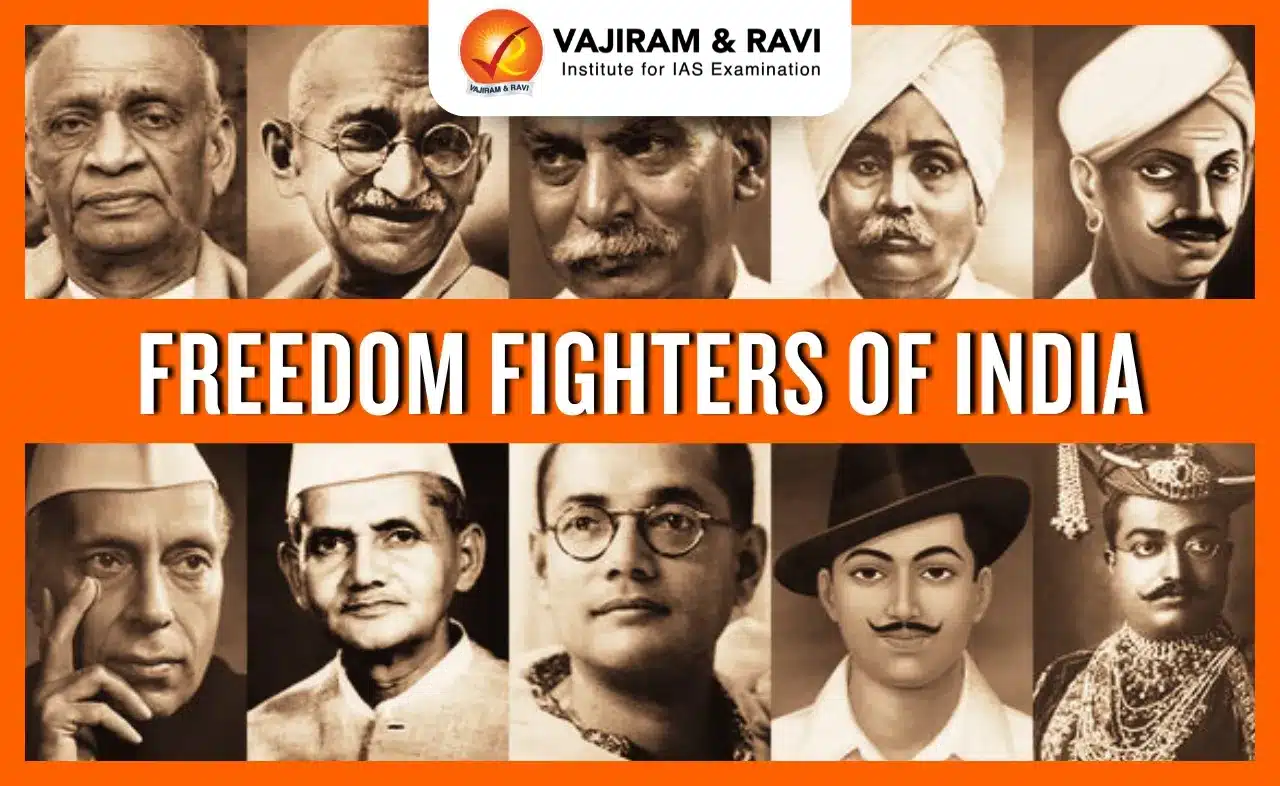
The Freedom of India was the result of the sacrifices of great freedom fighters who played a major role in its independence. Prominent leaders like Bhagat Singh, Mahatma Gandhi, Subhash Chandra Bose, Jawaharlal Nehru, Dr. Rajendra Prasad, Lala Lajpat Rai, Lal Bahadur Shastri, and Bal Gangadhar Tilak united the nation. Alongside them, countless patriots also contributed to India’s struggle against British rule. All the important freedom fighters' names have been shared below in the article.
Freedom Fighters of India
India became an independent and a democratic state on 15th August 1947, marking the freedom struggle by the Freedom Fighters of India who led the great revolutions. The 78th Independence Day will be celebrated on 15th August 2024 across the nation.
Freedom Fighters of India fought various struggles, movements, battles, and uprisings, with many of them sacrificing their lives for the nation's sovereignty. Keep reading the article to know about the Freedom Fighters of India from 1857 to 1947 and their Contributions.
List of Freedom Fighters of India from 1857 to 1947
India’s struggle for independence was shaped by legendary leaders like Mahatma Gandhi, Bhagat Singh, Subhas Chandra Bose, Jawaharlal Nehru, and Chandra Shekhar Azad, among others. Each freedom fighter played an important role in the Freedom Fight of India. Check out the List of Freedom Fighters of India from 1857 to 1947 below in the table:
List of Freedom Fighters of India from 1857 to 1947
Freedom Fighters Name
Contributions and Roles
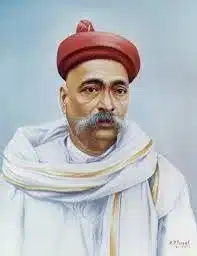
Bal Gangadhar Tilak
The Maker of Modern India, Swadeshi Movement
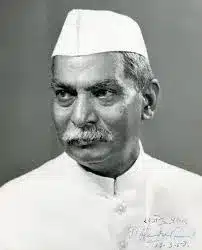
Dr.Rajendra Prasad
First President of the Republic of India
Lal Bahadur Shastri
White Revolution
Green Revolution
Second Prime Minister of India
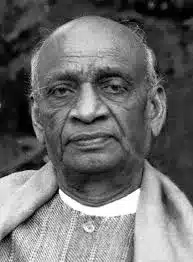
Sardar Vallabhbhai Bhai Patel
Civil Disobedience Movement and Quit India Movement
He was the designer of the flag on which our National Flag is based
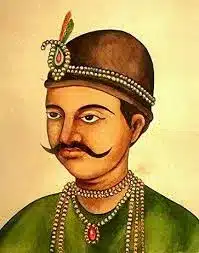
Veerapandiya Kattabomman
He was an 18th-century Tamil chieftain.
He refused to accept the sovereignty of the British East India Company and raised war against them.
He was captured by the British and was hanged to death on 16 October 1799
Sachindra Bakshi
Kakori conspiracy
Rajendra Lahiri
Kakori conspiracy
Manmath Nath Gupta
Kakori conspiracy
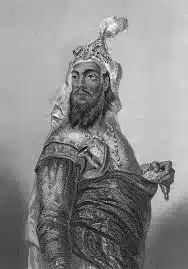
Bahadur Shah Zafar
Indian Rebellion of 1857
Chetram Jatav
Indian Rebellion of 1857
Bakht Khan
Indian Rebellion of 1857
Famous Freedom fighters of India
Here’s a brief overview of some of the Famous Freedom fighters of India and their contributions to the struggle for independence:
Mahatma Gandhi
Mahatma Gandhi, born on 2nd October 1869 in Porbandar, Gujarat, is honored as the Father of the Nation. His birthday is celebrated as Gandhi Jayanti in India and recognized globally as the International Day of Non-Violence by the UNO. He was the son of Karamchand Gandhi and Putlibai, was mentored by Gopal Krishna Gokhale. His notable publications include Indian Opinion, Harijan, and Young India. Known as ‘Bapu’ and ‘Gandhiji’, his principles of non-violence and truth shaped India's freedom struggle.
Bal Gangadhar Tilak
Bal Gangadhar Tilak was known as Lokmanya Tilak, he was a teacher, nationalist, and activist, and part of the Lal-Bal-Pal trio. As the first leader of the independence movement, he was titled “The Maker of Modern India” by Mahatma Gandhi. His famous slogan, "Swaraj is my birthright, and I shall have it!", became a rallying cry for freedom.
Dr. Rajendra Prasad
India’s first President (1950-1962), Dr. Rajendra Prasad was a lawyer, politician, and activist. A close associate of Mahatma Gandhi, he was jailed during the Satyagraha (1931) and Quit India Movement (1942). He also served as India’s Food and Agriculture Minister. Revered as “Ajata Shatru” (one with no enemies), he played a key role in shaping the nation.
Lal Bahadur Shastri
India’s 2nd Prime Minister and 6th Home Minister, Lal Bahadur Shastri is known for leading the White Revolution, increasing the milk production, and initiating the Green Revolution to enhance food security. He was known for his simplicity and dedication to the nation.
Sardar Vallabhbhai Bhai Patel
Sardar Vallabhbhai Patel (1875–1950), known as the "Iron Man of India", was India's first Deputy Prime Minister and Home Minister. A lawyer and statesman, he played a key role in integrating 562 princely states into India. His leadership in uniting the nation earned him the title "Unifier of India".
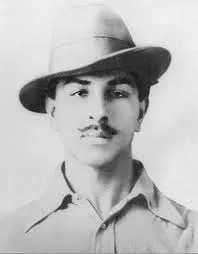
Bhagat Singh
Bhagat Singh (1907-1931) became a national icon through his bravery and sacrifice. He sentenced to death of Lala Lajpat Rai by mistakenly killing a British officer and later threw bombs in the Central Legislative Assembly as a protest. His hunger strike in jail and martyrdom at 23 made him a legendary figure in India's independence movement.
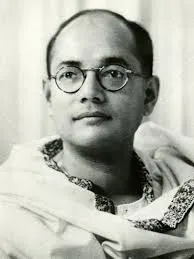
Subhas Chandra Bose
Famously called "Netaji", Subhas Chandra Bose (1897-1945) was a nationalist known for his militant approach toward independence. He founded Azad Hind Fauj (Indian National Army) and inspired millions with slogans like "Tum Mujhe Khoon Do, Main Tumhe Aazadi Dunga" and "Delhi Chalo". His socialist policies and strategic alliances aimed at ending British rule.
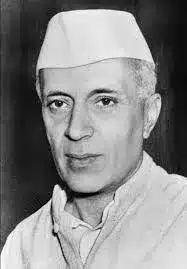
Jawaharlal Nehru
India’s first Prime Minister, Pt. Jawaharlal Nehru (1889-1964) played a key role in shaping modern India. Educated at Cambridge and London, he returned to India in 1912 and joined the freedom struggle. His love for children earned him the title "Chacha Nehru", and his birth anniversary (14th November) is celebrated as Children’s Day in India.
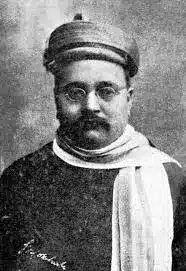
Gopal Krishna Gokhale
A moderate nationalist and social reformer, Gopal Krishna Gokhale (1866-1915) was instrumental in promoting education, economic reforms, and self-rule. He mentored Mahatma Gandhi, shaping his early political views. His dedication to social justice and gradualist approach made him a respected leader in India's fight for freedom.
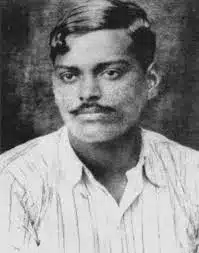
Chandra Shekhar Azad
Chandra Shekhar Azad reorganized the Hindustan Republican Association (HRA) after Ramprasad Bismil's death. At 15, he was arrested for joining Gandhi’s Non-Cooperation Movement, famously declaring “Azad” (free) as his name.
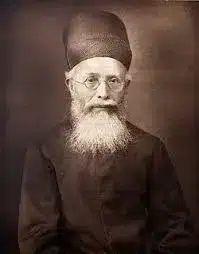
Known as the "Grand Old Man of India," Dadabhai Naoroji was a founding member of the Indian National Congress (INC) and introduced the Drain of Wealth theory in his book Poverty and Un-British Rule in India.
Tantia Tope
A commander in the 1857 Revolt, Tantia Tope fought the British alongside Rani Lakshmibai and Nana Saheb. Though lacking formal military training, he became one of India's most skilled rebel leaders.
Bipin Chandra Pal
A member of the Lal-Bal-Pal trio, Bipin Chandra Pal was known as the "Father of Revolutionary Thoughts" and advocated Swaraj (self-rule). His works include Indian Nationalism and The Soul of India.
Lala Lajpat Rai
Nicknamed “Punjab Kesari” (Lion of Punjab), Lala Lajpat Rai was a social reformer and nationalist. He led the Simon Commission protest and surrender to injuries from police brutality.
Ashfaqullah Khan
A revolutionary involved in the Kakori Train Robbery (1925), Ashfaqullah Khan was sentenced to death for challenging British rule alongside Ram Prasad Bismil.
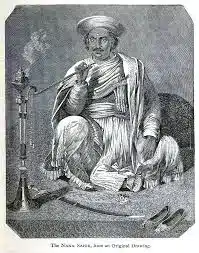
Nana Saheb Peshwa II
A leader of the 1857 Revolt, Nana Saheb fought against British injustice after being denied the pension of his adoptive father, Peshwa Baji Rao II.
Sukhdev Thapar
Born on 15 May 1907 in Ludhiana, Punjab, Sukhdev Thapar was a senior member of the Hindustan Socialist Republican Association (HSRA). He played a crucial role in India's freedom struggle alongside Bhagat Singh and Rajguru. At just 23 years old, he was hanged on 23 March 1931 by the British.
Kunwar Singh
Also known as Veer Kunwar Singh, he was a chief organizer of the 1857 Revolt in Bihar. He belonged to the Ujjainiya clan in Bhojpur, Bihar, and fought bravely against British forces despite being in his 80s.
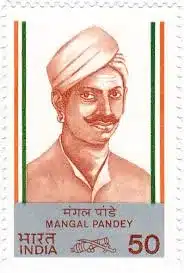
Mangal Pandey
A soldier in the 34th Bengal Native Infantry, Mangal Pandey played a pivotal role in sparking the 1857 Revolt. His attack on British officers is considered the first major incident of the Sepoy Mutiny. In 1984, the Indian government issued a postage stamp in his honor.
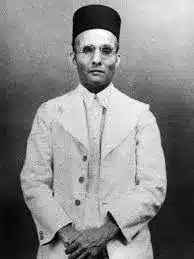
Vinayak Damodar Savarkar
A revolutionary, writer, and activist, Vinayak Damodar Savarkar was a leading face of the Hindu Mahasabha. His book, The War of Independence, was banned by the British for promoting nationalist sentiments. Despite being an atheist, he advocated Hindu philosophy as a pragmatic nationalist.
Freedom Fighters of India FAQs
Q1: Who is the legend of the freedom fighter?
Ans: Mahatma Gandhi
Q2: Who is the freedom fighter queen?
Ans: Rani Lakshmibai, the Queen of Jhansi, stands as a prominent figure among female Indian freedom fighters.
Q3: Who is the brave woman in India?
Ans: Prominent brave women in India’s freedom struggle include Rani Lakshmibai, Rani Abbakka, Kittur Chennamma, Aruna Asaf Ali, and Sarojini Naidu.
Q4: Who is the best female fighter in India?
Ans: Rani Lakshmibai is often regarded as one of the bravest and most iconic women in India’s freedom struggle.
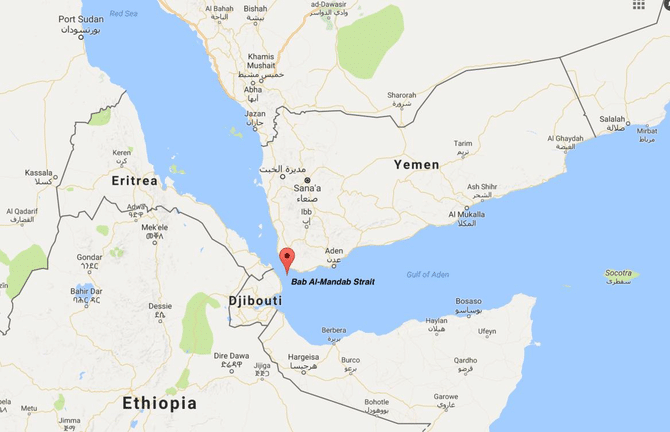
It is strait between Arabia (northeast) and Africa (southwest) that connects the Red Sea (northwest) with the Gulf of Aden and the Indian Ocean (southeast).
It forms a vital strategic link in the maritime trade route between the Mediterranean Sea and the Indian Ocean via the Red Sea and the Suez Canal
It is one of the world's most important routes for global seaborne commodity shipments, particularly crude oil and fuel.
It is bordered by Yemen on the Arabian Peninsula and Djibouti and Eritrea on the African coast.
Key points about the Red Sea
It is a semi-enclosed inlet (or extension) of the Indian Ocean between the continents of Africa and Asia. It is one of the world’s warmest seas.
The northern portion of the Red Sea is bifurcated by the Sinai Peninsula into the Gulf of Aqaba and the Gulf of Suez, where it is connected to the Mediterranean Sea via the famous Suez Canal.
Bordering Countries:
Yemen and Saudi Arabia border the Red Sea to the east.
It is bordered by Egypt to the north and west and by Sudan, Eritrea, and Djibouti to the west.
Q1) Where is Sinai Peninsula?
It is a triangle-shaped peninsula located in northeastern Egypt. It serves as a land bridge connecting Asia and Africa.It has an area about 23,500 square miles (61,000 square km). It is the sovereign territory of Egypt.
Origin: India follows the British parliamentary system, so the Rajya Sabha, or the Upper House of Parliament, is equivalent to the House of Lords in the United Kingdom.
Present strength: The Rajya Sabha currently has 245 members, including 233 elected members and 12 nominated. As per the constitutional limit, the Upper House strength cannot exceed 250.
Membership: While 233members are elected from states and Union Territories (UTs), President of India nominatesthe remaining 12 from from the fields of art, literature, science and social services.
Tenure: Every Rajya Sabha MP has a tenure of six years and elections to one-third seats are held every two years.
Vacancy: According to Section 154 of the Representation of the People Act 1951, a member chosen to fill a casual vacancy will serve for the remainder of his predecessor's term of office.
Chair: The Indian vice-president is chairperson of the Upper House, while it also has a deputy chair.
Election Process to Rajya Sabha
While Lok Sabha members are elected directly by the voters, Rajya Sabha members are elected indirectly by the people, that is, by the elected Members of a state's Legislative Assembly (MLAs).
How many Rajya Sabha members a state can send depends on its population.
MLAs vote in the Rajya Sabha elections in what is called proportional representation with the single transferable vote (STV) system. Each MLA’s vote is counted only once.
In this system, MLAs don’t vote for each seat.
Instead, the MLAs are given a paper with the names of all candidates. They have to give their order of preference for each candidate, marking 1,2,3… against their names.
The ballot is open but MLAs have to show their ballots to an authorised agent from their party to prevent practices such as cross-voting. A vote cannot be counted if the ballot is not shown to the agent. Independent MLAs cannot show their ballot to anyone.
If a qualifying number of voters choose a candidate as their first choice, he or she is elected.
The remaining votes go to the next candidates, but with a lesser value. So, MLAs also vote for candidates from other parties.
The candidate that gets rank 1 from an MLA secures a first preference vote. In order to win, a candidate needs a specific number of such first preference votes. This number depends on the strength of the state Assembly and the number of MPs it sends to Rajya Sabha.
To win, a candidate should get a required number of votes which is known as quota or preference vote. The formula is = [Total number of votes/(Number of Rajya Sabha seats + 1)] + 1.
However, the formula is changed in case more than one seat needs to be filled. The total number of votes required for a candidate in the case is = [(Number of votes x 100) / (Vacancies + 1)] + 1.