Gyanvapi Mosque, Background, Establishment, Finding of ASI Report

Gyanvapi Mosque

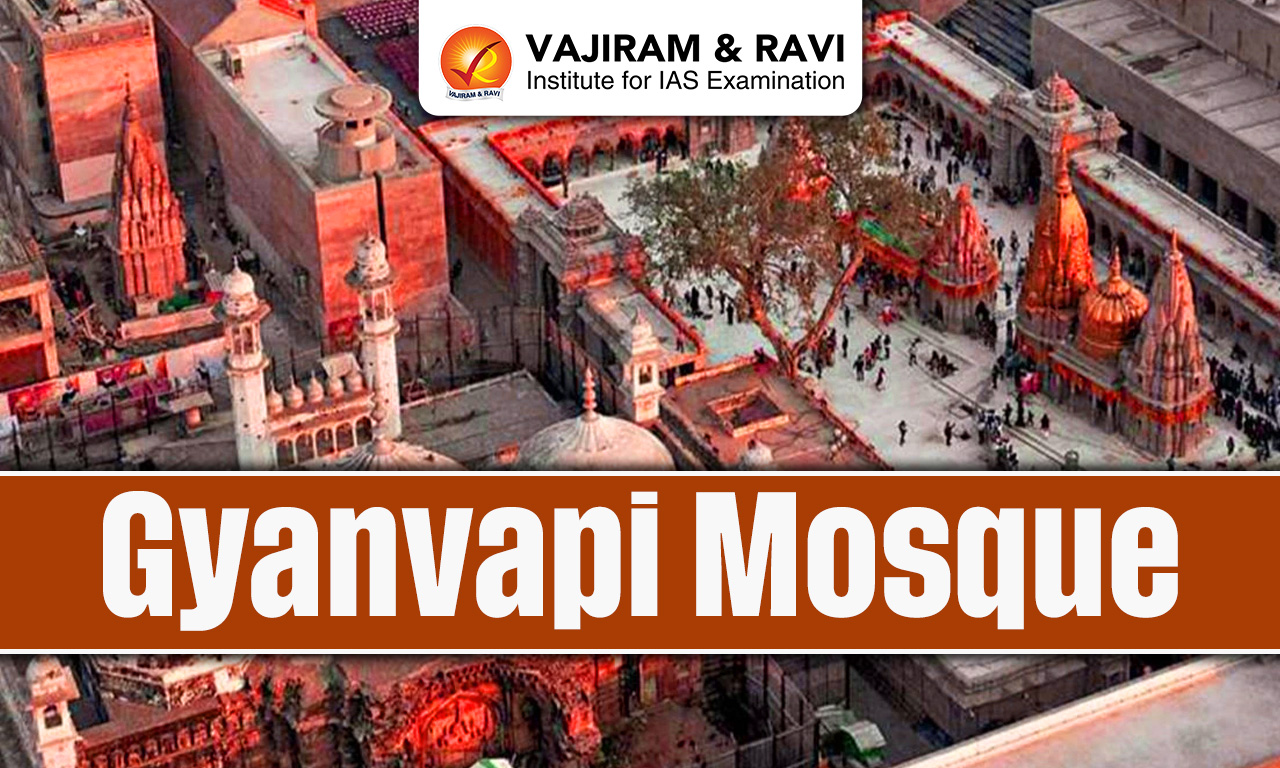
The Gyanvapi Mosque is a historic place of worship located in Varanasi, India. It is situated in a city known for its deep religious and cultural importance. The site is widely known because of historical beliefs that it was built on or near an earlier temple. Over time, it has become an important and sensitive place linked with religion, history, and ongoing discussions in India.

Gyanvapi Mosque Dispute Background

  • The Gyanvapi Mosque is located in Varanasi, close to the Kashi Vishwanath Temple, one of the most important temples dedicated to Lord Shiva.
  • The site has both religious and historical importance and has long been a point of disagreement between Hindu and Muslim communities.
  • The Gyanvapi Mosque issue is associated with the belief that it was constructed in 1669 during the reign of Mughal emperor Aurangzeb, following the demolition of the Vishweshwar Temple dedicated to Lord Shiva. 
  • Historical accounts such as Maasir-i-Alamgiri also record the demolition of a temple during his rule. In addition, an inscription found at the site indicates that the mosque was built around the 20th year of Aurangzeb’s reign, approximately 1676–77 CE.
  • Some historians support the view that the temple was destroyed during Mughal expansion, while others interpret the events differently, linking them to political conflicts of that time.

Gyanvapi Mosque Establishment

  • In 1669, during the rule of Mughal emperor Aurangzeb, the existing temple structure was demolished.
  • A mosque, later known as the Gyanvapi Mosque (also referred to in historical texts as Alamgiri Mosque), was built on or near the same site.
  • Some historians suggest this action was politically motivated to assert Mughal authority over local resistance, while others link it to religious policies of that period.
  • Parts of the earlier temple structure are believed to have been reused in constructing the mosque.

Findings of the ASI Report

  • The Archaeological Survey of India conducted a scientific survey of the site and concluded that a large Hindu temple existed before the mosque.
  • The report found pillars, sculptures, and architectural remains that are clearly linked to temple-style construction.
  • Around 30+ inscriptions in scripts like Devanagari, Telugu, Kannada, and Grantha were discovered, suggesting reuse of temple materials.
  • Several broken idols and sculptures of Hindu deities such as Shiva, Vishnu, Ganesha, and Hanuman were found in the complex.
  • Important religious symbols like the trident (Trishul) and swastika were also identified on structures.
  • The central part of the earlier temple appears to have been integrated into the present mosque structure.
  • The report also mentioned that parts of the temple were damaged and reused during construction of the mosque.

Legal and Historical Disputes

  • The site has been under legal dispute since 1991, with claims that a temple was demolished and a mosque built in its place.
  • In 2021, the court ordered a survey of the site, including videography of the mosque complex.
  • The survey aimed to document structures like the Shringar Gauri idol area and surrounding features.
  • The Hindu side presented maps and claims showing the presence of older temple structures and sacred spots such as the Vishweshwar area, Nandi statue, Gyankoop (Mukti Mandap), and Vyas basement.
  • The Muslim side argues that the site’s religious character should remain protected under the Places of Worship (Special Provisions) Act, 1991, which prevents changing the status of religious sites as they existed in 1947.
  • The case remains sub judice, with courts yet to give a final ruling on ownership and historical interpretation.

Broader Historical and Political Context

  • During the late Mughal period, there were multiple attempts to rebuild or restore temples in Varanasi, though many were unsuccessful.
  • Under British rule, the site became a point of tension between communities, leading to legal restrictions and disputes over worship rights.
  • In independent India, the issue gained renewed attention, especially after similar disputes like the Ayodhya case.
  • Scholars remain divided; some see the destruction of temples as part of political consolidation, while others interpret it as religiously driven action.
  • Today, the Gyanvapi issue continues to be a sensitive legal and historical matter involving archaeology, religion, and constitutional law.

Places of Worship (Special Provisions) Act, 1991

  • Prohibition of Conversion (Section 3)
    • This section clearly states that no place of worship in India can be converted from one religion to another.
    • It also prevents any change within the same religious place that alters its religious identity.
    • The aim is to maintain peace by stopping disputes over religious conversions of sites.
  • Maintenance of Religious Character (Section 4(1))
    • This provision ensures that every place of worship keeps its religious status as it existed on 15 August 1947.
    • It means the identity of religious sites cannot be changed after Independence.
    • The purpose is to preserve the historical and religious status quo of places of worship in India.
  • Abatement of Pending Cases (Section 4(2))
    • All legal cases related to changing the religious nature of a place of worship that existed before 15 August 1947 are discontinued.
    • It also stops the filing of new cases on such matters.
    • This provision aims to prevent long-standing disputes from continuing in courts.
  • Exceptions to the Act (Section 5)
    • The Act does not apply to ancient monuments and archaeological sites protected under the Ancient Monuments and Archaeological Sites and Remains Act, 1958.
    • It also excludes disputes that were already resolved before the Act came into force.
    • Any cases settled through mutual agreement or conversions that happened before 1991 are not covered.
    • Importantly, the Act does not apply to the Ram Janmabhoomi–Babri Masjid dispute in Ayodhya and related legal matters.
  • Penalties (Section 6)
    • The Act also includes punishment for violations.
    • Anyone who attempts to change the religious character of a protected place can face up to three years of imprisonment, along with fines.
    • This provision ensures strict enforcement of the law and discourages violations.

Gyanvapi Mosque FAQs

Q1: What is the Gyanvapi Mosque?

Ans: The Gyanvapi Mosque is a historic place of worship located in Varanasi, India, known for its religious and historical importance.

Q2: Why is the Gyanvapi Mosque in the news or discussion?

Ans: It is in discussion because of long-standing claims that it was built over or near an earlier Hindu temple, leading to legal and historical debates.

Q3: Where is the Gyanvapi Mosque located?

Ans: It is located in Varanasi, very close to the Kashi Vishwanath Temple, an important Hindu pilgrimage site.

Q4: What does the ASI report say about the site?

Ans: The ASI report suggests that a Hindu temple existed before the mosque and found remains like pillars, sculptures, inscriptions, and Hindu symbols at the site.

Q5: What kind of evidence was found during the survey?

Ans: Broken idols, temple-style pillars, inscriptions in multiple scripts, and religious symbols like trishul and swastika were found, indicating temple structures.
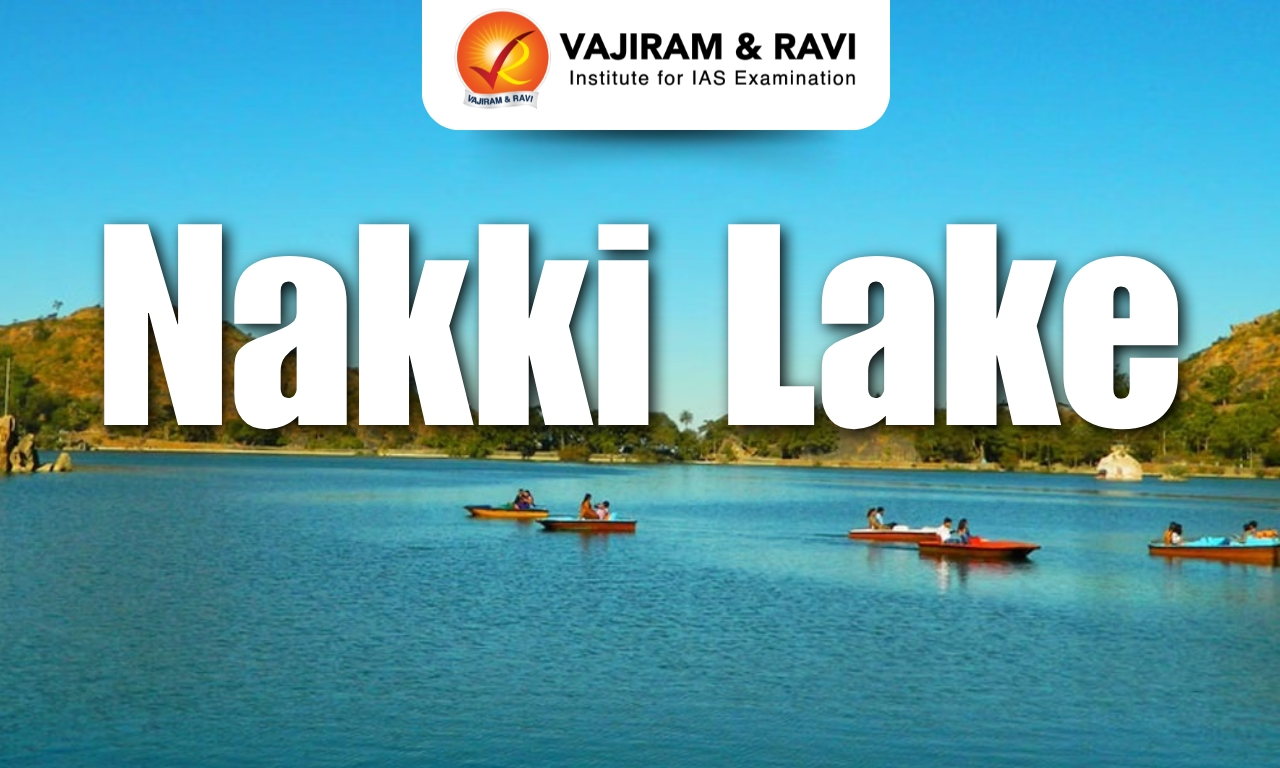

Nakki Lake, Location, Origin, Mythology, Importance

Nakki Lake

Nakki Lake is a famous lake located in the hill station of Mount Abu in Rajasthan. It is known for its scenic beauty, religious importance, historical association, The lake lies in the Aravalli hills and attracts both pilgrims and tourists throughout the year.

Nakki Lake Location

Nakki Lake is situated in the hill station of Mount Abu in the state of Rajasthan.

  • The lake is located at an altitude of more than 1,200 metres above sea level.
  • It lies within the ancient Aravalli Range, one of the oldest mountain systems in the world.
  • The lake is surrounded by rocky hills, dense forest patches, and natural cliff formations.
  • It serves as the main water body of Mount Abu and is central to the geography of the region.
  • Due to its high elevation and surrounding vegetation, the lake contributes to the formation of a cooler microclimate in an otherwise hot and arid region of Rajasthan.

Nakki Lake Origin, Formation and Mythological Belief 

  • Nakki Lake is widely described as the first manmade lake in India. It is believed that early inhabitants modified a natural depression in the landscape to create the lake.
  • The primary purpose of its creation is understood to be water storage in a region that experiences dry climatic conditions.
  • Nakki Lake is deeply associated with Hindu mythology and local folklore. It is believed that gods created the lake using their nails while escaping a demon named Bashkali. The act of digging the ground with nails is said to have led to the naming of the lake as “Nakh ki Jheel,” meaning a lake formed by nails.
  • Over time, the pronunciation and usage of “Nakh ki Jheel” gradually evolved into the present name “Nakki Lake.”

Nakki Lake Cultural and Tribal Importance

Nakki Lake is also important for local tribes and culture. 

  • The Garacia tribe of Rajasthan considers the lake a sacred place. It is linked with their traditions of remembering and worshipping ancestors. 
  • During the Shukla Paksha festival in April, people perform rituals at the lake and symbolically offer their nails into the water as part of their religious practice. 
  • These customs show the close connection between nature and tribal beliefs, where the lake is not only a water body but also a place of faith and cultural identity.

Nakki Lake Historical Significance

The Nakki lake also holds national historical importance:

  • The ashes of Mahatma Gandhi were immersed in this lake on 12 February 1948, soon after his assassination, marking it as a site of national remembrance and respect. 
  • To honour this event, a memorial known as Gandhi Ghat was constructed at the site.

Nakki Lake FAQs

Q1: Where is Nakki Lake located?

Ans: Nakki Lake is a well-known lake situated in Mount Abu in Rajasthan. It lies in the Aravalli hills at an altitude of more than 1,200 metres above sea level.

Q2: Why is Nakki Lake considered important geographically?

Ans: It is the main water body of Mount Abu and helps maintain a cooler microclimate in the otherwise hot and dry region of Rajasthan.

Q3: Why is Nakki Lake called the first manmade lake in India?

Ans: It is believed that early inhabitants modified a natural depression to store water, making it one of the earliest examples of a manmade lake in India.

Q4: What is the mythological significance of Nakki Lake?

Ans: Local belief says that gods created the lake using their nails while escaping a demon named Bashkali, giving it a sacred identity.

Q5: Which tribe considers Nakki Lake sacred?

Ans: The Garacia tribe of Rajasthan considers the lake a sacred site associated with ancestral worship and rituals.

Aoleang Festival, Duration, Rituals, Significance, Role

Aoleang Festival

Recently, the Aoleang Festival was celebrated by the Konyak community in parts of Nagaland, especially in Mon district. The festival reflects the deep connection between tribal life, agriculture and nature, and is one of the most vibrant celebrations in northeastern India.

Aoleang Festival Duration and Rituals 

Aoleang Festival is celebrated annually in the first week of April. It usually lasts for six days. Each day has separate names and different significance.

  • Hoi Lai Yah Nyih (Preparation Day): The first day is for preparation. People collect firewood, vegetables and other items needed for the festival. Rice-beer is prepared, new clothes are made and ornaments are readied. Rituals are performed in the fields to pray for good crops.
  • Yin Mok Pho Nyih (Gathering Resources): On the second day, domestic animals are collected and kept ready for the festival. Preparations for rituals and celebrations continue.
  • Yin Mok Shek Nyih (Beginning of Festival): This day marks the official start of the festival. A decorated bamboo flag is hoisted, and animals are sacrificed. People begin feasting and celebrating together.
  • Lingnyu Nyih (Main Celebration Day): This is the most important day. People wear traditional clothes and ornaments. The whole community takes part in feasts, dances, songs and celebrations
  • Lingha Nyih (Social Bonding Day): This day is about relationships. Elders are respected, families visit each other and share food. People also remember their ancestors and visit burial places
  • Lingshan Nyih (Final Day): The last day is for cleaning houses and the village. It marks the end of the festival and a fresh start for the new year.

Aoleang Festival Agricultural Significance

The timing of the Aoleang Festival coincides with the end of the old year and the beginning of a new agricultural year for the community. The festival is observed after the sowing of seeds in new fields, showing its strong link with agriculture. It is a time when the community prays for a bountiful harvest and prosperity. It symbolises renewal and a fresh beginning.

Aoleang Festival Cultural Significance

The Aoleang Festival showcases the rich cultural heritage of the Konyak tribe through indigenous dances, folk songs, traditional games and modern musical performances. It reflects both tradition and evolving cultural expressions.

Aoleang Festival Social and Developmental Role

Aoleang promotes community bonding and social unity. It serves as a platform to strengthen relationships between the government and the people. The festival helps in bridging communication gaps, promoting peace and harmony, encouraging cultural preservation and regional progress.

Aoleang Festival FAQs

Q1: In which state is the Aoleang Festival celebrated?

Ans: Aoleang Festival is celebrated in Nagaland, particularly in Mon district.

Q2: Aoleang Festival is associated with which tribe?

Ans: Aoleang Festival is associated with the Konyak tribe.

Q3: When is the Aoleang Festival celebrated?

Ans: Aoleang Festival is celebrated every year in the first week of April, from 1st to 6th April.

Q4: What are the main cultural elements of the festival?

Ans: The festival features indigenous dances, folk songs, traditional games and modern musical performances.

Q5: Why is the Aoleang Festival important?

Ans: Aoleang is important because it marks the beginning of a new agricultural cycle and symbolises renewal, hope and prosperity. It is also a time when the community prays for a good harvest and overall well-being.

India Startup Ecosystem, 55,200 Startups Recognized in FY 2025-26

India Startup Ecosystem

The Government has recognized more than 55,200 startups during Financial Year 2025-26, marking the highest number of startups recognized in a single year since the launch of the Startup India initiative. This growth shows that entrepreneurship is expanding rapidly in the country. It also reflects the role of government support, better access to funding, and increasing interest from investors in India’s startup space. Overall, this achievement highlights a positive shift towards a more innovation-driven and job-creating economy.

Startup India Initiative Background and Objectives

The Startup India Initiative was launched in January 2016 with the aim of building a strong ecosystem for startups across the country. It is implemented by the Department for Promotion of Industry and Internal Trade (DPIIT) and focuses on:

  • Promoting innovation and entrepreneurship across sectors
  • Reducing regulatory burden for new businesses
  • Encouraging private investment in startups
  • Creating large-scale employment opportunities
  • Supporting India’s transition from a job-seeking to a job-creating economy

Overall Growth of Startups in India

India’s startup ecosystem has shown rapid and consistent expansion.

  • More than 2.23 lakh startups have been recognized as of 31 March 2026
  • These startups have generated over 23.36 lakh direct jobs
  • More than 1.07 lakh recognized startups have at least one woman director or partner, accounting for approximately 48% of total recognized startups.
  • Startup recognition increased by 51.6 percent in FY 2025-26 compared to FY 2024-25
  • Direct employment increased by 36.1 percent during the same period

Year-wise comparison:

  • In FY 2024-25, around 36,400+ startups were recognized
  • In FY 2025-26, the number increased to 55,200+ startups
  • Direct jobs increased from 3,66,870+ to 4,99,400+

This sharp rise indicates a maturing startup ecosystem with stronger institutional and financial support.

Regional Spread of Startups in India

Startups are no longer limited to metropolitan cities. They are now present across all States and Union Territories, reflecting geographical inclusivity. Leading states in startup ecosystem are:

  • Maharashtra: 38,660+ startups and 4,13,900+ jobs
  • Karnataka: 22,600+ startups and 2,46,000+ jobs
  • Uttar Pradesh: 21,960+ startups and 2,11,580+ jobs
  • Delhi: 21,120+ startups and 2,36,640+ jobs
  • Gujarat: 19,270+ startups and 2,14,800+ jobs

Other emerging startup hubs include Tamil Nadu, Telangana, Haryana, Kerala, and Rajasthan. This distribution highlights the decentralisation of innovation beyond traditional economic centres.

Government Support for Indian Startup Ecosystem 

The Government continues to support startups through flagship schemes including the Fund of Funds for Startups (FFS), Startup India Seed Fund Scheme (SISFS), and Credit Guarantee Scheme for Startups (CGSS), providing financial support at various stages of the startup lifecycle.

Fund of Funds for Startups (FFS)

The Fund of Funds for Startups (FFS) is one of the most significant flagship initiatives under the Startup India programme. 

  • It is designed to mobilize large-scale private capital for startups by investing in venture capital funds rather than directly funding startups.
  • The scheme is managed by the Small Industries Development Bank of India (SIDBI).
  • It has a total corpus of ₹10,000 crore.
  • Instead of directly investing in startups, the fund invests in Alternative Investment Funds (AIFs) registered with the Securities and Exchange Board of India. These AIFs, in turn, invest in startups across different sectors and stages.

Progress and Achievements:

  • More than ₹7,000 crore has been disbursed to over 135 Alternative Investment Funds.
  • These AIFs have collectively invested more than ₹26,900 crore in over 1,420 startups.
  • This model has helped in multiplying capital availability, ensuring that startups receive funding from both public and private sources.

To further strengthen startup financing, the government has introduced Startup India Fund of Funds 2.0, with an expanded corpus. The objective is to deepen venture capital penetration in emerging sectors such as deep technology, artificial intelligence, and clean energy.

Significance: 

  • Encourages institutional participation in startup funding
  • Reduces direct fiscal burden on the government
  • Enhances availability of risk capital for high-growth startups

Credit Guarantee Scheme for Startups (CGSS)

The Credit Guarantee Scheme for Startups (CGSS) is aimed at improving access to debt financing for startups, especially those that lack collateral or credit history.

  • Provides collateral-free credit support to eligible startups.
  • Implemented through eligible financial institutions with risk coverage from a government-backed trust.
  • The guarantee cover per borrower has been increased from ₹10 crore to ₹20 crore, significantly enhancing funding capacity.

Performance Highlights; 

  • By FY 2025-26, more than 410 loans have been guaranteed under the scheme.
  • The total loan value guaranteed exceeds ₹1,250 crore, reflecting increased lender confidence in startup financing.

Impact: 

  • Improves credit flow to early and growth-stage startups
  • Reduces dependency on equity dilution
  • Encourages banks and financial institutions to actively lend to startups

Startup India Seed Fund Scheme (SISFS)

The Startup India Seed Fund Scheme (SISFS) focuses on supporting startups at the most critical early stage when they are often unable to access external funding. 

  • The scheme aims to provide financial assistance to startups for: developing a proof of concept, building prototypes of products or services, supporting initial market entry and validation.
  • The scheme has a total corpus of ₹945 crore, which has been fully committed.
  • Around 219 incubators have been selected across India. These incubators act as intermediaries, identifying and supporting eligible startups.
  • More than ₹605 crore has been approved for funding to over 3,400 startups.
  • The scheme ensures that early-stage innovators receive structured mentorship along with financial assistance.

Significance: 

  • Addresses the “valley of death” in early-stage startup funding
  • Promotes innovation at the grassroots level
  • Strengthens the role of incubators in the startup ecosystem
  • Encourages inclusive regional development of entrepreneurship

Role of Government e-Marketplace (GeM) in Supporting Startups

The Government e-Marketplace (GeM) has emerged as an important platform to promote startup participation in public procurement.

  • More than 38,600 startups have been onboarded on GeM, enabling them to directly supply goods and services to government departments.

Key Trends (FY 2024-25 to FY 2025-26): 

  • The number of startups onboarded on GeM increased from 5,140+ to 6,540+, showing wider inclusion of startups in government procurement.
  • The total number of orders placed to startups rose from 1,19,620+ to 1,40,260+, indicating growing trust in startup-led solutions.
  • The total value of orders increased significantly from ₹14,103 crore to ₹19,190 crore, reflecting higher financial opportunities for startups.

Significance: 

  • Provides startups with assured market access through government demand.
  • Reduces entry barriers for startups in government procurement processes.

India Startup Ecosystem FAQs

Q1: How many startups were added to the India Startup Ecosystem in FY 2025-26?

Ans: A record 55,200+ startups were added to the India Startup Ecosystem in FY 2025-26, making it the highest number of startups recognized in a single year since the launch of the Startup India initiative.

Q2: What is the Startup India Initiative?

Ans: It is a flagship government programme launched in 2016 to promote innovation, support entrepreneurs, reduce regulatory hurdles, and build a strong ecosystem that encourages startups to grow and create jobs.

Q3: Which states lead the India Startup Ecosystem?

Ans: States like Maharashtra, Karnataka, Uttar Pradesh, Delhi, and Gujarat are leading contributors to the India Startup Ecosystem in terms of number of startups and jobs created.

Q4: How many jobs has the India Startup Ecosystem created?

Ans: The India Startup Ecosystem has generated over 23.36 lakh direct jobs, playing a major role in employment generation.

Q5: What role does the government play in the India Startup Ecosystem?

Ans: The government strengthens the India Startup Ecosystem through schemes like Fund of Funds, Startup India Seed Fund Scheme, and Credit Guarantee Scheme, which provide financial and policy support.

Bureaucracy, Evolution, Characteristics, Role in Governance

Bureaucracy

Bureaucracy refers to a system of administration characterized by hierarchical structure, formal rules, division of work, and impersonality in decision-making. It is an essential component of modern governance and plays a crucial role in policy implementation, administration, and public service delivery.

Bureaucracy Historical Evolution

The evolution of bureaucracy reflects the gradual development of organized administrative systems to manage complex societies and states.

  • Ancient Civilizations: Early forms of bureaucracy existed in civilizations like Egypt, Mesopotamia, China, and the Roman Empire, where officials were appointed to manage taxation, law, and public administration.
  • Chinese Imperial Bureaucracy: One of the earliest structured bureaucratic systems emerged in ancient China with a merit-based civil service examination system, ensuring recruitment based on knowledge and ability rather than birth.
  • Medieval Period: Administration during feudal times was less structured and often based on loyalty and personal relationships rather than formal rules and institutions.
  • Rise of Nation-States (16th–18th Century): With the emergence of centralized states in Europe, rulers developed organized administrative machinery to collect taxes, maintain armies, and govern efficiently.
  • Industrial Revolution: The growth of industries and urbanization increased administrative complexity, leading to the need for specialized roles, standardized procedures, and professional management.
  • Modern Bureaucracy and Max Weber: In the late 19th and early 20th centuries, Weber conceptualized bureaucracy as a rational-legal system based on hierarchy, rules, and merit, shaping modern administrative theory.
  • Colonial Bureaucracy in India: During British rule, a centralized and hierarchical administrative system was established, particularly through the Indian Civil Services (ICS), focused on control and revenue collection.
  • Post-Independence India: After 1947, India adopted a democratic and welfare-oriented bureaucracy, transforming the ICS into the Indian Administrative Service (IAS) and other civil services to focus on development and public service.

Max Weber’s Theory of Bureaucracy

Max Weber’s theory of bureaucracy presents it as a rational and efficient system of administration based on clearly defined rules, hierarchy, and merit. He viewed bureaucracy as the most effective organizational structure for managing large-scale modern institutions.

  • Hierarchy of Authority: A well-defined chain of command exists where each lower office is under the control and supervision of a higher authority, ensuring discipline and accountability.
  • Division of Work (Specialization): Tasks are divided into smaller, specialized functions, allowing officials to develop expertise and improve efficiency.
  • Rule-based Functioning: Administration operates according to a set of formal rules and procedures, ensuring consistency, predictability, and uniformity in decision-making.
  • Impersonality: Decisions are made objectively without personal bias, favoritism, or emotional influence, ensuring fairness and equality before administration.
  • Merit-based Recruitment: Officials are selected based on qualifications, skills, and competitive examinations rather than personal connections.
  • Career Orientation: Bureaucracy provides fixed salaries, promotions, and job security, encouraging professionalism and long-term commitment.
  • Written Documentation: All decisions, rules, and procedures are recorded in written form, ensuring transparency, accountability, and continuity.
  • Legal Authority (Rational-Legal Authority): Authority is derived from legal rules and not from tradition or charisma, making the system more stable and legitimate.

Bureaucracy Impact

Bureaucracy has a profound impact on governance, administration, and society by shaping how policies are implemented and public services are delivered.

Positive Impact:

  • Efficient Policy Implementation: Bureaucracy ensures that government policies and programs are executed systematically across different levels of administration.
  • Continuity in Governance: It provides stability and consistency in administration, even when political leadership changes.
  • Rule of Law: By functioning on established rules and procedures, bureaucracy strengthens legal governance and reduces arbitrariness.
  • Professional Administration: Trained and skilled officials contribute to informed decision-making and effective management of public resources.
  • Public Service Delivery: It plays a key role in delivering essential services like education, healthcare, welfare schemes, and infrastructure development.
  • National Integration: A uniform administrative system helps maintain unity and coordination across diverse regions.

Negative Impact:

  • Red Tapism: Excessive rules and procedures often lead to delays and inefficiency in decision-making.
  • Corruption: Misuse of authority and lack of transparency can result in corrupt practices.
  • Lack of Flexibility: Rigid adherence to rules may hinder innovation and quick decision-making in dynamic situations.
  • Alienation from Citizens: Impersonal functioning can create a gap between officials and the public, reducing trust.
  • Inefficiency and Delay: Multiple layers of approval can slow down administrative processes.
  • Resistance to Change: Bureaucratic systems may resist reforms due to fear of losing control or comfort with existing processes.

Role of Bureaucracy in Governance

Bureaucracy forms the backbone of governance by acting as the permanent executive that ensures continuity, stability, and effective functioning of the state. It bridges the gap between policy formulation by political leaders and its implementation on the ground.

  • Policy Implementation: Bureaucracy translates laws and policies into action by executing government schemes and programs at national, state, and local levels.
  • Advisory Function: Civil servants provide expert advice, data, and policy inputs to political executives, helping in informed decision-making.
  • Administrative Continuity: It ensures stability in governance despite changes in political leadership, maintaining institutional memory and consistency.
  • Public Service Delivery: Bureaucracy delivers essential services such as healthcare, education, sanitation, and welfare schemes to citizens.
  • Regulation and Enforcement: It enforces laws, maintains law and order, and regulates economic and social activities through rules and monitoring mechanisms.
  • Development Administration: Bureaucrats play a key role in planning and implementing development programs, poverty alleviation schemes, and infrastructure projects.
  • Financial Administration: It manages public finances, including budgeting, taxation, and expenditure control, ensuring proper use of resources.
  • Crisis and Disaster Management: Bureaucracy coordinates relief and rehabilitation efforts during emergencies such as natural disasters, pandemics, and conflicts.
  • Link Between Government and Citizens: It acts as an interface between the state and the public, addressing grievances and ensuring citizen participation.
  • Promotion of Good Governance: Through transparency, accountability, and efficiency, bureaucracy contributes to achieving good governance.

Reforms Needed in Bureaucracy in India

  • Administrative Simplification: Reduce excessive procedures, minimize file movement, and eliminate redundant rules to curb red tapism and speed up decision-making.
  • E-Governance and Digitalization: Use technology platforms (online services, digital records, dashboards) to improve transparency, reduce human interface, and enhance efficiency in service delivery.
  • Performance-based Evaluation: Shift from seniority-based promotions to performance-linked appraisal systems with measurable outcomes and Key Performance Indicators (KPIs).
  • Capacity Building and Training: Regular training programs to upgrade skills in areas like technology, public policy, data analysis, and leadership for modern governance needs.
  • Lateral Entry in Civil Services: Induct domain experts from the private sector and academia to bring specialized knowledge and innovation into policymaking.
  • Strengthening Accountability Mechanisms: Empower institutions like vigilance bodies, anti-corruption agencies, and audit systems to ensure responsibility and transparency.
  • Fixed Tenure for Officials: Ensure stability in postings to reduce political interference and allow officers to implement policies effectively.
  • Citizen-Centric Approach: Promote responsiveness, grievance redressal mechanisms, and service delivery standards (Citizen Charters) to improve public trust.
  • Decentralization of Power: Empower local governments and field-level officials for quicker and context-specific decision-making.
  • Ethics and Integrity Measures: Strengthen ethical standards through codes of conduct, transparency laws, and strict action against corruption.

Bureaucracy FAQs

Q1: What is bureaucracy?

Ans: Bureaucracy is a system of administration based on hierarchy, rules, specialization, and impersonal decision-making, used to manage government functions efficiently.

Q2: Who gave the theory of bureaucracy?

Ans: The theory of bureaucracy was developed by Max Weber, who described it as the most rational and efficient form of organization.

Q3: What are the main features of bureaucracy?

Ans: Key features include hierarchy, division of work, rule-based functioning, impersonality, merit-based recruitment, and written documentation.

Q4: What is the role of bureaucracy in governance?

Ans: Bureaucracy implements policies, advises political leaders, delivers public services, maintains law and order, and ensures administrative continuity.

Q5: What are the major problems in bureaucracy?

Ans: Major issues include red tapism, corruption, lack of accountability, delay in decision-making, and resistance to change.

UPSC Daily Quiz 21 April 2026

UPSC Daily Quiz

[WpProQuiz 142]

UPSC Daily Quiz FAQs

Q1: What is the Daily UPSC Quiz?

Ans: The Daily UPSC Quiz is a set of practice questions based on current affairs, static subjects, and PYQs that help aspirants enhance retention and test conceptual clarity regularly.

Q2: How is the Daily Quiz useful for UPSC preparation?

Ans: Daily quizzes support learning, help in revision, improve time management, and boost accuracy for both UPSC Prelims and Mains through consistent practice.

Q3: Are the quiz questions based on the UPSC syllabus?

Ans: Yes, all questions are aligned with the UPSC Syllabus 2025, covering key areas like Polity, Economy, Environment, History, Geography, and Current Affairs.

Q4: Are solutions and explanations provided with the quiz?

Ans: Yes, each quiz includes detailed explanations and source references to enhance conceptual understanding and enable self-assessment.

Q5: Is the Daily UPSC Quiz suitable for both Prelims and Mains?

Ans: Primarily focused on Prelims (MCQ format), but it also indirectly helps in Mains by strengthening subject knowledge and factual clarity.

Twisters, Meaning, Formation, Types, Global Distribution, Impacts

Twisters

Twisters, commonly known as tornadoes, are among the most violent weather events on Earth. They are rapidly rotating columns of air that extend from a thunderstorm to the ground, capable of causing massive destruction within a short span of time. 

What are Twisters?

Twisters, or tornadoes, are rapidly rotating columns of air that extend from a thunderstorm to the ground.

  • They usually form during intense thunderstorms.
  • The air begins to rotate at high speed, creating a funnel-shaped structure.
  • This rotating column connects the base of the cloud with the Earth’s surface.
  • Wind speeds are very high and can cause serious damage.
  • It is termed a tornado only when this rotating air reaches the ground.

Formation of Twisters

The formation of twisters involves atmospheric instability, moisture, and changing wind patterns.

Key Conditions Required: 

  • Warm, moist air near the surface and cold, dry air above create strong atmospheric instability.
  • Wind shear, which is a change in wind speed and direction with height, initiates horizontal rotation.
  • Strong updrafts in thunderstorms tilt this rotation into a vertical position and intensify it.

Process: Twisters form when strong heating of the Earth’s surface creates a powerful thunderstorm with rising air. This rising air begins to rotate, and as it becomes stronger, it forms a spinning column inside the storm. At the same time, some air starts moving downward, which helps pull this rotating column closer to the ground. As the air cools, a visible funnel-shaped cloud appears. When this rotating column finally touches the ground, it becomes a tornado or twister. This entire process can happen very quickly, sometimes within a short period.

Characteristics of Twisters

Twisters display several distinct physical and dynamic features.

  • They appear as a funnel-shaped cloud, sometimes visible only when dust and debris are lifted.
  • Their colour may vary depending on surroundings, ranging from white or grey to dark brown or black.
  • Their width can range from a few metres to more than 3 kilometres in extreme cases.
  • Most tornadoes last less than 10 minutes, although stronger ones may persist for longer durations.
  • They follow an unpredictable path and rotate counter-clockwise in the Northern Hemisphere and clockwise in the Southern Hemisphere.
  • Flying debris is the primary cause of damage and casualties.

Types of Twisters

Twisters vary in structure and intensity.

  • Supercell tornadoes are the strongest type of twisters. They form from highly organised thunderstorms that contain a rotating air column called a mesocyclone, and they are responsible for most severe damage.
  • Landspouts are weaker tornadoes that form without a mesocyclone. They are generally short-lived and less destructive compared to supercell tornadoes.
  • Waterspouts are tornado-like systems that form over water bodies such as seas or lakes. In some cases, they may move onto land and cause damage.
  • Multiple-vortex tornadoes consist of two or more smaller rotating columns within a larger tornado. These sub-vortices increase the intensity and destructive capacity of the storm.

Measurement and Classification of Twisters 

Twisters are measured using the Enhanced Fujita (EF) Scale, which classifies them based on damage and estimated wind speeds. The scale is based on observed damage rather than direct measurement of wind speed. Most tornadoes fall in the weaker categories, while the strongest ones cause maximum destruction.

Measurement and Classification of Twisters
EF Category Wind Speed (km/h) Damage Level

EF0

105-137

Light

EF1

138-178

Moderate

EF2

179-218

Considerable

EF3

219-266

Severe

EF4

267-322

Devastating

EF5

Above 322

Catastrophic

Twisters Global Distribution

Twisters (tornadoes) are more common in certain regions due to favourable climatic conditions.

  • The United States of America records the highest frequency of tornadoes globally. The central plains region, popularly known as Tornado Alley, experiences the maximum number of events due to the collision of warm, moist air from the Gulf of Mexico with cold, dry air from Canada. In recent years, the southeastern United States, referred to as Dixie Alley, has also emerged as a significant high-risk zone.
  • Bangladesh and parts of the Indian subcontinent, particularly eastern and northeastern India, also experience tornadoes. These are often associated with severe pre-monsoon thunderstorms (Nor’westers), which create conditions for intense but short-lived tornado formation.
  • Argentina, especially the Pampas region, is another important tornado-prone area due to strong seasonal atmospheric instability and interaction of tropical and polar air masses.
  • Other regions such as Canada, Australia, South Africa, and parts of Europe experience occasional tornadoes when favourable weather conditions develop.
  • Globally, tornadoes have been recorded on all continents except Antarctica, as it lacks the necessary warm surface conditions required for thunderstorm development.

Twisters in India

Twisters (tornadoes) are relatively less frequent in India compared to countries like the United States, but they do occur, especially under specific seasonal and regional weather conditions. They are generally associated with severe thunderstorms and are most commonly observed in the eastern and northeastern parts of the country.

  • In India, twisters are mainly linked with pre-monsoon thunderstorms known as Nor’westers (Kal-baishakhi). These storms are common during April and May when intense surface heating creates unstable atmospheric conditions.
  • The most affected regions include West Bengal, Odisha, Bihar, Jharkhand, Assam, and parts of the northeastern states. These areas experience strong convective activity due to the interaction between hot continental air and moist air from the Bay of Bengal.
  • Twisters in India are usually short-lived but highly destructive, as they often strike without strong forecasting systems and affect densely populated rural regions.
  • Although less frequent, India has witnessed some notable tornado events, such as the 2010 Bihar tornado, which caused significant loss of life and property, and severe events reported in Odisha and West Bengal.
  • Occasional waterspouts over rivers and coastal areas have also been recorded, particularly in eastern India.

Overall, while India is not a major tornado-prone region globally, its eastern belt remains vulnerable during the pre-monsoon thunderstorm season.

Impacts of Twisters

Twisters have severe environmental and socio-economic impacts.

  • Destruction of houses, infrastructure, and public utilities
  • Loss of life and injuries due to strong winds and flying debris
  • Damage to agriculture, including crops and livestock
  • Disruption of transport, communication, and essential services
  • Economic losses and displacement of affected populations

Twisters Management and Mitigation

Although twisters cannot be prevented, their impact can be reduced through effective measures.

  • Development of advanced weather forecasting and early warning systems
  • Use of Doppler radar to detect rotation within storms
  • Construction of strong buildings and designated storm shelters
  • Public awareness regarding safety measures during tornado events
  • Effective disaster response and evacuation planning
  • Integration of tornado risk into disaster management policies, especially in vulnerable regions

Twisters FAQs

Q1: What are twisters?

Ans: Twisters, also called tornadoes, are rapidly rotating columns of air that extend from a thunderstorm to the ground and cause severe localized destruction.

Q2: What is the difference between a twister and a tornado?

Ans: There is no scientific difference; twister is an informal term while tornado is the formal meteorological term for the same phenomenon.

Q3: How do twisters form?

Ans: Twisters form when warm moist air near the surface meets cold dry air aloft, creating instability, wind shear, and strong thunderstorm updrafts that produce a rotating air column.

Q4: Where do twisters occur most in the world?

Ans: Twisters are most frequent in the United States, especially in Tornado Alley and Dixie Alley, due to strong interaction between contrasting air masses.

Q5: Are twisters common in India?

Ans: Twisters are not very common in India but occur mainly in eastern and northeastern states during pre-monsoon thunderstorms called Nor’westers.

Buffer Stock, Objectives, Policy, Status, Significance, Challenges, Measures

Buffer Stock

Buffer stock refers to the extra stock of essential goods like food grains that the government keeps aside to use in times of need. It helps ensure that people get enough food during shortages, emergencies, or price rises. By maintaining this reserve, the government can control prices and provide support to people, especially the poor.

Buffer Stock Objectives

  • Ensuring food security and regular supply: The main aim of buffer stock is to make sure that people always have access to essential food grains, even during difficult times.
  • Handling famine and shortages: It helps provide a continuous supply of food during crop failures, natural disasters, or any crisis when agricultural production falls short.
  • Supporting the Public Distribution System (PDS): Buffer stock is used to supply food grains to welfare schemes like the Public Distribution System and the National Food Security Act, ensuring subsidized food reaches the poor.
  • Controlling price rise in the market: The government releases grains from buffer stock when prices increase sharply, helping to stabilize prices and protect consumers.
  • Providing price stability for farmers: By purchasing crops at the Minimum Support Price (MSP), buffer stock ensures farmers get fair and stable prices and are protected from distress sales.
  • Balancing supply and demand: The government buys grains during surplus production and releases them during shortages, maintaining a balance in the market.
  • Helping the poor and vulnerable: It supports food access for weaker sections of society by making essential grains available at affordable prices.
  • Managing emergencies effectively: Buffer stock acts as a safety reserve during unexpected situations like droughts, floods, or other emergencies.

Buffer Stock Norms and Policy in India

  • Origin of the concept: Buffer stock in India was formally introduced during the Fourth Five Year Plan (1969-74) to ensure food security and manage shortages effectively.
  • Fixing stock levels: The government, through the Cabinet Committee on Economic Affairs (CCEA), decides the minimum level of buffer stock required. These norms are reviewed every year on a quarterly basis -1st April, 1st July, 1st October, and 1st January.
  • Types of food stocks: The total food stock is divided into two main parts:
    • Operational stock: Used for regular distribution under schemes like the Targeted Public Distribution System (TPDS) and Other Welfare Schemes (OWS).
    • Food security reserves (buffer stock): Extra stock kept for emergencies or when procurement is low.
  • Management of Stocks: The government keeps around four months’ requirement of food grains as operational stock for regular use. Any stock above this level is treated as buffer stock, though physically both are stored together.
  • Excess stock handling: If the stock goes beyond the required minimum norms, it is called excess stock. The government may sell this in the open market, export it, or distribute more to states to avoid wastage.
  • Strategic reserves: Apart from regular buffer norms, India also maintains a strategic reserve (about 30 lakh tonnes of wheat and 20 lakh tonnes of rice) to handle extreme emergencies.
  • Buffer stock for pulses: Since 2015, the government has also started maintaining a buffer stock of pulses (about 1.5 lakh tonnes) to control price fluctuations. Agencies like NAFED, SFAC, and FCI are responsible for procurement.
  • Central pool system: All food grains are stored in a central pool, which includes both operational stock and reserves. This pool is used to meet daily needs as well as future shortages.
  • Recent stock position (example): At times, the available stock is much higher than the required norms (e.g., wheat and rice stocks exceeding minimum levels), which shows strong procurement but also creates storage and management challenges.
  • Why these norms matter: Proper buffer stock norms help the government ensure food availability, control prices, respond to crises, and maintain stability in the agricultural market.

Buffer Stock Current Status

  • Strong food stock position: India currently has a very comfortable level of food grain stock, much higher than the minimum required levels, showing strong food security in the country.
  • Total availability: As of early 2026, the total food grain stock is around 600+ lakh metric tonnes (LMT), which is far above the required buffer norms.
  • High rice stock: Rice stock is especially high (around 380 LMT), much more than needed, indicating surplus production and procurement.
  • Adequate wheat stock: Wheat stock (around 220+ LMT) is also sufficient to meet regular needs and emergency requirements.
  • Above required norms: Overall, India’s food grain stock is nearly two to three times higher than the minimum buffer norms fixed by the government.
  • Central Pool system: These food grains are stored in the central pool managed by the Food Corporation of India (FCI) to ensure smooth supply under welfare schemes.
  • Support for welfare schemes: The large stock ensures that schemes like the Public Distribution System (PDS) run without interruption and people continue to receive subsidized food.
  • Strategic safety reserve: In addition to regular stock, India maintains a safety reserve (about 30 LMT wheat and 20 LMT rice) for emergency situations.
  • Pulses buffer stock: A separate small buffer stock of pulses (around 1.5 lakh tonnes) is maintained to control price fluctuations and ensure availability.
  • Handling surplus stock: When stocks become too high, the government releases them in the open market, exports them, or provides extra allocation to states to avoid wastage and control prices.
  • Recent trends: Rice stocks have reached record levels in recent times, showing strong production but also increasing pressure on storage systems.

Buffer Stock Significance

  • Helps in controlling prices: Buffer stock plays an important role in keeping food prices stable. When there is a shortage or prices rise too much, the government releases food grains into the market to bring prices down.
  • Protects consumers from inflation: Through schemes like the Open Market Sale Scheme (OMSS), the government sells food grains in the open market to reduce rising food prices and protect common people.
  • Ensures food security: Buffer stock makes sure that there is always enough food available in the country. It helps prevent shortages during situations like droughts, floods, or sudden drop in production.
  • Supports welfare schemes: It acts as the backbone of programs like the Public Distribution System (PDS), where food grains are given to poor and vulnerable people at lower prices.
  • Provides income security to farmers: The government buys crops at Minimum Support Price (MSP), which gives farmers a guaranteed price and protects them from sudden price falls in the market.
  • Balances supply in the market: Buffer stock helps the government manage both surplus and shortage situations by storing extra grains and releasing them when needed, ensuring a balanced market.
  • Useful in emergencies and disasters: During crises like natural disasters or situations like COVID-19, buffer stock helps in quick distribution of food grains to people in need.
  • Creates export opportunities: When there is excess stock, the government can export food grains to other countries, which helps in earning foreign exchange and reducing surplus.
  • Effective market intervention: For example, in 2022-23, the Food Corporation of India (FCI) released large quantities of wheat in the market, which helped control rising prices and reduce inflation.

Buffer Stock Challenges

  • Storage problems: India still lacks enough modern storage facilities, so a large amount of food grains is stored in traditional godowns. This often leads to damage, spoilage, and wastage of grains.
  • Imbalance in procurement: The government sometimes buys more of certain crops like wheat and rice, while other crops remain under-procured. This creates surplus in some grains and shortage in others.
  • High financial burden: Maintaining buffer stock is expensive. Costs include procurement, storage, transportation, and distribution, which put heavy pressure on government finances.
  • Rising procurement costs: The Food Corporation of India (FCI) incurs many expenses such as handling charges, storage costs, administrative expenses, and rural development cess. Also, increasing Minimum Support Price (MSP) further raises the overall cost and food subsidy burden.
  • Weak storage infrastructure: India still depends heavily on old storage systems instead of modern silos. This leads to poor handling and large post-harvest losses.
  • High maintenance costs: Managing large quantities of food grains requires continuous spending on storage, transport, and upkeep, making the system costly and sometimes unsustainable in the long run.
  • Leakages and corruption: The Public Distribution System (PDS) often faces issues like pilferage, theft, and corruption, which reduce the effectiveness of food distribution.
  • Quality deterioration: When grains are stored for long periods in poor conditions, their quality and nutritional value decline due to pests, moisture, and lack of proper ventilation.
  • Logistical challenges: Transporting food grains across different regions, especially remote areas, is difficult. Delays and poor coordination can lead to shortages in some areas and excess in others.
  • Environmental concerns: Storage and transportation of large buffer stocks also have environmental impacts, such as increased carbon emissions and use of non-eco-friendly materials.

Buffer Stock Measures

  • Diversify procurement: At present, the government mainly procures rice and wheat. Expanding procurement to other essential items like pulses, oilseeds, vegetables, and products like skimmed milk powder can help control prices of a wider range of food items.
  • Better storage of perishable items: New steps like onion irradiation are being used to increase shelf life and reduce spoilage. Such scientific methods can help manage perishable food stocks more effectively.
  • Scientific fixing of buffer norms: Buffer stock levels should be decided using proper data analysis, including population data, consumption patterns, and future demand, instead of relying only on fixed estimates.
  • Move towards dynamic stock norms: Instead of static quarterly targets, buffer stock levels should be flexible and updated based on real-time data such as crop production, weather conditions, and market trends.
  • Use of technology: Technologies like blockchain and IoT can improve transparency and tracking of food grains. Weather data from forecasting agencies can also help in planning stock levels in advance.
  • Improve financial management: Reducing unnecessary procurement and improving efficiency can help lower the financial burden of maintaining large buffer stocks.
  • Encourage private sector participation: The government can work with private companies for better storage, transportation, and supply chain management, making the system more efficient.
  • Separate different objectives: The goals of price control, food security, and farmer support should be managed clearly and separately to avoid confusion and inefficiency in the system.
  • Modernize storage infrastructure: Building modern silos and climate-controlled storage facilities can reduce wastage and maintain the quality of food grains. Large-scale storage expansion plans are already being considered.
  • Improve inventory and supply chain systems: Digital systems like smart warehouse management can help in better tracking, reducing leakages, and ensuring timely distribution of food grains.
  • Reform policies and distribution system: Improving the Public Distribution System (PDS), promoting decentralized procurement, and local storage can make distribution more efficient.
  • Promote public-private partnerships (PPP): Encouraging partnerships between government and private players can bring better technology, investment, and expertise into buffer stock management.
  • Adopt eco-friendly practices: Using solar-powered storage, better packaging, and reducing carbon emissions can make the system more sustainable.
  • Address regional imbalance: Creating storage hubs in different regions and improving connectivity to remote areas can ensure equal availability of food across the country.

Food Corporation of India (FCI)

  • Establishment and background: The Food Corporation of India (FCI) was set up in 1965 under the Food Corporations Act, 1964. It was created at a time when India was facing a serious shortage of food grains, especially wheat, to ensure better management of food supply.
  • Nature of the organization: FCI is a Public Sector Undertaking working under the Department of Food and Public Distribution in the Ministry of Consumer Affairs, Food and Public Distribution.
  • Main purpose: The main role of FCI is to manage the country’s food grain system by purchasing, storing, transporting, and distributing food grains across India.
  • Key objectives of FCI:
    • To provide fair and stable prices to farmers by procuring crops at Minimum Support Price (MSP).
    • To supply food grains to the Public Distribution System (PDS) so that poor and vulnerable people can get food at subsidized rates.
    • To maintain buffer stocks of food grains to ensure food security and control price fluctuations in the market.
  • Role in food security: FCI plays a major role in ensuring that food grains are available, affordable, and accessible to people across the country at all times, especially during shortages or emergencies.
  • Operational responsibilities: It is responsible for the entire process of procurement, storage, movement, and distribution of food grains, making sure that supply reaches different parts of the country smoothly.
  • Organizational structure: FCI operates through a wide network, with its headquarters in New Delhi, along with zonal, regional, and district offices spread across the country for effective management.
  • Storage management: FCI regularly checks its storage capacity and creates or hires additional storage facilities whenever there is a gap, ensuring safe storage of food grains.
  • Support system for farmers: Along with FCI, the Commission for Agricultural Costs and Prices (CACP), also established in 1965, recommends prices to ensure farmers receive fair returns for their produce.

Commission for Agricultural Costs and Prices (CACP)

  • The Commission for Agricultural Costs and Prices (CACP) is an advisory body set up by the Government of India in 1965 to recommend Minimum Support Prices (MSP) for farmers. Its main aim is to ensure that farmers get fair and reasonable prices for their crops.
  • Background: It was first created as the Agricultural Prices Commission (APC) in 1965 and later renamed as CACP in 1985. It works under the Ministry of Agriculture and Farmers Welfare.
  • Main role: CACP suggests MSPs for 23 major crops, including cereals, pulses, oilseeds, and commercial crops. These recommendations are used by the government to fix final MSPs every year.
  • Key functions:
    • Study the cost of production to ensure farmers earn a fair return
    • Track changes in prices, production, and availability of crops
    • Advise the government on agricultural pricing and trade policies
    • Suggest measures related to input costs, crop insurance, and farmer welfare
  • How it works: CACP collects data from states, conducts field surveys, and consults farmers, traders, and experts. It also considers market trends, demand-supply conditions, and international prices before giving recommendations.
  • Structure: The commission consists of a Chairman, Member Secretary, and two members, supported by technical staff for research and analysis.

Buffer Stock FAQs

Q1: What is Buffer Stock?

Ans: Buffer stock is extra food grains stored by the government to use during shortages, emergencies, or price rise.

Q2: Why is Buffer Stock important?

Ans: It ensures food security, controls prices, supports poor people through PDS, and helps farmers get stable income.

Q3: What are Buffer Stock norms?

Ans: These are minimum stock levels fixed by the government every quarter for regular use and emergency needs.

Q4: What is the current status of Buffer Stock in India?

Ans: India has food grain stocks much higher than required norms, ensuring strong food security but creating storage challenges.

Q5: What is the role of the Food Corporation of India?

Ans: FCI procures, stores, and distributes food grains and maintains buffer stocks for the country.

Him-CONNECT 2026, Objectives, Features, Significance, NMHS

Him-CONNECT

Him-CONNECT is a strategic initiative launched by the Ministry of Environment, Forest and Climate Change on the sidelines of the World Sustainable Development Summit 2026 in New Delhi from 25-27 February 2026. It is designed to connect Himalayan research with industry, policy and finance ecosystems. The platform focuses on scaling innovations developed under the National Mission on Himalayan Studies (NMHS) for sustainable development in the Indian Himalayan Region.

Him-CONNECT Objectives

Him-CONNECT aims to create a collaborative ecosystem linking science, enterprise and governance for Himalayan sustainability. It promotes innovation adoption, partnerships and funding access.

  • The platform presents NMHS supported technologies, prototypes and patents to demonstrate their practical application in sectors like water, energy and livelihoods for real world deployment.
  • It enables start ups and enterprises to adopt and scale research outputs, ensuring scientific innovations transition from laboratories to commercially viable and field ready solutions.
  • Him-CONNECT facilitates connections with investors, incubators and funding agencies, creating structured pathways for financing, mentorship and long term sustainability of innovations.
  • The initiative strengthens coordination between policymakers, industry leaders and communities to align development strategies with environmental sustainability in mountain regions.

Him-CONNECT Features

Him-CONNECT functions as a curated innovation platform showcasing technologies and enabling collaboration among stakeholders through exhibitions, discussions and investment engagement.

  • Innovation: More than 24 technologies, patents and pilot projects developed under NMHS are displayed, focusing on areas like climate adaptation, water security and waste management.
  • Institutional Participation: Innovations are presented by premier institutions including IITs (Guwahati, Roorkee, Jodhpur, Jammu, Ropar, Mandi), CSIR, NITs, Central Agricultural University and other universities.
  • Stakeholder Engagement: Over 100 start ups, investors, incubators, policymakers and industry representatives participate, creating a diverse ecosystem for collaboration and knowledge exchange.
  • Thematic Coverage: Solutions span sectors such as Renewable Energy, Sustainable Construction, Bio Resources, Waste to Wealth and Climate Resilient Infrastructure tailored for Himalayan conditions.
  • Innovations: Technologies include eco friendly road construction, hydroponic farming using treated wastewater, pine needle wastewater treatment, yak milk processing and low cost water purification systems.
  • Knowledge Exchange: Activities like flash talks and mentorship sessions allow innovators to present ideas, refine business models and explore regulatory and market pathways.

Him-CONNECT Significance

Him-CONNECT plays a crucial role in bridging the gap between research and real world implementation in the fragile Himalayan ecosystem while supporting sustainable development goals.

  • Strengthening Innovation Ecosystem: It connects research institutions with markets, ensuring NMHS supported innovations move beyond prototypes into scalable and impactful solutions for regional challenges.
  • Climate Resilience: By focusing on climate adaptation technologies and sustainable practices, the platform contributes to resilience in the Himalayan region, which acts as a climate regulator for Asia.
  • Economic Opportunities: Promotion of green enterprises and local innovations supports livelihood generation, reduces out migration and builds self reliant mountain economies aligned with national development goals.
  • Global Relevance: Him-CONNECT reflects India’s commitment to climate leadership and South-South Cooperation by offering scalable models for other mountain and fragile ecosystems worldwide.
  • Policy Integration: It enables evidence based policymaking by linking scientific research with governance frameworks, ensuring sustainable resource management and environmental conservation.
  • Impact: By aligning science, finance and policy, Him-CONNECT accelerates the transition of innovations into practical applications, enhancing ecological sustainability and community well being in the Himalayas. 

National Mission on Himalayan Studies (NMHS)

The National Mission on Himalayan Studies is a flagship initiative of the Ministry of Environment, Forest and Climate Change launched in 2015-16 to address environmental, developmental and climate challenges of the Indian Himalayan Region

  • Vision and Mission: NMHS aims to sustain and enhance ecological, natural, cultural and socio-economic assets of the Himalaya through innovative research and knowledge based interventions supporting long term environmental security and livelihoods.
  • Geographic Scope: The Mission covers 11 Himalayan States as well as 2 Union Territories and addresses the interaction between fragile ecosystems and socio-economic aspirations of communities dependent on mountain resources.
  • Achievements: Over 250 action research and demonstration projects have been supported, along with 175 Himalayan Research Fellowships, leading to patents, publications and technologies such as water purification and eco-friendly construction.
  • Community Engagement: Establishment of Him-Nature Learning Centres has strengthened environmental education, capacity building and local participation through initiatives like ecotourism, agroforestry and spring rejuvenation models.
  • Economic and Policy Impact: The Mission promotes green enterprises, skill development and resource efficient technologies aligned with Aatmanirbhar Bharat Abhiyan, supporting sustainable livelihoods and policy integration for mountain development.
  • Strategic Importance: NMHS contributes to India’s climate action, biodiversity conservation and Sustainable Development Goals while advancing the vision of climate resilient growth under Viksit Bharat 2047.

Him-CONNECT FAQs

Q1: What is Him-CONNECT?

Ans: Him-CONNECT is an initiative by the Ministry of Environment, Forest and Climate Change to connect Himalayan research with start ups, investors and policymakers for real world application.

Q2: When and where was Him-CONNECT organised?

Ans: It was organised from 25 to 27 February 2026 in New Delhi alongside the World Sustainable Development Summit 2026.

Q3: Which mission supports Him-CONNECT innovations?

Ans: The platform showcases innovations developed under the National Mission on Himalayan Studies, a flagship programme focused on the Indian Himalayan Region.

Q4: What type of innovations are displayed at Him-CONNECT?

Ans: It features technologies related to water management, renewable energy, waste to wealth, climate adaptation and sustainable livelihoods tailored for Himalayan conditions.

Q5: Why is Him-CONNECT important?

Ans: It bridges the gap between research and market by enabling funding, partnerships and policy support, helping scale solutions for the Indian Himalayan Region.

Nyokum Yullo Festival, Nyishi Tribe Culture & Rituals

Nyokum Yullo Festival

The Nyokum Yullo Festival is one of the most important agricultural and cultural festivals of the Nyishi Tribe in Arunachal Pradesh. Deeply rooted in nature worship and community bonding, the festival reflects the tribe’s belief in maintaining harmony between humans, deities, and the natural world.

About Nyokum Yullo Festival

  • The word Nyokum comes from Nyok (earth/land) and Kum (togetherness), symbolizing harmony between humans and nature.
  • It is celebrated to seek blessings for prosperity, good harvest, and community well-being.
  • The festival involves nature worship, without the use of idols.
  • A sacred bamboo structure called yugang is erected as the main ritual site.
  • Nyokum goddess is worshipped for agricultural abundance and protection from natural calamities.
  • Rituals are conducted by a priest known as nyubh, along with his assistants.
  • Animal sacrifices are traditionally offered near the yugang as part of the rituals.
  • Traditional songs and dances are performed before the main ceremony.
  • People wear colorful traditional attire, including bamboo caps, bead necklaces, and handwoven garments.
  • Guests are welcomed with rice paste powder and offered opo (millet beer) in dried gourd vessels.
  • The festival reflects the Nyishi belief in maintaining balance between humans, nature, and divine forces.

Also Read: Fairs and Festivals of India

About Nyishi Tribe

  • The Nyishi Tribe is the largest ethnic group in Arunachal Pradesh.
  • They are mainly found in central Arunachal Pradesh and also inhabit parts of Assam, especially in Sonitpur and North Lakhimpur districts.
  • The term Nyishi is derived from Nyi (man) and Shi (being), meaning a civilised human being.
  • Their language belongs to the Sino-Tibetan family, though its exact origin is debated.
  • Nyishi society is patrilineal, where lineage is traced through the male line.
  • The tribe is divided into several clans, each having its own identity and customs.
  • Polygyny (a man having more than one wife) has traditionally been practiced in the community.
  • They traditionally depend on agriculture and forest resources for their livelihood.
  • The Nyishi people have a strong belief in maintaining harmony between humans, nature, and divine forces.
  • Festivals like Nyokum Yullo play an important role in preserving their culture and traditions.

Nyokum Yullo Festival FAQs

Q1: What is Nyokum Yullo Festival?

Ans: Nyokum Yullo is an important agricultural festival of the Nyishi Tribe celebrated to seek prosperity, good harvest, and harmony with nature.

Q2: Where is Nyokum Yullo celebrated?

Ans: It is mainly celebrated in Arunachal Pradesh, especially in regions inhabited by the Nyishi community.

Q3: What does the term ‘Nyokum’ mean?

Ans: The word Nyokum is derived from Nyok (earth/land) and Kum (togetherness), symbolizing unity between humans and nature.

Q4: Which deity is worshipped during Nyokum Yullo?

Ans: The festival is dedicated to the Nyokum goddess, who is believed to bless people with prosperity and agricultural abundance.

Q5: What is the ‘yugang’ in the festival?

Ans: Yugang is a sacred bamboo structure where the main rituals are performed, instead of idol worship.

Abul Kalam Azad, Early Life, Contributions, Awards, Legacy

Abul Kalam Azad

Abul Kalam Azad was one of the most influential leaders of India’s freedom struggle, a distinguished scholar, journalist, and visionary educationist. He played a crucial role in shaping modern India through his strong advocacy of education, secularism, and national unity. As independent India’s first Education Minister, his policies laid the foundation of the country’s educational and cultural development.

Abul Kalam Azad Early Life and Education

Abul Kalam Azad was born on 11 November 1888 in Mecca into a scholarly family and received a strong foundation in Islamic and classical education. After moving to Calcutta, he pursued self-education and became proficient in multiple languages and modern subjects at a very young age.

  • Born in Mecca (present-day Saudi Arabia) to a family of respected scholars.
  • His father, Maulana Khairuddin, was a noted Islamic theologian and teacher.
  • The family later settled in Calcutta (now Kolkata), which became the center of his upbringing.
  • He was primarily educated at home through traditional methods rather than formal schooling.
  • Gained expertise in Arabic, Persian, and Urdu during childhood.
  • Later learned English, history, philosophy, and mathematics through self-study.
  • Showed exceptional intellectual ability and curiosity from an early age.
  • Developed a deep interest in writing, journalism, and political thought.
  • Started writing articles and publishing journals as a teenager.
  • Was influenced by reformist and nationalist ideas during his early years. 

Role in India’s Freedom Struggle

Abul Kalam Azad was a key leader in India’s independence movement who used his writings, speeches, and political leadership to mobilize people against British rule. He emerged as a strong voice of nationalism and played a crucial role in guiding the freedom struggle during its most decisive years.

  • Launched the Urdu newspaper Al-Hilal in 1912 to promote nationalist ideas and political awareness among Indians.
  • Strong supporter of the Non-Cooperation Movement (1920) led by Mahatma Gandhi.
  • Became the youngest President of the Indian National Congress in 1923.
  • Served again as Congress President from 1940 to 1946 during a crucial phase of the independence movement.
  • Played an active role in the Quit India Movement (1942) demanding an end to British rule.
  • Was imprisoned multiple times by the British authorities for his nationalist activities.
  • Worked closely with leaders like Jawaharlal Nehru to strengthen the movement.
  • Used journalism and public speaking effectively to inspire people to join the freedom struggle.
  • Opposed colonial policies and encouraged mass participation in national movements.
  • Advocated unity among Indians as a key strength in achieving independence.

Vision for Hindu-Muslim Unity

Abul Kalam Azad strongly believed that India’s strength lay in its diversity and that Hindus and Muslims were integral parts of one nation. He consistently advocated unity and opposed any attempt to divide the country on religious grounds.

  • Firmly opposed the partition of India based on religion.
  • Promoted the idea of composite nationalism, where all communities share a common national identity.
  • Believed that religion should remain a personal matter and not define nationhood.
  • Emphasized that India’s history and culture were shaped by both Hindus and Muslims together.
  • Used speeches and writings to reduce communal tensions and promote harmony.
  • Warned that division on religious lines would weaken the country politically and socially.
  • Worked within the Indian National Congress to strengthen inter-community cooperation.
  • Maintained close association with leaders like Mahatma Gandhi, who also supported unity and non-violence.
  • Advocated equal rights and opportunities for all citizens irrespective of religion.
  • Considered unity essential for achieving and sustaining India’s independence.

Role as India’s First Education Minister

Abul Kalam Azad served as independent India’s first Education Minister from 1947 to 1958 and played a foundational role in shaping the country’s modern education system.

Advocated free and compulsory education for all children up to the age of 14.

  • Focused on expanding primary education to ensure wider access across rural and urban areas.
  • Promoted higher education and research, recognizing their importance for nation-building.
  • Encouraged the growth of scientific and technical education to support industrial and economic development.
  • Supported the use of mother tongue as the medium of instruction at the primary level.
  • Played a key role in establishing the University Grants Commission (UGC) to regulate and develop higher education.
  • Contributed to the foundation of the Indian Institutes of Technology (IITs), which became premier institutions for technical education.
  • Strengthened technical education through bodies like the All India Council for Technical Education (AICTE).
  • Promoted cultural exchange and international cooperation through the Indian Council for Cultural Relations (ICCR).
  • Emphasized the importance of adult education and literacy programs to reduce illiteracy.
  • Encouraged the development of libraries, universities, and research institutions across the country.

Awards and Recognition

  • Maulana Abul Kalam Azad was awarded the prestigious Bharat Ratna in 1992 (posthumously) for his outstanding service to the nation.
  • His birth anniversary, 11 November, is celebrated as National Education Day across India to promote awareness about education.
  • He was recognized as the architect of modern education in India due to his foundational role in shaping educational policies.
  • Several universities, colleges, and institutions in India are named after him to honor his legacy.
  • His contributions to journalism, particularly through Al-Hilal, are widely acknowledged in Indian history.
  • Remembered as one of the most influential leaders of the Indian independence movement and a champion of secular values.

Abul Kalam Azad Legacy

Abul Kalam Azad left a lasting legacy as the architect of India’s modern education system and a strong advocate of unity and secularism. His efforts laid the foundation for institutions like the University Grants Commission and the Indian Institutes of Technology. He played a key role in promoting scientific, technical, and cultural development in independent India. His vision of an educated and united nation continues to inspire generations.

Abul Kalam Azad FAQs

Q1: Who was Abul Kalam Azad?

Ans: He was a prominent Indian freedom fighter, scholar, journalist, and the first Education Minister of independent India.

Q2: When was Abul Kalam Azad born?

Ans: He was born on 11 November 1888 in Mecca.

Q3: What was his role in India’s freedom struggle?

Ans: He was a key leader of the Indian National Congress and actively participated in major movements led by Mahatma Gandhi.

Q4: What are his major contributions to education?

Ans: He laid the foundation of India’s modern education system and helped establish institutions like the University Grants Commission and the Indian Institutes of Technology.

Q5: Why is National Education Day celebrated?

Ans: National Education Day is celebrated on 11 November to honor his contributions to education.

CRISPR-Cas9 Gene Editing, Components, Applications, Limitations

CRISPR-Cas9

CRISPR-Cas9 gene editing is one of the most revolutionary technologies in modern science. It allows scientists to edit DNA with high precision, just like correcting a spelling mistake in a sentence. From treating genetic diseases to improving crops, this technology is transforming medicine, agriculture, and biotechnology.7

In recent years, especially with India’s breakthrough BIRSA-101 gene therapy, CRISPR has moved from laboratories to real-world healthcare solutions.

What is CRISPR-Cas9?

CRISPR-Cas9 gene editing is a modern biotechnology tool that allows scientists to change DNA with high precision. It uses a guide RNA to locate a specific gene and the Cas9 enzyme to cut the DNA at that exact spot. After cutting, the DNA can be removed, added, or corrected to fix genetic problems. It is widely used in medicine, agriculture, and research to improve health and productivity.

Components of CRISPR-Cas9

CRISPR-Cas9 gene editing works through two main components that together help in precise DNA targeting and cutting. These components ensure accurate identification of the gene and its modification.

  • Guide RNA (gRNA): Acts like a GPS and identifies the exact DNA sequence to be edited.
  • Cas9 Enzyme: Works as molecular scissors that cut the DNA at the targeted location.

Advantages of CRISPR-Cas9

CRISPR-Cas9 gene editing stands out because it combines precision, speed, and flexibility, making it far more practical than older genetic engineering techniques. Its advantages are not just scientific but also economic and social, especially in areas like healthcare and agriculture.

  • High Precision and Target Specificity: CRISPR can target exact DNA sequences, reducing unwanted changes and improving accuracy in gene modification.
  • Cost-Effective Technology: Compared to older tools like Zinc Finger Nucleases (ZFNs) and TALENs, CRISPR is significantly cheaper, making it accessible for wider research and medical use.
  • Faster Results: Gene editing can be completed in a much shorter time, accelerating research, drug development, and treatment processes.
  • Ease of Use and Simplicity: The design of guide RNA is simple, allowing even smaller laboratories to perform gene editing without complex setups.
  • Multiplexing Capability: CRISPR can edit multiple genes at the same time, which is very useful in studying complex diseases and traits.
  • Wide Range of Applications: It is used in treating genetic disorders, developing vaccines, improving crop varieties, and advancing scientific research.
  • Gene Correction and Disease Treatment: Helps in correcting defective genes responsible for diseases like sickle cell anemia, opening doors for permanent cures.
  • Supports Personalized Medicine: Enables treatments tailored to an individual’s genetic makeup, improving effectiveness and reducing side effects.
  • Improves Agricultural Productivity: Helps create crops that are drought-resistant, pest-resistant, and high-yielding, supporting food security.
  • Scalable and Flexible: Can be applied across different organisms, plants, animals, and humans, making it a universal gene-editing tool.
  • Advancement in Research and Innovation: Allows scientists to better understand gene functions, speeding up discoveries in biology and medicine.

Limitations of CRISPR-Cas9

CRISPR-Cas9 gene editing, despite its powerful advantages, has several scientific, ethical, and practical limitations that need careful consideration. These challenges must be addressed to ensure its safe and effective use.

  • Off-Target Effects: CRISPR may sometimes cut at unintended DNA locations, leading to unwanted mutations and potential health risks.
  • Incomplete Editing (Mosaicism): Not all cells get edited uniformly, especially in embryos, resulting in mixed populations of edited and unedited cells.
  • Delivery Challenges: Safely delivering CRISPR components into target cells or tissues in the human body remains difficult.
  • Risk of Unintended Consequences: Editing one gene may affect other genes or biological processes in unpredictable ways.
  • Ethical Concerns: Raises issues like “designer babies,” genetic inequality, and human germline editing.
  • High Initial Treatment Cost: Though cheaper than older technologies, clinical applications like gene therapy are still expensive.
  • Limited Long-Term Data: The long-term effects of gene editing are not fully understood yet.
  • Immune System Response: The human body may recognize Cas9 protein as foreign and trigger immune reactions.
  • Regulatory and Legal Issues: Strict approval processes and lack of uniform global regulations slow down its widespread use.
  • Technical Limitations: Requires precise design of guide RNA, and errors in design can reduce efficiency.

Applications of CRISPR-Cas9

CRISPR-Cas9 gene editing has a wide range of applications across medicine, agriculture, and scientific research because it allows precise modification of DNA. It is already being used in real-world solutions, along with examples from India like improved crops and gene therapies.

  • Treatment of Genetic Diseases: Used to correct faulty genes in diseases like Sickle Cell Disease and thalassemia. Example: India’s BIRSA-101 gene therapy for sickle cell patients.
  • Cancer Therapy: CRISPR is used to modify immune cells (T-cells) to better attack cancer cells. Example: Experimental CRISPR-based immunotherapy trials.
  • Personalized Medicine: Helps design treatments based on an individual’s genetic profile for better outcomes.
  • Crop Improvement: Develops crops that are pest-resistant, drought-resistant, and high-yielding. Example: Bt Cotton is resistant to pests and widely used in India.
  • Improved Oilseed Crops: Enhances the quality and productivity of edible oil crops.  Example: Dhara Mustard Hybrid-11 was developed for higher yield and oil production.
  • Nutritional Enhancement: Improves the nutritional value of food crops. Example: Biofortified rice and wheat varieties under development using gene-editing tools.
  • Livestock Improvement: Enhances disease resistance and productivity in animals. Example: Gene-edited cattle resistant to certain infections.
  • Drug Discovery and Research: Helps scientists study gene functions and develop new medicines. Example: Creation of disease models for cancer and genetic disorders.
  • Control of Infectious Diseases: CRISPR is being explored to target viruses and harmful pathogens. Example: Research on HIV and viral infections.
  • Industrial Biotechnology: Used to produce biofuels, enzymes, and useful biological products. Example: Microorganisms engineered for efficient biofuel production.
  • Environmental Applications: Helps manage ecosystems and control invasive species. Example: Gene-editing approaches to control disease-carrying mosquitoes.

About Genetic Engineering Appraisal Committee

The Genetic Engineering Appraisal Committee (GEAC) is the top regulatory authority in India for approving genetically modified (GM) organisms and products. It functions under the Ministry of Environment, Forest and Climate Change (MoEFCC).

  • GEAC gives approval for large-scale use and environmental release of genetically engineered organisms.
  • It evaluates the safety of GM crops for humans, animals, and the environment before approval.
  • The committee conducts risk assessment and environmental impact analysis of GM products.
  • It monitors and regulates field trials and research activities related to genetic engineering.
  • GEAC is established under the Environment Protection Act 1986 (Rules, 1989).
  • It includes experts from fields like biotechnology, agriculture, ecology, and health sciences.
  • It coordinates with agencies like ICAR, DBT, and state governments for decision-making.
  • It plays a key role in approving commercial GM crops such as Bt Cotton in India.
  • It ensures that genetic engineering technologies are used in a safe and regulated manner.

CRISPR-Cas9 FAQs

Q1: What is CRISPR-Cas9?

Ans: CRISPR-Cas9 is a gene-editing technology that allows scientists to cut and modify DNA at specific locations with high precision.

Q2: How does CRISPR-Cas9 work?

Ans: It uses a guide RNA to find the target gene and the Cas9 enzyme to cut the DNA, after which the gene can be edited or corrected.

Q3: What is CRISPR used for?

Ans: It is used in medicine, agriculture, and research, such as treating genetic diseases, improving crops, and studying genes.

Q4: What are the advantages of CRISPR-Cas9?

Ans: It is fast, cost-effective, accurate, and easy to use, making it more efficient than older gene-editing methods.

Q5: What are the limitations of CRISPR-Cas9?

Ans: It can cause off-target effects, ethical concerns, and delivery challenges, and its long-term impact is still being studied.

Palliative Care in India, Need, Current Status, Challenges, Measures

Palliative care in India

Palliative care in India focuses on improving the quality of life of people who are suffering from serious or long-term illnesses. It is not just about treating the disease, but about reducing pain, stress, and emotional suffering. This type of care supports both patients and their families by addressing physical, mental, and social needs. In recent years, awareness about palliative care has grown, but access is still limited in many parts of the country.

About Palliative Care in India

  • Palliative care is a form of medical support that aims to make life more comfortable for people living with serious or long-term illnesses, by managing pain and addressing their physical, emotional, and social needs, instead of focusing only on curing the disease.
  • It is considered part of the right to health, as it aims to reduce pain, suffering, and emotional stress for patients and their families.
  • This care looks after the overall well-being of a person by addressing physical discomfort, mental health, social support, and even spiritual concerns.
  • It is especially important for people with conditions like cancer, heart disease, kidney failure, and neurological disorders, where long-term care is needed.
  • Palliative care also helps in avoiding unnecessary or excessive medical treatments that may not improve life quality and can create financial burden on families.
  • With the rise of non-communicable diseases (NCDs) worldwide, the need for palliative care is increasing rapidly.
  • According to the World Health Organization (WHO), around 40 million people need palliative care every year globally, and most of them live in low- and middle-income countries.
  • However, only a small percentage (about 14%) of people actually receive this care, showing a large gap in access.
  • Recognizing its importance, global health policies now include palliative care as a key part of managing chronic diseases and improving healthcare systems.

Palliative Care in India Need

  • Palliative care is needed in India because many people suffer from serious and long-term illnesses that cannot always be cured.
  • These patients often go through pain, discomfort, and emotional stress, so care should focus on making their lives more comfortable and dignified.
  • In India, the need is very high, around 7-10 million people require palliative care every year, but only 1-2% actually receive it, showing a huge gap.
  • India’s healthcare system is already under pressure, and palliative care can help by reducing unnecessary hospital visits and treatments.
  • It also supports families by lowering emotional stress and financial burden, especially by avoiding expensive treatments that may not improve quality of life.
  • With the rise of chronic diseases like cancer, diabetes, and heart problems, the demand for such care is increasing rapidly.
  • Although the National Health Policy (2017) recognizes palliative care as important, its implementation is still weak due to lack of funds, awareness, and trained professionals.
  • Overall, palliative care is essential to ensure that patients in India can live with comfort, dignity, and proper support.

Palliative Care in India Current Status, Facilities and Provisions

  • Growing but Limited Services: India has around 100-150+ palliative care centers, but most are located in big cities and cancer hospitals, leaving many regions underserved.
  • Kerala as a Model State: Kerala stands out with a strong community-based network, covering a large population. It was the first state to introduce a palliative care policy (2008) and is often seen as a global example.
  • Role of NGOs: Organizations like CanSupport (Delhi) and Guwahati Pain and Palliative Care Society (Assam) provide home-based care, support services, and awareness, showing the importance of NGO participation.
  • Hospice & Institutional Care: Centers like Karunashraya (Bengaluru) and major hospitals provide hospice care, home care, and hospital-based services, ensuring continuous support to patients.
  • Integration with Cancer Care: Some institutions have started combining palliative care with cancer treatment, helping patients receive support from the early stages of illness.
  • Home-Based Care Expansion: Care at home is becoming popular as it allows patients to stay comfortable with family, reduces hospital visits, and is more affordable and culturally suitable.
  • Community Participation (NNPC Model): The Neighbourhood Network in Palliative Care (NNPC) shows how trained local volunteers can deliver effective, low-cost care at the community level.
  • Rising Need: Millions of people in India need palliative care every year due to cancer and other chronic diseases, and this demand is increasing with longer life expectancy.
  • Limited Pain Relief Access: Despite medical advances, very few patients receive proper pain relief, mainly due to strict regulations on medicines like morphine.
  • Government Efforts: Policies and programs now recognize palliative care as important, with steps like training healthcare workers and setting up basic facilities at district hospitals.

Palliative Care in India Challenges

  • Limited Access & Inequality: Palliative care services are unevenly distributed, especially in rural and poorer regions, leaving many people without proper support.
  • Lack of Awareness: Many people, including healthcare workers, do not clearly understand palliative care and often confuse it only with end-of-life care.
  • Shortage of Trained Professionals: Even though India has a reasonable doctor-population ratio, there is a lack of specialists trained in palliative care, affecting proper pain management and support.
  • Inadequate Infrastructure: There are few dedicated centers, hospices, and facilities, making it difficult to deliver quality care across the country.
  • Limited Funding: Insufficient financial support restricts the expansion and improvement of services.
  • Poor Integration in Healthcare: While included in primary healthcare, palliative care is not well integrated into higher-level (tertiary) hospitals.
  • Weak Policy Implementation: Programs like the National Programme for Palliative Care (NPPC) have been slow and unevenly implemented, limiting their impact.
  • Cultural and Social Barriers: In many communities, talking about death or serious illness is avoided, so families delay seeking care.
  • Neglect of Pediatric Care: Children’s palliative care is often overlooked, even though many children in India suffer from serious conditions needing such support.
  • Systemic Challenges: Overall inefficiencies in the healthcare system continue to affect timely and effective delivery of palliative care services.

Steps Taken for Palliative Care in India

  • Strengthening Healthcare System: India has a three-tier health system and schemes like Ayushman Bharat to improve access to healthcare, including support for serious illnesses.
  • National Programme for Palliative Care (NPPC): Launched in 2012 to expand services, but lack of dedicated funding has slowed its full implementation.
  • Support under NHM: Palliative care is included under the National Health Mission (NHM), allowing states to plan and receive support through flexible funding.
  • Care for the Elderly: The National Programme for Health Care of the Elderly (2010) focuses on providing long-term and supportive care to the ageing population.
  • Focus on NCDs: The National Programme for Prevention & Control of Non-Communicable Diseases (NP-NCD) works to manage diseases like cancer and has been updated to strengthen palliative care services.
  • Role of NGOs: Organizations like Pallium India, Karunashraya, and CanSupport are actively providing care and spreading awareness, though their reach is limited compared to government capacity.
  • District-Level Services: Efforts are being made to provide basic palliative care at district hospitals and integrate it into regular healthcare services.
  • Training & Capacity Building: Programs focus on training doctors, nurses, and health workers and improving infrastructure for better care delivery.
  • Community Participation: There is increasing emphasis on involving families and communities in caregiving and support.
  • Awareness Initiatives: Campaigns and activities are being conducted to spread awareness and encourage people to seek timely palliative care.

Palliative Care in India FAQs

Q1: What is Palliative Care?

Ans: Palliative Care is a type of healthcare that focuses on improving the quality of life of people with serious or long-term illnesses by reducing pain, stress, and emotional suffering, rather than only curing the disease.

Q2: Why is Palliative Care important in India?

Ans: It is important because millions of people suffer from chronic and life-threatening diseases. Palliative Care helps them live with comfort and dignity while also supporting their families emotionally and financially.

Q3: How much Palliative Care is available in India?

Ans: Although around 7-10 million people need Palliative Care every year in India, only about 1–2% actually receive it, showing a large gap in access.

Q4: What are the major challenges in Palliative Care in India?

Ans: Key challenges include limited access in rural areas, lack of awareness, shortage of trained professionals, poor infrastructure, low funding, and weak implementation of government policies.

Q5: What is the current status of Palliative Care services in India?

Ans: Services are growing but still limited. Most centers are in urban areas, while states like Kerala have better community-based models. NGOs and some hospitals are helping expand care.

Civil Services Day 2026, Theme, Background, Awards, Events

Civil Services Day 2026

Civil Services Day 2026 is observed on April 21 across India to honour civil servants and their role in governance and administration. The day commemorates Sardar Vallabhbhai Patel’s historic 1947 address at Metcalfe House, Delhi, where he described civil services as the “Steel Frame of India.” It highlights their contribution to nation building, policy execution and citizen welfare through efficient, impartial and accountable administration.

Civil Services Day 2026 Background

Civil Services Day 2026 traces its origin from Sardar Vallabhbhai Patel’s 1947 address and the gradual evolution of India’s administrative system. The day was later institutionalised in 2006 to formally recognise civil servants’ role in governance and nation building.

  • 1947 Historic Speech by Sardar Patel: On April 21, Sardar Vallabhbhai Patel addressed IAS probationers at Metcalfe House, Delhi. He quoted civil servants the “Steel Frame of India” and stressed integrity and neutrality.
  • Constitutional Framework (1950): After independence, civil services were retained under the Constitution, creating All India Services like IAS and IPS for efficient governance.
  • Formal Declaration in 2006: The Government of India officially declared April 21 as Civil Services Day to honour Sardar Patel’s vision and civil servants’ contributions.
  • First National Civil Services Day Celebration (2006): The first official observance was held at Vigyan Bhawan, New Delhi, marking the beginning of annual recognition of administrative excellence.

Civil Services Day 2026 Theme

Civil Services Day 2026 theme focuses on “Viksit Bharat: Citizen Centric Governance and Development at the Last Mile,” emphasizing inclusive growth and efficient public service delivery. The theme reflects India’s administrative shift toward digital governance, transparency and participatory development. It aligns civil services with long term national development priorities and capacity building under modern governance frameworks.

National Civil Services Day 2026 Awards

Civil Services Day 2026 includes the Prime Minister’s Awards for Excellence in Public Administration to recognize outstanding and innovative work by districts and government organizations. These awards promote accountability, innovation and performance based administration aligned with national development priorities. The award is bright under three categories as mentioned here:

  • Holistic Development of Districts: Recognizes districts achieving overall progress in development indicators through coordinated governance and effective implementation of public welfare schemes.
  • Aspirational Blocks Programme: Rewards blocks showing significant improvement in socio-economic indicators and efficient delivery of government services at the grassroots level.
  • Innovation Category: Highlights innovative practices by districts or organizations that improve governance quality, encourage replication and strengthen citizen centric service delivery systems.

Civil Services Day 2026 Observation and Events

Civil Services Day 2026 is observed at the venue Vigyan Bhawan, New Delhi, with participation from top officials including the Prime Minister and Cabinet Secretary. 

  • The event includes discussions, awards and policy reviews. It serves as a national platform for knowledge sharing, recognition and strengthening administrative reforms across governance levels.
  • The Prime Minister presents awards to districts and officials for excellence in governance, innovation and public service delivery across priority sectors.
  • The Vice President of India will deliver the keynote address, highlighting the importance of integrity, accountability and citizen centric governance in strengthening India’s administrative framework.
  • Senior civil servants from Centre and States engage in dialogue to share best practices and improve governance outcomes nationwide.

Civil Services Day 2026 Significance

Civil Services Day 2026 highlights modern governance reforms, including Mission Karmayogi, digital transparency systems and citizen first administrative models. It reflects India’s evolving civil services in a technology driven environment.

  • The day reinforces accountability, innovation and inclusivity in governance while strengthening public trust in administration.
  • The Mission Karmayogi Capacity Building reform focuses on skill based training for civil servants through digital platforms, making administration more efficient and future ready.
  • Platforms like CPGRAMS improve grievance redressal and transparency, ensuring faster and more accountable public service delivery.
  • Governance initiatives prioritize development of underperforming districts and blocks, ensuring balanced national growth and reducing regional disparities.

Civil Services Day 2026 FAQs

Q1: When is Civil Services Day 2026 observed?

Ans: Civil Services Day 2026 is observed on April 21 across India to honour civil servants and their contribution to governance and nation building.

Q2: Why is Civil Services Day celebrated on April 21?

Ans: It marks Sardar Vallabhbhai Patel’s 1947 speech at Metcalfe House, where he called civil services the “Steel Frame of India.”

Q3: What is the main theme of Civil Services Day 2026?

Ans: The 2026 theme is “Viksit Bharat: Citizen Centric Governance and Development at the Last Mile,” focusing on inclusive and efficient governance.

Q4: Which awards are given on Civil Services Day?

Ans: The Prime Minister’s Awards for Excellence in Public Administration are given for innovation, district development and effective scheme implementation.

Q5: What is the significance of Civil Services Day?

Ans: It recognizes civil servants’ role in governance, encourages reforms and promotes accountability, transparency and citizen focused administration.

Jute Crop

Jute Crop

Jute Crop Latest News

Recently, the government has reduced Jute Stock Limits for Raw Jute Traders and Balers to zero. 

About Jute Crop

  • The Jute crop is the second most important fibre crop in India after cotton.
  • It is a crop of humid tropical climates.
  • It is used in multiple ways like for making ropes, gunny bags, rugs, carpets, tarpaulins and many other products.

Required Climatic Conditions for Jute Crop

  • Climate: Relative humidity between 40-90%.
  • Soil: It can grow in a wide range of soil but fertile loamy alluvial soil is better suitable.
  • Temperature: Between 17° C and 41°C
  • Rain: It requires well distributed rainfall over 1200 mm which is ideal for cultivation and growth of jute.
  • Generally sown in February and harvested in October; the crop matures in 8–10 months.

Jute Distribution in India

  • Over 99% of India’s jute is produced in five states including West Bengal, Bihar, Assam, Odisha, and Andhra Pradesh.
  • West Bengal (81% share), Bihar, Assam, Odisha and Andhra Pradesh (delta regions are important contributors).

Source: News On Air

Jute Crop FAQs

Q1: Which organization is the nodal agency for MSP operation in jute?

Ans: Jute Corporation of India

Q2: Jute is known as which fibre?

Ans: Golden fibre

Salween River

Salween River

Salween River Latest News

Recent discoveries have indicated severe arsenic pollution along the Salween River, with unregulated mines in Myanmar, especially Shan State, being the prime suspects.

About Salween River

  • The Salween River, also known as the Nu River in China and Thanlwin River in Myanmar, is a transboundary river in Asia, shared by China, Thailand, and Myanmar. 
  • Approximately 2400 km long, it is the longest undammed/free-flowing river in mainland Southeast Asia.
  • Course
    • The Salween River originates approximately 4,000 m above sea level in the Tibetan range of the eastern Himalayas. 
    • The river passes through western Yunnan, China, Myanmar, and then forms the border between Myanmar and Thailand before it turns west and drains into the Gulf of Martaban in the Andaman Sea. 
  • The upstream portion of the Salween flows in parallel with two of Asia’s mightiest rivers, the Mekong and the Yangtze.
  • The location where three gorges carved by these rivers come together – the Three Parallel Rivers of Yunnan – was designated as a World Heritage Site by the UN in 2003.
  • Since Salween flows primarily through rugged terrain with dangerous rapids along its course, only small parts of the river are navigable by large water vessels. 
  • Its major economic use is in floating teak logs from the forests of southeastern Myanmar to the sea.
  • More than 10 million people live in the Salween basin, and the river is home to more than a dozen ethnic minorities. Some of the major groups include the Shan, Karen (or Kayin), Karenni (or  Kayah),  Wa,  Lisu,  Lahu,  Kokang,  Akha,  and  Hmong.
  • In the Salween basin, there are over 200 species of fish, a third of which are found nowhere else in the world.
  • It is believed to support over 25% of the world’s and over 50% of China’s animal species.

Source: TOI

Salween River FAQs

Q1: Which countries share the Salween River?

Ans: China, Myanmar, and Thailand.

Q2: What is the approximate length of the Salween River?

Ans: About 2400 km.

Q3: Where does the Salween River originate?

Ans: In the Tibetan region of the eastern Himalayas.

Q4: Into which water body does the Salween River drain?

Ans: Gulf of Martaban in the Andaman Sea.

Scarlet Fever

Scarlet Fever

Scarlet Fever Latest News

A DNA analysis of pathogens from a pre-Hispanic mummy revealed that the bacterium that causes scarlet fever and strep throat was present in the Americas prior to European colonization.

About Scarlet Fever

  • Scarlet fever, also known as scarlatina, is a bacterial infection caused by group A streptococci bacteria — the same type of bacteria that cause 'strep throat', skin infections (impetigo), wound infections, and rheumatic fever.
  • It is most common in children 5 to 15 years of age.
  • Scarlet fever features a bright red rash that covers most of the body. 
  • It almost always includes a sore throat and a high fever.
  • Scarlet Fever may also cause:
    • red bumps on the tongue (this can look like a strawberry) or a whitish coating on the tongue
    • headache
    • abdominal pain, nausea, and vomiting
    • very sore throat and tonsils — swallowing can be difficult
    • swollen glands in the neck
    • muscle aches and chills
  • If left untreated, scarlet fever can result in more-serious conditions that affect the heart, kidneys, and other parts of the body.
  • Is Scarlet Fever Contagious?
    • Yes, the bacteria that cause scarlet fever are contagious (spread from person to person). 
    • People who are infected can easily spread it by coughing or sneezing, which sends tiny droplets that contain the bacteria into the air.
    • People can get scarlet fever more than once.
    • There is no vaccine to prevent scarlet fever. 
  • Treatment
    • It is treated with antibiotics (usually penicillin). 
    • The fever will usually subside within 24 hours of starting antibiotics, but it is important to take the whole course to completely clear the germs from your throat.

Source: LS

Scarlet Fever FAQs

Q1: What causes scarlet fever?

Ans: Group A streptococci bacteria.

Q2: Which age group is most commonly affected by scarlet fever?

Ans: Children aged 5 to 15 years.

Q3: What is the characteristic rash of scarlet fever?

Ans: A bright red rash covering most of the body.

Q4: Is scarlet fever contagious?

Ans: Yes.

Q5: What is the standard treatment for scarlet fever?

Ans: Antibiotics, usually Penicillin.

Important Days in April 2026, National & International Days

Important Days in April 2026

The month of April is known for a mix of cultural festivals, religious observances and important national as well as international days. Important Days in April 2026 highlight themes such as heritage, social reform, harvest celebrations and spiritual traditions. April is a vibrant month that marks the peak time of the spring season in India. Understanding these important days helps in staying informed about major significant events.

Important Days in April 2026

Important Days in April 2026 include a variety of gazetted, restricted and regional holidays observed across different parts of India. These days are associated with festivals, historical personalities and seasonal celebrations. They reflect India’s cultural diversity and traditional values. The complete list below includes all major holidays and observances in April 2026 along with their significance.

List of Important Days in April 2026

The list for the Important Days in April 2026 has been tabulated below:

List of Important Days in April 2026

Date

Event / Occasion

Significance

1 April

Odisha Day, Guru Ravidas Jayanti, Union Budget Context

Marks the formation of Odisha state and honors Guru Ravidas; also associated with annual financial planning in India.

1 April - 7 April

Prevention of Blindness Week

Observed in India to raise awareness related to preventive blindness and eye health.

2 April

World Autism Awareness Day

It raises awareness along people for combating Autism.

2 April

Hanuman Jayanti

Celebrated to mark the birth anniversary of Hindu Deity Lord Hanuman.

3 April

Good Friday

Observed by Christians to remember the crucifixion of Jesus Christ.

5 April

Easter

Celebrates the resurrection of Jesus Christ and symbolizes hope and renewal.

5 April

National Maritime Day

Commemorates the voyage of first Indian Owned Ship- SS Loyalty from India to London 1919

5 April

International Day of Conscience

Established by United Nations in 2019 to promote peace, love, conscience and human rights.

6 April

International Day of Sport for Development and Peace

Observed to promote global peace and mindfulness through sport and activities

7 April

World Health Day

Established in 1950 and raises awareness for Healthy Lifestyle as well as disease eradications

10 April

World Homoeopathy Day (WHD)

Commemorate the birth anniversary of the founder of homeopathy Dr. Christian Friedrich Samuel Hahnemann

11 April

National Safe Motherhood Day (NSMD)

Raise Awareness regarding the health of Lactating and Pregnant woman 

11 April

World Parkinson's Day

Raising awareness about Parkinson’s disease worldwide

13 April

Jallianwala Bagh Massacre

Marks 1919 massacre where British troop under General Dyer killed unarmed Indians

14 April

Vaisakhi

Harvest festival in Punjab

14 April

Vishu

New Year festival in Kerala.

14 April

Meshadi

Marks the solar new year as the Sun enters Aries (Mesha).

14 April

Dr. B.R. Ambedkar Jayanti

Honors the birth anniversary of the architect of the Indian Constitution.

15 April

Bohag Bihu

Assamese New Year and harvest festival celebrated with joy and cultural events.

15 April

Himachal Day

Celebrates the formation of Himachal Pradesh as a separate province.

17 April

World Haemophilia Day

Raises awareness about haemophilia and inherited bleeding disorders; started in 1989 by World Federation of Haemophilia

18 April

World Heritage Day

Observed to preserve human heritage; started by ICOMOS in 1982, approved by UNESCO in 1983

19 April

World Liver Day

Observed to raise awareness about liver diseases and its vital body functions

21 April

Civil Services Day

Observed each year to honour the Civil Servants of India for their contributions

22 April

World Earth Day

Started in 1970 to raise environmental awareness and promote sustainable growth on the earth

23 April

World Book and Copyright Day

Celebrated to promote reading and books and recognizes their role linking generations and cultures

23 April

English Language Day

Celebrated as UN observance to promote global use and significance of English language

24 April

National Panchayati Raj Day

Observed to mark 73rd Amendment 1993 establishing Panchayats; first celebrated in 2010

24 April

World Day For Animals in Laboratories

Observed to raise awareness about suffering and killing of laboratory animals worldwide

25 April

World Malaria Day

Observed to raise awareness about malaria; started in 2008 replacing Africa Malaria Day

25 April

World Penguin Day

Celebrated to raise awareness about penguin conservation and protect their natural habitats

26 April

World Intellectual Property Day

Celebrated to raise awareness on intellectual property; started in 2000 by World Intellectual Property Organization

27 April

World Tapir Day

Observed to raise awareness about endangered tapirs and promote their protection worldwide

27 April

World Design Day

Celebrated to promote design awareness and highlight its role in communication and innovation

28 April

World Day for Safety and Health at Work

Observed to promote workplace safety and health; started in 2003 by International Labour Organization

29 April

International Dance Day

Observed to promote importance of dance and encourage recognition by governments and institutions

29 April

International Sculpture Day

Celebrated to honor sculpture art and recognize works created by sculptors worldwide

30 April

World Veterinary Day

Observed to raise awareness about veterinarians’ role in animal health worldwide

30 April

International Jazz Day

Observed to honour jazz music’s global impact; started in 2011 by United Nations and Herbie Hancock (Jazz Musician)

Major Important Days in April 2026 Explained

Significant Days of April 2026 has been explained here:

April 1: Odisha Day

Odisha Day is also known as Utkala Divas (Dibasa). It is celebrated to mark the formation of the state of Odisha in 1936. The day reflects the cultural identity and heritage of the region. People celebrate it with parades, cultural programs and traditional performances.

April 3: Good Friday

Good Friday is a significant day for Christians. It marks the crucifixion of Jesus Christ and is observed with prayers, fasting and church services. The day teaches values of sacrifice, faith and forgiveness.

April 5: Easter

Easter celebrates the resurrection of Jesus Christ. It symbolizes hope, renewal and new beginnings. People attend church services, share festive meals and exchange gifts such as Easter eggs.

April 14: Vaisakhi / Vishu / Meshadi / Ambedkar Jayanti

April 14 is one of the most important days in April as multiple festivals and observances fall on this date.

  • Vaisakhi marks the harvest season in Punjab and the formation of the Khalsa Panth.
  • Vishu is celebrated in Kerala as the Malayalam New Year with rituals and feasting.
  • Meshadi represents the solar new year in many regions of India.
  • Ambedkar Jayanti honors Dr. B.R. Ambedkar, who played a key role in drafting the Indian Constitution and promoting social equality.

April 15: Bohag Bihu and Himachal Day

Bohag Bihu is celebrated in Assam as the Assamese New Year and marks the beginning of the harvest season. It includes music, dance and community celebrations. On the same day, Himachal Day is observed to mark the creation of Himachal Pradesh as a separate province in 1948.

April 19: Akshaya Tritiya

Akshaya Tritiya is considered one of the most auspicious days in the Hindu calendar. It is believed that any activity started on this day brings long lasting success. People invest in gold, begin new ventures and perform religious rituals for prosperity.

Important Days in April 2026 FAQs

Q1: Why is April important in India?

Ans: April includes major festivals, cultural events and national observances that reflect India’s diversity and traditions.

Q2: What are the major Important Days in April 2026 in India?

Ans: April 14 is very important as it includes Ambedkar Jayanti and major festivals like Vaisakhi and Vishu.

Q3: What is the significance of Good Friday?

Ans: Good Friday marks the crucifixion of Jesus Christ and is observed with prayers and fasting.

Q4: Why is Akshaya Tritiya considered auspicious?

Ans: It is believed that any work started on this day brings success and prosperity.

Q5: What festivals are celebrated on April 15?

Ans: Bohag Bihu in Assam and Himachal Day are celebrated on April 15.

R-37M Missile

R-37M Missile

R-37M Missile Latest News

In a major development for India’s air superiority, Moscow recently greenlit the sale of its formidable R-37M ultra-long-range air-to-air missile to New Delhi.

About R-37M Missile

  • The R-37M missile, known by its NATO reporting name AA-13 Axehead, is a long-range air-to-air missile developed by Russia.
  • It is designed to eliminate enemy fighter jets and drones beyond visual range (BVR).
  • People often call the R-37M an “AWACS Killer” because it can go after large and important enemy aircraft. These include radar planes like AWACS, refuelling tankers, and even jamming aircraft that help enemy fighters. 
  • Indian engineers expect the missile to fit smoothly onto the IAF’s Su-30MKI fighters because the weapon is already approved for the Russian Su-30SM, which is almost the same type of aircraft.

R-37M Missile Features

  • Measuring approximately 4.2 metres long and weighing nearly 600 kilograms, the R-37M carries a 60-kilogram high-explosive fragmentation warhead intended for large airborne targets.
  • Its guidance architecture combines inertial navigation, mid-course data-link updates, and active radar homing during the terminal phase, allowing the launching aircraft to adjust targeting information dynamically.
  • It also employs a lofted trajectory profile, enabling the missile to climb before descending toward its target, thereby conserving energy and extending effective engagement range.
  • It features a jettisonable rocket booster that allows it to achieve a range of 300 to 400 kilometers, making it one of the longest-reaching air-to-air missiles in service globally.
  • Its speed can reach hypersonic levels, up to Mach 6, which is crucial for intercepting fast-moving targets. It is the world’s fastest known air-to-air missile class.

Source: DEF

R-37M Missile FAQs

Q1: What type of missile is the R-37M?

Ans: A long-range air-to-air missile.

Q2: Which country developed the R-37M missile?

Ans: Russia.

Q3: What is the NATO reporting name of the R-37M missile?

Ans: AA-13 Axehead.

Q4: What is the primary role of the R-37M missile?

Ans: To destroy enemy aircraft beyond visual range (BVR).

Q5: What is the range of the R-37M missile?

Ans: Approximately 300 to 400 kilometers.

Daily Editorial Analysis 21 April 2026

Daily-Editorial-Analysis

The Strategic Vulnerability in India’s LPG Supply Model

Context

  • India’s liquefied petroleum gas (LPG) challenge is not a temporary shortage but a structural imbalance rooted in the widening gap between domestic production and consumption.
  • With annual demand at about 33.15 million tonnes and domestic output meeting only 40% of this requirement, the country depends heavily on imports for the remaining 60%.
  • In effect, India’s LPG demand is roughly 250% of its indigenous production.
  • This mismatch is particularly concerning because LPG in India is primarily a household fuel, making its supply critical to everyday life rather than flexible industrial use.

Nature of India’s LPG Dependence

  • Household-Centric Consumption
    • A defining feature of India’s LPG usage is that it is overwhelmingly consumed in domestic kitchens, with commercial usage accounting for less than 10%.
    • Unlike industrial consumers, households cannot easily reduce consumption or switch fuels in response to shortages.
    • This makes LPG demand in India highly inelastic and socially sensitive.
  • Rigid Demand Structure
    • Because LPG is essential for cooking, disruptions in supply directly affect millions of households.
    • This distinguishes India from countries where LPG is used more flexibly across sectors, allowing for adjustments during supply constraints.

Geopolitical Risks and Supply Vulnerability

  • Dependence on a Single Corridor
    • Around 90% of India’s LPG imports pass through the Strait of Hormuz. This heavy reliance on a single route exposes the country to geopolitical risks.
    • Recent tensions have demonstrated that this corridor cannot be assumed to remain consistently secure.
  • Long-Term Strategic Implications
    • Even if current disruptions ease, the perception of risk associated with this route has fundamentally changed.
    • India must now incorporate this uncertainty into its long-term energy planning.

Global Comparisons: Why India is More Exposed

  • Lessons from Japan
    • Japan appears more import-dependent than India, yet it is less vulnerable.
    • LPG serves only about 40% of Japanese households, while electricity and city gas dominate residential energy use.
    • Additionally, Japan maintains over 100 days of LPG reserves, providing a strong buffer against disruptions.
  • Contrasts with China and South Korea
    • In China, LPG demand is driven largely by the petrochemical sector rather than households.
    • South Korea relies more on natural gas and electricity for residential energy.
    • These diversified consumption patterns reduce their vulnerability compared to India.
  • India’s Unique Exposure
    • India’s risk stems not just from how much LPG it imports, but from where it is used.
    • The heavy concentration in household kitchens makes its dependence particularly difficult to manage during disruptions.

Storage Constraints and Market Realities

  • Limited Strategic Reserves
    • India’s operational LPG storage provides about 15 days of cover.
    • However, dedicated underground reserves amount to only about 140,000 tonnes, roughly 1.5 days of national demand.
    • This limited buffer leaves the country exposed to prolonged supply shocks.
  • Tight Global Supply
    • The global LPG market is not highly flexible. A few Asian countries absorb more than half of the exportable supply, leaving little surplus available.
    • In the event of disruptions, India may struggle to secure alternative cargoes quickly.

Policy Measures to Reduce Vulnerability

  • Prioritising Domestic Supply for Households
    • India should differentiate LPG usage by reserving domestically produced LPG and refinery outputs for household consumption.
    • Petrochemical industries should increasingly rely on imported feedstock rather than competing with domestic kitchens for supply.
  • Expanding Strategic Storage
    • Building a larger LPG buffer is essential. A reserve covering two to three weeks of household demand, approximately 1.3 to 1.9 million tonnes, would significantly enhance resilience.
  • Promoting Alternative Cooking Solutions
    • A sustained push toward electric cooking can gradually reduce dependence on LPG.
    • Urban and semi-urban households with reliable electricity should be encouraged to adopt induction cooking.
    • Expanding piped natural gas (PNG) networks can also help in densely populated areas, but electricity remains the most scalable alternative.

Conclusion

  • India’s LPG problem is not a short-term disruption but a structural vulnerability embedded in its energy system.
  • The combination of high demand, limited domestic production, concentrated import routes, and heavy reliance on household consumption creates a uniquely fragile situation.
  • Addressing this challenge requires more than increasing imports; it demands systemic reform.
  • By prioritising domestic supply for essential use, expanding storage, diversifying energy sources, and reducing household dependence on LPG, India can move toward a more resilient and secure energy future.

The Strategic Vulnerability in India’s LPG Supply Model FAQs

 Q1. Why is India’s LPG problem considered structural rather than temporary?
Ans. India’s LPG problem is structural because demand far exceeds domestic production, creating a long-term dependence on imports.

Q2. Why is India more vulnerable to LPG shortages than other countries?
Ans. India is more vulnerable because LPG is mainly used in households, where demand cannot be easily reduced or substituted.

Q3. How does the Strait of Hormuz affect India’s LPG supply?
Ans. The Strait of Hormuz is critical because about 90% of India’s LPG imports pass through it, making supply highly exposed to geopolitical risks.

Q4. What advantage does Japan have over India in LPG security?
Ans. Japan has greater LPG security because it uses more electricity and city gas in households and maintains large storage reserves.

Q5. What is one key solution to reduce India’s LPG dependence?
Ans. One key solution is to promote electric cooking so that fewer households rely solely on LPG for daily needs.

Source: The Hindu          `


The Puzzle of Missing Urgency Around Learning

Context

  • India is facing a significant learning crisis, as repeatedly highlighted by the Annual Status of Education Reports (ASER).
  • Despite some recent improvements and strong policy initiatives focused on Foundational Literacy and Numeracy (FLN), the issue has not generated the urgency required at the grassroots level.
  • This disconnect between policy intent and on-ground action raises an important question: why does a crisis of such scale fail to provoke immediate response?
  • A key explanation lies in the concept of salience, the extent to which a problem is recognised, prioritised, and acted upon by society.

Understanding Salience in Public Policy

  • Salience plays a crucial role in determining whether policies translate into real change.
  • Systems evolve not merely through well-designed frameworks or increased funding, but when stakeholders collectively acknowledge the importance of an issue and take responsibility for addressing it.
  • An illustrative example is Vietnam. Research by the RISE Programme at the Blavatnik School of Government found that Vietnam achieved strong learning outcomes despite limited resources.
  • The key factor was a shared societal commitment to education, what researchers described as a collective wanting to.
  • In contrast, India’s efforts, though supported by policies such as the National Education Policy (2020) and the NIPUN Bharat Mission, have yet to fully translate into widespread urgency at the local level.

The Gap Between Policy Intent and Ground Reality

  • While policy frameworks in India clearly prioritise FLN, their impact is diluted at the field level.
  • School management discussions and parent-teacher interactions often focus on infrastructure issues, such as buildings, sanitation, and teacher shortages, rather than on actual learning outcomes.
  • This indicates that learning, as a goal, has not yet become a central concern for communities and local institutions.

Factors Contributing to Low Salience

  • Intangibility of Learning Outcomes
    • Learning is difficult to observe directly. Unlike visible issues such as poor infrastructure, a lack of comprehension can remain hidden.
    • Classroom practices may create an illusion of learning, and concepts like oral reading fluency are not widely understood, leading to underestimation of the problem.
  • Weak Accountability Structures
    • Children lack voice, and many parents are unable to effectively evaluate learning. Decision-making remains centralised, while local bodies have limited influence.
    • Additionally, the migration of the middle class to private schooling reduces pressure on public institutions.
  • Underestimation of the Crisis Scale
    • Even informed stakeholders often fail to grasp the magnitude of the problem. Data indicating low learning levels can be surprising or dismissed, preventing the mobilisation of adequate responses.
  • Misalignment of Responsibility
    • There is a widespread perception that while schooling is the state’s responsibility, learning depends on the child or family.
    • This belief undermines the importance of systemic factors such as teaching quality, curriculum design, and institutional support.
  • Psychological and Political Barriers
    • Acknowledging the crisis is difficult for educators and policymakers who have focused on expanding access to schooling.
    • Politically, admitting widespread learning deficits can carry risks, leading to reluctance in openly addressing the issue.
  • Prevailing Fatalism
    • A sense of inevitability often surrounds systemic challenges, discouraging efforts for change. However, evidence suggests that improvement is both possible and achievable.

The Way Forward: Building Salience

  • One effective approach is conducting local-level assessments that allow parents and officials to directly observe children’s learning levels.
  • This transforms the issue from an abstract concept into a tangible reality.
  • Furthermore, it is essential to clearly communicate the scale of the problem and highlight proven solutions.
  • Interventions such as Teaching at the Right Level and structured pedagogy have demonstrated significant success in improving foundational learning outcomes.
  • Equally important is creating systems of accountability that ensure those responsible for delivery are motivated to act.
  • Strengthening community engagement and empowering local institutions can help generate bottom-up pressure for change.

Conclusion

  • India’s learning crisis is not merely a failure of policy or resources, but a failure of collective prioritisation.
  • Without sufficient salience, even the most well-designed initiatives struggle to achieve impact.
  • The path forward lies in ensuring that learning outcomes become a shared societal priority.
  • Only when communities, educators, and policymakers recognise the urgency of the issue and act collectively can meaningful and sustained improvements in education be realised.

The Puzzle of Missing Urgency Around Learning FAQs

Q1. Why are learning outcomes often difficult to address compared to other issues?
Ans. Learning outcomes are difficult to address because they are not easily visible and can be mistaken for actual learning in classroom activities.

Q2. What role do accountability structures play in the learning crisis?
Ans. Weak accountability structures contribute to the learning crisis by limiting the ability of parents and communities to hold educators and institutions responsible.

Q3. Why has policy intent not translated into effective outcomes in India?
Ans. Policy intent has not translated into effective outcomes because learning lacks visibility and urgency at the ground level.

Q4. How does Vietnam serve as an example in the discussion?
Ans. Vietnam serves as an example of how strong collective prioritisation of learning can lead to better educational outcomes even with limited resources.

Q5. What is one suggested way to improve learning outcomes in India?
Ans. One suggested way to improve learning outcomes is to make learning levels visible through local assessments that engage parents and communities.

Source: The Hindu

Daily Editorial Analysis 21 April 2026 FAQs

Q1: What is editorial analysis?

Ans: Editorial analysis is the critical examination and interpretation of newspaper editorials to extract key insights, arguments, and perspectives relevant to UPSC preparation.

Q2: What is an editorial analyst?

Ans: An editorial analyst is someone who studies and breaks down editorials to highlight their relevance, structure, and usefulness for competitive exams like the UPSC.

Q3: What is an editorial for UPSC?

Ans: For UPSC, an editorial refers to opinion-based articles in reputed newspapers that provide analysis on current affairs, governance, policy, and socio-economic issues.

Q4: What are the sources of UPSC Editorial Analysis?

Ans: Key sources include editorials from The Hindu and Indian Express.

Q5: Can Editorial Analysis help in Mains Answer Writing?

Ans: Yes, editorial analysis enhances content quality, analytical depth, and structure in Mains answer writing.

Vishwa Sutra Initiative

Vishwa Sutra Initiative

Vishwa Sutra Initiative Latest News

Recently, the Ministry of Textiles has launched an initiative called ‘Vishwa Sutra –  Weaves of India for the World’.

About Vishwa Sutra Initiative

  • It is an initiative of the Office of the Development Commissioner (Handlooms) in collaboration with the National Institute of Fashion Technology.
  • Aim: It aims to present Indian handlooms in a contemporary global design framework.
  • Under this initiative, 30 distinct handloom weaves from across the country have been brought together, each representing a different state.
  • These weaves have been creatively reinterpreted with design inspirations drawn from 30 countries, reflecting diverse cultures and modern fashion sensibilities.
  • It also reflects the depth and continuity of India’s handloom traditions—techniques preserved and refined across generations
  • Example: Odisha Ikat with Greek forms, Kanchipuram with Norwegian lines, Muga with Egyptian elements, Patola with Spanish influences, and Banarasi with UAE-inspired ensembles.
  • Significance
    • Vocal for Local to Global: It reflects the Government of India’s commitment to transforming traditional industries into globally competitive sectors.
    • 5F framework: It supports Farm to Fibre to Factory to Fashion to Foreign. 

Source: News On Air

Vishwa Sutra Initiative FAQs

Q1: What is the core aim of Vishwa Sutra initiative?

Ans: Make Indian handlooms globally relevant & design-forward while retaining authenticity

Q2: Which two organizations collaborated to develop Vishwa Sutra?

Ans: Office of Development Commissioner (Handlooms) and NIFT

SMILE Scheme

SMILE Scheme

SMILE Scheme Latest News

Recent data shows that for 2021-2026, ₹390 crore was allotted by the government for the SMILE scheme.

About SMILE Scheme

  • The Support for Marginalized Individuals for Livelihood and Enterprise scheme (SMILE) scheme is a Central Sector Scheme launched on 12th February 2022.
  • It includes two sub-schemes
    • Central Sector Scheme for Comprehensive Rehabilitation for Welfare of Transgender Persons’
    • ‘Central Sector Scheme for Comprehensive Rehabilitation of persons engaged in the act of Begging’.
  • This umbrella scheme covers several comprehensive measures including welfare measures for both transgender persons and persons who are engaged in the act of begging.

Features of the SMILE Scheme

  • Scholarships: It provides Scholarships for Transgender Students studying in IX and till  post-graduation to enable them to complete their education.
  • Skill Development and Livelihood: It has provisions for Skill Development and Livelihood under the PM-DAKSH scheme.
  • Composite Medical Health: Through Composite Medical Health it provides a comprehensive package in convergence with PM-JAY supporting Gender-Reaffirmation surgeries through selected hospitals.
  • Garima Greh: It provides shelter homes providing safe, dignified accommodation to transgender persons who face homelessness as a result of family rejection or social stigma.
  • Transgender Protection Cells: The Provision of Transgender Protection Cell in each state will monitor cases of offences and to ensure timely registration, investigation and prosecution of offences.
  • National Portal & Helpline: The National Portal & Helpline will provide necessary information and solutions to the Transgender community and the people engaged in the act of begging when needed.

Source: PIB

SMILE Scheme FAQs

Q1: What is the full form of SMILE scheme?

Ans: Support for Marginalized Individuals for Livelihood and Enterprise

Q2: What ministry launched the SMILE scheme?

Ans: Ministry of Social Justice and Empowerment

Umiam Lake

Umiam Lake

Umiam Lake Latest News

The Meghalaya government recently announced that Lumpongdeng Island in the middle of Umiam Lake will be kept out of the proposed luxury resort project, following protests and concerns raised by local stakeholders.

About Umiam Lake

  • Umiam Lake, also known as Barapani Lake, is a man-made reservoir in the state of Meghalaya 15 km north of Shillong, the capital of Meghalaya.
  • It is encircled by lush green East Khasi hills.
  • History
    • It was created in 1965 as part of the Umiam Umtru Hydroelectric Power Project, which was the first hydroelectric project in Northeast India. 
    • The project was initiated by the Assam State Electricity Board (ASEB) with the assistance of the Government of India and the Canadian International Development Agency (CIDA).
    • The project involved the construction of a dam across the Umiam River, which is a tributary of the Brahmaputra River. 
    • The dam is 2200 feet long and 95 feet high. It has four turbines that generate 60 MW of electricity. 
  • Source of Water: The confluence of the two streams, Umkhrah and Umshvrpi, forms the Wah Ro-ro stream in the northwest of the town and joins River Umiam, the main source of water for the lake.
  • The principal catchment area of the lake and dam is spread over 220 square km, which includes Shillong and its adjoining areas.
  • It is a popular venue for the water sport and adventure facilities.

Source: TP

Umiam Lake FAQs

Q1: Where is Umiam Lake located?

Ans: In Meghalaya, about 15 km north of Shillong.

Q2: Which hills surround Umiam Lake?

Ans: East Khasi Hills.

Q3: Umiam Lake was created as part of which project?

Ans: Umiam Umtru Hydroelectric Power Project.

Q4: Umiam River is a tributary of which major river?

Ans: Brahmaputra River.

Marine Spatial Planning: Odisha Leads Marine Spatial Planning India Initiative

Marine Spatial Planning

Marine Spatial Planning Latest News

  • The Odisha government has partnered with the National Centre for Coastal Research under the Ministry of Earth Sciences to launch a Marine Spatial Plan (MSP) for integrated coastal and marine management. 
  • Sustainable ocean planning in India began in 2019 through a partnership with Norway. The initial phase focused on the Union Territories of Puducherry and Lakshadweep. Building on this, Odisha has now become the first state to implement Marine Spatial Planning in the second phase.

National Centre for Coastal Research (NCCR): Role and Functions

  • The National Centre for Coastal Research (NCCR), established in 1998 in Chennai under the Ministry of Earth Sciences, is a key institution for scientific research and monitoring of coastal and marine environments. 
  • Originally known as Integrated Coastal and Marine Area Management Project Directorate (ICMAM-PD), it supports sustainable coastal management, hazard mitigation, and ecosystem protection.

Key Functions

  • Shoreline Management: Tracks coastal erosion and changes using satellite and field data, generating maps for all Indian states and Union Territories. 
  • Pollution and Water Quality Monitoring: Assesses coastal water health across multiple hotspots, studying pollutants such as microplastics and heavy metals. 
  • Hazard Mitigation: Develops tools like coastal flood warning systems and shoreline assessment systems to manage risks from tsunamis and storm surges. 
  • Ecosystem Research: Conducts studies on coastal habitats to support sustainable resource management. 
  • Capacity Building: Promotes awareness and training through internships, lab visits, and educational initiatives in ocean and environmental sciences.

Marine Spatial Planning (MSP): A Framework for Sustainable Ocean Management

  • Marine Spatial Planning (MSP) is a strategic tool for integrated and sustainable management of ocean resources, aimed at promoting the blue economy and enhancing climate resilience. 
  • It enables the planned use of marine spaces for activities such as energy generation, ports and industries, fisheries, aquaculture, tourism, and environmental conservation.
  • Under MSP, experts map coastal and marine areas to allocate specific zones for different human activities, balancing ecological protection with economic and social objectives. 
  • In India, MSP is part of the Indo-Norway Integrated Ocean Initiative launched in 2019, aligning with the government’s focus on the blue economy as a key growth driver.

Marine Spatial Planning in Odisha: Context and Significance

  • Odisha has a coastline of over 550 km, characterised by lagoons, mangroves, and estuaries. 
  • These ecosystems support biodiversity, livelihoods, and economic activities, making coastal management crucial for the state.

Scientific Mapping and Data-Driven Planning

  • Under the MoU with the National Centre for Coastal Research, detailed studies will be conducted on:
    • Water characteristics: salinity, temperature, and other parameters 
    • Benthic mapping: mapping vegetation beneath the sea 
  • Identification of zones suitable for: 
    • Tourism 
    • Fisheries and aquaculture 
    • Seagrass and seaweed cultivation 
    • Other economic activities 
  • This data will help the government formulate evidence-based policies.

Boost to Coastal Economy and Livelihoods

  • Marine Spatial Planning (MSP) is expected to support multiple sectors, including fisheries, ports, tourism, and ocean-based industries. 
  • It will also benefit various stakeholders dependent on coastal resources.
  • With increasing developmental pressures and environmental concerns, there is a growing need for balanced ecosystem management. 
  • MSP will help:
    • Meet sectoral demands 
    • Protect marine ecosystems 
    • Ensure long-term environmental sustainability

Supporting Initiative: Odisha Marine Biotechnology Corridor

  • In August 2025, Odisha launched the Odisha Marine Biotechnology Research and Innovation Corridor (OMBRIC) to harness biotechnology for marine conservation and economic development.
  • OMBRIC aims to:
    • Promote marine biotechnology research 
    • Support startups and enterprises in the marine sector 
    • Enhance ecological protection 
    • Develop scientific tourism 
    • Strengthen livelihood opportunities for coastal communities
  • The initiative is designed to reinforce Marine Spatial Planning (MSP) by integrating scientific innovation with sustainable coastal management, ensuring a balanced approach to growth and environmental protection.

Source: IE | NCCR

Marine Spatial Planning FAQs

Q1: What is Marine Spatial Planning India?

Ans: Marine Spatial Planning India is a scientific framework for managing ocean resources sustainably by allocating marine spaces for economic, environmental, and social activities like fisheries, tourism, and energy.

Q2: Why is Marine Spatial Planning India important?

Ans: Marine Spatial Planning India is crucial for balancing economic growth with environmental protection, promoting the blue economy, and enhancing climate resilience in coastal regions.

Q3: Why is Odisha significant in Marine Spatial Planning India?

Ans: Odisha is the first Indian state to implement Marine Spatial Planning India in the second phase, marking a major step in integrated coastal governance.

Q4: What role does NCCR play in Marine Spatial Planning India?

Ans: The National Centre for Coastal Research supports Marine Spatial Planning India through scientific mapping, coastal monitoring, hazard mitigation, and policy support.

Q5: How does Marine Spatial Planning India benefit the economy?

Ans: Marine Spatial Planning India boosts sectors like fisheries, tourism, ports, and ocean industries while ensuring sustainable livelihoods and ecosystem protection.

Market Intervention Scheme

Market Intervention Scheme

Market Intervention Scheme Latest News

Recently, the Union Agriculture Ministry announced the procurement of 20 lakh metric tonnes (LMT) of potatoes under the Market Intervention Scheme (MIS).

About Market Intervention Scheme

  • It is a component of the Pradhan Mantri Annadata Aay Sanrakshan Abhiyan (PM-AASHA).
  • It is implemented on the request of the State/UT Government for the procurement of various perishable agricultural commodities such as Tomato, Onion and Potato etc. for which Minimum Support Price (MSP) is not fixed 
  • Objective: To intervene in the market to protect the growers of their commodities from making distress sale in the event of a bumper crop during the peak arrival period when the prices tend to fall below economic levels and cost of production.
  • Pattern of Assistance: The amount of loss is shared on 50:50 basis between the Central government and the State government (on 75:25 basis in case of North-Eastern States)
  • Implementation: By Department of Agriculture and Farmers Welfare 
  • MIS will be implemented only when
    • There is a minimum reduction of 10% in the prevailing market price as compared to the previous normal year.
    • The procurement/coverage limit of production quantity of crops is 25 percent.

Source: TH

Market Intervention Scheme FAQs

Q1: Market Intervention Scheme is a component of which umbrella scheme?

Ans: PM-AASHA

Q2: What is the maximum procurement limit under MIS as per revised 2024 guidelines?

Ans: 25% of production

India–South Korea Relations – Forging a Futuristic Strategic Partnership

India-South Korea Relations

India-South Korea Relations Latest News

  • The visiting South Korean President Lee Jae Myung held a bilateral meeting with the Indian Prime Minister at Hyderabad House, New Delhi. 
  • The visit marks a significant step in elevating the India–South Korea Special Strategic Partnership, with both nations signing multiple agreements spanning trade, technology, maritime, and culture.

India-South Korea Relations

  • Background: Established in 1973, the relations have evolved into a "Special Strategic Partnership" (2015) driven by -
    • Robust economic trade, 
    • Technological and security convergence, 
    • Defense collaboration, and 
    • Investments by major Korean conglomerates (Samsung, Hyundai). 
  • Key aspects:
    • Political and strategic: Relations are supported by the convergence of India's "Act East Policy" and South Korea's "New Southern Policy".
    • Defense and technology: A key focus is the defense sector, including joint production and research, exemplified by the K9 Vajra-T gun system, manufactured in India using South Korean technology. Cooperation also includes AI and shipbuilding.
    • Cultural bonds: Deepening cultural ties are facilitated by initiatives like the Queen Suriratna memorial in Ayodhya.
  • Significance: The relationship remains crucial for security in the Indo-Pacific region and the economic development of both nations.

Key Outcomes of the Meeting

  • Trade and economic cooperation:
    • Both leaders set an ambitious target of scaling bilateral trade from the current $27 billion to $50 billion by 2030.
    • India and South Korea agreed to restart CEPA (Comprehensive Economic Partnership Agreement) upgrade negotiations. 
    • CEPA, in force since 2010, has seen bilateral trade grow nearly 90% — from $14.2 billion to $26.89 billion (2024–25). However, India runs a significant trade deficit with South Korea (imports ~$21 billion vs exports ~$5.8 billion).
  • Recent developments:
    • 11 rounds of CEPA upgradation talks have already been held.
    • An India–Korea Financial Forum was launched to facilitate bilateral financial flows.
    • An Industrial Cooperation Committee was established to strengthen business ties.
    • An Economic Security Dialogue was initiated to enhance cooperation in critical technologies and supply chains — a term of growing geopolitical relevance.
  • Digital and industrial partnership:
    • Launch of the India–Korea Digital Bridge — a landmark initiative for deeper collaboration in AI, semiconductors, and information technology.
    • Agreements on digital cooperation in AI and support for Small and Medium Enterprises (SMEs).
    • A Korean Industrial Township to be established in India to ease market entry for Korean businesses, especially SMEs.
  • Maritime and shipbuilding:
    • A Comprehensive Framework for Partnership in Shipbuilding, Shipping, and Maritime Logistics was signed — a strategic move given India's ambitions under Maritime India Vision 2030.
    • Korea brings advanced shipbuilding technology; India offers policy support, land, and a growing order base — a complementary partnership.
    • A foreign ministry-level dialogue on climate change, the Arctic, and maritime cooperation was also launched.
  • Multilateral and geopolitical alignment:
    • South Korea joined the International Solar Alliance (ISA) and the Indo-Pacific Oceans Initiative (IPOI) — both Indian-led frameworks.
    • Both nations agreed on the need to reform global institutions to address contemporary challenges.
    • They exchanged views on the wars in West Asia and Europe, agreeing that restoring peace in the Middle East is vital to global security and economic stability.
  • Cultural diplomacy - Growing people-to-people connect: 
    • K-pop and K-dramas are gaining traction in India; Indian cinema is gaining recognition in Korea.
    • Launch of the Mumbai Korea Centre as a permanent K-pop performance hall and international hub for Korean culture — a space where K-pop and Bollywood can collaborate.
    • An India–Korea Friendship Festival to be organised in 2028.

Challenges

  • Trade imbalances: Remains a structural concern. Limited outcomeS of the CEPA upgrade talks reflect the complexity of aligning tariff structures and non-tariff barriers.
  • Building shipbuilding capacity in India: Requires sustained infrastructure investment, skilled labour development, and regulatory streamlining.
  • Geopolitical uncertainties: Risk disrupting energy supply chains that both countries depend on.
  • Challenges in grounding of MoUs: Especially for SMEs and technology transfer — remains a persistent implementation challenge.

Way Forward

  • Fast-track: CEPA renegotiation with a focus on reducing India's trade deficit and expanding market access for Indian goods, especially in pharmaceuticals, textiles, and IT services.
  • Leverage: Digital technology to co-develop semiconductor supply chains — critical in the context of global chip geopolitics.
  • Attract: Korean FDI and manufacturing into India's industrial corridors.
  • Build: Resilient supply chains for critical minerals and emerging technologies.
  • Align: Shipbuilding cooperation with India's Sagarmala Project and Maritime India Vision for mutual strategic depth.
  • Position: The Indo-Pacific as a zone of cooperative prosperity.

Conclusion

  • The recent meeting signals a deliberate shift from a conventional bilateral relationship to a forward-looking, technology-driven strategic partnership. The "chips to ships, talent to technology" formulation captures the breadth of this vision. 
  • As India seeks to diversify its strategic partnerships and build resilient economic frameworks, South Korea — a technologically advanced middle power with shared democratic values — emerges as a key partner in navigating the challenges of a multipolar world.

Source: IE

India–South Korea Relations FAQs

Q1: How India–South Korea relations are increasingly becoming technology-driven?

Ans: Their ties now focus on AI, semiconductors, digital innovation and supply-chain resilience.

Q2: What is the significance of upgrading the India–South Korea CEPA?

Ans: It can boost bilateral trade, reduce India’s trade deficit, improve market access and attract Korean investment into India.

Q3: How does India–South Korea cooperation strengthen India’s Indo-Pacific vision?

Ans: Their cooperation in maritime logistics, shipbuilding, ISA and IPOI supports a free, open and inclusive Indo-Pacific.

Q4: How South Korea supports India’s manufacturing and supply chain diversification strategy?

Ans: By contributing through investments in electronics, semiconductors, EV batteries and shipbuilding.

Q5: How soft power diplomacy is emerging as an important pillar of India–South Korea relations?

Ans: The rising popularity of K-pop in India and Indian cinema in Korea has deepened people-to-people ties.

Doping in Sports – Challenges & Government Measures

Doping

Doping Latest News

  • India has been flagged as a high-risk country for doping by global athletics authorities, raising concerns ahead of its Olympic ambitions.

Doping in Sports

  • Doping refers to the use of prohibited substances or methods by athletes to enhance performance unfairly. 
  • It violates the principles of fair play and sporting integrity. The global framework governing anti-doping is led by the World Anti-Doping Agency (WADA).
  • Prohibited substances include anabolic steroids, stimulants, hormones, and masking agents. Prohibited methods include blood doping and gene doping. 
  • These substances artificially improve strength, endurance, or recovery, giving athletes an unfair advantage.
  • Doping is detected through urine and blood tests conducted both during competitions and outside competitions. 
  • Anti-Doping Rule Violations (ADRVs) include not only testing positive but also refusal to test, tampering with samples, and trafficking banned substances.
  • The consequences of doping include suspension, disqualification, loss of medals, and reputational damage. In serious cases, criminal penalties may also be imposed depending on national laws.
  • Doping also has serious health risks. It can lead to hormonal imbalance, cardiovascular problems, liver damage, and psychological disorders. 
  • Therefore, anti-doping is not only about fairness but also about athlete welfare.

Steps Taken by the Government to Control Doping

  • India has taken multiple institutional, legal, and administrative steps to tackle doping in sports.
  • The National Anti-Doping Agency (NADA) is the primary body responsible for implementing anti-doping rules in India. 
    • It conducts testing, manages results, and ensures compliance with WADA standards.
  • India has adopted the National Anti-Doping Act, 2022
    • This law provides statutory backing to anti-doping efforts and aligns India’s framework with international obligations. 
    • It strengthens investigation, adjudication, and enforcement mechanisms.
  • Testing infrastructure has been expanded. More in-competition and out-of-competition tests are conducted to detect violations early. There is also a focus on expanding testing at state and district levels.
  • Educational initiatives have been launched to create awareness among athletes, coaches, and support staff. These programmes aim to prevent inadvertent doping due to lack of knowledge.
  • The government is also considering the criminalisation of doping
  • This includes action against coaches, suppliers, and networks involved in distributing banned substances. Such measures aim to create a strong deterrent effect.
  • Coordination between stakeholders has improved. The Ministry of Sports, NADA, and sports federations are working together to strengthen monitoring and enforcement.

News Summary

  • India’s doping challenge has come under global scrutiny, especially in the context of its bid to host the 2036 Olympics
  • According to the report, the Athletics Integrity Unit (AIU) has classified India as a high-risk country for doping and downgraded its athletics body. 
  • This reclassification means stricter anti-doping requirements for Indian athletes. National-level athletes will now undergo more rigorous testing, including pre-competition and out-of-competition checks. 
  • The data highlights a worrying trend. India recorded 48 Anti-Doping Rule Violations in 2022, 63 in 2023, and 71 in 2024, making it the worst performer globally in 2024. 
  • Further, India had 260 athletes testing positive for banned substances in 2024. This was the highest in the world, with no other country reporting triple-digit violations. 
  • India’s positivity rate stood at 3.6 per cent, which is significantly higher compared to countries like China, which conducted more tests but reported far fewer violations. 
  • The AIU noted that India’s anti-doping programme is not proportionate to the scale of the doping problem. It emphasised the need for reforms, including better intelligence gathering and more widespread testing. 
  • Officials have acknowledged the issue and called for stronger enforcement. Suggestions include criminalising doping and targeting the supply chains of banned substances. 
  • The downgrade places India in “Category A”, which requires stricter compliance with global anti-doping norms. This includes mandatory testing protocols for athletes participating in international events. 
  • The issue is particularly significant as it could impact India’s credibility and preparedness to host global sporting events like the Olympics.

Source: IE

Doping FAQs

Q1: What is doping in sports?

Ans: Doping refers to the use of banned substances or methods to enhance athletic performance unfairly.

Q2: What are Anti-Doping Rule Violations (ADRVs)?

Ans: ADRVs include testing positive, refusing tests, tampering with samples, and trafficking banned substances.

Q3: Which body regulates anti-doping globally?

Ans: The World Anti-Doping Agency (WADA) oversees global anti-doping rules and compliance.

Q4: What is India’s anti-doping authority?

Ans: The National Anti-Doping Agency (NADA) is responsible for anti-doping enforcement in India.

Q5: Why was India flagged as high-risk for doping?

Ans: India reported the highest number of doping violations globally, prompting stricter scrutiny by international bodies.

Premature Release: Delhi HC Questions Premature Release India Process in Mattoo Case

Premature Release

Premature Release Latest News

  • The Delhi High Court, while reviewing the denial of premature release to Santosh Kumar Singh in the 1996 Priyadarshini Mattoo case, observed that the Sentencing Review Board’s (SRB) decision appeared to be influenced by public perception. 
  • The HC acknowledged the gravity of the crime and the victim’s family’s loss but stressed that such decisions must be based on legal principles, not public opinion.
  • The court has scheduled further hearing and is examining whether SRB decisions follow due process and legal standards. The case may have broader implications for how premature release decisions are taken across states.

Background of the Case

  • The case relates to the 1996 rape and murder of a Delhi University student. 
  • Santosh Kumar Singh was: 
    • Acquitted in 1999 by a trial court 
    • Sentenced to death by the High Court in 2006 
    • Given life imprisonment by the Supreme Court of India in 2010 (death penalty commuted) 
  • He has spent nearly 30 years in custody.

Issue of Premature Release

  • Singh’s plea for premature release (early release before completing full sentence) was rejected twice by the SRB. 
  • The High Court had earlier set aside the first rejection in July 2025 and asked for reconsideration. 
  • The second rejection is now under judicial scrutiny, along with similar cases.

Premature Release in India: Meaning, Legal Basis, and Criteria

  • Premature release allows life convicts to be released before completing their full sentence if they are considered reformed, rehabilitated, and no longer a threat to society.
  • It is a balanced legal mechanism that combines justice, reform, and rehabilitation, ensuring that decisions are based on objective criteria rather than solely on the gravity of the crime.

Constitutional Framework

  • Article 72 – Empowers the President to grant pardon, remission, or commutation
  • Article 161 – Similar powers vested in the Governor

Statutory Provisions

  • Under the Bharatiya Nagarik Suraksha Sanhita (BNSS): 
    • Sections 473 & 474: Enable state governments to grant remission 
    • Section 475: Mandates minimum 14 years of actual imprisonment, especially in cases where death penalty was an option (Eligibility after 14 years does not guarantee release, only consideration.)

Role of Sentencing Review Board (SRB)

  • The SRB, comprising senior officials (DG Prisons, Police Commissioner, Chief Secretary, etc.), examines each case.
  • It makes recommendations to the government, which takes the final decision.

Criteria for Premature Release

  • Key factors considered include:
    • Good conduct and behaviour in prison 
    • Compliance with parole or bail conditions 
    • Absence of further criminal involvement 
    • Rehabilitation prospects and psychological profile 
    • Age at the time of offence
  • The nature or heinousness of the crime is relevant but not decisive alone.

Supreme Court Guidelines on Remission

  • In Union of India v V Sriharan, the Supreme Court of India clarified:
    • Remission is not an absolute executive power 
    • Requires judicial consultation and reasoned decisions 
    • Must consider multiple factors, not just the severity of the offence

Precedents in Premature Release Cases

  • Manu Sharma Case (Jessica Lall Murder) - Manu Sharma was granted premature release in 2020 after over two decades in prison. The SRB recommended release based on good conduct in jail, which was approved by the Lieutenant Governor.
  • Sushil Sharma Case (Tandoor Murder) - Sushil Sharma was released in 2018 after 23 years. The Delhi High Court intervened after the SRB rejected his plea, and the Supreme Court of India upheld the release in 2023.

Supreme Court’s Position on Fixed-Term Sentences

  • Co-convict Sukhdev Yadav, sentenced to a fixed 20-year term without remission, was released in 2025 after completing his sentence.
  • The Supreme Court clarified that:
    • Once a judicially fixed sentence is completed, no further SRB approval is required 
    • The executive cannot override judicial decisions
  • A SC bench strongly remarked that allowing the SRB to override court orders would mean convicts may never be released, raising concerns about executive overreach.

Judicial Scrutiny of SRB: A Pattern of Cautious Remission Decisions

  • The Mattoo case highlights a recurring pattern where the Sentencing Review Board (SRB) tends to adopt a cautious approach in high-profile cases, often influenced by concerns over public perception. As a result, recommendations for premature release remain rare.
  • This has led to a repetitive legal cycle: 
    • the SRB rejects remission pleas, 
    • convicts approach courts through writ petitions, and 
    • the judiciary either directs reconsideration or independently reviews the decision. 
  • The trend reflects the growing role of courts in ensuring that remission decisions adhere to legal principles rather than institutional hesitation or public pressure.

Source: IE | ToI

Premature Release FAQs

Q1: What is premature release India?

Ans: Premature release India allows life convicts to be released early if reformed, rehabilitated, and no longer a threat, based on legal and constitutional provisions.

Q2: What legal provisions govern premature release India?

Ans: Premature release India is governed by Articles 72 and 161 of the Constitution and provisions under the Bharatiya Nagarik Suraksha Sanhita.

Q3: What is the role of SRB in premature release India?

Ans: The Sentencing Review Board examines cases of premature release India and recommends whether a convict should be released early based on multiple criteria.

Q4: Why did Delhi HC criticise premature release India process?

Ans: Delhi HC criticised premature release India decisions for being influenced by public perception instead of objective legal criteria like reformation and conduct.

Q5: What factors are considered in premature release India?

Ans: Premature release India considers conduct in prison, rehabilitation prospects, age, psychological profile, and compliance with parole conditions, not just the severity of the crime.

International Air Transport Association

International Air Transport Association

International Air Transport Association (IATA) Latest News

As per IATA’s Global Feedstock Assessment for SAF Production Outlook to 2050, India, U.S., Brazil and Europe were likely to dominate Sustainable Aviation Fuel (SAF) biomass feedstock for SAF with 105 million tonne (mt) available by 2030 and 154 mt by 2050 out of a total requirement of 500 mt.

About International Air Transport Association (IATA)

  • It is the global trade association of airlines (for both freight and passenger carriers) that regulates the aviation industry by developing standards, procedures, and practices.
  • It was founded in Havana, Cuba, on 19 April 1945.
  • It is the successor to the International Air Traffic Association, founded in the Hague in 1919.
  • It was created with the goal of promoting cooperation among airlines, as well as facilitating the development of regulations and procedures that ensure the safety, efficiency, and sustainability of air transport.
  • Although the formal regulation of international civil aviation is the responsibility of bodies such as the International Civil Aviation Organization (ICAO), IATA acts primarily as an industry association that develops operational standards and best practices widely adopted by airlines and logistics operators.
  • In practice, its activity focuses on three main areas:
    • Standardization of processes and documentation used in international air transport.
    • Development of technical regulations for the transport of goods, especially in sensitive areas such as dangerous goods or perishable products.
    • Financial cooperation and settlement systems that enable airlines to operate global transportation networks.
  • Members
    • At its founding, IATA had 57 members from 31 nations, mostly in Europe and North America. 
    • As of today, it has 350 airline members in 126 countries and territories, comprising around 82 percent of total air traffic.
  • Head Office: Montreal, Canada.

Source: TH

International Air Transport Association (IATA) FAQs

Q1: What is the primary role of International Air Transport Association (IATA)?

Ans: To develop standards, procedures, and practices for the aviation industry.

Q2: When was International Air Transport Association (IATA) founded?

Ans: It was founded in Havana, Cuba, on 19 April 1945.

Q3: How many airline members does International Air Transport Association (IATA) have today?

Ans: It has 350 airline members in 126 countries and territories, comprising around 82 percent of total air traffic.

Q4: Where is the headquarters of IATA located?

Ans: Montreal, Canada.

Enquire Now