India’s First AI School

India’s First AI School

About India’s First AI School

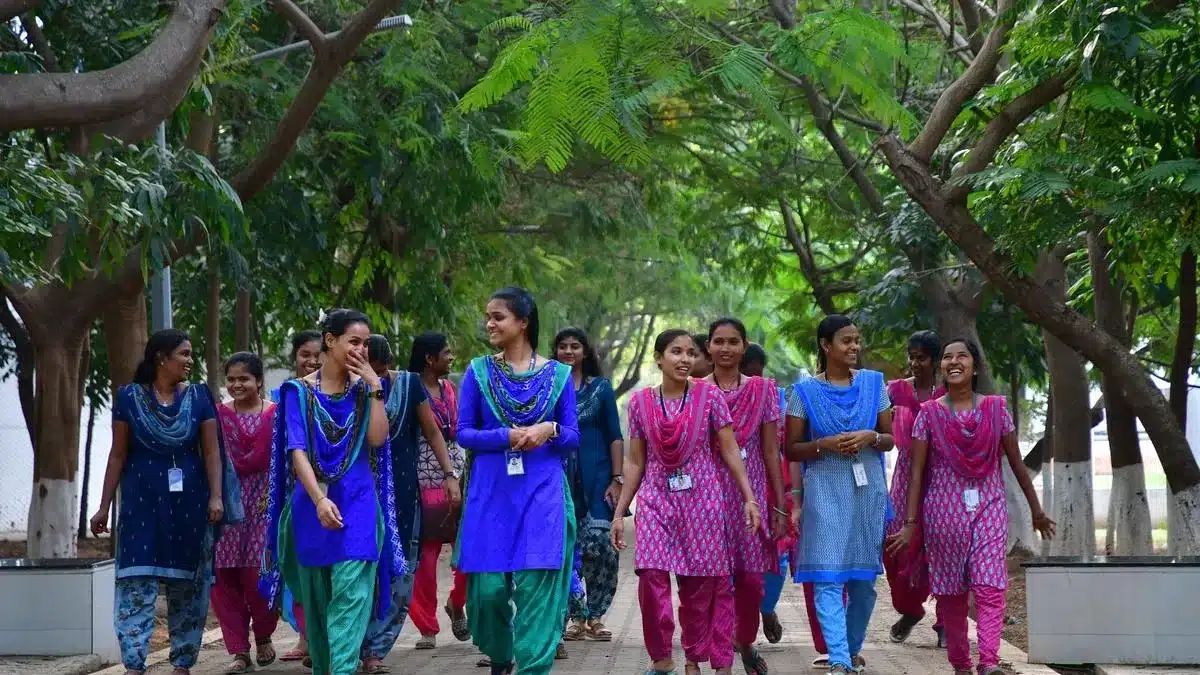
  • Location: It was launched by Santhigiri Vidhyabhavan in Thiruvananthapuram, Kerala.
  • The establishment of this AI school is the result of a collaboration between iLearning Engines (ILE) USA and Vedhik eSchool.
  • The school’s curriculum aligns with the National School Accreditation Standards, which are based on the New National Education Policy (NEP 2020).
  • The school's unique approach centers on deepening students' understanding of Artificial Intelligence (AI) and advanced technologies, enhancing their learning journey.
  • It seamlessly integrates AI components such as machine learning, natural language processing, and data analysis into various educational facets like curriculum design, personalized assessments, and student support.
  • Features:
    • It caters to students from 8 to 12 grade with various multifaceted support services. They will get many benefits like support from a multitude of teachers, different test levels, aptitude tests, career planning, memory techniques and counselling.
    • Besides academics, this AI system nurtures the skills like interview techniques, group discussion aptitude, mathematical prowess, writing finesse, etiquette, English proficiency and emotional well-being as well.
    • It equips its students to prepare for competitive exams like JEE, NEET, CUET, CLAT GMAT and IELTS, for a better higher education.
    • It helps students get opportunities for esteemed foreign universities and paves the way for students to pursue their higher studies in foreign countries.


Q1) What is Artificial Intelligence (AI)?

Artificial Intelligence (AI) refers to the simulation of human intelligence in machines that are programmed to think and learn like humans. It encompasses a broad range of technologies and approaches that enable computers and machines to perform tasks that typically require human intelligence, such as understanding natural language, recognizing patterns, solving problems, and making decisions. AI systems are designed to mimic various aspects of human cognition and problem-solving abilities.

Source: Kerala Launches India's First AI School, Pioneering Future-Focused Education

What Powers will the new Jammu and Kashmir Assembly have?

What Powers will the new Jammu and Kashmir Assembly have?

What’s in today’s article?

  • Introduction
  • Constitutional Changes Post-2019
  • Governance Structure of Jammu and Kashmir
  • Powers of the Legislative Assembly
  • Comparison with Delhi's Governance Model
  • Role of the Lieutenant Governor
  • Conclusion

Introduction

  • The first phase of polling for the Jammu and Kashmir Legislative Assembly is set to commence on from 18th Sep, 2024.
  • This election is particularly significant as it marks the first since the abrogation of Article 370 in 2019, fundamentally altering the political and constitutional landscape of the region.
  • The new Assembly will represent a Union Territory (UT) rather than a state, introducing substantial changes to the governance structure.

Constitutional Changes Post-2019

  • In August 2019, Jammu and Kashmir's statehood was revoked, and it was bifurcated into two Union Territories—Jammu and Kashmir with a legislature and Ladakh without a legislature.
  • This restructuring was made possible through the Jammu and Kashmir Reorganisation Act, 2019, which amended the First Schedule of the Constitution to reflect the new status and provided a fresh framework for governance under Article 239, which governs Union Territories.

Governance Structure of Jammu and Kashmir

  • The governance of the new UT of Jammu and Kashmir is unique, akin to the model followed by the Union Territories of Delhi and Puducherry, but with some distinctions.
  • Under Article 239A, the region will have a Legislative Assembly, similar to Puducherry.
  • However, the powers of this Assembly will differ substantially from the powers held by states.

Powers of the Legislative Assembly

  • The Jammu and Kashmir Reorganisation Act, 2019 outlines the specific powers of the Legislative Assembly.
  • Section 32 of the Act states that the Assembly may make laws on matters in the State List, except for critical areas like public order and police.
  • Additionally, the Assembly can legislate on subjects in the Concurrent List, as long as such laws do not conflict with central legislation.
  • However, Section 36 introduces an important condition for financial legislation.
  • Any Bill related to financial obligations must be recommended by the Lieutenant Governor (LG) before being introduced in the Assembly.
  • This gives the LG substantial control over policies that could impact the region’s finances.

Comparison with Delhi's Governance Model

  • The governance structure of Jammu and Kashmir can be compared to Delhi, another Union Territory with a legislature.
  • However, Delhi's powers are limited, with key areas such as land, public order, and police under the direct control of the LG.
  • Disputes between the Delhi government and the LG have often led to legal battles, particularly over control of services (the bureaucracy).
  • In Jammu and Kashmir, the LG has similar control over public order, police, and anti-corruption matters.
  • The 2019 Act also allows the LG to exercise discretion on issues outside the purview of the Legislative Assembly, thus giving the LG considerable influence in governance.

Role of the Lieutenant Governor

  • The Lieutenant Governor in Jammu and Kashmir holds significant authority, as defined under Section 53 of the 2019 Act.
  • The LG can act independently in matters beyond the legislative powers of the Assembly, including the All India Services and Anti-Corruption Bureau.
  • Moreover, the LG's decisions cannot be easily challenged in court, making the office a powerful administrative entity.
  • In the lead-up to the elections, several administrative changes have further extended the powers of the LG.
  • These changes include the ability to appoint the Advocate General, law officers, and participate in decisions related to prosecution and sanctions.

Conclusion

  • The upcoming Jammu and Kashmir Assembly elections mark a new chapter in the region’s governance, with a drastically altered political and constitutional framework post-2019.
  • The region now functions as a Union Territory with a limited legislative assembly, much like Delhi and Puducherry, but with additional checks in place through the enhanced powers of the LG.
  • How these changes will impact governance and the balance of power between the Centre and the region remains to be seen, especially as the region moves towards a new political and administrative reality.

Q1. How many UTs in India have a Legislative Assembly?

Three union territories in India have a legislative assembly: Delhi, Jammu and Kashmir, and Puducherry.

Q2. Who appoints Lieutenant Governor in India?

In India, according to Article 239 of its Constitution, the Lieutenant Governor is appointed by the President of India. An appointee does not hold office during the pleasure of a fixed tenure and employment works during the pleasure of the President.

Source: What powers will the new Jammu and Kashmir Assembly have?

WHO Declares Monkeypox a Global Emergency: Understanding the Public Health Risks

WHO Declares Monkeypox a Global Emergency: Understanding the Public Health Risks

What’s in today’s article?

  • Why in News?
  • What is World Health Organisation?
  • What does declaration as a PHEIC mean?
  • What is Monkeypox?
  • What is the reason for the current concern?
  • Risk for India

Why in News?

The WHO has declared monkeypox a public health emergency of international concern, with the Democratic Republic of the Congo and other African countries being severely affected.

Since 2022, there have been 99,176 cases and 208 deaths reported from 116 countries. What seems to be worrisome is the spread of a new sexually transmissible strain of the virus.

What is World Health Organisation?

  • About:
    • Founded in 1948, it is the UN agency responsible for global public health. It has 194 member states.
    • It is based in Geneva, Switzerland.
    • It aims to promote health, keep the world safe and serve the vulnerable.
    • It is involved in vaccination campaigns, health emergencies and supporting countries in primary care.
    • It is funded by a combination of members' fees based on wealth and population and voluntary contributions.
  • India & WHO:
    • India became a party to the WHO constitution in January 1948. India is a member state of the South East Asia Region at the WHO.
    • The first regional director for South East Asia was an Indian, Dr Chandra Mani, who served between 1948-1968.
    • Currently, the post has again been occupied by an Indian appointee, Dr Poonam Khetrapal Singh, who has been in office since 2014.
    • Dr Soumya Swaminathan served as WHO’s chief scientist (2019-2022).

What does declaration as a PHEIC mean?

  • A PHEIC is declared for an extraordinary event which is determined to constitute a public health risk to other States through the international spread of disease.
  • PHEIC label by WHO is designed to trigger a coordinated international response and could unlock funding to collaborate on sharing vaccines and treatments.

What is Monkeypox?

  • About
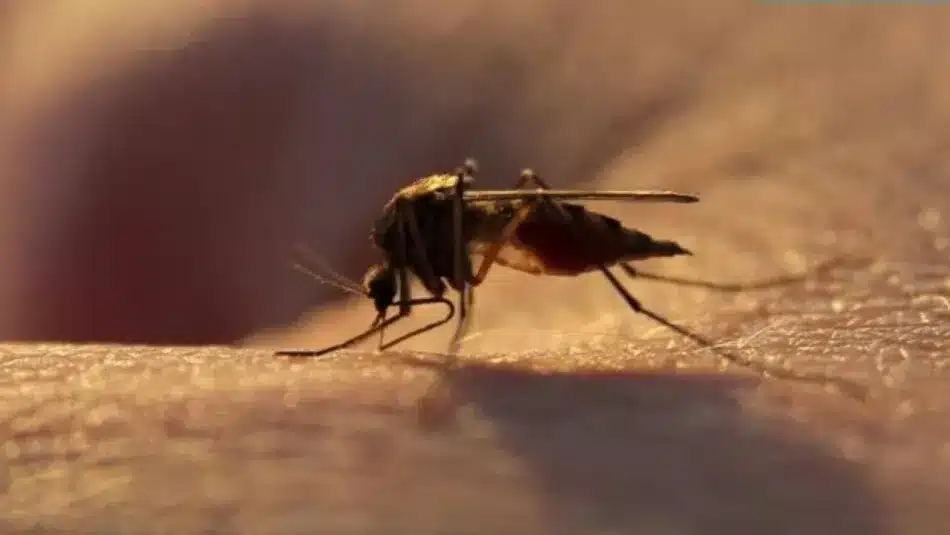
    • Monkeypox is a rare zoonotic viral disease belonging to the Orthopoxvirus genus in the Poxviridae family, the same virus family as smallpox.
    • Zoonotic diseases are those disease that spread from animals to humans.
    • Monkeypox was first discovered in animals in 1958 when two outbreaks occurred in captive monkey colonies kept for research purposes.
    • Hence, the name ‘monkeypox’.
  • Symptoms
    • People with monkeypox often experience symptoms like fever, body aches and a rash. Most recover within weeks without needing medical care.
    • Complications of the infection include pneumonia, secondary skin infections, confusion, and eye problems.
    • Monkeypox is a largely self-limiting disease — which means it will resolve itself on its own, and will leave no long-term harmful effects on a patient’s health.
    • However, it can lead to death especially in children, and those with weak immune systems.
  • Transmission
    • From animals to humans, the infection is known to get transmitted through direct contact with blood, bodily fluid, or lesions in the infected animals.
    • Human-to-human transmission can happen either through large respiratory secretion or contact with lesions of the infected person or contaminated objects.
    • However, unlike with say influenza or Covid-19, transmission of monkeypox through respiratory droplets needs prolonged face-to-face contact.
  • Treatment
    • There is currently no specific treatment for monkeypox.
    • However, the Vaccinia vaccine, which was used against smallpox, had shown 85% efficacy in monkeypox prevention.

What is the reason for the current concern?

  • The spread of clade Ib of the mpox virus (MPXV), primarily transmitted through sexual contact, is causing concern.
  • Historically, clade I infections, which are deadlier than clade II, spread through zoonotic events, but sexual transmission of clade I was previously unreported.
  • Over 100 cases of clade Ib have emerged in countries neighboring the DRC—Burundi, Kenya, Rwanda, and Uganda—where mpox was not previously reported.
  • This, alongside a rise in total mpox cases to over 15,600 and 537 deaths this year, underscores the urgency of a coordinated international response.
  • WHO Director-General Dr. Tedros emphasized the need to control these outbreaks, as recent research shows the virus is now spreading human-to-human and rapidly mutating into new lineages.

Risk for India

  • The first case of the more contagious clade Ib mpox infection outside Africa was reported in Sweden, raising concerns that it could spread to other countries through global travel.
  • During the 2022 outbreak, India reported 27 cases and one death, primarily from the less deadly clade II, with infections initially linked to international travel but later spreading locally.
  • Experts emphasized that the current surge of mpox in Africa, coupled with the spread of a new sexually transmissible strain, is a global emergency.

Q.1. What is Poxviridae family?

The Poxviridae family comprises large, complex DNA viruses responsible for diseases like smallpox and monkeypox. These viruses infect both humans and animals, causing symptoms such as skin lesions and fever. Notable for their resilience and ability to evade the immune system, Poxviridae viruses are studied for their impact on public health.

Q.2. What are Zoonotic diseases?

Zoonotic diseases are infections transmitted between animals and humans, either directly through contact or indirectly via vectors like insects. Examples include rabies, Lyme disease, and COVID-19. These diseases can cause significant public health challenges, as they often emerge unpredictably and can lead to widespread outbreaks.

Source: WHO declares monkeypox a public health emergency of global concern: All you need to know about this viral infection | Indian Express | Aljazeera

Purana Qila

Purana Qila

About Purana Qila:

  • Location:
    • It is located in the South Eastern part of the present city of New Delhi.
    • It is one of the oldest forts in Delhi and built on the banks of river Yamuna.
  • It is also known as Qila-e-Kohna (meaning `old fort’).
  • The present citadel at Purana Qila was believed to have been built under Humayun and Sher Shah Suri (‘The Lion King’). Excavations point to traces from the3rd century BC, the pre-Mauryan period.
  • The Qila was inspired by Jama Masjid, which was established 15 years before the reconstruction of Qila.
  • Architecture:
    • It is roughly rectangular in shape having a circuit of nearly two kilometers.
    • The Purana Qila has three gates: Bara Darwaza or the Big Gate facing west, the Humayun Gate facing south and the Talaqui darwaza or the forbidden gateway facing the northern side.
  • These gates combine the typically Islamic pointed arch with Hindu Chhatris and brackets.
  • All of the gates are double-storeyed and consistof huge semi-circular bastions flanking either of their sides.
  • The Bada Darwaza acts as the main point of entry.
    • It was surrounded by a wide moat.
    • The walls themselves are as high as 20 m in places and approximately 4m thick.
    • A prominent structure of the Purana Qila is the Qila-e-Kuhna mosque built by Sher Shah in 1542 CE.

Q1: What is ‘'Adopt a Heritage' scheme?

Adopt a Heritage is an initiative of the Ministry of Tourism in collaboration with the Ministry of Culture and the Archaeological Survey of India. It was launched in September 2017 on World Tourism Day. Under it, the government invites entities, including public sector companies, private sector firms, as well as individuals, to develop selected monuments and heritage and tourist sites across India. The project aims to encourage these entities to become ‘Monument Mitras’ and take up the responsibility of developing and upgrading the basic and advanced tourist amenities at these sites.

Source: Searching for Indraprastha: Can excavations at Purana Qila find its Mahabharata link?

Reimagining Parliamentary Equity: The Case for Fair Lok Sabha Seat Allocation

Reimagining Parliamentary Equity: The Case for Fair Lok Sabha Seat Allocation

What’s in Today’s Article?

  • Delimitation Latest News
  • Introduction
  • Understanding the Legal and Demographic Framework
  • Disparities in Population Growth and Representation
  • The Argument for Equity-Based Allocation
  • Way Ahead
  • Conclusion
  • Lok Sabha Seat Readjustment FAQs

Delimitation Latest News

  • The issue of readjustment of Lok Sabha seats in the context of the new Census is being hotly debated in the country.

Introduction

  • India’s political landscape is looking at a significant transformation with the upcoming readjustment of Lok Sabha seats, set to occur after the 2026 Census. 
  • This realignment, mandated under Articles 81 and 82 of the Constitution, has sparked debates about equity, federal balance, and demographic justice. 
  • Contrary to popular usage, the debate isn’t about delimitation (changing constituency boundaries), but rather about seat allocation, determining how many seats each state should have based on population.
  • At the heart of the debate lies a critical question: Should states that failed to control population growth be rewarded with more seats in Parliament, thereby gaining disproportionate influence?

Understanding the Legal and Demographic Framework

  • The last readjustment of seats in the Lok Sabha was carried out based on the 1971 Census
  • Despite India’s population rising from 54.79 crore in 1971 to an estimated 141 crore in 2025, the number of Lok Sabha seats has remained frozen at 543
  • This freeze was introduced to give high-growth states time to stabilize population numbers and avoid penalizing those who implemented effective population control.
  • As per Article 82, after each decennial Census, the allocation of Lok Sabha seats should reflect population changes. 
  • With the 2026 deadline approaching, this constitutional provision is back in the spotlight.

Disparities in Population Growth and Representation

  • Northern states such as Uttar Pradesh and Bihar have seen disproportionate population growth due to weaker implementation of family planning.
    • Uttar Pradesh: From 8.38 crore in 1971 to 24.1 crore in 2025
    • Bihar: From 4.21 crore in 1971 to 13.1 crore in 2025
  • In contrast, southern states such as Kerala and Tamil Nadu have successfully stabilized their populations.
    • Kerala: From 2.14 crore in 1971 to 3.6 crore in 2025 (only 68% growth)
  • This divergence has created fears in the South that readjustment based solely on population would drastically reduce their political influence. 
  • For example, if the standard 10 lakh people per constituency formula is used, Uttar Pradesh could jump from 80 to 240 seats, while Kerala would gain just 16 additional seats, despite decades of effective governance.

The Argument for Equity-Based Allocation

  • The concept of India as a "Union of States," enshrined in Article 1 of the Constitution, implies a federal structure rooted in equity. 
  • If representation is decided purely on the basis of population, without factoring in developmental performance or governance quality, states that controlled population growth will be effectively penalized.
  • A possible solution is to use the state with the lowest population growth (Kerala, at 68%) as the baseline for increasing seats across all states.
  • Under this approach:
    • Uttar Pradesh would get 134 seats
    • Kerala would get 34 (from 20)
    • Tamil Nadu around 66 (from 39)
  • This method balances the need for democratic representation with fairness and encourages responsible governance.

The Broader Implications of Seat Allocation

  • Raising the total Lok Sabha strength to 800 or more, as is possible with the new Parliament’s chamber capacity, may superficially solve the problem but will still create a massive north-south divide in political power if done solely based on raw population numbers.
  • Key concerns include:
    • Rewarding poor governance and high fertility rates with political influence
    • Marginalizing states that have demonstrated governance maturity
    • Undermining the federal structure and principle of cooperative federalism
  • Political tensions are already brewing. Tamil Nadu’s CM M.K. Stalin has taken the lead in voicing southern concerns.
  • A recent Chennai conclave of southern and Punjab-based leaders reflects growing anxiety over losing political relevance due to population-based reallocation.

Way Ahead

  • A rational, equitable approach is essential. Here’s what can be considered:
    • Adopt a fixed growth-based seat allocation multiplier, such as 68%, across all states
    • Delink representation from mere numbers, and include performance indicators like human development, gender ratio, education levels, etc.
    • Convene an inter-state commission to create consensus on a balanced model
    • Promote a long-term framework where demography is aligned with development and governance performance

Conclusion

  • India’s upcoming Lok Sabha seat readjustment exercise must reflect not just demographic shifts but also fairness and federal harmony. 
  • A mechanical approach based solely on population threatens to fracture the spirit of cooperative federalism and penalize progressive states. 
  • A more sensitive, equity-driven formula, like using Kerala’s growth rate as the national standard, can offer a balanced way forward. 
  • In a Union of States, every voice deserves fair and proportionate representation, not one dictated by fertility rates but by a shared commitment to progress.

Lok Sabha Seat Readjustment FAQs

Q1. Why is the Lok Sabha seat readjustment happening now?

Ans. It is mandated under Article 82 of the Constitution after every Census, with the next due after 2026.

Q2. What is the major concern regarding this seat allocation exercise?

Ans. Southern states fear loss of political influence due to lower population growth compared to northern states.

Q3. How does the current freeze on seats relate to population control efforts?

Ans. The freeze till 2026 was meant to incentivize population control and prevent penalizing progressive states.

Q4. What is the proposed equitable formula for seat redistribution?

Ans. A 68% seat increase across all states, based on Kerala’s population growth since 1971, has been suggested.

Q5. How could unequal seat allocation affect India’s democracy?

Ans. It could lead to political imbalance, undermine federal principles, and reward states with poor governance records.

Source :TH

International Cryosphere Climate Initiative

International Cryosphere Climate Initiative

About International Cryosphere Climate Initiative: 

  • It was formed in 2009 following COP-15 in the Copenhagen meeting.
  • It is a network of senior policy experts and researchers working with governments and organizations to create, shape and implement initiatives designed to preserve as much of the Earth’s cryosphere as possible.
  • Its programs target the unique climate dynamics at work in the cryosphere, while at the same time lending increased urgency to global climate efforts aimed at CO2 and other greenhouse gases by communicating the unexpected rapidity and global implications of cryosphere warming.
  • Its work focuses on three major areas of the cryosphere: the Arctic, the Antarctic and high mountain regions.

Key facts about Humboldt glacier of Venezuela

  • It is also known as La Coronaglacier and it is 4,900 metres above sea level. 
  • It was the only one left near the country's second-highest peak, Pico Humboldt.
  • The Humboldt glacier was projected to last at least another decade but latest assessments have found the glacier melted much faster than expected.

Q1: What is the Cryosphere?

It refers to any place on Earth where water is in its solid form, where low temperatures freeze water and turn it into ice. The frozen water can be in the form of solid ice or snow and occurs in many places around the Earth.

Source: How did Venezuela’s Humboldt glacier shrink to an ice field?

SVAGRIHA Rating

SVAGRIHA Rating

About SVAGRIHA Rating:

  • SVAGRIHA rating that stands for Simple Versatile Affordable GRIHA – supports the concept of green buildings and sustainability under Green Rating for Integrated Habitat Assessment (GRIHA)
  • Itis a guidance-cum-rating system being developed for small stand alone buildings like residences, commercial offices, motels, dispensaries, schools etc.
  • It has been developed in order to help reduce the environmental impact of these small developments.
  • Rating system
    • It will be applicable only for projects which are less than 2500 sq.m. built-up area.
    • The rating system has 14 criteria.
    • Criteria: The criteria are divided into 5 broad sub-groups namely: architecture & energy, water & waste, materials, landscape and lifestyle.
    • It will be mandatory to attempt certain points under each sub-group. The total points that a project can achieve are 50
    • The rating will be done on a 1-5 star scale.
  • It has been designed as a simple online tool with guiding parameters which will evaluate the performance of the project with respect to SVAGRIHA in a simple, easy to understand manner.

Key facts about Kalughat Intermodal Terminal

  • It is one among several infrastructural interventions made by the Inland Waterways Authority of India (IWAI) for capacity augmentation of National Waterway 1 – River Ganga.
  • It has received five star rating for its efforts to ensure environmental sustainability by ensuring usage of recyclable materials like fibre, recyclable glasses, paint, sanitary fixtures etc during the building of the terminal.

Q1: What is the GRIHA Rating system?

It is an acronym for Green Rating for Integrated Habitat Assessment. GRIHA is a Sanskrit word meaning – 'Abode'. It is a rating tool that helps people assesses the performance of their building against certain nationally acceptable benchmarks.

News: IWAI’s Kalughat IMT gets recognition for sustainable infrastructure project

Key Stats about India’s Defence Production

Key Stats about India’s Defence Production

About India’s Defence Production:

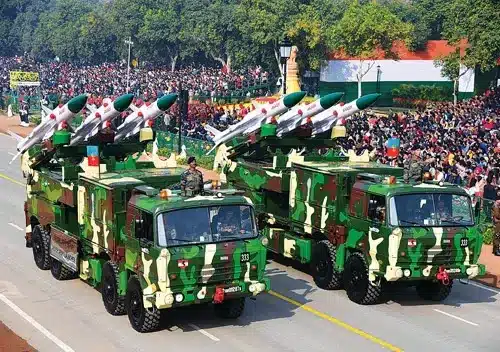
  • As per the data received from all Defence Public Sector undertakings (DPSUs), other PSUs manufacturing defence items, and private companies, the value of defenceproduction in the country has gone up to a record-high figure of ₹1,26,887 crore during Financial Year (FY) 2023-24.
  • It reflects a growth of 16.7%over the defence production of the previous financial year. The value of defence production in FY 2022-23 was ₹1,08,684 crore.
  • Of the total value of production in 2023-24, 79.2% was contributed by DPSUsand other PSUs, and the remaining 20.8% by the private sector.
  • The value of defence production has grown by more than 60% since 2019-20, when it stood at ₹79,071 crore.
  • India produces a raft of weapons and systems, including the Tejas light combat aircraft (LCA), different types of helicopters, warships, tanks, artillery guns, warships, missiles, rockets, and a variety of military vehicles.
  • Defence exports also reached a record high of Rs 21,083 crore in FY 2023-24, reflecting a 32.5 percent growth over the previous fiscal’s Rs 15,920 crore.

India is currently exporting military hardware to around 85 countries.


Q1: What is Tejas light combat aircraft (LCA)?

It is the lightest, smallest and tailless multi-role supersonic fighter aircraft in its class. This aircraft is designed to carry a range of air-to-air, air-to-surface, precision-guided, weapons. This is India's first domestically designed and manufactured supersonic fighter aircraft developed by India's Aeronautical Development Agency (ADA) and Hindustan Aeronautics Limited (HAL).

Source: Defence production hit record high of nearly ₹1.27 lakh crore in 2023-24: Defence Ministry

PARAKH

PARAKH

About PARAKH: 

  • PARAKH (Performance Assessment, Review and Analysis of Knowledge for Holistic Development) is a unit established within NCERT in 2023 to standardise school board assessments nationwide.
  • PARAKH team will consist of leading assessment experts with a deep understanding of the education system in India and internationally. 
  • Objective: To fulfil the basic objectives of setting norms, standards, guidelines and implement activities related to student assessment along with other tasks as mandated by the National Education Policy (NEP) 2020.
  • The mandate of PARAKH is to work on bringing the school boards across the States and the Union Territories to a common platform.
  • Major areas of focus
    • Capacity Development in Competency Based Assessment
    • Large-Scale Achievement Survey
    • Equivalence of School Boards
    • Holistic Progress Cards for the Foundational, Preparational, Middle and Secondary Stages.

Q1: What is the National Council of education and training?

The National Council of Educational Research and Training (NCERT) is an autonomous organisation set up in 1961 by the Government of India to assist and advise the Central and State Governments on policies and programmes for qualitative improvement in school education.

Source: PARAKH report proposes including Class 9-11 marks for Class 12 final scores

Indian Cities’ Heat Action Plans Lack Long-Term Strategies, Study Finds

Indian Cities' Heat Action Plans Lack Long-Term Strategies, Study Finds

What’s in Today’s Article?

  • Heat Action Plans in India Latest News
  • Heat Action Plan (HAP)
  • Early Onset of Extreme Heat in India
  • Rising Heatstroke Deaths in India
  • Key Highlights of the Study
  • Way Forward: Need for a Comprehensive National Heat Strategy
  • Heat Action Plans in India FAQs

Heat Action Plans in India Latest News

  • A new study has revealed that most Heat Action Plans (HAPs) in Indian cities fail to incorporate long-term strategies to combat extreme heat. Even cities with such strategies struggle with effective implementation. 
  • The study, ‘Is India Ready for a Warming World? How Heat Resilience Measures Are Being Implemented for 11% of India’s Urban Population in Some of Its Most At-Risk Cities’, was carried out by the Sustainable Futures Collaborative (SFC), a New Delhi-based research organisation. 
  • It warns that inadequate planning could lead to more heat-related deaths due to intensifying heat waves.

Heat Action Plan (HAP)

  • A Heat Action Plan (HAP) is an early warning and preparedness system designed to mitigate the impact of extreme heat. 
  • It includes both immediate and long-term measures to enhance preparedness, improve information-sharing, and coordinate responses to protect vulnerable populations from heat-related health risks.

Key Recommendations of Heat Action Plans (HAPs)

  • Immediate Measures
    • Use of forecasts and early warning systems to alert the public and authorities.
    • Public awareness campaigns on heatwave risks.
    • Establishment of heat shelters and cooling centres.
    • Provision of clean drinking water to prevent dehydration.
    • Ensuring hospitals are equipped with necessary supplies and trained healthcare workers to handle heat-related illnesses.
  • Long-Term Strategies
    • Urban planning initiatives such as tree planting to reduce heat impact.
    • Use of heat-resistant building materials to counter the urban heat island effect.
    • Implementation of cool roofing technologies to lower indoor temperatures.
    • Strengthening coordination among government agencies, healthcare providers, community organisations, and emergency services for better heatwave preparedness.

Implementation of HAPs in India

Early Onset of Extreme Heat in India

  • February saw record-breaking temperatures, with heatwaves officially reported in Goa and Maharashtra.
  • Odisha, Telangana, and Maharashtra have already crossed 40°C.
  • 31 States and Union Territories recorded night temperatures at least 1°C above normal, with 22 States/UTs experiencing 3°C to 5°C higher temperatures.

Rising Heatstroke Deaths in India

  • Data from NDMA shows an increasing trend in heatstroke-related deaths between 2020 and 2022, with fatalities rising from 530 in 2020 to 730 in 2022. 
  • However, in 2024, reported cases dropped to 269 suspected and 161 confirmed heatstroke deaths.
  • Despite NDMA’s report, non-profit organisation HeatWatch reported 733 heatstroke deaths in 17 Indian states between March and June 2024, raising concerns over heatwave preparedness and data accuracy.

Key Highlights of the Study

  • Researchers identified nine Indian cities with populations over 1 million that are expected to face the highest increases in dangerous heat index values. 
  • The study was based on 88 interviews with officials from city, district, and state governments, as well as representatives from disaster management, health, city planning, and labour departments.

Key Findings of the Study

  • Short-Term Measures in Place
    • All nine cities had emergency measures such as access to drinking water and adjusted work schedules to tackle immediate heat risks.
  • Lack of Long-Term Strategies
    • The study found that essential long-term actions were either absent or poorly implemented.
    • These long-term actions include cooling solutions for vulnerable populations, insurance for lost work, fire management services for heat waves, and electricity grid upgrades.
  • Misaligned Urban Planning Efforts
    • Efforts like increasing urban shade and green spaces lacked a targeted approach for populations most at risk from extreme heat.
  • Health System-Focused Strategies
    • Most long-term measures focused on strengthening healthcare responses rather than preventing heat-related impacts in the first place.
  • Institutional and Financial Constraints
    • The study highlighted that a lack of coordination between municipal, district, and state government departments was the biggest obstacle to effective long-term heat action planning. 
    • Additionally, inadequate funding was a significant barrier to implementing sustainable heat resilience strategies.

Way Forward: Need for a Comprehensive National Heat Strategy

  • Adaptation strategies are gaining importance as global efforts to curb greenhouse gas emissions remain slow.
  • Solutions like affordable cooling devices pose environmental risks due to ozone-depleting refrigerants.
  • Sustainable alternatives such as green buildings, passive cooling, and green infrastructure must be integrated into urban planning.
  • India must develop a national heat strategy and incorporate it into its National Adaptation Plan before COP30 in Brazil.

Heat Action Plans in India FAQs

Q1. What is a Heat Action Plan (HAP)?

Ans. A Heat Action Plan is a preparedness strategy to mitigate extreme heat effects through early warnings and urban cooling solutions.

Q2. Why do Indian cities lack long-term heat strategies?

Ans. Poor coordination, funding shortages, and misaligned urban planning hinder the implementation of sustainable heat resilience measures.

Q3. Which Indian cities face the highest heat risks?

Ans. Nine major cities with populations over 1 million are projected to experience the most dangerous heat index increases.

Q4. What immediate measures are included in HAPs?

Ans. Early warnings, public awareness, cooling centers, water provisions, and medical preparedness are key short-term actions.

Q5. What is the way forward for India’s heat resilience?

Ans. India must integrate green buildings, passive cooling, and a national heat strategy into its climate adaptation plans.

Source: IE | TH | TH


Issues Faced by MSMEs in India

Issues Faced by MSMEs in India

What’s in today’s article?

  • Why in News?
  • MSMEs in India
  • Significance of MSMEs and Problems Faced by Them
  • Government’s Initiatives to Boost MSME Sector
  • Understanding the Latest Tax Compliance Guidelines for the MSMEs
  • What are the Concerns Raised by Big Companies and the MSMEs?

Why in News?

  • The Union Budget 2023-24 introduced a new provision in the Income-Tax (IT) Act that aims to secure payments to micro, small and medium enterprises (MSMEs) within 45 days of supply of goods or services.
  • However, this provision has resulted in a peculiar problem - large companies cancelling orders to registered MSMEs and placing these with unregistered MSMEs.

MSMEs in India:

  • MSMEs are often called the powerhouse of the Indian economy as they contribute significantly to employment generation, exports, and overall economic growth.
  • They reportedly account for more than 11 crore jobs and contribute around 27.0% of India's GDP.
  • The sector consists of around 6.4 crore MSMEs, with 1.5 crore of them registered on the Udyam portal and employs around 23.0% of the Indian labour force, making it the 2nd-largest employer in India after agriculture.
  • They account for 38.4% of the total manufacturing output and contribute 45.03% of the country's total exports.

Significance of MSMEs and Problems Faced by Them:

  • Significance of MSMEs for Indian economy: Labour intensive sector, promotes inclusive growth, leads to financial inclusion and promotes innovation.
  • Problems faced by MSMEs:
    • Problem of dwarfism: While dwarfs (firms that continued to remain small despite ageing) consume vital resources (could possibly be given to infant firms), they contribute less to job creation and economic growth as compared to infant firms.
    • Lack of funding: Most (90%) of the MSME funding comes from informal sources.
    • Poor integration of digital technologies: Integration of technologies such as big data, AI and virtual reality (Industry 4.0) into manufacturing operations in the sector is still in its infancy.
    • Environmental impact: The sector lacks cleantech innovation and entrepreneurship, which produce environment friendly products, promotes energy efficiency and has the potential to accelerate the transition to a circular and low carbon economy.

Government’s Initiatives to Boost MSME Sector:

  • The Government of India has correctly identified MSME ecosystem development as a top priority for achieving Atma Nirbhar Bharat (self-reliant India).
  • The ambitious ‘Make in India’ campaign in India aims to propel the country up the manufacturing value chain and position it as a global manufacturing hub.
  • Production linked incentives (PLI) schemes and the recently launched zero effect zero defect (ZED) certification are assisting in the promotion and growth of the sector.
  • The Prime Minister's Employment Generation Programme (PMEGP) is also creating opportunities for self-employment and microenterprises, with over 7 lakh microenterprises being helped to become economically viable.
  • Digital Saksham initiatives, as well as the interlinking of the Udyam, e-Shram, National Career Service (NCS) and Aatmanirbhar Skilled Employee-Employer Mapping (ASEEM) portals, demonstrate the promise of targeted digitalisation schemes.

Understanding the Latest Tax Compliance Guidelines for the MSMEs:

  • In India, businesses usually record expenses when they happen (accrual basis), even if they haven't paid for them yet.
  • However, Section 15 of the MSMED Act 2006, and newly enacted Section 43B(h) of the IT Act says that businesses must pay these MSME Registered Enterprises within 15 days/ up to 45 days if they have an agreement.
  • If a business doesn't comply with this regulation, they won't be able to deduct these payments as expenses in the same year they incur them. This means their taxable income and business taxes could go up.
  • Also, in case of late payment to an MSME registered unit, the payer will be responsible to pay interest on the amount due.

What are the Concerns Raised by Big Companies and the MSMEs?

  • Bigger companies started flagging concerns about ballooning tax liability and many MSME owners reported cancellation of orders due to the new tax clause.
  • MSMEs also pointed out that big companies are shifting business to unregistered MSMEs, as it lends them the flexibility to not meet the mandatory provision and continue with a longer payment cycle of 90-120 days.
  • While some MSME associations have approached the Supreme Court against the new norm, the Union MSME Ministry is learnt to have reached out to industry players for solutions.

The Ministry has asked stakeholders to suggest ways to resolve the issues arising from the I-T Act and to recommend possible alternate mechanisms for timely clearance of MSME bills.


Q.1. What is the significance of the zero effect zero defect (ZED) certification?

Through the journey of ZED Certification, MSMEs can reduce wastage substantially, increase productivity, enhance environmental consciousness, save energy, optimally use natural resources, expand their markets, etc.

Q.2. What is the Prime Minister's Employment Generation Programme (PMEGP)?

PMEGP is a central sector scheme administered by the Ministry of MSME to generate employment opportunities in rural as well as urban areas of the country through setting up of new self-employment ventures/projects/micro enterprises.

Source: I-T clause to ensure MSMEs are paid on time creates hurdle

Aparajita Bill and Other Similar Laws to Curb Sexual Assaults on Women

Aparajita Bill and Other Similar Laws to Curb Sexual Assaults on Women

What’s in today’s article?

  • Why in News?
  • The Current Indian Laws to Curb Sexual Assaults on Women
  • Salient Provisions of the Aparajita Bill
  • Other Similar State Laws to Curb Sexual Assaults on Women
  • Difficulties in Introducing State Laws to Curb Sexual Assaults on Women

Why in News?

  • The Aparajita Woman and Child (West Bengal Criminal Laws Amendment) Bill 2024, which mandates the death penalty in rape cases if the victim dies or is left in a permanent vegetative state, was unanimously approved by the state Assembly.
  • This comes while West Bengal is still roiling under the public demonstrations against the rape and killing of a young doctor at Kolkata's R G Kar Medical College and Hospital.

The Current Indian Laws to Curb Sexual Assaults on Women:

  • The Criminal Law (Amendment) Act 2013 amended Indian Penal Code (IPC) to allow death penalty in rape cases when it led to death or left the victim in a persistent vegetative state, and in cases of repeat offenders.
  • The Criminal Laws (Amendment) Act 2018 provided for death penalty for rape and gang rape of girls below the age of 12.
  • The Bhartiya Nyaya Sanhita 2023 keeps all the old penal provisions and adds that gang rape of a woman under 18 is punishable by death.

Salient Provisions of the Aparajita Bill:

  • The Bill amends provisions of the Bharatiya Nyaya Sanhita 2023 (BNS), the Bharatiya Nyaya Suraksha Sanhita 2023 (BNSS), and the Protection of Children Against Sexual Offences Act 2012 (POCSO) in the state.
  • Provisions of BNS amended:
    • In cases where aggravating circumstances are present (such as rape by a public servant, etc), the Bill adds the words “or with death” at the end of the description of the maximum punishments (imprisonment for life).
    • In rape cases where the victim dies or is left in a permanent vegetative state, the Bill makes the death penalty mandatory in such cases.
    • In cases of gang rape, the Bill provides for the death penalty for the gang rape of a woman above age 18.
    • For repeat offenders, the Aparajita Bill replaces the punishment of simple “imprisonment for life” with “rigorous imprisonment for life”.
    • For disclosing the identity of a rape victim and for publishing information relating to court proceedings in rape cases, it also increases the jail terms.
    • In cases of acid attacks, the Bill removes the lighter punishments (prison terms less than life and fine) with “rigorous imprisonment for life” as the only punishment.
  • Provisions of POCSO Act amended: The Bill provides for the death penalty for penetrative sexual assault, where the highest punishment currently is life imprisonment.
  • Provisions of BNSS amended:
    • The Bill reduces the time provided under BNSS to complete the investigation into the relevant BNS and POCSO offences from two months to 21 days (which can be extended by another 15 days if necessary).
    • The Bill also reduces the time given to complete the trial after the chargesheet is filed from two months to 30 days.
  • Task Forces, Special Courts:
    • The Aparajita Bill provides for special institutions (like Special Police Teams to investigate crimes against women) with the express purpose of investigating, hearing, and deciding rape cases on strict timelines.
    • For example, the Bill creates a special Aparajita Task Force in every district to investigate cases of rape.
    • The Bill also introduces Special Courts in every district for the purpose of expeditious completion of inquiry or trial in rape cases, and to appoint a Special Public Prosecutor respectively.

 Other Similar State Laws to Curb Sexual Assaults on Women:

  • Before West Bengal, the Andhra Pradesh (Disha Bill) and Maharashtra (Shakti Bill) Assemblies had passed laws prescribing the death penalty for rape by amending the criminal laws in force at the time.
    • The Disha Bill2019 introduced the death penalty as punishment for the crimes of rape, including against a minor below 16 years of age, gang rape and for repeat offenders.
    • The Shakti Bill 2020 too introduced the death penalty in rape cases and provided shortened timelines for concluding the investigation and trial.
    • Neither Bills has received the mandatory assent of the President yet.
  • Earlier, the Madhya Pradesh (in 2017) and Arunachal Pradesh (in 2018) Assemblies introduced the death penalty for the rape or gangrape of a woman up to 12 years of age.

Difficulties in Introducing State Laws to Curb Sexual Assaults on Women:

  • The Aparajita Bill will now be presented to the Governor of West Bengal who will send it to the President, who will then decide whether to give her assent and allow the Bill to come into force.
  • Why is the President's assent crucial?
unnamed (4).webp
  • In Mithu versus State of Punjab case (1983), the Supreme Court ruled that ‘mandatory’ death sentence
    • Violates fundamental rights of equality before law (Art 14) and right to life (Art 21), and
    • Would result in "unfair, unjust and unreasonable procedure" that can deprive a person of his/her life.

Q.1. What is the Bhartiya Nyaya Sanhita 2023?

The BNS 2023 is a new criminal code that will replace the Indian Penal Code (IPC) of 1860. The BNS is intended to provide justice instead of punishment, and to remove traces of a colonial mindset. The BNS came into effect on July 1, 2024.

Q.2. What is the Bharatiya Nyaya Suraksha Sanhita 2023 (BNSS)?

The BNSS was introduced to replace the Code of Criminal Procedure (CrPC). It amends provisions on bail, expands the scope of property seizure, and alters powers of police and magistrates.

Source: Bengal bill proposes death or life in jail till death for all rape cases | IE

Khelo India Rising Talent Identification (KIRTI) Program

Khelo India Rising Talent Identification (KIRTI) Program

About Khelo India Rising Talent Identification (KIRTI) Program: 

  • It is aimed at school children between nine and 18 years of age group.
  • The nation-wide scheme will have two main objectives:
    • To hunt talent from every nook and corner of the country and
    • To use sports as a tool to curb addiction towards drugs and other gadgetry distractions.
  • KIRTI made a solid launch across 50 centres in India. Fifty thousand applicants are being assessed in the first phase across 10 sports, including athletics, boxing, wrestling, hockey, football and wrestling.
  • It aims to conduct 20 lakh assessments across the country throughout the FY 2024-25to identify talent through notified Talent Assessment Centres.
  • Its athlete-centric programme is conspicuous by its transparent selection methodology based on Information Technology. Data analytics based on Artificial Intelligence are being used to predict the sporting acumen of an aspiring athlete.
  • With its decentralized and pocket-based talent identification approach will help in achieving the twin objectives of the Khelo India Scheme i.e. excellence in sports, and mass participation in sports.

Q1: What is the Khelo India Scheme?

Khelo India Scheme is the flagship Central Sector Scheme of the Ministry of Youth Affairs & Sports. The Khelo India Mission aims at infusing sports culture and achieving sporting excellence in the country thus allowing the populace to harness the power of sports through its cross-cutting influence.

Source: Khelo India Rising Talent Identification (KIRTI) Program to get Fresh Boost from Union Minister Dr. Mansukh Mandaviya

National Culture Fund

National Culture Fund

About National Culture Fund:

  • It was set up as a Trust on 28th November, 1996 under the Charitable Endowment Act, 1890 with a view to mobilize extra resources through Public Private Partnerships (PPP) towards promoting, protecting and preserving India’s tangible & intangible cultural heritage.
  • Objectives of NCF
    • To administer and apply the Fund for conservation, maintenance, promotion, protection, preservation and up-gradation of monuments protected or otherwise;
    • To impart training and facilitate development of a cadre of specialists and cultural administrators
    • To facilitate in providing additional space in existing museums & construct new museums to accommodate or create new & special galleries.
    • Documentation of cultural expressions and forms that have lost their relevance in contemporary scenario and are either fading out or facing extinction.
  • Features
    • It is managed and administered through a Governing Council chaired by the Hon’ble Minister of Culture and has a maximum strength of 25 members to decide the policies.
    • An Executive Committee headed by Secretary (Culture) and has a maximum strength of 11 Members, to execute those policies.
    • Donations to the National Culture Fund are eligible for 100% tax benefit under Section 80G (ii) of the Income Tax Act, 1961.
    • NCF’s activities are covered under Schedule VII No. (v) of the Companies Act, 2013 as valid receptacle of Corporate Social Responsibility (CSR) contribution under: - Protection of national heritage, art and culture including restoration of buildings and sites of historical importance and works of art; setting up public libraries; promotion and development of traditional arts and handicrafts.”
    • Annual Accounts are audited by the Comptroller and Auditor General of India.
  • NCF can receive donations from Corporates, PSUs, Trusts and Individuals for maintenance and preservation of Centrally Protected monuments/ cultural projects through NCF. All donors/sponsors have the responsibility to comply with the terms & conditions of the MoU agreed for any particular project.

Q1: What is Intangible cultural heritage?

Intangible cultural heritage means the practices, representations, expressions, knowledge, skills – as well as the instruments, objects, artefacts and cultural spaces associated with them that communities, groups and, in some cases, individuals recognize as a part of their cultural heritage.

Source: NATIONAL CULTURE FUND

India Considers Allowing 49% Foreign Investment in Nuclear Power Plants

India Considers Allowing 49% Foreign Investment in Nuclear Power Plants

What’s in Today’s Article?

  • Nuclear Sector Latest News
  • Introduction
  • Background: India’s Nuclear Energy Landscape
  • Key Features of the Proposed Move
  • Private Sector Participation
  • Strategic Importance of the Decision
  • Safeguards and Regulatory Control
  • Conclusion
  • Nuclear Sector FAQs

Nuclear Sector Latest News

  • The Indian government is contemplating permitting foreign firms to acquire up to 49% ownership in nuclear power facilities, according to three government officials.

Introduction

  • India is preparing for a major shift in its energy strategy by considering allowing up to 49% foreign investment in its nuclear power sector. 
  • This landmark move aims to strengthen the country’s clean energy capacity, reduce dependency on coal, and contribute significantly to carbon emission reduction goals. 
  • If implemented, it would mark the first time India opens its tightly controlled nuclear energy sector to substantial foreign participation.

Background: India’s Nuclear Energy Landscape

  • Nuclear energy plays a relatively small but strategic role in India's electricity mix, currently contributing just over 8 GW, roughly 2% of the installed capacity
  • India's nuclear energy infrastructure is governed strictly by state-owned entities under the Atomic Energy Act of 1960, with no provision for private or foreign ownership till now.
  • In 2008, India signed a civil nuclear agreement with the United States, opening doors for billion-dollar deals with American firms. 
  • However, concerns over the Civil Liability for Nuclear Damage Act of 2010, particularly regarding unlimited liability during accidents, deterred foreign participation.

Key Features of the Proposed Move

  • Allowing 49% Foreign Investment
    • The proposed policy will permit foreign companies to own up to 49% equity in nuclear power plants. 
    • This foreign ownership would not be automatic; it would require prior government approval to ensure stringent scrutiny.
  • Legal Amendments
    • To facilitate this change, the government plans to amend two critical legislations:
    • The Atomic Energy Act, 1960: To allow private sector companies to build, own, and operate nuclear plants and engage in atomic fuel mining and manufacturing.
    • The Civil Liability for Nuclear Damage Act, 2010: To modify liability norms that have been major deterrents for foreign and private investments.
  • The draft proposals are expected to be tabled before the federal cabinet soon, with an aim to pass the amendments during the Parliament’s monsoon session in July 2025.

Private Sector Participation

  • Besides foreign firms, Indian private conglomerates like Reliance Industries, Tata Power, Adani Power, and Vedanta have also shown interest. 
  • Together, they are discussing potential investments amounting to around $26 billion in the nuclear sector.

Strategic Importance of the Decision

  • Meeting Carbon Reduction Goals
    • India’s pledge to reduce carbon emissions and achieve net-zero emissions by 2070 relies heavily on expanding its clean energy portfolio. 
    • Expanding nuclear energy capacity is crucial, especially to meet night-time electricity demands when solar and wind energy are insufficient.
  • Target: 100 GW Nuclear Capacity by 2047
    • The government aims to expand nuclear energy capacity from around 8 GW today to 100 GW by 2047, a 12-fold increase. 
    • This ambitious target underscores the urgency behind liberalizing the nuclear energy sector.
  • Boosting Global Cooperation
    • The move could facilitate deeper energy partnerships with countries like the United States, France, and Russia. 
    • Foreign firms such as Westinghouse Electric, GE-Hitachi, Electricité de France (EDF), and Rosatom have expressed interest in participating as technology suppliers, contractors, or service providers.

Safeguards and Regulatory Control

  • Despite the opening up, stringent regulatory oversight will continue. 
  • Foreign investments will require case-by-case government approvals, and the core principles of nuclear non-proliferation and safety will remain uncompromised.

Conclusion

  • India’s plan to allow 49% foreign investment in nuclear power plants represents a historic transformation of the sector. 
  • By inviting global expertise and capital, India is not only addressing its urgent energy and environmental needs but also strengthening its strategic partnerships. 
  • While the move faces legislative and regulatory hurdles, it signals India's determination to align its energy policy with its climate and growth ambitions.

Nuclear Sector FAQs

Q1. What percentage of foreign investment is India considering for its nuclear power plants?

Ans. India is considering allowing up to 49% foreign investment in nuclear power plants.

Q2. Why is India opening its nuclear sector to foreign investment?

Ans. To boost nuclear energy capacity, reduce coal dependency, and meet carbon reduction targets.

Q3. What legal changes are proposed to allow foreign investment in the nuclear sector?

Ans. Amendments to the Atomic Energy Act, 1960, and the Civil Liability for Nuclear Damage Act, 2010.

Q4. Which Indian companies are showing interest in nuclear investments?

Ans. Reliance Industries, Tata Power, Adani Power, and Vedanta are among the interested companies.

Q5. What is India’s nuclear energy capacity expansion target by 2047?

Ans. India aims to expand its nuclear energy capacity to 100 GW by 2047.


Source: TOI | ET

Sangyaan App

Sangyaan App

About Sangyaan App: 

  • It is designed and developed by the Tech Team of RPF.
  • It is a practical tool for anyone seeking to stay informed about the latest legal developments in India.
  • It aims to educate and empower RPF Personnel by providing comprehensive information to understand the provisions of both new and old criminal laws, while highlighting the relevance of these new acts in the context of RPF operations.
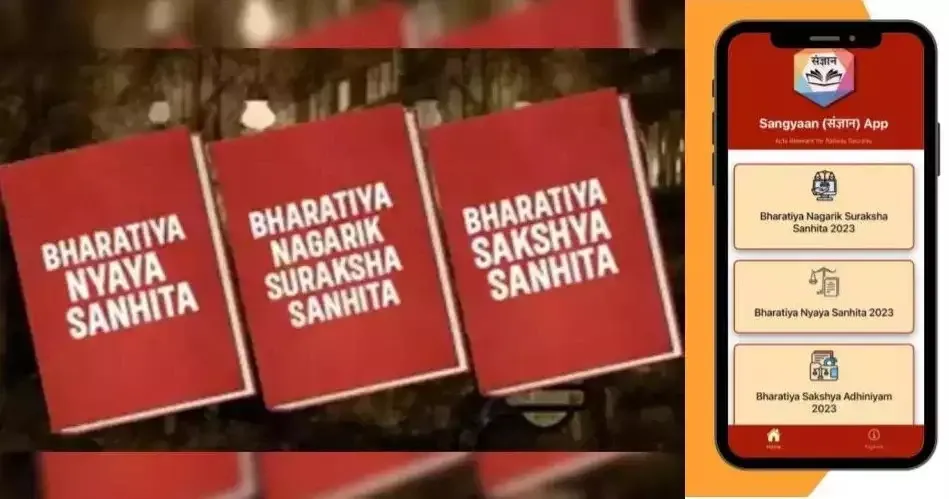
  • It will provide in-depth information on three new Criminal Acts: the Bharatiya Nyaya Sanhita (BNS) 2023, the Bharatiya Nagarik Suraksha Sanhita (BNSS) 2023, and the Bharatiya Sakshya Adhiniyam (BSA) 2023.
  • Key Features
    • Comprehensive Legal Access
    • Comparison of Laws
    • Section wise analysis
    • Advanced Search Tools
    • Inclusive Legal Database
    • User-Friendly Design

Key facts about Railway Protection Force

  • The history of the RPF dates back to 1882 when various Railway companies appointed their own guards for protection of Railway property.
  • It was declared as statutory force in the year 1957 by an enactment of Parliament and subsequently declared as an armed force of the Union of India in the year 1985.
  • In 2003, the RPF partially took up the duties of escorting passenger trains and access control at the railway stations”.
  • It is led by a director-general.
  • It is an armed force under the operational and administrative control of the Union Ministry of Railways.
  • It is tasked with protecting and securing railway property, the passenger areas, and the passengers themselves.

Q1: What is Operation Amanat?

Under the Operation Amanat initiative, the Railway Protection Force has taken a novel initiative to make it easier for the passengers to get back their lost luggage.

Source: DG, RPF launches Sangyaan App- A Comprehensive application for legal reference

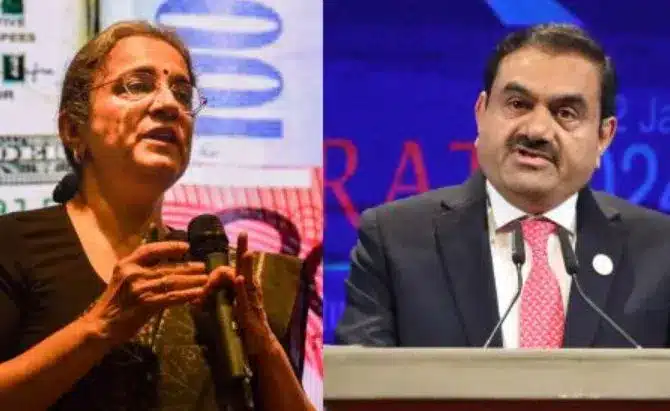
Adani Group Chairman Gautam Adani Indicted in US Bribery and Fraud Case

Adani Group Chairman Gautam Adani Indicted in US Bribery and Fraud Case

What’s in today’s article?

  • Why in News?
  • Key Allegations Against Gautam Adani
  • Legal Framework and the Adani Group's Response
  • Immediate Fallout of the Indictment of Adani Group Chairman
  • Conclusion

Why in News?

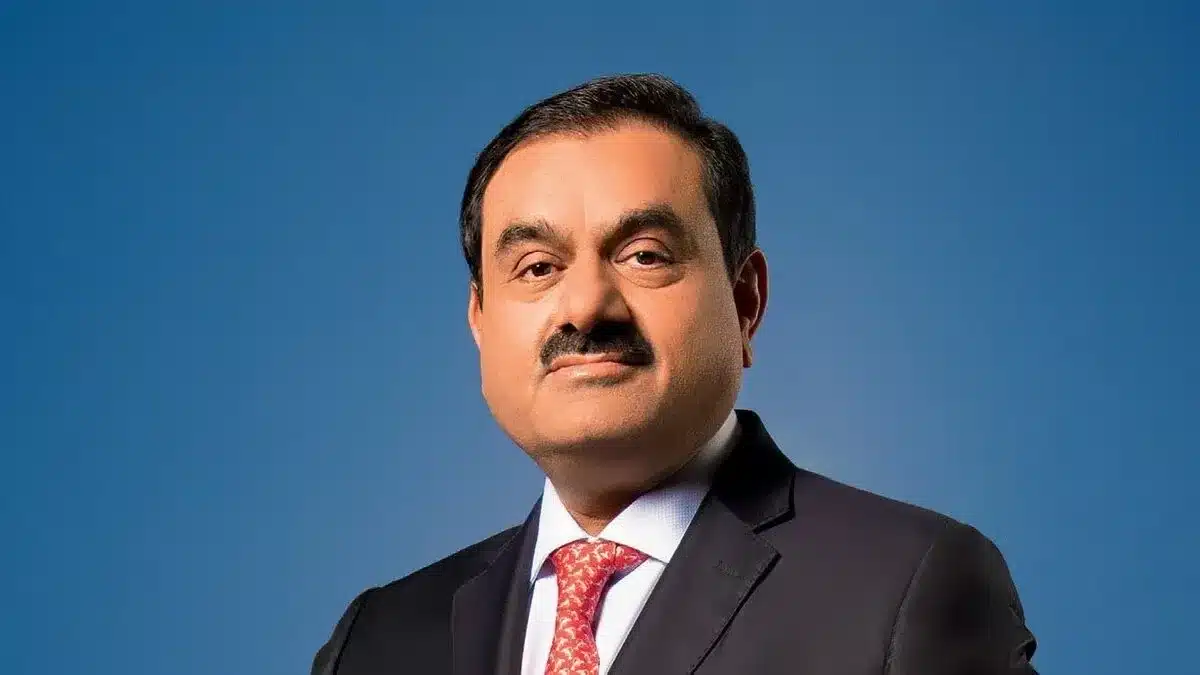
  • US prosecutors have indicted Gautam Adani, his nephew Sagar Adani, and six others in a $250 million (Rs 2,029 crore) bribery and fraud case.
  • The charges include offering bribes to Indian government officials to secure lucrative solar energy contracts, misleading investors, and obstructing justice.

Key Allegations Against Gautam Adani:

  • Defendants named:
    • Gautam Adani (Chairman of Adani Group).
    • Sagar Adani (Executive Director of Adani Green Energy Ltd).
    • Vneet Jaain (CEO, Adani Green Energy Ltd).
    • Former Azure Power executives and a Canadian institutional investor’s employees.
  • Key allegations:
    • Bribery for solar energy contracts:
      • The accused allegedly bribed Indian officials to buy solar power from the state-owned Solar Energy Corporation of India (SECI).
      • The bribes were linked to contracts projected to generate $2 billion in profits over 20 years.
      • Gautam Adani reportedly had direct meetings with government officials to advance the scheme.
    • Fraudulent capital raising:
      • The defendants are accused of raising funds from US investors under false pretences.
      • Misrepresentations were made to hide the bribery scheme while securing billions from international investors.
    • Obstruction of justice: The accused allegedly obstructed the investigation into the bribery conspiracy.

Legal Framework and the Adani Group's Response:

  • US indictment process:
    • An indictment formally accuses individuals of crimes, allowing them to prepare their defence.
    • The case falls under US jurisdiction due to the involvement of US investors and markets.
  • Adani Group's response:
    • The Adani Group denied all allegations, emphasising its commitment to governance and compliance.
    • A spokesperson stated that the charges are allegations and do not establish guilt and the company is prepared to seek all possible legal recourse.

Immediate Fallout of the Indictment of Adani Group Chairman:

  • Financial impact:
    • Adani Group cancelled a $600 million bond offering intended for foreign currency loan repayment.
    • Shares of Adani companies dropped significantly, with Adani Green Energy losing 18.76% and Adani Energy Solutions falling by 20%.
    • Kenyan President has cancelled a $736 million PPP deal with the Adani Group to construct power transmission lines after US indictments.
  • Political reactions:
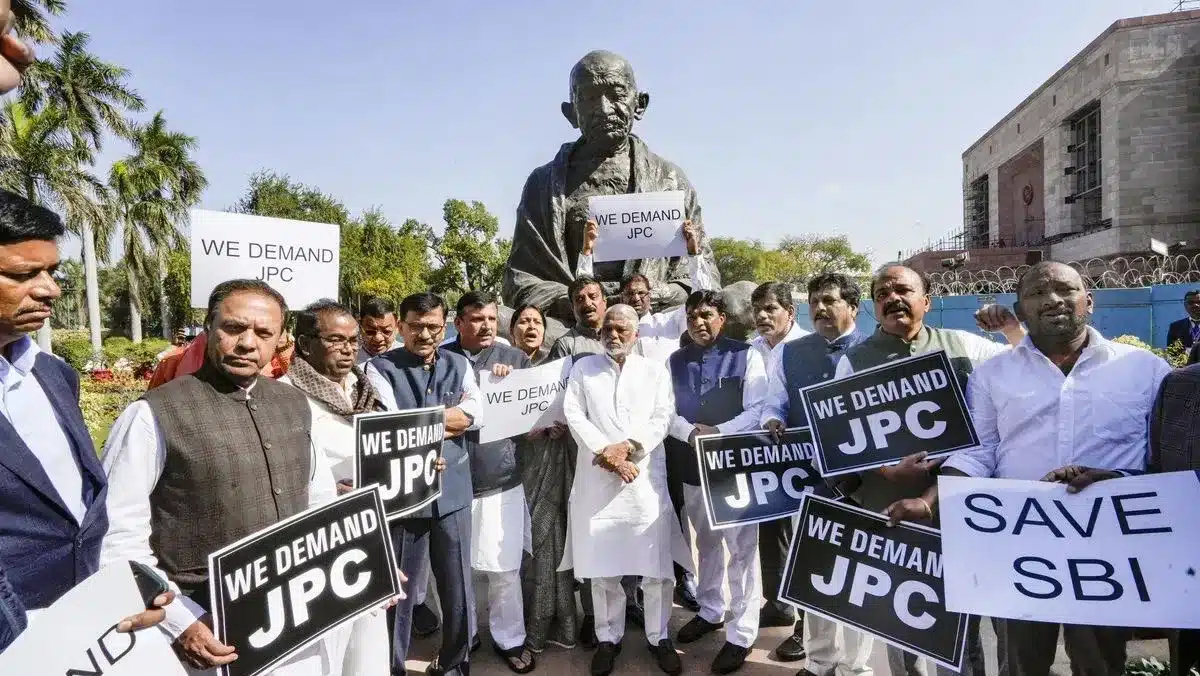
    • Congress Party in India reiterated its demand for a Joint Parliamentary Committee (JPC) investigation into alleged Adani-related scams.
    • Congress leader Jairam Ramesh called for the appointment of a credible SEBI chief to oversee investigations.

Conclusion:

  • The indictment of Gautam Adani and associates in the US underscores global scrutiny of corporate malpractices.
  • The case highlights serious allegations of corruption, investor fraud, and regulatory violations, with widespread financial and political repercussions.

Q.1. What is the Solar Energy Corporation of India (SECI)?

The SECI is a company of the Ministry of New and Renewable Energy, Government of India, established to facilitate the implementation of the National Solar Mission (NSM). It is the only Central PSU dedicated to the solar energy sector.

Q.2. What effects do US prosecutors' indictments of Gautam Adani have on India-US relations?

While the US-India business relationship may face scrutiny, it’s unlikely to be significantly impacted, particularly given the recent $500m US deal with Mr Adani for a port project in Sri Lanka.

News: Gautam Adani, nephew Sagar Adani indicted in US, accused of offering Rs 2,000 crore in bribes to govt officials for power contracts | IE | ToI

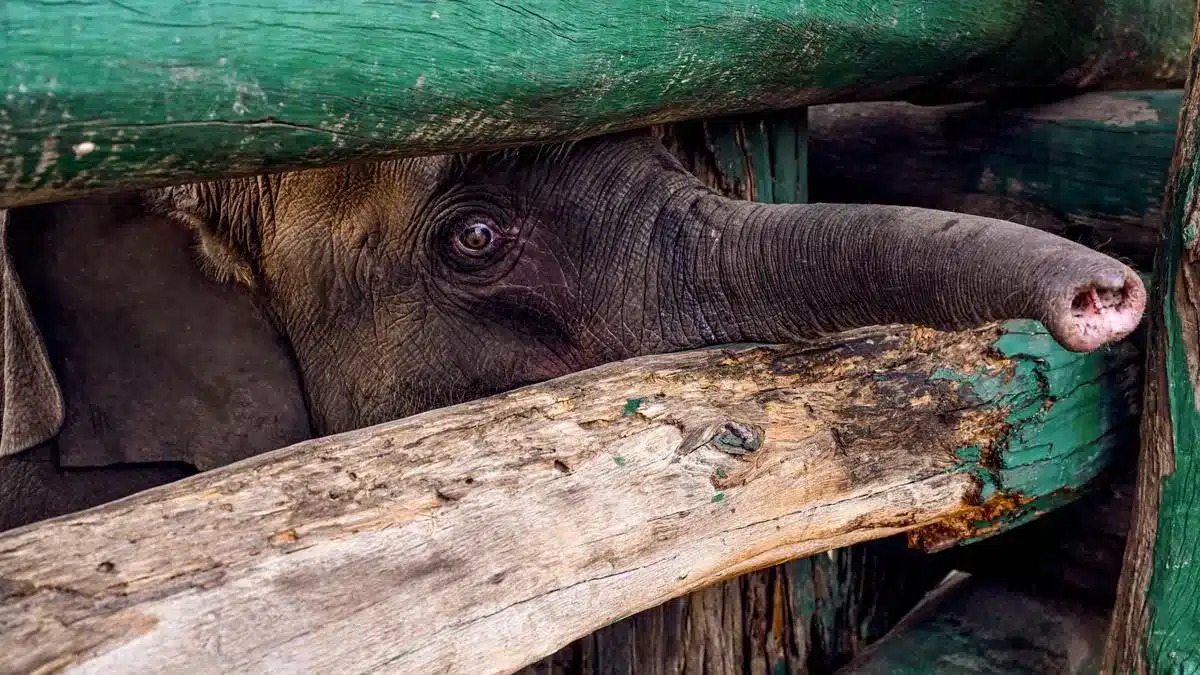
NGT Issues Notice to Madhya Pradesh, Centre on Bandhavgarh Elephant Deaths

NGT Issues Notice to Madhya Pradesh, Centre on Bandhavgarh Elephant Deaths

What’s in today’s article?

  • About Bandhavgarh National Park
  • About National Green Tribunal
  • Mandate of NGT
  • NGT’s Power to Initiate Suo Moto Action
  • News Summary

About Bandhavgarh National Park

  • Bandhavgarh National Park, located in the Umaria district of Madhya Pradesh, is one of the country’s most renowned wildlife reserves.
  • Known for its high density of Bengal tigers and rich biodiversity, the park is a major attraction for wildlife enthusiasts and conservationists.
  • Geography and Terrain:
    • Location: Situated in the Vindhya Hills of Madhya Pradesh.
    • Area: Covers an area of approximately 1,536 square kilometres, including its buffer zones.
    • Landscape: Features a mix of rugged hills, dense forests, grasslands, and meadows, with the Bandhavgarh Fort perched atop a prominent hill.
    • Water Bodies: The park has several perennial streams and waterholes, ensuring a consistent water supply for its wildlife.
  • Flora and Fauna:
    • Flora:
      • Predominantly covered with Sal forests, along with grasslands and bamboo stretches.
      • The park also boasts medicinal plants and diverse tree species such as Dhobin, Tendu, and Saja.
    • Fauna:
      • Tigers: Bandhavgarh is famous for its tiger population, with one of the highest densities in the world.
      • Other Mammals: Includes leopards, sloth bears, wild boars, jackals, and various species of deer like sambar and chital.
      • Birds: Home to over 250 bird species, including Indian rollers, crested serpent eagles, and paradise flycatchers.
      • Reptiles: Houses various snakes, lizards, and other reptiles.

About National Green Tribunal

  • The National Green Tribunal (NGT) was established in 2010 under the National Green Tribunal Act, 2010.
  • Objectives:
    • Effective and expeditious disposal of cases that are related to the protection and conservation of the environment, forests, and other natural resources.
    • To give relief and compensations for any damages caused to persons and properties.
    • To handle various environmental disputes involving multi-disciplinary issues.
  • After Australia and New Zealand, India became the third country in the world to establish a specialized environmental tribunal.
  • The Tribunal is not bound by the procedure laid down under the Code of Civil Procedure 1908, but shall be guided by ‘principles of natural justice'.
  • An order/decision/award of the Tribunal is executable as a decree of a civil court.

Mandate of NGT

  • The NGT has the power to hear all civil cases relating to environmental issues and questions that are linked to the implementation of laws listed in Schedule I of the NGT Act. These include the following:
    • Water (Prevention and Control of Pollution) Act, 1974
    • Water (Prevention and Control of Pollution) Cess Act, 1977
    • Forest (Conservation) Act, 1980
    • Air (Prevention and Control of Pollution) Act, 1981
    • Environment (Protection) Act, 1986
    • Public Liability Insurance Act, 1991
    • Biological Diversity Act, 2002
  • This means that any violations pertaining only to these laws, or any order/decision taken by the Government under these laws can be challenged before the NGT.
  • Importantly, the NGT has not been vested with powers to hear any matter relating to the Wildlife (Protection) Act, 1972, the Indian Forest Act, 1927 and various laws enacted by States relating to forests, tree preservation etc.
  • NGT is mandated to make disposal of applications or appeals finally within 6 months of filing of the same.
  • An appeal against order/decision/award of the NGT lies to the Supreme Court, generally within ninety days from the date of communication.

NGT’s Power to Initiate Suo Moto Action

  • There is no specific provision in the National Green Tribunal Act, 2010 permitting the NGT to take up cases on its own.
  • However, it can act on letters or communication addressed to it raising environmental concerns.

News Summary

  • The National Green Tribunal has taken suo motu notice of the mysterious deaths of 10 elephants in Bandhavgarh Tiger Reserve, allegedly caused by the consumption of contaminated Kodo millet.
  • Notices have been issued to key authorities, including the principal chief conservator of forests (Madhya Pradesh), the Wildlife Institute of India (WII), and the Indian Veterinary Research Institute (IVRI). These authorities have been directed to respond within a week.
  • Key Findings and Concerns:
    • Cause of Death: Preliminary investigations suggest the elephants consumed Kodo millet contaminated with mycotoxins, likely due to fungal infestation during damp conditions. This contamination can lead to severe health risks, including liver and kidney damage, in both wildlife and livestock.
    • Legal Implications: The incident may violate the Forest Conservation Act, 1980, and the Environment Protection Act, 1986, raising questions about environmental compliance.
    • Broader Risks: The NGT expressed concerns about the implications of such contamination, noting its potential impact on other wildlife and livestock that come into contact with the tainted crop.
  • Action Taken by the NGT:
    • The NGT has transferred the case to its Central Zonal Bench in Bhopal.
    • Authorities are required to submit affidavits addressing the issue and present findings from the forensic analysis of millet samples.
    • The NGT highlighted the seriousness of this matter, referencing a Supreme Court ruling that strengthens its authority to intervene in environmental matters.
  • Significance:
    • This case underscores the critical need for stringent monitoring of wildlife habitats and food sources to prevent contamination-related fatalities.
    • It also highlights the broader implications of environmental non-compliance and its impact on biodiversity.

Q1. What is the basic difference between Buffer Zone and Core Zone?

The main difference between a core zone and a buffer zone is that the core zone is the most protected area, while the buffer zone is less protected and allows some human activity.

Q2. What is a Biodiversity Hotspot?

A biodiversity hotspot is a biogeographic region with significant levels of biodiversity that is threatened by human habitation.

News: NGT Issues Notice to Madhya Pradesh, Centre on Bandhavgarh Elephant Deaths

Govt Extends Import Management System (IMS) for Electronic Devices

Govt Extends Import Management System (IMS) for Electronic Devices

What’s in today’s article?

  • Why in the News?
  • Background
  • About Import Management System
  • Reasons Behind the Introduction of Import Management System
  • News Summary

Why in the News?

  • The Union government is expected to extend the existing import management system for imports of certain IT hardware products including laptops and tablets for three months.

Background

  • In November 2023, the Union Government had imposed restrictions on import of laptops, tablets, all-in-one personal computers and ultra-small computers and servers with immediate effect.
  • Subsequently, the government conducted consultations on a new system through which it aimed to monitor the sources from which IT hardware is being imported.
  • The government eventually introduced the Import Management System for certain category of electronic goods.

About Import Management System

  • The Import Management System (IMS) of the Indian Government is a framework designed to streamline and regulate the import of goods into India.
  • Managed primarily by the Directorate General of Foreign Trade (DGFT), IMS aims to facilitate efficient import processes, ensure compliance with various regulations, and maintain the quality and safety of imported products.
  • Objectives of IMS:
    • To protect domestic industries by regulating the inflow of goods that could negatively impact local markets.
    • To safeguard public health, safety, and the environment by controlling the import of hazardous or substandard products.
    • To ensure that all imports comply with Indian laws and standards, maintaining the quality of goods entering the country.
    • To enhance ease of doing business by providing a transparent and streamlined process for importers.
  • Key Features of IMS:
    • Regulation and Control: IMS helps in monitoring and regulating the import of goods by enforcing import policies, including restrictions, quotas, and licensing requirements for specific items.
    • Licensing and Permits: Importers must obtain licenses or permits for restricted items through the IMS. This helps in controlling the entry of sensitive goods that could impact national security, health, or the environment.
    • Documentation and Compliance: IMS facilitates the submission of required documents such as import licenses, bills of entry, and certificates of origin. It ensures that all imported goods comply with Indian standards and regulations.
    • Risk Management: The system uses risk management tools to identify and screen high-risk consignments, ensuring that prohibited or substandard goods do not enter the country.
    • Tariff and Non-Tariff Measures: IMS enforces both tariff and non-tariff measures to regulate imports, such as import duties, anti-dumping duties, and sanitary and phytosanitary standards, which protect domestic industries and consumers.
    • Facilitation of Trade: By providing guidelines and assistance to importers, IMS aims to make the import process more efficient, reducing the time and cost associated with bringing goods into India.

Reasons Behind the Introduction of Import Management System

Annual Electronic Goods Imports by India.webp
  • China Factor:
    • Data released by the Ministry of Commerce and Industry gives us a broad picture of India’s dependence on China with regard to the import of electronic goods such as laptops, computers etc.
    • Indeed, India’s imports of the aforementioned class of electronic goods have been steadily rising.
    • Whereas in 2019-20, India’s imports of electronic goods stood at $5.3 billion, that figure climbed to $10.3 billion in 2021-22, before declining slightly to hit $8.7 billion in 2022-23.
    • Given this fact, a rise in indigenous manufacturing would not only help India reduce its dependence on its diplomatic and business rival but would also help indigenous manufacturers expand their footprint globally.
    • The introduction of Import Management System could force IT hardware companies to establish new supply chains, as China is unlikely to be classified as a trusted geography.
  • Security Factor:
    • Another factor behind the restrictions imposed on this class of electronic goods is concerns about ‘security’.
    • The restrictions may have been brought in to guard against electronic hardware coming in with “in-built security loopholes that may potentially endanger sensitive personal and enterprise data”.
    • Across the world, many red flags have been raised about cybersecurity with regard to Chinese-manufactured electronics.

News Summary

  • The Union government is expected to extend the existing import management system for IT hardware products, including laptops and tablets, by three months, with the current review deadline set for September 30, an official source said.
  • The system monitors imports of laptops, personal computers, and other IT hardware without disrupting market supply.
  • Imports of these items stood at $8.4 billion in 2023-24, mainly from China, against an authorisation limit of about $9.5 billion.
  • The authorisation allows importers to apply for multiple permissions, valid until September 30, 2024. Over 100 applications, including those from Apple, Dell, and Lenovo, were approved on the system’s first day, allowing imports worth nearly $10 billion.
  • The extension would cover the entire current year, preventing any disruption, according to the official.

Q1. What is meant by Custom Duty?

Customs duty refers to the tax imposed on goods when they are transported across international borders. In simple terms, it is the tax that is levied on import and export of goods. The government uses this duty to raise its revenues, safeguard domestic industries, and regulate movement of goods.

Q2. What is meant by Anti Dumping Duty?

Anti-dumping duties are taxes imposed on imported goods in order to compensate for the difference between their export price and their normal value, if dumping causes injury to producers of competing products in the importing country.

Source: Govt. may extend import management system for laptops, tablets for 3 months

Business Standard

Understanding Bail in Money Laundering Cases: The ‘Twin Test’ Under PMLA

Default Image

What’s in today’s article?

  • Why in News?
  • What is Prevention of Money Laundering Act (PMLA), 2002?
  • What is Section 45 of the PMLA?
  • What are the legal challenges to twin test?
  • Current position

Why in News?

A day after a trial court granted bail to Delhi Chief Minister Arvind Kejriwal, who is in jail for money laundering charges, the Delhi High Court put a hold on that decision. 

The HC Bench heard an urgent request from the Enforcement Directorate to stop the bail and will make a decision next week. The Enforcement Directorate argued that the trial court did not follow the 'twin test' required for granting bail under the Prevention of Money Laundering Act (PMLA).

What is Prevention of Money Laundering Act (PMLA), 2002?

  • The Prevention of Money Laundering Act (PMLA), 2002 was enacted in January, 2003. 
  • The Act seeks to combat money laundering in India and has three main objectives – 
    • To prevent and control money laundering
    • To confiscate and seize the property obtained from the laundered money; and
    • To deal with any other issue connected with money laundering in India.
  • The Act was amended by the Prevention of Money Laundering (Amendment) Act, 2009 and by the Prevention of Money Laundering (Amendment) Act, 2012.
  • Most recently, the PMLA was amended through the -
    • Finance Act, 2015 (2015 Amendment)
    • Finance Act, 2018 (2018 Amendment)
    • Finance Act, 2019 (2019 Amendment)

What is Section 45 of the PMLA?

  • About
    • Section 45 of the Prevention of Money Laundering Act (PMLA) speaks about the conditions set for bail.
    • It states that no accused person shall be granted bail unless:
      • the Public Prosecutor has been given an opportunity to oppose the application for such release; and
      • where the Public Prosecutor opposes the application, the Court is satisfied that:
        • there are reasonable grounds for believing that he is not guilty of such offence and 
        • that he is not likely to commit any offence while on bail.
  • Stringent norms - twin conditions of bail
    • The twin conditions of bail under Section 45 of the PMLA pose stringent thresholds for an accused. 
    • For one, the person has to prove in court that he or she is prima facie innocent of the offence. 
    • Secondly, the accused should be able to convince the judge he would not commit any offence while on bail. 
    • The burden of proof is entirely on the incarcerated accused, who would be often handicapped to fight the might of the state. 
    • The twin conditions make it almost impossible for an accused to get bail under the PMLA.
  • Analysis
    • Bail as an exception
      • Section 45 of the PMLA first states that no court can grant bail except in a few exceptions. 
      • The negative language in the provision itself shows that bail is not the rule but the exception under PMLA.
    • Mandatory to hear the public prosecutor in all bail applications
      • The provision makes it mandatory to hear the public prosecutor in all bail applications, and when the prosecutor opposes bail, the court is required to apply a twin test.
    • Similar provisions in other statutes 
      • There are similar provisions in several other laws that deal with serious offences:

What are the legal challenges to twin test?

  • 2017 Ruling: Nikesh Tarachand Shah v Union of India
    • The first challenge to the constitutional validity of the twin test under PMLA came in the 2017 case Nikesh Tarachand Shah v Union of India
    • A two-judge Bench struck down the twin bail provision as unconstitutional, citing it failed the test of 'reasonable classification'. 
  • Reintroduction of Provisions: Finance Act, 2018
    • Despite the ruling, Parliament reintroduced the twin test provisions through the Finance Act, 2018. 
    • This led to another round of legal challenges in various High Courts, ultimately culminating in a batch of petitions before the Supreme Court.
  • 2022 Ruling: Vijay Madanlal Choudhary v Union of India
    • In 2022, the Supreme Court heard the batch of petitions as Vijay Madanlal Choudhary v Union of India. 
    • Petitioners argued that the reasoning in Nikesh Tarachand Shah was still valid, even if Parliament reinstated the law. 
    • However, a three-judge Bench rejected the previous ruling. The Bench disagreed with the observations in Nikesh Tarachand Shah.
    • It emphasized the perception of Parliament regarding the seriousness of money-laundering and its threats to national sovereignty and integrity.
  • Legal Experts' Critique
    • Legal experts have criticized the logic of treating money laundering on par with stringent anti-terror and narcotics laws.
    • They noted that the maximum sentence for money laundering is only seven years, or ten years if it involves narcotics.
  • Government's Argument
    • The government argued that those involved in money laundering are influential, intelligent, and resourceful. 
    • The crime is premeditated, making it difficult for investigation agencies to detect and trace evidence. 
    • The government defended the strict bail conditions, stating that the offence involves advanced technology to conceal transactions.

Current Position

  • Key Challenge to 2018 Amendment on Bail remains
    • One major challenge to the amendment on bail in the Vijay Madanlal Choudhary ruling involves whether these amendments can be passed through the Money Bill route. 
    • A larger Bench of the SC is set to review if laws like the Aadhaar Act and service conditions for Tribunal members can be passed this way, though the Bench is yet to be constituted.
  • Current Validity and Application of the Ruling
    • Although the Supreme Court has agreed to review its ruling in the Vijay Madanlal Choudhary case, the decision remains valid as no stay has been issued. 
    • The ruling mandates that the twin test must be strictly applied by all courts, including special and constitutional courts, for both regular and anticipatory bail.
  • Alternative Bail Provision
    • Despite this, an accused can still be eligible for bail under Section 436A of the Code of Criminal Procedure (CrPC). 
    • This provision allows for the release of those who have served half of their maximum sentence. 
    • For instance, in money laundering cases with a seven-year sentence, an accused can seek bail after three-and-a-half years, regardless of the twin test.

Q.1. What is Unlawful Activities (Prevention) Act, 1967?

The Unlawful Activities (Prevention) Act, 1967 (UAPA) is a law in India aimed at preventing unlawful activities and associations. The Act covers a wide range of activities deemed unlawful, including terrorism, secessionist activities, and activities that threaten the sovereignty and integrity of India.

Q.2. What is Code of Criminal Procedure (CrPC)?

The Code of Criminal Procedure (CrPC) is a comprehensive statute in India that outlines the procedures for the administration of criminal law. Enacted in 1973 and coming into force on April 1, 1974, the CrPC lays down the framework for the investigation of crimes, the apprehension of suspects, the collection of evidence, the conduct of trials, the determination of guilt or innocence, and the sentencing of offenders.

Source: Bail in money laundering cases, and the 'twin test' under PMLA | Live Mint | Indian Kanoon

Filoboletus manipularis

Filoboletus manipularis

About Filoboletus manipularis: 

  • It is a fascinating species of bioluminescent mushroom.
  • These mushrooms glow a bright green at night due to a chemical reaction in their cells.
  • Habitat: They thrive in tropical, humid environments, typically found in dense forests where there’s plenty of decaying organic matter, like fallen trees and leaves.
  • This rich, moist environment provides the nutrients and conditions necessary for their growth and their unique glowing property.
  • Biochemical process: The chemical reaction involving luciferin (a pigment) and luciferase (an enzyme) with oxygen plays a critical role in these mushrooms. This reaction produces light, a trait shared with other bioluminescent organisms like fireflies and certain marine creatures. 
  • Advantage: In fungi, this glowing mechanism is thought to attract insects, “which help disperse the mushroom’s spores”.

What are mushrooms?

  • Mushrooms constitute secondary saprophytic fungi of the forest ecosystem.
  • Secondary saprophytic fungi play a very important role in the decomposition of plant litter. 
  • The Western Ghats region in Kerala is rich in fungi, many of which could also be described as endemic to the region.

Q1: What is a Fungi?

These are eukaryotic organisms made up of unicellular or multicellular arrangements.

Source: Scientists discover rare species of bioluminescent mushrooms in Kasaragod, warn against their consumption

Governing Board Meeting of the Anusandhan National Research Foundation (ANRF)

Governing Board Meeting of the Anusandhan National Research Foundation (ANRF)

What’s in today’s article?

  • Why in News?
  • What is the Government’s Plan under the PM Professorship Initiative?
  • Another Major Announcement at the Meeting of the ANRF
  • What is the Anusandhan National Research Foundation (ANRF)?
  • Governing Board and Executive Council of the ANRF
  • What is the National Institute Ranking Framework (NIRF)?

Why in News?

  • The government plans to engage retired scientists and professors as mentors for universities with lower rankings under the 'Prime Minister Professorship' initiative.
  • The decision was taken during the inaugural Governing Board meeting of the Anusandhan National Research Foundation (ANRF) chaired by the Prime Minister of India.

What is the Government’s Plan under the PM Professorship Initiative?

  • The government plans to engage "accomplished" retired scientists and professors as mentors for faculty at universities with lower rankings in the National Institutional Ranking Framework (NIRF).
  • The mentorship will be given by scientists and professors from national laboratories and top institutions like the IITs.
  • The government will provide substantial funding, postdoctoral support, and necessary resources to build research groups in these universities.
  • This seeks to enhance the research capabilities of higher education institutions.
  • While specific details of the programme are yet to be finalised, the proposal will be sent to the executive council for further approval.

Another Major Announcement at the Meeting of the ANRF:

  • Partnerships for Accelerated Innovation and Research (PAIR) programme: Another major announcement was the launch of the PAIR programme.
  • Objectives of the PAIR programme:
    • It is designed to foster collaboration between research-intensive institutions and those with limited research capabilities.
    • PAIR aims to create a mentorship environment to strengthen research across the country.
  • What is the urgency behind launching such a programme?
    • Less than 1% of India's 40,000 higher education institutions (HEIs) are currently engaged in research activities.
    • The PAIR initiative seeks to rectify this by establishing a "Hub and Spoke" framework that will enable systematic growth in research excellence across universities.

What is the Anusandhan National Research Foundation (ANRF)?

  • The ANRF has been established with the Anusandhan National Research Foundation (ANRF) Act 2023 and as per recommendations of the National Education Policy (NEP) 2020.
  • It will act as an apex body to provide high-level strategic direction of scientific research in the country.
  • It aims to seed, grow and promote R&D and foster a culture of research and innovation throughout India’s universities, colleges, research institutions, and R&D laboratories.
  • It will -
    • Forge collaborations among the industry, academia, and government departments and research institutions, and
    • Create an interface mechanism for participation and contribution of industries and State governments in addition to the scientific and line ministries.
  • With the establishment of ANRF, the Science and Engineering Research Board (SERB) established by an act of Parliament in 2008 has been subsumed into ANRF.

Governing Board and Executive Council of the ANRF:

  • The Governing Board of the ANRF:
    • It is headed by the Prime Minister of India to provide strategic direction to the Foundation and monitor the implementation. 
    • Other members of the Board are:
      • The Union Ministers of Science and Technology, Education as Vice Presidents,
      • The Principal Scientific Advisor as Member Secretary, and
      • Secretaries to the Departments of Science and Technology, Biotechnology, and Scientific and Industrial Research.
  • Executive Council:
  • The Executive Council of the ANRF undertakes implementation and its functions include:
    • Considering applications for the grant of financial assistance,
    • Prescribing regulations regarding applications for financial assistance,
    • Preparing the budget of the Foundation and maintaining its accounts, etc. 
  • The Principal Scientific Advisor will be the chairperson of the Council. 

What is the National Institute Ranking Framework (NIRF)?

  • About:
    • TheNIRF was launched by the Ministry of Human Resource Development (now Ministry of Education) in 2015 (first edition came in 2016).
    • The framework, which is the first-ever effort by the Government of India, outlines a methodology to rank HEIs across the country.
    • While participation in the NIRF was initially voluntary, it became mandatory in 2018 for all government-run educational institutions.
  • Ranking parameters:
NIRF's Parameters.webp
  • Significance:
  • The NIRF process gives detailed feedback regarding a HEI’s strengths and weaknesses.
  • It assists institutions in gaining a better understanding of their annual performance as well as their competitors and peer performers.
  • This provides benefits such as attracting industry for better placement and serving as a credible resource for parents and students to learn about the HEIs.
  • The NIRF indirectly assists top-performing institutions in building their brand and gaining widespread recognition without incurring additional marketing and branding costs.

How to improve NIRF Ranking?

How to Improve NIRF Ranking.webp

 Q.1. What is the National Education Policy (NEP) 2020?

The NEP 2020 aims to provide high-quality education to all and transform India into a knowledge society. The NEP 2020 is based on five guiding pillars: Access, Equity, Quality, Affordability, and Accountability.

Q.2. What is the Science and Engineering Research Board (SERB)?

SERB is a statutory body established in 2009 for promoting basic research in science and engineering and to provide financial assistance to scientists, academic institutions, R&D laboratories, etc. It was succeeded by an act called Anusandhan National Research Foundation (ANRF) Act 2023 which formed ANRF in the year 2024.

Source: Govt mulls mentorship of low-ranked varsity faculty by retired professors from top institutes| PIB

Dissolution of the Standing Committee on Statistics (SCoS) Impact and Future of India’s Statistical System

Default Image

What’s in today’s article?

  • Why in News?
  • Statistical System of India
  • Standing Committee on Statistics (SCoS)
  • New committee replacing SCoS

Why in News?

The Union Ministry of Statistics and Programme Implementation has dissolved the 14-member Standing Committee on Statistics (SCoS), led by economist Pronab Sen. 

The government informed the members that the committee's work overlapped with that of the Steering Committee for National Sample Surveys, chaired by Rajeeva Laxman Karandikar. This overlap was cited as the reason for dismantling the SCoS. 

Statistical System of India

  • About
    • The statistical system in India is responsible for collecting, processing, analyzing, and disseminating data crucial for planning, policy-making, and governance. 
    • It is a decentralized system, with responsibilities shared between the Central and State governments, covering a wide array of sectors including economics, agriculture, industry, demography, and health.
  • Constitutional Division of Responsibilities
    • India's Statistical System is influenced by the constitutional division of powers between the Union, State, and Concurrent Lists, as outlined in the 7th Schedule.
    • Each govt department or ministry, whether at the central or state level, is generally responsible for the collection of statistics related to its specific subject area.
    • E.g., - For education or labor welfare, mentioned in concurrent list, both the Union and the States may gather statistics.
      • But typically, the central agencies work in collaboration with state bodies to avoid duplication and ensure uniformity.
  • Institutions involved
    • Ministry of Statistics and Programme Implementation (MoSPI)
      • Came into existence as an Independent Ministry in 1999 after the merger of the Dept of Statistics and the Dept of Programme Implementation.
    • National Statistical Office (NSO)
      • It is responsible for planning and coordinating the integrated development of the national statistical system.
      • It was formed in 2019 by merging the National Sample Survey Office (NSSO) and the Central Statistical Office (CSO).
    • National Statistical Commission (NSC)
      • Created on the recommendation of Rangarajan Commission, it was established to ensure statistical quality and credibility.
      • It acts as an advisory body to improve the statistical system in India.
    • Reserve Bank of India (RBI)
      • Plays a role in collecting banking and financial statistics for policy and economic analysis.
    • State Statistical Bureaus (SSBs)
      • Each state has its own statistical departments that collaborate with central agencies to ensure data consistency.
  • Regulatory Framework
    • The Collection of Statistics Act, 2008 - Governs the collection of statistics across various sectors.
    • Census Act, 1948 - Governs the decennial Census of India, a major source of demographic and socio-economic data.
  • Challenges:
    • Data Quality and Timeliness
      • Concerns have been raised about the accuracy and timeliness of data, especially given delays in critical surveys like the decennial Census.
    • Capacity Constraints:
      • State statistical agencies often lack adequate manpower, funding, and infrastructure, which hinders efficient data collection and processing.
    • Coordination Issues
      • Decentralized nature leads to coordination challenges between central and state statistical bodies, impacting data uniformity and integration.
    • Technological Adoption:
      • While digitization efforts have been undertaken, there is a need for more advanced data collection and processing technologies to improve efficiency and accuracy.
    • Political Interference:
      • Allegations of political pressure and manipulation of data, especially in areas like unemployment and GDP, have affected the credibility of official statistics.
  • Lack of Uniformity
    • Different methods used by various departments can lead to inconsistencies in data collection and reporting.
  • Recent controversy
    • The Centre has been claiming that data provided by the EPFO, ESIC on its enrolments and Reserve Bank of India’s KLEMS (K: Capital, L: Labour, E: Energy, M: Materials and S: Services) database gave a rosy picture about the employment scenario in the country.
    • However, questions have been raised as administration data, especially on labour, is threshold-based. 
      • It is alleged that such data was airing the perspectives of policy architects or reflecting the government’s intentions.
    • The chances of manipulating the administration data set were also high as government agencies generated that data.
    • It is also argued that such data has limitations of analytical rigour.
    • On the other hand, survey-based data, including the census, has universal coverage without any thresholds, providing a wider and bigger platform

Standing Committee on Statistics (SCoS)

  • Background
    • The Government had formed Standing Committee on Economic Statistics (SCES) in December 2019.
    • In July 2023, the SCES was renamed as SCoS to advise on all surveys as and when required by MoSPI.
  • Function
    • SCoS advised the government on survey methodologies, including sampling design, survey instruments, and questions. 
    • It played a key role in finalizing survey tabulation plans, reviewing existing frameworks, and addressing issues related to survey results and methodologies. 
    • The SCoS was also tasked with guiding pilot surveys, exploring administrative statistics, identifying data gaps, recommending additional data requirements, and providing technical guidance to central and state agencies for conducting surveys.

New committee replacing SCoS

  • The newly formed Steering Committee, replacing the SCoS, has 17 members and one non-member secretary. 
  • Its two-year tenure and Terms of Reference are similar to the SCoS, including reviewing survey results, methodology, sampling design, and finalizing the tabulation plan for National Sample Surveys. 
  • The main difference between the two committees lies in their composition, with the Steering Committee having more official members, while the SCoS had a higher number of non-official members, leading to some overlap in their mandates.

Q.1. Why was the Standing Committee on Statistics (SCoS) dissolved?

The SCoS was dissolved because its work overlapped with the Steering Committee for National Sample Surveys, leading to inefficiencies in the data collection process.

Q.2. What is the role of the new Steering Committee for National Sample Surveys?

The new Steering Committee will oversee survey methodologies, data collection, and analysis, ensuring uniformity and efficiency in India's statisticalsystem. 

Source: What does dissolution of SCoS entail? | Explained | PIB | Indian Express

Digital Agriculture Mission

Digital Agriculture Mission

About Digital Agriculture Mission: 

  • It is conceived as an umbrella scheme to support digital agriculture initiatives, such as creating Digital Public Infrastructure, implementing the Digital General Crop Estimation Survey (DGCES), and taking up other IT initiatives by the Central Government, State Governments, and Academic and Research Institutions.
  • Three major components of DPI are envisaged under the Digital Agriculture Mission: AgriStack, Krishi Decision Support System (DSS), and Soil Profile Maps.
  • Each of these DPI components will provide solutions that will allow farmers to access and avail of various services.
  • AgriStack: The farmer-centric DPI AgriStack consists of three foundational agri-sector registries or databases: Farmers’Registry, Geo-referenced Village Maps, and Crop Sown Registry, all of which will be created and maintained by state/ UT governments.
    • Farmers’Registry: It will be given a digital identity (‘Farmer ID’) similar to Aadhaar, which will be linked dynamically to records of land, ownership of livestock, crops sown, demographic details, family details, schemes and benefits availed, etc.
    • Pilots projects for the creation of Farmer IDs have been carried out in six districts — Farrukhabad (Uttar Pradesh), Gandhinagar (Gujarat), Beed (Maharashtra), Yamuna Nagar (Haryana), Fatehgarh Sahib (Punjab), and Virudhunagar (Tamil Nadu).
    • Crop Sown Registry: It will provide details of crops planted by farmers. The information will be recorded through Digital Crop Surveys — mobile-based ground surveys — in each crop season.
    • Geo-referenced Village Maps: It will link geographic information on land records with their physical locations.
  • Krishi DSS: It will create a comprehensive geospatial system to unify remote sensing-based information on crops, soil, weather, and water resources, etc.
    • This information will support crop map generation for identifying crop sown patterns, droughts/ flood monitoring, and technology-/ model-based yield assessment for settling crop insurance claims by farmers.
  • Soil Profile Maps: Under the Mission, detailed Soil Profile Maps (on a 1:10,000 scale) of about 142 million hectares of agricultural land are envisaged to be prepared. A detailed soil profile inventory of about 29 million ha has already been completed.

Q1: What is Digital Public Infrastructure (DPI)?

It is an open-source identity platform that can be used to access a wide variety of government and private services by building applications and products on a set of application programming interfaces (APIs) like India Stack.

Source: Cabinet approves the Digital Agriculture Mission today with an outlay of Rs. 2817 Crore, including the central share of Rs. 1940 Crore

The State of India’s Scheduled Areas

The State of India’s Scheduled Areas

What’s in today’s article?

  • Why in news?
  • News Summary: The State of India’s Scheduled Areas
  • Constitutional provision regarding administration of Scheduled Areas
  • A place for ST communities
  • Scheduled Area governance
  • Who decides a Scheduled Area?
  • The identity of a Scheduled Area
  • Various recommendations on identity of a Schedule Area
  • Way forward

Why in news?

  • India’s 705 Scheduled Tribe (ST) communities – making up 8.6% of the country’s population – live in 26 States and six Union Territories.
  • This article analyses the state of India’s Scheduled Areas.

News Summary: The State of India’s Scheduled Areas

Constitutional provision regarding administration of Scheduled Areas

  • Article 244, pertaining to the administration of Scheduled and Tribal Areas, is the single most important constitutional provision for STs. 
  • Articles 244(1) provides for the application of Fifth Schedule provisions to Scheduled Areas notified in any State other than Assam, Meghalaya, Tripura, and Mizoram. 
  • The Sixth Schedule applies to these states as per Article 244(2).

A Place for ST Communities

The Homelands of Tribal Communities

  • Scheduled Areas cover 11.3% of India’s land area, and have been notified in 10 States: 
    • Andhra Pradesh, Telangana, Odisha, Jharkhand, Chhattisgarh, Madhya Pradesh, Rajasthan, Gujarat, Maharashtra, and Himachal Pradesh.
  • STs left out
  • As per various Adivasi organisations, villages have been left out in the 10 States with Scheduled Areas and in other States with ST population. 
  • As a result, 59% of India’s STs remain outside the purview of Article 244. 
  • They are denied rights under the laws applicable to Scheduled Areas, including the Right to Fair Compensation and Transparency in Land Acquisition, Rehabilitation and Resettlement Act 2013 and the Biological Diversity Act 2002.
  • In 1995, the Bhuria Committee, constituted to recommend provisions for the extension of panchayat raj to Scheduled Areas, recommended including these villages, but this is yet to be done. 
  • The absence of viable ST-majority administrative units has been the standard bureaucratic response.
    • This argument has been used to demand the denotification of parts of Scheduled Areas where STs are now a minority due to the influx of non-tribal individuals.

Scheduled Area governance

  • Tribal Advisory Council
  • The President of India notifies India’s Scheduled Areas. States with Scheduled Areas need to constitute a Tribal Advisory Council with up to 20 ST members. 
  • They will advise the Governor on matters referred to them regarding ST welfare. 
  • The Governor will then submit a report every year to the President regarding the administration of Scheduled Areas.
  • Role of Governor
  • The Governor can repeal or amend any law enacted by Parliament and the State Legislative Assembly in its application to the Scheduled Area of that State. 
  • The Governor can also make regulations for a Scheduled Area, especially to prohibit or restrict the transfer of tribal land by or among members of the STs, and regulate the allotment of land to STs and money-lending to STs.
  • Provisions of the Panchayats (Extension to Scheduled Areas) Act, or PESA 1996
  • PESA empowered the gram sabhas to exercise substantial authority through direct democracy.
  • It stated that structures at the higher level do not assume the powers and authority of the gram sabha.
  • The Scheduled Tribes and Other Traditional Forest Dwellers (Recognition of Forest Rights) Act – a.k.a. FRA – 2006
  • Here, too, the gram sabhas are the statutory authority to govern the forests under their jurisdiction.

Who decides a Scheduled Area?

  • The Fifth Schedule confers powers exclusively on the President to declare any area to be a Scheduled Area.
  • In 2006, the Supreme Court held that the identification of Scheduled Areas is an executive function.

The identity of a Scheduled Area

  • Neither the Constitution nor any law provides any criteria to identify Scheduled Areas. 
  • But based on the 1961 Dhebar Commission Report, the guiding norms for their declaration are: 
    • preponderance of tribal population, 
    • compactness and reasonable size of the area, 
    • a viable administrative entity such as a district, block or taluk, and 
    • economic backwardness of the area relative to neighbouring areas.
  • No law prescribes the minimum percentage of STs in such an area nor a cut-off date for its identification.

Various recommendations on the identity of a Schedule Area

  • 2002 Scheduled Areas and Scheduled Tribes Commission
    • It had recommended that all revenue villages with 40% and more tribal population according to the 1951 census may be considered as Scheduled Area on merit.
  • Bhuria Committee
    • The Bhuria Committee recognised a face-to-face community, a hamlet or a group of hamlets managing its own affairs to be the basic unit of self-governance in Scheduled Areas.
    • But it also noted that the most resource-rich tribal-inhabited areas have been divided up by administrative boundaries, pushing them to the margins.
  • Enactment of PESA settles this debate
  • PESA’s enactment finally settled this ambiguity in law. It defined the village and empowered gram sabhas.
  • However, gram sabhas are yet to demarcate their traditional or customary boundaries on revenue lands in the absence of a suitable law.

Way forward

  • Any living areas or groups of living areas in states and union territories where Scheduled Tribes (STs) are the largest community should be declared as Scheduled Areas, even if they are not connected. 
  • These areas should also include forest lands where the Forest Rights Act of 2006 applies, and the boundaries within regular lands as defined by the state laws.
  • Additionally, the boundaries of villages, local governing bodies (panchayats), regions (talukas), and districts should be adjusted to make sure that these areas are fully recognized as Scheduled Areas.

Q1) What is FRA 2006?

The Forest Rights Act (FRA) 2006 recognizes the rights of traditional forest dwellers to forest resources. The act was passed in 2006 to address the historical injustice done to traditional forest dwellers in India. It was intended to protect the right to life and livelihood of scheduled tribes and other traditional forest dwellers.

Q2) What is PESA?

PESA stands for the Panchayats (Extension to Scheduled Areas) Act. It's a law that was enacted in 1996 by the Government of India. The act extends the provisions of Panchayats to the Fifth Schedule Areas, which are areas with a preponderance of tribal population. The act ensures self-governance through traditional Gram Sabhas for people living in the Scheduled Areas of India.


Source: What do the home lands of India’s ST communities look like?

Veerangana Uda Devi and Maharaja Bijli Pasi Mentioned During Parliamentary Oath: Significance and Historical Context

Veerangana Uda Devi and Maharaja Bijli Pasi Mentioned During Parliamentary Oath: Significance and Historical Context

What’s in today’s article?

  • Why in News?
  • What is Parliamentary oath?
  • Who was Uda Devi?
  • Who was Maharaja Bijli Pasi?

Why in News?

Earlier, a newly-elected MP from Faizabad, took his oath in the Lok Sabha. During the ceremony, he mentioned Veerangana Uda Devi and Maharaja Bijli Pasi, who are important figures in the Pasi (Dalit) community.

What is Parliamentary oath?

  • About
    • The third schedule of the Constitution contains the parliamentary oath.
    • Through this, members swear or affirm to bear true faith and allegiance to the Constitution of India, uphold India's sovereignty and integrity, and faithfully discharge their duties.
  • Evolution of oath over the years
    • The draft Constitution, prepared by the committee chaired by Dr. B.R. Ambedkar, initially did not invoke God in any oaths, emphasizing a solemn and sincere promise to uphold the Constitution. 
    • During the Constituent Assembly discussions, members like K.T. Shah and Mahavir Tyagi proposed amendments to include God in the President's oath.
      • They argued that it would provide a divine sanction for believers while allowing non-believers to affirm solemnly. 
    • Despite disagreements, Ambedkar accepted the amendments, recognizing the significance of invoking God for some individuals. 
    • The last modification to the oath came with the Constitution (Sixteenth Amendment) Act, 1963.
      • This amendment added the commitment to uphold India's sovereignty and integrity, following recommendations from the National Integration Council.
  • Process 
    • Before taking the oath or affirmation, MPs must submit their election certificate to the Lok Sabha staff. 
      • This requirement was introduced after a 1957 incident where a mentally unsound individual posed as an MP and took the oath. 
    • MPs can then take their oath or affirmation in English or any of the 22 languages specified in the Constitution. 
    • MPs must use the name on their election certificate and adhere to the text of the oath. 
    • Deviations, such as adding suffixes or phrases, are not recorded, and MPs may be asked to retake the oath. 
    • While oaths and affirmations are a personal choice, 87% of MPs swore in the name of God in the last Lok Sabha, with the remaining 13% affirming allegiance to the Constitution. 
    • Some MPs alternate between swearing by God and affirming across different terms.
  • Invoking different icons during oath taking ceremony in Parliament
    • During the oath-taking ceremony in Parliament, elected members often invoke or mention various icons, historical figures, or personalities who hold significance to them personally or to their constituency or community. 
    • This can include mentioning leaders, historical figures, social reformers, or cultural icons who have made significant contributions to society or who represent important values and aspirations. 
    • These mentions can highlight the diversity and richness of India's cultural and historical heritage, as well as the personal or political affiliations of the elected members.

Who was Uda Devi?

  • Uda Devi, born in Ujirao, Lucknow, was part of the royal guard of Begum Hazrat Mahal of Awadh and took part in the 1857 Mutiny. 
  • She is known for mobilizing people to fight against the British. 
  • On November 16, 1857, she fought bravely near the Gomti River in Lucknow, reportedly killing at least three dozen British soldiers before being killed herself. 
  • Every year on November 16, events are held in central Uttar Pradesh to commemorate her martyrdom. 
  • Uda Devi remains an important icon, especially for the Dalit community.

Who was Maharaja Bijli Pasi?

  • Bijli Pasi is a well-known figure among the Pasis of central Uttar Pradesh, including districts like Lucknow, Rae Bareli, Barabanki, Bahraich, Sultanpur, and Allahabad. 
  • He is one of the most prominent Pasi leaders, having ruled parts of UP during the medieval period. 
  • The ruins of his fort still stand in Lucknow, where a statue of him has also been erected. 
  • Other notable Pasi figures from this region include Daldev, Baldev, and Kakoran.

Q.1. Who was Begum Hazrat Mahal? 

Begum Hazrat Mahal was a prominent figure during the Indian Rebellion of 1857. As the wife of Nawab Wajid Ali Shah of Awadh, she led the resistance against the British East India Company's rule, becoming an icon of Indian independence struggle.

Q.2. What is eighth schedule of Indian Constitution?

The Eighth Schedule of the Indian Constitution lists the 22 languages recognized by the Republic of India. These languages are officially recognized for use in Parliament, state legislatures, and for official communication between the Union and state governments.

Source: Decode Politics: Who are the two Pasi icons invoked by new MP from Ayodhya in his oath | Business Standard

C. Rajagopalachari

C. Rajagopalachari

About C. Rajagopalachari: 

  • Chakravarti Rajagopalachari, popularly referred to as Rajaji, was born on 10 December 1878 in Thorapalli, Tamil Nadu.

Role in India’s Independence Movement

  • Rajaji’s personal interaction with Gandhi in 1919 led him to give up his legal profession to be fully involved in the nation’s independence struggle.
  • He participated in agitations against the Rowlett Act, the Non-Cooperation movement, the Vaikom Satyagraha, and the Civil Disobedience Movement.
  • For these activities, between 1912 and 1941, as a result of which he was jailed five times.
  • Rajaji was elected to the Constituent Assembly from Madras on a Congress party ticket. In the Assembly, he intervened on the issues of religious freedom and citizenship.
  • In 1954 he was conferred with the Bharat Ratna for his contribution to Indian politics and literature.

Key Writings

  • Rajaji was a prolific writer. His most popular works include a retelling of the Mahabharata and Ramayana in English, and Ramayana – Chakravarti Thirumagan in Tamil.

Q1: What is Vaikom Satyagraha?

It was a social reform movement which originated and took its place at Vaikom, then part of the princely state of Travancore, in Kottayam district of Kerala, during the period of 1924-1925. It was the dawn of temple entry movements in India

News: LOK SABHA SPEAKER AND PARLIAMENTARIANS PAY FLORAL TRIBUTES TO SHRI C. RAJAGOPALACHARI

What is the Digital Bus initiative?

Default Image

About Digital Bus initiative: 

  • It is a joint venture between the National Digital India Mission and the NIIT Foundation.
  • It was started in 2017, aims to take technology to remote areas and also foster innovation and offer new opportunities and ensure that every community is able to thrive in the digital age.
  • Objective
    • Reducing the Digital divide for those living in remote areas
    • Providing Linkages to Government programs and initiatives
    • Enhancing interest-levels in learning
    • Introducing the multidisciplinary approach to education
    • Encouraging collaborative learning
    • Developing interpersonal skills
    • Providing awareness on technology amongst rural community
    • Providing equal opportunities for rural youth
  • Features of buses: These are solar-powered, 5G-enabled and are fully furnished classrooms with computers, Internet, and camera/video capabilities, with preinstalled e-courses, all available free of cost.
  • Focus of the courses: These courses focus on fundamental functions like using e-mail, the Internet, and applications.
  • It offers a career programme to help the beneficiary look for a job in the nearest city of town.

Q1: What is India's 'Digital India' initiative?

It was launched in 2015, strives to provide universal access to digital infrastructure, services, and efficient governance. A significant part of this effort is the recently proposed Digital India Act 2023 (DIA), which aims to establish flexible regulations that can adapt to technological changes, offer accessible mechanisms for online offense resolution, and ensure a legislative framework aligned with overarching governing principles.

Source: How the Digital Bus initiative has empowered young adults in remote areas of the country

AK-203 Assault Rifles

AK-203 Assault Rifles

About AK-203 Rifle:

  • It is a modern firearm originating from Russia, designed by the renowned engineer Mikhail Kalashnikov between 2007 and 2010.
  • It is a gas-operated, magazine-fed, select fire assault rifle.
  • It is a version of the AK-200 rifle chambered for the 7.62x39mm cartridge used in the Indian Army.
  • The weapon has the traditional advantages of Kalashnikov assault rifles: reliability and ease of maintenance.
  • These AK-203 rifles are produced in Indiausing proprietary Russian technologies and certified equipment, ensuring high product quality and adherence to specifications.
  • It will be manufactured by Indo-Russian Rifles Private Limited (IRRPL).
    • IRRPL is a joint venture between India and Russia, set up in 2019 to produce AK-203 rifles in the Korwa Ordnance Factory in Amethi district, Uttar Pradesh.
    • The joint venture plans to ensure 100% localisation of the production of AK-203 rifles in India. 
  • India is the first country outside Russia which has started the production of the AK-200 series assault rifles. 
  • Features of AK-203 Rifle:
    • Weighing 3.8 kg, this rifle measures between 880 and 940 mm in length with the stock extended, while its barrel is 415 mm long. 
    • Its mechanism is based on a gas-operated action with a rotating bolt, allowing a firing rate of approximately 700 rounds per minute.
    • With an initial velocity of 715 m/s, the AK-203 offers an effective firing range between 400 and 800 meters, depending on sight adjustments. 
    • The weapon is fed by a 30-round detachable box magazine, although a 50-round quad-column magazine can also be used for increased capacity.
    • It is equipped with adjustable iron sights, and picatinny rails allow the addition of various optical sighting systems.

Q1: What is Ugram?

‘Ugram’ is a state-of-the-art indigenous assault rifle. It has been developed by the Armament Research and Development Establishment (ARDE), a unit of DRDO, in collaboration with a private industry partner. It was developed in less than 100 days. It has been developed as per the General Staff Qualitative Requirements (GSQR) of the army into consideration.

Source: Indo-Russian Joint Venture Delivers 35,000 AK-203 Rifles to Indian Army

What is RoseTTAFold?

What is RoseTTAFold?

About RoseTTAFold:

  • It is developed by researchers at the University Of Washington, U.S.
  • It uses generative diffusion-based architectures (one kind of AI model) to predict structural complexes.
  • The tools’ neural networks use massive amounts of input data to produce the desired output — the three-dimensional structures of proteins.
  • It uses deep learning to quickly and accurately predict protein structures based on limited information. Without the aid of such software, it can take years of laboratory work to determine the structure of just one protein.
  • It is a "three-track" neural network, meaning it simultaneously considers patterns in protein sequences, how a protein's amino acids interact with one another, and a protein's possible three-dimensional structure.

It has the capability to predict not just static structures of proteins and protein-protein interactions but also their ability to predict structures and interactions for any combination of protein, DNA, and RNA.


Q1: What are Peptides?

Peptides are chains of amino acids that are naturally found in the body. The amino acids in a peptide are connected to one another in a sequence by bonds called peptide bonds.

Source: The use of AI in drug development | Explained

Economic Loss Due to Oral Cancer in India

Economic Loss Due to Oral Cancer in India

What’s in today’s article?

  • Why in the News?
  • Background
  • Key Findings of the Study
  • Significance of the Study
  • Measures Taken by Govt. of India to Address Rising Cases of Cancer

Why in the News?

  • A new study by Tata Memorial Centre (TMC), a premier cancer treatment and research institute, has estimated that the productivity loss of the country due to oral cancer in year 2022 was approximately $5.6 Billion.

Background

  • According to the World Health Organization (WHO), India’s cancer scenario is burdened with oral cavity cancer being the most common among men.
    • India accounts for almost a third of the global incidence and mortality related to oral cancer.
  • Despite strides in oral cancer diagnosis and treatment, escalating healthcare costs strain both providers and patients financially.
  • Moreover, these cancers are becoming increasingly common among the younger age groups, in contrast to the western world.
  • This can put a significant strain on the productivity of the economy.
  • To tackle these issues, Dr Pankaj Chaturvedi, Director, ACTREC, led research to quantify the economic loss resulting from premature mortality related to oral cancer in India.

Key Findings of the Study

  • Years lost
    • The study said that the 671 years were lost to early (29.8per cent) and advanced cancers (70.2per cent).
    • Considering the retirement age in India being 62 years, 91 per cent of the deaths or incurable recurrence of cancers were in the premature age groups. The median age is of 41.5 years.
  • Middle class affected
    • Both early (70 per cent) and advanced (86 per cent) stage cancers were from a middle-class socioeconomic status.
    • 53 per cent requiring some form of insurance schemes or financial support in order to complete treatment.
  • Productivity lost

Productivity lost due to premature mortality among females and males was ₹57,22,803 rupees and ₹71,83,917 rupees, respectively per death.

  • The amount of money that society lost because of early-stage oral cancer was around 31,29,092 rupees for each person affected.
  • For advanced-stage cancer, it was about 71,72,566 rupees per person.
  • Looking at how many people died from oral cancer in the country, the total cost of lost productivity in India in 2022 was about $5.6 billion.
  • This is about 0.18 percent of all the money the country made that year.

Significance of the Study

  • Oral cancer is caused due to tobacco consumption including smokeless tobacco, betel-quid chewing, excessive alcohol consumption, unhygienic oral condition, and sustained viral infections that include papillomavirus.
  • In India, oral cavity cancer has emerged as the most prevalent cancer among men with the country contributing to almost a third of the global incidence and mortality.
  • Doctors say that this study re-emphasizes the need for early screening for the younger age group.

Measures Taken by Govt. of India to Address Rising Cases of Cancer

Cancer Cases in India
  • The above table highlights the estimated number of mortalities of cancer cases State/UTs wise during 2020 to 2022.
  • National Programme for Prevention and Control of Non-Communicable Diseases (NP-NCD)
  • Government of India provides technical and financial support to the States/UTs under the NP-NCD. Cancer is an integral part of NP-NCD.

The programme focusses on the following aspects:

  • strengthening infrastructure,
  • human resource development,
  • health promotion & awareness generation for Cancer prevention,
  • early diagnosis,
  • management and referral to an appropriate level of healthcare facility for treatment of Non-Communicable Diseases (NCDs), including cancer.
  • Population-based initiative
    • A population-based initiative for prevention, control and screening for common NCDs i.e., diabetes, hypertension and common cancers has been rolled out in the country under NHM and also as a part of Comprehensive Primary Health Care.
    • Under the initiative, persons more than 30 years of age are targeted for their screening for the three common cancers i.e., oral, breast and cervical.
    • Screening of these common cancers is an integral part of service delivery under Ayushman Bharat – Health and Wellness Centres.
    • Under Pradhan Mantri Jan Arogya Yojana (PMJAY), health insurance cover of 5 lakhs per family per year for secondary or tertiary care hospitalization to over 60 Crores beneficiaries is provided.
  • Financial assistance
    • Financial assistance is provided to poor patients belonging to families living below poverty line, suffering from major life-threatening diseases including cancer.
    • These assistances are provided under Umbrella scheme of Rashtriya Arogya Nidhi (RAN) and Health Minister’s Discretionary Grant (HMDG).
    • Financial assistance up to a maximum of 1.25 lakh is provided under HMDG to defray a part of the treatment cost and the maximum financial assistance provided under the Umbrella Scheme of RAN is 15 lakhs.
  • Availability of drugs
    • Affordable Medicines and Reliable Implants for Treatment (AMRIT) Pharmacy stores have been set up in some hospitals/institutions.
    • These have been set up with an objective to make available Cancer drugs at a substantial discount vis-à-vis the Maximum Retail Price.

Q1. What do you mean by Non-communicable diseases?

Non-communicable diseases are diseases that are not spread through infection or through other people, but are typically caused by unhealthy behaviours. They are the leading cause of death worldwide and present a huge threat to health and development, particularly in low- and middle-income countries.

Q2. Why is Cancer difficult to cure?

 Normal cells have 'safety' mechanisms in place that stop them from growing or dividing too much, and every day our immune system kills off cells that could have become a problem. Cancer cells have lost these mechanisms and can hide from the immune system, so they survive and continue to grow out of control.

Source: Oral cancer is ravaging India’s workforce, costing $5.6 billion in economic loss, says Tata Memorial study | Expresshealthcare

What is a Speed gun?

What is a Speed gun?

About Speed gun:

  • It is a device to measure the speed of a moving object without having to be in contact with the object.
  • To achieve this, the device bounces electromagnetic radiation of a specific frequency off the object, capturing the reflection and using the Doppler effect to infer the object’s speed.
  • Speed guns are electronic, and use complex circuitry to emit the radiation used to make the measurement.
  • The speed gun was originally developed during World War II for military use and applies the effect using radio waves rather than sound waves.
  • How does it works?
    • A speed gun has a radio transmitter and a receiver.
    • The transmitter emits radio waves, which the person holding the speed gun can direct at an object. The receiver collects the waves reflected by the object back in the direction of the speed gun.
    • If the object is approaching the speed gun, the frequency of the returning waves will be slightly higher than that of the transmitted waves. A simple computer in the gun can deduce the object’s speed based on this difference.
  • How are the speed and the effect linked?
    • All electromagnetic waves have a fixed speed — equal to the speed of light in that medium.
    • In vacuum, this value is denoted c: 299,792,458 m/s. Any change in the frequency the speed gun detects directly corresponds to the Doppler shift caused by the object’s motion.
    • This principle is powerful because it allows the speed gun to work accurately over a wide range of distances and velocities without being affected by air resistance.
    • A speed gun can calculate the speed of a moving object by multiplying the difference (between received and emitted frequencies) with c and dividing by the emitted frequency times 2.
    • This relationship shows how the difference is directly proportional to the speed of the object: the faster it moves, the more pronounced the difference will be. 
  • Uses: It is widely used by law enforcement officials to monitor traffic speed, by coaches to gauge the performance of their athletes, and in various other industries in need of accurate motion tracking.

Q1: What is the Doppler Effect?

It was first described (1842) by Austrian physicist Christian Doppler. It is the apparent difference between the frequency at which sound or light waves leave a source and that at which they reach an observer, caused by the relative motion of the observer and the wave source.

News: The principle behind the working of a speed gun, used for motion tracking

Kanwar Lake

Kanwar Lake

About Kanwar lake: 

  • It is Asia’s largest freshwater oxbow lake located in Bihar.
  • It is also known as Kabartal jheel which is a rainfed lake.
  • It is a residual oxbow lake, formed due to the meandering of Gandak river, a tributary of Ganga. 
  • It is covering the majority of the Indo-Gangetic plains in northern Bihar,
  • The Wetland is an important stopover along the Central Asian Flyway, with 58 migratory waterbirds using it to rest and refuel.
  • It is also a valuable site for fish biodiversity with over 50 species documented.
  • Five critically endangered species inhabit the site, including three vultures – the red-headed vulture (Sarcogyps calvus), white-rumped vulture (Gyps bengalensis) and Indian vulture (Gyps indicus) – and two waterbirds, the sociable lapwing (Vanellus gregarius) and Baer’s pochard (Aythya baeri).
  • Threats: Major threats to the site include water management activities such as drainage, water abstraction, damming and canalization.

What is an oxbow lake?

  • It is a curved lake formed alongside a winding river as a result of erosion and sediment deposition over time.
  • Oxbow lakes are typically crescent-shaped and are common features in floodplains and low-lying areas near rivers.

Q1: What is the Central Asian Flyway?

The Central Asian Flyway (CAF) covers a large continental area of Eurasia between the Arctic and Indian Oceans and the associated island chains. The Flyway comprises several important migration routes of water birds, most of which extend from the northernmost breeding grounds in the Russian Federation (Siberia) to the southernmost non-breeding (wintering) grounds in West and South Asia and other regions.

Understanding Ghost Guns: Rise, Risks, and Regulation in the US

Understanding Ghost Guns: Rise, Risks, and Regulation in the US

What’s in today’s article?

  • Why in News?
  • What is 3D Printing?
  • What is Ghost Gun?

Why in News?

Luigi Mangione, the person suspected of the fatal shooting of UnitedHealthcare CEO Brian Thompson, was carrying a “ghost gun” when he was apprehended.

The police suspect Mangione’s gun may have been made using a 3D printer.

What is 3D printing?

  • Background
    • Invented in the 1980s, 3D printing burst into the mainstream around the 2010s, when many thought it would take over the world. 
    • The technology, however, at the time was expensive, slow and prone to making errors. 
    • In recent years, some of these flaws have been done away with, making 3D printing more prevalent than ever before.
  • About
    • 3D printing, also known as additive manufacturing, is a process of creating three-dimensional objects from digital models by adding material layer by layer.
    • It is an additive process, in which layers of a material like plastic, composites or bio-materials are built up to construct objects that range in shape, size, rigidity and colour.
    • This process allows for more efficient and customized production compared to traditional subtractive manufacturing methods.
  • Some notable examples
    • 3D printing is being used in a host of different industries like healthcare, automobile and aerospace. 
    • In May 2023, aerospace manufacturing company Relativity Space launched a test rocket made entirely from 3D-printed parts, measuring 100 feet tall and 7.5 feet wide. 
      • Shortly after its take off, however, it suffered a failure.
    • At the peak of the Covid-19 pandemic in 2020, the healthcare industry used 3D printers to make much-needed medical equipment, like swabs, face shields, and masks, as well as the parts to fix their ventilators.

What is Ghost Gun?

  • About
    • Ghost guns are untraceable firearms, often made using 3D printers and assembled from various parts, including metals and plastics. 
    • These guns lack serial numbers, making them difficult for law enforcement to trace. 
    • Kits for assembling such weapons were initially popular among hobbyists in the US, symbolizing libertarian ideals, but have now gained popularity among criminals due to their anonymity.
  • Concerns
    • The ease of creating ghost guns bypasses background checks required for commercial firearm sales. 
    • This incident highlights the evolution of 3D printing technology and raises concerns about its misuse in crafting precision equipment like firearms.
  • A Growing Threat in the US
    • Untraceable and Increasingly Prevalent
      • Ghost guns, formally known as Privately Made Firearms (PMF), are becoming a significant problem in the US due to their untraceable nature.
    • Sharp Rise in Recoveries
      • In 2022, the US Department of Justice recovered 25,785 ghost guns, reflecting a staggering 1,300% increase since 2016.
      • Between 2017 and 2021, nearly 38,000 suspected ghost guns were recovered during domestic seizures.
  • Recent Trends
    • The number of ghost guns recovered and traced increased significantly:
    • 19,273 in 2021, up from 8,504 in 2020, according to the US Bureau of Alcohol, Tobacco, Firearms, and Explosives (ATF).
    • Are ghost guns legal in the US?
    • Biden’s 2022 Rule for Ghost Guns
      • President Joe Biden introduced a rule in 2022 requiring ghost guns to adhere to the same regulations as commercial firearms.
      • The rule mandates serial numbers and background checks for buyers.
      • The measure faces legal challenges in the Supreme Court, with no final ruling yet.
    • Arguments Supporting Ghost Guns
      • Advocates claim ghost guns are for hobbyists and align with the Second Amendment, which protects the right to keep and bear arms.
      • Supporters argue individuals have a right to build firearms for personal use.
    • Existing Legal Framework
      • The Gun Control Act of 1968 permits private citizens to construct guns for personal use without mandatory registration or traceability, provided they are not sold.

Q.1. What are ghost guns, and why are they a concern in the US?

Ghost guns are untraceable firearms made using 3D printing or assembly kits. They lack serial numbers and bypass background checks, making them attractive to criminals and challenging for law enforcement to track.

Q.2. How has ghost gun usage evolved in the US?

Between 2016 and 2022, ghost gun recoveries in the US surged by 1,300%. In 2022, over 25,000 ghost guns were recovered, underscoring their growing prevalence and the challenges they pose to public safety.

News: Ghost gun: what is the weapon found with UnitedHealth CEO’s murder suspect Luigi Mangione | Investopedia | ABC News

What is a Dead Zone?

What is a Dead Zone?

About Dead Zone:

  • The term “dead zone” or “hypoxia” refers to low-oxygen areasin the world’s lakes and oceans.
  • Because most organisms need oxygen to live, few organisms can survive in hypoxic conditions. That is why these areas are called dead zones.
  • Hypoxic zones can occur naturally, but human activities can also lead to the creation of new dead zones or the enhancement of existing ones.
  • How are Dead Zones formed?
    • A dead zone occurs as a result of eutrophication, which happens when a body of water is inundated with too many nutrients, such as phosphorus and nitrogen.
    • At normal levels, an organism called cyanobacteria – or blue-green algae – feeds on these nutrients.
    • With too many nutrients, it can cause an overgrowth of algae in a short period of time, also called algae blooms.
    • Dead zones form when the algae die, sink to the bottom, and are decomposed by bacteria—a process that strips dissolved oxygen from the surrounding water.
    • Dense algal blooms also block sunlight, which prevents underwater grassesfrom growing. In turn, the animals that depend on these grasses for food and shelter suffer, as well.
    • Human activities mainly cause these excess nutrients to be washed into the ocean, which is why dead zones are often located near inhabited coastlines
  • Once a dead zone forms, other factors can influence its size and duration.
    • For example, wind can mix oxygen from the surface into deeper water and help break up dead zones.
    • Hot temperatures can make dead zones worse by warming a layer of surface water that locks colder, denser water below where oxygen from the surface can’t mix in.
    • Heavy rainfall increases the amount of pollution washed into waterways.
  • Shallow waters are less likely to stratify than deep waters, and so are less likely to develop hypoxic conditions. This is because shallow waters tend to be well-mixed by winds and tides.

Additionally, waters that are shallow and clear enough to allow light to reach the bottom can support primary producers such as phytoplankton, algae and seagrasses that release oxygen during photosynthesis.


Q1: What is green algae? 

Chlorophyta are commonly known as green algae and sometimes, loosely, as seaweed. They grow primarily in freshwater and saltwater, although some are found on land. They may be unicellular (one cell), multicellular (many cells), colonial (a loose aggregation of cells), or coenocytic (one large cell). Chlorophyta convert sunlight to starch that is stored in cells as a food reserve.

Source: NOAA forecasts above-average summer 'dead zone' in Gulf of Mexico

Existential Threats Faced by the Panama Canal

Existential Threats Faced by the Panama Canal

What’s in today’s article?

  • Why in News?
  • About the Panama Canal
  • The Panama Canal System’s Operation
  • Potential Dangers the Panama Canal Faces from Climate Change
  • What Can Be Done to Restore the Panama Canal's Significance?

Why in News?

  • The decline in water levels of Lake Gatun, the artificial reservoir key to the Panama Canal system’s operation, as a result of climate change induced drought, is posing an existential threat to the canal.

About the Panama Canal:

  • Location:
    • It is an artificial 82-km (51-mile) waterway in Panama that connects the Atlantic Ocean with the Pacific Ocean, cutting across the Isthmus of Panama.
    • It was constructed by the US (at a cost of 375 million dollars) and the first ship passed through the canal on August 15, 1914.
    • The US government owned and operated the canal until 1999 when the Panamanian government started controlling one of the most important shipping lanes in the world.
  • Significance:
    • Vital strategic asset:
    • The US has a vested interest in the secure, efficient, and reliable operation of the canal, as ~72% of transiting ships are either going to or coming from U.S. ports. 
    • For the US, the canal’s strategic significance encompasses national security, defense capabilities, diplomatic relations, and logistical resilience.
  • Shorter transit routes:
    • It saves approx. 12,600 km in a trip between New York and San Francisco.
    • Thus, enabling ships to avoid the lengthy and hazardous voyage around Cape Horn at the southern tip of South America.
  • Environmental benefits: By providing a shortcut, the canal contributes to the reduction of carbon emission and helps mitigate the environmental impact of global maritime transportation. 
  • Global supply chain: The Canal connects 180 maritime routes that reach 1,920 ports in 170 countries, and about 5% of global maritime trade transits through it.

The Panama Canal System’s Operation:

  • The Panama Canal is not a simple channel of water connecting two larger water bodies.
  • This is because the elevation of the Pacific Ocean is slightly higher than the Atlantic.
  • This difference means that for a ship entering the canal through the Atlantic, it needs to gain elevation during its journey to the Pacific.
  • Hence, the canal works on a highly-engineered system, which uses a system of locks and elevators to lift and drop vessels to the required sea level at either end of the canal.
  • The locks are either flooded (to gain elevation) or drained (to lose elevation), and act as water elevators. These locks are serviced using artificial lakes and channels.
  • Most of this water is supplied from Lake Gatun (the artificial reservoir key to the Panama Canal system’s operation) using the force of gravity (no pumps are needed).

Potential Dangers the Panama Canal Faces from Climate Change:

  • The Panama Canal needs massive amounts of fresh water to facilitate the passage of ships. For instance, the passage of a single ship needs more than 50 million gallons (almost 200 million litres) of water.
  • While over 36 ships pass through the canal each day on average (Dec 2023), traffic has dropped to as low as 22 ships a day now (that too with a reduced cargo).
  • A drought driven by the El Niño meteorological phenomenon has reduced water in the Lake Gatun, causing lengthy and costly disruptions to international trade and supply chains.
  • Historically, there has been a rainfall shortage on average once every 20 years due to major El Niño events.
  • However, the year 2023 is the 3rd major rainfall deficit (in the last 26 years) and this permanent problem stems from a larger issue of climate change, which threatens humanity.

What Can Be Done to Restore the Panama Canal's Significance?

  • Using ocean water to work the system of locks: However, this will increase the salinity of Lake Gatun, which is also the source of drinking water for more than half of Panama’s 4.4 million people.
  • Creating a second source of water for the canal: Recently, Panama’s Supreme Court ordered to build a $1.6 billion dam across Rio Indio, which will fix the problem for the next 50 years.
    • However, the reservoir of the dam will flood the homes of people, predominantly from the lower socio-economic strata.
    • They will have to be relocated, and will lose lands and livelihoods that they have had for decades.

Q.1. What is the El Niño meteorological phenomenon?

The term El Niño refers to a warming of the ocean surface in the central and eastern tropical Pacific Ocean. Due to this, rainfall is below average over Indonesia and above average over the central or eastern Pacific.

Q.2. What is the significance of the Suez Canal?

The Suez Canal is considered to be the shortest link between the east and the west due to its unique geographic location. It is an important international navigation canal linking the Mediterranean Sea at Port Said and the Red Sea at Suez.

Source: Why climate change poses an existential threat to Panama Canal

Challenges in Urban Local Governance

Challenges in Urban Local Governance

What’s in today’s article?

  • Why in News?
  • What is the 74th Constitutional Amendment?
  • Need for Robust ULBs
  • Key Findings from the CAG Report on ULBs
  • Call for Strengthening ULBs
  • Conclusion

Why in News?

  • The Comptroller and Auditor General (CAG) of India has flagged significant concerns about the health of urban local bodies (ULBs) in 18 states, which cater to 241 million residents.
  • The report reveals systemic weaknesses in financial management, staffing, and functional autonomy, undermining the goals of the 74th Constitutional Amendment.

What is the 74th Constitutional Amendment?

  • About: The 74th Constitutional Amendment Act of 1992 gave constitutional status to Urban Local Bodies (ULBs) and established them as the lowest unit of governance in cities and towns.
  • Deals with: It established a framework for urban governance in India by decentralisation of powers and authority.
  • Constitutional provisions:
    • The amendment added Part IX-A to the Constitution, which deals with municipalities and is made up of Articles 243-P to 243-ZG.
    • The amendment mandates the devolution of 18 functions to ULBs [Schedule 12 (Article 243W)], including urban planning, public health, and water supply.

Need for Robust ULBs:

  • With 50% of India’s population expected to reside in urban areas by 2050, strong urban governance systems are essential.
  • Empowered ULBs can play a pivotal role in ensuring economic, environmental, and democratic vibrancy in cities.

Key Findings from the CAG Report on ULBs:

  • Incomplete devolution of powers:
    • The 1992 amendment aimed to decentralise 18 functions to ULBs, but only 4 functions have been devolved with complete autonomy after 30 years.
    • States have failed to comply with the "in-spirit reading" of the amendment, as observed in 393 ULBs across 18 states including Andhra Pradesh, Assam, Haryana, Himachal Pradesh, Odisha, MP, Maharashtra, etc.
  • Financial gaps and dependency:
    • Urban local bodies face a 42% gap between their resources and expenditure.
    • Only 32% of revenue is internally generated, with the rest coming from Union and state government funding.
    • Property tax, a major revenue source, showed only 56% realisation of the total demand.
  • Limited expenditure on development:
    • Merely 29% of ULB expenditure is directed towards developmental and programmatic work.
    • Insufficient investment in civic programs hampers urban growth and quality of life.
  • Staffing issues:
    • Urban bodies face an average 37% vacancy rate in sanctioned staff positions.
    • Recruitment powers are restricted, with ULBs in 16 states having limited or no control over staffing.

Call for Strengthening ULBs:

  • Recommendations by CAG:
    • Enhance financial autonomy: Grant ULBs control over taxation and user charges.
    • Improve revenue collection mechanisms: Streamline property tax and other revenue sources.
    • Focus on fund utilisation: Ensure optimal use of allocated funds for development.
    • Strengthen decentralisation: Revive the agenda of empowering ULBs politically and administratively.
  • Call for collaboration: Since empowering ULBs is a national priority, cooperation between the government, academia, and civil society is essential to reaching this objective.

Conclusion:

  • The CAG’s findings emphasise the urgent need to revamp the financial and administrative structures of ULBs.
  • Empowering these "first-mile governments" is critical for sustainable urban governance and achieving the goals of the 74th Constitutional Amendment.
  • Therefore, States must facilitate laws and policies to strengthen ULBs. Urban local bodies should be actively involved in planning and governance functions.

Q.1. What is the 73rd Amendment to the Constitution of India?

The 73rd Amendment to the Constitution of India, passed in 1992, strengthened the Panchayati Raj system and made it a part of the administrative process.

Q.2. What is the office of CAG in India?

The Comptroller and Auditor General of India is the supreme audit institution of India, established under Article 148 of the Constitution of India.

News: What is ailing urban local bodies in 18 states: CAG flags 42% resource-expenditure gap, 37% staff vacancy | ToI

India’s Foreign Trade with its Major Trading Partners

India’s Foreign Trade with its Major Trading Partners

What’s in today’s article?

  • Why in News?
  • India’s Foreign Trade
  • Latest Trends of India’s Foreign Trade
  • India’s Trade Deficit with its Major Trading Partners

Why in News?

  • According to the latest data of the Ministry of Commerce & India, India has recorded a trade deficit (difference between imports and exports) with 9 of its top 10 trading partners in fiscal year (FY) 2023-24.

India’s Foreign Trade:

  • Overview:
    • Foreign trade in India includes all (merchandise + services) imports and exports to and from India and it accounted for 48.8% of India's GDP in 2018.
    • At the level of the Central Government, trade is administered by the Ministry of Commerce and Industry.
    • In 2022, India was the number 15 in total exports, the number 8 in total imports.
    • According to the Commerce Ministry data, China was India's top trading partner from 2013-14 till 2017-18 and also in 2020-21.
    • Before China, the UAE was the country's largest trading partner. The US was the largest partner in 2021-22 and 2022-23.
  • Exports (merchandise):
    • The top exports of India are Refined Petroleum ($86.2B), Diamonds ($25.9B), Packaged Medicaments ($19.5B), Jewellery ($12.6B), and Rice ($11.1B).
    • It exports mostly to the United States ($82.9B), United Arab Emirates ($31.6B), Netherlands ($17.6B), China ($15.3B), and Bangladesh ($13.8B).
    • In 2022, India was the world's biggest exporter of Diamonds ($25.9B), Rice ($11.1B), etc.
  • Imports (merchandise):
    • The top imports of India are Crude Petroleum ($170B), Coal Briquettes ($58.7B), Gold ($35.8B), Petroleum Gas ($32B), and Diamonds ($26.1B).
    • It imports mostly from China ($110B), UAE ($51B) and the US ($48.5B), Saudi Arabia ($46.2B), and Russia ($40.4B).
    • In 2022, India was the world's biggest importer of Coal Briquettes ($58.7B), Diamonds ($26.1B), Palm Oil ($11.1B), Mixed Mineral or Chemical Fertilizers ($7.88B), and Nitrogenous Fertilizers ($7.37B).

Latest Trends of India’s Foreign Trade:

  • As per the data from the economic think tank GTRI, China has overtaken the US as India's largest trading partner, with a total two-way commerce of $118.4 billion, in the FY 2023-24.
    • India's exports to China rose by 8.7% to $16.67 billion, while imports increased by 3.24% to $101.7 billion.
  • On the other hand, exports to the US dipped slightly to $77.5 billion, and imports decreased by about 20% to $40.8 billion (the two-way commerce stood at $118.3 billion).
  • The UAE with USD 83.6 billion, was the third largest trading partner of India. It was followed by Russia ($65.7 billion), Saudi Arabia ($43.4 billion), and Singapore ($35.6 billion).

India’s Trade Deficit with its Major Trading Partners:

  • Latest trends:
    • India’s trade deficit with China rose to $85 billion, Russia to $57.2 billion, Korea to $14.71 billion and Hong Kong to $12.2 billion in 2023-24 against $83.2 billion, $43 billion, $14.57 billion and $8.38 billion in 2022-23.
    • India has a trade surplus of $36.74 billion with the U.S. in 2023-24 and America is one of the few countries with which India has a trade surplus along with the U.K., Belgium, Italy, France and Bangladesh.
    • India's total trade deficit in the last fiscal narrowed to $238.3 billion as against $264.9 billion in the previous fiscal.
  • What can be drawn from these latest trends?
    • Imports are not always bad if a country is importing raw materials or intermediary products to boost manufacturing and exports.
    • However, it can cause the country's currency to depreciate because more foreign currency is needed for imports.
    • This depreciation makes imports more expensive, worsening the deficit and increasing external debt.
    • This can deplete foreign exchange reserves and signal economic instability to investors, leading to reduced foreign investment.

What needs to be done to cut the trade deficit? Boosting exports, reducing unnecessary imports, developing domestic industries, and managing currency and debt levels effectively.


Q.1. What is the share of services in India's total foreign trade?

With 4.6% of all services traded globally, India ranks seventh in the world as a commercial service exporter as of 2023.

Q.2. What is India's foreign trade policy (FTP) 2023?

The FTP 2023 aims at process re-engineering and automation to facilitate ease of doing business for exporters. It also focuses on emerging areas like dual use high end technology items, facilitating e-commerce export, collaborating with States and Districts for export promotion.

Source: India in trade deficit with nine of top 10 trading partners in 2023-24 | ET

Europe’s AI Convention: Balancing Innovation and Human Rights

Europe’s AI Convention: Balancing Innovation and Human Rights

What’s in today’s article?

  • Why in News?
  • What is the Council of Europe (COE)?
  • What is Framework convention?
  • What is AI Convention of Europe?
  • EU’s AI convention - Significance
  • EU’s AI Convention – Impact

Why in News?

Recently, the Council of Europe (COE) adopted the Framework Convention on Artificial Intelligence and Human Rights, Democracy, and the Rule of Law, known as the 'AI convention,'.

What is the Council of Europe (COE)?

  • About
    • The Council of Europe (CoE) is an international political organization that was founded in 1949 to protect human rights, democracy, and the rule of law. 
    • It is the oldest intergovernmental organization in post-World War II Europe and has the most member states, which cooperate voluntarily.
  • Headquarter
    • The CoE is based in Strasbourg, France and has close ties with the European Union.
  • Member
    • It has 46 members including the Holy See, Japan, and the U.S., plus countries of the EU bloc and others.
  • CoE's areas of concern
    • It addresses issues of common concern to its members, including human rights, crime prevention, drug abuse, environmental protection, bioethical issues, and migration.

What is Framework convention?

  • About
    • A framework convention is a legally binding treaty that outlines broad commitments and objectives, establishing mechanisms to achieve them. 
    • Specific targets are left to be determined by subsequent agreements.
  • Protocols
    • Agreements negotiated under a framework convention are called protocols. 
    • E.g., the Convention on Biological Diversity is a framework convention, while the Cartagena Protocol on Biosafety addresses living modified organisms under it. 
    • Similarly, a future 'Protocol on AI Risk' could be established under Europe's AI convention.
  • Significance of the Framework Convention Approach
    • This approach provides flexibility while encoding core principles and processes to achieve objectives. 
    • Parties to the convention can decide how to meet these objectives based on their capacities and priorities.

What is AI Convention of Europe?

  • About
    • This agreement is a comprehensive convention covering AI governance and links to human rights, democracy, and the responsible use of AI.
    • It will be opened for signature in Vilnius, in Lithuania, on September 5.
  • Aims and Definition
    • The AI convention ensures that activities involving artificial intelligence systems comply with human rights, democracy, and the rule of law. 
    • It describes an AI system as a machine-based system that uses input to generate outputs like predictions, content, recommendations, or decisions that can influence both physical and virtual environments.
    • Hence, the definition of AI in the convention aligns with the EU AI Act and the OECD's definition.
  • Scope of the AI Convention
    • Coverage
      • The convention applies to all activities within the lifecycle of AI systems that could impact human rights, democracy, and the rule of law.
    • Public and Private Sector Responsibilities
      • Public Authorities: The convention is applicable to AI activities conducted by public authorities or private entities acting on their behalf.
      • Private Actors: Risks and impacts from AI activities by private entities not covered by public authorities must be addressed in alignment with the convention's objectives and purpose.
    • Exemptions for National Interests
      • Articles 3.2, 3.3, and 3.4 of the convention provide broad exemptions for national security interests, research, development and testing, and national defense. 
      • Consequently, military applications of AI are excluded from the convention.
    • Inclusion of Private Sector
      • The inclusion of the private sector in the convention's scope was contentious, leading to a compromise. 
      • Article 3(b) provides flexibility for parties to address private sector activities without completely exempting them.
    • Protection of Core Values
      • Human Rights (Article 4): The convention mandates the protection of human rights.
      • Democratic Processes and Rule of Law (Article 5): It emphasizes maintaining the integrity of democratic processes and respect for the rule of law. 
        • Although disinformation and deep fakes are not specifically mentioned, parties are expected to take measures against them under Article 5.
    • Flexibility for Enhanced Commitments
      • Article 22 allows parties to exceed the commitments and obligations specified in the convention, encouraging further proactive measures.

EU’s AI convention - Significance

  • No New AI-Specific Rights
    • The AI convention does not introduce new human rights specific to AI. 
    • Instead, it emphasizes that existing human and fundamental rights, protected by international and national laws, must remain safeguarded during the application of AI systems.
  • Government Obligations
    • The convention primarily directs its obligations towards governments, which are expected to implement effective remedies (Article 14) and procedural safeguards (Article 15).
  • Protection of Core Values
    • The convention adopts a comprehensive approach to mitigate risks from AI applications regarding human rights, democracy, and the rule of law. 
    • This approach recognizes the dynamic nature of AI technology and the challenges it presents.
  • Balance Between Innovation and Risk
    • Despite potential challenges and debates, particularly around the European notion of the rule of law, the convention is considered timely. 
    • It strikes a crucial balance between fostering innovation in AI and addressing risks to human rights.
  • Challenges
    • Implementing the convention poses challenges, especially as AI regulation frameworks are still evolving and technology advances rapidly, often outpacing existing laws and policies.

EU’s AI Convention – Impact

  • Regional Influence
    • The AI convention could inspire similar conventions at the regional level in other parts of the world, promoting global standards in AI governance.
  • Indirect Effect on the U.S.
    • As the U.S. is a member of the Council of Europe (COE), the AI convention might indirectly influence AI governance in the U.S., which is significant given its status as a hub for AI innovation.
  • European Values and Norms
    • A potential downside is that the AI convention might be seen as heavily influenced by European values and norms in technology governance.
    • This could lead to perceptions of bias.

Q.1. What is Cartagena Protocol on Biosafety?

The Cartagena Protocol is an international agreement managing the movement of living modified organisms from one country to another. It aims to protect nature from the potential risks posed by such organisms by establishing procedures countries can use to make informed decisions on the import of such organisms. 

Q.2. What is Holy See?

The Holy See is the central government of the Roman Catholic Church and is often referred to as "the Vatican". It is a sovereign juridical entity under international law, and is headed by the Pope, who is also the ruler of Vatican City State.

Source: How Europe’s AI convention balances innovation and human rights | Explained | Council of Europe | Britannica

Land Degradation: A Growing Crisis Threatening Humanity

Default Image

What’s in today’s article?

  • Why in News?
  • What is Land Degradation?
  • Regions Most Affected by Land Degradation
  • Consequences and the Need for Action
  • Conclusion

Why in News?

  • The United Nations Convention to Combat Desertification (UNCCD) has released a comprehensive report titled ‘Stepping Back from the Precipice: Transforming Land Management to Stay Within Planetary Boundaries.’
  • The report (published a day before the COP16 of UNCCD began in Riyadh, Saudi Arabia) underscores the alarming scale and consequences of land degradation globally and urges transformative changes in land management.

What is Land Degradation?

  • Meaning:
    • Land degradation refers to the loss of biological and economic productivity of ecosystems like croplands, forests, and pastures.
    • According to the UNCCD, it results from unsustainable land use and management practices, amplified by natural and human-induced pressures.
  • Key impacts:
    • Human health and livelihoods: Reduces food quality and quantity, raising malnutrition risks.
      • Promotes water- and food-borne diseases from poor hygiene and water scarcity.
      • Causes respiratory diseases due to soil erosion.
    • Ecosystems and biodiversity: Harmful runoff from eroded soils impacts freshwater and marine systems, endangering fauna and dependent communities.
      • Decreases biodiversity and destabilises ecosystems.
    • Climate change contributions: Degraded land releases stored carbon and nitrous oxide, intensifying global warming.
      • Ecosystem carbon absorption capacity has dropped by 20% in the past decade.
  • Causes of land degradation:
    • Unsustainable agricultural practices: Overuse of chemical inputs, pesticides, and fertilizers disrupts soil health. Water diversion and poor irrigation practices lead to freshwater depletion.
    • Climate change: Increased heat stress and erratic precipitation worsen land degradation. Global warming escalates soil erosion and reduces vegetation cover.
    • Rapid urbanisation: Expanding urban areas contribute to habitat destruction and pollution. Loss of agricultural and forest lands impacts biodiversity.

Regions Most Affected by Land Degradation:

  • Dry regions:
    • South Asia, northern China, the High Plains and California (USA), and the Mediterranean are particularly vulnerable.
    • These areas face severe soil erosion, reduced vegetation, and water scarcity.
  • Low-income countries disproportionately affected:
    • Tropical and arid regions, especially in Africa, bear the brunt of degradation due to limited resources and resilience.
    • A third of humanity, including three-quarters of Africa’s population, lives in drylands, making them especially vulnerable.

Consequences and the Need for Action:

Consequences of Land Degradation (1).webp
  • Consequences: The degradation of 15 million square kilometers of land - equivalent to the size of Antarctica - signals a planetary crisis.
  • Immediate steps are essential to reverse this trend, including:
    • Sustainable agricultural and water management practices.
    • Restoring degraded ecosystems to rebuild carbon sinks.
    • Addressing urban expansion impacts on natural habitats.
  • Steps taken by India:
Measures to Combat Desertification in India.webp
  • India’s Union Environment Minister, while speaking at the 16th conference of parties (COP16) held under the UNCCD in Riyadh, Saudi Arabia, highlighted that India is taking proactive measures to tackle land degradation.
  • As desertification and poverty are linked, the minister emphasised that land degradation is not just an environmental but socioeconomic issue.
  • As a result, India has initiated several programmes to enhance resilience and recovery against land degradation, including issuance of soil health cards, to help farmers engage in sustainable agricultural practices.

Conclusion: Without swift action, land degradation will undermine global efforts to combat climate change, protect biodiversity, and ensure food security, leaving a dire legacy for future generations.


Q.1. What is UNCCD?

The United Nations Convention to Combat Desertification (UNCCD) was established in 1994 to protect and restore our land and ensure a safer, just, and more sustainable future. The UNCCD is the only legally binding framework set up to address desertification and the effects of drought.

Q.2. What is the Soil Health Card Scheme?

Soil Health Card Scheme is a scheme launched by the Government of India on 19 February 2015 to issue soil cards to farmers which will carry crop-wise recommendations of nutrients and fertilisers required to help farmers to improve productivity through judicious use of inputs.

News: Bhupender Yadav: ‘India taking proactive steps to tackle land degradation’ | IE

Rann Utsav

Rann Utsav

About Rann Utsav

  • Rann Utsav is an annual cultural festival organized by the Gujarat Tourism Department in the Great Rann of Kutch, India's largest salt desert.
  • It celebrates the cultural and artistic heritage of Kutch, attracting domestic and international tourists.

About the Rann of Kutch

  • Location: The Rann of Kutch is a vast area of salt marshes, straddling the border between India and Pakistan.
    • It is primarily located in the Kutch district of Gujarat, with a smaller portion in the Sindh province of Pakistan.
  • Divisions:
    • Great Rann of Kutch: The larger portion, stretching east to west.
      • Bordered by the Thar Desert to the north and Kutch Hills to the south.
    • Little Rann of Kutch: Located southeast of the Great Rann, extending southwards to the Gulf of Kutch.
  • Geographical features: It lies close to sea level, connected to the Arabian Sea via the Kori Creek (west) and the Gulf of Kutch (east).
    • It is the only large flooded grassland zone in the Indomalayan realm, a biogeographic region extending across South and Southeast Asia.
  • Climate:
    • Summer: Temperatures average 44°C, peaking at 50°C.
    • Winter: Temperatures can drop to freezing levels or below.

Ecological significance

  • Flora and Fauna:
    • Indian Wild Ass (Khur): The Little Rann of Kutch is home to this endangered species.
    • Ecosystems include mangroves, desert vegetation, and grass-covered patches (baits), vital for local wildlife.
    • The region is part of the Wild Ass Wildlife Sanctuary, India’s largest wildlife sanctuary.
  • Unique biodiversity: It supports diverse ecosystems with desert on one side and the sea on the other, fostering unique plant and animal life.
  • Historical and cultural significance: The Rann has seen neolithic settlements and later became a centre for the Indus Valley Civilization. It has been part of historic empires like the Mauryas and Guptas, reflecting its rich historical lineage.

Kutch Desert

  • The Kutch Desert spans vast areas, bordered by:
    • Sindh (Pakistan) in the northwest.
    • Arabian Sea to the southwest.
    • Rajasthan in the northeast.
  • It provides an example of Holocene sedimentation, showcasing geological and environmental diversity.

Q1: What is Holocene sedimentation?

Holocene sedimentation refers to the deposition of sediments during the Holocene epoch, which began approximately 11,700 years ago after the last Ice Age. This period is marked by significant climatic stability and human activities, influencing sediment deposition in rivers, lakes, coastal areas, and other environments.

News: https://pib.gov.in/PressReleseDetail.aspx?PRID=2086702&reg=3&lang=1

eSankhyiki Portal

eSankhyiki Portal

About eSankhyiki Portal: 

  • It provides real-time inputs for planners, policy-makers, researchers and the public at large.
  • The objective of this portal is to establish a comprehensive data management and sharing system for ease of dissemination of official statistics in the country.
  • It has two modules namely:
    • Data Catalogue Module: This module catalogues the major data assets of the Ministry at one place for ease of access.
    • It allows users to search within datasets, including within tables, and download data of interest to increase its value and re-usability.
    • The module has seven data products, namely National Accounts Statistics, Consumer Price Index,Index of Industrial Production, Annual Survey of Industries, Periodic Labour Force Survey, Household Consumption Expenditure Survey and Multiple Indicator Survey.
    • The Data Catalogue section already includes over 2291 datasets along with specific metadata and visualization for each dataset for user convenience.
    • Macro Indicators Module: This module offers time series data of key macro indicators with features for filtering and visualizing data enabling ease of access for the users.
    • The module also allows users to download custom datasets, visualizations and sharing them through APIs, thereby increasing the re-usability of data.
    • The first phase of the module includes four major products of MoSPI: National Accounts Statistics, Consumer Price Index, Index of Industrial Production, and Annual Survey of Industries, encompassing the data of last ten years. The portal currently hosts more than 1.7 million records.
  • It has officially been launched on Statistics Day.
  • The initiative is in sync with the theme of the Statistics Day- ‘Use of data for Decision making’ as ease of access of data is the prerequisite for evidence based decision making.
  • It is a user centric data portal which facilitates use and reuse of information for creating impact through value addition and analysis by the users.

Q1: What is Industrial Production (IIP)?

Industrial Production (IIP) is one of the prime indicators of economic development for the measurement of trends in the behavior of industrial production over a period of time with reference to a chosen base year.It is a short-term indicator measuring industrial growth until the actual result of detailed industrial surveys become available.

Source: The Ministry of Statistics and Programme Implementation (MoSPI) Launches eSankhyiki Portal for Enhanced User Experience and Ease of Data Access

India’s E-Retail Market Hits $60B, Faces Slowdown in 2024 – Key Insights

India's E-Retail Market Hits $60B, Faces Slowdown in 2024 – Key Insights

What’s in Today’s Article?

  • India's e-Retail Market FAQs Latest News
  • Government Initiatives Boosting E-commerce in India
  • E-Retail Slowdown
  • Key Drivers of E-Retail Growth
  • India's e-Retail Market FAQs

India's e-Retail Market FAQs Latest News

  • India's e-commerce market has reached $60 billion in gross merchandise value (GMV), becoming the world's second-largest online shopper base. 
    • GMV is the total value of merchandise that's sold over a given period through a customer-to-customer (C2C) exchange site.
  • However, growth slowed to 10-12% in 2024, down from the historical 20%, due to higher inflation and stagnant real wages, according to a Flipkart-Bain report. 
  • Despite short-term challenges, long-term prospects remain strong, driven by three key trends: quick commerce, trend-first commerce (especially in fashion), and hyper-value commerce.

Government Initiatives Boosting E-commerce in India

  • Digital Infrastructure & Policy Support
    • The Indian government has launched key initiatives like Digital India, Make in India, Start-up India, and Skill India, driving e-commerce growth. 
    • The Government e-Marketplace (GeM) has surpassed ₹4 lakh crore GMV in FY24, enhancing procurement efficiency.
  • Expanding E-commerce Access
    • Collaborations like CSC-ONDC (Open Network for Digital Commerce) aim to extend e-commerce to rural areas. 
    • The National Retail Policy focuses on digitization and ease of business, while FDI in B2B e-commerce is now allowed up to 100%.
  • Regulatory & Tax Measures
    • Consumer Protection (E-commerce) Rules 2020 ensure fair competition. 
    • 5G expansion is expected to further accelerate digital commerce adoption.

E-Retail Slowdown

  • India’s private consumption growth has slowed from 11% (2017–19) to 8% (2022–24), driven by high inflation and stagnant real wages. 
  • This has impacted e-retail, with growth dropping to 10–12% in 2024, compared to historical rates of over 20%.

Expected Rebound and Future Growth

  • Fiscal and monetary policy interventions are anticipated to revive e-retail growth, particularly from the 2025 festive season. 
  • By 2030, the market is expected to reach $170–190 billion, growing at over 18% annually. 
  • As India's GDP per capita crosses $3,500–4,000, discretionary spending is set to rise, with nearly 1 in 10 retail dollars projected to be spent online.

Key Drivers of E-Retail Growth

  • High-frequency categories like grocery, lifestyle, and general merchandise will fuel e-retail expansion, making up two-thirds of total online spending by 2030. 
  • E-retail penetration in these segments is expected to grow 2–4 times over this period.

Rise of Tier-3 and Smaller Cities

  • Online shopping adoption is shifting from Tier-2 to Tier-3 cities, with 60% of new shoppers since 2020 coming from smaller cities. 
  • The Northeast has 1.2 times higher e-retail penetration than the rest of India. 
  • Additionally, 60% of new sellers since 2021 are from Tier-2 or smaller cities, diversifying the seller base.

Quick Commerce’s Rapid Expansion

  • Quick commerce dominates e-grocery, accounting for two-thirds of orders and 10% of total e-retail spending. 
  • It is projected to grow over 40% annually until 2030, expanding across new categories and geographies.

Trend-First and Hyper-Value Commerce on the Rise

  • Trend-first fashion is set to grow fourfold, reaching $8–10 billion by 2028, with over half of sales happening online. 
  • Hyper-value commerce, driven by ultra-low-price assortments, has grown from 5% of e-retail GMV in 2021 to over 12% in 2024, gaining traction among lower-middle-income consumers in smaller cities.
    • Hyper-value commerce refers to a retail model that focuses on offering ultra-low-priced products to attract cost-conscious consumers.

India's e-Retail Market FAQs

Q1. Why has India's e-retail market growth slowed in 2024?

Ans. High inflation and stagnant real wages reduced consumer spending, causing e-retail growth to drop from 20% to 10-12%.

Q2. What are the key drivers of e-retail growth in India?

Ans. Quick commerce, trend-first fashion, hyper-value commerce, and expanding digital infrastructure fuel long-term e-retail expansion in India.

Q3. How is the Indian government supporting e-commerce?

Ans. Initiatives like Digital India, ONDC, and 100% FDI in B2B e-commerce promote sector growth and accessibility.

Q4. What role do smaller cities play in e-retail growth?

Ans. Tier-3 cities drive e-commerce expansion, contributing 60% of new shoppers and sellers since 2020.

Q5. What is the future outlook for India’s e-retail market?

Ans. By 2030, India’s e-retail market may reach $170–190 billion, driven by increasing discretionary spending and digital commerce adoption.

Source: IE | CNBCTV18 | IBEF

Amangarh Tiger Reserve

Amangarh Tiger Reserve

About Amangarh Tiger Reserve:

  • It is situated in the Bijnor district of Uttar Pradesh.
  • It encompasses an area of approximately 9,500 hectares (equivalent to 95 square kilometres).
  • It lies adjacent to the Corbett Tiger Reserve, serving as a crucial corridor for Asiatic Elephants, Tigers, and various other wildlife species.
  • It was originally part of the Jim Corbett National Park, and after the state of Uttarakhand was carved out of Uttar Pradesh, Jim Corbett went to Uttarakhand, and Amangarh remained in Uttar Pradesh. 
  • Flora: The vegetation of the tiger reserve is a combination of grasslands, wetlands, and dense forest.
  • Fauna:
    • Mammals: Tiger, Elephant, Swamp Deer, Sambar, Cheetal, Hog Deer, Kakar, Langur, Sloth Bear, Porcupine, Otter.
    • Birds: Hornbill, Red Jungle Fowl, Pea Fowl, Bengal Florican, Fishing Eagle, Serpent Eagle, Osprey, Woodpeckers, Shama, Indian Pitta, Paradise Flycatcher, Orioles, Emerald Dove.
    • Reptiles: Monitor Lizard, Turtles, Python, Gangetic Dolphin, Mugger, Gharia, etc.

Q1: What is a Tiger Reserve?

Tiger Reserve is a legally declared protected area dedicated to the conservation of striped big cats. A tiger reserve, on the other hand, could be a national park or wildlife sanctuary. The Sariska Tiger Reserve, for example, is also a national park.

Source: Tiger found dead in Amangarh Tiger Reserve

FEMA Amendments Simplify Cross-Border Share Swaps for Indian Companies

FEMA Amendments Simplify Cross-Border Share Swaps for Indian Companies

What’s in today’s article?

  • Why in News?
  • What is Foreign Exchange Management Act (FEMA)?
  • What is Foreign Exchange Regulation Act or FERA?
  • What is the difference between FEMA and FERA?
  • FEMA amendments on cross-border share swaps

Why in News?

The Department of Economic Affairs has amended the Foreign Exchange Management (Non-debt Instruments) Rules, 2019, to support the global expansion of Indian companies through cross-border share swaps, mergers, and acquisitions.

These changes, following the Union Budget's focus on simplifying foreign investment rules, aim to help Indian companies grow internationally.

What is Foreign Exchange Management Act (FEMA)?

  • About
    • FEMA came in 1999 as a successor to the Foreign Exchange Regulation Act or FERA of 1973, with changing economic conditions in a post-liberalisation India.
    • The act seeks to regulate foreign exchange transactions, currency transactions, and foreign payments in order to promote orderly development and maintenance of the foreign exchange market in India.
  • Objective
    • The objective of FEMA is:
      • to facilitate external trade and payments,
      • to promote the orderly development and maintenance of foreign exchange market in India, and
      • to regulate the transactions related to foreign exchange.
  • Functions
    • The FEMA regulates various aspects of foreign exchange transactions, including acquisition and holding of foreign exchange, payment and settlement of foreign exchange transactions, export and import of currency, and other related activities.
    • The act also empowers the RBI to make rules and regulations to carry out the provisions of the act. Violation of the provisions of FEMA can result in penalties and fines.

What is Foreign Exchange Regulation Act or FERA?

  • Background
    • FERA was designed for an era in India marked by a shortage of foreign exchange.
    • It was aimed at conserving forex to ensure it was utilised only in the interest of the development of the country.
  • About
    • FERA came into effect in 1973 and was aimed at regulating foreign exchange transactions and payments in the country.
    • The act provided the Indian government with extensive powers to regulate foreign exchange transactions.
    • This included the power to impose restrictions on the use of foreign exchange, to regulate the flow of foreign exchange, and to prohibit transactions that were deemed to be against the national interest.

What is the difference between FEMA and FERA?

  • Overall, FEMA is a more modern and liberalized law compared to FERA, which was considered to be more restrictive and focused on control and regulation.
  • FEMA seeks to promote foreign investment in India by simplifying the rules and regulations related to foreign exchange transactions, while FERA was seen as a hindrance to foreign investment in India.

FEMA amendments on cross-border share swaps

  • About the news
    • The Union Finance Ministry announced key amendments to foreign exchange regulations.
    • This includes mandatory government approvals for investments from countries sharing land borders with India.
  • Key highlights
    • The amendments:
      • simplify cross-border share swaps,
      • standardize definitions like "control," and
      • align the treatment of downstream investments by OCI-owned entities with those by NRIs on a non-repatriation basis, encouraging more NRI participation in Indian markets.
    • Government clearance is now required for any share transfer involving border-sharing countries, regardless of the sector.
    • The rules also extend non-FDI status for non-repatriation investments to OCIs and standardize control definitions across laws, impacting foreign portfolio investors (FPIs).
    • The amendments follow the Union Budget's push to simplify FDI rules, promote the use of the Indian Rupee in overseas investments, and align the definition of "startup" with updated DPIIT standards.
  • This revised startup definition, which raises the turnover threshold to ₹100 crore and extends the recognition period to 10 years, aims to attract more foreign investment.
    • The updates also introduce provisions for equity share swaps, permitting them with government approval.
    • These changes are part of efforts to create a more foreign-investor-friendly environment and enhance the ease of doing business in India.
    • The amendments also enable FDI in white-label ATMs to enhance financial inclusion.
  • White-label ATMs (WLAs) are ATMs operated by non-bank entities, allowing customers of any bank to withdraw cash and access other banking services.

These ATMs do not display the logo of any specific bank and charge fees for transactions.


Q.1. What are White-label ATMs (WLAs)?

White-label ATMs (WLAs) are ATMs operated by non-bank entities, allowing customers of any bank to withdraw cash and access other banking services. Unlike traditional ATMs, WLAs do not display any specific bank's logo. They aim to increase financial inclusion, particularly in underserved areas, by expanding access to banking services.

Q.2. What are foreign portfolio investors (FPIs)?

Foreign Portfolio Investors (FPIs) are international investors who invest in a country's financial markets, primarily in stocks, bonds, and other financial assets, without taking control of the companies. FPIs seek short-term profits and can influence market dynamics. They are regulated to ensure stability and transparency in the host country's economy.

Source: Govt notifies FEMA amendments on cross-border share swaps | RBI | Times of India | Indian Express

Khanij Bidesh India Limited

Khanij Bidesh India Limited

About Khanij Bidesh India Limited (KABIL): 

  • It is a Joint Venture Company formed with the participation of National Aluminium Company Ltd.(NALCO), Hindustan Copper Ltd.(HCL) and Mineral Exploration Company Ltd. (MECL)in August, 2019.
  • Mandate: Target of this company is to identify, acquire, develop, process and make commercial use of strategic minerals in overseas locations for supply in India.
  • It is focusing on identifying and sourcing battery minerals like Lithium and Cobalt. 
  • The equity participation between NALCO, HCL and MECL is in the ratio of 40:30:30.
  • Functions
    • It helps in building partnerships with other mineral rich countries like Australia and those in Africa and South America, where Indian expertise in exploration and mineral processing will be mutually beneficial bringing about new economic opportunities. 
    • The KABIL would carry out identification, acquisition, exploration, development, mining and processing of strategic minerals overseas for commercial use and meeting country’s requirement of these minerals.
  • Nodal Ministry: Ministry of Mines

Q1: What are Critical Minerals?

A crirical mineral is when the risk of supply shortage and associated impact on the economy is (relatively) higher than other raw materials. These minerals are essential for economic development and national security, and their lack of availability/ the concentration of extraction/ processing in a few geographical locations could potentially lead to supply chain vulnerabilities.

Source: KABIL inks MoU with CSIR-NGRI for Advancing Geophysical Investigations in Critical and Strategic Minerals Sector

Gardi Sugdub Island

Gardi Sugdub Island

About Gardi Sugdub Island: 

  • It is a tiny island in the Caribbean Sea and a part of the San Blas archipelago, which comprises 365 islands, mostly uninhabited.
  • It is home to 1,200 indigenous Guna people, who will soon be displaced to the mainland because of the sea level rise induced by climate change.
  • The further movement of inhabitants from the surrounding islands is foreseen to be necessary by 2050.
  • The Latin American nation is set to become the first to evacuate an entire island community due to climate change.
  • Panama is situated in the Caribbean, where sea level rise currently averages around 3 to 4 millimetres per year

Key facts about the Caribbean Sea

  • It is the Atlantic Ocean’s 2nd largest marginal sea that is geographically positioned between the continents of North and South America in the Western Hemisphere.
  • It is bordered by the countries of Colombia, Panama, and Venezuela in the south; by Belize, Costa Rica, Guatemala, Honduras, Nicaragua, and Mexico’s Yucatan Peninsula in the west; by the Greater Antilles islands in the north; and by the Lesser Antilles islands in the east.
  • The Caribbean Sea is connected with the Gulf of Mexico in the north via the Yucatan Channel.

Q1: What is the Climate Change Performance Index?

Climate Change Performance Index is an instrument to enable transparency in national and international climate politics. It is published by Germanwatch, the New Climate Institute and the Climate Action Network annually. It was first published in 2005.

Source: Climate change forces Panama islanders to relocate: What happened — and how sea level rise is affecting the world

Explained | Lithium Mining in India

Explained | Lithium Mining in India

What’s in today’s article?

  • Why in the News?
  • About Lithium
  • Applications of Lithium
  • Where is Lithium Found Naturally?
  • Future of Lithium Production
  • News Summary

Why in the News?

  • Exploration of lithium in Chhattisgarh’s Korba district has moved a step further with one block advancing to the second round of auctions and promising deposits now being found in the initial exploration of another block.

About Lithium

  • Lithium is a chemical element with the symbol Li and atomic number 3. It is a soft, silvery-white alkali metal.
  • Lithium is a special metal in many ways. It's light and soft — it can be cut with a kitchen knife and so low in density that it floats on water.

Applications of Lithium

  • The most important use of lithium is in rechargeable batteries for mobile phones, laptops, digital cameras and electric vehicles (EVs).
    • Lithium is often dubbed as “white gold” for electric vehicles.
  • Lithium metal is made into alloys with aluminium and magnesium, improving their strength and making them lighter.
    • Aluminium-lithium alloys are used in aircraft, bicycle frames and high-speed trains.
  • Lithium has no known biological role. It is toxic, except in very small doses.

Where is Lithium Found Naturally?

Lithium Reserves across the world
  • Lithium makes up a mere 0.0007 per cent of the Earth's crust and it's only found locked up in minerals and salts.
  • With 9.3 million tonnes, Chile has the world’s largest known lithium reserves.
  • Chile is followed by Australia (6.2 million tonnes).
  • In 2023, the Geological Survey of India, found that 5.9 million tonnes have been found in Salal-Haimana area of Reasi district of J&K.
    • India now has the third largest resource of lithium globally, but it will take time to convert it to reserves.
  • India is followed by Argentina (2.7 million tonnes) and China (2 million tonnes).
  • Global lithium production surpassed 100,000 tonnes for the first time in 2021, quadrupling from 2010. Currently, Australia alone produces 52% of the world’s lithium.

Future of Lithium Production

  • As the world produces more batteries and EVs, the demand for lithium is projected to reach 1.5 million tonnes of lithium carbonate equivalent (LCE) by 2025 and over 3 million tonnes by 2030.
  • Based on the above demand projections, production needs to triple by 2025 and increase nearly six-fold by 2030.

News Summary

  • Lithium exploration in Chhattisgarh's Korba district has advanced, with one block moving to the second auction round and another showing promising deposits.
  • This is a good news as recently, India has been seeing setbacks in the Lithium mining sector. For example, cancelled auction in Jammu and Kashmir’s Reasi district due to low investor interest and halted exploration in Manipur's Kamjong district due to local resistance.
  • Exploration efforts in Manipur, Ladakh, and Assam have been less successful.
  • Local resistance stopped work in Manipur’s Kamjong district, Ladakh’s Merak block yielded poor results, and exploration plans in Assam’s Dhubri and Kokrajhar districts were abandoned.
  • Amongst these challenges, the National Mineral Exploration Trust (NMET) funded a private company that found lithium deposits in Korba ranging from 168 to 295 parts per million (ppm).
  • Since November, the Mines Ministry has auctioned 38 critical mineral blocks, including lithium blocks in J&K and Chhattisgarh.
    • While the Korba block attracted investors, the Reasi block did not and is being re-auctioned.
  • Preliminary surveys in Korba showed lithium concentrations in bedrock samples ranging from 10 to 2,000 ppm, while Reasi’s deposits exceeded 200 ppm.
  • Despite mixed domestic results, India has secured lithium assets abroad, such as in Argentina’s Catamarca province through Khanij Bidesh India Limited (KABIL), and is exploring opportunities in Sri Lanka and Australia.

Q1. What is an Ore in Mining?

Ore is natural rock or sediment that contains one or more valuable minerals concentrated above background levels, typically containing metals that can be mined, treated and sold at a profit. The grade of ore refers to the concentration of the desired material it contains.

Q2. What do you mean by rare earth elements?

The rare earth elements (REE) are a set of seventeen metallic elements. These include the fifteen lanthanides on the periodic table plus scandium and yttrium. Rare earth elements are an essential part of many high-tech devices.

Source: Amid setbacks, first signs of progress in lithium mining in Chhattisgarh | Mining Technology

Vizhinjam Port Welcomes Its First Mothership: A New Era for India’s Deepwater Transshipment Hub

Vizhinjam Port Welcomes Its First Mothership: A New Era for India's Deepwater Transshipment Hub

What’s in today’s article?

  • Why in News?
  • What is Deepwater transshipment port?
  • Why India needs a container transshipment port?
  • What is Vizhinjam International Seaport Project?
  • What are the features of the Vizhinjam port?

Why in News?

India’s first deepwater transshipment port, the Vizhinjam international seaport near Thiruvananthapuram, received its first mothership (a mothership refers to a large cargo vessel that acts as a central hub for the transshipment of goods.).

The MV San Fernando, carrying 2,000 containers, was given a grand welcome at the port. The berthing of the ship was part of a trial run at the port before it is slated to open for commercial operations.

What is Deepwater transshipment port?

  • Deepwater port
    • A deepwater port is a manmade structure that are used as ports or terminals to transport, store, or handle oil or natural gas.
    • These structures can be fixed or floating, and are located beyond state seaward boundaries.
    • They can include: Pipelines, Pumping stations, Service platforms, Mooring buoys.
  • Transshipment port
    • A transshipment port is a port where goods are offloaded and loaded onto a different ship to continue their journey to their final destination.

Why India needs a container transshipment port?

  • Lacks infrastructure to deal with ultra-large container ships
    • India has 13 major ports. However, the country lacks a landside mega-port and terminal infrastructure to deal with ultra-large container ships.
    • Hence, nearly 75 per cent of India’s transshipment cargo is handled at ports outside India, mainly Colombo, Singapore, and Klang.
    • In fiscal 2021-22, the total transshipment cargo of India was about 4.6 million TEUs (twenty-foot equivalent units), out of which about 4.2 million TEUs were handled outside India.
  • Othe benefits
    • Developing such ports will accrue significant benefits such as forex savings, foreign direct investment, increased economic activity at other Indian Ports.
    • It will also lead to the development of related logistics infrastructure, employment generation, improved operation/logistics efficiencies and increase in revenue share.
    • Several other allied businesses viz. ship chandlery-ship supplies, ship repair, crew change facility, logistics value-added services, warehousing and bunkering also come up at the transshipment port.
  • Increased economic activities
    • A deepwater container transshipment port can attract a large share of the container transshipment traffic.
  • Currently, this is being diverted to Colombo, Singapore and Dubai.
    • It can also ensure India’s economic development and open up immense job opportunities.

What is Vizhinjam International Seaport Project?

  • Located in Vizhinjam (near Thiruvananthapuram), Kerala, this transshipment deepwater multipurpose seaport project is being built by Adani Ports and SEZ Private Limited.
  • It is being built on a design, build, finance, operate and transfer (DBFOT) model.
    • DBFOT model is a Public-Private Partnership (PPP) model. In this model, a private partner is responsible for:
  • Designing the project
  • Building the project
  • Financing the project
  • Operating the project during the contracted period
  • Transferring the project back to the public sector
    • The DBFOT model is usually used for large-scale infrastructure projects.
    • The private partner is granted a concession by the public sector to finance, design, construct, own, and operate the project for a period of 20 to 30 years.
    • After that period, the project is returned to the public entity that originally granted the concession.
  • According to the agreement, out of the total investment, Adani Group is supposed to invest Rs 2,454 crore and another Rs 1,635 crore will be mobilised from the state and central governments as viability gap funding.
  • The Kerala government has also gave 500 acres of land.
  • The DBFOT deal is for 40 years, with provisions extending for 20 years.

What are the features of the Vizhinjam port?

  • India’s first international deepwater transshipment port
    • This is India’s first international deepwater transshipment port with a natural depth of more than 18 meters, scalable up to 20 meters.
  • This depth is crucial to get large vessels and mother ships.
    • It is designed to cater to container transshipment, multi-purpose, and break-bulk cargo.
    • The cost of movement of containers to and from foreign destinations is likely to come down.
  • Strategic location
    • The port is located ten nautical miles from the international shipping route.
    • The port is expected to compete with Colombo, Singapore, and Dubai for winning trans-shipment traffic.
  • Increased capacity and minimum maintenance
    • Its capacity in the first phase is one million TEU, which can be increased to 6.2 million TEU.
    • Other features include minimal littoral drift along the coast and virtually no requirement for any maintenance dredging.
  • Economic benefits
    • The project is expected to generate 5,000 direct job opportunities, apart from giving a boost to an industrial corridor and cruise tourism.
    • Vizhinjam port offers large-scale automation for quick turnaround of vessels with state-of-the-art infrastructure to handle Megamax container ships.

Q.1. What is a deepwater port?

A deepwater port is a manmade structure located beyond state seaward boundaries, designed to transport, store, or handle large quantities of goods, including oil or natural gas. It can be fixed or floating, featuring pipelines, pumping stations, and mooring buoys.

Q.2. What is design, build, finance, operate and transfer (DBFOT) model?

The Design, Build, Finance, Operate, and Transfer (DBFOT) model is a Public-Private Partnership (PPP) where a private entity designs, builds, finances, operates a project for a specified period, and then transfers it back to the public sector.

Source: ‘Monumental moment’: Vizhinjam port welcomes its first mothership | US Maritime Administration | Frontline | The Hindu

UGC’s New Equivalence Regulations for Foreign Degrees: A Step Toward Global Education Standards

UGC’s New Equivalence Regulations for Foreign Degrees: A Step Toward Global Education Standards

What’s in Today’s Article?

  • UGC Regulations Latest News
  • Introduction
  • Scope and Applicability of the New Regulations
  • Key Conditions for Granting Equivalence
  • The Online Application and Review Process
  • Transition from AIU to UGC
  • Impact on Students and Institutions
  • Safeguarding Standards and Ensuring Integrity
  • Conclusion
  • UGC Equivalence Certificate for Foreign Degrees FAQs

UGC Regulations Latest News

  • The UGC has announced a new set of regulations to streamline the process of recognising and granting equivalence to academic qualifications obtained from foreign institutions.

Introduction

  • In a significant reform aligned with the National Education Policy (NEP) 2020, the University Grants Commission (UGC) has notified the “Recognition and Grant of Equivalence to Qualifications Obtained from Foreign Educational Institutions Regulations, 2025.” 
  • These regulations are set to bring much-needed clarity, transparency, and structure to the process of validating foreign academic degrees for Indian students and institutions.
  • Effective from April 2025, the regulations replace the role previously held by the Association of Indian Universities (AIU) in issuing equivalence certificates. This marks a shift toward a more regulated and standardized system, led by the UGC, to align India’s education framework with global best practices.

Scope and Applicability of the New Regulations

  • The new UGC framework covers academic qualifications, degrees, diplomas, and certificates, obtained from foreign institutions, including offshore campuses. 
  • These certificates will be recognized for:
    • Admission into Indian higher education institutions
    • Pursuing research in India
    • Employment, wherever a UGC-recognized qualification is mandated
  • However, professional qualifications governed by statutory councils such as those in medicine, law, pharmacy, nursing, and architecture remain outside the purview of this framework.
  • Notably, the regulations also apply to school-level qualifications earned abroad for admission into Indian undergraduate programs, provided the student has completed at least 12 years of school education.

Key Conditions for Granting Equivalence

  • The regulations define clear eligibility criteria for recognizing a foreign qualification:
    • The awarding institution must be recognized by accreditation authorities in its home country.
    • Entry-level requirements (like credits, thesis, or internships) should align with comparable programs in India.
    • The program must be pursued in full compliance with the foreign institution’s standards.
  • Qualifications earned via distance or online learning will also be eligible an inclusion based on public feedback on the 2023 draft regulations. 
  • However, degrees acquired through franchise arrangements (where institutions operate under the name of a foreign entity but lack actual affiliation) will not be recognized.

The Online Application and Review Process

  • The UGC will operate a dedicated online portal for processing equivalence applications. Here’s how the process will work:
    • Applicants submit their documents and relevant details on the portal.
    • A standing committee of subject experts evaluates the application within 10 working days.
    • The UGC will communicate its decision within 15 days of submission.
    • In case of rejection, a review committee will re-examine the application if appealed by the applicant.
  • Once granted, the equivalence certificate will be valid for academic and professional purposes across UGC-regulated institutions in India.

Transition from AIU to UGC

  • Until now, equivalence certificates were issued by the AIU—a registered body comprising public and private universities. 
  • While functional, this system lacked a statutory regulatory framework, often leading to procedural inconsistencies and delays.
  • With the UGC stepping in, this process will now be more accountable, transparent, and directly aligned with national education reforms. 
  • UGC Chairperson M. Jagadesh Kumar stated that this move is a critical part of NEP 2020’s thrust on internationalisation and academic mobility.

Impact on Students and Institutions

  • The updated regulations are expected to benefit multiple stakeholders:
    • Students returning from abroad: A streamlined, predictable process to integrate into India’s higher education or job market.
    • Academic Institutions: A clear and consistent method to assess foreign qualifications during admissions.
    • Employers: Standardized documentation to verify the legitimacy and relevance of a candidate’s foreign degree.
  • Furthermore, by recognizing offshore campus degrees and online learning modes, the UGC is acknowledging the evolving nature of global education.

Safeguarding Standards and Ensuring Integrity

  • By emphasizing recognition from legitimate accrediting bodies and rejecting franchise-based arrangements, the UGC aims to uphold the integrity of Indian higher education. 
  • This move ensures that only reputable foreign institutions’ qualifications are accepted, thus protecting students from fraudulent or subpar courses.
  • The system also supports a fair mechanism for redressal and review, strengthening trust among stakeholders.

Conclusion

  • The 2025 UGC regulations mark a forward-thinking reform in India’s education policy landscape. 
  • By shifting the responsibility of issuing equivalence certificates from AIU to UGC, the government ensures better transparency, consistency, and alignment with international standards.
  • With the rise in Indian students studying abroad and the push for India to become an international education hub, this regulatory framework is both timely and transformative.

UGC Equivalence Certificate for Foreign Degrees FAQs

Q1. What is the purpose of UGC’s new equivalence certificate regulation?

Ans. To provide a transparent and structured process for recognizing foreign academic qualifications for higher studies and employment in India.

Q2. Are qualifications from online or distance learning programs eligible?

Ans. Yes, the regulations now include distance and online programs, based on feedback to the draft version.

Q3. Who will issue the equivalence certificate under the new system?

Ans. The UGC, through an expert committee and a dedicated online portal.

Q4. Do the new regulations apply to all foreign degrees?

Ans. They apply to most degrees but exclude professional programs like medicine, law, nursing, and architecture.

Q5. What happens if an equivalence application is rejected?

Ans. Applicants can request a review, which will be handled by a separate UGC-constituted review committee.

Source: IE | IE | TH

Cabinet Approves ₹3,300-Crore Chip Assembly Plant in Gujarat

Cabinet Approves ₹3,300-Crore Chip Assembly Plant in Gujarat

What’s in today’s article?

  • Why in News?
  • Semiconductor manufacturing in India
  • Chip assembly plant in Gujarat

Why in News?

The union cabinet, chaired by PM Modi, has approved the proposal of Kaynes Semicon to set up a semiconductor unit in Gujarat with an investment of INR 3,300 Cr. This is the fifth semiconductor unit, and the fourth assembly unit, to receive Cabinet approval.

The proposal was approved under the India Semiconductor Mission (ISM).

Semiconductor manufacturing in India

  • Need for domestic manufacturing of semiconductors
    • Foundation stone of modern electronics industry
      • Semiconductors and displays are the foundation of modern electronics industry.
      • These are critical components that power electronics - from computers and smartphones to the brake sensors in cars.
    • To reduce import dependency
      • As India does not produce any semiconductors, the country’s demands are met with imports. 
      • The demand for semiconductors in India will reportedly reach around USD 100 billion by 2025, up from the current demand of USD 24 billion.
    • To overcome the disruption in supply-chain
      • The absence of local manufacturing affected India the most during the lockdown imposed due to the Covid-19 pandemic.
    • Geopolitical significance
      • In the current geopolitical scenario, trusted sources of semiconductors and displays hold strategic importance.
      • These are key to the security of critical information infrastructure.
      • E.g., The Department of Telecommunications has in the past raised concerns over possible bugs in the telecom equipment sold by the Chinese company.
    • Steps taken by the Govt to promote indigenous semiconductor industry 
      • India Semiconductor Mission (ISM)
        • Launched in 2022, ISM aims to establish a robust semiconductor ecosystem within the country. 
        • This initiative, housed under the Digital India Corporation, is tasked with catalysing semiconductor manufacturing, packaging, and design capabilities in India.
        • As an independent business division, the ISM possesses the necessary administrative and financial autonomy to drive the program’s efficient implementation. 
        • Moreover, it boasts an advisory board comprising leading global experts in the semiconductor domain, ensuring strategic guidance and expertise. 
      • SemiconIndia Programme
        • The Union Cabinet approved the Semicon India Programme in 2021 with a budget of INR 76,000 crore. 
        • The program aims to create a sustainable semiconductor and display ecosystem in India.
        • It does so by offering attractive incentives to companies involved in various semiconductor-related sectors, including Silicon Semiconductor Fabs, Display Fabs, Compound Semiconductors, Sensors, and Semiconductor Packaging.
      • Design Linked Incentive (DLI) Scheme
        • Uder this, support is provided to 100 domestic companies of semiconductor design for Integrated Circuits (ICs), Chipsets, System on Chips (SoCs), etc. 
        • The Centre for Development of Advanced Computing (CDAC) is the nodal agency for implementing the DLI Scheme.
      • Modified Scheme for Setting up of Semiconductor Fabs
        • The Modified Scheme for Setting up of Semiconductor Fabs in India provides a 50% fiscal support of the project cost for the setting up of semiconductor fabs in India.
        • This scheme is part of the Semicon India program.
      • Fiscal Support 
        • The Central Government has announced incentives for every part of supply chain including electronic components, sub-assemblies, and finished goods.
        • In total, Government has committed support of Rs. 2,30,000 crore (USD 30 billion) to position India as global hub for electronics manufacturing with semiconductors as the foundational building block.
      • Chips to Startup (C2S) programme
        • The government has also introduced the Chips to Startup (C2S) programme aims to train 85,000 engineers (Bachelors, Masters and Research level combined) qualified in ESDM disciplines over a period of 5 years.
          • ESDM – Electronic System Design and Manufacturing 

Chip assembly plant in Gujarat

  • About the news
    • In a significant move towards building a robust semiconductor ecosystem, the Union Cabinet approved the proposal for Kaynes Semicon Pvt Ltd to establish a semiconductor manufacturing unit in Sanand, Gujarat. 
    • This initiative, which involves an investment of ₹3,300 crore, is expected to enhance India's semiconductor production capabilities.
  • Key highlights of the plant
    • The capacity of this unit will be 60 lakh chips per day.
    • The chips produced in this unit will cater to a wide variety of applications which include segments such as industrial, automotive, electric vehicles, consumer electronics, telecom, mobile phones, etc.
  • India’s ambitions to become a major chip hub
    • India is striving to become a major semiconductor hub, similar to the United States, Taiwan, and South Korea, by attracting foreign companies to establish operations within the country. 
    • Notably, India has approved an $11 billion fabrication plant by Tata Electronics in partnership with Taiwan’s Powerchip and three chip assembly plants by Tatas, US-based Micron Technology, and Murugappa Group’s CG Power with Japan’s Renesas. 
    • Additional proposals include a ₹78,000-crore fabrication plant by Israel’s Tower Semiconductor and a ₹4,000-crore assembly plant by Zoho, highlighting the country's growing ambitions in the semiconductor industry.

Q.1. What is the significance of the ₹3,300-crore chip assembly plant in Gujarat?

The ₹3,300-crore chip assembly plant in Gujarat is a crucial step towards building a robust semiconductor ecosystem in India, reducing import dependency, and positioning India as a global chip manufacturing hub.

Q.2. How does the India Semiconductor Mission support the semiconductor industry?

The India Semiconductor Mission supports the semiconductor industry by offering financial incentives and fostering a sustainable ecosystem for semiconductor manufacturing, packaging, and design in India.

Source: Cabinet OKs `3,300-cr chip assembly plant in Gujarat | PM India | India Semiconductor Mission | PIB | Economic Times

India opens up investment options for Russia to channel rupee balance

India opens up investment options for Russia to channel rupee balance

What’s in today’s article?

  • Why in News?
  • Increasing bilateral trade between India and Russia
  • Existing payment settlement mechanism between India and Russia
  • Payment issues faced by India and Russia
  • New investment options for Russia

Why in News?

The RBI has allowed Russian entities to invest their rupee balance in various options like government securities, bonds, equity, and loans. This may soon end Russia's struggles with payments to India.

Increasing bilateral trade between India and Russia

  • Trade statistics
    • Russia is now India’s second largest import source, after China, surpassing the UAE and the US. 
    • In 2023-24, India’s imports from Russia increased 32.95 per cent to $ 61.44 billion, while its exports were at $4.26 billion, creating a trade deficit of $ 57.18 billion.
    • Most of India’s import from Russia comprises oil, but there are also imports of defence equipment, fertilisers, edible fats and oil and precious and semi-precious stones and jewellery. 
    • While payment for defence equipment was largely in rupee, payment for Russian oil was taking place in other currencies.
    • Reasons behind the increase in bilateral trade
    • Since the start of Ukraine war on February 24, 2022, Moscow has been hit by Western banking and economic sanctions. 
    • Against this backdrop, it found a ready market for its goods, especially crude oil, in India and offered steep discounts. 
      • Russia is now the largest supplier of oil to India, displacing traditional players such as Iraq, Saudi Arabia, and UAE.
    • India, unlike the West, chose to not join the list of countries formally imposing sanctions on Moscow.

Existing payment settlement mechanism between India and Russia

  • India and Russia put in place a rupee payment system to circumvent the Western countries’ banking and economic sanctions against Russia following its attack on Ukraine in February 2022. 
  • Under the mechanism, a number of Russian banks, opened their rupee vostro accounts with authorised dealer banks in India for enabling rupee trade between the two countries.
    • A Vostro account is a bank account that a correspondent bank holds on behalf of another bank, often a foreign bank.
    • In this context, a rupee vostro account is a special account that authorized Indian banks open and maintain for the banks of their partner trading countries. 
    • The account holds the foreign bank's holdings in the Indian counterpart in rupees. 
    • When an Indian trader wants to pay a foreign trader in rupees, the amount is credited to the vostro account.

Payment issues faced by India and Russia

  • Dollar and existing channel like SWIFT were not an option
    • As part of war-induced sanctions on Moscow, the U.S., the EU, and the U.K. have blocked multiple Russian banks from accessing the Society for Worldwide Interbank Financial Telecommunication (SWIFT).
      • SWIFT is a global secure interbank system whose primary function is to facilitate the secure exchange of financial messages between banks and other financial institutions. 
      • These messages typically involve instructions for transferring funds, such as payment orders, securities trading information, and other types of financial transactions.
    • The West had targeted one of its biggest traded goods — energy — for which transactions have traditionally been dollar-dependent.
      • Western countries did so by imposing a price cap of $60 per barrel.
    • While India is not a formal signatory, it has tacitly agreed to maintain the price cap as much as possible.
    • Also, banks and traders did not want to get involved in transactions that breach the oil cap over fears of repercussions for their funds.
      • Until recently, the blends of oil India was importing from Russia were largely below the price cap fixed by G-7 countries and India was able to pay for the oil using dollars. 
      • However, Russia has lowered its discounts due to high demand from China and lower grade oil is now in short supply.
    • Challenges to rupee-rouble mechanism
    • This mechanism was considered as an alternative payment mechanism to settle dues in rupees instead of dollars or euros.
    • However, as per the reports, this mechanism could not take off due to factors. This includes:
      • scepticism on the rupee-rouble convertibility as the rouble’s value is kept up by capital controls and not determined by the market.
      • Russia finds the rupee to be volatile.
    • The unforeseen surge in oil trade between India and Russia in one year alone has led to a massively ballooning trade deficit. 
      • India’s trade deficit with Russia touched $43 billion in 2022-23.
      • India imported goods worth $49.35 billion while its exports were at $3.14 billion. 
    • This has led to staggering amounts of Indian rupees in Russian banks that cannot be used by Russia in its war efforts.

New investment options for Russia

  • Background
    • The rising unused rupee balance for Russian entities in these accounts was a big concern for Russia.
    • It was trying to repatriate some of it through various means including converting it to dirhams or yuan.
    • In this backdrop, new mechanism was launched to enable Russia to invest the rupee balance in India itself.
  • New mechanism
    • The RBI enabled countries holding rupee accounts to invest in government securities’/treasury bills in India. 
    • Recently, a FEMA (Foreign Exchange Management Act) regulation has been amended making it easier for foreign investors to trade in derivatives.
    • Russia is also being allowed to invest in equity and debt.
    • India is also trying to identify projects for Russian entities to invest in, such as the Vande Bharat sleeper trains project.
      • Russian investments in India will not attract Western sanctions as these are rupee investments.

Q.1. What is Society for Worldwide Interbank Financial Telecommunication (SWIFT)?

The Society for Worldwide Interbank Financial Telecommunication (SWIFT) is a cooperative that provides a secure messaging system for international money transfers between banks. SWIFT is the industry standard for financial message syntax and allows financial institutions to securely exchange electronic messages and information about financial transactions. 

Q.2. What is a vostro account?

A vostro account is a record of money that a correspondent bank holds for another bank, usually in the domestic currency of the country where the money is deposited.

Source: Russia halts rupee repatriation as India offers bouquet of investment options, say sources | The Hindu

PM Modi’s Vision for Viksit Bharat: Key Highlights from the 78th Independence Day Speech

PM Modi's Vision for Viksit Bharat: Key Highlights from the 78th Independence Day Speech

What’s in today’s article?

  • Why in News?
  • Key highlights of PM Modi’s speech

Why in News?

Prime Minister Narendra Modi, in his speech from the ramparts of the Red Fort on the occasion of the 78th Independence Day, laid out a roadmap for the country for the coming years.

From hosting the 2036 Olympics to championing a Secular Civil Code, PM Modi emphasised India's collective progress and empowerment of every citizen.

Key highlights of PM Modi’s speech

  • On Viksit Bharat
    • The vision for a developed Bharat by 2047 hinges on the collective resolve of 140 crore citizens.
    • By marching forward together, we can overcome challenges and achieve a prosperous and modern nation.
    • The goal is to build a ‘Viksit Bharat’ by embracing modernization, innovation, and technology across all sectors, from tourism to agriculture.
    • A key aspect is reducing government interference in citizens' lives.
    • Additionally, mandating at least two annual reforms in each of the 3 lakh institutions across the country could result in 25-30 lakh reforms annually.
    • This will boost public confidence and driving progress towards a 'Swarnim Bharat' by 2047.
  • On defence
    • India is becoming self-reliant in the defence sector.
    • It has gradually emerged and is establishing itself as an exporter and manufacturer of various Defence Equipment.
  • On financial sector, economy
    • India has successfully doubled per capita income and made significant progress in employment and self-employment.
    • Reforms in the banking sector have strengthened our banks, making them a crucial support for the poor, middle-class families, and MSMEs.
    • Despite the global COVID-19 pandemic, India has swiftly improved its economy, with a focus on modern infrastructure and Ease of Living driving economic growth.
    • Massive infrastructure developments, including railways, airports, ports, and road networks, have been achieved in the past decade.
    • The aim is to make India the third-largest economy, with a commitment to work three times harder, faster, and on a larger scale to realize the nation's dreams sooner.
    • All elected representatives are urged to ensure Ease of Living on a mission mode.
  • On farmers
    • Transformation in the agriculture sector is the crucial need of the hour.
    • We must strengthen the nutrition of the world and also support the small farmers of India.
    • India and her farmers have the potential to create a global food basket of organic food.
    • 60,000 ‘Amrit Sarovars’ (ponds) have been revived and replenished.
  • On world affairs
    • G-20 was never held in such a grand manner before.
    • Bharat has the capability to organize major international events and possesses unparalleled hospitality. Bharat does not mean a threat to anyone.
    • He expressed hope that the situation in Bangladesh soon returns to normalcy.
    • The primary concern of our 140 crore citizens is to ensure the safety of Hindus, the minorities in Bangladesh.
    • Bharat has always desired that our neighbouring countries pursue a path of contentment and peace.
  • Our commitment to peace is deeply rooted in our culture.
  • On empowerment and development
    • We chose reforms to uplift the poor, middle class, underprivileged, urban population, and youth by empowering them and addressing their aspirations.
    • Last-mile connectivity has ensured access to education and healthcare in remote areas, fulfilling the mantra of "Sabka Saath, Sabka Vikas."
    • Lifting 25 crore people out of poverty affirms our momentum toward achieving our dreams.
    • Inclusive initiatives like Indian sign language, Sugamya Bharat, and support for the transgender community ensure dignity and equality for all.
    • The ‘Trividh Marg’ (three-way route) embodies the spirit of service to all, with a duty to uplift and empower neglected regions, marginalized communities, small farmers, tribals, women, laborers, and workers.
  • On education
    • 75,000 new seats will be introduced in the medical sector in the next 5 years.
    • The spirit of ancient Nalanda University will be revived, positioning India as a global education hub by promoting higher learning and research.
    • We want to develop an education system so that the youth of our country don’t need to go abroad.
    • We also want to create such institutions that attract people from abroad to come to Bharat instead.
    • India’s talent should not be hindered because of language. The strength of the mother tongue empowers even the poorest child in our country to fulfil their dreams.
    • National Research Foundation was created, providing it with a legal framework to develop a permanent system that continuously strengthens research.
    • The govt has decided to allocate one lakh crore rupees for research and innovation in the Budget so that the ideas of our country’s youth can be realized.
  • On women safety, empowerment
    • In the last decade, 10 crore women have joined self-help groups, becoming key agents of social transformation through financial empowerment.
    • One crore mothers and sisters joined women self-help groups and are becoming ‘lakhpati didis’.
    • Funds allocated to women self-help groups will be increased from 10 lakhs to 20 lakhs.
  • Till date, a total of nine lakh crore funds has been channeled via banks to these self-help groups.
    • The government extended paid maternity leave from 12 to 26 weeks. Women are increasingly taking on leadership roles in sectors like defense and space.
    • Society must address crimes against women seriously, ensuring swift investigations and harsh punishments to create a deterrent and restore trust in the government, judiciary, and civil society.
  • On developing industry
    • Vocal for Local has become a new mantra for economic development.
    • One District One Product is the new wave now.
    • Bharat will become an industrial manufacturing hub and the world will look up to it.
    • We must embrace the call of "Design in India" and move forward with the dream of "Design in India and Design for the World."
    • India's commits to become a global leader in semiconductor production.
    • India must leverage its rich ancient legacy and literature to come up with Made in India gaming products.
  • Indian professionals must lead the global gaming market, not just in playing but also in producing games.
    • Bharat's contribution to global growth is substantial, our exports are continuously rising, our foreign exchange reserves have doubled, and global institutions have increasingly placed their trust in Bharat.
    • We are proud that our toy industry has also become a name to reckon with in the global market. We have started exporting toys.
    • Today India has a large hub of manufacturing ecosystem of mobile phones and we have started exporting them all over the world.
  • On railways
    • Government is committed to make its railways a net-zero carbon emitter by 2030.
  • On renewable energy
    • India has achieved more in the renewable energy sector than G 20 Nations collectively.
    • India is working hard to become self-reliant in the energy sector.
    • The PM Surya Ghar Free Electricity Scheme is set to provide new strength, and its benefits will be felt by the average families in our country, particularly the middle class, when their electricity bills become free.
  • Those who generate electricity from solar energy under the PM Surya Ghar Yojana, can also reduce their fuel costs.
    • The demand for electric vehicles is on the rise.
  • On Sports
    • The aim is to train India's youth and become the skill capital of the world.
    • 1 lakh youth should be inducted into the political system, specifically those with no history of politics in their families.
    • The goal is to host the 2036 Olympics in India, and preparations are actively progressing toward this ambition.
  • On law and justice
    • The current Civil Code resembles a Communal Civil Code, one that is discriminatory.
  • Laws that divide our nation based on religion and foster discrimination have no place in modern society.
    • After 75 years of a Communal Civil Code, it is crucial to move towards a Secular Civil Code.
    • India should come forward to embrace the concept of "One Nation One Election".
    • Over 1,500 laws were eliminated to ensure citizens are not trapped in a web of legal complexities.
    • We have replaced the centuries-old criminal laws with new criminal laws known as Bharatiya Nyaya Sanhita, whose idea at core is to ensure justice for citizens as against British ideology of reprimand and punishment.
  • On housing
    • Four crore pukka homes have given a new lease of life to the poor.
    • Three crore new homes have been promised in an effort to further this national agenda.

Q.1. What is Universal Civil Code (UCC)?

The Universal Civil Code (UCC) refers to a single set of laws governing personal matters like marriage, divorce, inheritance, and adoption for all citizens, irrespective of religion. It aims to ensure equality and uniformity in legal rights and duties, replacing religion-specific laws currently in place in India.

Q.2. What is Amrit Sarovars?

Amrit Sarovars are water bodies revived and rejuvenated under a government initiative in India to conserve water and promote sustainability. The project aims to create 75 such ponds in each district, enhancing water availability, supporting agriculture, and improving the local ecosystem, contributing to rural development and environmental conservation.

Source: 5 takeaways from PM Modi’s I-Day speech: Framing UCC as ‘secular civil code’ to message on women’s safety| Times of India | Indian Express | India Today

Debate Surrounding Village Relocation for Tiger Reserves

Debate Surrounding Village Relocation for Tiger Reserves

What’s in today’s article?

  • Why in News?
  • Legal and Procedural Requirements for Relocation
  • Debate Surrounding Village Relocations from Tiger Reserves
  • Conclusion

Why in News?

  • The National Commission for Scheduled Tribes (NCST) has intervened in the debate surrounding village relocations from tiger reserves.
  • The commission responded to complaints against the National Tiger Conservation Authority’s (NTCA) June advisory requesting state forest departments to submit action plans for village relocations.

Legal and Procedural Requirements for Relocation:

  • Families living inside tiger habitat:
    • As per NTCA, 591 villages comprising 64,801 families live inside critical tiger habitats, also known as core areas, in 54 tiger reserves across 19 states.
    • So far, 251 villages with 25,007 families have been relocated outside tiger reserves.
  • Legal requirements:
    • Under the Wildlife Protection Act, areas free of human settlements can be created in the core of tiger reserves.
    • However, this is to be done after recognising the rights of tribal communities under the Forest Rights Act (FRA) 2006, and with the informed consent of the Gram Sabha concerned.
  • Procedural requirements (Voluntary Village Relocation Program [VVRP] of the NTCA):
    • Additionally, before the voluntary relocation,
      • The state government has to conclude (based on consultations with ecological and social scientists),
      • That the activities of the tribal communities or forest dwellers or their presence are sufficient to cause irreversible damage to tigers and their habitat.
    • They have to also conclude that there is no other reasonable option for the community to co-exist with tigers.
  • Compensation:
    • The NTCA had raised the relocation compensation for families opting for voluntary relocation from ₹10 lakh to ₹15 lakh per family in 2021.
    • Those accepting the resettlement package receive two hectares of land, homestead land, house construction assistance, a financial incentive, and basic amenities, including water, sanitation, electricity, and telecommunication.

Debate Surrounding Village Relocations from Tiger Reserves:

  • Opposition to NTCA's advisory:
    • NTCA advised state forest departments to prioritise the relocation of villages from core tiger habitats across 54 tiger reserves.
    • However, this advisory prompted pushback from over 150 tribal rights groups and activists.
    • The petition to NCST pointed out that the NTCA letter did not dwell on the legal and procedural requirements, making it violative of laws.
    • They argued that NTCA's approach violates FRA and the Wild Life (Protection) Amendment Act 2006, as village relocation should be voluntary.
  • NCST take on NTCA advisory:
    • NCST requested an update from NTCA on village relocations and their adherence to NCST's prior recommendations.
    • The commission also seeks an action-taken report from the Union Environment Ministry and NTCA on its 2018 recommendations to revise the compensation for villagers who voluntarily relocate from tiger reserves.
    • The NCST wants to ensure this package aligns with the 2013 Land Acquisition, Rehabilitation and Resettlement Act’s guidelines and entitlements.

Conclusion:

  • NCST’s intervention underscores the need to balance tiger conservation with tribal rights, ensuring that relocation policies comply with legal requirements.
  • By engaging with NTCA, the Environment Ministry, and tribal representatives, NCST aims to create a fair relocation framework that respects both conservation goals and tribal communities’ rights.

Q.1. What is the National Commission for Scheduled Tribes (NCST)?

The NCST is a constitutional body in India that works to protect the social, economic, educational, and cultural interests of Scheduled Tribes (STs).

Q.2. What is the Forest Rights Act (FRA) 2006?

The Scheduled Tribes and Other Traditional Forest Dwellers (Recognition of Forest Rights) Act 2006 legally recognises the rights of forest-dwelling communities and tribal populations in India.

News: Scheduled Tribes panel to seek report from NTCA on villages’ relocation from tiger reserves

Credit Guarantee Trust for Micro and Small Enterprises (CGTMSE) Scheme

Credit Guarantee Trust for Micro and Small Enterprises (CGTMSE) Scheme

About Credit Guarantee Fund Trust for Micro and Small Enterprises (CGTMSE):

  • Ministry of Micro, Small & Medium Enterprises (M/o MSME) started Credit Guarantee Scheme for Micro & Small Enterprises (MSEs) in the year 2000.
  • Objective: To catalyze the flow of institutional credit to Micro & Small Enterprises (MSEs). 
  • The scheme was formally launched on August 30, 2000, and is operational with effect from 1st January 2000.
  • The scheme aims to facilitate access to credit for the unserved and underserved MSE segment of the MSME Sector, making the availability of credit from conventional lenders to new generation entrepreneurs and underprivileged, that lack supporting their loan proposal with collateral security and/or a third-party guarantee.
  • In order to implement the Credit Guarantee Scheme, CGTMSE was jointly set up by the M/o MSME, Government of India,and Small Industries Development Bank of India (SIDBI).
  • Funding: The corpus of CGTMSE is being contributed by the Government of India and SIDBI in the ratio of 4:1.
  • Eligible Lending Institutions:
    • Scheduled commercial banks (Public Sector Banks/Private Sector Banks/Foreign Banks) and select Regional Rural Banks (which have been classified under the 'Sustainable Viable' category by NABARD).
    • National Small Industries Corporation Ltd. (NSIC), North Eastern Development Finance Corporation Ltd. (NEDFi), SIDBI, selected Small Finance banks, and NBFCs have also been made eligible institutions.
  • Eligible Credit Facility:
    • CGTMSE facilitates collateral free credit support of upto Rs. 5 crores to MSEs, extended by the CGTMSE’s Member Lending Institutions.
    • The extent of guarantee cover is 85% for micro enterprises for credit up to Rs. 5 lakhs. For credit ranging from Rs. 5 lakhs to Rs. 500 lakhs, the extend of guarantee cover is 75%.
    • The extent of guarantee cover is 80% for loans/credits in the North East Region (incl. Sikkim, UT of Jammu & Kashmir, and UT of Ladakh) for credits up to Rs. 50 lakhs. Above Rs.50 lakhs, guarantee cover is 75%.
    • The extent of guarantee cover is 85%for MSMEs owned/operated by SC/ST entrepreneurs, Persons with Disabilities (PwDs), MSEs situated in Aspirational Districts, ZED certified MSEs and MSE promoted by Agniveers.
    • Extent of guarantee cover is 90% for MSME owned/operated by women.
    • For all other category of borrowers, the Extent of guarantee cover is 75%.
  • In cases of default, the trust settles the claim up to 75% (85%/80% wherever applicable) of the amount in default of the credit facility extended by the lending institution.

Q1: What is the Small Industries Development Bank of India (SIDBI)?

Small Industries Development Bank of India (SIDBI) was established under an Act of the Parliament in 1990. SIDBI is the Principal Financial Institution engaged in promotion, financing & development of the Micro, Small and Medium Enterprises (MSMEs) sector and coordination of the functions of the various institutions engaged in similar activities.

Source: Enhanced credit guarantee coverage to profit 2.7 mn women-led MSMEs: Manjhi

Balanced Fertilization

Balanced Fertilization

What’s in today’s article?

  • Why in News?
  • What is Balanced fertilization?
  • Feriliser consumption in India
  • What is Nutrient-based subsidy?
  • Challenges in promoting balance fertilization
  • Opportunity 
  • Conclusion

Why in News?

The fiscal ended March 2024 saw urea consumption hit a record 35.8 million tonnes (mt), 16.9% higher than the 30.6 mt in 2013-14. Hence, it is expected that balanced fertilisation is likely to be a key policy goal for the government taking over after the Lok Sabha elections.

What is Balanced Fertilization?

  • Balanced fertilisation discourages farmers from applying too much urea, di-ammonium phosphate (DAP) or muriate of potash (MOP), which only have primary nutrients in high concentrations.
  • It means supplying these primary (N, phosphorus-P and potassium-K), secondary (sulphur-S, calcium, magnesium) and micro (iron, zinc, copper, manganese, boron, molybdenum) nutrients in the right proportion, based on soil type and the crop’s own requirement at different growth stages.

Fertiliser Consumption in India

  • Urea consumption hit a record in Financial Year 2023-24
    • The fiscal ended March 2024 saw urea consumption hit a record 35.8 million tonnes (mt), 16.9% higher than the 30.6 mt in 2013-14.
  • Impact of neem-coated urea on the consumption
    • The consumption of urea, containing 46% nitrogen (N), actually fell during 2016-17 and 2017-18.
    • This was attributed to the mandatory coating of all urea with neem oil from May 2015.
      • Neem coating was intended to check illegal diversion of the highly-subsidised urea for non-agricultural uses, including by plywood, dye, cattle feed and synthetic milk makers. 
      • Neem oil supposedly also acted as a mild nitrification inhibitor, allowing more gradual release of nitrogen. 
      • Improved nitrogen use efficiency, in turn, brought down the number of urea bags required per acre.
  • Consumption of urea has only gone up during the last six years
    • Despite compulsory neem-coating, and the government reducing the bag size from 50 to 45 kg in March 2018, the consumption of urea has only gone up during the last six years.

All India Consumption of Fertilisers

What is Nutrient-based subsidy?

  • About
    • The nutrient-based subsidy (NBS) system, instituted in April 2010, was expected to promote balanced fertilisation. 
    • Under it, the government fixed a per-kg subsidy for N, P, K and S. 
    • The subsidy on any fertiliser was, thereby, linked to its nutrient content.
  • Underlying idea behind the introduction of NBS
    • The underlying idea was to induce product innovation.
    • Also, the idea was to wean away farmers from urea, DAP (18% N and 46% P content) and MOP (60% K), in favour of complex fertilisers containing N, P, K, S and other nutrients in balanced proportions with lower concentrations.
  • Performance of NBS
    • NBS achieved its objective initially. Between 2009-10 and 2011-12, DAP and MOP consumption declined, while that of NPKS complexes and single super phosphate (SSP: 16% P and 11% S) rose. 
    • But NBS failed simply because it excluded urea. 
      • With its maximum retail price (MRP) being controlled, and cumulatively raised by just 16.5 per cent – from Rs 4,830 to Rs 5,628 per tonne – post the introduction of NBS, consumption of urea increased.

Challenges in promoting Balance Fertilization

  • Restoration of controls
    • The last couple of years have seen even non-urea fertilisers being brought under price control, first informally and formally since January 2024.
    • The MRPs of these fertilisers were earlier set by the companies selling them, with the govt merely paying a fixed per-tonne subsidy linked to their nutrient content.
    • As per the experts, the restoration of controls has worsened the nutrient imbalances.
      • The current MRP of DAP, at Rs 1,350 per 50-kg bag, is below the Rs 1,470 for the 10:26:26:0 and 12:32:16:0 NPKS complex fertilisers, notwithstanding their containing less N and P. 
      • Even 20:20:0:13, which accounted for nearly 5.4 mt out of the total 11.1 mt of NPKS complexes consumed in 2023-24, is retailing at Rs 1,200-1,225 per bag, only marginally lower than DAP. 
      • DAP has, thus, become the new urea, with farmers inclined to over-apply both.
  • Most widely consumed complex fertilizer contains no K (Potassium)
    • For MOP, MRP of Rs 1,650 per bag now incentivises neither farmers to apply directly nor companies to incorporate it into complexes. 
    • The most widely consumed complex fertiliser, 20:20:0:13, contains no K. 
    • That isn’t good, considering that potassium boosts the immunity of crops against pests and diseases as well as uptake of nitrogen.
  • Proper price hierarchy among non-urea fertilisers
    • An immediate challenge is to ensure proper price hierarchy among non-urea fertilisers. 
    • That would mean pricing DAP the highest, MOP the lowest and complexes in between.
    • DAP use should be restricted mainly to rice and wheat. Other crops can meet their P requirement through complexes and SSP.

Opportunity 

  • Import-dependent in fertilisers
    • India is heavily import-dependent in fertilisers, be it of finished products or intermediates and raw materials. 
    • High global prices add to the country’s foreign exchange outgo and also the government’s subsidy burden.
  • Cooling of international prices
    • Landed prices of imported urea and other fertilsers have dropped significantly.
      • The price dips would have been more but for the Houthi rebel attacks in the Red Sea, disrupting vessel movements from the Mediterranean through the Suez Canal. 
      • Ships carrying DAP and rock phosphate from Morocco’s Jorf Lasfar port, which reached India in 24-26 days, are taking 40 days at present.
    • The cooling of international prices, nevertheless, gives some flexibility for the govt to rationalise MRPs of fertilisers and promote balanced plant nutrition.

Conclusion

The Centre, in January, approved the launch of sulphur-coated urea, containing 37% N and 17% S. Its MRP has been fixed at Rs 266.50 per bag, the same as for regular neem-coated urea. But in this case, the bag will have only 40 kg, as against 45 kg for the latter – in effect, translating into a 12.5% price hike.

One can expect many more such “balanced fertilisation” moves in the months ahead.


Q.1. What is fertilser?

Fertilizer is a substance that provides nutrients to plants to help them grow and thrive. It can be natural or synthetic, organic or inorganic, and can be applied to soil or plant tissues.

Q.2. What is di-ammonium phosphate (DAP)?

Di-ammonium phosphate (DAP) is a water-soluble fertilizer that contains nitrogen and phosphorus, which are essential nutrients for plants. It's made by reacting ammonia with phosphoric acid and is the most widely used phosphorus fertilizer in the world.

Source: How the next government will push ‘balanced fertilisation’

Humanising Citizenship Law in India

Humanising Citizenship Law in India

What’s in today’s article?

  • Why in News?
  • What are Foreigners’ Tribunals?
  • Why are FTs under Criticism in Assam?
  • How the SC’s Verdict Humanised Citizenship Law in India?
  • The Citizenship (Amendment) Act (CAA) 2019
  • National Register of Citizens (NRC)

Why in News?

  • The Supreme Court declared an Assam resident (Md Rahim Ali) a citizen of India, overturning the decision of a Foreigners’ Tribunal (FT) in the state.
  • Because of minor discrepancies in spellings and dates in the documents produced by him, the FT declared him a foreigner, holding that he had entered India illegally on or after the cut-off date of March 25, 1971.

What are Foreigners’ Tribunals?

  • These are quasi-judicial bodies entrusted with determining the citizenship status of those accused of being or labelled as foreigners.
  • These are established as per the Foreigners’ Act 1946 and the Foreigners’ Tribunal Order 1964.
  • The Foreigners Act 1946 is a colonial legislation that preceded the Constitution of India.
  • Post-independence, the Foreigners’ Tribunals were established in 1964 by an executive order of the Home Ministry.
  • Under Article 323B of the Constitution (inserted by the Constitution [42nd Amendment] Act 1976), tribunals may be established (by the appropriate legislature) by law.

Why are FTs under Criticism in Assam?

  • About 3 lakh people in Assam were declared Doubtful Voters in 1997 without any inquiry or notice. They were excluded from the Assam National Register of Citizens (NRC).
  • Although the Foreigners’ Tribunal Order of 1964 mandates that notices shall mention the “main grounds”, notices issued by FTs generally do not mention any ground.
  • Until March 2019, as many as 1.17 lakh people had been declared foreigners, and people had to defend themselves without knowing the charges.
    • This is because the Foreigners Act 1946 puts the burden of proof on the person who is alleged to be a foreigner.
  • The recent SC judgement could have an immediate positive bearing on the cases pending with the FTs.

How the SC’s Verdict Humanised Citizenship Law in India?

  • On the burden of proof: While the burden of proof may be on the accused under the Foreigners Act, the apex court held that this burden is to be discharged only after the state has shared the material on which the allegation is founded.
    • The supply of this material is an integral part of the classic rule of natural justice - no one shall be condemned unheard.
  • Minor discrepancies in documents cannot result in loss of citizenship: The judgement will alleviate the anxieties of many people worried about minor spelling mistakes in their and their parents’ names following the enactment of the CAA 2019, and the proposal to have a nationwide NRC.

The Citizenship (Amendment) Act (CAA) 2019:

  • About:
    • The Act seeks to amend the definition of illegal immigrant for Hindu, Sikh, Parsi, Buddhist, Jains and Christian (but not Muslim) immigrants from Pakistan, Afghanistan and Bangladesh, who have lived in India without documentation.
    • They will be granted fast track Indian citizenship in 5 years (11 years earlier).
    • The Act (which amends the Citizenship Act 1955) also provides for cancellation of Overseas Citizen of India (OCI) registration where the OCI card-holder has violated any provision of the Citizenship Act or any other law in force.
  • Who is eligible?
    • The CAA 2019 applies to those who were forced or compelled to seek shelter in India due to persecution on the ground of religion. It aims to protect such people from proceedings of illegal migration.
    • The cut-off date for citizenship is December 31, 2014, which means the applicant should have entered India on or before that date.
    • The act will not apply to areas covered by the Constitution's sixth schedule, which deals with autonomous tribal-dominated regions in Assam, Meghalaya, Tripura, and Mizoram.
    • Additionally, the act will not apply to states that have an inner-line permit regime (Arunachal Pradesh, Nagaland and Mizoram).

National Register of Citizens (NRC):

  • About NRC:
    • The NRC is an official record of those who are legal Indian citizens. It is mandated by the 2003 amendment of the Citizenship Act, 1955.
    • It includes demographic information about all the legal citizens of India so that the illegal immigrants can be identified and deported.
    • So far, such a database has only been maintained for the state of Assam.
  • Why was NRC updated for Assam?
    • A write petition had been filed before the SC demanding the deletion of illegal migrants' names from voter lists in Assam.
    • In 2014, the SC ordered the updation of the NRC, in accordance with Citizenship Act, 1955 and Citizenship Rules, 2003 in all parts of Assam.
    • An individual had to demonstrate that they or their ancestors were in Assam on or before March 24, 1971.
    • The process officially started in 2015 and the updated final NRC was released on August 31, 2019, with over 1.9 million applicants failing to make it to the NRC list.
    • Those who were not included in the final NRC list or were tagged as 'D' (doubtful) have the right to file an appeal with the Foreigners Tribunal.
    • Only Foreigners Tribunals have the authority to declare a person a foreigner.

Q.1. What is Article 323B of the Indian Constitution?

Article 323B of the Indian Constitution provides for the establishment of tribunals for the adjudication of disputes in various matters. These tribunals play a crucial role in ensuring efficient and specialized resolution of disputes in specific areas.

Q.2. Why was the Foreigners Act 1946 enacted?

The Foreigners Act empowers the Indian government to detain a person until deportation back to their country of origin.

Source: 12 years after Assam man was declared a foreigner, Supreme Court restores citizenship: ‘A miscarriage of justice’ | IE

Ozone-Depleting Substances (ODS)

Ozone-Depleting Substances (ODS)

About:

  • Ozone-depleting substances (ODS) are chemicals that cause the depletion of the stratospheric ozone layer.
    • This layer is crucial for protecting life on Earth by absorbing the majority of the sun's harmful ultraviolet (UV) radiation.
  • The most common ODS include chlorofluorocarbons (CFCs), halons, carbon tetrachloride, and methyl chloroform.
  • ODS are substances commonly used in refrigerators, air conditioners, fire extinguishers, and aerosols.

The Montreal Protocol:

  • The Montreal Protocol, signed in 1987, is a global agreement to protect the stratospheric ozone layer by eliminating the production and consumption of ODSs like chlorofluorocarbons (CFCs).
  • The worldwide production of CFCs has been prohibited since 2010.

Kigali Amendment to Montreal Protocol:

  • In 2016, Parties to the Montreal Protocol adopted the Kigali Amendment to phase down the production and consumption of hydrofluorocarbons (HFCs) worldwide.

HFCs are widely used alternatives to ODS such as hydrochlorofluorocarbons (HCFCs) and chlorofluorocarbons (CFCs), already controlled under the Protocol.


Q1: What is Ultraviolet (UV) radiation?

It is a form of non-ionizing radiation that is emitted by the sun and artificial sources, such as tanning beds. The beneficial effects of UV radiation include the production of a vital nutrient, vitamin D; however, overexposure may present risks. Sunburn, premature ageing, and skin cancer are all risks of overexposure.

Source: Environmental milestone! Ozone-depleting HCFCs show drop in levels 5 years ahead of target year

Musharraf’s Ancestral Land Auctioned Under Enemy Property Act

Musharraf’s Ancestral Land Auctioned Under Enemy Property Act

What’s in today’s article?

  • Why in News?
  • Enemy Property
  • Laws dealing with enemy property in India
  • Court orders on the issue of enemy properties

Why in News?

The Indian government is set to auction a parcel of land in Uttar Pradesh that once belonged to the family of former Pakistan President Pervez Musharraf. The land, measuring around 13 bighas in the Kotana Bangar village of Baghpat district, is being sold under The Enemy Property Act.

In this regard, the Union Home Ministry has posted a notice on the land.

Enemy Property

  • About
    • Enemy property is property left behind by the people who migrated to enemy countries.
    • Under The Enemy Property Act, properties belonging to individuals who migrated to enemy countries (such as Pakistan or China) after wars in 1947, 1965, and 1971 are seized by the Indian government.
  • The Act ruled that the heirs of people who migrated to Pakistan and China would not have any right to succession over the property left by their ancestors.
    • These properties are managed by the Custodian of Enemy Property and can be sold by the government as per legal provisions.
  • Background
    • Following the India-Pakistan wars of 1965 and 1971, many people migrated from India to Pakistan, leading the Indian government to seize their properties under the Defence of India Rules (framed under the Defence of India Act, 1962).
    • These properties were handed over to the Custodian of Enemy Property for India.
    • Similar action was taken for properties left behind by those who moved to China after the 1962 Sino-Indian War.
    • The Tashkent Declaration of January 1966 included a provision for India and Pakistan to discuss the return of such properties.
    • However, Pakistan sold off these properties in 1971, leaving the issue unresolved.
  • Enemy property in India - Statistics
    • Apart from the company shares, most enemy property is in the form of land and buildings.
    • There are 13,252 enemy properties in India, valued at over Rs1 lakh crore.
    • Most of these properties belong to people who migrated to Pakistan, and over 100 to those who migrated to China.
    • Uttar Pradesh (5,982) has the highest number of enemy properties, followed by West Bengal (4,354).
    • The central government launched a survey in the past year to further identify and monetise these properties. Many of these properties have gone under encroachment and unauthorised occupancy.

Laws dealing with enemy property in India

  • The Enemy Property Act of 1968
    • This act ensured that properties of individuals or firms from enemy nations remained vested with the Custodian of Enemy Property for India.
    • The government owns enemy properties across various states, such as in Karnataka, where six prime properties in Bengaluru are valued at approximately ₹500 crore.
  • Amendment introduced in 2016
    • In 2017, Parliament passed the Enemy Property (Amendment and Validation) Bill, 2016.
    • This bill updated the 1968 Act and the Public Premises (Eviction of Unauthorised Occupants) Act, 1971.
    • This amendment broadened the definition of "enemy subject" and "enemy firm" to include legal heirs and successors, even if they are Indian citizens or citizens of non-enemy countries.
    • The amended law states that enemy property continues to vest in the Custodian even after the enemy’s death, change of nationality, or other status changes.
    • The Custodian can sell these properties with government approval, and the central government can direct the Custodian on how to manage and dispose of them.
  • Need for such amendments
    • The amendments to the Enemy Property Act were introduced to prevent claims of succession or transfer of properties left by individuals who migrated to Pakistan and China after the wars.
    • The primary goal was to counter a court ruling that undermined the Custodian's authority.
    • The statement of objects and reasons in the Bill explained that various court judgments had weakened the Custodian's powers, making it difficult for the Custodian to act under the original 1968 Act.

Court orders on the issue of enemy properties

  • Significant legal case regarding enemy property
    • A significant legal case regarding enemy property involved the estate of the erstwhile Raja of Mahmudabad in Uttar Pradesh.
    • The Raja moved to Pakistan in 1957, becoming a Pakistani citizen, while his wife and son, Mohammed Amir Mohammad Khan, remained Indian citizens.
    • Under the Enemy Property Act of 1968, the Raja’s estate, which included valuable properties in Hazratganj, Sitapur, and Nainital, was classified as enemy property.
  • SC Judgement
    • After the Raja’s death, his son claimed the properties, and in 2005, the Supreme Court ruled in his favor.
    • This verdict led to a surge of claims from relatives of people who migrated to Pakistan, presenting deeds of gift to reclaim enemy properties.
  • Ordinance introduced in 2010
    • To counter this, the UPA government issued an Ordinance in 2010 that blocked courts from ordering the release of enemy properties.
    • This nullified the 2005 Supreme Court ruling, and the Custodian regained control of the Raja's estate.
    • A Bill was introduced in Parliament but lapsed.
    • Eventually, the Enemy Property (Amendment and Validation) Ordinance, 2016 was promulgated and replaced by a Bill that became law in 2017, reinforcing government control over enemy properties.

Q.1. What is the Enemy Property Act, and why is Musharraf's land being auctioned under it?

The Enemy Property Act allows the Indian government to seize properties left behind by individuals who migrated to enemy countries like Pakistan. Musharraf’s land is being auctioned under this law as part of government efforts to manage such assets.

Q.2. How many enemy properties exist in India, and where are they located? 

India has over 13,000 enemy properties, valued at over ₹1 lakh crore, with the highest concentration in Uttar Pradesh and West Bengal. These properties were left behind by individuals who moved to Pakistan and China after wars in 1947, 1965, and 1971.

Source: Pervez Musharraf’s ancestral land in UP to be auctioned under Enemy Property Act: What it means | Forbes India | The Hindu

What is Alstonia scholaris?

What is Alstonia scholaris?

About Alstonia scholaris:

  • Alstonia scholaris, commonly called blackboard tree, scholar tree, milkwood, or devil's tree in English, is an evergreen tropical tree in the dogbane family (Apocynaceae).
  • It is called 'Saptaparna' in India. It has been cited in the Charaka and Sushrutha Samhithas. 
  • Distribution: This tree is widespread across the Indian subcontinent, Southeast Asia, and southern China, thriving in tropical and subtropical climates.
  • Features:
    • It grows to a height of10–20 meters, sometimes reaching up to 40 meters.
    • It has dark grey bark and a crown of simple, whorled leaves arranged in clusters of seven, giving rise to the name "saptaparni" (meaning "seven-leaves").
    • Flowers: Small, fragrant, and greenish-white flowers bloom in clusters during late autumn and early winter.
  • Uses:
    • The bark, leaves, and other parts of Alstonia scholaris have been used in traditional medicine for treating respiratory conditions, fever, skin disorders, and digestive issues.
    • The soft, lightweight wood of the blackboard tree was historically used for making writing slates and blackboards, which is how it got the common name "blackboard tree."
  • IUCN status: Least Concern

Q1: What are tropical cyclones?

Tropical cyclones are also called hurricanes or typhoons, depending on the region. A tropical cyclone is a rapidly rotating storm that begins over tropical oceans, and they can vary in speed, size, and intensity. Tropical cyclones are the second-most dangerous natural hazards, after earthquakes.

News: Cyclone Dana brings relief for Kolkatans with chhatim allergy

Evidential Breath Analyzer

Evidential Breath Analyzer

About Evidential Breath Analyzer:

  • It is an Instrument that measures and displays the breath alcohol mass concentration of exhaled human breath within specified error limits.
  • It provides a non-invasive way to measure blood alcohol content, offering quick and painless sample collection.
  • Working of Breath Analyser
    • In the case of alcohol detection, a precise amount of a person’s exhaled breath is passed through a solution of potassium dichromate and sulfuric acid in the analyzer.
    • The change in the colour of the solution is proportional to the amount of alcohol in the air sample, which in turn is directly related to the alcohol content of the blood. 
  • Evidential Breath Analysers needs to be verified and stamped according to the Legal Metrology Act, 2009, to ensure their accuracy.
  • The rapid analysis capabilities allow law enforcement officers to make swift, informed decisions, enhancing the effectiveness of roadside checks.
  • This verification protects individuals from wrongful penalties due to faulty equipment and helps maintain the integrity of legal and workplace policies.
    • The availability of stamped and verified Evidential Breath Analysers to the public can raise awareness about the effects of alcohol on impairment and the legal limits for safe operation of vehicles and machinery. This encourages responsible behavior and informed decision-making.
    • The rules are applicable to those types of Evidential Breath Analysers that use mouthpieces for sampling the breath.

Q1: What is Sulfuric acid (H2SO4)?

Sulfuric acid is a corrosive substance, destructive to the skin, eyes, teeth, and lungs. Severe exposure can result in death.

Source: Department of Consumer Affairs introduces draft rules for Evidential Breath Analyzer for measurement and display of breath alcohol mass concentration under the Legal Metrology (General) Rules, 2011

Bihar Seeks MSP for Makhana, Flags Issues at ICAR-NRC Darbhanga

Bihar Seeks MSP for Makhana, Flags Issues at ICAR-NRC Darbhanga

What’s in today’s article?

  • Why in News?
  • What is Makhana?
  • What is Indian Council of Agricultural Research — National Research Centre (ICAR-NRC) for Makhana?
  • Demand by Bihar Govt

Why in News?

The Bihar government has urged the Centre to declare the Minimum Support Price (MSP) for makhana, an aquatic crop.

The state has also flagged lack of manpower at the Darbhanga (Bihar)-based Indian Council of Agricultural Research — National Research Centre (ICAR-NRC) for Makhana.

What is Makhana?

  • About
    • Makhanas are also known as fox nuts, Euryale ferox, lotus seeds, gorgon nuts and phool makhana.
    • Botanical name - Euryale ferox Salisb
    • Basically, it is an aquatic crop, belonging to the family of Nympheaceae.
  • Cultivation
    • This plant, which is grown commercially, is often found in stagnant water bodies like ponds, swamps, oxbow lakes, ditches, and certain low-lying areas.
    • It thrives naturally in warm, tropical, and subtropical climates.
    • Farmers typically sow the seeds in shallow water, and the plants are allowed to grow until they flower and produce seeds.
  • Harvesting
    • Harvesting usually occurs during the summer months. The mature seeds are collected from the water, dried in the sun, and then roasted to remove the hard outer shell.
    • The process of roasting and popping is essential to convert the hard seeds into the light, crunchy, and edible form we recognize as makhana.
  • Areas where makhana is produced
    • Makhana plant or Euryale ferox Salisb is a native of South-East Asia and China, but is now distributed and exported to different parts of the world.
    • In the initial years of commercial production, the plant’s distribution was limited to tropical and sub-tropical regions of South-East and East Asia and other countries.
  • This includes Japan, Korea, Russia, North America, Nepal, Bangladesh to name a few.
    • In India, the makhana seeds are distributed in different states including West Bengal, Bihar, Manipur, Tripura, Assam, Jammu & Kashmir, Eastern Orissa, Madhya Pradesh, Rajasthan and Uttar Pradesh.
  • However, the commercial cultivation and processing is limited to North Bihar, Manipur, parts of West Bengal and Madhya Pradesh.
  • Indian States Producing Makhana
    • Traditionally the Indian state of Bihar has been the hub of makhana cultivation and production.
    • The focused and major lotus seeds producing districts includes Madhubani, Darbhanga, Sitamarhi, Saharsa, Supaul, Araria, Kishanganj, Purnia and Katihar.
  • It should be noted that 80% of the total production of processed makhana seeds comes from 4 districts of Madhubani, Darbhanga, Purnia and Saharsa.
  • Out of these districts, Madhubani and Darbhanga lead the production.
  • Nutritional Value of Makhana
    • Fox nut has a low Glycemic Index (GI)
      • It means that is slowly absorbed by the body and does not shoot the sugar level in human beings and is also helpful for people suffering for diabetes.
    • High Fiber Content
      • High fiber acts as an absorbent and is helpful for the body ,in heart management, keeping the body fit and fine.
    • Low in Calories
      • Fox nuts can be eaten on a daily basis in different forms to regulate normal body functions.
      • High in Potassium and also contains Vitamin B1, carotene, iodine, iron, and phosphorous in addition to calcium.
      • The natural sodium content in phool makhana is insignificant which is also helpful to manage blood pressure.

What is Indian Council of Agricultural Research — National Research Centre (ICAR-NRC) for Makhana?

  • The ICAR-NRC for Makhana, Darbhanga, was sanctioned by the Department of Agricultural Research & Education.
  • It was sanctioned as a new scheme during the IX Five Year Plan period (1997–2002) for Conservation, Research & Development of the makhana crop.
  • It started functioning from February 2002.
  • However, in 2005, the NRC for Makhana was merged and brought under the administrative control of ICAR-Research Complex for Eastern Region (RCER), Patna.
    • With this move, the national tag of the NRC for Makhana was revoked.
  • In May 2023, the Central government restored the status of Research Centre for Makhana, Darbhanga to “National Research Centre for Makhana, Darbhanga.
    • It added other aquatic crops including fish in its mandate.
  • However, the NRC for Makhana was transferred under the administrative control of the ICAR’s Agricultural Engineering Division and attached to the Ludhiana-based ICAR-Central Institute of Post Harvest Engineering & Technology.

Demand by Bihar Govt

  • Declare the Minimum Support Price (MSP) for makhana
    • The Bihar government has urged the Centre to declare the Minimum Support Price (MSP) for makhana.
    • It has also flagged lack of manpower at the Darbhanga-based Indian Council of Agricultural Research — National Research Centre (ICAR-NRC) for Makhana and told the Centre it was in bad shape.
  • Bihar – hub of makhana production
    • About 85 per cent of the country’s makhana production comes from Bihar.
    • About 10 lakh people are directly or indirectly involved in its cultivation and production process.
    • Most of the farmers who cultivate the GI-tagged makhana — in Darbhanga, Saharsa, Madhepura, Supaul, Purnia, Katihar, Araria, Kishanganj, Madhubani and Sitamarhi districts of the state — come from poor backgrounds.
  • Darbhanga-based ICAR-NRC in bad shape
    • The Darbhanga-based ICAR-NRC for Makhana has only 10 employees against a sanctioned strength of 42.
    • There’s no administrative staff and a full-time director was never appointed.
    • Bihar govt has emphasized that the ICAR-NRC for Makhana in Darbhanga needs to be upgraded, and its administrative headquarters should be moved to Patna.

Q.1. What is GI Tag?

A Geographical Indication (GI) tag is a certification that identifies a product as originating from a specific region, attributing its unique quality, reputation, or characteristics to that location, thus protecting and promoting regional products and heritage.

Q.2. What is Minimum Support Price (MSP)?

Minimum Support Price (MSP) is a government-set price at which it purchases crops from farmers, ensuring them a minimum profit and protecting them from market fluctuations and low prices, thereby encouraging agricultural production and stability.

Source: Bihar govt seeks MSP for makhana, flags ‘bad shape’ of research centre | Makhana.Org | NDTV Food

Rice Fortification

Rice Fortification

About Rice Fortification: 

  • Fortification is the process of adding Fortified Rice Kernels (FRK), containing FSSAI prescribed micronutrients (Iron, Folic Acid, Vitamin B12) to normal Rice in the ratio of 1:100 (Mixing 1 Kg of FRK with 100 Kg custom milled rice).
  • Fortified rice is nearly identical to traditional rice in aroma, taste, and texture. This process is done in the rice mills at the time of milling of rice.
  • It is a cost effective, culturally appropriate strategy to address micronutrient deficiency in countries with high per capita rice consumption.
  • Rice Fortification is a 2 step process – (1) Production of Fortified Rice Kernels (FRK) (2) Blending of rice with FRK
  • Processes used for rice is fortification
    • Various technologies, such as coating, dusting, and ‘extrusion’, are available to add micronutrients to regular rice.
    • Adding micronutrient technology involves the production of fortified rice kernels (FRKs) from a mixture using an ‘extruder’ machine. It is considered to be the best technology for India.
    • Dry rice flour is mixed with a premix of micronutrients, and water is added to this mixture, which is then passed through a twin-screw extruder with heating zones.
    • Kernels similar in shape and size to rice are produced, which must “resemble the normal milled rice as closely as possible”.
    • The kernels are dried, cooled, and packaged. FRK has a shelf life of at least 12 months.
    • The kernels are blended with regular rice to produce fortified rice. Under the Ministry’s guidelines, 10 g of FRK must be blended with 1 kg of regular rice.
  • According to FSSAI norms, 1 kg of fortified rice will contain the following: iron (28 mg-42.5 mg), folic acid (75-125 microgram), and vitamin B-12 (0.75-1.25 microgram).

Q1: What is the Food Safety and Standards Authority of India (FSSAI)?

It is an autonomous body established under the Ministry of Health and Family Welfare, Government of India. The FSSAI has been established under the Food Safety and Standards Act, 2006, which is a consolidating statute related to food safety and regulation in India.

Source: What is fortified rice? Why did Centre extend initiative for its distribution in schemes

What is the Gulf of Carpentaria?

What is the Gulf of Carpentaria?

About Gulf of Carpentaria

  • It is a shallow rectangular sea on the northern coast of Australia and an inlet of the eastern Arafura Sea (a Pacific Ocean sea separating New Guinea and Australia).
  • The gulf has an area of 120,000 square miles (310,000 square km) and a maximum depth of 230 feet (70 metres).
  • It is 590 kilometers wide at the mouth and 675 kilometers wide near the southern coast. It is over 700 kilometers long, from north to south.
  • The gulf covers a continental shelf common to both New Guinea and Australia.
  • A ridge extends across Torres Strait, separating the floor of the gulf from the Coral Sea to the east. 
  • It is a rare modern example of an epicontinental sea (a shallow sea on top of a continent), a feature much more common at earlier times in the Earth’s geologic history.
  • At least 20 rivers empty into the gulf, including the Roper, Wilton, Walker, Calvert, Flinders, McArthur, and Norman Rivers.
  • There are several islands in the gulf, with Groote Eylandt, being the largest.
  • The gulf also contains fringing reefs and coral colonies. 
  • It gained international recognition in the 20th and 21st centuries following the discovery and exploitation of several mineral resources, including manganese and bauxite.

Read More:

Gulf of Oman

Gulf of California

Gulf of Aden

Gulf of Mexico


Q1) What is a Gulf?

The Gulf is a portion of the sea that is almost surrounded by land except one narrow opening. Gulfs are formed when a giant rock collapses or when a piece of land sinks. This causes a big indentation in the area, and the water eventually fills it up. Gulfs are also formed through a natural process of erosion.

Source: Another cyclone alert for Northern Australia

Developing National Policy to Increase Female Workforce Participation

Developing National Policy to Increase Female Workforce Participation

What’s in today’s article?

  • Why in News?
  • What is a Care Economy?
  • Key Issues Related to the Care Economy in India
  • Key Features of the National Policy to Increase Female Workforce Participation
  • Key Barriers to Women’s Workforce Inclusion, Government Initiatives and Way Ahead
  • Conclusion

Why in News?

  • The Indian government is set to unveil a comprehensive national policy aimed at increasing female labour force participation, focusing on creating an enabling environment through a robust care economy framework.
  • Key ministries are collaborating to address the challenges women face in balancing caregiving responsibilities with employment.

What is a Care Economy?

  • It refers to the sector of economic activity that encompasses the provision of care and support services, particularly those related to health, education, childcare, eldercare, etc.
  • It encompasses paid and unpaid care work crucial for human survival, welfare, and labor force participation.
  • It helps to address material, emotional, and developmental requirements but is sometimes unrecognised or undervalued, resulting in a "hidden care economy".
  • This dilemma prompted the Beijing Platform for Action in 1995, which pushed for identifying and appreciating women's contributions in caregiving, domestic work, and volunteerism.

Key Issues Related to the Care Economy in India:

Inverted Care Pyramid in India.webp
  • High percentage outside workforce: Over half of India’s women (53%) remain outside the labour force, largely due to unpaid caregiving duties, in stark contrast to only 1.1% of men.
  • Unpaid domestic and household work: According to India’s Periodic Labour Force Survey (PLFS) for 2023-24, around 36.7% of females and 19.4% of the workforce are involved in unpaid household work.
  • Gender disparities in domestic work: The National Statistical Office (NSO) Time Use Survey 2019 shows that 81% of Indian females aged 6 and above spend over five hours daily on unpaid domestic activities.
  • Caregiving time differences: Among those 6 years and older, 26.2% of females spend over two hours daily on caregiving versus 12.4% of males, indicating the disproportionate share borne by women.

Key Features of the National Policy to Increase Female Workforce Participation:

Reimagining Care Economy in India.webp
  • Focus on the care economy:
    • The proposed policy emphasises the development of a care economy.
    • A care economy includes:
      • Direct care: Activities such as feeding children and caregiving.
      • Indirect care: Tasks like cooking, cleaning, and other domestic services.
      • Broader services: Healthcare, education, and personal assistance.
  • Caregiving infrastructure: Developing support structures to reduce the caregiving burden on women and encourage labour market participation.
  • Core skilling package: A specialised training program for caregivers, particularly for childcare, is under consideration.
  • Childcare for informal sector workers: Childcare facilities, especially for workers under the Mahatma Gandhi National Rural Employment Guarantee Scheme (MGNREGS), will be a critical component.

Key Barriers to Women’s Workforce Inclusion, Government Initiatives and Way Ahead:

  • Barriers:
    • According to a ILO report, low educational attainment, limited job opportunities, and inadequate infrastructure are critical factors keeping women out of the workforce.
    • Cultural norms around caregiving heavily restrict women’s labour market access, especially in rural areas, reinforcing existing gender inequalities.
  • Existing initiatives - Palna scheme:
    • The Ministry of Women and Child Development operates the ‘Palna’ scheme, which provides Anganwadi-cum-crèche facilities for children aged 6 months to 6 years.
    • Key highlights of the scheme include:
      • Services offered: Nutritional support, health monitoring, immunisation, cognitive development, and education.
      • Current status: As of now, 1,000 Anganwadi creches are operational.
  • Way ahead:
    • To address the high percentage of women outside India’s workforce due to care responsibilities, substantial investments in the care economy - especially in early childhood care and education (ECCE) - are essential.
    • Such initiatives cannot only foster gender equality but also unlock economic potential by enabling more women to enter and thrive in the workforce.
    • Nations like Belarus, Bulgaria, and Sweden maintain lower proportions of women outside the workforce (less than 10%) by investing in ECCE, roughly 1% of their GDP.

Conclusion: The national policy document intends to close the gender gap in the workforce by tackling systemic impediments and improving support mechanisms, thereby empowering women and increasing their economic participation.


Q.1. How is Mahatma Gandhi National Rural Employment Guarantee Scheme (MGNREGS) increasing female labour force participation in India?

MGNREGS is a gender-neutral Scheme which promotes participation of women by providing wage parity with men, provision of a separate schedule of rates of wages for women, facilities for crèche, work-side sheds for children, and child care services.

Q.2. What was the Beijing Platform for Action in 1995?

The Beijing Declaration was a resolution adopted by the UN at the end of the Fourth World Conference on Women on 15 September 1995. The resolution adopted to promulgate a set of principles concerning the equality of men and women.

News: Centre working on national policy paper on female labour force participation

ISRO Completes SSLV Development with Successful Launch of SSLV-D3

ISRO Completes SSLV Development with Successful Launch of SSLV-D3

What’s in today’s article?

  • Why in News?
  • What is Small Satellite Launch Vehicle (SSLV)?
  • SSLV development is complete

Why in News?

The Indian Space Research Organisation (ISRO) successfully launched the third and final developmental flight of the Small Satellite Launch Vehicle (SSLV) from the Satish Dhawan Space Centre in Sriharikota.

The SSLV-D3 placed the Earth observation satellite EOS-08 precisely into orbit. This also marks the completion of ISRO/Department of Space’s SSLV Development Project.

NewSpace India Limited (NSIL), ISRO’s commercial arm, and India’s private space industry can now produce SSLVs for commercial missions.

What is Small Satellite Launch Vehicle (SSLV)?

  • About
    • SSLV is the new small satellite launch vehicle developed by ISRO to cater for the launch of small satellites.
    • It has a three-stage launch vehicle, having a lift-off weight of about 120 tonnes and is 34 metres in length and 2 metres in diameter.
    • It is a 3 stage Launch Vehicle configured with three Solid Propulsion Stages and liquid propulsion-based Velocity Trimming Module (VTM) as a terminal stage.
    • VTM is the last liquid-propellent based stage of the rocket which is used to correct the velocity just before injecting the satellites into orbit. 
  • Uses
    • The SSLV missions are useful to launch small-sized satellites weighing anywhere between 10 to 500kg into the Low Earth Orbit.
    • Going by their size and weight, these are typically referred to as mini, micro or nano satellites.
    • They are low on cost and intended satellite insertion into orbits takes a shorter flight time.
    • SSLV are best suited for commercial and on-demand launches.
    • Previously, satellite projects built by college students and private players involved in the space sector have benefitted from SSLV missions.
  • India’s journey towards SSLV
    • The first SSLV mission — SSLV-D1 — carrying two satellites, including EOS-02 and AzaadiSat, in August 2022, was a failure.
  • The insertion of the two satellites after their separation took place into a 356 km circular orbit instead of the intended elliptical orbit.
    • In its second attempt with the SSLV-D2 in February 2023, ISRO tasted success.
  • The rocket inserted three satellites onboard into the intended 450 km circular orbit following a 15-minute flight.
    • SSLV-D3 has been launched recently.
  • Significance
    • Seamless launch of small satellites
      • The launch of small satellites has until now been dependent on ‘piggy-back’ rides with big satellite launches on ISRO’s PSLV.
      • Against this backdrop, the SSLV is intended to cater to a market for the launch of small satellites into low earth orbits.
    • Suited for launching multiple microsatellites
      • SSLV is perfectly suited for launching multiple microsatellites at a time and supports multiple orbital drop-offs.
      • The new launch vehicle has been designed keeping in mind commercial launches of small satellites with a quick turn-around time for the missions.
    • Shift the burden from PSLV
      • SSLV will shift the burden of commercial launches from Polar Satellite Launch Vehicles (PSLV).
      • The SSLV is likely to cost a fourth of the current PSLV.

SSLV development is complete

  • About the News
    • ISRO successfully completed the third and final developmental flight of its SSLV, marking the vehicle's readiness for commercial launches and opening the door for industry-led manufacturing through technology transfer.
    • The SSLV-D3 mission was launched from Satish Dhawan Space Centre in Sriharikota.
    • The mission placed two satellites—EOS-08, an earth observation satellite, and SR-0 Demosat—into a 475 km circular low-earth orbit.
  • Manufacturing and launch of SSLV for commercial purposes
    • ISRO is exploring two routes for the commercial launch of this vehicle.
    • One is through NSIL, which will fund and realise the rockets required for commercial purposes, and the other is through technology transfer, which InSpace will handle.
  • Payloads on SSLV-D3
    • ISRO's EOS-08, the primary payload of the SSLV-D3 mission, is a 175-kg experimental satellite equipped with three new technologies.
    • The Electro-Optical Infrared Payload (EOIR) captures day and night images in mid-wave and long-wave infrared for various applications like surveillance, disaster and environmental monitoring, and fire detection.
    • The Global Navigation Satellite System-Reflectometry (GNSS-R) payload demonstrates the use of reflected GPS signals for ocean wind analysis, soil moisture assessment, and flood detection.
    • Additionally, the SiC UV Dosimeter payload will study UV radiation exposure on the crew module, aiding the Gaganyaan mission preparations.
  • Second spaceport in Kulasekarapattinam
    • Second rocket launchport of the ISRO is being developed at Kulasekarapattinam in coastal Tamil Nadu’s Thoothukudi district.
    • This will be extensively and exclusively used for commercial, on-demand, and small satellite launches in the future.
    • The existing Sriharikota spaceport will handle launches to orbits that require the rocket to fly eastwards.

Q.1. What is Low Earth Orbit (LEO)?

Low Earth Orbit (LEO) refers to an orbit around Earth at an altitude between 160 to 2,000 kilometers (100 to 1,200 miles). Satellites in LEO travel rapidly, completing an orbit in about 90 minutes. This orbit is ideal for communications, Earth observation, and scientific research due to its proximity.

Q.2. What is InSpace?

InSpace (Indian National Space Promotion and Authorization Center) is a regulatory body established by the Indian government to promote, authorize, and oversee private sector activities in space. It facilitates private participation in space missions, fosters innovation, and ensures compliance with regulations, aiming to boost India's commercial space industry.

Source: After launch success, ISRO says SSLV development is complete | Vikram Sarabhai Space Centre| Times of India

Paradox of India’s Rural Wages Amidst Economic Growth

Paradox of India's Rural Wages Amidst Economic Growth

What’s in today’s article?

  • Why in News?
  • Rural Wages vs Economic Growth
  • Factors Behind Stagnant Rural Wages
  • Steps Taken to Address the Issue of Low Rural Wages
  • Conclusion

Why in News?

  • The Indian economy has shown impressive growth in recent years, yet rural wages remain stagnant, especially in real terms.
  • Hence, there is the need to explore the dichotomy between macroeconomic growth and the subdued rise in rural wages, examining contributing factors and potential mitigation through government schemes.

Rural Wages vs Economic Growth:

  • Economic growth overview:
    • India’s GDP grew at an average rate of 4.6% from 2019-20 to 2023-24, reaching 7.8% over the last three fiscal years (April-March).
    • Agricultural sector growth rates were also robust, averaging 4.2% and 3.6% for the same periods.
  • Wage growth data:
    • The Labour Bureau compiles daily wage rate data for 25 agricultural and non-agricultural occupations, collected every month from 600 sample villages spread over 20 states.
    • From 2019 to 2024, rural wages grew by 5.2% annually in nominal terms; however, adjusted for inflation, the real growth was -0.4%.
    • Even in the current fiscal year, wage growth remains low, highlighting a disconnect between GDP growth and real wage gains.

Factors Behind Stagnant Rural Wages:

  • Rising female labour force participation (LFPR):
    • The female LFPR has risen sharply, from 24.5% in 2018-19 to 41.7% in 2023-24, with rural female LFPR jumping to 47.6%.
    • According to the Economic Survey 2023-24, programs like Ujjwala, Har Ghar Jal, and Swachh Bharat have freed up time for rural women, enabling their entry into the workforce.
    • Higher workforce participation, especially among rural women, has led to a larger labour pool, exerting downward pressure on wages due to a supply-demand imbalance.
  • Shift in labour demand:
    • Although more women are entering the labour force, most are finding employment in agriculture, not higher-paying industrial jobs.
    • Economic growth in India has leaned towards capital-intensive industries that require less labour, further limiting wage growth in rural areas.
    • With more workers in agriculture, where productivity per worker is already low, additional labour supply only depresses wages further.

Steps Taken to Address the Issue of Low Rural Wages:

  • Income transfer schemes:
    • State initiatives: Various state governments have introduced income support schemes targeting women, amounting to around Rs 2 lakh crore annually.
    • Impact of transfers: Programs like Maharashtra’s Ladki Bahin Yojana provide significant financial support to women, supplementing their low wages and offering a buffer in challenging times.
  • Central government schemes:
    • The Centre’s income transfer schemes, including
      • Rs 6,000-per-year aid to farmer households (PM-KISAN) and
      • the free-grain scheme (PM Garib Kalyan Anna Yojana [PMGKAY]),
  • Also help mitigate low rural income levels.

Conclusion:

  • Despite substantial economic growth, rural wage growth remains subdued, with real wages barely improving.
  • While government interventions provide some relief, addressing the root causes of stagnant rural wages - such as limited labour demand in higher-paying industries and the oversupply of rural labour - is essential for achieving inclusive economic prosperity.

Q.1. What is the labour force participation rate (LFPR)?

The LFPR is the percentage of a country's working-age population that is either employed or actively looking for work. It's calculated by dividing the total number of people in the labour force by the total working-age population, and then multiplying by 100.

Q.2. What is Ladki Bahin Yojana of the Maharashtra government?

The "Ladki Bahin Yojana" is a scheme to provide financial assistance of ₹1,500 per month to women aged between 21 and 65 years, aiming to improve their economic independence, health, nutrition, and decision-making power within their families.

News: Explained: The paradox of stagnant rural wages

Tensions Rise Over MSME Reclassification in Budget 2025

Tensions Rise Over MSME Reclassification in Budget 2025

What’s in Today’s Article?

  • MSME Reclassification Latest News
  • Overview of the Classification Changes
  • Support for the Revised Norms
  • Concerns Raised by Micro and Small Enterprise Bodies
  • Broader Implications for the MSME Sector
  • Future Considerations
  • MSME Classification 2025 FAQs

MSME Reclassification Latest News 

  • The Union Budget 2025 introduced a significant revision in the classification criteria for micro, small, and medium enterprises (MSMEs), triggering strong reactions from various industry stakeholders.

Overview of the Classification Changes

  • Effective April 1, 2025, the investment and turnover limits for all MSME categories have been increased substantially
  • Specifically, the investment cap has been raised by 2.5 times, while turnover thresholds have been doubled. This means:
    • Micro enterprises: now include firms with investment up to ₹2.5 crore (from ₹1 crore) and turnover up to ₹10 crore (from ₹5 crore)
    • Small enterprises: ₹25 crore investment (up from ₹10 crore), ₹100 crore turnover
    • Medium enterprises: ₹125 crore investment (up from ₹50 crore), ₹500 crore turnover
  • The government believes these changes will help businesses scale operations, access capital more easily, and contribute to employment generation.

Support for the Revised Norms

  • Industry groups such as the Federation of Indian Micro and Small & Medium Enterprises (FISME) have welcomed the revised limits. 
  • FISME Secretary General argued that the revision was necessary to:
    • Reflect inflationary pressures and rising input costs
    • Allow medium enterprises to grow vertically rather than duplicating operations horizontally
    • Attract greater foreign investment in MSMEs without losing access to government benefits
  • He also noted that Indian businesses often avoid growth beyond small-scale classification due to fear of losing incentives. 
  • The revised norms aim to counter this trend by making the classification more inclusive.

Concerns Raised by Micro and Small Enterprise Bodies

  • On the other hand, various organisations representing micro and small enterprises, have voiced strong opposition to the move. 
  • In a letter to the Ministry of MSME, the organizations warned that:
    • Medium enterprises, which constitute less than 0.01% of the MSME base, might monopolize benefits meant for the 99.99% micro and small units.
    • Public procurement quotas (25% for micro and small units) and credit access under priority sector lending will disproportionately favour larger players.
    • Micro units already struggle to access credit, as banks often prefer lending to medium units to meet their targets with fewer clients.
  • Organisations have also demanded that the earlier classification be restored or a separate department be created for micro and small enterprises to safeguard their interests.

Broader Implications for the MSME Sector

  • The revised classification is expected to significantly affect the structure and support systems within the MSME ecosystem. Key issues at stake include:
  • Public Procurement Access
    • With medium enterprises now falling into the "small" bracket, competition for public contracts under the mandated 25% procurement quota may become more intense, potentially side-lining micro units.
  • Credit Distribution
    • Despite formal provisions for microenterprise credit (8% of total priority sector lending), practical access remains limited. Larger units are more attractive to banks due to lower risk and higher ticket sizes.
  • Post-Pandemic Recovery Challenges
    • Stakeholders contend that recovery from the COVID-19 impact remains uneven, and the timing of the revision is premature. 
    • The last National Sample Survey data on MSMEs dates back to 2015-16, raising concerns about policy decisions being made without updated evidence.
  • Missing Middle Problem
    • The policy aims to bridge the “missing middle” by encouraging small firms to scale up. Many firms have historically stayed small to retain government benefits, leading to inefficient horizontal expansion. The new limits intend to reverse that trend.

Future Considerations

  • As India pushes for a robust and globally competitive MSME sector, periodic policy recalibrations are inevitable. 
  • However, it remains crucial that the voices of micro and small businesses, the backbone of India’s industrial landscape, are not drowned out by the louder voices of larger firms.
  • The success of the reclassification will depend on how equitably the benefits are distributed and whether genuine efforts are made to address access to credit, market linkages, and ease of doing business at the grassroots level.

MSME Classification 2025 FAQs

Q1. What are the new thresholds for MSME classification in 2025?

Ans. The investment and turnover limits have been raised by 2.5 times and 2 times, respectively, across all MSME categories.

Q2. Why are micro and small enterprises opposing the new classification?

Ans. They fear that medium enterprises will capture benefits meant for smaller firms, including credit and public procurement opportunities.

Q3. What benefits do MSMEs receive under the current policy?

Ans. MSMEs enjoy priority sector lending access, public procurement quotas, and various subsidies.

Q4. How does the new classification impact credit availability?

Ans. Smaller firms worry that banks will prefer lending to larger firms within the MSME definition to meet lending targets efficiently.

Q5. What is the “missing middle” in India’s MSME ecosystem?

Ans. It refers to the lack of medium-sized enterprises, as firms avoid vertical growth to retain MSME benefits, leading to fragmentation and inefficiency.

Source: IE

Qudsia Bagh

Qudsia Bagh

About Qudsia Bagh

  • It was built by Qudsia Begum (in 1748), the wife of Mughal Emperor Mohammad Shah Rangeela, who ruled in the early 18th century.
  • Location: It is situated in North Delhi.
  • Architecture style: It was built in the Persian char-bagh style.
  • The only remains of the Bagh are its imposing western gateway, the Qudsia Mosque and a couple of pavilions in carved red sandstone.
  • The Bagh had several entrances built with red sandstones, plastered with limestone. Stucco work is done on the walls. It had cusped arches with floral patterns above.
  • This garden was one of the locations that played a role during the 1857 First War of Independence and was destroyed and damaged during the course of events.

Q1: What is a Charbagh Structure?

Charbagh or Chahar Bagh is a Persian and Islamic quadrilateral garden layout based on the four gardens of Paradise mentioned in the Qur’an.

Source: Qudsia Bagh: This morning walkers’ paradise was once a symbol of a queen’s ambition, a casualty to 1857 aftermath

What is Down Syndrome?

What is Down Syndrome?

About Down Syndrome:

  • It is a condition in which a person has an extra chromosome or an extra piece of a chromosome
    • Chromosomes are tiny "packages" in your cells that contain your genes.
    • Genes carry information, called DNA, that controls what you look like and how your body works.
    • People with Down syndrome have an extra copy of chromosome 21. In some cases, they may have an extra copy of a part of the chromosome.
    • Having an extra copy of a chromosome is called a trisomy. So sometimes Down syndrome is also called trisomy 21.
  • This extra copy changeshow a baby's body and brain develop.
  • It can cause both mental and physical challenges during their lifetime. 
  • Even though people with Down syndrome might act and look similar, each person has different abilities.
  • Causes: Down syndrome is usually not inherited. It happens by chance, as an error when cells are dividingduring the early development of the fetus.
  • Symptoms:
    • The symptoms of Down syndrome are different in each person. And people with Down syndrome may have different problemsat different times of their lives.
    • They usually have mild to moderate intellectual disabilities. Their development is often delayed. 
    • Some of the common physical signs of Down syndrome include:
  • A flat face
  • Eyes that slant up
  • A short neck
  • Small hands and feet
  • Poor muscle tone
  • Loose joints
  • Treatment
    • Down syndrome is a lifelong condition and it cannot be cured. Early therapy programs can help improve skills.
    • Treatments are based on each person's physical and intellectual needs, strengths, and limitations.

Q1: Who were the Neanderthals?

Neanderthals are our closest extinct human relative. They lived throughout Europe and parts of Asia from about 400,000 until about 40,000 years ago. Neanderthals co-existed with modern humans for long periods of time before eventually becoming extinct. Some defining features of their skulls include the large middle part of the face, angled cheek bones, and a huge nose for humidifying and warming cold, dry air. Their bodies were shorter and stockier than modern humans, another adaptation to living in cold environments. But their brains were just as large as modern humans and often larger - proportional to their brawnier bodies.

Source: Down syndrome discovered in Neanderthals for the first time

Global Alliance Against Hunger and Poverty: A Step Toward Ending Hunger

Global Alliance Against Hunger and Poverty: A Step Toward Ending Hunger

What’s in today’s article?

  • Why in News?
  • Hunger and India
  • Global Alliance Against Hunger and Poverty

Why in News?

The Global Alliance Against Hunger and Poverty was officially launched during the G20 Leaders’ Summit in Rio de Janeiro, Brazil. Its primary objective is to accelerate efforts toward the eradication of hunger and poverty globally while promoting the achievement of the Sustainable Development Goals (SDGs).

Hunger and India

  • What is Hunger?
    • The Food and Agriculture Organization (FAO) defines hunger as food deprivation, or undernourishment, as the habitual consumption of too few calories to provide the minimum dietary energy an individual requires to live a healthy and productive life, given that person’s sex, age, stature, and physical activity level.
  • Hunger and India
    • India is ranked 105th among 127 countries in the Global Hunger Index (GHI) 2024, indicating a ‘serious’ level of hunger.
    • Notably, India’s GHI score of 27.3 is a cause for concern, especially when compared to its South Asian neighbours like Bangladesh, Nepal, and Sri Lanka, which fall into the “moderate” category.

Global Alliance Against Hunger and Poverty

  • The Need for the Alliance
    • The 2030 Agenda for Sustainable Development, adopted in 2015 by all UN Member States, set targets to end poverty, hunger, and ensure food security by 2030.
    • However, the Covid-19 pandemic reversed progress, leading to a rise in extreme poverty and declining nutrition standards, particularly in the Global South.
    • Projections indicate 622 million people will live below the extreme poverty line of $2.15 per day by 2030.
    • 582 million people are expected to live in hunger by 2030, the same as in 2015.
    • Global conflicts, climate change, and inequalities have further weakened progress.
  • About
    • The G20 summit in Rio de Janeiro launched the Global Alliance Against Hunger and Poverty, connecting nations with resources to tackle hunger.
    • Led by Brazil’s President Luiz Inácio Lula da Silva, the initiative focuses on cash transfers, school meals, and support for farmers.
  • Aims/objectives
    • The alliance aims to eradicate hunger and poverty by 2030, aligning with the Sustainable Development Goals (SDGs).
    • Its key objective is to remove all nations from the FAO Hunger Map by fostering collaboration and resource mobilization.
  • Membership and Structure
    • Members: 148, including 82 countries; African Union and European Union; 24 international organizations; 9 financial institutions; 31 philanthropic and non-governmental organizations.
    • Available to non-G20 countries since July 2024.
    • Early members include Brazil, Bangladesh, and G20 members, with participants spanning all continents.
  • Key Pillars of the Alliance
    • National: Coordination of public policies specific to eradicating hunger.
    • Knowledge: Integration of data and technologies for evidence-based solutions.
    • Financial: Large-scale resource mobilization to fund programs.
Pillars of Global Alliance Against Hunger and Poverty.webp
  • Strategic Commitments
    • Income Distribution: Reach 500 million people through income support programs by 2030.
    • School Meals: Provide school meals to 150 million children in high-hunger regions.
    • Financial Mobilization: Leverage multilateral banks to raise billions for anti-poverty initiatives.
  • Funding
    • No exclusive fund; relies on contributions from members and institutions like FAO, UNICEF, and the World Bank.
    • Estimated operational cost: $2-3 million annually.
  • Technical Office
    • Based at FAO with functional autonomy.
    • It is expected that the headquarters of this alliance will be based in Brasilia or another Global South country.
  • Key Activities
    • Regular Summits Against Hunger and Poverty.
    • Creation of a High-Level Champions Council to oversee alliance activities.
  • Other features
    • Facilitates sharing of best practices among members.
    • Provides technical expertise or financial support for national hunger and poverty eradication policies.
    • Includes a policy basket with over 50 instruments for targeted support in areas like: School meals; Cash transfers; Support for smallholder and family farming; Socio-economic inclusion programs; Maternal and early childhood interventions; Water access solutions.
    • The Alliance acts as a matchmaking platform, connecting countries in need with donors and support organizations.

Q.1. What is the Global Alliance Against Hunger and Poverty?

The alliance, launched at the G20 Summit, aims to eradicate hunger and poverty globally by 2030. It focuses on cash transfers, school meals, and resource mobilization to support sustainable development goals (SDGs).

Q.2. Why was the Alliance created?

Due to setbacks from the Covid-19 pandemic and ongoing global challenges, hunger and poverty eradication efforts needed renewed action. The alliance connects nations with resources to tackle these issues effectively.

News: Knowledge nugget of the day: Global Alliance Against Hunger and Poverty | G20 Brazil 2024 | The Guardian

Shield-tail snake

Shield-tail snake

About Shield-tail snake:

  • The newly discovered species of shield-tail snake is named as Uropeltis caudomaculata, in reference to the yellow spot that it has on each side of the base of its tail.
  • The new species is distinguished primarily by its increased number of ventral scales and its exclusive distribution along the eastern escarpment of the Western Ghats from Meghamalai to approximately 15 km east of Munnar.
  • It is known to be found in only three localities: Meghamalai Tiger Reserve in Tamil Nadu, Periyar Tiger Reserve and Yellapetty, Munnar in Kerala. 

Key facts about Shield-tail snakes

  • These are non Venomous snakes.
  • They belong to the Uropeltidae family of primitive snakes endemic to peninsular India & Sri Lanka.
  • They have a large keratinous shield at the tip of the tail and hence called shield tailed snakes.
  • Distribution: They are found in the Western Ghats and some parts of Peninsular India.
  • Habitat: Inhabit hilly forests & occupy tunnels in the leaves, humus, rocks & logs.

They are burrowing species found upto 1 feet below the soil.


Q1: What is Keratin?

It is a fibrous structural protein of hair, nails, horn, hoofs, wool, feathers, and of the epithelial cells in the outermost layers of the skin. Keratin serves important structural and protective functions, particularly in the epithelium.

Source: Scientists discover new species of shield-tail snake in Western Ghats’ Meghamalai-Munnar landscape

Supreme Court Halts Criminal Proceedings Against 30 Army Personnel in Nagaland

Supreme Court Halts Criminal Proceedings Against 30 Army Personnel in Nagaland

What’s in today’s article?

  • Why in News?
  • Background of the present case
  • Armed Forces (Special Powers) Act, 1958 [AFSPA]

Why in News?

  • The Supreme Court has closed all proceedings related to an FIR against 30 army personnel accused of a botched operation in Nagaland in 2021, which resulted in the death of 13 civilians.
  • The SC bench stated that Nagaland, being a state under the Armed Forces (Special Powers) Act (AFSPA), 1958, requires sanction from the competent authority to prosecute armed forces personnel under Section 6 of the Act. The two-judge bench, however, said its order would not prevent the Army from taking any disciplinary action against the personnel.
  • The competent authority, in an order dated February 28, 2023, had denied granting this sanction, leading the court to close the case.

Background of the present case

  • Killing of 13 People in Nagaland
    • In December 2021, Army para commandos were lying in wait for militants in Nagaland’s Mon district.
    • The commando team was deployed at a site between Tiru and Oting, about 100km from the Myanmar border.
    • They apparently mistook the coal mine workers for their targets in the dark and started firing.
    • They shot and killed six villagers instead, all of them coal mine workers returning home in a van singing songs.
    • Soon after, a village search party attacked the soldiers, leading to firing in which seven more civilians died. A soldier was also killed.
    • Later, another civilian was killed in Mon, dominated by the Konyak tribe, when security forces repelled a mob attack on an Assam Rifles camp.
    • With a population of roughly 3 lakhs, the area inhabited by the Konyaks extends into Arunachal Pradesh, with a sizeable population in Myanmar as well.
    • Known to be one of the fiercest warrior tribes in Nagaland, the Konyaks were the last to give up the practice of head-hunting.
    • Mon is the only district in Nagaland where separatist group NSCN (IM) has not been able to set up base camps, largely due to resistance from the Konyaks.
  • Aftermath of killing
    • Formation of enquiry commission
      • Following the incident, which caused wide public outrage in Nagaland and the Northeast, the state government had formed a Special Investigation Team (SIT) to probe the matter.
      • Separately, the Army initiated an independent Court of Inquiry to investigate the incident.
    • Findings of SIT
      • The SIT completed its investigation and, based on its findings, filed a chargesheet in May 2022 at the district and sessions court in Mon.
      • It indicted all 30 personnel of the 21 Para SF team involved in the shooting.
  • Need for sanction to prosecute from the Centre
    • These security personnel were operating in areas which are under the Armed Forces Special Powers Act (AFSPA), 1958.
    • Hence, there is need for the sanction of prosecution from the Centre for initiating any proceedings against security forces personnel for any actions taken by them while discharging their duties.
  • Centre denied sanction to prosecute
    • In February 2023, the competent authority had declined to grant the sanction.
  • Present case in the Supreme Court
    • The present case involves two writ petitions filed by the wives of two Indian Army officers, seeking to quash a suo moto FIR registered by the Nagaland Police against army personnel, including their husbands.
    • The FIR was filed under several sections of the Indian Penal Code (IPC), including:
      • Sections 302 (murder),
      • 307 (attempt to murder),
      • 326 (grievous hurt),
      • 201 (causing disappearance of evidence),
      • 34 (acts done by several persons in furtherance of common intention), and
      • 120-B (criminal conspiracy).
    • A Special Investigation Team (SIT) was set up to investigate the case, and the petitions also challenge the findings and recommendations of this SIT.

Armed Forces (Special Powers) Act, 1958 [AFSPA]

  • About
    • The Armed Forces (Special Powers) Act was enacted in 1958 to bring under control what the government of India considered disturbed areas.
    • Enacted by Parliament in September 1958, AFSPA was first implemented in the Northeast, and then in Punjab.
    • Under its provisions, the armed forces have been empowered to open fire; enter and search without warrant, and arrest any person who has committed a cognisable offence.
    • Prosecution of the officer on duty needs prior permission of the Central Government.
  • Controversial provisions of AFSPA
    • Section 3 – It empowers the Centre to declare any area as Disturb Area without taking consent of the concerned state.
    • Section 4 – Accords certain power to an authorised officer which also include power to open fire at any individual even if it results in death.
    • Under this section, the officer has also been given the power to (a) arrest without a warrant; and (b) seize and search without any warrant any premise.
    • Section 7 – It mandates prior executive permission from central or state authorities for prosecution of a member of the security forces.

Q.1. Why did the Supreme Court close the criminal proceedings against 30 Army personnel in Nagaland?

The Supreme Court closed the case due to the denial of prosecution sanction under the Armed Forces (Special Powers) Act (AFSPA). The court ruled that without this sanction, proceedings could not continue.

Q.2. What was the role of the Special Investigation Team in the Nagaland case?

The Special Investigation Team (SIT) was formed to investigate the Nagaland operation, which led to the deaths of 13 civilians. The SIT's findings indicted 30 army personnel, but prosecution could not proceed without central approval under AFSPA.

Source: 2021 Nagaland killings: Supreme Court sets aside criminal proceedings against 30 Army personnel | Live Law | India Today

Miombo forest

Miombo forest

About Miombo forest: 

  • The Miombo is a biome that includes tropical and subtropical grasslands, bushlands, and savannahs.
  • It is a vast African dryland forest ecosystem covering close to 2.7 million square kilometres across southern Africa, including Angola, the Democratic Republic of the Congo, Malawi, Mozambique, Tanzania, Zambia and Zimbabwe.
  • The woodlands are characterized by the dominance of Brachystegia species, either alone or in association with Julbernardia and Isoberlinia species.
  • It also encompasses four bio-regions and is responsible for maintaining the Greater Zambezi, one of the most important transnational river basins.
  • It is facilitating trade in the border region between Mozambique and Zimbabwe.
  • Significance of this forest: This forest is vital for millions of people in rural areas, providing essential resources such as firewood, food, and water.

Key facts about the Food and Agriculture Organization

  • It is a specialized agency of the United Nations that leads international efforts to defeat hunger and improve nutrition and food security.
  • Its goal is to achieve food security for all and make sure that people have regular access to enough high-quality food to lead active, healthy lives.
  • Member countries: With 195 members - 194 countries and the European Union, FAO works in over 130 countries worldwide.
  • Its sister bodies are the World Food Programme (WFP) and the International Fund for Agricultural Development (IFAD).
  • Headquarter: Rome (Italy).

Q1: What is a Biome?

A biome is an area of the planet that can be classified according to the plants and animals that live in it.

Source: New projects to safeguard Miombo forest, boost food security in Mozambique & Zimbabwe

ISRO successfully places Aditya L1 in orbit

ISRO successfully places Aditya L1 in orbit

What’s in today’s article?

  • Why in news?
  • What is Aditya L1 Mission?
  • Why is Aditya-L1 important?


Why in news?

  • The Indian Space Research Organisation (ISRO) successfully launched the observatory that will study the Sun from 1.5 million kilometres away.
    • It is the space organisation's maiden expedition to study the Sun.
    • It is also ISRO’s second astronomy observatory-class mission after AstroSat (2015).
  • It took nearly 63 minutes for one of the heaviest configurations of the PSLV to place the spacecraft in a precise elliptical orbit of nearly 235 km x 19,500 km.


Aditya L1 Mission

  • About
    • Launched by the PSLV-C57, Aditya-L1 mission aims to study prospects of Sun.
      • The solar probe was carried into space by the Polar Satellite Launch Vehicle (PSLV) in ‘XL’ configuration.
    • This mission is India's solar mission where the spacecraft will be placed in a halo orbit around the Lagrange point 1 (L1) of the Sun-Earth system.
      • The Lagrange point as defined by NASA refers to positions in space where the gravitational forces of a two-body system like the Sun and Earth produce enhanced regions of attraction and repulsion.
      • There are five Lagrange points -L1, L2, L3, L4, and L5.
      • Placing the satellite in a halo orbit around L1 of the Sun-Earth system enables continuous viewing of the Sun without any eclipses or obstructions.
    • The mission will span five years and carry seven specialised payloads designed to observe various aspects of solar activity.
  • Trajectory followed
    • The PSLV initially placed the Aditya L-1 in a lower Earth orbit.
    • Subsequently, the spacecraft’s orbit around the Earth will be raised multiple times before it is put on a path to a halo orbit around the L1 Lagrange point.
      • A spacecraft can orbit about an unstable Lagrange point with a minimum use of thrusters for stationkeeping.
      • Such an orbit is known as a halo orbit as it appears as an ellipse floating over the plane
      • A halo orbit, however, isnot the usual orbit because the unstable Lagrange point doesn’t exert any attractive force on its own.
    • The spacecraft will finally be stationed in a halo orbit around the Lagrange point 1 (L1) of the Sun-Earth system, which is about 1.5 million km from the Earth.
    • The Aditya L-1 will cover its journey to the L1 point in about four months.
  • Objectives of the Aditya L-1
    • To expand our knowledge of the Sun, and how its radiation, heat, flow of particles, and magnetic fields affect us;
    • To study the upper atmospheric layers of the Sun called chromosphere and corona;
      • While the corona is the outermost layer, the chromosphere is just below it.
    • To examine coronal mass ejections (CMEs), which are large expulsions of plasma and magnetic fields from the Sun’s corona;
    • To analyse the corona’s magnetic field and the driver of the space weather;
    • To understand why the Sun’s not-so-bright corona is a million degree Celsius hot when the temperature on the surface of the Sun is just about 5,500 degree Celsius;
    • To help scientists know the reasons behind the acceleration of particles on the Sun, which leads to the solar wind — the constant flow of particles from the Sun;
  • Payloads
    • The spacecraft carries seven payloads. Out of these, 4 will be the remote sensing payloads which will study the sun and remaining 3 will be the payloads to study the L1 in situ.
  • Remote sensing payloads which will study the sun:
    • Visible Emission Line Coronagraph (VELC) for corona/imaging and spectroscopy;
    • Solar Ultraviolet Imaging Telescope (SUIT) for photosphere and chromosphere imaging;
    • Solar Low Energy X-ray Spectrometer (SoLEXS), which is a soft X-ray spectrometer for Sun-as-a-star observation; and
    • High Energy L1 Orbiting X-ray Spectrometer (HEL1OS), which is a Hard X-ray spectrometer for Sun-as-a-star observation
  • The payloads to study the L1 in situ
    • Aditya Solar wind Particle Experiment (ASPEX), for solar wind/particle analyzer protons and heavier ions with directions;
    • Plasma Analyser Package For Aditya (PAPA), for solar wind/particle analyzer electrons and heavier ions with directions; and
    • Advanced Tri-axial High Resolution Digital Magnetometers for in situ magnetic field study.


Why is Aditya-L1 important?

  • India in the big league
    • It is the first space-based Indian mission to study the Sun.
    • So far, only two other space agencies have had their spacecraft reach L1 or the Lagrange point: USA's National Aeronautics and Space Administration (NASA) and the European Space Agency (ESA).
  • Need to study sun from space
    • Studying the Sun from space is essential because the Sun emits various forms of radiation, energetic particles, and magnetic fields in all wavelengths.
    • Earth's atmosphere and magnetic field act as protective shields against harmful solar radiation, making space-based observations crucial for comprehensive understanding.
  • Understanding space weather
    • Every planet, including Earth and the exoplanets beyond the Solar System, evolves — and this evolution is governed by its parent star.
    • The solar weather and environment affect the weather of the entire system.
    • Variations in this weather can change the orbits of satellites or shorten their lives, interfere with or damage onboard electronics, and cause power blackouts and other disturbances on Earth.
    • Knowledge of solar events is key to understanding space weather.


Q1) What are Lagrange points?

Lagrange points, also known as Lagrangian points or libration points, are specific positions in space where the gravitational forces of two large bodies, such as the Earth and the Moon or the Earth and the Sun, produce enhanced regions of attraction and repulsion. These points were first described by the French mathematician Joseph-Louis Lagrange in 1772. There are five Lagrange points in the Earth-Sun system, labeled L1 through L5.


Q2) What is photosphere?

The photosphere is the outermost layer of the Sun's surface and the layer that emits visible light. It is the region of the Sun that we typically think of as the "surface" when we observe the Sun from Earth. The term "photosphere" is derived from the Greek words "photo," which means light, and "sphaira," which means sphere, so it essentially translates to "sphere of light."


Source: ISRO successfully places Aditya L1 in orbit an hour after challenging launch | ISRO | The Hindu | The Economic Times | Times of India | Indian Express

What is LOw-Frequency ARray (LOFAR)?

What is LOw-Frequency ARray (LOFAR)?

About LOw-Frequency ARray (LOFAR):

  • It is a highly innovative, pan-European distributed radio interferometer and the first of its kind.
  • It observes the Universe at low radio frequencies, close to the FM radio band, from 90 to 200 MHz. 
  • It was developed by the Dutch Institute for Radio Astronomy (ASTRON) with the goal of exploring the early, distant universe, solar activity, and the terrestrial atmosphere.
  • LOFAR can observe in several directions simultaneously, which allows for a multi-user operation. 
  • For this reason, LOFAR is novel in its design because it is the first telescope that can look at the entire sky at the same time, unlike other telescopes which you have to point. 
  • LOFAR does not have moving parts; steering and tracking across the sky are achieved by treating the signal from the individual antennas in each station with advanced digital beam-forming techniques that make the system agile, allowing for rapid repointing of the telescope as well as giving the potential for multiple simultaneous observations in different directions.
  • The LOFAR main coreis based in the north of the Netherlands, with other stations located in France, Germany, and the United Kingdom.

What are Radio Galaxies?

  • Radio Galaxies, also known as radio-luminous galaxies or radio-loud galaxies, are a particular type of active galaxy that emits more light at radio wavelengths than at visible wavelengths.
  • These happen through the interaction between charged particles and strong magnetic fields related to supermassive black holes at the galaxies’ center.
  • They are driven by non-thermal emissions.
  • They are much bigger than most of the other galaxies in the universe. 
  • The first radio galaxy to be discovered, and still the brightest, is called Cygnus A.

Q1: What are black holes?

A black hole is a region in space where gravity pulls so much that even light can not get out. The gravity is so strong because matter has been squeezed into a tiny space. This can happen when a star is dying. Because no light can get out, it is difficult to detect a black hole. The largest black holes are called "supermassive." These black holes have masses that are more than 1 million suns together. Albert Einstein first predicted the existence of black holes in 1916, with his general theory of relativity.

Source: Astronomers discover new radio galaxy using LOw-Frequency ARray (LOFAR)

Who are the Tharu people?

Who are the Tharu people?

About Tharu Tribe:

  • The Tharu tribe is one of the indigenous groups living in the Terai plain on the Indo-Nepal border. 
  • They live in both India and Nepal.
  • In the Indian terai, they live mostly in Uttarakhand, Uttar Pradesh, and Bihar. 
  • In 1967, this tribe was documented as a Scheduled Tribe by the Government of India. 
  • Language: They have their own language called Tharu or Tharuhati, a language of the Indo-Aryan subgroup of the Indo-Iranian group of the Indo-European family.
  • Economy: Most Tharu practice agriculture, raise cattle, hunt, fish, and collect forest products. 
  • Most of their food involves rice, lentils, and vegetables. 
  • They build their homes from bamboo and mud.
  • Society:
    • Despite their patrilineal social system, women have property rights greatly exceeding those recognized in Hindu society.
    • Tharu marriages are patrilocal within the tribe.
    • A common feature of the Tharu community is the joint family system of living in long houses.
    • Tharus live in compact villages, usually in the middle of a forest clearing. Each village is governed by a counciland a headman.

Q1: What is Pradhan Mantri Awas Yojana (PMAY)?

PMAY is a credit-linked subsidy scheme initiated to provide affordable housing to low and moderate-income residents across the country. The scheme has two components: PMAY-U for the urban poor and PMAY-G and PMAY-R for the rural poor.

Source: From despair to hope: PMAY homes bring smiles to women of Tharu tribe in Kheri

Bill to Curb Independent Online Content Creators in India

Bill to Curb Independent Online Content Creators in India

What’s in today’s article?

  • Why in News?
  • Objective and Intent Behind the Draft Broadcasting Services (Regulation) Bill 2024
  • Key Provisions of the Draft Bill that Undermine Creative Independence in India
  • Issues with the Provisions of the Draft Broadcasting Services (Regulation) Bill 2024
  • Way Ahead for Internet Regulation in India

Why in News?

  • The Ministry of Information and Broadcasting (MIB) recently circulated the draft version of the Broadcasting Services (Regulation) Bill 2024 among a handful of stakeholders from the industry.
  • The MIB is learnt to have proposed expanded regulations for independent creators of news content on platforms such as YouTube, Instagram and X, which has raised concerns over the freedom of speech and expression.

Objective and Intent Behind the Draft Broadcasting Services (Regulation) Bill 2024:

  • Significance of the digital media:
    • As seen in the recent elections, digital media can serve as a vital alternative forum for creators and commentators to scrutinise government policies and demand accountability.
    • It can enable dissenting voices that are ignored by mainstream media and aid in the formation of counter-narratives on key issues.
  • Objectives of the bill:
    • This Bill aims to extend the regulations currently applied to traditional television and radio to the internet, and is designed to consolidate existing guidelines and increase accountability among broadcasters.
    • It covers all large influencers, content creators and political commentators, and tries to regulate speech.
  • Intent of the bill: Hence, the Bill could significantly undermine creative independence and stymie online freedom of expression in India, both of which are vital for a well-functioning and vibrant democracy.

Key Provisions of the Draft Bill that Undermine Creative Independence in India:

  • Reimagines the term “broadcaster”:
    • To include digital news broadcasters, defining them as anyone who “systematically” broadcasts news and current affairs online, including on social media platforms via text, video or audio.
    • This means that commentators on YouTube, Twitter, blogging portals or podcasts discussing current affairs and socio-political issues will all get covered under the Bill.
  • Provisions for the digital news broadcasters:
    • These broadcasters with a certain threshold of subscribers/viewers must notify the government, conform to a Programme Code, set up a grievance redressal mechanism, and adhere to a three-tier regulatory structure.
    • For content other than current affairs (for example, a programme providing a historical overview), broadcasters are also required to get pre-certification by a Content Evaluation Committee.
  • Penalties for the digital news broadcasters: The Bill empowers the users to raise complaints against Programme Code violations, and gives the central government the power to -
    • Impose penalties,
    • Direct broadcasters to go off-air, and
    • Even prohibit transmission in the interest of sovereignty, security, public order, decency, morality, or foreign relations.
  • Extra-territorial application: The current draft potentially brings global content creators, news publishers, and commentators of current affairs within the scope of the Bill.
  • Threatening safe harbour: The Bill imposes new obligations on social media intermediaries, including compliance with government demands for information about broadcasters on their platforms.

Issues with the Provisions of the Draft Broadcasting Services (Regulation) Bill 2024:

  • Ignores fundamental differences between TV and the internet:
    • Unlike TV where linear programming is disseminated one to many, content on the internet is demand-based and one-to-one.
    • Applying the same regulations as TV, may significantly increase costs (while reducing speed to market) for smaller-scale content creators and independent journalists.
    • This may lead to serious censorship and can create a chilling effect on free speech.
  • Implementation challenges: The extra-territorial application of the provisions is difficult to implement given the global, decentralised nature of the web.
  • Add to the regulatory difficulties by introducing parallel legislation: This is because the IT Act 2000 and the accompanying IT Rules already require social media intermediaries to
    • Establish grievance redressal mechanisms,
    • Comply with government orders, and
    • Operate a notice-and-takedown regime for flagged content.

Way Ahead for Internet Regulation in India:

  • The constitutional challenges to the IT Rules 2021, which attempted to create government oversight over media, have led to these Rules being stayed by the Courts.
  • Therefore, other measures (such as the IT Act 2000) need to be leveraged if the government is worried about fake news or harmful/misleading content.
  • The draft Bill requires thorough deliberation and discussion with a broad and diverse range of stakeholders before it is made into law.

Q.1 What are the reasonable restrictions under the Indian Constitution?

Reasonable restrictions as outlined in Article 19 (2) of Constitution allows for restrictions on rights (mentioned under Article 19) in the interests of the security and sovereignty of India, friendly relations with foreign states, public order, decency or morality, etc.

Q.2. How is television broadcasting regulated in India?

Program and Advertisement Codes for regulating content broadcast on the television, are issued under the Cable Television Networks (Regulation) Act, 1995. The District magistrate can seize the equipment of the cable operator in case he broadcasts programs that violate these Codes.

Source: Why has the draft Broadcast Services Bill 2024 raised concerns of freedom of speech? | IE

India’s Malaria Milestone: Highlights from WHO’s World Malaria Report 2024

India’s Malaria Milestone: Highlights from WHO’s World Malaria Report 2024

 What’s in today’s article?

  • Why in News?
  • What is Malaria?
  • Key highlights of the WHO’s World Malaria Report 2024
  • India specific observations in the WHO’s World Malaria Report 2024

Why in News?

The 2024 ‘World Malaria Report' has been released by the World Health Organisation (WHO). As per the report, India has made "significant progress" in reducing malaria incidence and mortality.

What is Malaria?

  • About
    • Malaria is an acute febrile illness caused by Plasmodium parasites, which are spread to people through the bites of infected female Anopheles mosquitoes. 
    • It is a life-threatening disease primarily found in tropical countries.
    • It is preventable and curable.
  • Transmission of Malaria
    • Malaria is not contagious and cannot spread from one person to another; the disease is transmitted through the bites of female Anopheles mosquitoes.
    • Five species of parasites can cause malaria in humans and 2 of these species – Plasmodium falciparum and Plasmodium vivax – pose the greatest threat.

Key highlights of the WHO’s World Malaria Report 2024

  • Global Burden (2023):
    • 263 million cases and 597,000 deaths were reported globally.
    • WHO African Region accounted for 95% of deaths, disproportionately affecting young children and pregnant women.
  • Global Progress Since 2000:
    • 2.2 billion malaria cases and 12.7 million deaths were averted.
    • Case incidence dropped significantly, with steady improvements in many regions.
  • Certification of Malaria-Free Countries
    • As of November 2024, WHO has certified 44 countries and one territory, including Egypt most recently, as malaria-free.
      • Certification requires three consecutive years of zero indigenous malaria cases.
    • 25 malaria-endemic countries now report fewer than 10 cases annually, up from 4 in 2000.
  • Country-Specific Trends in Malaria Cases
    • Reduction in Cases (2022-2023): Nepal (-58.3%), India (-9.6%), Bangladesh (-9.2%), and Indonesia (-5.7%).
    • Increases in Cases: North Korea (+47.9%), Thailand (+46.4%), and Myanmar (+45.1%).
    • Timor-Leste and Bhutan reported zero indigenous malaria cases in 2023.
    • South-East Asia’s Contribution to Malaria Reduction
    • The WHO South-East Asia Region accounted for 1.5% of global malaria cases in 2023, with India contributing nearly half and Indonesia about one-third.
    • Estimated malaria cases in the region dropped by 82.4%, from 22.8 million in 2000 to 4 million in 2023.
    • Malaria deaths in the region fell by 82.9%, from 35,000 in 2000 to 6,000 in 2023, with India and Indonesia accounting for 88% of these deaths.
  • Challenges
  • Challenges in Africa
    • Despite global progress, Africa remains the region most affected by malaria.
  • Funding and Systemic Challenges
    • Funding in 2023 reached $4 billion, far below the $8.3 billion target set by the Global Technical Strategy.
    • Insufficient funding resulted in gaps in insecticide-treated nets, medicines, and other critical tools.
    • Additional challenges include fragile health systems, weak surveillance, and threats such as drug and insecticide resistance.
    • Exacerbating factors include conflicts, natural disasters, climate change, and population displacement.
  • Recommendations for Equity and Innovation
    • Emphasis on robust data systems to monitor health inequities, with disaggregated data by sex, age, and social factors.
    • Advocacy for equity, gender equality, and human rights as foundational principles of anti-malaria innovation.
    • Engagement of affected communities in designing and evaluating new tools and approaches to combat malaria.
  • Call to Action
    • To sustain progress and address persistent challenges, the WHO urges increased investments, innovative approaches, and targeted action in high-burden regions, particularly in Africa.

India specific observations in the WHO’s World Malaria Report 2024

  • India Exits HBHI Group: Milestone in Malaria Control
    • India has successfully reduced its malaria burden, exiting the High-Burden-High-Impact (HBHI) group of endemic countries. 
    • The country's malaria cases decreased by 69%, from 6.4 million in 2017 to 2 million in 2023, and malaria deaths fell from 11,100 to 3,500 in the same period.
  • Key Strategies Behind India’s Success
    • Artemisinin-Based Combination Therapy (ACT):
      • Artemisinin kills most malaria parasites, while a partner drug clears the remaining parasites.
    • Long-Lasting Insecticidal Nets (LLIN):
      • These nets block and kill mosquitoes, reducing mosquito populations and their lifespan when widely used.
    • Targeted Interventions:
      • Focused efforts in forested and tribal areas in Jharkhand, Odisha, Chhattisgarh, and the North-East improved access to diagnostics, treatments, and drugs.
      • Deployment of new-generation insecticide-treated nets offered enhanced protection.
    • Effective Monitoring and Case Management:
      • Consistent evaluations helped ensure proper implementation of interventions.

Q.1. What are the key findings of WHO’s World Malaria Report 2024?

The report highlights a 69% reduction in India’s malaria cases and deaths from 2017 to 2023. Globally, malaria cases remain a concern, with 263 million reported in 2023, primarily in Africa.

Q.2. How did India achieve its malaria reduction milestones?

India’s success is attributed to combination therapies, long-lasting insecticidal nets, targeted interventions in high-risk areas, and consistent monitoring for improved case management.

News: WHO report says India reduces malaria caseload, deaths by 69% each: Why combination drugs and insecticidal mosquito nets worked | The Hindu | Indian Express

Coalition of Epidemic Preparedness Innovation

Coalition of Epidemic Preparedness Innovation

About Coalition of Epidemic Preparedness Innovation: 

  • It was launched in 2017 as an innovative partnership between public, private, philanthropic and civil organisations.
  • It was founded in Davos (Switzerland) by the governments of Norway and India, the Bill & Melinda Gates Foundation, the Wellcome Trust, and the World Economic Forum.
  • Mission: Its mission is to accelerate the development of vaccines and other biologic countermeasures against epidemic and pandemic threats so they can be accessible to all people in need.
  • CEPI has supported the development of more than 50 vaccine candidates or platform technologies against multiple known high-risk pathogens or a future Disease X.
  • Central to CEPI’s pandemic-beating five-year plan for 2022-2026 is the ‘100 Days Mission’ to compress the time taken to develop safe, effective, globally accessible vaccines against new threats to just 100 days.

 India- CEPI

  • The Department of Biotechnology, Ministry of Science and Technology, Government of India is supporting the implementation of the Ind-CEPI Mission, “Epidemic preparedness through rapid vaccine development: Support of Indian vaccine development.
  • It is done through a dedicated Program Management Unit (PMU) at Biotechnology Industry Research Assistance Council (BIRAC).

Q1: What is Biotechnology Industry Research Assistance Council (BIRAC)?

It was established by the Department of Biotechnology (DBT) and is aimed at strengthening and empowering emerging biotechnology enterprises to undertake strategic research and innovation.

Source: Union Minister Dr. Jitendra Singh inaugurates Asia’s first health research related "Pre-clinical Network facility" under Coalition of Epidemic Preparedness Innovations (CEPI)

Understanding Carbon Markets and Their Role in Combating Climate Change

Understanding Carbon Markets and Their Role in Combating Climate Change

What’s in today’s article?

  • What is a Carbon Market?
  • Benefits of Carbon Markets
  • Criticism and Challenges
  • How Carbon Markets Work?
  • Global Perspective and the Role of COP29
  • Criticisms of Carbon Offsets
  • Industry & Government Perspectives
  • Conclusion

What is a Carbon Market?

  • A carbon market is a system that allows the buying and selling of the right to emit carbon dioxide (CO2) into the atmosphere.
  • Governments issue carbon credits, where one credit equals 1,000 kilograms of CO2 emissions.
  • The idea is to control the total carbon released by limiting the number of carbon credits issued.
  • Firms or individuals exceeding their emission quotas must buy additional credits from those who emit less than their allowance. This trading creates a financial incentive to reduce emissions.
  • The concept first emerged in the 1990s in the U.S., using a cap-and-trade model to regulate sulphur dioxide emissions.
  • Now, carbon markets are expanding to include carbon offsets, where businesses pay for environmental projects like tree planting to compensate for their emissions.

Benefits of Carbon Markets

  • Internalizing Externalities: Emissions are a classic externality, where businesses do not bear the cost of the pollution they cause. Carbon markets impose a price on emissions, motivating companies to reduce their carbon footprint.
  • Market Efficiency: Allowing the trading of credits ensures that firms with lower costs of reducing emissions take more action, optimizing resource allocation.
  • Improved Monitoring: Technological advancements have enhanced the tracking and reporting of emissions, making the system more reliable.

Criticism and Challenges

  • Manipulation of Supply: Governments might issue excessive credits, reducing their price and failing to curb emissions effectively.
  • Lack of Incentives: Firms may engage in virtue signalling by purchasing offsets without ensuring real emission reductions.
  • Voluntary Systems: Large corporations often resist government-imposed budgets, preferring voluntary frameworks like the Carbon Disclosure Project.
  • Economic Impacts: Critics argue that restricting carbon credits might slow economic growth.

How Carbon Markets Work?

  • Cap-and-Trade: Governments set a cap on total emissions and issue credits accordingly. Companies that emit less can sell their unused credits to others.
  • Carbon Offsets: Businesses pay for environmental initiatives, such as afforestation, to offset their emissions.
  • Price Determination: Market forces of supply and demand decide the price of carbon credits.

Global Perspective and the Role of COP29

  • The ongoing COP29 Climate Conference in Baku has approved standards to establish an international carbon market, potentially operational next year.
    • COP stands for Conference of the Parties and it often refers to the United Nations Framework Convention on Climate Change (UNFCCC) international meeting focusing on climate.
  • This move aims to harmonize global efforts to curb emissions and align with the Paris Agreement goals.

Criticisms of Carbon Offsets

  • Efficacy Concerns: Some argue offsets are more about public image than actual impact.
  • Lack of Verification: Ensuring that projects genuinely offset emissions remains a challenge.

Industry & Government Perspectives

  • Large corporations like ExxonMobil support market-based mechanisms over government controls, arguing for flexibility and cost-efficiency.
  • Governments must balance environmental objectives with economic growth, navigating complexities in regulating and monitoring emissions.

Conclusion

  • Carbon markets offer a promising tool for mitigating climate change by assigning economic value to carbon emissions.
  • However, their success depends on robust regulation, transparency, and genuine commitment from all stakeholders.
  • By addressing the criticisms and refining the system, carbon markets can significantly contribute to achieving global climate goals.

Q1. What is the UNFCCC and what do they do?

The UNFCCC secretariat (UN Climate Change) is the United Nations entity tasked with supporting the global response to the threat of climate change. UNFCCC stands for United Nations Framework Convention on Climate Change. 

Q2. What is the difference between mitigation and adaptation?

In essence, adaptation can be understood as the process of adjusting to the current and future effects of climate change. Mitigation means preventing or reducing the emission of greenhouse gases (GHG) into the atmosphere to make the impacts of climate change less severe.

News: How would a carbon market function? | Explained

How is India’s Hunt for Critical Minerals Going?

How is India’s Hunt for Critical Minerals Going?

What’s in today’s article?

  • Background
  • What are Critical Minerals?
  • Examples of Critical Minerals
  • Critical Minerals Reserves in the World & India
  • Significance/Importance of Critical Minerals
  • Steps Taken by Govt. to Explore These Minerals
  • Why are some Blocks not Finding Takers?
  • When is Domestic Production likely to Begin?

Background

  • In June, the Ministry of Mines launched the fourth tranche of critical minerals auction, offering 21 blocks across 14 states.
  • To incentivize exploration, the ministry announced a scheme to reimburse up to Rs 20 crore in exploration expenses for license holders.
  • License holders can claim up to Rs 20 crore for exploration activities and may receive additional reimbursements if they hand over a block for mining lease within three years.

What are Critical Minerals?

  • Critical minerals are raw materials essential for economic and national security, often used in high-tech industries and renewable energy technologies.
  • They are typically rare, difficult to mine and substitute, and often vulnerable to supply chain disruptions due to limited global production and geopolitical factors.
  • The growing demand for these minerals, driven by technological advancements and the global transition to green energy, underscores their critical importance.
  • Securing a stable supply of critical minerals is thus a strategic priority for many countries to ensure economic stability and technological progress.

Examples of Critical Minerals

  • Lithium:
    • Used in lithium-ion batteries for EVs, consumer electronics, and energy storage systems.
    • According to the US Geological Survey (USGS), Australia and Chile boast the largest reserves of lithium available in mines around the world today.
  • Cobalt:
    • Essential for battery production, aerospace components, and other high-strength alloys.
    • The Democratic Republic of Congo (DRC) is by far the largest global supplier of cobalt, possessing almost half of all cobalt reserves in global mines.
  • Graphite:
    • Key for batteries, fuel cells, and high-temperature applications.
    • In 2023, China had the world's largest reserves of natural graphite, at approximately 78 million metric tons.
  • Nickel:
    • Important for stainless steel production and battery manufacturing.
    • Australia and Indonesia boast the world’s largest reserves of nickel in global mines today.
  • Rare Earth Elements (REEs):
    • Vital for manufacturing electronics, magnets, and military applications.
    • According to estimates, the total worldwide reserves of rare earths amount to approximately 110 million metric tons.
    • Most of these reserves are located within China, estimated at some 44 million metric tons.
    • After China, the major rare earth countries based on reserve volume are Vietnam, Russia, and Brazil.

Critical Minerals Reserves in the World & India

Critical Minerals Reserves.webp
  • India does not have reserves of nickel, cobalt, molybdenum, rare earth elements, neodymium and indium, and the country’s requirement of copper and silver are higher than its current reserves.

Significance/Importance of Critical Minerals

  • Minerals such as copper, lithium, nickel, cobalt, REEs are essential for the world’s ongoing efforts to switch to greener and cleaner energy.
  • The International Energy Agency has said that the world’s goal to limit global warming to 1.5 degrees Celsius in the net zero emissions scenario, would translate into very rapid growth in demand for these minerals.
  • By 2040, the demand for copper is expected to rise 50%, double for nickel, cobalt and rare earth elements, quadruple for graphite and eightfold for lithium, which is crucial for batteries.
  • In India, the lack of ready reserves of critical minerals has resulted in 100% import dependence for minerals like lithium, cobalt, and nickel.

Steps Taken by Govt. to Explore These Minerals

  • Recognizing the risks of relying on a few countries for mineral supplies, the Indian government amended the Mines and Minerals (Development and Regulation) Act, 1957, to allow mining concessions for 24 critical minerals.
  • This led to the launch of auctions for 20 mineral blocks, including the lithium block in J&K.
  • However, initial investor interest was low, resulting in the cancellation of most auctions due to a lack of bidders.
  • The first successful auctions resulted in six winners for blocks in Odisha, Tamil Nadu, Uttar Pradesh, and Chhattisgarh.
  • The results of subsequent auction rounds are still pending, and a fourth tranche, including 10 re-offered blocks, has been initiated.

Why are some Blocks not Finding Takers?

  • As per industry experts, the reasons for low interest among miners for some of these blocks include the lack of adequate data on the potential reserves buried within them.
  • Technology challenges also affect outcomes. For instance, the lithium block in J&K has clay deposits, and the technology for the mineral’s extraction from clay remains untested globally.

When is Domestic Production likely to Begin?

  • The commercialization of India's domestic mineral blocks is still in early exploration stages and is unlikely to yield significant benefits by 2030, according to ICRA.
  • To mitigate this risk, the Indian government is encouraging exploration and attracting more miners.
  • Additionally, India is acquiring overseas mineral assets, such as a lithium brine mine in Argentina, through a joint venture called Khanij Bidesh India Limited.

India has also joined the U.S.-led Mineral Security Partnership, which includes major buyers and sellers of critical minerals, to further secure its mineral supply.


Q1. What is an Ore in Mining?

Ore is natural rock or sediment that contains one or more valuable minerals concentrated above background levels, typically containing metals that can be mined, treated and sold at a profit. The grade of ore refers to the concentration of the desired material it contains.

Q2. What do you mean by rare earth elements?

The rare earth elements (REE) are a set of seventeen metallic elements. These include the fifteen lanthanides on the periodic table plus scandium and yttrium. Rare earth elements are an essential part of many high-tech devices.

Source: How is India’s hunt for critical minerals going? | Explained | Mines.gov

Waiving Clinical Trials for Drugs Approved in Select Countries

Waiving Clinical Trials for Drugs Approved in Select Countries

What’s in today’s article?

  • Why in News?
  • What are Clinical Trials?
  • Present Situation of Clinical Trials in India
  • Waiving Clinical Trials in India

Why in News?

  • The Central government has decided to waive the need for clinical trials in India if the drugs are approved in the US, UK, Japan, Australia, Canada, and EU.
  • This move could make drugs made outside of India more accessible and affordable in the local market.

What are Clinical Trials?

  • In a clinical trial, investigators enrol participants who meet certain qualifying criteria, then administer the intervention being tested, and finally measure the outcomes.
  • Trials can test drugs, medical devices, and even procedures, which should help investigators determine the safety and efficacy of the intervention to a reasonably high degree of confidence.
  • In India, the Indian Council of Medical Research (ICMR) maintains an online public-record system called the Clinical Trials Registry-India (CRTI).
    • Hosted by the ICMR’s National Institute of Medical Statistics, the CTRI is a free, online public-record system to register clinical trials being conducted in India.
    • It was launched in 2007 for use on a voluntary basis and in 2009 the Drug Controller General of India (DCGI) mandated all trials to be registered here.

Present Situation of Clinical Trials in India:

  • Several medicines already approved by other regulatory authorities in the US, the UK and the EU are not immediately available for Indian patients.
  • This is because of certain regulatory requirements under the Drugs and Cosmetics Act and rules made thereunder.
  • These include the requirement of conducting a local clinical trial and generating safety and efficacy data before marketing authorisation in India.
  • This leads to a delay in launching a new or novel medicine in India, which is anywhere between 5-20 years when compared to western markets.

Waiving Clinical Trials in India:

  • Legal provisions:
    • According to an order issued by India’s drug regulatory agency - Central Drugs Standard Control Organisation (CDSCO), the Central government has authorised the exemption of local clinical trials for approval of new drugs, ‘as per Rule 101’.
    • The Rule 101 of New Drugs and Clinical Trial Rules 2019 empowers the Central Licensing Authority (with approval of the Central govt) -
      • To specify the name of the countries (from time to time) for considering waiver of local clinical trial for approval of new drugs and
      • For grant of permission for conduct of clinical trials.
  • 5 categories of drugs that will be considered under the waiver:
    • Orphan drugs for rare diseases,
    • Gene and cellular therapy products,
    • New drugs used in pandemic situations,
    • New drugs used for special defence purposes, and
    • New drugs having significant therapeutic advances over the current standard care.
  • Need for the waiver: It has been a long-standing demand of the pharmaceutical companies and health experts for enhanced drug accessibility for patients and for research.
  • Significance of the waiver for Indian patients:
    • This will significantly benefit both domestic and foreign drug manufacturers by expediting the approval process and facilitating faster access to essential medications for treating diseases like -
      • Cancers, and
      • Rare diseases like Spinal Muscular Atrophy (SMA) and Duchenne Muscular Dystrophy (DMA), and autoimmune conditions.
    • There will also be a considerable reduction in the cost of various advanced medicines.
    • This will potentially transform both the pharmaceuticals and the healthcare landscape in India by promoting indigenous innovation and shift from volume to value.

Q.1. What are the New Drugs and Clinical Trial Rules 2019?

The New drugs and Clinical rules 2019 set specific requirements for the ethics committee (EC) to forward their report to the Central Licensing Authority (CLA).

Q.2. What is the Indian Council of Medical Research (ICMR)?

The ICMR is the apex body in India for the formulation, coordination and promotion of biomedical research. It is one of the oldest and largest medical research bodies in the world.

Source: Clinical trial: Government announces waiver for several drugs approved from select countries|

IE

World Drug Report 2024

World Drug Report 2024

About World Drug Report 2024:

  • It is an annual report released by the UN Office on Drugs and Crime (UNODC).
  • Highlights of the Report:
    • The number of people who use drugs has risen to 292 million in 2022, a 20 percent increase over the past ten years.
    • Cannabis remains the most widely used drug worldwide (228 million users), followed by opioids (60 million users), amphetamines (30 million users), cocaine (23 million users), and ecstasy (20 million users).
    • Nitazenes, a group of highly potent synthetic opioids, haverecently emerged in several high-income countries, resulting in an increase in overdose deaths.
    • Though an estimated 64 million people worldwide suffer from drug use disorders, only one in 11 is in treatment.
    • Women receive less access to treatment than men, with only one in 18 women with drug use disorders in treatment versus one in seven men.
    • In 2022, an estimated 7 million people were in formal contact with the police (arrests, cautions, and warnings) for drug offences, with about two-thirds of this total due to drug use or possession for use.
    • In addition, 2.7 million people were prosecuted for drug offences and over 1.6 million were convicted globally in 2022.

Key Facts about UN Office on Drugs and Crime (UNODC):

  • It is a global leader in the fight against illicit drugs and international crime, in addition to being responsible for implementing the United Nations lead programme on terrorism.
  • It was established in 1997 through a merger between the United Nations Drug Control Programme and the Centre for International Crime Prevention.
  • Headquarters: Vienna, Austria
  • UNODC works to educate people throughout the world about the dangers of drug abuse and to strengthen international action against illicit drug production and trafficking and drug-related crime. 
  • UNODC also works to improve crime prevention and assist with criminal justice reform in order to strengthen the rule of law, promote stable and viable criminal justice systems, and combat the growing threats of transnational organized crime and corruption.
  • In 2002, the UN General Assembly approved an expanded programme of activities for the Terrorism Prevention Branch of UNODC.
    • The activities focus on providing assistance to States, on request, in ratifying and implementing the eighteen universal legal instruments against terrorism.

· Funding: It relies on voluntary contributions, mainly from governments, to carry out the majority of our work.


Q1: What are opioids?

Opioids are a class of drugs that derive from, or mimic, natural substances found in the opium poppy plant. Opioids work in the brain to produce a variety of effects, including pain relief. Opioid drugs include prescription pain medicine and illegal drugs. Some people use opioids because of the euphoria (“high”) they can produce. Opioid drugs can cause addiction, also known as opioid use disorder (OUD).

Source: World Drug Day report highlights spike in drug use, increased trafficking

Name of the Nation – India or Bharat

Name of the Nation - India or Bharat

What’s in Today’s Article?

  • Why in News?
  • A Short History of the Nation’s Names
  • How did ‘Bharat’ and ‘India’ Come into the Constitution of India?
  • Recent Attempts of Name Change of the Nation


Why in News?

  • Opposition politicians have been posting images of an official invitation to a G20  dinner hosted by “The President of Bharat” instead of the usual “President of India”.
  • There is speculation of an official change in the name of the country from India to Bharat, even though Article 1 of the Constitution uses the two names interchangeably: “India, that is Bharat, shall be a Union of States.”


A Short History of the Nation’s Names:

  • Bharat:
    • The roots of “Bharat”, “Bharata”, or “Bharatvarsha” are traced back to Puranic literature, and to the epic Mahabharata.
    • The Puranas describe Bharata as the land between the sea in the south and the abode of snow in the north.
    • Social scientists explained Bharata/ the remote past in the sense of a religious and socio-cultural entity [A unity of a common faith and culture - Jawaharlal Nehru], rather than a political or geographical one.
    • ‘Bharata’ refers to the subcontinental territory where the Brahmanical system of society prevails.
    • Bharata is also the name of the ancient king of legend who was the ancestor of the Rig Vedic tribe of the Bharatas, and by extension, the progenitor of all peoples of the subcontinent.
  • Hindustan:
    • The name Hindustan is thought to have derived from ‘Hindu’, the Persian equivalent form of the Sanskrit ‘Sindhu’ (Indus), which came into currency with the Persian conquest of the Indus valley that began in the 6th century BC.
    • By the time of the early Mughals (16th century), the name ‘Hindustan’ was used to describe the entire Indo-Gangetic plain.
    • In the mid-to-late eighteenth century, Hindustan often referred to the territories of the Mughal emperor, which comprised much of South Asia.
  • India:
    • The Greeks used ‘Indus’ in place of ‘Sindhu/Hindu’. By the time the Macedonian king Alexander invaded India in the 3rd century BC, ‘India’ had come to be identified with the region beyond the Indus.
    • From the late 18th century onwards, British maps increasingly began to use the name ‘India’, and ‘Hindustan’ started to lose its association with all of South Asia.
    • Part of the appeal of the term India may have been its Graeco-Roman associations, its long history of use in Europe, and its adoption by scientific and bureaucratic organisations such as the Survey of India.
    • The adoption of India suggests how colonial nomenclature helped to usher in an understanding of the subcontinent as a single, bounded and British political territory.


How did ‘Bharat’ and ‘India’ Come into the Constitution of India?

  • In his ‘Discovery of India’, Nehru referred to “India”, “Bharata” and “Hindustan”, but when the question of naming India in the Constitution arose, ‘Hindustan’ was dropped and both ‘Bharat’ and ‘India’ were retained.
  • During the Constituent Assembly debates the “Name and territory of the Union” was taken up for discussion on September 17, 1949.
  • Right from the time Article 1 was read out as “India, that is Bharat, shall be a Union of States”, a division arose among the members.
  • There were quite a few members who were against the use of the name ‘India’, which they saw as being a reminder of the colonial past.
    • HV Kamath suggested that the first article should read, “Bharat, or in the English language, India, shall be…”.
    • Hargovind Pant, who represented the hill districts of the United Provinces, made it clear that the people of Northern India “wanted Bharatvarsha and nothing else”.
  • None of the suggestions were accepted, illustrating contrasting visions of the budding nation.
  • The draft Article 1 of the Constitution - “India, that is Bharat, shall be a Union of States” - was adopted by the Constituent Assembly on September 18, 1949.
  • The five-day special session of Parliament starts on September 18, 2023, and this fuelled speculation of an official change in the name of the country from India to Bharat, especially among Opposition parties.


Recent Attempts of Name Change of the Nation:

  • In 2020, the Supreme Court had dismissed a PIL seeking to remove “India” from the Constitution and retain only Bharat in order to ensure the citizens of this country get over the colonial past.
    • The apex court held that “India is already called Bharat in the Constitution itself.”
  • In his Independence Day address (2022), the Indian PM had spoken about the “Panch Pran”, stressing the need to decolonise minds and taking pride in India’s civilisational heritage.
  • A government booklet on the Indian PM’s upcoming visit to Indonesia for the 20th ASEAN-India Summit and the 18th East Asia Summit referred to him as the “Prime Minister of Bharat”.


Q1) What is the Indus Valley Civilization?

Indus valley civilization or Harappan civilization is the earliest known urban culture of the Indian subcontinent. The nuclear dates of the civilization appear to be about 2500–1700 BCE, though the southern sites may have lasted later into the 2nd millennium BCE.


Q2) What is Part I of the Indian Constitution?

Part I (The Union and its territories) is a compilation of laws pertaining to the constitution of India as a country and the union of states that it is made of. This part contains four Articles (1 to 4).


Source: India, that is Bharat: A short history of the nation’s names, from the Rig Veda to the Constitution of India | IE

What is Precautionary Principle?

What is Precautionary Principle?

About Precautionary Principle

  • It is an approach to policymaking that legitimizes the adoption of preventative measures to address potential risks to the public or environment associated with certain activities or policies.
  • The principle says, “Where there are threats of serious or irreversible damage, lack of full scientific certainty shall not be used as a reason for postponing cost-effective measures to prevent such environmental degradation.”
  • It enables decision-makers to adopt precautionary measures when scientific evidence about an environmental or human health hazard is uncertain and the stakes are high.
  • This implies that protective action should be taken to prevent any possible harm, even if there is a chance that such harm will not occur–thus playing it safe. 
  • It first emerged during the 1970s and has since been enshrined in a number of international treaties on the environment, including the Treaty on the Functioning of the European Union and the national legislation of certain Member States.
  • In 1987, it was incorporated into international law at the International Conference on the Protection of the North Sea.
  • Since then, it has permeated most international environmental conventions. For example, entrenched by the 1992 Rio Declaration (Principle 15), it was written into the United Nations Framework Convention on Climate Change and, retroactively, into the Protocol on Substances that Deplete the Ozone Layer.
  • It was integrated into the criteria for the listing of endangered species by the Convention on International Trade in Endangered Species in 1994, and the following year it was adopted by the Food and Agriculture Organization of the United Nations.

It is a cornerstone of European Union (EU) environmental law and has been central in determining the EU’s position toward genetically modified organisms.


Q1: What is the Convention on International Trade in Endangered Species (CITES)?

It is an international agreement between governments that aims to ensure that international trade in wild animals and plants does not threaten their survival. CITES was adopted in 1973 and entered into force in 1975. There are 184 member parties, and trade is regulated in more than 38,000 species.

Source: Decoding the judgment on Jim Corbett

What is Nova Explosion?

What is Nova Explosion?

About Nova Explosion: 

  • It is the dramatic instance of a star exploding as it interacts with another, nearby star.
  • It’s a one of many, repeated moments during the long, slow, death of two neighboring stars in the same system.
  • Astronomers are waiting for the fiery explosion of T Coronae Borealis, also dubbed the “Blaze Star” and known to astronomers as “T CrB”.
    • For T CrB, this nova event happens roughly every 80 years — it's like Halley’s Comet event every 76 years — so, astronomers call T CrB a “recurrent” nova.
    • They believe T CrB’s prior eruptions were observed as long ago was December 1787 and even in October 1217 AD.
    • When T CrB erupts, its luminosity will increase dramatically, making it visible to the naked eye for several days.
  • Process
    • The system contains two stars — a white dwarf and a red giant.
    • The white dwarf is an incredibly dense remnant of a once larger star. It’s about the size of planet Earth but with the same mass as our sun.
    • Its neighbor, the red giant, is in its final years of existence and is slowly being stripped of hydrogen by the gravitational pull of the denser white dwarf.
    • This star “cannibalism” causes a tremendous buildup of pressure and heat, which eventually triggers a huge thermonuclear explosion.
    • The explosion doesn’t completely destroy the stars, however, and so this event repeats over time. It can carry on for hundreds of thousands of years.
    • Different nova events have different cycles, ranging from a few years to hundreds of thousands of years.

Q1: What is a white dwarf ?

It is the stellar core left behind after a dying star has exhausted its nuclear fuel and expelled its outer layers to form a planetary nebula. It is what stars like the Sun become after they have exhausted their nuclear fuel.

Source: How to see the September 2024 nova explosion without a telescope

Joint Parliamentary Committees (JPC) on Financial Allegations

Joint Parliamentary Committees (JPC) on Financial Allegations

What’s in today’s article?

  • Why in News?
  • What is a Joint Parliamentary Committees (JPC)
  • JPCs to Investigate Alleged Financial Crimes

Why in News?

The Opposition has demanded a Joint Parliamentary Committee (JPC) to investigate the Hindenburg Research allegations against SEBI’s chairperson Madhabi Puri Buch.

What is a Joint Parliamentary Committees (JPC)?

  • Background: In India, a structured committee system was introduced in 1993 to provide for greater scrutiny of government functioning by Parliament.
  • About a JPC:
    • These are set up by a motion passed in one house of Parliament and agreed to by the other.
    • Its members include MPs from both the Lok Sabha and Rajya Sabha (in proportion to party strengths there, and therefore representation of LS is double that of RS).
    • Therefore, a JPC is an ad-hoc body,which acts as a mini-Parliament to carry out detailed scrutiny of a specific matter within a specific time frame.
  • How many JPCs have there been so far?
    • Although a number of joint committees have been formed since Independence, 4 major JPCs have been formed to investigate significant issues that have caused controversy.
    • These are:
      • Joint Committee on Bofors Contracts;
      • Joint Committee to enquire into irregularities in securities and banking transactions;
      • Joint Committee on stock-market scam; and
      • Joint Committee on pesticide residues in and safety standards for soft drinks.
  • The details regarding membership and subjects: These are also decided by Parliament. For example,
    • The motion on the stock market scam constituted a JPC of 30 members (20 were from the LS and 10 from the RS).
    • The motion to constitute the JPC on pesticides included 10 members from the LS and 5 from the RS.
    • The terms of reference for the JPC on the stock market scam asked the committee
      • To look into financial irregularities,
      • To fix responsibility on persons and institutions for the scam,
      • To identify regulatory loopholes and
      • To make suitable recommendations.
  • How effective have JPCs been?
    • JPC recommendations have persuasive value and the committee cannot force the government to take any action on the basis of its report.
    • The government may decide to launch fresh investigations on the basis of a JPC report.
    • The government is required to report on the follow-up action taken on the basis of the recommendations of the JPC.
    • The committee then submits ‘Action Taken Reports’ in Parliament on the basis of the government’s reply.
    • These reports can be discussed in Parliament and the government can be questioned on the basis of the same.

JPCs to Investigate Alleged Financial Crimes:

  • 2G Spectrum (2013): The JPC report cleared the then PM (Manmohan Singh) of any wrongdoing, claiming he had been misinformed about the process the Department of Telecommunications will use to grant licenses for Unified Access Services.
  • Share Market Scam (2001): A JPC was formed, when Atal Bihari Vajpayee was PM, and its report recommended sweeping changes in stock market regulations. However, its recommendations were not fully implemented.
  • Securities and Banking Transactions (1992):
    • Allegations that “Big Bull” Harshad Mehta had diverted funds from the public sector Maruti Udyog Limited to his own accounts, leading to a 570-point fall in the Sensex.
    • This led to the formation of JPC during the tenure of PM P V Narasimha Rao.

Q.1. What is the Public Accounts Committee (PAC)?

The PAC is constituted by the Parliament of India for the purpose of auditing the revenue and the expenditure of the Government of India. This committee along with the Estimates committee and Committee on Public Undertakings are the 3 financial standing committees of the Parliament of India.

Q.2. Why are parliamentary committees important?

The Parliamentary Committees scrutinises and reports to the House whether the powers to make regulations, rules, sub-rules, by-laws, etc., conferred by the Constitution or delegated by Parliament are being properly exercised by the Executive within the scope of such delegation.

Source: Hindenburg allegations: Cong threatens stir if JPC probe not initiated; BJP calls demand a ‘sham’ | IE

EOS-06 and INSAT-3DR Satellites

EOS-06 and INSAT-3DR Satellites

About EOS-06:

  • EOS-06, also known as Oceansat-3, is an Earth observation satellite developed by the Indian Space Research Organisation (ISRO).
  • It was launched successfully on November 26, 2022, using ISRO’s Polar Satellite Launch Vehicle (PSLV-C54).
  • EOS-06 is part of the Oceansat series of satellites, which are designed to monitor and study various aspects of the Earth's oceans and coastal zones. 
  • The primary objective of EOS-06 is to provide continuity to the services of its predecessors (Oceansat-1 and Oceansat-2) with enhanced payload capabilities to support oceanographic and atmospheric studies. 
  • This includes applications in ocean surface studies, coastal zone management, and marine weather forecasting.

About INSAT-3DR:

  • Launched in September 2016, INSAT-3DR is the successor to INSAT-3D, owned and operated by ISRO (Indian Space Research Organisation).
  • It is an advanced meteorological satellite of India configured with an imaging system and an atmospheric sounder.
  • The significant improvements incorporated in INSAT-3DR are:
    • Imaging in the middle infrared band to provide nighttime pictures of low clouds and fog.
    • Imaging in two thermal infrared bands for estimation of Sea Surface Temperature (SST) with better accuracy.
    • Higher spatial resolution in the visible and thermal infrared bands.
  • INSAT-3DR will provide service continuity to earlier meteorological missions of ISRO and further augment the capability to provide various meteorological as well as search and rescue services.

Q1: What is a meteorological satellite?

A meteorological satellite is a type of satellite used to observe Earth's atmospheric conditions from space, providing essential data for weather forecasting, climate change studies, and environmental monitoring.

News: Isro satellites track cyclone Dana as it approaches eastern coast

Diamond Imprest Licence

Diamond Imprest Licence

About Diamond Imprest Licence: 

  • The licence allows eligible exporters to import cut and polished diamonds, including semi-processed, half-cut, and broken diamonds.
  • Under this, exporters can import diamonds up to 5 per cent of their average turnover from the past three years, with a requirement to add 10 percent value.
  • These imports must be used by the importer and cannot be transferred, even after exports are completed.
  • This licence was earlier there in the foreign trade policy of 2002 and 2009.
  • Significance: This will provide a level-playing field for Indian MSME diamond exporters. It will stop the flight of investment and also introduce more employment opportunities.

Key facts about the Gem & Jewellery Export Promotion Council

  • It was set up by the Ministry of Commerce, Government of India (GoI) in 1966.
  • It is one of several Export Promotion Councils (EPCs) launched by the Indian Government, to boost the country’s export thrust, when India’s post-Independence economy began making forays in the international markets.

Q1: What are Lab-Grown Diamonds?

Lab-grown diamonds are diamonds that are produced using specific technology which mimics the geological processes that grow natural diamonds. The diamond simulants such as Moissanite, Cubic Zirconia (CZ), White Sapphire, YAG, and others are used to make them look like natural diamonds.

Source: 40th Edition of India International Jewellery Show: Union Minister Shri Piyush Goyal announces introduction of Diamond Imprest Licence

Formulation of the National Agriculture Code by BIS: A Comprehensive Guide

Formulation of the National Agriculture Code by BIS: A Comprehensive Guide

What’s in today’s article?

  • Why in News?
  • What is Bureau of Indian Standards (BIS)? 
  • What is National Agriculture Code (NAC)?
  • What are Standardized Agriculture Demonstration Farms (SADFs)?

Why in News?

The Bureau of Indian Standards (BIS) has begun the process of formulating a National Agriculture Code (NAC), on the lines of the existing National Building Code and National Electrical Code.

What is Bureau of Indian Standards (BIS)? 

  • About
    • BIS is the national standards body of India that sets standards for products and services, and certifies products. 
    • The BIS is a statutory organization that operates under the Ministry of Consumer Affairs, Food and Public Distribution.
      • It was established under the Bureau of Indian Standards Act, 2016.
    • HQ – New Delhi
  • Objectives
    • Harmonious development of the activities of standardization, marking and quality certification of goods
    • To provide thrust to standardization and quality control for growth and development of industry on one hand and to meet the needs of consumers on the other.
  • Activities
    • The activities of BIS can be broadly grouped under the following heads:
      • Standards formulation - formulates Indian Standards in line with the national priorities for various sectors
      • International activities – India, through BIS, is represented at various international institutions such as International Organization for Standardization (ISO), International Electro-technical Commission (IEC) etc.
        • It is also actively involved in the Regional and Bi-lateral Co-operation Programmes pertaining to standardization, testing, certification, training etc.
        • World Trade Organisation – Technical Barriers to Trade (WTO-TBT) Matters - BIS is the National Enquiry Point for WTO -TBT.
    • Product Certification - Presence of BIS standard mark (popularly known as ISI mark) on a product indicates conformity to the relevant Indian Standard.
    • Hallmarking - Hallmarking of Gold Jewellery was started by BIS in April 2000 to provide third party assurance to consumers on the purity of gold jewellery or its fineness.
    • Laboratory services
    • Training services - National Institute of Training for Standardisation
  • Consumer Affairs and Publicity

What is National Agriculture Code (NAC)?

  • Background
    • The BIS sets standards for products across economic sectors, including agricultural machinery and inputs like fertilizers and pesticides. 
    • However, significant areas like agricultural practices, micro-irrigation, and water use remain uncovered by BIS standards. 
    • Policymakers have long felt the need for a comprehensive standards framework, which is now being developed by the BIS. 
  • About
    • The National Agricultural Code (NAC) will cover the entire agriculture cycle and provide guidance for future standardization. 
    • It will be divided into two parts: 
      • general principles for all crops and 
      • crop-specific standards for paddy, wheat, oilseeds, and pulses. 
    • The NAC aims to guide farmers, agricultural universities, and officials.
  • Objective of NAC
    • To develop a national code for agricultural practices that considers agroclimatic zones, crop types, socio-economic diversity, and the entire agrifood value chain.
    • To promote a quality culture in Indian agriculture by providing a reference for policymakers, agricultural departments, and regulators to incorporate NAC provisions into their schemes, policies, or regulations.
    • To serve as a comprehensive guide for farmers for informed decision-making in agricultural practices.
    • To integrate relevant Indian Standards with agricultural recommendations.
    • To address broader aspects such as SMART farming, sustainability, traceability, and documentation.
    • To support capacity-building programs organized by agricultural extension services and civil society organizations.
  • Coverage under NAC
    • NAC will extend beyond agriculture machinery standards to encompass all agricultural processes and post-harvest operations, including crop selection, land preparation, sowing, irrigation, soil and plant health management, harvesting, processing, and record-keeping. 
    • It will also set standards for input management like the use of fertilizers, pesticides, and weedicides, as well as for crop storage and traceability. 
    • Importantly, the NAC will address emerging areas such as natural and organic farming, and the use of Internet-of-Things (IoT) in agriculture.
  • Proposed timeline
    • The BIS has developed a strategy to standardize agricultural practices by forming working panels, consisting of university professors and R&D organizations, to draft the National Agricultural Code (NAC) across 12-14 identified areas. 
    • The tentative deadline for completing the NAC is October 2025. Afterward, the BIS plans to train farmers on the NAC and its standards. 
    • Universities have been requested to organize these training programs, with the BIS offering financial assistance for their implementation.

What are Standardized Agriculture Demonstration Farms (SADFs)?

  • The BIS is setting up 'Standardized Agriculture Demonstration Farms' (SADF) at select agricultural institutes to test and implement agricultural practices and technologies based on Indian Standards. 
  • To develop these farms, the BIS plans to sign MoUs with 10 prominent agricultural institutes, two of which have already been signed, including one with Govind Ballabh Pant University of Agriculture and Technology (GBPUAT). 
  • The BIS will provide financial assistance for the farms, which will serve as learning sites for officials, farmers, and industry representatives. 
  • China has already successfully implemented similar SADFs.

Q.1. What is the National Agriculture Code (NAC) being developed by BIS? 

The NAC is a comprehensive framework designed to standardize agricultural practices across India, covering crop management, sustainability, and emerging areas like natural and organic farming.

Q.2. How will Standardized Agriculture Demonstration Farms (SADFs) help farmers? 

SADFs will serve as experimental sites to test new agricultural practices and technologies, providing a learning platform for farmers, officials, and industry professionals to adopt modern techniques.

Source: What is the National Agriculture Code, currently being formulated by Bureau of Indian Standards | Department of Consumer Affairs | Bureau of Indian Standards

PM Modi’s Historic Visit to Guyana: Strengthening Ties with the Caribbean

PM Modi’s Historic Visit to Guyana: Strengthening Ties with the Caribbean

What’s in today’s article?

  • Why in News?
  • What is CARICOM?
  • Why PM Modi visited Guyana?
  • Key Highlights of the visit

Why in News?

Prime Minister Narendra Modi paid a visit to the small Caribbean country of Guyana, the first visit by an Indian PM in 56 years. He received a warm welcome in Guyana as President Irfan Ali broke the protocol to receive PM Modi at the airport.

During this visit, PM Modi also co-chaired the second India-CARICOM Summit alongside Grenada's PM (who is the current Chair of CARICOM) and other CARICOM leaders.

What is Caribbean Community (CARICOM)?

  • About
    • CARICOM is a regional organization established in 1973 under the Treaty of Chaguaramas
    • It aims to promote economic integration, shared foreign policy, and functional cooperation among member states while ensuring the sustainable development of the region.
    • Stretching from The Bahamas in the north to Suriname and Guyana in South America, CARICOM comprises states that are considered developing countries.
    • Except for Belize, in Central America and Guyana and Suriname in South America, all Members and Associate Members are island states.
  • Members
    • It is a is a grouping of twenty-one countries: fifteen Member States and six Associate Members. 
  • Pillars of Integration:
    • Economic Integration: Focuses on creating a single market and economy through the Caribbean Single Market and Economy (CSME).
    • Foreign Policy Coordination: Ensures member states speak with one voice on international issues.
    • Human and Social Development: Promotes education, health, youth development, and gender equality across the region.
    • Security Cooperation: Aims to address common challenges like crime, border security, and disaster management.

Why PM Modi visited Guyana?

  • Strengthening Historical and Cultural Ties
    • Guyana, home to one of the oldest Indian diasporas, has a population of approximately 3,20,000 people of Indian origin, constituting 43.5% of the country's total population.
  • Energy Security and Hydrocarbon Cooperation
    • Guyana is emerging as a global oil hub, expected to surpass Venezuela in oil production by 2026. 
    • With massive reserves and rapid GDP growth driven by oil discoveries, Guyana offers India a crucial opportunity to diversify its crude oil imports. 
  • Expanding Defence Partnerships
    • India has strengthened Guyana’s defence capabilities by supplying Dornier 228 planes and offering a Line of Credit for the purchase of patrol vehicles, radars etc. 
      • This marks India’s first-ever defence Line of Credit with a Caribbean nation. 
    • Guyana’s growing defence market aligns with India’s strategic and economic interests.
  • Enhancing Trade and Economic Cooperation
    • India is partnering with Guyana in diverse sectors, including agriculture, biofuels, IT, and pharmaceuticals. Key contributions include:
      • Building critical infrastructure like the National Cricket Stadium and solar traffic lights.
      • Supporting projects such as regional hospital upgrades, road linkages, and ocean-going vessels.
      • Promoting bilateral trade, which remains low but shows positive growth potential.
  • Competing with China’s Influence
    • Guyana’s strategic location and rich resources have attracted significant Chinese investments in infrastructure under the Belt and Road Initiative. 
    • India is countering this influence by committing to infrastructure projects such as a $100 million road project in Georgetown. 
    • Unlike China, India’s approach focuses on local engagement and long-term partnerships, which are better received by Guyana's population.
  • Global South and Strategic Alliances
    • PM Modi’s visit reflects India’s broader strategy to enhance ties with smaller countries as part of its Global South agenda. 
    • Guyana’s economic potential, driven by oil wealth, makes it a pivotal partner in this vision. 

Key highlights of the visit

  • PM Modi conferred with The Order of Excellence of Guyana
    • President of Guyana conferred upon PM Modi the highest national award of Guyana, "The Order of Excellence”.
      • He became only the fourth foreign leader to be conferred with the highest National award of Guyana.
  • Agreements Across Key Sectors
    • India and Guyana signed 10 Memoranda of Understanding (MoUs) to deepen cooperation in various sectors. These include:
      • Health and Pharmaceuticals: Collaboration on regulation and supply of affordable medicines, including to CARICOM countries.
        • India agreed to establish a Jan Ausadhi Kendra in Guyana to improve access to affordable medicines..
    • Hydrocarbons: Cooperation in crude sourcing, natural gas, infrastructure development, and the entire hydrocarbon value chain.
    • Agriculture: Joint activities, R&D, exchange of information and personnel, and food security initiatives.
      • Cooperation in agriculture was also expanded, with India contributing millet seeds to support Guyana’s food security.
    • Digital Transformation: Capacity building, training, exchange of best practices, and public official collaborations.
    • Banking and Payments: Deployment of India’s UPI-like real-time payment system in Guyana.
  • Defence and Capacity Building
    • India committed to skill development and capacity building in Guyana, especially in defence. 
      • Earlier this year, India had gifted two Dornier aircraft to Guyana.
    • PM Modi emphasized cooperation in infrastructure, energy, and food security, highlighting India’s ongoing support for Guyana’s growth.
  • Collaboration in New Areas
    • The leaders identified new areas of cooperation, including:
      • Education and Human Capital Development
      • Technology Transfer and Food Processing
      • Ayurvedic Medicine and Vaccine Manufacturing
  • Symbolic Initiatives
    • PM participated in the symbolic planting of a sapling under the Ek Ped Ma Ke Naam initiative.

Q.1. Why is PM Modi’s visit to Guyana significant?

PM Modi’s visit to Guyana is historic, being the first by an Indian Prime Minister in 56 years. It strengthens India’s ties with the Caribbean, focusing on cultural connections, energy security, defence, and trade collaborations while countering China’s influence in the region.

Q.2. What were the key outcomes of PM Modi’s visit to Guyana?

The visit saw 10 agreements in areas like hydrocarbons, agriculture, and defence. PM Modi was conferred Guyana’s highest national award and co-chaired the India-CARICOM Summit, emphasizing cooperation in infrastructure, education, and digital transformation.

News: Modi first Indian PM to visit Guyana in 56 years, signs 10 pacts to expand ties | MEA | CARICOM | Economic Times | Hindustan Times

Performance of Ayushman Bharat Scheme

Performance of Ayushman Bharat Scheme

What’s in today’s article?

  • Why in the News?
  • About Ayushman Bharat Scheme
  • About Ayushman Bharat Health and Wellness Centres (HWCs)
  • Progress/Achievements under Ayushman Bharat Scheme
  • News Summary

Why in the News?

  • Beneficiaries aged 70 years and above made up over 12 per cent of all admissions under the government’s flagship Ayushman Bharat health insurance scheme, according to data presented in Parliament by the Union Ministry of Health and Family Welfare.

About Ayushman Bharat Scheme

  • Ayushman Bharat, a flagship scheme of Government of India, was launched in 2018 as recommended by the National Health Policy 2017.
  • Objective: To achieve the vision of Universal Health Coverage.
  • This initiative has been designed to meet Sustainable Development Goal number 3 and its underlining commitment, which is to "leave no one behind."
  • Ayushman Bharat adopts a continuum of care approach, comprising of two inter-related components, which are:
    • Pradhan Mantri Jan Arogya Yojana (PM-JAY)
  • It provides health insurance cover of Rs. 5 lakhs per year to over 10 crore poor and vulnerable families for seeking secondary and tertiary care.
  • Health and Wellness Centres (HWCs)

About Ayushman Bharat Health and Wellness Centres (HWCs)

Ayushman Bharat Health and Wellness Centres.webp
  • In February 2018, the Government of India announced the creation of 1,50,000 Health and Wellness Centres (HWCs) by transforming the existing Sub Centres and Primary Health Centres.
  • The goal is to ensure access to quality healthcare closer to the community, thereby improving health outcomes and reducing out-of-pocket healthcare expenditures for individuals and families.
  • These centres provide free essential medicines and diagnostic services, teleconsultation, and health promotion including wellness activities like Yoga.
  • The HWCs also offer annual screening for those 30 years or older for Non Communicable Diseases such as:
    • Hypertension, Diabetes, and three of the most common Cancers in India — oral, breast and cervical.

Progress/Achievements under Ayushman Bharat Scheme

  • The scheme crossed the milestone of 30 crore Ayushman cards in January2024.
  • In order to reach out to the last mile, NHA has launched ‘Ayushman App’ for Ayushman Card creation.
  • With 4.83 crore Ayushman Cards, Uttar Pradesh tops the list of States with the highest number of Ayushman Cards crated. Madhya Pradesh and Maharashtra stand at number two and three positions with 3.78 crore and 2.39 crore Ayushman cards respectively.
  • 48% of treatment provided under the scheme has been availed by the female; thus, gender equity is part of core design of the scheme.
  • Further, Ayushman Bharat has successfully catered to 6.2 crore hospital admissions worth more than Rs. 79,000 crores.

News Summary

  • The Ayushman Bharat health insurance scheme data presented in Parliament reveals that beneficiaries aged 70 years and above constituted over 12% of all admissions and nearly 14% of the total expenditure till January 2024.
  • Of the nearly 6.2 crore approved hospital admissions till January 2024, 57.5 lakh were for senior citizens aged 70 years and above, with treatment costs amounting to more than Rs 9,800 crore out of the total Rs 79,200 crore spent over the last six years.
    • The government's plan to expand Ayushman Bharat to include all individuals over 70, irrespective of economic status, is set to add nearly 4 crore new beneficiaries.
  • Health economist Dr. Indranil Mukhopadhyay highlights that expanding coverage to older people of means will likely increase the policy's utilization and costs.
  • The interim budget in February extended the scheme to ASHA and Anganwadi workers, but no further expansion was mentioned in the July budget, with a slight increase in allocation to Rs 7,300 crore.
  • India's ageing population is projected to rise from 8.6% in 2011 to 19.5% by 2050, tripling in absolute numbers from 103 million in 2011 to 319 million in 2050.
  • Hospital admissions for older individuals exceeded their population share in several states, with Maharashtra leading at 20.49%.
    • In contrast, Tamil Nadu recorded the lowest proportion of admissions (3.12%) but had higher treatment costs for the elderly.

States like Maharashtra, Kerala, Haryana, Himachal Pradesh, Bihar, and others had the highest proportions of spending on elderly care.


Q1. What is the goal of the National Health Policy?

The National Health Policy aims to achieve the following goals: It aims to offer superior health services to every age group and gender. The policy focuses on providing universal access to excellent quality health care services at a reasonable cost. Promoting health care orientation in every developmental policy.

Q2. What is National Health Authority?

The National Health Authority or the NHA, formed in 2019, is responsible for implementing India’s flagship public health insurance/assurance scheme Ayushman Bharat Pradhan Mantri Jan Arogya Yojana. NHA has been set-up to implement the PM-JAY at the national level.

Source: Govt spent 14% funds under Ayushman on those over 70 yrs: What does this mean for full cover to the elderly? | PIB

Adani Group Controversy: Hindenburg Accuses SEBI Chairperson in Latest Allegations

Adani Group Controversy: Hindenburg Accuses SEBI Chairperson in Latest Allegations

What’s in today’s article?

  • Why in News?
  • What is Hindenburg?
  • What is Short selling?
  • Background
  • Hindenburg’s new allegation
  • Stand taken by the SEBI on this controversy

Why in News?

A year and a half after its January 2023 report on the Adani Group, US-based short seller Hindenburg Research has levelled allegations against the chairperson of India’s capital markets regulator Securities and Exchange Board of India (Sebi).

Hindenburg Research has accused Sebi chairperson Madhabi Puri Buch and her husband of having stakes in offshore funds involved in the alleged Adani money siphoning scandal.

The short seller (Hindenburg Research) seeks to draw a connection between the alleged involvement of two offshore funds, the Buchs' investments, and their various professional associations, suggesting that Ms. Buch may have shown favoritism toward the Adani Group.

What is Hindenburg?

  • Hindenburg Research is a U.S.-based financial research firm known for short selling, where it profits from a decline in a company's stock price.
  • Founded by Nathan Anderson, the firm specializes in forensic financial research, often uncovering fraud or mismanagement.
  • Hindenburg gained significant attention with reports on companies like Nikola and the Adani Group, leading to substantial market impacts.

What is Short selling?

  • About
    • Short selling involves profiting from a decline in a stock's price by selling borrowed shares and repurchasing them at a lower price.
    • Short selling can serve many purposes, such as mitigating demand-supply imbalances in scrips and ensuring price efficiency.
    • However, it has also been used as a means of manipulation — or what the U.S Securities and Exchange Commission (SEC) has described as a bear raid.
    • In this context, it raises concerns about intent and credibility.
  • Example
    • Anticipating a downward movement, an individual sells 10 shares at ₹100 apiece. The total sale value is ₹1,000.
    • The price of the share decreases to ₹85 apiece and they opt to buy the quantity back. This time it will cost them ₹850 — a direct profit of ₹150.
  • Hindenburg and short selling
    • Hindenburg had shorted electric truck maker Nikola Corp in 2020 placing concerns about their functionality.
    • In October 2022, the Nikola’s founder Trevor Milton was convicted by a U.S. jury of fraud for lying to investors about the technology.

Background

  • Hindenburg report on Adani
    • In a January 25, 2023 report, Hindenburg accused the Adani Group of decades-long stock manipulation and accounting fraud.
    • The report was released just before Adani Enterprises' Rs 20,000-crore follow-on public offer (FPO), leading to a sharp decline in Adani shares and the eventual cancellation of the fully subscribed FPO.
    • Adani denied the allegations, and most of the group's shares have since recovered.
  • Expert committee formed by SC to investigate
    • In March 2023, the Supreme Court formed a six-member expert committee to investigate potential regulatory failures concerning the Adani Group.
    • Separately, the court asked Sebi to specifically investigate if there was:
    • a violation of the minimum public shareholding norms in public limited companies,
    • a failure to disclose transactions with related parties, or
    • any manipulation of stock prices.
  • Observation made by SC
    • In May 2023, the expert committee reported that Sebi had found no evidence of money flow violations from offshore entities into Adani companies.
    • By November 2023, the court upheld Sebi's investigation, rejecting the need for a Special Investigation Team (SIT) or CBI involvement.
    • SEBI had completed 21 out of 22 probes by March 2024, with the final investigation nearing completion.

Hindenburg’s new allegation

  • Hindenburg Research's allegations against SEBI Chairperson Madhabi Puri Buch and her husband revolve around their supposed hidden stakes in offshore funds in Bermuda and Mauritius, which are linked to the Adani Group's alleged stock manipulation.
  • Hindenburg suggests a conflict of interest and possible collusion due to the Buchs' investments in these funds.
    • It asserted that this might explain SEBI's reluctance to take meaningful action in the ongoing Adani investigation.
  • The allegations also focus on Ms. Buch's professional engagements.
  • Hindenburg claims that she retained ownership of her consulting firm, Agora Partners Singapore, during her tenure at SEBI, only transferring it to her husband's name after becoming SEBI Chairperson.
  • Furthermore, Hindenburg accuses her husband, Dhaval Buch, of benefiting from his role as a senior advisor at Blackstone, alleging that SEBI's policy changes under Ms. Buch's leadership favored Blackstone's interests in India's real estate investment trusts (REITs).

Stand taken by the SEBI on this controversy

  • Sebi defended Madhabi Puri Buch, stating that she has consistently made necessary disclosures regarding her securities holdings and transfers.
  • Sebi also noted that Buch has recused herself from cases involving potential conflicts of interest.
  • During the Hindenburg probe, Sebi has communicated with over 100 regulators and agencies and examined more than 300 documents.

They advised investors to stay calm and exercise due diligence.


Q.1. What is follow-on public offer (FPO)?

A Follow-On Public Offer (FPO) is a process where a company issues additional shares to the public after its initial public offering (IPO). It allows the company to raise more capital, typically for expansion or debt repayment, and provides existing shareholders an opportunity to buy more shares.

Q.2. What is conflict of interest?

A conflict of interest occurs when an individual's personal interests or relationships interfere with their professional duties or responsibilities. This can lead to biased decision-making or actions that favor personal gain over impartiality, undermining trust and fairness in professional or organizational settings.

Source: All you need to know about the Hindenburg-Adani-Buch saga | The Hindu

International Fund for Agricultural Development (IFAD)

International Fund for Agricultural Development (IFAD)

About International Fund for Agricultural Development (IFAD):

  • IFAD is an international financial institution and a specialized United Nations agency.
  • It invests in rural people, empowering them to improve their food security, nutrition, and incomes through funding of grants and low-interest loans to several projects.
  • Founded in response to a global food crisis, since 1977, IFAD-supported projects have reached hundreds of millions of people around the world.
  • IFAD works in areas where poverty and hunger are most prominent.
  • It is the only specialized global development organisation exclusively focused on and dedicated to transforming agriculture, rural economies, and food systems. 
  • IFAD grants support research, innovation, institutional change, and pro-poor technologies.
    • IFAD extends two types of grants, depending on the nature of the innovation and the scope of intervention: global or regional grants and country-specific grants.
  • IFAD headquarters is located in Rome, Italy.
  • It is a member of the United Nations Development Group.

Q1: What is the United Nations Development Group (UNDP)?

Established by the Secretary-General in 1997, the UN Development Group (UNDG) was set up to design system-wide guidance to coordinate, harmonize and align UN development activities. The purpose of UNDG was to strengthen the UN development system at the country level, preparing it to meet future challenges and ensuring that operations are conducted in accordance with mandates from UN governing bodies such as the General Assembly. In 2008, UNDG was incorporated as one of three pillars of the UN System Chief Executives Board for Coordination (CEB).

News: Odisha to secure ₹734.86-cr. loan from IFAD to uplift tribals

World’s Largest Ghost Particle Detector (Neutrino)

World’s Largest Ghost Particle Detector (Neutrino)

What’s in today’s article?

  • Why in news?
  • What is Neutrino?
  • How do scientists detect ghost particles?
  • Why does the detection of ghost particles matter?
  • India-based Neutrino Observatory mission

Why in news?

  • China is building an enormous telescope in the western Pacific Ocean. Its job will be to detect “ghost particles”, also known as neutrinos.
  • China says its new telescope, called Trident, will span 7.5 cubic km in the South China Sea.
    • As per experts, its size will allow it to detect more neutrinos and make it 10,000 times more sensitive than existing underwater telescopes.

What is Neutrino?

  • Background
    • For a long time, scientists thought atoms were the smallest particle in existence.
    • This was before discovering that atoms are themselves comprised of even tinier “subatomic” particles:
      • protons (which have a positive charge), electrons (negative charge) and neutrons (no charge).
  • About
    • A neutrino is a subatomic particle that is very similar to an electron, but has no electrical charge and a very small mass, which might even be zero.
      • Neutrinos were long believed to be massless, until scientists found evidence that they do have a very small mass.
    • Neutrinos are one of the most abundant particles in the universe.
    • Nuclear forces treat electrons and neutrinos identically.
      • Neither participate in the strong nuclear force, but both participate equally in the weak nuclear force.
    • Every time atomic nuclei come together (like in the sun) or break apart (like in a nuclear reactor), they produce neutrinos.
  • Neutrino- a ghost particle
    • Neutrinos’ weak charge and almost non-existent mass have made them notoriously difficult for scientists to observe.
    • They can only be seen when they interact with other particles.
    • The rarity of interactions with other particles makes them almost impossible to track.
    • That is why they are called ghost particles — the vast majority skirt around undetected.

How do scientists detect ghost particles?

  • Ghost particles rarely interact with other particles. But rarely doesnot mean never.
  • Sometimes they interact with water molecules, which is why China is building its ghost molecule telescope underwater.
    • Scientists have observed ghost particles in fleeting instances when the particles create byproducts after traveling through water or ice.
  • Right now, the largest neutrino-detecting telescope is the University of Madison-Wisconson’s “IceCube” telescope.
    • Situated deep in the Antarctic, the telescope’s sensors span around 1 cubic kilometer.

Why does the detection of ghost particles matter?

  • Scientists donot really know why the massively abundant neutrinos act the way they do. They defy established rules of physics.
  • It is not clear where the particles come from. Scientists think they might have played a role in the early universe, right after the big bang.
  • A sound understanding of neutrinos will help solve a number of scientific mysteries — like the origin of the mysterious cosmic rays, which are known to contain neutrinos.
  • There is evidence that neutrinos are essential for understanding the origins of our universe.

India-based Neutrino Observatory mission

  • About
    • The Indian Neutrino Observatory (INO), approved in 2015, is a proposed particle physics research mega project.
    • Objective: To study neutrinos in a 1,200-metre-deep cave.
      • Neutrino detectors are often built underground to isolate them from cosmic rays from space and any other sources of background radiation.
  • Goals
    • The first phase would be to study the so-called atmospheric neutrinos produced by interactions of cosmic rays in the Earth's atmosphere.
      • Both neutrinos & antineutrinos of different species (flavours) are produced here.
    • Many long-term options are associated with the project. For instance, researchers can use INO Project for solar and supernova studies in the future.
  • Institutions involved
    • The INO is proposed to be operated by seven primary and 13 participatory research institutes, spearheaded by:
      • Tata Institute of Fundamental Research (TIFR) and
      • Indian Institute of Mathematical Sciences (IIMSc).
    • Project is jointly funded by the Department of Atomic Energy (DAE) and the Department of Science and Technology (DST).
  • Location
    • In order to avoid the difficulty of identifying and separating signals produced by the neutrinos from those produced by other particles, the detector will be kept inside a mountain.
    • The neutrinos will easily pass through the mountain, and reach the detector, while other particles will be filtered out by the mountain rock.

Q1) What are cosmic rays?

Cosmic rays are high-energy particles that travel through space at nearly the speed of light. Cosmic rays are mostly protons and atomic nuclei. They are accompanied by electromagnetic emissions.

Q2) What is electron?

An electron is a negatively charged subatomic particle. It's one of the three primary types of particles within an atom, along with protons and neutrons. Electrons are found in the outermost regions of atoms. They are considered to be both partially particle-like and partially wave-like, depending on the scenario.


Source: China to build the world’s largest ‘ghost particle’ detector: What are neutrinos and why do they need to be detected?| INO | ABPlive | Scientific American 

Key Facts about Tungabhadra Dam

Key Facts about Tungabhadra Dam

About Tungabhadra Dam:

  • Tungabhadra Dam, also known as Pampa Sagar, is a multipurpose dam constructed across the Tungabhadra River, a tributary of the Krishna River.
  • The dam is near the town of Hospet in Karnataka.
  • This was a joint project of erstwhile Hyderabad state and erstwhile Madras Presidency when the construction was started; later it became a joint project of Karnataka and Andhra Pradesh after its completion in 1953.
  • Tunga Bhadra reservoir has a storage capacity of 101 TMC with a catchment area spreading to 28000 sq. km. 
  • The dam is about 49.5 meters in height and has about 33 crest gates.
  • The Tungabhadra reservoir and the Mullaperiyar dam in Kerala hold the unique distinction of being the only two reservoirs in the country that were built using a combination of mud and limestone.

Key Facts about Tungabhadra River:

  • It is a major river in the south Indian peninsula.
  • It is the largest tributary of the Krishna River.
  • Origin:
    • It is formed by the union of two rivers, Tunga and Bhadra, and hence the name. 
    • Both the Tunga and Bhadra Rivers originate on the eastern slopes of the Western Ghats.
    • The two rivers merge at Koodli in the Shimoga district of Karnataka, giving birth to the Tungabhadra River. 
  • Course:
    • It flows in a more or less northwest direction before joining the Krishna River at Sangamaleshwaram in Andhra Pradesh.
    • The Krishna River finally ends in the Bay of Bengal.
  • The river has a total length of 531 km and a catchment area of 28,000 sq. km.
  • It flows through the states of Karnataka and Andhra Pradesh.
  • It is influenced chiefly by the South-West monsoon.
  • Major Tributaries: Varada River and Hagari (Vedathy) River.
  • The river has several dams and reservoirs built on it, including the Tunga Anicut Dam, the Bhadra Dam, the Hemavathy Dam, and the Tungabhadra Dam.
  • History:
    • The Hindus consider this river sacred, and there is a mention of the river in Ramayana, where it is referred to as Pampa. 
    • In historical times, the Tungabhadra River was known as the Varada River.
    • The river was an important source of water for the Vijayanagara Empire, which ruled over the region from the 14th to the 17th century.
    • The city of Hampi, which was the capital of the Vijayanagara Empire, was located on the banks of the river.

Q1: Which are the main tributaries of Krishna River?

The principal tributaries joining Krishna are the Ghataprabha, the Malaprabha, the Bhima, the Tungabhadra and the Musi.

Source: How did Tungabhadra dam's 19th crest gate fail? Explained

Key Facts about Rapa Nui

Key Facts about Rapa Nui

About Rapa Nui:

  • Rapa Nui, also known as Easter Island, is a Chilean dependency in the southeastern Pacific Ocean.
  • It is the easternmost outpost of the Polynesian island world.
  • It is situated about 3,540 km to the west of Chile and about 1,900 km to the east of Pitcairn Island.
  • Covering a total area of 163.6 sq.km., it is one of the most remote inhabited places in the world. 
  • It is a small, triangular-shaped volcanic island. It is about 24 km in length and has a maximum width of about 12 km at its widest point. 
  • It faces a tropical rainforest climate.
  • UNESCO named Easter Island a World Heritage Site on March 22, 1996, and major parts of the island have been protected under the Rapa Nui National Park.
  • What are Moai Statues?
    • Rapa Nui is famous for its large statues called moai.
    • They are shaped like large human heads and erected on stone pedestals.
    • They are famous for their carved heads and "Pukao," a hat-like covering made from a soft red stone.
    • Some moai stand 40 feet tall and weigh 75 tonnes.
    • They were carved in volcanic stone at quarries and then moved to their current locations across the island.
    • Scholars believe the Rapa Nui people built the moai between the 13th and the 16th centuries and represented their revered ancestors.
    • Over 900 moai have been found on the island to date.

Q1: What is a volcanic island?

A volcanic island refers to a large volcano that has erupted on the seafloor and has emerged above sea level, occurring in ocean basins or on ocean ridges.

Source: New evidence upends contentious Easter Island theory, scientists say

SC Mandates Prior Sanction to Prosecute Public Servants under PMLA

SC Mandates Prior Sanction to Prosecute Public Servants under PMLA

What’s in today’s article?

  • Why in the News?
  • About Prevention of Money Laundering Act, 2002
  • Major Provisions of the Act
  • News Summary

Why in the News?

  • The Supreme Court, in its ruling on November 6th, for the very first time mandated that the Enforcement Directorate (ED) need to obtain prior sanction to prosecute public servants on money laundering charges.

About Prevention of Money Laundering Act, 2002

  • The Prevention of Money Laundering Act (PMLA), 2002 was enacted in January, 2003.
  • The Act seeks to combat money laundering in India and has three main objectives:
    • To prevent and control money laundering
    • To confiscate and seize the property obtained from the laundered money; and
    • To deal with any other issue connected with money laundering in India.
  • Sec. 3 of the Act defines offence of money laundering as:
    • whosoever directly or indirectly attempts to indulge or knowingly assists or knowingly is a party or is actually involved in any process or activity connected with the proceeds of crime and projecting it as untainted property shall be guilty of offence of money-laundering.
  • The Act was amended by the Prevention of Money Laundering (Amendment) Act, 2009 and by the Prevention of Money Laundering (Amendment) Act, 2012.

Major Provisions of the Act

  • The Act prescribes obligation of banking companies, financial institutions and intermediaries for verification and maintenance of records of the identity of all its clients and also of all transactions.
  • PMLA empowers the Directorate of Enforcement (ED) to carry out investigations in cases involving offence of money laundering and also to attach the property involved in money laundering.
    • ED is a law enforcement agency and economic intelligence agency responsible for enforcing economic laws and fighting economic crime in India.
    • It was formed as an Enforcement Unit, in the Department of Economic Affairs, for handling Exchange Control Laws violations under Foreign Exchange Regulation Act, 1947.
  • PMLA envisages setting up of an Adjudicating Authority to exercise jurisdiction, power and authority conferred by it essentially to confirm attachment or order confiscation of attached properties. 
  • It also envisages setting up of an Appellate Tribunal to hear appeals against the order of the Adjudicating Authority
  • PMLA envisages designation of one or more courts of sessions as Special Court or Special Courts to try the offences punishable under the Act.
  • PMLA also allows Central Government to enter into an agreement with Government of any country outside India for enforcing the provisions of the PMLA.

News Summary

  • Delhi’s former Chief Minister Arvind Kejriwal and Congress MP P. Chidambaram have sought relief from their respective trials, citing a recent Supreme Court ruling as precedent.
  • While the Delhi High Court is yet to decide on Kejriwal’s plea related to the excise policy scam, Chidambaram’s trial in the Aircel-Maxis case was stayed on November 20.
  • Supreme Court Precedent (November 6, 2023):
    • The SC ruled for the first time that prior government sanction is mandatory for prosecuting public servants under the Prevention of Money Laundering Act if the alleged offenses are linked to their official duties.
    • This is based on Section 197 of the Criminal Procedure Code (CrPC).
  • Understanding the Legal Framework:
    • Prior Sanction Provision:
      • CrPC Section 197: Courts cannot take cognizance of offenses committed by public servants in their official capacity unless prior government approval is obtained.
      • Exceptions: No sanction is required for certain grave offenses like sexual harassment, trafficking, or rape.
      • Landmark Case: In Devinder Singh v. State of Punjab (2016), the SC clarified that this provision does not shield corrupt activities disguised as official duties.
  • Supreme Court’s Recent Decision:
    • The SC upheld the 2019 Telangana High Court ruling, which overturned the trial court’s cognizance of charges against IAS officers Bibhu Prasad Acharya and Adityanath Das in a money laundering case linked to former Andhra Pradesh CM Jagan Mohan Reddy.
    • PMLA Provisions and CrPC Compatibility: Section 65 of the PMLA aligns with CrPC Section 197, requiring prior sanction for public servants.
    • Link to Official Duty: The accused’s duties and alleged criminal acts were connected, necessitating prior sanction.
  • Application to Current Cases:
    • Chidambaram’s Case: He argued that the trial court’s cognizance of chargesheets filed by the Enforcement Directorate (ED) violated this precedent, as no prior sanction was obtained.
    • Kejriwal’s Case: He similarly challenged the cognizance of an ED chargesheet in the liquor policy scam, citing that even the CBI obtained prior sanction for similar allegations.
  • Impact of the Prior Sanction Requirement:
    • Implications for ED Cases:
      • Investigations under the PMLA remain valid, but trial courts cannot take cognizance of chargesheets against public servants without prior sanction.
      • Convictions could be overturned on appeal if the absence of prior sanction is established.
      • Public servants can raise this argument at any stage of the trial, even post-conviction (P K Pradhan v. State of Sikkim, 2001).
    • Challenges to Prosecution:
      • Prosecution agencies may face delays as they must secure government approvals before moving forward with cases.
  • Significance of the Ruling:
    • Shield for Public Servants:
      • The provision aims to protect honest officials performing their duties from frivolous prosecutions while ensuring accountability for misconduct.
  • Political and Administrative Ramifications:
    • High-profile figures like Kejriwal and Chidambaram are leveraging this provision to contest trial proceedings.
    • The ruling sets a critical precedent for cases involving public servants under the PMLA.

Q1. What is Money Laundering?

Money laundering is the process of illegally concealing the origin of money obtained from illicit activities such as drug trafficking, underground sex work, terrorism, corruption, embezzlement, and gambling, and converting the funds into a seemingly legitimate source, usually through a front organization.

Q2. What is Hawala?

Hawala is an informal funds transfer system that allows for the shifting of money from one person to another without the actual movement of money. It is a simple process that requires no documentation and, therefore, is an anonymous system of moving money.

News: SC mandates prior sanction to prosecute public servants under PMLA

Siberian Demoiselle crane

Siberian Demoiselle crane

About Siberian Demoiselle crane:

  • It is the smallest of crane species which is both solitary and social in behavior.
  • This bird is symbolically significant in the culture of India, where it is known as Koonj or Kurjaa.
  • These cranes are migratory birds, travelling long distances from their breeding to their wintering grounds.
  • Habitat: Itinhabits fields, deserts, steppes, and plains with water in general vicinity.
  • Distribution: They are found in central Eurosiberia, ranging from the Black Sea to Mongolia and Northeast China.
  • Breeding range: They breed in Central Eurasia, from the Black Sea to North East China and Mongolia. It winters in the Indian subcontinent and sub-Saharan Africa.
  • While Demoiselle cranes typically travel through Himalayan valleys and enter India via Nepal, Sukpak took a different route, flying through Russia, Kazakhstan, Turkmenistan, Afghanistan, and Pakistan before entering India through Jaisalmer.
  • Conservation efforts in India: Khichan is a key stop for migratory birds in Rajasthan also it has become India's first reserve dedicated to this species.
  • Conservation status
    • IUCN: Least Concern
  • Threats: They are threatened by drainage of wetlands and habitat loss, illegal pet trade and suffer hunting pressure.

Q1: What is the role of the International Union for Conservation of Nature?

Its primary role involves assessing the conservation status of species, providing data and analysis on the state of biodiversity worldwide, and offering guidance and frameworks for conservation efforts.

News: Siberia to Rajasthan, crane sets a flight record - 3,676 km

Enquire Now