Modern Architecture, Features, Evolution in India, Colonial Influences

Modern Architecture

Modern Architecture refers to a style of building design that emerged in the late 19th and early 20th centuries as a response to industrialization, technological advancements, and changing social needs. It rejected excessive ornamentation and emphasized simplicity, functionality, and the use of new materials such as steel, glass, and reinforced concrete. Modern architecture represents a shift from traditional styles to a more rational, scientific, and utility-oriented approach to construction.

Nature of Modern Architecture

Modern architecture is characterized by a departure from historical styles and a focus on innovation and practicality.

  • It emphasizes functionality over decoration, meaning that buildings are designed primarily based on their purpose and use.
  • It promotes simplicity in design, avoiding unnecessary ornamentation and focusing on clean lines and geometric forms.
  • It reflects the idea that “form follows function,” where the shape of a building is determined by its intended use.
  • It uses modern construction materials such as steel, glass, and reinforced concrete, enabling new structural possibilities.
  • It is closely linked with urbanization, industrial growth, and changing lifestyles in the modern world.

Modern Architecture in India

Modern architecture in India emerged through a gradual interaction between indigenous building traditions and European architectural styles during the colonial period. The arrival of European powers marked a turning point in the evolution of Indian architecture, introducing new construction techniques, materials, and design philosophies. The Portuguese, French, and British established settlements and introduced their respective architectural styles, which gradually blended with local traditions

Portuguese Influence

  • The Portuguese were the earliest Europeans to leave a strong architectural imprint in India, especially along the western coast.
  • They introduced the Iberian style of architecture, initially constructing trading posts and warehouses which later evolved into fortified coastal towns. 
  • Their architecture was deeply linked to Christianity, leading to the construction of grand churches and cathedrals.
  • A key contribution was the introduction of Baroque style, characterized by elaborate decoration, dramatic visual effects, and the use of contrasting colours to reflect the power of the Church. 
  • They also introduced patio houses, suited to tropical climates.
  • Notable examples include the Sé Cathedral in Goa, famous for its “Golden Bell”, and the Basilica of Bom Jesus, a UNESCO World Heritage Site completed in 1604. Other examples include St. Paul’s Church in Diu and Castella de Aguada (Bandra Fort) in Mumbai.

French Influence

The French contribution to Indian architecture is most visible in urban planning and town design.

  • They introduced the concept of planned cities based on Cartesian grid patterns, bringing scientific precision to town layouts. 
  • Cities like Puducherry and Chandannagar were designed with straight roads, sectors, and organized spatial planning.
  • French architecture emphasized simplicity and functionality, often referred to as “anonymous architecture,” with minimal ornamentation similar to modern architectural ideas.
  • They also developed coastal settlements such as Mahe, Karaikal, and Yanam. Examples include the Church of Sacred Heart of Jesus in Puducherry and structures in Chandannagar.

British Influence

The British had the most significant and lasting impact on modern architecture in India.

  • They initially introduced the Gothic style, which later merged with Indian elements to create the Indo-Gothic (Victorian) style. This style was marked by large and elaborate buildings, pointed arches, thin walls, large windows for ventilation, and advanced engineering techniques.
  • Over time, British architecture evolved into the Neo-Classical and Neo-Roman styles, especially after 1911. This phase is often called the “Rome of Hindustan,” reflecting the attempt to recreate classical European grandeur in India.
  • A notable feature introduced during this period was the upturned dome, visible in buildings like Rashtrapati Bhavan and the Supreme Court. Architects such as Edwin Lutyens and Herbert Baker played a key role in shaping imperial architecture.

Indo-Gothic / Victorian Architecture

The Indo-Gothic style represents a fusion of Indian, Persian, and Gothic elements. Buildings were grand in scale, with pointed arches, large windows, and cruciform layouts in churches. The use of modern materials like iron and steel improved structural strength. Important examples include the Chhatrapati Shivaji Terminus in Mumbai and other colonial public buildings.

Indo-Saracenic Architecture

The Indo-Saracenic style represents the culmination of colonial architectural synthesis, combining Indian, Islamic, and Western elements.

  • It developed during the late 19th and early 20th centuries, reflecting both imperial ambitions and emerging Indian identity.
  • The style blended Gothic Revival and Neo-classical elements with Mughal and Rajput architectural features.

Salient Features of Indo-Saracenic Architecture: 

  • Bulbous domes were widely used, symbolizing grandeur and often crowning major buildings such as museums and railway stations.
  • Overhanging eaves (chhajja) provided climatic protection and were adopted from Mughal architecture.
  • Vaulted roofs, derived from Islamic traditions, were incorporated into public buildings.
  • Chhatris, or domed pavilions, were added as decorative features reflecting Rajput architecture.
  • Minarets were used to enhance verticality and grandeur in structures.
  • Pavilions and subsidiary structures added complexity and aesthetic appeal to large buildings.
  • Cusped arches, a Mughal feature, were frequently used and ornamented with

Post-Independence Architecture (After 1947)

After independence, India faced the challenge of defining its architectural identity. Two schools emerged: the Revivalists, who supported traditional styles, and the Modernists, who favored functional and scientific design. Under Jawaharlal Nehru, modernism was adopted as a symbol of progress. However, colonial influences continued, leading to a transitional phase in Indian architecture.

Modern Architecture: Features and Developments

Modern architecture in India emphasized functionality, simplicity, and use of new materials.

The introduction of steel, iron, and reinforced concrete allowed new forms of construction. Buildings became more practical, with focus on ventilation, natural light, and efficient space utilization.

Key Architects and Contributions: 

  • Le Corbusier played a major role in shaping modern India by designing Chandigarh. His work emphasized urban planning, geometric design, and exposed concrete structures.
  • Charles Correa contributed significantly to urban architecture and planning. He combined modern principles with Indian traditions and designed important buildings such as the Madhya Pradesh Assembly and Gandhi Memorial Museum.
  • Laurie Baker, known for low-cost housing, promoted sustainable architecture using local materials. He introduced techniques like filler slab construction, reducing the use of steel and cement while improving thermal comfort.

Modern Architecture FAQs

Q1: What are the key features of Modern Architecture?

Ans: Modern Architecture is characterized by clean lines, open floor plans, minimal decoration, use of new materials, and the principle that form follows function.

Q2: How did Modern Architecture develop in India?

Ans: Modern Architecture in India developed through the interaction of indigenous traditions with European styles during the colonial period and later evolved after independence with a focus on functionality, urban planning, and nation-building.

Q3: What role did European powers play in shaping Modern Architecture in India?

Ans: Modern Architecture in India was significantly influenced by European powers, as the Portuguese, French, and British introduced new styles, materials, and planning concepts that blended with local traditions.

Q4: What is Indo-Saracenic architecture in the context of Modern Architecture in India?

Ans: Indo-Saracenic architecture is a colonial hybrid style that blends Indian, Islamic, and Western architectural elements, forming an important transitional phase in the evolution of Modern Architecture in India.

Q5: Who are the important architects associated with Modern Architecture in India?

Ans: Modern Architecture in India is strongly associated with architects like Le Corbusier, Charles Correa, and Laurie Baker, who contributed to urban planning, climate-sensitive design, and sustainable architecture.

Indian Council of Medical Research (ICMR), Objectives, Functions

Indian Council of Medical Research

The Indian Council of Medical Research (ICMR) is India’s apex body for the formulation, coordination, and promotion of biomedical research. It plays a crucial role in improving public health through scientific research, innovation, and evidence-based policy support.

About Indian Council of Medical Research

The Indian Council of Medical Research was established in 1911 as the Indian Research Fund Association (IRFA) and was later renamed in 1949. It functions under the Department of Health Research, Ministry of Health and Family Welfare, Government of India.

ICMR is responsible for conducting, coordinating, and funding medical research across the country. It focuses on addressing major health challenges such as infectious diseases, non-communicable diseases, nutrition, reproductive health, and emerging health threats.

Objectives of ICMR

ICMR works with a clear vision to improve the health standards of the Indian population. Its major objectives include:

  • Conducting advanced biomedical and health research
  • Developing strategies to prevent and control diseases
  • Supporting research in emerging health issues
  • Promoting innovation in diagnostics, vaccines, and drugs
  • Providing scientific evidence for policy-making

Indian Council of Medical Research Functions

The Indian Council of Medical Research performs a wide range of functions to improve public health and advance medical science in India. It focuses on research, disease control, policy support, and innovation to address national health challenges.

  • Conducts biomedical research on major diseases like tuberculosis, cancer, malaria, and viral infections
  • Develops vaccines, drugs, and diagnostic tools for prevention and treatment of diseases
  • Coordinates and funds research activities across medical colleges, universities, and institutes
  • Provides scientific data and evidence to support government health policies and programs
  • Plays a key role in controlling epidemics such as COVID-19 through testing, guidelines, and research
  • Promotes innovation in healthcare technologies and affordable medical solutions
  • Organizes training programs, workshops, and fellowships for researchers and healthcare professionals
  • Collaborates with international organizations like WHO for global health research initiatives
  • Conducts clinical trials and population-based health studies across India
  • Works on improving nutrition, maternal health, and child health outcomes
  • Establishes and manages a network of national research institutes and laboratories
  • Monitors emerging health threats and provides early warning and response strategies

Major Institutes Under ICMR

The Indian Council of Medical Research manages a wide network of specialized institutes across India that focus on different areas of biomedical and public health research. These institutes play a key role in disease control, healthcare innovation, and policy support.

  • National Institute of Virology (NIV), Pune: Focuses on research related to viruses and viral diseases such as dengue, influenza, and COVID-19.
  • National Institute for Research in Tuberculosis (NIRT), Chennai: Specializes in research, prevention, and treatment strategies for tuberculosis.
  • National Institute of Nutrition (NIN), Hyderabad: Works on nutrition research, dietary guidelines, and public health nutrition programs.
  • National Institute of Epidemiology (NIE), Chennai: Conducts studies on disease patterns, outbreaks, and public health surveillance.
  • National Institute of Malaria Research (NIMR), New Delhi: Focuses on malaria control, prevention, and vector research.
  • National Institute of Cholera and Enteric Diseases (NICED), Kolkata: Deals with research on diarrheal diseases, cholera, and gut infections.
  • National Institute for Research in Reproductive and Child Health (NIRRCH), Mumbai: Works on maternal health, child health, and reproductive biology.
  • National Institute of Cancer Prevention and Research (NICPR), Noida: Focuses on cancer prevention, screening, and early detection.
  • Vector Control Research Centre (VCRC), Puducherry: Specializes in controlling vector-borne diseases like dengue and filaria.
  • Regional Medical Research Centres (RMRCs): Located in different parts of India, these centers address region-specific health issues and diseases.

Role of ICMR in Public Health

The Indian Council of Medical Research plays a vital role in strengthening India’s public health system by providing scientific research, data, and policy support.

  • Leads research and response during health emergencies like COVID-19, including testing strategies and treatment guidelines
  • Provides scientific evidence for national health policies and programs
  • Conducts large-scale health surveys to understand disease patterns and risk factors
  • Supports prevention and control of infectious diseases such as tuberculosis, malaria, and HIV/AIDS
  • Promotes research on non-communicable diseases like cancer, diabetes, and cardiovascular disorders
  • Develops and standardizes diagnostic methods for accurate disease detection
  • Plays a key role in vaccine research, development, and implementation strategies
  • Improves maternal and child health through targeted research and interventions
  • Works on nutrition and public health awareness to reduce malnutrition
  • Monitors emerging and re-emerging diseases and provides early warning systems
  • Collaborates with global organizations like WHO for international public health initiatives

Indian Council of Medical Research FAQs

Q1: What is ICMR?

Ans: ICMR is India’s top organization for biomedical research that works to improve public health through scientific studies.

Q2: When was ICMR established?

Ans: It was established in 1911 as IRFA and renamed ICMR in 1949.

Q3: What is the main role of ICMR?

Ans: Its main role is to conduct and promote medical research to prevent diseases and improve healthcare.

Q4: Under which ministry does ICMR function?

Ans: ICMR functions under the Ministry of Health and Family Welfare, Government of India.

Q5: Where is the headquarters of ICMR?

Ans: The headquarters is located in New Delhi.

Carnatic Music, Origin, Musical Forms, Adaptation

Carnatic Music

Carnatic music is a classical music tradition of South India, rooted in ancient Vedic chants and known for its structured system of raga (melody) and tala (rhythm). It developed in states like Tamil Nadu and Karnataka and was enriched by great composers such as Purandaradasa and the Carnatic Trinity. The music includes various forms like Varnam, Kriti, Kirtanam, and Pallavi, which emphasize both composition and improvisation.

Carnatic Music Origin

Carnatic music derives its name from the Sanskrit term Karnâtaka Sangîtam, which means “traditional” or “codified music.” This reflects its highly structured and classical nature.

The roots of Carnatic music can be traced back to the ancient Vedic period, especially the Samaveda, where chants and melodies laid the foundation for the development of ragas and musical patterns. Over time, this evolved into a refined system based on two main elements:

  • Raga (Melody): Defines the musical framework and emotional expression
  • Tala (Rhythm): Governs the timing and rhythmic cycles

Carnatic music developed mainly in the South Indian states of Tamil Nadu, Kerala, Andhra Pradesh, and Karnataka, which are known for preserving Dravidian culture and traditions.

Musical Forms of Carnatic Music

Carnatic music includes a variety of structured compositions, each with unique characteristics:

  • Gitam: The simplest form with a smooth and melodious flow, ideal for beginners.
  • Suladi: A composition that combines multiple talas (rhythmic patterns).
  • Svarajati: Contains three parts—Pallavi, Anupallavi, and Charanam; themes are devotional, heroic, or romantic.
  • Jatisvaram: Focuses on rhythm and musical patterns without lyrical content.
  • Varnam: A complex and important form used for practice and performance; unique to Carnatic music.
  • Kirtanam: Devotional songs emphasizing bhakti (devotion).
  • Kriti: A refined and advanced form evolved from Kirtanam; central to Carnatic performances.
  • Pallavi: The most creative form allowing improvisation and showcasing musical expertise.

Carnatic Music and the Bhakti Movement

Carnatic music flourished during the Bhakti Movement (7th–15th century CE). Devotion became the central theme, and music was used as a medium to connect with the divine. Saint-composers like Purandaradasa and the Carnatic Trinity composed songs dedicated to deities like Lord Rama, Krishna, and Shiva. These compositions are still widely performed today and form the backbone of Carnatic music.

Adaptation of Carnatic Music in Modern Times

Carnatic music has successfully adapted to modern times through the influence of technology and globalization, making it more accessible to a wider audience. While digital platforms have expanded its reach, they have also brought challenges to its traditional learning methods and originality.

  • Technology has transformed learning through online classes, video tutorials, and virtual concerts.
  • Platforms like YouTube and streaming apps have helped artists reach global audiences.
  • Digital recordings and music apps have made preservation and sharing easier.
  • Social media has increased popularity among younger generations.
  • Traditional Guru-Shishya Parampara is gradually declining due to modern learning methods.
  • Short-form content has reduced the depth and detailed understanding of compositions.
  • Fusion music and collaborations have introduced Carnatic music to new genres.
  • Global performances and festivals have increased international recognition.
  • Accessibility has improved, allowing learners from any part of the world to study Carnatic music.

Also Read: Classical Music of India

Difference Between Carnatic and Hindustani Music

Carnatic and Hindustani music are the two main traditions of Indian classical music, each with its own style, history, and cultural influence. While Carnatic music is more structured and rooted in South Indian traditions, Hindustani music is more flexible and influenced by Persian and Islamic elements.

Difference Between Carnatic and Hindustani Music

Basis

Carnatic Music

Hindustani Music

Region

South India (Tamil Nadu, Karnataka, Kerala, Andhra Pradesh)

North India

Origin

Ancient and preserved in original form

Developed with Persian & Islamic influence after medieval period

Nature

More structured, disciplined, and intellectual

More flexible, expressive, and imaginative

Cultural Influence

Purely Indian (Dravidian traditions)

Mixed culture (Indian + Persian + Islamic)

Main Elements

Raga and Tala with strict rules

Raga and Tala with more freedom

Importance of Composition

Fixed compositions (Kriti-based) are central

Improvisation plays a bigger role

Improvisation Style

Alapana, Niraval, Kalpnaswaram, Ragam-Tanam-Pallavi

Alap, Taan, Bol improvisation

Famous Forms

Varnam, Kriti, Kirtanam, Pallavi

Dhrupad, Khayal, Thumri, Tarana, Ghazal

Language Used

Mainly Telugu, Sanskrit, Tamil, Kannada

Mainly Hindi, Urdu, Persian

Gharana System

No gharana system

Strong gharana tradition (Jaipur, Gwalior, Kirana, etc.)

Performance Style

Fast-paced and composition-oriented

Slow, gradual development of raga

Instruments Used

Veena, Mridangam, Violin, Ghatam

Sitar, Tabla, Sarod, Flute

Focus

Devotional (Bhakti-based)

Both devotional and romantic/secular

Uniformity

More uniform across regions

Varies across gharanas and regions

Carnatic Music FAQs

Q1: What is Carnatic music?

Ans: Carnatic music is a classical music tradition of South India based on raga (melody) and tala (rhythm).

Q2: Who is the father of Carnatic music?

Ans: Purandaradasa is known as the father of Carnatic music.

Q3: What are the main elements of Carnatic music?

Ans: The main elements are Raga (melody) and Tala (rhythm).

Q4: What is the Melakarta system?

Ans: It is a system of classifying ragas into 72 parent scales.

Q5: How is Carnatic music different from Hindustani music?

Ans: Carnatic music is more structured and traditional, while Hindustani music is more flexible and influenced by Persian culture.

UPSC Daily Quiz 13 April 2026

UPSC Daily Quiz

[WpProQuiz 135]

UPSC Daily Quiz FAQs

Q1: What is the Daily UPSC Quiz?

Ans: The Daily UPSC Quiz is a set of practice questions based on current affairs, static subjects, and PYQs that help aspirants enhance retention and test conceptual clarity regularly.

Q2: How is the Daily Quiz useful for UPSC preparation?

Ans: Daily quizzes support learning, help in revision, improve time management, and boost accuracy for both UPSC Prelims and Mains through consistent practice.

Q3: Are the quiz questions based on the UPSC syllabus?

Ans: Yes, all questions are aligned with the UPSC Syllabus 2025, covering key areas like Polity, Economy, Environment, History, Geography, and Current Affairs.

Q4: Are solutions and explanations provided with the quiz?

Ans: Yes, each quiz includes detailed explanations and source references to enhance conceptual understanding and enable self-assessment.

Q5: Is the Daily UPSC Quiz suitable for both Prelims and Mains?

Ans: Primarily focused on Prelims (MCQ format), but it also indirectly helps in Mains by strengthening subject knowledge and factual clarity.

Shankar Dev, Early Life, Spiritual Journey, Contribution, Legacy

Shankar Dev

Sankar Dev was a 15th-16th century saint, social reformer, and cultural icon of Assam. He was one of the most important propagators of Vaishnavism in Northeast India and the founder of Ekasarana Dharma (Neo-Vaishnavism). Through his teachings, he emphasized devotion to one God, social equality, and cultural unity. His contributions led to a religious and cultural transformation in Assam, often described as a golden phase in its history.

Shankar Dev Early Life

The early life of Shankar Dev reflects his intellectual brilliance and early spiritual inclination.

  • Shankar Dev was born in 1449 at Alipukhuri near Bordowa in present-day Nagaon district of Assam.
  • He lost his parents at a young age and was raised by his grandmother Khersuti, who ensured his upbringing and education.
  • He studied at the tol (traditional school) of Mahendra Kandali, where he displayed exceptional talent and is believed to have composed early verses like Karatala Kamala.
  • During his student life, he also composed his early work Harishchandra Upakhyan, showing his literary and philosophical abilities.
  • He later assumed the responsibilities of Shiromani Bhuyan (a local chief), though he gradually shifted towards a spiritual path.

Shankar Dev Spiritual Journey and Pilgrimage

Shankar Dev’s spiritual philosophy was deeply shaped by his extensive travels across India.

  • In 1481, he began his first major pilgrimage, which lasted for about 12 years, covering important centres such as Puri, Mathura, Vrindavan, and Dwarka.
  • These travels exposed him to various Bhakti traditions, particularly Vaishnavism, which influenced his later teachings.
  • After returning in 1493, he briefly resumed administrative responsibilities but soon renounced them to focus on spiritual reform.
  • He later undertook a second pilgrimage around 1550, accompanied by many disciples including Madhavdev.

Shankar Dev Philosophy and Teachings (Ekasarana Dharma / Neo-Vaishnavism)

Shankar Dev propounded a distinct religious philosophy known as Ekasarana Dharma, also called Mahapurushiya Dharma.

  • His philosophy was based on texts like the Bhagavata Purana and the Bhagavad Gita, emphasizing devotion to Lord Krishna as the supreme reality.
  • He advocated Eka-Sarana-Nam-Dharma, which means complete surrender to one God (Krishna), rejecting the worship of multiple deities.
  • He opposed ritualism, sacrifices, and priestly dominance, promoting a direct and personal relationship with God.
  • He emphasized naam-kirtan (chanting of God’s name) as the primary mode of devotion.
  • His teachings promoted equality and rejected caste distinctions, making religion accessible to all sections of society.
  • He integrated religion with art, music, and literature, making Bhakti a mass movement.

Shankar Dev Literary and Cultural Contributions

Shankar Dev made immense contributions to literature, art, and culture, playing a foundational role in Assamese identity.

  • He composed important works such as Kirtan Ghosa, Gunamala, and Bhakti Pradipa, which explained Vaishnav philosophy in a simple manner.
  • His literary works include Rukmini Haran, Parijat Haran, Kaliya Daman, Keli Gopal, and Rama Vijaya, reflecting devotion and moral teachings.
  • He translated and adapted parts of the Bhagavata Purana into Assamese, making sacred knowledge accessible to common people.
  • He composed devotional songs known as Borgeet; although he composed around 240, only a few survive today.
  • He introduced Ankiya Naat (one-act plays), which combined drama, music, and dance to spread religious messages.
  • He is credited with the development of Sattriya dance, now recognized as a classical dance form of India.
  • Under royal patronage, he supervised the creation of the famous Vrindavani Vastra, a large woven cloth depicting scenes from Krishna’s life.

Institutional Contributions: Satras and Namghars: 

Shankar Dev institutionalized his teachings through innovative socio-religious structures.

  • He established Satras (monastic institutions) which served as centres of religious, cultural, and educational activities.
  • He introduced Namghars (community prayer halls), which became the focal point of village life in Assam.

These institutions helped in spreading Neo-Vaishnavism and played a key role in shaping community identity and cohesion.

Shankar Dev Patronage and Later Life

The later phase of Srimanta Sankardev’s life reflects both the consolidation of his religious movement and its interaction with contemporary political authority.

  • He received patronage from Koch rulers such as King Naranarayana and Prince Chilarai, which significantly aided the expansion of his Neo-Vaishnavite movement.
  • Despite facing resistance from orthodox Brahmanical groups, he continued to propagate his teachings of devotion, equality, and simplicity.
  • After the death of his first wife, he remarried, but gradually devoted himself entirely to spiritual and social reform.
  • He spent his later years actively spreading Ekasarana Dharma across Assam and strengthening institutions such as Satras and Namghars.
  • Shankar Dev passed away in 1568, leaving behind a well-organized and deeply rooted religious and cultural movement.

Legacy of Shankar Dev

The legacy of Srimanta Sankardev is deeply rooted in the cultural and religious life of Assam.

  • His Neo-Vaishnavism movement brought a socio-cultural transformation, often described as a golden age in Assamese history.
  • The Satras and Namghars continue to function as centres of spirituality, culture, and community life.
  • His contributions to literature, music, dance, and drama laid the foundation of Assamese cultural identity.
  • His teachings reduced social inequalities and promoted inclusiveness and unity.

Shankar Dev Relevance in Contemporary India

The teachings of Srimanta Sankardev remain highly relevant today.

  • His emphasis on unity and inclusiveness is important for maintaining harmony in a diverse society.
  • His institutional innovations like Namghars promote community participation and grassroots democracy.
  • His cultural contributions continue to influence art, identity, and heritage in Northeast India.
  • His message of ethical living and devotion provides guidance in modern life.

Shankar Dev FAQs

Q1: Who was Shankar Dev?

Ans: Shankar Dev was a 15th-16th century saint, reformer, and cultural leader of Assam who propagated Vaishnavism and founded the Ekasarana Dharma.

Q2: What were the main teachings of Shankar Dev?

Ans: Shankar Dev emphasized devotion to one God (Krishna), rejection of rituals and caste divisions, and the practice of naam-kirtan for spiritual realization.

Q3: What is Ekasarana Dharma founded by Shankar Dev?

Ans: Ekasarana Dharma is a form of Neo-Vaishnavism established by Shankar Dev that promotes exclusive devotion to a single deity, Lord Krishna, through prayer and community worship.

Q4: What are the contributions of Shankar Dev to Assamese culture?

Ans: Shankar Dev contributed to literature, music, dance, and theatre through works like Kirtan Ghosa, Borgeet, Ankiya Naat, and the development of Sattriya dance.

Q5: Why is Shankar Dev important in modern India?

Ans: Shankar Dev remains important for his message of social equality, religious unity, and cultural integration, which continues to influence society, especially in Assam.

Hinduism, Nature, Features, Evolution, Philosophy, Texts, Sects

Hinduism

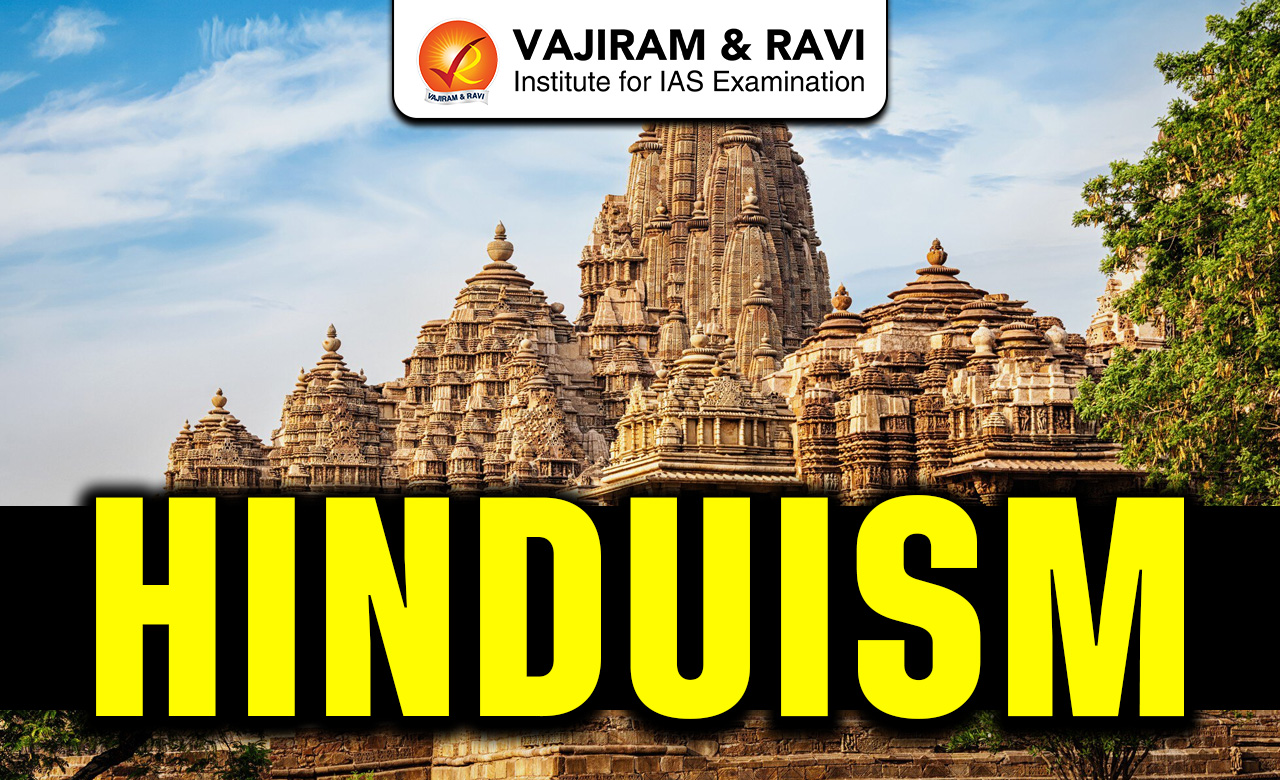
Hinduism, also known as Sanatana Dharma, is regarded as one of the oldest living religious traditions in the world. With approximately 1.2 billion followers, it is the third largest religion in the world, predominantly practiced in India, Nepal, and Mauritius. Unlike many other major religions, Hinduism does not have a single founder, a central religious authority, or one universally accepted scripture. Instead, it represents a broad and inclusive system of beliefs, philosophies, and cultural practices.

Hinduism is often described not merely as a religion but as a way of life, as it governs social conduct, ethical values, rituals, and spiritual pursuits. 

Hinduism Nature and Features

Hinduism is unique due to its diversity and adaptability, which can be understood through the following features:

  • Hinduism believes in the oneness of existence, where all beings are manifestations of the same ultimate reality. This idea promotes the concept of Vasudhaiva Kutumbakam, meaning the world is one family.
  • Hinduism does not impose a single rigid doctrine; rather, it upholds pluralism and accommodates a wide variety of beliefs, allowing individuals the freedom to interpret spiritual truths in their own way.
  • It includes both monotheistic and polytheistic elements, meaning that while some followers believe in one supreme reality, others worship multiple gods and goddesses as different manifestations of that reality.
  • The religion places greater emphasis on spiritual experience and realization than on strict adherence to rituals or dogmas, thereby making it flexible and inclusive.
  • It is non-proselytizing in nature, meaning it does not actively seek converts from other religions.
  • Hinduism is syncretic, meaning it has the capacity to absorb and integrate ideas from various traditions over time.

Hinduism Historical Evolution

The historical evolution of Hinduism reflects a continuous process of cultural synthesis, philosophical development, and social transformation, through which it has adapted to changing contexts while preserving its core spiritual foundations.

Indus Valley Background

The early cultural roots of Hinduism can be traced back to the Indus Valley Civilization, where archaeological findings indicate the worship of nature, fertility symbols, and proto-forms of deities like Shiva. Although direct continuity is debated, these elements influenced later religious developments.

Vedic Period

During the Vedic Period, the religious system was centered on the Vedas, which were composed in Sanskrit. Society practiced elaborate rituals and sacrifices known as yajnas, which were conducted by priests. The focus was on appeasing natural forces such as fire, rain, and wind, represented by deities like Agni and Indra.

Upanishadic Phase

In the later Vedic period, there was a shift from ritualism to philosophical inquiry. The Upanishads introduced deeper metaphysical concepts such as Brahman (ultimate reality) and Atman (soul). This period emphasized knowledge and introspection as the means to attain liberation.

Epic and Puranic Period

During this period, Hinduism became more accessible to the common people through devotional practices. Texts like the Ramayana and Mahabharata popularized moral values and religious teachings. The concept of Bhakti (devotion) emerged as a major path to salvation.

Medieval Period

The Medieval Period witnessed the rise of the Bhakti Movement, which emphasized personal devotion to God and rejected rigid social hierarchies. Saints and poets played a crucial role in spreading religious ideas in regional languages, thereby making religion more inclusive.

Modern Period

Under colonial rule, Hindu society underwent significant reforms. Social and religious reformers worked to eliminate practices such as untouchability and promote equality. In the modern era, Hinduism continues to evolve while retaining its core philosophical principles.

Core Philosophical Concepts

Hindu philosophy revolves around some fundamental and interconnected ideas:

  • Dharma refers to moral duty, righteousness, and the ethical order that sustains the universe. It varies based on one’s stage of life, occupation, and individual capacity.
  • Karma is the universal law of cause and effect, where every action — physical, mental, or verbal — produces corresponding consequences in this life or future lives.
  • Samsara represents the continuous cycle of birth, death, and rebirth driven by accumulated karma.
  • Moksha is liberation from this cycle and the ultimate goal of human life, achieved through knowledge, devotion, or selfless action.
  • Brahman is the infinite, universal, and impersonal ultimate reality underlying all existence.
  • Atman is the individual soul or self, which many schools believe is ultimately identical to Brahman.
  • Maya refers to cosmic illusion — the veil that prevents individuals from perceiving ultimate reality and causes attachment to the material world.
  • Ahimsa (non-violence) is one of the highest ethical values in Hindu thought, influencing law, diet, and social conduct.
  • Satya (truth) is considered the foundation of dharma and moral life.

Goals of Human Life (Purusharthas)

Hindu philosophy outlines four essential goals that guide human life:

  • The pursuit of Dharma ensures that individuals lead a life based on moral and ethical principles.
  • The attainment of Artha involves acquiring wealth and material well-being through legitimate means.
  • The fulfillment of Kama allows individuals to enjoy desires and pleasures in a balanced and controlled manner.
  • The realization of Moksha represents the highest goal, which is spiritual liberation and self-realization.

Hinduism Sacred Texts and Sources of Knowledge 

Hindu scriptures are extraordinarily vast and are broadly divided into Shruti and Smriti.

Shruti (Revealed Texts): 

  • The Vedas, Rigveda, Samaveda, Yajurveda, and Atharvaveda, form the foundation of Hindu knowledge and are considered eternal and self-revealed.
  • The Upanishads (108 in number) explore deep philosophical questions about the nature of reality, self, and consciousness. They form the philosophical core of Hinduism and are collectively called Vedanta.
  • The Aranyakas and Brahmanas deal with forest meditations and ritual explanations respectively.

Smriti (Remembered Texts): 

  • The narrates the life, values, and ideals of Lord Rama as a model of dharmic conduct.
  • The Mahabharata is the world’s longest epic and discusses dharma, ethics, politics, and human dilemmas in extraordinary depth. It includes the Bhagavad Gita.
  • The Puranas (18 major Puranas) explain complex philosophical ideas through accessible stories and narratives and popularized the worship of Vishnu, Shiva, and Devi.
  • The Manusmriti and Dharmashastra literature codified social and legal norms.
  • Texts like Arthashastra (statecraft by Kautilya) and Ayurveda demonstrate the practical, scientific, and administrative dimensions of Hindu knowledge traditions.

Concept of God and Deities

Hinduism presents a highly flexible understanding of God:

  • It recognizes a single supreme reality, Brahman, which can be worshipped in various forms and manifestations.
  • The Trimurti concept explains the cosmic functions through three principal deities: Brahma as the creator, Vishnu as the preserver, and Shiva as the destroyer.
  • The worship of the divine feminine, or Shakti, highlights the importance of female energy in the universe.
  • Various deities such as Krishna, Rama, Lakshmi, Saraswati, and Ganesha represent different aspects of life and human values.

Major Sects of Hinduism

  • Vaishnavism focuses on the worship of Vishnu and his incarnations, emphasizing devotion and surrender to God.
  • Shaivism regards Shiva as the supreme deity and emphasizes meditation, asceticism, and inner realization.
  • Shaktism centers around the worship of the Goddess as the ultimate source of power and creation.
  • Smartism follows a more philosophical approach and allows the worship of multiple deities as equal manifestations of the same ultimate reality.

Schools of Philosophy (Darshanas)

Hinduism developed six orthodox philosophical systems that accept the authority of the Vedas. Each school provides a distinct approach to knowledge, reality, and liberation.

  • Nyaya (Founder: Gautama): This school focuses on logic and epistemology, explaining that valid knowledge can be attained through reasoning and analysis. It emphasizes methods such as perception and inference to remove ignorance and achieve liberation.
  • Vaisheshika (Founder: Kanada): This school explains the physical world through an atomistic theory, stating that everything is composed of atoms. It classifies reality into categories like substance and quality to systematically understand the universe.
  • Sankhya (Founder: Kapila): This philosophy presents a dualistic framework where reality consists of Purusha (consciousness) and Prakriti (matter). Liberation is achieved by realizing the distinction between these two.
  • Yoga (Founder: Patanjali): This school provides a practical method for spiritual realization through discipline of body and mind. It outlines the Eightfold Path to control mental fluctuations and attain liberation.
  • Mimamsa (Founder: Jaimini): This school emphasizes the performance of Vedic rituals and duties. It considers correct action and adherence to dharma as essential for maintaining cosmic order and achieving spiritual progress.
  • Vedanta (Founder: Badarayana): This school explores the nature of ultimate reality (Brahman) and the soul (Atman), emphasizing knowledge as the path to liberation. It has three main sub-schools:
    • Advaita (by Adi Shankaracharya) teaches non-dualism, where Atman and Brahman are identical.
    • Vishishtadvaita (by Ramanuja) teaches qualified non-dualism, where the soul is part of Brahman but not identical.
    • Dvaita (by Madhvacharya) teaches dualism, where God and the soul are completely distinct.

Paths to Liberation

Hinduism recognizes that individuals have different temperaments and therefore offers multiple paths for attaining moksha:

  • Jnana Yoga: the path of knowledge, focusing on self-realization through wisdom, inquiry, and philosophical understanding.
  • Bhakti Yoga: the path of devotion, emphasizing love, surrender, and personal connection with a chosen deity.
  • Karma Yoga: the path of selfless action, involving performance of duties without attachment to results, as taught in the Bhagavad Gita.

Concept of Avatars (Dashavatara)

The Avatara doctrine refers to the descent of the divine into the world to restore cosmic order (dharma) whenever it is threatened. The ten principal avatars of Vishnu — known as Dashavatara — include Matsya, Kurma, Varaha, Narasimha, Vamana, Parashurama, Rama, Krishna, Buddha, and Kalki. This doctrine demonstrates Hinduism’s belief in divine participation in human history and its capacity to absorb and integrate the Buddha within its framework

Hinduism Religious Practices

  • Worship in Hinduism, known as puja, involves offering prayers, flowers, food, and incense to deities either in temples or at home.
  • Pilgrimages to sacred places are considered spiritually significant and are believed to purify the soul.
  • Festivals play an important role in social and religious life, celebrating various aspects of mythology, seasons, and cultural traditions.

Caste System and Society

  • The caste system originated as a division of labor based on qualities and duties but gradually became rigid and birth-based.
  • It divided society into hierarchical groups, which influenced social interactions and occupations.
  • Although legally abolished, remnants of caste-based discrimination still exist in some areas.

Relevance of Hinduism in Contemporary India and the World

Hindu philosophy continues to have deep relevance in the modern world:

  • Yoga and Ayurveda have been recognized globally as valuable contributions to human well-being. The United Nations declared June 21 as International Yoga Day in 2015.
  • The concept of Vasudhaiva Kutumbakam has been adopted as a guiding principle of India’s foreign policy and G20 presidency in 2023.
  • Hindu environmental ethics, viewing nature as sacred and interconnected, are increasingly relevant in the context of climate change and ecological degradation.
  • The pluralistic and non-exclusive character of Hinduism offers a philosophical framework for addressing religious conflict and promoting interfaith dialogue.
  • Hindu concepts of consciousness and the nature of the mind are increasingly engaging with neuroscience, quantum physics, and modern psychology.

Hinduism FAQs

Q1: What is Hinduism and why is it called a way of life?

Ans: Hinduism is a diverse religious and philosophical tradition known as Sanatana Dharma, which encompasses beliefs, rituals, ethics, and social practices. It is called a way of life because it guides not only spiritual pursuits but also daily conduct, values, and societal duties.

Q2: What are the core beliefs of Hinduism?

Ans: The core beliefs of Hinduism include concepts such as dharma (duty), karma (law of action), samsara (cycle of rebirth), and moksha (liberation). It also emphasizes the unity of Atman (soul) with Brahman (ultimate reality).

Q3: What are the main sects within Hinduism?

Ans: The major sects of Hinduism include Vaishnavism, Shaivism, Shaktism, and Smartism, each focusing on different deities and philosophical approaches while ultimately accepting the same broader spiritual framework.

Q4: What is the concept of Brahman in Hinduism?

Ans: In Hinduism, Brahman is the ultimate, infinite, and formless reality that underlies all existence, representing the highest truth beyond time, space, and causation.

Q5: How does Hinduism explain the cycle of life and death?

Ans: Hinduism explains life through the concept of samsara, where the soul undergoes repeated cycles of birth and rebirth, driven by karma, until it attains moksha or liberation.

Dadu Dayal, Early Life, Teachings, Literary Contribution, Legacy

Dadu Dayal

Dadu Dayal was a 16th-century poet-saint and religious reformer who played an important role in the Nirguna Bhakti tradition in northern India. He believed in worshipping a formless God and opposed rituals, caste discrimination, and religious divisions. Through his teachings, he promoted unity, equality, and compassion among people. His influence was especially strong in regions like Rajasthan and Gujarat.

Early Life of Dadu Dayal

The early life of Dadu Dayal remains partially obscured by legend, yet it reflects his humble origins and spiritual inclination from a young age.

  • Dadu Dayal was born in 1544, most commonly associated with Ahmedabad, although historical evidence remains debated. Some traditions describe him as belonging to a simple artisan background, possibly a cotton carder (dhunia).
  • Certain accounts suggest that he was found as an infant and raised by a Brahmin named Lodhi Ram, though such narratives are not historically verified.
  • His disciple Jan Gopal mentions Ahmedabad as his birthplace, but there is limited evidence to confirm this definitively.
  • Dadu Dayal himself referred to profound spiritual experiences, including visions of his mystical teacher Baba Budhau at the ages of eleven and eighteen, which deeply influenced his spiritual development.

Dadu Dayal Spiritual Awakening and Teachings

Dadu Dayal’s teachings emerged from his spiritual awakening and reflect the essence of the Nirguna Bhakti tradition.

  • Like Kabir and Guru Nanak, Dadu emphasized devotion to a formless (Nirguna) God, rejecting idol worship and external religious practices.
  • He strongly opposed ritualism and priestly dominance, arguing that such practices create divisions and hinder genuine devotion.
  • His philosophy focused on direct personal experience of the divine through bhakti and nama-japa (repetition of God’s name).
  • He advocated a path of ethical living, simplicity, non-violence (ahimsa), compassion, and humility, encouraging followers to lead morally disciplined lives.
  • Dadu promoted the idea of “Nipakh” (non-sectarianism), urging individuals to transcend religious identities and divisions.

Dadu Dayal Literary Contributions

Dadu Dayal’s literary works form an important part of the Bhakti literature and convey his spiritual and social philosophy.

  • He composed a large number of verses in Braj Bhasha, which were later compiled into the Dadu Anubhav Vani.
  • This compilation, recorded by his disciple Rajjab, contains approximately 5,000 verses, reflecting his teachings on devotion, equality, and spiritual realization.
  • His poetry uses simple language and powerful imagery, making it accessible to the common masses.
  • The themes in his works include: Devotion to a formless God, Criticism of hypocrisy and external religiosity, Emphasis on inner purity and self-realization, Rejection of caste and sectarian divisions. 
  • His poetic style shows resemblance to earlier traditions such as the Nath yogis and Sahajiya Buddhists, as well as the works of Kabir.

Dadu Dayal Spiritual Leadership and Formation of Dadupanth

Dadu Dayal’s spiritual leadership led to the formation of a distinct religious order known as the Dadupanth.

  • During his lifetime, he gathered a large number of disciples, including around 100 direct followers, and instructed 52 disciples to establish centres (thambas) for spreading his teachings.
  • These thambas functioned as centres of worship, learning, and community life, playing a crucial role in institutionalizing his ideas.
  • The Dadupanth became a significant religious movement, particularly in Rajasthan, promoting devotion, equality, and simplicity.
  • Among the many centres, Naraina near Jaipur emerged as the principal pilgrimage site associated with Dadu Dayal.
  • Other important centres include Bhairana, Sambhar, Amer, and Karadala, which continue to hold religious significance.

Dadu Dayal’s later life also shows that he had some interaction with the political authorities of his time, while remaining focused on his spiritual mission. He is believed to have come into contact with the Mughal emperor Akbar, possibly through Bhagwant Das, the Kachwaha ruler of Amber. However, despite such connections, Dadu Dayal stayed detached from political power and continued to spread his teachings independently. He spent the later part of his life near Naraina, close to Jaipur, where he carried out his spiritual and community work. He eventually passed away in 1603 and attained samadhi at Naraina, which later became an important centre for his followers.

Dadu Dayal Legacy

The legacy of Dadu Dayal lies in his lasting impact on religious thought, social reform, and the Bhakti tradition in India.

  • Dadu Dayal’s teachings were institutionalized through the Dadupanth, which continued to spread his message of devotion, equality, and non-sectarianism across regions like Rajasthan, Gujarat, and Haryana, ensuring the continuity of his spiritual tradition.
  • His emphasis on a formless God and inner devotion contributed significantly to the broader Nirguna Bhakti movement, strengthening the tradition represented by saints like Kabir and Guru Nanak.
  • The Dadupanthi community preserved a rich body of literature, including manuscripts, devotional songs, and oral traditions, which continue to serve as important sources for understanding medieval Indian spirituality.
  • His followers organized themselves into both spiritual and martial groups (akhara traditions), and at times played an active role in regional socio-political contexts, including defense activities.
  • Important pilgrimage centres such as Naraina and Bhairana (Dadu Khol) emerged as sacred spaces, where traditions associated with Dadu Dayal continue to be practiced by devotees.
  • Most importantly, Dadu Dayal’s message of equality, rejection of caste hierarchy, and emphasis on inner purity left a deep imprint on Indian society, contributing to the long-term process of making religion more inclusive and accessible.

Dadu Dayal Relevance in Contemporary India

The teachings of Dadu Dayal continue to remain highly relevant in present-day society, especially in the context of social harmony and ethical living.

  • His emphasis on religious tolerance and unity provides an important framework for addressing communal tensions and promoting peaceful coexistence in a diverse society like India.
  • His strong opposition to caste discrimination resonates with modern constitutional values such as equality, dignity, and social justice.
  • His teachings encourage simplicity, compassion, and moral conduct, which offer meaningful guidance in an increasingly materialistic and competitive world.
  • His idea of non-sectarianism promotes inclusivity and mutual respect among different communities and belief systems.

Dadu Dayal FAQs

Q1: Who was Dadu Dayal?

Ans: Dadu Dayal was a 16th-century Bhakti saint and poet who promoted devotion to a formless God and emphasized equality, unity, and inner spirituality.

Q2: What were the main teachings of Dadu Dayal?

Ans: Dadu Dayal taught devotion to a Nirguna God, rejection of rituals and caste divisions, and the importance of compassion, simplicity, and moral living.

Q3: Which tradition did Dadu Dayal belong to?

Ans: Dadu Dayal belonged to the Nirguna Bhakti tradition, which focused on worship of a formless and universal God.

Q4: What is the Dadu Panth established by Dadu Dayal?

Ans: The Dadu Panth is a religious sect founded by Dadu Dayal that spread his teachings of devotion, equality, and non-sectarianism, especially in Rajasthan.

Q5: What is the literary contribution of Dadu Dayal?

Ans: Dadu Dayal’s teachings are preserved in the Dadu Anubhav Vani, a collection of devotional verses emphasizing inner purity and spiritual realization.

Colonization of Africa, Background, Major Powers, Effects

Colonization of Africa

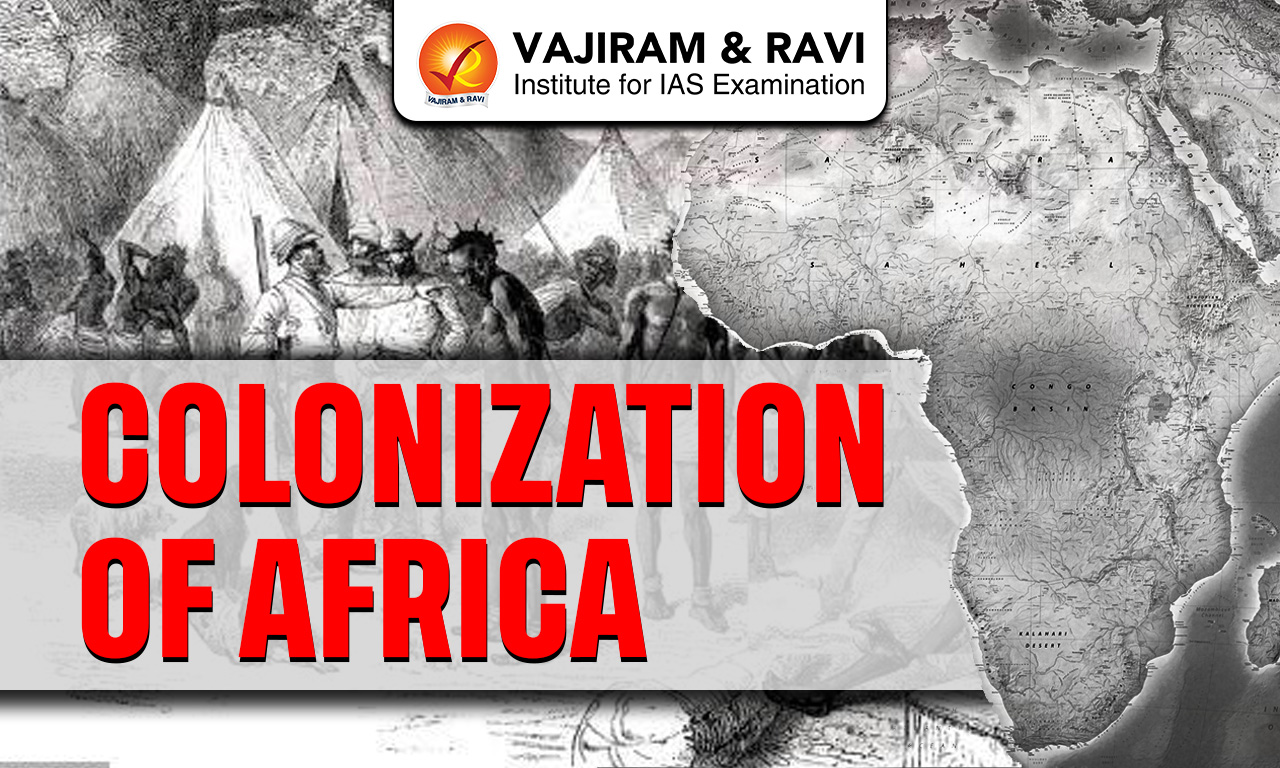
The Colonization of Africa refers to the period between the late 19th and early 20th centuries when European countries took control of almost the entire African continent. This phase is also known as the Scramble for Africa, during which powerful nations competed to occupy African territories for economic and political gain. By the early 1900s, nearly 90% of Africa was under European rule, drastically transforming its history, culture, and economy.

Colonization of Africa Background

Before European colonization, Africa was a diverse and developed continent with powerful kingdoms, rich cultures, and strong trade networks. However, with growing European interest during the 19th century, the continent gradually became a target for exploration and control.

  • Africa had well-established empires like the Mali Empire and Songhai Empire, known for wealth, administration, and learning.
  • The Kingdom of Aksum was an important trade center connecting Africa with Asia and Europe.
  • African societies had organized political systems, traditional laws, and strong cultural identities.
  • Trade routes across the Sahara Desert connected Africa with the Middle East and Europe.
  • European explorers like David Livingstone and Henry Morton Stanley revealed Africa’s resources to the Western world.
  • The growing impact of the Industrial Revolution increased Europe’s interest in Africa.
  • The Berlin Conference marked the beginning of formal partition of Africa among European powers.

Major Colonial Powers in Africa

During the colonization period, several European nations established control over different parts of Africa to expand their empires and access resources. Each power ruled specific regions based on its political and economic interests.

  • Britain controlled vast territories such as Egypt, Sudan, Nigeria, and South Africa, focusing on trade routes and resource-rich areas while establishing strong administrative systems.
  • France dominated large parts of West and North Africa including Senegal and Algeria, aiming to spread its language, culture, and political influence.
  • Belgium, under Leopold II, controlled the Congo Free State, where extreme exploitation and forced labor were practiced.
  • Germany ruled regions like Tanganyika (Tanzania), Namibia, and Cameroon, focusing on plantation agriculture and resource extracti3on.
  • Portugal controlled coastal regions such as Angola and Mozambique, maintaining long-standing trade connections and exploiting natural resources.
  • Italy occupied territories like Libya and Eritrea, though its control was weaker compared to other European powers and faced resistance.

Phases of Colonization

Colonisation can be broadly divided into two main phases – the Mercantile Phase and the Industrial Phase. These phases reflect the changing goals and methods of European powers as their economic and technological strength grew over time.

Mercantile Phase

The Mercantile Phase focused mainly on trade and profit, where European powers aimed to control global trade routes and earn maximum economic benefits.

  • The main objective was to buy goods cheaply from colonies and sell them at higher prices in European markets.
  • European countries controlled sea routes and used naval power for trade dominance, often called “gunboat diplomacy.”
  • Colonies were first established in regions like the Americas and Southeast Asia for trade purposes.
  • Technological advancement was limited, so Europeans could only dominate weaker or less organized societies.
  • Powerful states like India and China initially resisted European control due to strong political systems.
  • For example, during the Child's War, the Mughal Empire successfully resisted the British East India Company.
  • Trade with Eastern countries like India and China remained important, and Europeans depended on their established systems. 

Industrial Phase

The Industrial Phase began with the Industrial Revolution, which brought major technological and economic changes in Europe.

  • Industrial growth increased the demand for raw materials like cotton, rubber, and minerals.
  • European powers sought new markets to sell machine-made goods produced in factories.
  • Advanced weapons and technology gave Europeans a strong advantage over African and Asian societies.
  • Military force and political manipulation were used to gain control over territories.
  • Events like the Battle of Plassey helped Europeans establish political dominance in regions like India.
  • Traditional industries in colonies were destroyed to promote European manufactured goods.
  • Colonies became suppliers of raw materials and consumers of finished goods under “free trade” policies.
  • Colonial powers controlled economic systems, including trade and currency, leading to the drain of wealth from colonies.

Scramble for Africa

The Scramble for Africa was the final stage of aggressive colonisation, where European powers rapidly divided Africa among themselves during the late 19th century.

  • It took place during the period of New Imperialism (1881–1914).
  • European countries like Britain, France, and Germany competed for land, resources, and markets.
  • Technological progress, such as better maps and medical advances (like malaria treatment), allowed Europeans to move into Africa’s interior.
  • Instead of fighting each other, European nations decided to divide Africa through political agreements.
  • The Berlin Conference formalized this division without consulting African people.
  • In 1870, less than 10% of Africa was under European control, but by 1914, it increased to nearly 90%.

Effects of Colonization in Africa

Colonization had a deep and long-lasting impact on Africa’s political, economic, and social life. While a few developments were introduced, the overall impact was largely negative and continues to influence the continent even today.

  • Loss of political independence as African kingdoms and rulers were replaced by European authorities.
  • Exploitation of natural resources such as gold, diamonds, rubber, and minerals for the benefit of European industries.
  • Introduction of new infrastructure like railways, roads, and ports, mainly built to transport raw materials to Europe.
  • Destruction of traditional economies and local industries, making African economies dependent on Europe.
  • Forced labor and harsh working conditions were imposed on Africans, especially in regions like the Congo Free State.
  • Artificial boundaries were created without considering ethnic or cultural divisions, leading to long-term conflicts.
  • Spread of Western education, language, and religion, which changed African cultural identity.
  • Decline of indigenous traditions, customs, and local governance systems.
  • Growth of inequality and racial discrimination under colonial rule.
  • Drain of wealth from Africa to Europe, weakening local economies.

Decolonization of Africa

Decolonization of Africa was the process through which African countries freed themselves from European colonial rule and became independent nations. It involved cultural awakening, political development, and economic restructuring to establish a new identity in the global system.

  • Colonial rule was based on racism and the idea of the right to rule, which had to be strongly challenged.
  • The false image of benevolent rule and modernisation was used to justify exploitation but was later exposed.
  • The Indian National Congress promoted the drain of wealth theory to challenge colonial claims of development.
  • Building self-confidence among people was essential for achieving independence.
  • Emphasis was placed on cultural integration, national identity, and a shared historical past.
  • Revival of historical pride, such as ancient civilisations, helped unite people against colonial rule.
  • However, tribal differences and social divisions created challenges in some African regions.
  • Newly independent nations aimed to follow an independent foreign policy without outside interference.
  • There was a need to build strong political institutions like constitutions and armies under civilian control.
  • Development of democratic systems required aware citizens and capable leadership.
  • Former colonial powers continued influence through biased trade policies, known as neo-colonialism.
  • Control over foreign investment allowed old powers to influence new governments.
  • Technological superiority of developed countries was used to maintain dominance.
  • Strict intellectual property systems helped protect their economic advantage.

Aftermath of Decolonization

The period after decolonization in Africa was marked by mixed outcomes, as newly independent countries faced several political, economic, and social challenges. Different historical conditions led to varied results across the continent.

Political Challenges

After independence, many African nations struggled to build stable political systems due to weak leadership and lack of democratic experience.

  • Military coups became common in countries like Ghana, Nigeria, Uganda, Burundi, Rwanda, and Congo due to weak democratic institutions.
  • Lack of strong political leadership and limited public participation weakened governance systems.
  • Many countries failed to establish stable democratic institutions, leading to authoritarian rule.

Economic Challenges

Economic instability became a major issue as many African nations remained dependent on limited resources.

  • Overdependence on one or two export commodities created economic instability in countries like Nigeria, Ghana, Tanzania, and Burundi.
  • Falling global prices of these commodities often led to economic crises.
  • Extreme poverty remained widespread due to low levels of human development.
  • Corruption and mismanagement of resources further weakened economic growth.

Social and Governance Issues

Social inequality and corruption became serious problems in many newly independent states.

  • Power often remained in the hands of a corrupt elite that exploited divisions within society.
  • Public movements played a role in challenging such leadership, as seen in the removal of leaders like Robert Mugabe and Jacob Zuma.
  • Ethnic and tribal divisions continued to create internal conflicts in many regions.

External Influence and Conflicts

Even after independence, external powers continued to influence African countries.

  • Cold War rivalry and global power competition affected countries like Angola.
  • In some cases, global powers failed to intervene during crises, such as the Rwandan Genocide.
  • These situations highlighted the need for stronger regional cooperation and unity in Africa.

Neo-Colonialism and Resource Conflicts

Many African countries continued to face indirect control through economic and political influence.

  • Resource-rich countries became targets of neo-colonial exploitation and internal conflicts.
  • Sierra Leone experienced prolonged conflict over resources like diamonds and minerals.
  • Countries like China have been accused of adopting neo-colonial strategies in parts of Africa.
  • Initiatives like the Asia-Africa Growth Corridor by India and Japan aim to provide alternative development partnerships.

Arab Spring and Political Unrest

North Africa witnessed major political movements during the early 21st century.

  • The Arab Spring led to protests in countries like Morocco, Tunisia, Libya, and Egypt.
  • These movements aimed to establish democratic governance and end authoritarian rule.
  • However, limited global support and internal conflicts led to mixed outcomes, including instability and violence.

Colonization of Africa FAQs

Q1: What is Colonization of Africa?

Ans: Colonization of Africa refers to the process during which European powers took control of African territories mainly between the late 19th and early 20th centuries.

Q2: What is the Scramble for Africa?

Ans: The Scramble for Africa was the rapid division and occupation of Africa by European countries between 1880 and 1914.

Q3: Which event led to the division of Africa?

Ans: The Berlin Conference formalized the partition of Africa among European powers without involving African leaders.

Q4: Why did Europeans colonize Africa?

Ans: The main reasons included the need for raw materials, new markets, political competition, and the impact of the Industrial Revolution.

Q5: Which countries were the major colonial powers in Africa?

Ans: Major colonial powers included Britain, France, Belgium, Germany, Portugal, and Italy.

Van Vihar National Park, Location, Flora, Fauna, Importance

Van Vihar National Park

Van Vihar National Park is a unique urban protected area located in Bhopal, Madhya Pradesh. It is known for combining the features of a national park, zoo, rescue centre, and conservation breeding centre, making it one of the most distinctive wildlife sites in India.

Van Vihar is situated along the banks of the famous Upper Lake, which is also a Ramsar Site and part of the Bhoj Wetland. This location enhances the park’s ecological importance by supporting rich biodiversity, especially birds and aquatic life.

Wildlife in Van Vihar National Park

The Van Vihar National Park has a unique system where animals are categorized into carnivores (kept in enclosures) and herbivores (allowed to roam freely), maintaining both safety and ecological balance.

  • It serves as a rescue and rehabilitation centre, so many animals here are rescued from circuses, illegal captivity, or human-wildlife conflict zones.
  • Major carnivorous animals found in the park include tiger, white tiger, lion, leopard, hyena, and sloth bear, all of which are housed in large naturalistic enclosures.
  • The tiger is one of the important species and is protected under national conservation programmes like Project Tiger.
  • The presence of lions in the park is unique for Central India, as many of them are rescued from circuses or captivity.
  • Leopards and hyenas contribute to maintaining the ecological balance as important predators in the food chain.
  • Sloth bears in the park are mostly rescued individuals and are provided specialized care and rehabilitation.
  • Herbivorous animals form a major part of the park’s open ecosystem and are allowed to roam freely in natural surroundings.
  • Common herbivores include chital (spotted deer), sambar deer, blackbuck, nilgai (blue bull), and chousingha (four-horned antelope).
  • These animals play a key role in maintaining vegetation balance and serve as prey base for carnivores in natural ecosystems.
  • Their free movement within the park creates a near-natural habitat and enhances ecological authenticity.
  • The park also hosts several smaller mammals such as common langur, rhesus monkey, and porcupine.
  • These species contribute to seed dispersal and forest regeneration, supporting the overall ecosystem.
  • Van Vihar is rich in bird diversity due to its location near a major wetland, attracting both resident and migratory species.
  • Common birds include peacock, kingfisher, parrot, heron, and egret.
  • Migratory birds such as ducks and geese visit during winter, making the park an important bird-watching site.
  • The wetland ecosystem of Upper Lake enhances avian biodiversity and supports breeding and feeding activities.
  • Reptiles are also an important part of the park’s biodiversity, especially due to the presence of water bodies.
  • Major reptiles include marsh crocodiles (mugger), turtles, and various species of snakes and lizards.

Special Focus Sloth Bear

The Sloth Bear (Melursus ursinus) is a medium-sized bear species native to the Indian subcontinent and is one of the key species protected in Van Vihar National Park located in Bhopal.

  • It belongs to the family Ursidae and is easily identified by its shaggy black coat, long snout, and a distinct V- or Y-shaped white patch on its chest.
  • The species has long, curved claws which are specially adapted for digging into termite mounds and searching for food underground.
  • Sloth bears are primarily insectivorous in nature and feed mainly on termites, ants, and honey, although they also consume fruits like ber and mango during seasonal availability.
  • They use their powerful claws to break open termite mounds and produce a loud sucking sound while feeding due to their specialized lips and absence of upper incisors.
  • The species is mostly nocturnal, meaning it remains active during the night and rests during the day in caves, burrows, or dense vegetation.
  • Sloth bears are generally solitary animals, except during the breeding season or when females are raising their cubs.
  • A unique behavioral feature is that the mother carries her cubs on her back, which is rarely seen in other bear species.
  • They have a highly developed sense of smell that helps them locate food, but their eyesight is relatively weak.
  • Sloth bears inhabit tropical forests, dry deciduous forests, grasslands, and scrublands across India and are found along the outer Himalayan foothills from Punjab to Arunachal Pradesh.
  • They are absent in high-altitude Himalayan regions, desert areas like Rajasthan, and large treeless landscapes in southern India.
  • The gestation period of sloth bears is around 6–7 months, and females usually give birth to 1–3 cubs at a time.
Also Check
National Parks in Uttar Pradesh National Parks in Bihar
National Parks in Assam National Parks in Uttarakhand
National Parks in West Bengal National Parks in Arunachal Pradesh
National Parks in Andhra Pradesh National Parks in Chhattisgarh
National Parks in Goa National Parks in Jharkhand
National Parks in Gujarat National Parks in Kerala
National Parks in Haryana National Parks in Madhya Pradesh
National Parks in Himachal Pradesh National Parks in Maharashtra
National Parks in Karnataka National Parks in Odisha
National Parks in Manipur National Parks in Mizoram
National Parks in Meghalaya National Parks in Nagaland
National Parks in Telangana National Parks in Rajasthan
National Parks in Tamil Nadu National Parks in Sikkim
National Parks in Tripura

Van Vihar National Park FAQs

Q1: Where is Van Vihar National Park located?

Ans: Van Vihar National Park is located in Bhopal, along the banks of the Upper Lake.

Q2: Why is Van Vihar National Park unique?

Ans: It is a combination of a national park, zoo, rescue centre, and conservation breeding centre, making it different from traditional national parks.

Q3: Which animals are found in Van Vihar National Park?

Ans: The park is home to tigers, lions, leopards, hyenas, sloth bears, deer (chital, sambar), blackbuck, nilgai, monkeys, and various bird and reptile species.

Q4: What role does Van Vihar play in conservation?

Ans: It helps in wildlife rescue, rehabilitation, conservation breeding, and spreading awareness about biodiversity and environmental protection.

Q5: What is the importance of Upper Lake near the park?

Ans: The Upper Lake is a Ramsar Site and supports aquatic life and migratory birds, enhancing the biodiversity of the park.

Difference Between Depreciation and Devaluation, Meaning, Causes

Difference Between Depreciation and Devaluation

Depreciation and Devaluation are two important concepts related to currency value. Although both lead to a fall in the value of a country’s currency, they differ significantly in terms of causes, mechanism, and policy implications. The Difference Between Depreciation and Devaluation has been discussed below in the article.

Depreciation Meaning

Depreciation refers to a fall in the value of a currency due to market forces. Depreciation occurs in a floating exchange rate system where the value of a currency is determined by demand and supply in the foreign exchange market. When the demand for a currency decreases or its supply increases, its value falls relative to other currencies.

  • Depreciation happens automatically due to changes in market conditions such as higher imports, capital outflows, or lower investor confidence.
  • It is not directly controlled by the government or central bank.
  • It reflects underlying economic conditions like inflation, trade deficit, or economic slowdown.

Example: If the Indian Rupee moves from ₹80 per US dollar to ₹85 per US dollar due to higher demand for dollars in the market, it is called depreciation of the rupee.

India follows a managed floating exchange rate system, where the value of the rupee is largely determined by market forces of demand and supply, but the Reserve Bank of India intervenes occasionally to prevent excessive volatility. This means that in India, changes in the rupee’s value are usually in the form of depreciation or appreciation, not deliberate devaluation.

Causes of Depreciation: 

  • High inflation compared to trading partners reduces export competitiveness and weakens the currency.
  • A rising trade deficit increases demand for foreign currency to pay for imports.
  • Capital outflows occur when foreign investors withdraw investments, reducing demand for domestic currency.
  • Weak economic fundamentals such as low growth or fiscal stress reduce investor confidence.
  • Speculation in foreign exchange markets can amplify currency decline.
  • Rising interest rates in advanced economies like the United States strengthen their currencies and weaken emerging market currencies.

Devaluation Meaning

Devaluation refers to a deliberate reduction in the value of a currency by the government or central bank. Devaluation occurs in a fixed or managed exchange rate system, where the government officially lowers the value of its currency against foreign currencies.

Example: If the government officially changes the exchange rate from ₹80 per US dollar to ₹90 per US dollar, it is called devaluation of the rupee.

Reasons for Devaluation: 

  • Governments use devaluation to boost exports by making them cheaper in global markets.
  • It helps in correcting persistent current account deficits.
  • It may be undertaken as part of IMF-supported structural adjustment programmes.
  • It improves competitiveness relative to other exporting countries.
  • It is often used during severe Balance of Payments crises.

Key Differences Between Depreciation and Devaluation

The difference between Depreciation and Devaluation lies in control, mechanism, and economic context.

  • Depreciation is market-driven, whereas devaluation is policy-driven and deliberate.
  • Depreciation occurs in a floating exchange rate system, whereas devaluation occurs in a fixed or pegged system.
  • Depreciation is determined by demand and supply in foreign exchange markets, whereas devaluation is decided by the government or central bank.
  • Depreciation does not involve any formal announcement, whereas devaluation is officially declared.
  • Depreciation is gradual and continuous, whereas devaluation is sudden and infrequent.
  • Depreciation can reverse automatically with market changes, whereas devaluation requires policy intervention to reverse.

Common Economic Effects

Despite different causes, both lead to similar economic outcomes.

Positive Effects: 

  • Exports become cheaper and more competitive in international markets.
  • Import substitution is encouraged as imports become costlier.
  • Foreign exchange earnings may increase if export volumes rise.
  • Tourism inflows may rise as the country becomes cheaper for foreign visitors.

Negative Effects: 

  • Imports become expensive, leading to imported inflation, especially in fuel and raw materials.
  • External debt burden increases as foreign currency loans become costlier to repay.
  • Purchasing power of domestic consumers declines.
  • Trade balance may worsen in the short run due to adjustment delays.

The J-Curve Effect

The J-Curve Effect explains how the trade balance changes after depreciation or devaluation over time.

After depreciation or devaluation, a country’s trade balance usually worsens in the short run before improving in the long run. 

  • In the short run, imports become more expensive, but their quantity does not reduce immediately because contracts are already fixed and suitable substitutes are not easily available. At the same time, exports do not increase quickly as producers need time to respond to new price conditions and expand supply. As a result, the import bill rises faster than export earnings, leading to an initial worsening of the trade deficit. 
  • Over time, however, exports increase as they become cheaper and more competitive, while imports decline as domestic alternatives are adopted. This gradual improvement in the trade balance, after an initial decline, creates a pattern resembling the letter “J”, hence the term J-Curve Effect.

Difference Between Depreciation and Devaluation FAQs

Q1: What is the difference between depreciation and devaluation?

Ans: The difference between depreciation and devaluation lies in their cause: depreciation is a market-driven fall in currency value, while devaluation is a deliberate policy decision by the government or central bank.

Q2: What causes currency depreciation?

Ans: Currency depreciation is caused by market factors such as high inflation, trade deficits, capital outflows, and weak economic fundamentals that reduce demand for the currency.

Q3: Why do governments devalue their currency?

Ans: Governments devalue their currency to boost exports, correct trade imbalances, and manage Balance of Payments crises by making domestic goods cheaper in global markets.

Q4: Does India use depreciation or devaluation today?

Ans: India follows a managed floating exchange rate system, so the rupee mainly undergoes depreciation or appreciation based on market forces rather than deliberate devaluation.

Q5: What are the effects of depreciation and devaluation on the economy?

Ans: Both make exports cheaper and imports costlier, which can improve trade balance over time but may also lead to inflation and higher external debt burden.

Sentinel Species

Sentinel Species

Sentinel Species Latest News

Recently, the International Union for Conservation of Nature (IUCN) declared the emperor penguin to be an endangered sentinel species.

About Sentinel Species

  • It is a species whose members’ health signals the condition of the ecosystem in which they live.
  • Characteristic: They are among the first to respond to stressors in their environment, such as pollution and disease.
  • Their response also tends to be more apparent than most other species.
  • They can provide early warnings of ecosystem decline.
  • These species tend to occupy a fixed territory and live long enough to accumulate toxins.
  • They also have physiologies that amplify the effects of environmental change. Thus, when something goes wrong in their habitat, they show it first.
  • Examples
    • Frog: Their skin is permeable and absorbs whatever enters the water or soil around them, making them very sensitive to pesticides and pathogens.
    • Canaries in coal mines worked on the same principle: the bird’s faster metabolism made it succumb to carbon monoxide before human miners could notice anything.
    • Honeybees: Researchers used this to track agricultural chemical loads.
    • Polar bears are observed to monitor Arctic contaminant accumulation

Source: TH

Sentinel Species FAQs

Q1: What is a sentinel species?

Ans: A species used to detect environmental hazards

Q2: What is a characteristic of a sentinel species?

Ans: High sensitivity to environmental changes

Exercise Dustlik

Exercise Dustlik

Exercise Dustlik Latest News

Recently, the Indian Army contingent departed for participating in the 7th edition of the Exercise Dustlik.

About Exercise Dustlik

  • It is a joint military exercise conducted between India and Uzbekistan.
  • It is a yearly event conducted alternatively in India and Uzbekistan.
  • Participating Forces: It mainly Indian Army’s Battalion of the MAHAR Regiment and 15 personnel from the Indian Air Force.
  • Aim: To foster military cooperation and enhance combined capabilities to execute joint operations in semi-mountainous terrain.
  • It will also establish a unified operational algorithm between the command-and-control structures of both the contingents for planning and execution of joint operations.
  • Key operational aspects to be practiced include land navigation, strike missions on enemy bases and seizure of enemy-held areas.
  • It will enable the two sides
    • To share their best practices in Tactics, Techniques and Procedures of conducting joint operations.
    • To further strengthen interoperability, operational synergy and joint command and control coordination between the contingents.

Source: PIB

Exercise Dustlik FAQs

Q1: What is the Dustlik exercise?

Ans: A joint military exercise between India and Uzbekistan

Q2: What is the aim of the Dustlik exercise?

Ans: To enhance military cooperation and combat readiness

Earth’s Energy Imbalance, Causes, Trends, Measurement, Importance

Earth’s Energy Imbalance

The State of the Global Climate Report 2025 has, for the first time, included Earth’s Energy Imbalance as one of the key climate indicators. The Earth’s energy imbalance is a key climate indicator that measures how fast the heat trapped by anthropogenic emissions of greenhouse gases is accumulating in the climate system.

What is Earth’s Energy Imbalance?

Earth’s Energy Imbalance (EEI) is a fundamental measure of the Earth’s climate energy budget.

  • The Earth’s energy imbalance (EEI) is the difference between the amount of energy the Earth receives from the Sun (incoming solar radiation minus reflected solar radiation) and the amount of energy the Earth radiates back into space (outgoing long-wave radiation).
  • If the amount of incoming radiation exceeds the amount of outgoing radiation (for example, due to the greenhouse effect), the EEI is "positive", meaning the Earth is gaining energy, mostly in the form of heat. 
  • If more energy escapes the Earth than is received (for example, after large volcanic eruptions), the EEI is "negative", meaning the Earth is losing energy and cooling.

Measurement of Earth’s Energy Imbalance

The Earth’s Energy Imbalance can be measured in two main ways, combining both observational data and direct radiation measurements.

  • Earth Heat Inventory (1960-present): This method combines separate estimates of heat stored in the ocean, land and atmosphere, as well as the energy needed to melt ice. This hybrid approach integrates the Global Climate Observing System (satellite and in situ) data, reanalyses and climate models. A preliminary estimate of the inventory can be made using the observed ocean heat content.
  • Direct Satellite Measurements (2000-present): This method involves direct measurement of incoming solar radiation and outgoing long-wave radiation at the top of the atmosphere. It provides a direct assessment of Earth’s radiation balance and allows continuous monitoring of changes in the energy budget.

Trends in Earth’s Energy Imbalance

Due to increasing concentrations of greenhouse gases, the EEI has become increasingly positive over time, and the accumulation of surplus energy has led to warming of the climate. Approximately 91% of the surplus energy has been absorbed by the ocean, 5% by the continents, 3% by the cryosphere and 1% by the atmosphere. 

  • In 2025, the observed Earth’s Energy Imbalance reached the highest value since records began in 1960.
  • Since 1960, heat has been continuously accumulating in the Earth system, including the ocean, atmosphere, land and frozen regions, due to a growing imbalance in the Earth’s energy budget.
  • The total amount of heat stored on Earth is not only increasing but is accelerating over time.
  • The rate of increase of EEI based on ocean heat content was about 0.13 ± 0.03 W m⁻² per decade during 1960-2025.
  • The increase remained relatively stable across periods such as 1970-2025, 1980–2025 and 1990-2025.
  • A higher rate of increase was observed during 2001-2025 at about 0.30 ± 0.1 W m⁻² per decade.
  • Satellite-based measurements for 2001-2025 show an even higher rate of increase at 0.44 ± 0.13 W m⁻² per decade.
  • Satellite estimates and ocean heat content estimates are consistent within the margin of error where they overlap.
  • The increase in EEI is linked to rising concentrations of greenhouse gases and reductions in aerosol emissions.
  • It is also associated with increased absorption of solar radiation due to decreased reflection by clouds and sea ice.
  • A decrease in outgoing long-wave radiation due to increases in trace gases and water vapour further contributes to the rising imbalance.

Causes of Rising Earth’s Energy Imbalance

Human activities are the primary drivers of the increasing imbalance.

  • Rising greenhouse gas concentrations reduce the amount of heat radiated back into space.
  • Aerosol changes and air pollution influence cloud formation and radiative balance.
  • Reduction in sea ice and snow cover lowers Earth’s reflectivity, increasing heat absorption.
  • Changes in outgoing long-wave radiation due to increased water vapour and trace gases intensify warming.

Earth’s Energy Imbalance Significance

Earth’s Energy Imbalance (EEI) is a critical indicator for understanding and predicting climate change.

  • It provides a direct measure of how fast the Earth system is gaining heat.
  • It helps in understanding global warming trends across oceans, land, atmosphere, and ice simultaneously.
  • It improves the accuracy of climate models and future climate projections.
  • It acts as an early warning indicator of accelerating climate change.

Earth’s Energy Imbalance FAQs

Q1: What is Earth’s Energy Imbalance (EEI)?

Ans: Earth’s Energy Imbalance is the difference between incoming solar radiation and outgoing long-wave radiation, indicating whether the planet is gaining or losing heat.

Q2: Why is Earth’s Energy Imbalance important?

Ans: It is a key climate indicator that measures how fast heat is accumulating in the climate system, making it crucial for understanding global warming.

Q3: Why has Earth’s Energy Imbalance increased in recent decades?

Ans: The increase is mainly due to rising greenhouse gas concentrations, reduced aerosol effects, and decreased reflection from clouds and sea ice, which together trap more heat.

Q4: Which part of the Earth system absorbs most of the excess energy?

Ans: Most of the excess heat is absorbed by the oceans, which act as the primary heat sink in the climate system.

Q5: How is Earth’s Energy Imbalance measured?

Ans: It is measured using Earth heat inventory methods that estimate stored heat and satellite observations that track incoming and outgoing radiation.

Sagarmala Programme

Sagarmala Programme

Sagarmala Programme Latest News

The Sagarmala Programme is implementing 845 projects worth ₹6.06 lakh crore, with 315 projects worth ₹1.57 lakh crore completed.

About Sagarmala Programme

  • It was launched in March, 2015 to promote port-led development.
  • It aims to improve logistics efficiency, reduce transportation costs, and support trade by increasing the use of coastal shipping and inland waterways alongside existing road and rail networks.
  • The overall projects under the Sagarmala Programme are divided into 5 pillars and 24 categories.

Components of Sagarmala Programme

  • Port Modernization and New Port Development: It focuses on upgrading existing ports and developing new ones to expand capacity and improve operational efficiency.
  • Port Connectivity Enhancement: It aims to strengthen connectivity between ports and the hinterland to facilitate faster and more cost-efficient cargo movement.
  • Port-Led Industrialization: It promotes the development of industrial clusters in port-proximate areas to support manufacturing and economic activity.
  • Coastal Community Development: It focuses on improving livelihoods and promoting sustainable development in coastal regions.
  • Coastal Shipping and Inland Waterways Transport: It encourages greater use of coastal shipping and inland waterways for cargo movement.

Institutional Backbone of Sagarmala 

  • It is supported by a multi-tier framework designed to enable coordinated planning, efficient implementation, and continuous monitoring across the Centre and States.
    • National Sagarmala Apex Committee (NSAC): Constituted in May 2015, NSAC is the apex body providing overall policy guidance and oversight for the programme.
    • Maritime States Development Council (MSDC): It is convened periodically to facilitate centre–state coordination. It brings together all stakeholders and promote coordinated development of ports and related infrastructure.
    • State Sagarmala Committees (SSCs): Constituted in coastal states and union territories (UTs), SSCs are responsible for identifying projects, coordinating implementation, and monitoring progress at the state level.
    • Sagarmala Finance Corporation Limited (SMFCL): Sagarmala Development Company Limited (SDCL), established in August 2016, has played an important role in advancing India’s maritime infrastructure.
      • In June 2025, SDCL restructured as the Sagarmala Finance Corporation Limited (SMFCL).

Source: PIB

Sagarmala Programme FAQs

Q1: How many major ports are covered under the Sagarmala Programme?

Ans: 12

Q2: What is the primary objective of the Sagarmala Programme?

Ans: Port-led development

Ambedkar Jayanti 2026, Biography, Contributions, Birth Anniversary

Ambedkar Jayanti 2026

Ambedkar Jayanti 2026 is observed on 14 April, as an honour to pay tribute to Dr. Bhimrao Ramji Ambedkar and his efforts to improve the conditions of people in India. The day is celebrated to spread awareness about him and his contributions by the central and state government. In this article, we are going to cover the life of Dr. Ambedkar, his biography and most importantly his contributions. 

Ambedkar Jayanti 2026

Dr. B.R.Ambedkar Remembrance Day 2026 is celebrated every year on 14 April to celebrate the birth anniversary of Dr. B.R.Ambedkar, the man who wrote the Constitution of India. Remembered as a social reformer, jurist and social reformer, Dr. Ambedkar spent his life fighting against caste discrimination and promote social justice. 

B.R. Ambedkar Birth Anniversary 2026 

The 136th birth anniversary of Dr. B.R. Ambedkar, popularly known as Bhim Jayanti, will be observed through official ceremonies and public events across the country. In keeping with tradition, the President, Prime Minister, and other dignitaries are expected to pay tribute at his statue in the Parliament complex.

Educational institutions will conduct debates, essay competitions, and seminars to highlight his pivotal role in drafting the Constitution and advocating for social justice. The Ministry of Social Justice and Empowerment will lead awareness campaigns focused on Dr. Ambedkar’s enduring contributions to constitutional development, education reform, and economic empowerment.

B.R. Ambedkar Biography 

Dr. Ambedkar was born in Mhow on 14 April, 1891. He belonged to the Mahar community and faced discrimination from his very early life. He completed his education from Columbia University and London School of Economics. A lawyer, economist and social reformer by profession, he fought for the rights of marginalised communities. 

B.R. Ambedkar Biography

Ambedkar's Date of Birth

April 14, 1891

Birthplace

Mhow, Central India Agency, British India (now in Madhya Pradesh).

Title

The Father of the Indian Constitution, Babasaheb

Family

14th child of Subedar Ramji Maloji Sakpal and Bhimabai Sakpal.

Education

M.A., Ph.D., LL.D., D. Litt., D. Sc., Barrister-at-Law.

Career

Jurist, economist, social reformer, and politician.

Key Positions

  • Minister of Labour in Viceroy's Executive Council (1942-1946)
  • Chairman of the Constitution Drafting Committee (1947-1950)
  • First Minister of Law and Justice in independent India (1947-1951)

Political Parties

  • Independent Labour Party (founded in 1936)
  • Scheduled Castes Federation (formed in 1942)
  • Republican Party of India (announced in 1956)

Notable Works

  • Drafting of the Indian Constitution.
  • Advocacy for Dalit rights and social reforms.

Literary Works

The Annihilation of Caste, The Buddha and His Dhamma, Waiting for A Visa, Ancient Indian Commerce: Commercial Relations of India in the Middle East, The Untouchables: Who Were They and Why They Became Untouchables?

Awards

Bharat Ratna in 1990

Death

December 6, 1956.

Dr. Ambedkar adopted Buddhism with an aim of spreading the message of dignity and equality. His works in the areas of social issues, law and economics, influenced policies on employment, education and affirmative action. 

Dr. B.R. Ambedkar Contributions

Dr. B.R. Ambedkar made foundational contributions to the shaping of modern India across legal, economic, and social domains. His major achievements include:

  • Architect of the Indian Constitution: As Chairman of the Drafting Committee, he played a pivotal role in framing a Constitution that enshrined democratic governance, fundamental rights, and social justice.
  • Abolition of Untouchability: He was instrumental in the enactment of the Untouchability (Offences) Act, 1955, which outlawed caste-based discrimination and advanced the cause of social equality.
  • Advocate of Affirmative Action: Dr. Ambedkar championed reservations in education, employment, and political representation for Scheduled Castes and Scheduled Tribes, laying the foundation for India’s affirmative action framework.
  • Pioneer of Labour Reforms: During his tenure as Labour Member of the Viceroy’s Executive Council (1942–1946), he introduced progressive labour laws related to working hours, minimum wages, and maternity benefits.
  • Economic Thought Leader: His seminal work The Problem of the Rupee had a lasting influence on India's monetary policy, emphasizing the need for currency stability and sound economic planning.
  • Champion of Women’s Rights: Through his work on the Hindu Code Bill, he sought to secure equal rights for women in marriage, divorce, and inheritance, marking a bold step toward gender justice.
  • Social and Spiritual Reformer: In 1956, Dr. Ambedkar embraced Buddhism, initiating the Dalit Buddhist movement. This historic act inspired millions to pursue dignity and liberation beyond caste oppression.

Dr. Ambedkar’s vision continues to inspire movements for equality, justice, and inclusive development in India and beyond

Ambedkar Jayanti 2026 FAQs

Q1: Which is the No. 1 biggest Jayanti in the world?

Ans: Dr. B.R. Ambedkar Jayanti is considered the largest Jayanti celebration in the world.

Q2: How many years is Dr. B.R. Ambedkar Jayanti?

Ans: In 2026, Dr. B.R. Ambedkar Jayanti marks his 135th birth anniversary.

Q3: When was Ambedkar born and died?

Ans: Dr. B.R. Ambedkar was born on April 14, 1891, and passed away on December 6, 1956.

Q4: When was Dr. B.R. Ambedkar's death anniversary?

Ans: His death anniversary is observed on December 6 every year.

Q5: What is the original name of Ambedkar?

Ans: His original name was Bhimrao Ramji Ambedkar.

Dibru-Saikhowa National Park

Dibru Saikhowa National Park

Dibru-Saikhowa National Park Latest News

As polling ended at the remote Laika and Dodhia polling stations inside Dibru Saikhowa National Park in upper Assam, armed forest guards, not police, escorted polling teams back to district headquarters in Tinsukia and Dibrugarh, respectively.

About Dibru-Saikhowa National Park

  • It is located in Dibrugarh and Tinsukia districts, Assam.
  • The park is bounded by the Brahmaputra and Lohit Rivers in the north and the Dibru River in the south. 
  • It is also a Biosphere Reserve. 
  • Climate: It has a tropical monsoon climate with a hot and wet summer and cool and usually dry winter.
  • Flora
    • It mainly consists of moist mixed semi-evergreen forests, moist mixed deciduous forests, canebrakes, and grasslands.
    • It has the largest salix swamp forest in northeastern India. 
    • The forest consists of beautiful pine vegetation and some other common and rare tropical trees like Tetrasperma, Dalbergiasissoo, Dibru-Saikhowa, Dilleniaindica, etc.
  • Fauna
    • Though the park was primarily meant for the conservation and development of the White-winged wood duck in its natural habitat, it is also famous for its bright colored wild horses called the Feral Horses.
    • It is the habitat of some rare and endangered animals such as the Hoolock gibbon, water buffalo, tiger, elephant, capped langur, slow loris, and Gangetic river dolphin.
    • It is an identified Important Bird Area (IBA) having more than 382 species of birds, some of which are Greater Adjutant Stork, Lesser Adjutant Stork, Greater Crested Grebe, etc.

Source: TOI

Dibru-Saikhowa National Park FAQs

Q1: Where is Dibru-Saikhowa National Park located?

Ans: It is located in Dibrugarh and Tinsukia districts of Assam.

Q2: Which rivers bound the Dibru-Saikhowa National Park in the north?

Ans: It is bounded by the Brahmaputra River and Lohit River in the north.

Q3: Which river forms the southern boundary of the Dibru-Saikhowa National Park?

Ans: The Dibru River forms the southern boundary.

Q4: What are the major forest types found in the Dibru-Saikhowa National Park?

Ans: Moist mixed semi-evergreen forests, moist deciduous forests, canebrakes, and grasslands.

South Atlantic Anomaly (SAA)

South Atlantic Anomaly (SAA)

South Atlantic Anomaly (SAA) Latest News

The  South Atlantic Anomaly is actually splitting into two zones now, making things trickier for satellites in low Earth orbit.

About South Atlantic Anomaly (SAA)

  • The South Atlantic Anomaly (SAA), or the "Bermuda Triangle of Space’’, is a dip in the Earth's magnetic field which allows cosmic rays and charged particles to reach lower into the atmosphere. 
  • It is southeast of South America and southwest of Africa. In this area, the planet’s magnetic field dips down.
  • It lies roughly between latitudes 5 and 40 degrees South and between longitudes 0 and 80 degrees West -- the precise strength, shape, and size of the SAA varies with the seasons.
  • It was first identified in the 19th century.
  • Why Does it Occur?
    • Earth’s magnetic field acts like a protective shield around the planet, repelling and trapping charged particles from the Sun.
    • SAA exists because the Earth’s inner Van Allen radiation belt comes closest to the planet’s surface, causing an increased flux of energetic particles.
    • This leads to the penetration of solar energetic particles deep into Earth’s atmosphere, posing severe problems for airplanes and ships’ positioning systems as well as spacecraft electronic systems.

What are the Van Allen Radiation Belts?

  • The Van Allen radiation belt is a zone of energetic charged particles, most of which originate from the solar wind. 
  • The particles are captured by and held around a planet by that planet’s magnetic field.
  • It surrounds Earth, containing a nearly impenetrable barrier that prevents the fastest, most energetic electrons from reaching Earth.
  • The outer belt is made up of billions of high-energy particles that originate from the Sun and become trapped in Earth’s magnetic field, an area known as the magnetosphere.
  • The inner belt results from interactions of cosmic rays with Earth’s atmosphere.
  • The Van Allen belts are most intense over the Equator and are effectively absent above the poles.
  • These radiation belts serve both protective and hazardous roles; while they shield Earth from harmful cosmic radiation, they can pose risks to satellites and human space missions, as the particles can interfere with electronic systems.
  • They were discovered in 1958 by James A. Van Allen, the American physicist who designed the instruments on board Explorer 1, the first spacecraft launched by the United States.

Source: NB

South Atlantic Anomaly (SAA) FAQs

Q1: What is the South Atlantic Anomaly (SAA)?

Ans: It is a dip in the Earth’s magnetic field that allows cosmic rays and charged particles to reach lower into the atmosphere.

Q2: What is the South Atlantic Anomaly popularly called?

Ans: The “Bermuda Triangle of Space”.

Q3: Where is the South Atlantic Anomaly located?

Ans: Southeast of South America and southwest of Africa.

Q4: Why does the South Atlantic Anomaly occur?

Ans: Because the inner Van Allen radiation belt comes closest to Earth’s surface in this region.

Q5: Does the South Atlantic Anomaly pose problems for navigation systems?

Ans: Yes, it affects airplanes and ships’ positioning systems.

GLP-1 Drugs, Uses, Mechanism, Risks and Regulation

GLP-1 Drugs

GLP-1 drugs have emerged as an important medical innovation in the treatment of metabolic disorders such as type 2 diabetes and obesity. GLP-1 drugs, or glucagon-like peptide-1 receptor agonists, are medicines that help control blood sugar levels and body weight. They work by mimicking a natural hormone in the body that regulates insulin release and appetite. Recently, these drugs have gained popularity in India, but concerns have also risen regarding their misuse and unsupervised availability in the market.

What are GLP-1 Drugs?

GLP-1 drugs are hormone-based medicines used mainly for diabetes and obesity management.

  • GLP-1 drugs are a class of medicines that imitate the natural GLP-1 hormone in the human body.
  • They are primarily used for the treatment of type 2 diabetes and obesity.
  • These drugs help regulate blood sugar levels and reduce excessive appetite, which leads to weight loss.

How Do GLP-1 Drugs Work?

These drugs act by mimicking natural hormonal functions involved in digestion and glucose control.

  • When food is consumed, the body naturally releases the GLP-1 hormone in response to rising blood sugar levels.
  • This hormone stimulates the pancreas to release insulin, which helps move glucose from the blood into cells for energy use.
  • It also suppresses glucagon, a hormone that increases blood sugar levels by releasing glucose from the liver.
  • GLP-1 drugs mimic this hormone and prolong its action in the body, thereby improving blood sugar control.
  • These drugs also slow down gastric emptying, meaning food stays in the stomach longer, which increases the feeling of fullness and reduces appetite.

Types of GLP-1 Drugs Available

Several GLP-1 medicines are currently available in the global and Indian pharmaceutical market.

  • Semaglutide injection is widely used for both diabetes and weight management.
  • Semaglutide tablets provide an oral alternative for patients who prefer non-injectable treatment.
  • Liraglutide is used for blood sugar control and obesity management under medical supervision.
  • Tirzepatide is a newer drug that targets multiple metabolic pathways for better glucose control and weight loss.
  • Dulaglutide is commonly used in type 2 diabetes treatment with long-lasting effects.
  • Exenatide and extended-release exenatide are among the earlier GLP-1 based therapies used for diabetes management.

Medical Uses of GLP-1 Drugs

These drugs are primarily used for managing metabolic disorders under strict medical supervision.

  • They are used to control blood sugar levels in patients suffering from type 2 diabetes.
  • They are prescribed for obesity management in cases where lifestyle changes alone are not sufficient.
  • They help reduce appetite and support long-term weight reduction in clinically diagnosed patients.
  • In some cases, they are also used to reduce cardiovascular risk in diabetic patients under specialist guidance.

GLP-1 Drugs Side Effects and Health Risks

Although effective, GLP-1 drugs can cause serious health complications if not used properly.

  • Common side effects include nausea, vomiting, dizziness, and digestive discomfort.
  • Serious risks may include pancreatitis, kidney injury, and bowel obstruction.
  • In rare cases, long-term use may increase the risk of thyroid-related complications.
  • These drugs may also worsen existing health conditions if taken without medical supervision.
  • Due to these risks, self-medication or unsupervised use is considered unsafe.

GLP-1 Drugs Regulation and Safety Measures in India

Indian regulatory authorities have strengthened monitoring to prevent misuse of GLP-1 drugs.

  • The Drug Controller General of India has increased surveillance on the sale and distribution of GLP-1 drugs.
  • These medicines are allowed only through valid medical prescriptions issued by qualified specialists such as endocrinologists, internal medicine doctors, and cardiologists.
  • On 10 March 2026, a national advisory was issued to pharmaceutical companies to stop misleading advertisements and promotional practices encouraging unsupervised use.
  • Inspections have been conducted across pharmacies, wholesalers, online platforms, and wellness clinics to identify illegal sales and prescription violations.
  • Strict penalties such as license cancellation, fines, and legal action are being enforced against violators.

Concerns Related to GLP-1 Drugs

The rising popularity of these drugs has also created regulatory and public health concerns.

  • Easy availability through online and retail channels increases the risk of misuse without medical guidance.
  • Misleading marketing practices may encourage self-medication for weight loss purposes.
  • Lack of awareness about side effects can lead to serious health complications.
  • Unregulated usage may create long-term public health risks if not controlled effectively.


GLP-1 Drugs FAQs

Q1: What are GLP-1 drugs?

Ans: GLP-1 drugs are medicines that mimic the natural GLP-1 hormone in the body to help control blood sugar levels and support weight loss in patients with type 2 diabetes and obesity.

Q2: How do GLP-1 drugs work in the body?

Ans: GLP-1 drugs work by increasing insulin secretion, reducing glucagon release, and slowing down digestion, which helps in controlling blood sugar levels and reducing appetite.

Q3: What are the main uses of GLP-1 drugs?

Ans: GLP-1 drugs are mainly used for managing type 2 diabetes and obesity, and in some cases, they are also prescribed to reduce cardiovascular risks under strict medical supervision.

Q4: What are the side effects of GLP-1 drugs?

Ans: GLP-1 drugs may cause side effects such as nausea, vomiting, dizziness, and in severe cases, complications like pancreatitis, kidney injury, and bowel obstruction.

Q5: Why are GLP-1 drugs strictly regulated in India?

Ans: GLP-1 drugs are strictly regulated in India to prevent misuse, self-medication, and illegal sales because unsupervised use can lead to serious health complications.

Kali Tiger Reserve

Kali Tiger Reserve

Kali Tiger Reserve Latest News

The Union environment ministry proposes an Eco-Sensitive Zone around Karnataka's Kali Tiger Reserve, spanning 663.32 sq km.

About Kali Tiger Reserve

  • It is located in the central portion of the Uttara Kannada (North Canara) district of Karnataka.
  • The Tiger Reserve comprises two important protected areas of the region viz., Dandeli Wildlife Sanctuary (475.018 Km²) and Anshi National Park (339.866 Km²).
    • These two protected areas are contiguous to each other and form a single tract of the protected area located in the biologically sensitive Western Ghats. 
  • It shares a border with Bhimghad Wildlife Sanctuary in the north, which is further connected to Radhanagari and Koyna wildlife sanctuaries in Maharashtra. 
  • To the west, Kali Tiger Reserve shares borders with five protected areas in Goa.
  • The terrain is incredibly diverse, ranging from rolling hills and steep escarpments to riverine valleys and plateaus. 
  • River: The Kali River, which forms the major source of water for Uttara Kannada, flows through the tiger reserve, hence the name.
  • Vegetation: It is a blend of semi-evergreen and moist deciduous forests, interspersed with patches of bamboo and grasslands.
  • Flora: The reserve is rich in plant diversity, featuring species like teak, silver oak, eucalyptus, and various medicinal plants.
  • Fauna
    • Animals found in the Tiger Reserve include Tiger, Leopard, Elephant, Bison, Wild dog, Sambar, Spotted deer, Sloth bear, Wild boar, Hanuman langur, Bonnet macaque, etc.
    • The area holds one of the highest populations of Great Indian Hornbills in the Western Ghats.
    • It is also home to rare black panthers.

Source: DEV

Kali Tiger Reserve FAQs

Q1: Where is Kali Tiger Reserve located?

Ans: It is located in the central portion of Uttara Kannada district of Karnataka.

Q2: Which two protected areas together form the Kali Tiger Reserve?

Ans: Dandeli Wildlife Sanctuary and Anshi National Park.

Q3: Which river flows through Kali Tiger Reserve?

Ans: The Kali River.

Q4: What types of vegetation are found in Kali Tiger Reserve?

Ans: Semi-evergreen and moist deciduous forests with bamboo and grasslands.

Trends in India’s Female Credit Market, Report Key Highlights

Trends in India’s Female Credit Market

India’s female credit market is witnessing a structural transformation from financial inclusion to entrepreneurial participation. The report “From Borrowers to Builders: Women and India’s Evolving Credit Market”, released by NITI Aayog in collaboration with Women Entrepreneurship Platform (WEP), TransUnion CIBIL and MicroSave Consulting (MSC), highlights how women in India are increasingly moving beyond basic access to credit and becoming active participants in enterprise creation, financial markets, and formal economic systems.

Key Highlights of the Report

The report presents strong evidence of rapid expansion and improved financial integration of women in India’s credit ecosystem.

  • Women borrowers now hold a total credit exposure of approximately ₹76 lakh crore, accounting for 26 percent of the overall formal credit system.
  • Women’s credit participation has expanded 4.8 times since 2017, reflecting deepening financial inclusion.
  • Credit penetration among women has increased from 19 percent in 2017 to 36 percent in 2025.
  • The report is based on credit bureau data of approximately 16 crore credit-active women, highlighting the scale of participation.
  • Credit to women business borrowers has grown rapidly, registering a CAGR of about 31 percent between 2022 and 2025, indicating a shift towards enterprise-led borrowing.
  • Women borrowers demonstrate stronger repayment discipline, with lower default rates compared to the system average.
  • Digital Public Infrastructure such as Aadhaar-based e-KYC and UPI has significantly improved access and reduced loan processing friction.
  • Northern states such as Bihar and Uttar Pradesh are emerging as high-growth regions in women’s credit expansion.

Key Trends in Women’s Credit Market

The report identifies important structural shifts in how women access and use credit in India.

Shift in Credit Usage Pattern

Women are increasingly moving from consumption-oriented borrowing to productive and enterprise-driven credit usage.

  • Women are using credit more for business expansion and income generation rather than only household consumption needs.
  • There is increasing adoption of structured financial instruments such as overdraft facilities and cash credit accounts.
  • Many borrowers are transitioning from microfinance dependence to formal banking and commercial credit systems.
  • This reflects growing financial maturity and stronger participation in productive economic activities.

Digital Transformation in Credit Access

Digitalisation is reshaping how credit is delivered, accessed, and managed.

  • Digital identity systems and payment platforms have simplified loan onboarding and verification processes.
  • Loan approval timelines have reduced significantly, particularly for small-ticket and consumption-based loans.
  • Rural women increasingly use digital payment systems, although shared devices limit full independent access.
  • Digital financial systems are improving transparency, efficiency, and traceability in credit transactions.

Geographical and Product-Level Diversification

Women’s credit access is expanding across regions and financial instruments.

  • Southern and western India continue to dominate credit volumes, while northern states are witnessing faster growth.
  • Gold loans and personal loans remain the most widely used credit products among women borrowers.
  • Housing loans are steadily increasing, indicating rising asset ownership and long-term financial planning.
  • Women are gradually accessing a wider and more diversified range of formal financial products.

Structural Challenges in Women’s Credit Access

Despite progress, several institutional and behavioural barriers continue to limit full financial empowerment.

  • Time Poverty and Care Responsibilities: Time poverty arising from unpaid domestic and caregiving responsibilities reduces women’s ability to actively engage with financial systems and credit decisions.
  • Limited Digital Autonomy: Shared mobile devices and restricted independent digital access limit women’s ability to fully use digital financial services and manage credit independently.
  • Lack of Financial Decision-Making Control: Many women entrepreneurs do not have complete control over financial decisions related to credit usage, business expansion, and investment planning.
  • Delays in Secured Loan Processing: Secured loans such as housing loans face long processing timelines due to documentation requirements, property valuation processes, and collateral verification challenges.
  • Stress in Microfinance Sector: Microfinance institutions are facing financial stress due to rising non-performing assets and increasing levels of borrower over-indebtedness.
  • Slow Growth of New Borrowers: Growth in new-to-credit women borrowers has slowed as lenders increasingly prioritise existing customers to maintain portfolio stability and reduce risk exposure.
  • Limited Access to Advanced Credit Products: Access to advanced financial instruments such as cash credit facilities and overdraft accounts remains limited among women-owned enterprises, restricting business expansion potential.

Recommendations of the Report

The report suggests targeted reforms to strengthen women’s financial participation and credit quality.

  • Use of transaction data from digital platforms should be expanded for flow-based credit assessment.
  • Financial literacy initiatives should be strengthened to improve awareness of credit scores and responsible borrowing.
  • Credit products should be designed with flexible repayment structures aligned to women-led business cash flows.
  • Women’s self-help groups should be leveraged to improve trust and adoption of formal financial systems.
  • End-to-end digitisation of loan processes should be accelerated to reduce approval time and improve efficiency.
  • Credit bureau data should be used more effectively for targeted policy interventions in under-served regions.

Significance of the Trends in India’s Female Credit Market 

The findings highlight a structural transformation in India’s financial system, particularly in the role of women within formal credit markets.

  • Transition to Economic Agency: Women are shifting from passive credit recipients to active contributors in entrepreneurship and enterprise development.
  • Growth of Women-Led Enterprises: Rising access to credit is enabling the expansion of women-led businesses and supporting income-generating economic activities.
  • Role of Digital Financial Infrastructure: Digital infrastructure is facilitating faster, more transparent, and more inclusive participation in formal credit systems.
  • Strengthening Financial Independence: The evolving credit landscape reflects increasing economic agency, financial autonomy, and decision-making power among women.

India’s Female Credit Market Trends FAQs

Q1: What do the trends in India’s female credit market indicate?

Ans: The trends in India’s female credit market indicate a shift from basic financial inclusion to active participation in entrepreneurship and formal economic activities.

Q2: How has women’s credit participation changed in India?

Ans: India’s female credit market trends show that credit participation has expanded 4.8 times since 2017, with credit penetration rising from 19 percent to 36 percent by 2025.

Q3: What is the current size of women’s credit portfolio in India?

Ans: As per recent trends in India’s female credit market, women hold a credit portfolio of about ₹76 lakh crore, accounting for around 26 percent of total formal credit.

Q4: What role has digitalisation played in India’s female credit market trends?

Ans: India’s female credit market trends highlight that digital infrastructure like Aadhaar-based e-KYC and UPI has improved access, reduced processing time, and enabled wider participation in formal credit systems.

Q5: What challenges persist in India’s female credit market trends?

Ans: Despite progress, India’s female credit market trends show challenges such as limited financial autonomy, time poverty, restricted digital access, and lower access to advanced credit products.

Electric Cooking in India: Electric Cooking Impact on Power Grid Explained

Electric Cooking

Electric cooking Latest News

  • The recent West Asia conflict and resulting fuel disruptions have highlighted India’s vulnerability as an import-dependent energy economy, leading to LPG shortages and rising prices. 
  • This has triggered a shift in households toward electric cooking options like induction and infrared cooktops, with sales surging significantly. The government is also exploring measures to boost production of such appliances. 
  • While this transition may reduce reliance on LPG, it is likely to increase electricity demand, potentially adding strain to an already stressed power grid during peak periods.

Induction Cooktops as an Alternative to LPG

  • A basic induction cooktop costs around ₹3,000–4,000, comparable to the price of an LPG cylinder in the black market.
  • This makes it an affordable entry point for households considering a shift to electric cooking.

Working Mechanism

  • Induction cooktops do not use an open flame. 
  • They generate a rapidly changing electromagnetic field, which heats the vessel directly. 
  • Heat is produced through electrical resistance, converting energy into thermal heat efficiently. 
  • Direct heating of the vessel ensures higher energy efficiency. Absence of flame makes induction cooktops safer and cleaner compared to gas stoves.

Compatibility Constraints

  • Induction cooktops require ferromagnetic cookware such as cast iron or magnetic stainless steel. 
  • Not all traditional utensils are compatible due to differences in electrical resistance.
  • Induction-compatible cookware is generally more expensive, making it less attractive for households planning only a temporary or partial transition from LPG.

Infrared Cooktops: Working Mechanism and Rising Adoption

  • Infrared cooktops are gaining popularity despite higher costs due to their versatility and compatibility with all types of cookware.

How Infrared Cooktops Work

  • Electricity heats a coil or halogen element beneath a ceramic glass surface. 
  • The element becomes red-hot, similar to a toaster coil. 
  • It emits infrared radiation, an invisible form of electromagnetic energy.
  • Infrared radiation passes through the glass surface and is absorbed by the cookware. 
  • This causes molecules in the vessel to vibrate and generate heat, cooking the food. 

Growing Market Demand

  • Unlike induction, infrared cooktops work with steel, aluminium, glass, and ceramic vessels. This eliminates the need for specialised cookware.
  • Demand has surged significantly, with sales increasing nearly fourfold on platforms like Amazon India.
  • The ease of use and flexibility are key factors behind this trend.

Challenges of Infrared Cooktops

  • Lower Energy Efficiency - Infrared cooktops operate at 70–80% efficiency, compared to 85–95% for induction cooktops. Heat is generated in stages—coil → glass → vessel—leading to greater energy loss.
  • Higher Electricity Consumption - Due to indirect heating, infrared cooktops consume more electricity than induction cooktops for the same cooking task.
  • Heat Control Limitations - Induction cooktops use advanced power electronics (like pulse-width modulation) to maintain efficiency even at low heat. Infrared cooktops rely on phase-angle control, switching the coil on and off to regulate heat.
  • Power Quality Issues - Phase-angle control distorts the electrical waveform and reduces the power factor. This causes extra current flow that does not contribute to useful heating, leading to inefficiencies.
  • Impact on Power Grid - Widespread use of infrared cooktops can increase losses in the distribution system. It may place additional stress on local electricity infrastructure, especially in high-demand areas.

Electric Cooking and Stress on Power Grid Infrastructure

  • Peak-Time Demand Pressure - Electric cooking demand is concentrated during morning and evening hours. Even a 3–5 GW increase during these periods can significantly strain local distribution networks. 
  • Localised Load Challenges - The impact is often highly localised, with clusters of households or businesses shifting to electric cooking. This can overload distribution transformers, causing outages and infrastructure stress.
  • Infrastructure Limitations - Existing grid infrastructure in many areas is not designed for sudden demand spikes. Managing these sharp increases poses a major operational challenge for utilities. 
  • Long-Term Demand Implications - A sustained shift away from LPG to electric cooking could lead to a persistent rise in electricity demand. This would require significant upgrades in infrastructure and power supply capacity.
  • Seasonal and Supply Pressures - With expectations of a hotter-than-normal summer, electricity demand is already rising. The government may rely more on coal-based power and emergency measures to meet peak demand.

Source: IE

Electric cooking FAQs

Q1: Why is electric cooking increasing in India?

Ans: Electric cooking is rising due to LPG shortages, high prices, and fuel insecurity, pushing households toward induction and infrared cooktops as affordable and accessible alternatives.

Q2: How do induction cooktops work in electric cooking?

Ans: Electric cooking with induction cooktops uses electromagnetic fields to heat vessels directly, ensuring higher efficiency, faster cooking, and improved safety compared to traditional LPG-based cooking methods.

Q3: How are infrared cooktops different in electric cooking?

Ans: Electric cooking with infrared cooktops uses radiant heat from heated coils, allowing compatibility with all cookware but resulting in lower efficiency and higher electricity consumption.

Q4: What challenges does electric cooking pose to the power grid?

Ans: Electric cooking increases peak-time demand, causing localised load spikes, transformer stress, and infrastructure strain, especially during morning and evening hours when cooking demand is highest.

Q5: What is the long-term impact of electric cooking in India?

Ans: Electric cooking may reduce LPG dependence but will require major grid upgrades, improved infrastructure, and efficient demand management to handle sustained increases in electricity consumption.

Wular Lake

Wular Lake

Wular Lake Latest News

Conservation initiatives at Wular Lake in Kashmir have reclaimed 5 sq.km. of silted land, removed willows, and reinforced lake embankments to boost its ecological integrity and flood resistance.

About Wular Lake

  • It is the largest freshwater lake in India and the second largest freshwater lake in Asia.
  • Location
    • It is located in the Bandipore district of Jammu and Kashmir. 
    • It lies at the north end of the Vale of Kashmir, 32 km north-northwest of Srinagar.
    • The lake lies at an altitude of 1,580 m on the foothills of Haramuk Mountain.
  • The lake controls the flow of the Jhelum River, which runs through it.
  • It is 16 km long and 10 km wide. Its area varies from 30 to 260 sq.km. according to the season. 
  • The lake basin was formed as a result of tectonic activity.
  • It is also said to be a remnant of Satisar Lake that existed in ancient times. 
  • This lake also has a small island in its centre called the ‘Zaina Lank’. This island was constructed by King Zainul-Abi-Din.
  • It is an important habitat for fish and contributes about 60 percent of the fish yield of the Kashmir Valley.
  • In 1990, it was designated as a Wetland of International Importance under the Ramsar Convention.

Source: DEVD

Wular Lake FAQs

Q1: Which is the largest freshwater lake in India?

Ans: Wular Lake.

Q2: Where is Wular Lake located?

Ans: In Bandipore district of Jammu and Kashmir.

Q3: Which river flows through Wular Lake?

Ans: The Jhelum River.

Q4: How was the basin of Wular Lake formed?

Ans: Due to tectonic activity.

Q5: When was Wular Lake designated as a Ramsar site?

Ans: In 1990.

Iran US Talks Collapse: Why Iran US Talks Failed in Islamabad

Iran US talks

Iran US talks Latest News

  • High-stakes negotiations between the United States and Iran aimed at securing a ceasefire and a broader diplomatic framework collapsed after nearly 21 hours of intense discussions in Islamabad. 
  • The talks, mediated by Pakistan, ended without an agreement, with US Vice President JD Vance confirming that American negotiators returned home empty-handed.
  • Despite the failure, the meeting itself was historically significant — marking the first high-level political contact between the US and Iran since the 1979 Islamic Revolution.

Core Issues That Led to the Breakdown

  • The Nuclear Question — The Central Sticking Point
    • The US demand for an unambiguous commitment from Iran to not pursue nuclear weapons — or the tools that would enable rapid acquisition of nuclear capability — remained the fundamental obstacle. 
    • Tehran insists that uranium enrichment is its sovereign right as a signatory of the Nuclear Non-Proliferation Treaty (NPT), which commits it to never building a nuclear weapon but does not prohibit civilian enrichment.
    • Before the war began, Iran had offered to suspend nuclear operations for a few years — but refused to surrender its stockpile of 440+ kg of highly enriched uranium or permanently give up enrichment capability.
    • The war has only hardened Iran's position.
  • Strait of Hormuz
    • The US has demanded that Iran immediately reopen the Strait of Hormuz to all international maritime traffic. 
    • Iran, after 39 days of conflict, has come to recognise that the Strait — through which one-fifth of the world's energy supply passes — is its single greatest strategic leverage, far more powerful than drones, missiles, or nuclear stockpiles.
    • It is deeply reluctant to surrender this leverage without substantial concessions in return.
  • Mutual Distrust
    • Iran's foreign ministry combined resolve with deep scepticism, stating that Iran has "not forgotten and will not forget the experiences of America's breaches of promise." 
    • This underlying trust deficit complicated even procedural progress.
  • Iran's Frozen Assets and Reparations
    • Iran has demanded the release of approximately $27 billion in frozen revenues held in Iraq, Luxembourg, Bahrain, Japan, Qatar, Turkey, and Germany for post-war reconstruction. 
    • Additionally, Tehran has sought war reparations for damage caused by six weeks of airstrikes. 
    • The Americans have refused both demands. This has been Iran's consistent position even from the pre-war negotiating period.

Positions of Each Side

  • United States
    • Immediate priority: Preventing Iran from acquiring nuclear weapons capability.
    • Unwilling to move forward without an affirmative Iranian commitment on the nuclear question.
    • Characterised the failure as "bad news for Iran more than for the USA."
  • Iran
    • Insists on recognition of its legitimate rights, including uranium enrichment.
    • Demands sanctions relief, war reparations, and a complete cessation of hostilities in the region.
    • Accuses the US of maximalist and unlawful demands.
    • Views diplomacy as a tool to secure national interests — alongside all other available means.

The Deadlock — and the Silver Lining

  • Despite the collapse, neither side has walked away entirely. 
  • Vance left the door ajar, indicating that the US proposal remains "a final and best offer" for Iran to consider. 
  • The fact that Iran's maximalist 10-point plan has been whittled down to three core sticking (Strait of Hormuz; Nuclear and Issue of Frozen Assets) points itself suggests some underlying progress. 
  • Iran has indicated it will consult with the IRGC, clergy, and the Supreme Leader before any further movement. 
  • Both sides retain a two-week ceasefire window to negotiate, and the willingness to talk — even without agreement — signals that diplomacy is still alive.

Pakistan's Mediating Role

  • Pakistan elevated its diplomatic profile significantly by hosting the talks. 
  • However, the lack of a breakthrough — and the apparent disconnect between the two sides — has raised questions about Pakistan's effectiveness as a message carrier, given that Vance and Iranian negotiators appeared to be working from fundamentally different frameworks.

Impact on India

  • India has been watching the negotiations with acute concern, given the severe economic impact of the conflict on its domestic economy. 
  • Key pressure points include gas shortages affecting LPG supply, potential petrol price hikes, disruption to sectors ranging from ceramics, plastics, and textiles to fertilisers, helium, agriculture, healthcare, and semiconductors. 
  • India has navigated the diplomatic space carefully — maintaining continuous engagement with Iran over six weeks and expressing concern over Israeli strikes on Lebanon without naming Israel. 
  • India has managed to secure passage for about eight to nine vessels through the Strait of Hormuz, highlighting just how dependent India is on the free flow of energy through this critical chokepoint.

Source: ToI | IE

Iran US talks FAQs

Q1: Why did Iran US talks collapse?

Ans: Iran US talks collapsed due to disagreements over nuclear programme limits, reopening the Strait of Hormuz, and Iran’s demand for release of frozen assets and reparations.

Q2: What was the main issue in Iran US talks?

Ans: Iran US talks were primarily stalled by the nuclear issue, with the US demanding termination and Iran insisting on its sovereign right to enrich uranium.

Q3: What role did the Strait of Hormuz play in Iran US talks?

Ans: Iran US talks faced deadlock over the Strait of Hormuz, as the US demanded reopening while Iran viewed it as a key strategic leverage.

Q4: What was Pakistan’s role in Iran US talks?

Ans: Iran US talks were hosted and mediated by Pakistan, which elevated its diplomatic profile but faced criticism due to the failure to achieve a breakthrough.

Q5: How do Iran US talks affect India?

Ans: Iran US talks impact India through energy supply disruptions, LPG shortages, rising fuel prices, and broader economic effects across industries dependent on stable oil and gas flows.

Balancing Forest Rights and Conservation – FRA vs Forest Conservation Act Debate

Forest Rights and Conservation

Forest Rights and Conservation Latest News

  • A legal dispute before the Supreme Court of India (SC) has brought into focus the tension between tribal housing rights and forest conservation laws. 
  • The case concerns construction of houses under the Pradhan Mantri Awas Yojana–Gramin (PMAY-G) on forest land for the Sahariya tribe in Shivpuri, Madhya Pradesh (MP).
  • This has raised critical questions about the interpretation of the Forest Rights Act (FRA), 2006 and the Forest (Conservation) Act, 1980.

Legal and Policy Framework

  • Forest Rights Act (FRA), 2006:
    • It recognises individual and community forest rights of Scheduled Tribes (ST) and forest dwellers.
    • It empowers Gram Sabhas as the primary authority for claims verification.
    • It also imposes duties on rights holders to conserve forests, biodiversity, and wildlife.
  • Forest (Conservation) Act, 1980: The law regulates diversion of forest land for non-forest purposes, and requires prior approval from the Centre for such activities.
  • Government’s stand:
    • The Centre argues that once forest rights are recognised under FRA, prior approval under the Forest Conservation Act is not required.
    • This emphasises harmonious interpretation of both laws to ensure social justice and ecological protection.

FRA Implementation

  • According to the Ministry of Tribal Affairs (monthly progress report for the period ending February 28, 2026), over 54 lakh claims have been filed under FRA across states, of which over 25.38 lakh titles have been distributed. 
  • Around 80.56% of all claims have been disposed of, while 18.12 lakh claims have been rejected.
  • This indicates -
    • Large-scale implementation.
    • Significant rejection rate raising concerns over procedural gaps and exclusion.

Key Issue Before the Court

  • Whether construction of houses under PMAY-G on forest land violates forest conservation norms.
  • Whether recognition of rights under FRA overrides procedural requirements under the Forest Conservation Act.
  • The apex court will also examine the National Green Tribunal’s (NGT) order, which held the PMAY-G constructions as violative of the Forest Conservation Act.
    • A contempt petition was filed alleging non-compliance with NGT orders.
    • The Supreme Court sought clarity on regulatory safeguards and convergence of both laws.

Safeguards under FRA

  • Multi-tier verification process: Three-tier system - Gram Sabha, Sub-divisional committee, and District-level committee, ensures checks and balances.
  • Role of Gram Sabha: Initiates and verifies claims. Requires 50% quorum for proceedings. Decisions based on deliberation and voting - ensures transparency.
  • Evidence-based claim process: Mandatory documentary and oral evidence - prevents fraudulent claims.
  • On-site physical verification: Conducted by forest and revenue officials, and mandated under Rule 12A(1) of the Act.
  • Oversight by forest department: Participation in verification, approval/rejection, and monitoring committees, ensures institutional accountability.
  • Non-transferability of land titles: Prevents commercialisation and misuse of forest land.
  • Duties of rights holders: Protect forests, wildlife, biodiversity, preventing ecological degradation.

Ground-Level Conflict - Binega Village Case

  • 63 families of the Sahariya tribe granted housing under PMAY-G.
  • Dispute over whether land is -
    • Individual forest land (eligible under FRA), or
    • Community Forest Resource (CFR) land (restricted use).
  • Allegations of encroachment and misuse, including by non-tribal actors.

Key Challenges

  • Legal ambiguity: Conflict between individual rights (FRA) and collective ecological safeguards (FCA).
  • Implementation deficits: Variations across states in claim verification and approval. Risks of erroneous recognition or rejection.
  • Environmental concerns: Potential fragmentation of forest ecosystems. Weak monitoring post-recognition of rights.
  • Institutional overlap: Multiple authorities result in coordination challenges. There are also Centre vs State jurisdiction issues.
  • Misuse and encroachment: Allegations of non-tribal encroachment on CFR lands. Weak enforcement against violations.

Way Forward

  • Harmonised legal framework: Clear judicial guidelines on FRA–FCA convergence. Codify principles of “development with conservation”.
  • Strengthening Gram Sabhas: Capacity building for evidence-based decision-making, ensuring genuine community participation.
  • Robust monitoring mechanisms: Use of GIS mapping and satellite imagery. Periodic audits of forest land use.
  • Safeguarding community forest resources: Clear demarcation of CFR vs individual rights land, preventing elite capture and misuse.
  • Inter-departmental coordination: Better synergy between the Tribal Affairs Ministry, Environment Ministry, and the State governments.

Conclusion

  • The ongoing case underscores a fundamental governance dilemma—how to reconcile tribal welfare with ecological sustainability. 
  • The Forest Rights Act represents a corrective justice framework for historically marginalised communities, while the Forest Conservation Act safeguards critical ecological assets. 
  • The solution lies not in prioritising one over the other, but in institutionalising a balanced, transparent, and accountable framework that ensures both livelihood security and environmental integrity.

Source: IE

Forest Rights and Conservation FAQs

Q1: What is the conflict between the FRA and the FCA?

Ans: The conflict arises from FRA enabling livelihood rights over forest land while the FCA prioritises regulatory approval to prevent ecological degradation.

Q2: What is the role of the Gram Sabha under the Forest Rights Act, 2006?

Ans: Gram Sabha acts as the primary authority for claim verification through quorum-based deliberation, etc.

Q3: How does the FRA incorporate safeguards against misuse of forest land?

Ans: FRA includes multi-tier verification, mandatory evidence, on-site inspection, etc.

Q4: What are the challenges in harmonising tribal welfare and environmental conservation in India?

Ans: Challenges include legal ambiguity, weak implementation, institutional overlap, and risks of ecological degradation.

Q5: What are the measures to improve convergence between forest rights recognition and conservation goals?

Ans: Clear legal guidelines, strengthened Gram Sabhas, technological monitoring, and better Centre-State coordination.

Death Penalty Jurisprudence in India – The Sriharan Vacuum Explained

Death Penalty

Death Penalty Latest News

  • A recent trial court judgment in the Sattankulam custodial death case has reignited debate on sentencing limitations under the Sriharan ruling

Death Penalty in India

  • The death penalty in India is governed by judicial principles evolved through constitutional interpretation.
  • The Supreme Court in the Bachan Singh v State of Punjab (1980) case laid down that capital punishment should be awarded only in the “rarest of rare” cases. 
  • This principle ensures that the death penalty is used sparingly and only when life imprisonment is considered inadequate.
  • Key features include:
    • The death penalty is constitutionally valid under Article 21
    • It is awarded only in exceptional cases involving extreme brutality. 
    • Courts must consider mitigating factors such as background, mental health, and the circumstances of the accused. 
  • Over time, the judiciary has attempted to balance deterrence with human rights concerns.

Intermediate Sentencing and the Sriharan Doctrine

  • The judiciary has developed an intermediate sentencing option to bridge the gap between life imprisonment and the death penalty.
  • In Swamy Shraddananda v State of Karnataka (2008), the Supreme Court introduced the concept of fixed-term life imprisonment without remission.
  • Later, in Union of India v V. Sriharan (2015), a Constitution Bench ruled that:
    • Only High Courts and the Supreme Court can impose such special sentences. 
    • Trial courts (Sessions Courts) cannot award life imprisonment beyond statutory remission limits. 
  • This created a structural limitation in sentencing powers at the trial level.

News Summary

  • The Madurai trial court sentenced nine policemen to death in the Sattankulam custodial death case involving the killing of a father and son in 2020. 
  • The judge invoked the “rarest of rare” doctrine, stating that life imprisonment was not an adequate punishment given the brutality of the crime. 
  • The trial court had only two options: life imprisonment or the death penalty. It could not impose a fixed-term sentence without remission, such as 20 or 30 years. 
  • This limitation arises from the Sriharan judgment, which restricts such intermediate sentencing powers to constitutional courts. 
  • The trial judge explicitly acknowledged this constraint. He noted that ordinary life imprisonment could allow the convicts to be released in about 14 years due to remission provisions under Section 433A of the Code of Criminal Procedure. 
  • The judge found this duration inadequate for the severity of the crime. However, since he could not impose a longer fixed-term sentence, he chose the death penalty. 
  • Legal experts describe this situation as the “Sriharan vacuum”, referring to the gap between a 14-year effective life sentence and capital punishment. 
  • The Supreme Court itself has acknowledged this gap. In cases like Kiran v State of Karnataka (2025), it noted that trial courts cannot bridge this sentencing gap. 
  • Higher courts frequently use the intermediate sentencing option. All commutations by the Supreme Court in 2025 resulted in life imprisonment without remission. 
  • Further, empirical studies show that trial courts often fail to adequately consider mitigating factors, despite Supreme Court guidelines in Manoj v State of Madhya Pradesh (2022). 
  • The Sattankulam case will now be reviewed by the Madras High Court, which has the authority to convert the death sentence into a fixed-term life sentence without remission. 

Issues in the Current Sentencing Framework

  • The Sriharan ruling has created structural and practical challenges.
    • Sentencing Gap: Trial courts face a binary choice between 14 years and death. 
    • Judicial Constraint: Inability to impose proportionate punishment at the trial stage. 
    • Inconsistency: Higher courts frequently use intermediate sentencing, creating disparity. 
    • Procedural Concerns: Lack of proper mitigation hearings affects fairness. 
  • These issues highlight the need for reform in sentencing jurisprudence.

Way Forward

  • A more coherent sentencing framework is required.
    • Extending powers of intermediate sentencing to trial courts. 
    • Strengthening compliance with mitigation guidelines. 
    • Ensuring uniformity through appellate review rather than restricting jurisdiction. 
    • Revisiting the post-Bachan Singh framework to reduce arbitrariness. 
  • Such reforms can ensure proportionality and fairness in criminal justice.

Source: TH

Death Penalty FAQs

Q1: What is the “rarest of rare” doctrine?

Ans: It allows the death penalty only in exceptional cases where life imprisonment is inadequate.

Q2: What is the Sriharan ruling?

Ans: It restricts the power to impose fixed-term life sentences without remission to higher courts.

Q3: What is the “Sriharan vacuum”?

Ans: It refers to the gap between 14-year life imprisonment and death penalty at the trial court level.

Q4: What is Section 433A of CrPC?

Ans: It mandates a minimum of 14 years of imprisonment for life convicts before remission.

Q5: Which court will review the Sattankulam case?

Ans: The Madras High Court will review the death sentence.

Vitamin D

Vitamin D

Vitamin D Latest News

A new study says that your vitamin D level in your 30s and 40s is a determining factor of your brain age in your 60s and 70s.

About Vitamin D

  • Vitamin D (also referred to as calciferol) is a fat-soluble vitamin that is naturally present in a few foods, added to others, and available as a dietary supplement.
  • It is also produced endogenously when ultraviolet (UV) rays from sunlight strike the skin and trigger vitamin D synthesis.
  • During periods of sunlight, vitamin D is stored in fat and then released when sunlight is not available.
  • Very few foods naturally contain vitamin D. Most people get vitamin D in their diet from foods that are fortified. This means that vitamin D is added to the food. These foods may include milk, cereal, and yogurt. 
  • Foods that naturally have vitamin D include egg yolks, saltwater fish, and liver.
  • The amount of vitamin D you need each day depends on your age.

Why is Vitamin D So Important?

  • Vitamin D promotes calcium absorption and helps maintain adequate levels of calcium and phosphorus in the blood, which is necessary for healthy bones and teeth.
  • Without sufficient vitamin D, bones can become thin, brittle, or misshapen.
  • Vitamin D has other roles in the body, including reduction of inflammation as well as modulation of such processes as cell growth, neuromuscular and immune function, and glucose metabolism.

Vitamin D Deficiency

  • In children, vitamin D deficiency causes rickets, a disease in which the bones become soft, weak, deformed, and painful. 
  • In teens and adults, vitamin D deficiency causes osteomalacia, a disorder that causes bone pain and muscle weakness.
  • Vitamin D deficiency may be more common in people with higher skin melanin content (darker skin) and who wear clothing with extensive skin coverage.

Can Vitamin D be Harmful?

  • Very high levels of vitamin D in your blood can cause nausea, vomiting, muscle weakness, confusion, pain, loss of appetite, dehydration, excessive urination and thirst, and kidney stones
  • Extremely high levels of vitamin D can cause kidney failure, irregular heartbeat, and even death. 

Source: NDTV

Vitamin D FAQs

Q1: Is Vitamin D fat-soluble or water-soluble?

Ans: It is a fat-soluble vitamin.

Q2: How is Vitamin D produced in the human body?

Ans: It is produced when UV rays from sunlight strike the skin.

Q3: What is the primary function of Vitamin D in the body?

Ans: Vitamin D promotes calcium absorption and helps maintain adequate levels of calcium and phosphorus in the blood.

Q4: What disease is caused by Vitamin D deficiency in children?

Ans: Rickets.

Daily Editorial Analysis 13 April 2026

Daily-Editorial-Analysis

The Thermal Cost of India’s Textile Surge

Context

  • India’s rise as a global textile hub reflects shifting trade patterns, as instability in traditional centres like Bangladesh pushes buyers toward clusters such as Tiruppur and Bengaluru.
  • While this shift signals economic opportunity, it also exposes a deeper climate crisis rooted in the thermodynamic limits of human labour.
  • The expansion of production is colliding with rising temperatures, revealing a fragile balance between global supply chains, human endurance, and industrial growth.

The Human Cost of Heat

  • At temperatures around 40°C, a textile worker can lose nearly half of her work capacity, resulting in a direct loss of daily wages due to the absence of labour protections like cooling breaks or paid leave.
  • This creates an invisible economic inequality, where workers absorb the cost of maintaining supply chain efficiency.
  • The human body becomes the first site of breakdown, as heat stress forces a trade-off between survival and productivity, exposing the vulnerability of informal labour systems.

A Structural Productivity Collapse

  • Between 2001 and 2020, India lost an estimated 259 billion labour hours annually due to heat stress, with losses intensifying in recent years.
  • This represents a massive productivity loss and signals a systemic economic threat.
  • At the factory level, the effects are severe. In regions like Palghar, production capacity has declined by up to 50%, with working hours reduced due to unbearable conditions.
  • Rising temperatures increase the risk of workplace injuries, heatstroke, and dehydration, while also causing machine overheating and frequent shutdowns.
  • Indoor temperatures in textile factories often exceed safe limits, weakening both human and mechanical efficiency.
  • Scientific evidence reinforces this decline. At 33–34°C, worker output is effectively halved, and each degree rise in temperature reduces annual output by about 2%.
  • For an industry employing millions and dominating cotton production, this reflects a critical structural weakness driven by climate change.

The Supply Chain Paradox

  • Rigid global supply chains intensify the crisis. International brands impose strict deadlines and penalties, forcing factory managers into an impossible choice between meeting targets and protecting workers.
  • This creates a thermodynamic bottleneck where rising demand clashes with declining human capacity.
  • The burden is unevenly distributed. Global brands mitigate risk through supply chain diversification, shifting production across countries, while local manufacturers lack such flexibility.
  • As a result, risk is pushed downward, creating a regressive tax on vulnerable workers. Informal labourers, without social protection, face the harshest consequences when production slows or stops.
  • Past disruptions reveal this pattern. During crises, brands often withdraw or cancel orders, leaving workers without income.
  • This highlights a persistent imbalance where labour absorbs shocks while capital remains insulated, reinforcing structural supply chain inequality.

A Looming Economic Breakdown

  • Future projections indicate a worsening scenario. By 2030, India may lose 5.8% of daily working hours due to extreme heat, equivalent to millions of full-time jobs.
  • This is not a gradual decline but a potential tipping point, where production becomes physically unsustainable.
  • The risk lies in a sudden breakdown rather than slow deterioration. Once human limits are reached, orders cannot be fulfilled regardless of demand.
  • This threatens India’s position as a competitive manufacturing hub, as industrial resilience weakens under environmental stress.
  • The crisis underscores that economic systems cannot override the laws of thermoregulation and human biology.

The Way Forward: Toward a Climate-Smart Supply Chain

  • Addressing this challenge requires systemic change. Policymakers must integrate climate risk into industrial and trade strategies, recognising heat stress as a core economic issue.
  • Mandatory heat-action plans should enforce safe temperature limits, provide cooling breaks, and ensure worker health monitoring.
  • Financial systems must also adapt. Access to concessional finance can support investments in cooling infrastructure, water systems, and heat-resilient technologies.
  • At the same time, stronger labour laws are needed to guarantee access to drinking water, rest areas, and basic protections.
  • Innovation is equally critical. Investments in R&D innovation can drive solutions such as wearable cooling devices, improved materials, and efficient manufacturing systems.
  • However, responsibility must extend beyond national boundaries. International buyers should adopt fair pricing and flexible timelines, sharing the costs of adaptation rather than transferring them downward.

Conclusion

  • The assumption that production costs remain fixed is increasingly untenable in a warming world.
  • Rising temperatures are redefining the limits of labour and industry, exposing the hidden costs of global manufacturing.
  • The crisis is not only economic but also human, rooted in the physical constraints of the body and environment.
  • Ignoring these realities will lead to declining productivity, widening inequality, and long-term damage to workers’ well-being.
  • Sustainable growth depends on recognising these limits and building systems that prioritise both efficiency and human survival.

The Thermal Cost of India’s Textile Surge FAQs

Q1. Why is India becoming a preferred textile hub?
Ans. India is becoming a preferred textile hub due to instability in other manufacturing countries like Bangladesh.

Q2. How does extreme heat affect textile workers?
Ans. Extreme heat reduces workers’ productivity and leads to loss of wages and health risks.

Q3. What is meant by a thermodynamic bottleneck?
Ans. A thermodynamic bottleneck refers to the clash between rising production demands and the physical limits of workers in extreme heat.

Q4. Why are global supply chains unequal?
Ans. Global supply chains are unequal because risks are shifted onto local manufacturers and workers while brands remain protected.

Q5. What is one key solution to this crisis?
Ans. One key solution is implementing heat-action plans to protect workers and maintain productivity.

Source: The Hindu


Tapping Fisheries in Reservoirs

Context

  • Budget 2026-27 announced integrated development of fisheries across 500 reservoirs and Amrit Sarovars to enhance fish farmers' income and strengthen market access through farmer-producer organisations and cooperatives.
  • This initiative is rooted in India's remarkable growth as the world's second-largest fish producer, with national fish production reaching a record 197.75 lakh tonnes in 2024-25.
  • This article highlights the growing importance of fisheries in reservoirs and Amrit Sarovars, examining their role in enhancing fish production, boosting rural livelihoods, and strengthening India’s Blue Revolution under the Viksit Bharat@2047 vision.

India's Fisheries Sector — A Snapshot

  • India is the second largest fish producer and second largest aquaculture producer globally.
  • Fish production has increased by 106% since 2013-14.
  • 75% of fish production comes from inland fisheries — freshwater, brackish, and saline water resources.
  • Reservoirs spread over 31.50 lakh hectares contribute approximately 18 lakh tonnes of fish production.

Reservoirs — The Backbone of Inland Fisheries

  • Geographic Distribution
    • Located primarily in eastern, central, and peninsular India.
    • Madhya Pradesh has the maximum area under reservoirs (~6 lakh hectares).
    • Tamil Nadu has the highest number of reservoirs (over 8,000).
    • These reservoirs provide direct and indirect employment to millions of farmers, especially in economically backward and water-scarce regions.
  • Classification of Reservoirs
    • Small - Less than 1,000 hectares
    • Medium - Up to 5,000 hectares
    • Large - More than 5,000 hectares

Rise in Fish Productivity — Key Drivers

  • Fish productivity in reservoirs has doubled from 50 kg/hectare (2006) to 100 kg/hectare This has been achieved through:
    • Cage Culture Technology — Use of floating or stationary cages made of synthetic netting, allowing natural water flow for oxygen and nutrient exchange, and enabling easier feeding, monitoring, and disease management.
    • Quality Seed Stocking — Indian major carps (Catla, Rohu, Mrigal) form the core species, supplemented by Tilapia and Pangasius based on local needs.
    • Flagship SchemesBlue Revolution (BR) and Pradhan Mantri Matsya Sampada Yojana (PMMSY) have provided budgetary support and capacity building.
  • Success Story — Jharkhand
    • Bimal Chandra Oran, a fish farmer from Saraikela district, adopted cage aquaculture in the Chandil reservoir under a cooperative society.
    • With subsidised inputs and capacity-building training, he now produces three tonnes of fish annually, achieving a turnover of over ₹3 lakh.

Future Potential and the Value Chain Approach

  • An ICAR-CIFRI study envisions aquaculture productivity can be tripled — from 100 kg to 300 kg per hectare.
  • To achieve this, experts recommend a value chain approach encompassing:
    • Setting up hatcheries, feed mills, and storage sheds
    • Ice plants, berthing platforms, and auction centres
    • Marketing retail outlets, refrigerated trucks, and boats

Cluster-Based Strategy by NFDB

  • The National Fisheries Development Board (NFDB) is implementing a cluster-based strategy for end-to-end solutions in reservoir ecosystems.
  • A reservoir cluster has been announced for Halalai and Indra Sagar dams in Madhya Pradesh as a pilot, focusing on identifying sectoral gaps in production, productivity, and processing, and aggregating farmers through cooperatives and Fish Farmer Producer Organisations (FFPOs).
  • This model will be replicated across other states and UTs.

Mission Amrit Sarovar — Complementary Initiative

  • Implemented with the vision of conserving surface and underground water through district ponds.
  • Each Amrit Sarovar is designed with a minimum one-acre pondage area and a holding capacity of 10,000 cubic metres.
  • A key innovation is community participation through user group mapping for pond management.
  • Success Story: The Amrit Sarovar at Dine Dite Rijo, Upper Subansiri, Arunachal Pradesh has been successfully used for stocking and aquaculture of ornamental fishes.

Conclusion

  • Harnessing fisheries in reservoirs and Amrit Sarovars supports the Viksit Bharat@2047 vision by empowering fishing communities and strengthening India’s Blue Revolution.

Tapping Fisheries in Reservoirs FAQs

Q1. Why are reservoirs important for India’s fisheries sector?

Ans. Reservoirs form a major part of inland fisheries, covering 31.5 lakh hectares and contributing significantly to fish production, employment, and livelihoods in rural and water-scarce regions.

Q2. What has driven the increase in fish productivity in reservoirs?

Ans. Fish productivity has doubled due to cage culture technology, improved seed stocking, and government schemes like Blue Revolution and PMMSY that support infrastructure and capacity building.

Q3. What is the potential of reservoir fisheries in India?

Ans. Studies suggest productivity can increase from 100 to 300 kg per hectare through value chain development, better infrastructure, and scientific aquaculture practices.

Q4. How does the cluster-based strategy improve fisheries?

Ans. The NFDB’s cluster-based approach integrates production, processing, and marketing, while aggregating farmers through cooperatives and FFPOs to improve efficiency and income.

Q5. What role do Amrit Sarovars play in fisheries development?

Ans. Amrit Sarovars support aquaculture through water conservation, community participation, and fish stocking, contributing to local livelihoods and sustainable resource management.

Source: TH

Daily Editorial Analysis 13 April 2026 FAQs

Q1: What is editorial analysis?

Ans: Editorial analysis is the critical examination and interpretation of newspaper editorials to extract key insights, arguments, and perspectives relevant to UPSC preparation.

Q2: What is an editorial analyst?

Ans: An editorial analyst is someone who studies and breaks down editorials to highlight their relevance, structure, and usefulness for competitive exams like the UPSC.

Q3: What is an editorial for UPSC?

Ans: For UPSC, an editorial refers to opinion-based articles in reputed newspapers that provide analysis on current affairs, governance, policy, and socio-economic issues.

Q4: What are the sources of UPSC Editorial Analysis?

Ans: Key sources include editorials from The Hindu and Indian Express.

Q5: Can Editorial Analysis help in Mains Answer Writing?

Ans: Yes, editorial analysis enhances content quality, analytical depth, and structure in Mains answer writing.

Khanij Bidesh India Limited (KABIL)

Khanij Bidesh India Limited (KABIL)

Khanij Bidesh India Limited (KABIL) Latest News

State-owned Khanij Bidesh India Limited (KABIL) recently received environmental clearance from the Argentine govt for deep exploration of five brine lithium blocks in the South American country.

About Khanij Bidesh India Limited (KABIL)

  • It is a joint venture company of three Central Public Sector Enterprises, namely, National Aluminium Company Ltd. (NALCO), Hindustan Copper Ltd. (HCL), and Mineral Exploration and Consultancy Ltd. (MECL) in the ratio of 40:30:30.
  • It was incorporated on 08.08.2019 under the Companies Act 2013, with an objective to identify, explore, and acquire overseas mineral deposits & bring strategic minerals into India. 
  • It is under the aegis of the Ministry of Mines, Government of India.
  • The company is currently focusing on two prime critical and strategic minerals, i.e., Lithium and Cobalt, and significant projects are underway in Argentina, Australia, and Chile. 
  • The authorized capital of the Company is Rs. 500 crore, and paid-up capital is Rs. 100 crore.
  • Amongst the three promoters, NALCO is one of the largest integrated primary producers of aluminum in Asia, HCL is India’s only vertically integrated copper producer, whereas MECL is one of the largest mineral exploration agencies of India.
  • The registered office of KABIL is situated in New Delhi and managed by the lead partner NALCO. 

Source: TOI

Khanij Bidesh India Limited (KABIL) FAQs

Q1: Which companies are the promoters of Khanij Bidesh India Limited (KABIL)?

Ans: National Aluminium Company Ltd. (NALCO), Hindustan Copper Ltd. (HCL), and Mineral Exploration and Consultancy Ltd. (MECL)

Q2: What is the main objective of Khanij Bidesh India Limited (KABIL)?

Ans: To identify, explore, and acquire overseas mineral deposits and bring strategic minerals into India.

Q3: Which ministry oversees Khanij Bidesh India Limited (KABIL)?

Ans: The Ministry of Mines, Government of India.

Q4: Which critical minerals is Khanij Bidesh India Limited (KABIL) primarily focusing on?

Ans: Lithium and Cobalt.

Nagarjunasagar–Srisailam Tiger Reserve

Nagarjunasagar–Srisailam Tiger Reserve

Nagarjunasagar–Srisailam Tiger Reserve Latest News

Recently, the torest Department officials have stepped up plans to resume the proposed tiger enclosure project in the Nallamala–Nagarjunasagar–Srisailam Tiger Reserve (NSTR) to care for injured, abandoned or orphaned tiger cubs.

About Nagarjunasagar–Srisailam Tiger Reserve

  • Location: It is located in the Nallamala hill ranges of Andhra Pradesh.
  • It is one of the largest tiger reserves in India.
  • It is named after two major dams in the area, Nagarjuna Sagar Dam and Srisailam Dam.
  • Two wildlife sanctuaries, namely Rajiv Gandhi Wildlife Sanctuary and Gundla Brahmeswaram Wildlife Sanctuary (GBM), constitute the NSTR.
  • Rivers: The River Krishna traverses through this reserve.
  • The reserve holds significant importance with ancient temples like the Mallikarjuna Swamy Temple at Srisailam and several archaeological sites, including Buddhist relics from the Nagarjuna Konda area.
  • Topography: It consists of plateaus, ridges, gorges, and deep valleys.
  • Vegetation: It mainly consists of Tropical dry deciduous forests having an undergrowth of bamboo and grass.
  • Flora: The habitat has several endemics like Andrographis nallamalayana, Eriolaena lushingtonii, Crotalaria madurensis Var, Dicliptera beddomei, and Premna hamiltonii.
  • Fauna: Tiger, Leopard, Wolf, Wild Dog and Jackal, Sambar, Chital, Chowsingha, Chinkara, Mouse Deer, Wild boar, and Porcupine etc.

Source: NIE

Nagarjunasagar–Srisailam Tiger Reserve FAQs

Q1: What is the main river flowing through the reserve?

Ans: Krishna

Q2: Where is the Nagarjunasagar-Srisailam Tiger Reserve located?

Ans: Andhra Pradesh

Project Glasswing, Key Features, Working Mechanism, Significance

Project Glasswing

Project Glasswing, launched by Anthropic, represents a significant step toward leveraging advanced AI systems to strengthen global cybersecurity infrastructure. The initiative seeks to address large-scale software vulnerabilities amid rising concerns over AI-driven cyber threats.

About Project Glasswing

  • Project Glasswing is a collaborative cybersecurity initiative led by Anthropic.
  • It brings together major technology firms and critical infrastructure organisations.
  • The primary objective of the project is to test an advanced AI model that can identify software vulnerabilities and assist in fixing them across large and complex digital systems.
  • The project reflects a shift from reactive cybersecurity to proactive, AI-enabled defence mechanisms.

Key Features of the Project Glasswing

The Project Glasswing initiative is defined by its advanced AI capabilities, controlled access, and collaborative approach to strengthening cybersecurity.

  • Advanced AI Capability: The project uses a powerful AI model developed by  Anthropic with strong coding and reasoning abilities to analyse complex software systems.
  • Large-Scale Vulnerability Detection: The AI system can identify high-risk vulnerabilities across operating systems, web browsers, and widely used software at scale.
  • Detection of Hidden and Long-Standing Flaws: The model has been able to uncover serious vulnerabilities that had remained undetected for many years.
  • Restricted and Controlled Access: The AI model is not publicly released and is accessible only to a closed group of trusted organisations to prevent misuse.
  • Dual-Use Risk Awareness: The project acknowledges that the same AI technology can be used for both defensive cybersecurity and offensive cyberattacks.
  • Strong Industry Collaboration: The initiative brings together major technology companies such as Microsoft, Amazon Web Services, and Google along with critical infrastructure organisations.
  • Focus on Open-Source Software Security: The project aims to strengthen open-source ecosystems by supporting developers in identifying vulnerabilities more effectively.
  • Financial Support for Cybersecurity Efforts: Anthropic has committed significant funding and usage credits to improve security in open-source software.
  • Proactive Cybersecurity Approach: The initiative focuses on preventing cyberattacks by identifying vulnerabilities early rather than responding after damage occurs.
  • Addressing AI-Driven Cyber Threats: The project is designed to counter the growing use of Artificial Intelligence by cybercriminals by strengthening defensive capabilities.

Working Mechanism of Project Glasswing

The functioning of the initiative is based on AI-assisted analysis, validation, and secure deployment in a controlled environment.

  • Participating organisations provide large-scale software systems and security-related data for analysis by the AI model.
  • The AI system developed by Anthropic scans these systems to identify hidden vulnerabilities in code and architecture.

  • The model evaluates the severity of identified flaws and prioritises them based on potential security risk.
  • It analyses how these vulnerabilities could be exploited, helping security teams understand real-world threat scenarios.
  • The system assists developers by suggesting possible remediation strategies to fix identified weaknesses.
  • Findings generated by the AI are tested and validated by participating organisations such as Microsoft and Google using their internal security frameworks.
  • The AI model is integrated into existing cybersecurity operations of organisations like Amazon Web Services to strengthen continuous monitoring and defence.
  • Continuous feedback from users and organisations is used to refine and improve the model’s performance over time.
  • The entire system operates under strict access controls to ensure that the technology is used only for defensive cybersecurity purposes.

Project Glasswing Significance

The initiative marks a shift in how cybersecurity is conceptualised and implemented globally.

  • Proactive Cybersecurity Approach: It enables early detection of software vulnerabilities before they are exploited by cyber attackers.
  • Faster Large-Scale Analysis: It improves the speed and scale of identifying vulnerabilities in complex software systems compared to human-only methods.
  • Protection of Critical Infrastructure: It strengthens the security of essential systems such as healthcare, banking, and power grids from cyber threats.
  • Global Industry Collaboration: It promotes cooperation among major technology companies to address shared cybersecurity challenges collectively.
  • Open-Source Security Improvement: It helps identify and fix vulnerabilities in widely used open-source software systems.
  • Defence Against AI-Driven Threats: It enhances cybersecurity capabilities to counter increasingly sophisticated AI-powered cyberattacks.

Project Glasswing Challenges and Concerns

Despite its advantages, the initiative raises important governance and equity issues.

  • Unequal Access and Concentration of Power: Advanced AI capabilities may remain concentrated in a few large technology companies, limiting fair access for smaller countries and organisations.
  • Dual-Use Risk of Misuse: The same AI system that helps detect vulnerabilities can also be used by malicious actors to exploit them if safeguards fail.
  • Lack of Independent Oversight: The absence of a global regulatory or independent monitoring body raises concerns about transparency and accountability in its use.
  • Difficulties in Long-Term Control: As AI systems rapidly evolve, maintaining strict restricted access and control over such powerful tools may become increasingly challenging.

Project Glasswing FAQs

Q1: What is Project Glasswing?

Ans: Project Glasswing is a cybersecurity initiative launched by Anthropic that uses advanced artificial intelligence to detect and help fix large-scale software vulnerabilities before they are exploited by cyber attackers.

Q2: What is the primary objective of Project Glasswing?

Ans: The primary objective of Project Glasswing is to strengthen global cybersecurity by proactively identifying weaknesses in software systems and enabling early correction to prevent cyberattacks.

Q3: Which companies are involved in Project Glasswing?

Ans: Project Glasswing involves major technology companies such as Microsoft, Amazon Web Services, and Google along with critical infrastructure organisations.

Q4: How does Project Glasswing help improve cybersecurity?

Ans: Project Glasswing improves cybersecurity by using AI to scan large software systems, detect hidden vulnerabilities, assess their severity, and support developers in fixing them before attackers can use them.

Q5: Why is Project Glasswing considered important today?

Ans: Project Glasswing is important because cyberattacks are becoming more AI-driven, and this initiative helps build stronger defensive systems capable of detecting vulnerabilities faster and more accurately than traditional methods.

Madhvacharya, Biography, Contributions, Dvaita Vedanta

Madhvacharya

Madhvacharya was a 13th century Hindu philosopher and theologian who propounded the Dvaita or dualism school of Vedanta. He was born as Vasudeva on the day of Vijayadashami in 1238 A.D. in South Kanara, he emerged as a key thinker after Adi Shankaracharya and Ramanujacharya. His teachings emphasized the reality of the world and devotion to Vishnu as the path to liberation.

Madhvacharya Biography

Madhvacharya is also known as Purna Prajna and Ananda Tirtha. He was born at Kalyanapur near Udupi and initiated into sanyasa by Achyutapreksha, who gave him the title ‘Madhva’. Initially trained in Advaita philosophy, he later rejected it and developed Dvaita Sidhhanth. He travelled across India, debated scholars, reached the Himalayas, wrote on Vedanta Sutras and finally settled in Udupi where he established Krishna worship and preached until his disappearance around 1317 C.E.

Also Read: Ramananda

Madhvacharya Contributions

Madhvacharya made significant contributions to philosophy, religion and literature through his teachings, travels and institutional developments across India.

  • Literary Works: He authored major texts like Gita Bhashya, Brahma Sutra Bhashya, Anu Bhashya, Karma Nirnaya and Vishnu Tattva Nirnaya, explaining his Tattvavada philosophy in a structured and detailed manner.
  • Tattvavada Philosophy: He systematized Dvaita philosophy under the name Tattvavada, presenting a realist viewpoint that rejected illusionism and emphasized the independent reality of God, soul and matter.
  • Establishment of Krishna Temple: He established the Krishna temple at Udupi using an idol brought from Dwarka, making it a central hub for Vaishnavism and propagation of his teachings.
  • Formation of Madhva Sampradaya: He founded a religious tradition within Vaishnavism based on the Bhagavata Purana and established a strong devotional community centered on Vishnu worship.
  • Ashta Mathas System: He appointed eight monks to head eight monasteries in Udupi, ensuring continuity of teachings and structured religious administration after his lifetime.
  • Philosophical Debates: He actively participated in debates across regions like Trivandrum, challenging Advaita scholars and defending dualism, which strengthened his intellectual influence.
  • Travel Across India: He travelled extensively to Bengal, Varanasi, Dwarka, Goa and Kanyakumari, spreading his philosophy and engaging with various centers of Hindu learning.
  • Commentary on Scriptures: He wrote commentaries on Upanishads and a companion volume to the Mahabharata, enriching scriptural interpretation within the Dvaita framework.

Dvaita Vedanta

Dvaita Vedanta developed by Madhvacharya presents a dualistic interpretation of reality, emphasizing clear distinctions between God, soul and matter.

  • Core Principle of Dualism: It asserts a fundamental difference between Atman (individual soul) and Brahman (Vishnu), where both are eternal but the soul is always dependent on God.
  • Refutation of Mayavada: It rejects the illusion theory of Adi Shankaracharya, stating that the world is real and not a product of ignorance or illusion.
  • Panch Bheda: Madhva proposed five distinctions between God and soul, God and matter, soul and matter, among souls and among material objects, defining reality in clear categories.
  • Nature of God: Vishnu is the supreme, independent reality who created the universe and governs all worldly affairs, while everything else remains subordinate to Him.
  • Concept of Bhakti: Liberation is possible only through devotion to Vishnu and Bhakti is considered the sole path to attain divine grace and freedom from worldly bondage.
  • Role of Guru: Understanding sacred texts and attaining spiritual knowledge requires guidance from a Guru, whose grace is essential for proper interpretation and realization.
  • Meditation and Discipline: Meditation is necessary for practicing devotion, which requires mental clarity, detachment and study of scriptures to progress spiritually.
  • Reality of the Universe: Unlike monistic schools, Dvaita asserts that the universe is real, filled with genuine distinctions and not merely a temporary or illusory phenomenon.
  • Classification of Souls: Souls are categorized into those eligible for liberation, those bound to continuous rebirth and those destined for eternal damnation, a unique concept in Hindu philosophy.
  • Influence on Vaishnavism: The Dvaita School significantly shaped Vaishnavism and contributed to the Bhakti movement, becoming one of the three major Vedanta traditions alongside Advaita and Vishishtadvaita. 

Madhvacharya FAQs

Q1: Who was Madhvacharya?

Ans: Madhvacharya was a 13th century Hindu philosopher who founded the Dvaita (dualism) school of Vedanta and promoted devotion to Vishnu as the path to liberation.

Q2: What is Dvaita Vedanta?

Ans: Dvaita Vedanta is a dualistic philosophy propounded by Madhvacharya which states that God, soul and matter are distinct and real entities, with the soul dependent on Vishnu.

Q3: What were the main works of Madhvacharya?

Ans: His important works include Gita Bhashya, Brahma Sutra Bhashya, Anu Bhashya, Karma Nirnaya and Vishnu Tattva Nirnaya, which explain his Tattvavada philosophy.

Q4: What is the concept of Panch Bheda in Dvaita philosophy?

Ans: Panch Bheda refers to five eternal differences explained by Madhvacharya between God, soul and matter, forming the foundation of Dvaita Vedanta.

Q5: How did Madhvacharya influence Indian philosophy?

Ans: Madhvacharya influenced Vaishnavism and the Bhakti movement by emphasizing devotion to Vishnu and establishing Dvaita Vedanta as a major philosophical tradition.

Ramananda (1400-1470), Contributions, Ramanandi Sampradaya

Ramananda

Ramananda was a 14th-15th century Vaishnava devotional saint and social reformer of North India’s Gangetic basin, associated with the Bhakti movement’s early expansion. He emphasized devotion to Rama and accessibility of religion. He is regarded as a key link between southern traditions of Ramanuja and the emerging northern Bhakti currents.

Ramananda Biography

Ramananda, also known as Ramanandacharya or Ramadatta, was born in a Kanyakubja Brahmin family and spent most of his life in Varanasi. He studied Vedic texts, yogic practices, and the philosophy of Ramanuja under teacher Raghavananda. He was influenced by both Vaishnava Vedanta and Nathpanthi traditions. He later became an ascetic teacher who preached in Hindi, rejecting caste barriers and promoting devotional equality.

Ramananda Contributions

Ramananda significantly shaped devotional practices, language use, and social inclusivity in medieval North India through his teachings and reformist approach.

  • Use of Vernacular Language: Ramananda taught in Hindi instead of Sanskrit, making religious ideas accessible to common people, as Sanskrit knowledge was limited to upper castes, thereby democratizing spiritual discourse.
  • Social Equality: He rejected caste restrictions in spiritual practice, allowing disciples from all backgrounds, including women and lower castes, such as Ravidas and Kabir.
  • Bridge Between Bhakti Traditions: Ramananda is regarded as a connecting figure between southern Vaishnism of Ramanuja and northern Bhakti traditions, helping expand devotional movements across regions.
  • Literary Contributions: He is attributed with works like Gyan-Lila, Yog-cintamani, Vaishnava Matabja Bhaskara, and Ramarchana Paddhati, though authorship remains debated among scholars.
  • Philosophical Synthesis: His teachings attempted to blend Advaita Vedanta and Bhakti, accepting both Nirguna Bhakti Dhara (formless) and Saguna Bhakti Dhara (with attributes) forms of Brahman in devotional practice.
  • Critique of Ritualism: Ramananda emphasized inner devotion over external rituals, rejecting mechanical practices like fasting and rote recitation without understanding spiritual meaning.
  • Influence on Sikh Texts: Some of his verses appear in the Guru Granth Sahib, indicating his influence beyond Hindu traditions into Sikh devotional literature.

Also Check: Women in Bhakti Movement

Ramanandi Sampradaya

The Ramanandi Sampradaya emerged as a major Vaishnava monastic tradition centered on devotion to Rama and inclusive spiritual practices.

  • Foundation and Identity: Ramananda is traditionally considered the founder of the Ramanandi Sampradaya, also called Shri Ramavat or Vairagi Sampradaya, though historical evidence suggests its expansion occurred after the 17th century.
  • Largest Monastic Order: It is the largest Vaishnava ascetic order in North India and possibly the largest monastic community in the Indian subcontinent, with followers known as Ramanandis, Vairagis, or Bairagis.
  • Core Beliefs: The sect emphasizes devotion to Rama and Vishnu, while also acknowledging multiple forms of divine worship, reflecting flexibility within Vaishnavism.
  • Inclusive Membership: The order historically accepted members from diverse social groups, continuing Ramananda’s principle of spiritual equality beyond caste, gender, or religious identity.
  • Disciplinary Lifestyle: Ramanandis follow a strict, austere, and disciplined ascetic life, marked by simplicity, renunciation, and structured monastic practices.
  • Debates: Scholars and radical Ramanandis in the 20th century questioned its connection with Ramanuja and Brahmanical lineage, indicating contested historical origins.
  • Cultural and Regional Spread: The sampradaya has a wide presence across North India and Nepal, with numerous monasteries and temples, maintaining strong influence in religious and social spheres. 

Also Check: Sikh Reform Movements

Ramananda FAQs

Q1: Who was Ramananda?

Ans: Ramananda was a 14th-15th century Vaishnava saint, social reformer, and Bhakti leader who promoted devotion to Rama and equality in spiritual practice.

Q2: What were Ramananda’s main teachings?

Ans: He emphasized devotion over rituals, equality beyond caste and gender, and the use of Hindi to make religious ideas accessible to common people.

Q3: Who were the disciples of Ramananda?

Ans: His disciples are believed to include Kabir, Ravidas, Sena, Dhanna, Sadhana, Narahari, and Pipa, representing diverse social backgrounds.

Q4: What is the Ramanandi Sampradaya?

Ans: It is a major Vaishnava monastic order founded by Ramananda, known for its focus on Rama devotion and inclusive spiritual practices.

Q5: What is the role of Ramananda in the Bhakti Movement?

Ans: He acted as a bridge between southern and northern Bhakti traditions and helped spread devotional practices across North India.

Enquire Now