Kangsabati River, Origin, Length, Route, Tributary, Project

Kangsabati River

The Kangsabati River, also called Kãsai and Cossye, originates from the Chota Nagpur Plateau in West Bengal and flows through multiple districts before draining into the Bay of Bengal. It is an important east flowing river of eastern India, supporting irrigation, agriculture and regional livelihoods. The river is known for its bifurcation, major irrigation projects and ecologically rich basin with diverse habitats.

Kangsabati River Features

The Kangsabati River shows significant geographical, hydrological and drainage characteristics across its course in West Bengal from plateau origin to deltaic confluence.

  • Origin and Source: The river rises from the Chota Nagpur Plateau in Purulia district near Jhalda, formed by the confluence of Saharjhor and Girgiri streams in forested uplands.
  • Route: It flows through Purulia, Bankura, Jhargram, Paschim Medinipur and Purba Medinipur districts, passing towns like Khatra and Ranibandh, forming a key eastward drainage system.
  • Tributaries: The Bhairabbanki is a major tributary joining at Binpur, contributing additional discharge and enhancing the river’s hydrological network across forest and plateau regions.
  • Length: The total length of the Kangsabati River is about 465 km, making it a medium length river system that significantly contributes to regional hydrology in southern West Bengal.
  • Bifurcation Feature: At Keshpur, the river splits into two branches, a unique feature showing distributary development in the lower course influenced by terrain and sediment load.
  • Northern Branch Flow: The northern branch flows through Daspur region as Palarpai (Palashpai Canal) and ultimately merges into the Rupnarayan River system.
  • Southern Branch Flow: The main Kangsabati branch flows southeast and meets the Keleghai River, forming the Haldi River that drains into the Bay of Bengal at Haldia.
  • Basin: The river basin covers around 3625 sq km, including plateau, forest and plain regions, supporting agriculture, settlements and natural vegetation across multiple districts.
  • Drainage: It follows a dendritic drainage pattern in upper reaches and develops distributary features in lower plains, reflecting varied geological and topographical influences.

Kangsabati River Projects

The Kangsabati basin hosts major irrigation infrastructure developed to support agriculture, water storage and regional development across multiple districts in West Bengal.

  • Kangsabati Irrigation Project: Launched in 1956, this major project aimed to irrigate Bankura, Hooghly and Midnapore regions, significantly improving agricultural productivity and water availability.
  • Mukutmanipur Dam: Constructed near the Purulia-Bankura border, it is an earthen gravity dam about 38 metres high and over 10 km long, forming a large reservoir.
  • Storage Capacity: The reservoir has a gross storage capacity of about 1.04 cubic km, playing a crucial role in water regulation and irrigation supply across the basin.
  • Irrigation Coverage: The project irrigates nearly 3,500 sq km and has created irrigation potential of about 3,48,477 hectares across multiple districts.
  • Canal Network: Extensive canal systems include about 804.5 km of main and branch canals and over 2,400 km of distributaries, ensuring wide water distribution.
  • Agricultural Use: Initially designed for Kharif and limited Rabi crops, irrigation now also supports Boro cultivation covering about 27,944 hectares.
  • Historical Structure: Before this project, only an anicut built in 1784 near Midnapore existed, showing the transformation in irrigation infrastructure over time.

Kangsabati River Biodiversity

The Kangsabati basin supports diverse ecosystems with rich flora and fauna due to forests, wetlands and reservoir habitats across plateau and plains.

Flora

  • Diversity: The basin supports about 170 plant species from 54 families, dominated by Fabaceae, Poaceae and Asteraceae, showing high botanical richness in riparian zones.
  • Forest Vegetation: Upper reaches contain tropical deciduous forests dominated by sal (Shorea robusta) and bamboo, creating shaded and moisture rich ecological conditions.
  • Aquatic Plants: Wetlands host species like Nymphaea rubra, Ceratophyllum demersum, Monochoria hastata and Ludwigia perennis, forming dense vegetation supporting aquatic ecosystems.

Fauna

  • Fish Diversity: Around 45 fish species across 8 orders and 17 families are found, with Cypriniformes dominating, including important species like rohu and catla.
  • Bird Population: The basin records about 81 species of waterbirds and grassland birds, including herons, darters, ducks and grebes in wetland and reservoir zones.
  • Migratory Birds: Nearly 61% of bird species are migratory, arriving mainly in winter from Central Asia, highlighting the river’s importance as a seasonal habitat.
  • Mammals and Habitat: Areas near the reservoir support mammals like chital deer, while wetlands and forests create interconnected habitats enhancing biodiversity resilience.

Kangsabati River Challenges

The Kangsabati River faces multiple environmental and human induced challenges affecting its flow, ecology and long term sustainability across its basin.

  • Flow Alteration: Construction of Mukutmanipur Dam has modified natural flow patterns, reducing peak flows and increasing low flows, leading to ecological imbalance downstream.
  • Sediment Imbalance: Reservoir trapping reduces sediment supply downstream, causing riverbank erosion and altering channel morphology and natural river processes.
  • Pollution Issues: Agricultural runoff containing fertilizers and pesticides has increased biochemical oxygen demand levels up to 6.4 mg/L, degrading water quality.
  • Water Hyacinth Growth: Excessive proliferation of invasive water hyacinth disrupts aquatic ecosystems, blocks sunlight and reduces oxygen availability for aquatic organisms.
  • Soil Erosion: Deforestation and agricultural expansion in the basin cause severe soil erosion and gully formation, leading to land degradation and sedimentation.
  • Sand Mining: Unregulated sand mining disturbs riverbeds, destabilizes banks and negatively impacts aquatic habitats and river flow stability.
  • Agricultural Stress: Despite irrigation infrastructure, uneven water distribution and past restrictions on Boro cultivation have caused economic hardship for farmers in some regions.

Kangsabati River FAQs

Q1: What is the origin of the Kangsabati River?

Ans: The Kangsabati River originates from the Chota Nagpur Plateau in Purulia district near Jhalda, formed by the confluence of Saharjhor and Girgiri streams.

Q2: Into which river does the Kangsabati River finally drain?

Ans: The river joins the Keleghai River to form the Haldi River, which ultimately drains into the Bay of Bengal at Haldia.

Q3: What is the length of the Kangsabati River?

Ans: The total length of the Kangsabati River is approximately 465 km, flowing across several districts of West Bengal.

Q4: Which major project is built on the Kangsabati River?

Ans: The Kangsabati Irrigation Project, launched in 1956, includes the Mukutmanipur Dam and supports irrigation across multiple districts.

Q5: What is the Mukutmanipur Reservoir?

Ans: It provides irrigation, supports biodiversity and acts as a major wetland attracting thousands of migratory birds every year.

Thungon Committee, Background, Objective, Key Recommendations

Thungon Committee

The Thungon Committee (1988) is a significant milestone in India’s decentralisation reforms. It was constituted as a sub-committee of the Consultative Committee of Parliament under the chairmanship of P.K. Thungon. The committee was tasked with examining the political and administrative structure at the district level with a focus on improving district planning and strengthening the Panchayati Raj system.

Background of the Thungon Committee

By the late 1980s, India’s development model was still highly centralised. District-level planning was weak, and Panchayati Raj institutions (PRIs) lacked both authority and financial independence. There was growing concern that rural development programmes were not achieving desired outcomes due to poor coordination between administrative machinery and elected bodies. In this context, the Thungon Committee was formed to suggest structural reforms for making district administration more effective and participatory.

Thungon Committee Objective

The primary objective of the Thungon Committee was to examine the political and administrative structure at the district level for effective district planning. The committee played a significant role in recommending measures to strengthen the Panchayati Raj system, which later influenced constitutional reforms in India.

Thungon Committee Key Recommendations

The Thungon Committee (1988), chaired by P.K. Thungon, laid down a comprehensive framework to strengthen Panchayati Raj institutions and district planning in India.

  • Constitutional Status to PRIs: Panchayati Raj institutions should be given constitutional recognition to ensure stability and continuity. This recommendation later influenced the 73rd Constitutional Amendment Act, 1992, which institutionalised PRIs in India.
  • Three-Tier Panchayati Raj System: The committee recommended a uniform three-tier system of Panchayati Raj: Gram Panchayat at the village level, Panchayat Samiti at the block level, Zilla Parishad at the district level. This structure aimed to ensure decentralised decision-making at all administrative levels.
  • Zilla Parishad as the Nodal Body: The Thungon Committee emphasised that the Zilla Parishad should be the central institution of the Panchayati Raj system. It should act as the main planning and development agency at the district level, making district planning more coordinated and efficient.
  • Fixed Five-Year Tenure: All Panchayati Raj bodies should have a definite tenure of five years.
  • Limit on Supersession: If a Panchayat is dissolved (superseded), elections must be held within six months. 
  • State-Level Planning Coordination: The Thungon Committee recommended the creation of a Planning and Coordination Committee at the state level, chaired by the Minister for Planning. Presidents of Zilla Parishads should also be members of this committee.
  • Constitutional List of Subjects: A clear list of functional subjects for PRIs should be included in the Constitution.
  • Reservation for SCs/STs and Women: The Thungon Committee recommended reservation of seats in all three tiers of Panchayati Raj institutions. Reservation for Scheduled Castes and Scheduled Tribes was to be based on population, and provisions for women’s reservation were also strongly recommended.
  • Establishment of State Finance Commission: To address financial constraints faced by PRIs, the committee recommended the establishment of a State Finance Commission (SFC) in every state. The SFC would: lay down principles for financial devolution, ensure proper allocation of funds to local bodies, strengthen fiscal autonomy of PRIs.
  • District Collector as CEO: The District Collector should act as the Chief Executive Officer of the Zilla Parishad for administrative coordination.

Thungon Committee FAQs

Q1: What is the Thungon Committee?

Ans: The Thungon Committee (1988), chaired by P.K. Thungon, was set up to examine district-level governance and strengthen Panchayati Raj institutions.

Q2: What was the objective of the Thungon Committee?

Ans: The objective of the Thungon Committee was to improve district planning by analysing the political and administrative structure at the district level.

Q3: What is the most important recommendation of the Thungon Committee?

Ans: The Thungon Committee strongly recommended giving constitutional status to Panchayati Raj institutions for stability and continuity.

Q4: What structure did the Thungon Committee suggest for PRIs?

Ans: The Thungon Committee proposed a three-tier Panchayati Raj system at village, block, and district levels.

Q5: What role did the Thungon Committee assign to Zilla Parishad?

Ans: The Thungon Committee identified Zilla Parishad as the key planning and development authority at the district level.

UPSC Daily Quiz 23 April 2026

UPSC Daily Quiz

[WpProQuiz 144]

UPSC Daily Quiz FAQs

Q1: What is the Daily UPSC Quiz?

Ans: The Daily UPSC Quiz is a set of practice questions based on current affairs, static subjects, and PYQs that help aspirants enhance retention and test conceptual clarity regularly.

Q2: How is the Daily Quiz useful for UPSC preparation?

Ans: Daily quizzes support learning, help in revision, improve time management, and boost accuracy for both UPSC Prelims and Mains through consistent practice.

Q3: Are the quiz questions based on the UPSC syllabus?

Ans: Yes, all questions are aligned with the UPSC Syllabus 2025, covering key areas like Polity, Economy, Environment, History, Geography, and Current Affairs.

Q4: Are solutions and explanations provided with the quiz?

Ans: Yes, each quiz includes detailed explanations and source references to enhance conceptual understanding and enable self-assessment.

Q5: Is the Daily UPSC Quiz suitable for both Prelims and Mains?

Ans: Primarily focused on Prelims (MCQ format), but it also indirectly helps in Mains by strengthening subject knowledge and factual clarity.

Coastal Plains of India, Map, Length, Western and Eastern Coast

Coastal Plains of India

The Coastal Plains of India are flat, low-lying lands that lie along the Arabian Sea in the west and the Bay of Bengal in the east. These plains are important for fishing, trade, and agriculture due to their fertile soil and access to the sea. They are divided into the Western Coastal Plains and Eastern Coastal Plains, each with distinct features. Overall, they play a vital role in India’s economy, culture, and biodiversity.

About Coastal Plains of India

  • The Coastal Plains of India are divided into two main parts: the Western Coastal Plains and the Eastern Coastal Plains.
  • The Western Coastal Plains lie along the Arabian Sea, while the Eastern Coastal Plains are along the Bay of Bengal.
  • Both coastal plains meet at the southernmost tip of India, Kanyakumari.
  • These plains are located on either side of the Deccan Plateau and form a long stretch of low-lying land
  • They extend for about 6,150 km, from the Rann of Kutch in the west to West Bengal in the east
  • India’s total coastline is about 7,516 km, including the mainland and island groups like Lakshadweep and Andaman and Nicobar Islands
  • These coastal plains are flat and low-lying areas formed due to ancient geological changes, including the breaking of the Gondwana land.
  • The coastline of India is mostly straight and regular in shape.
  • The coastal plains touch around 13 states and Union Territories of India.
  • Both the Western and Eastern Coastal Plains are further divided into smaller regions based on their physical features. The Coastal Plain of India Map has been attached below:

The Coastal Plain of India Map

Western and Eastern Coastal Plains

Comparison of Western and Eastern Coastal Plains has been discussed below:

Western and Eastern Coastal Plains

Feature

Western Coastal Plains

Eastern Coastal Plains

Width

Narrower

Wider

Location

Between Western Ghats & Arabian Sea

Between Eastern Ghats & Bay of Bengal

Continuity

Broken by hills and mountains

More continuous from north to south

River Features

Short rivers form estuaries

Large rivers form wide deltas

Harbours

Good natural harbours present

Fewer natural harbours

Rainfall

Mainly from Southwest Monsoon

From both Southwest & Northeast Monsoon

Coast Nature

Mostly rocky with backwaters (Malabar coast)

Mostly sandy with dunes & lagoons

Examples

Konkan & Malabar coasts

Coromandel & Northern Circar coasts

The Western Coastal Plains of India

  • The Western Coastal Plains of India stretch from the Gulf of Khambhat in the north to Kanyakumari in the south.
  • These plains lie between the Western Ghats and the Arabian Sea, forming a narrow strip of land along the western edge of India.
  • From north to south, the coast is divided into three parts
    • Konkan Coast
    • Karnataka Coast (also called Kanara Coast)
    • Malabar Coast
  • These coastal plains pass through states like Gujarat, Maharashtra, Goa, Karnataka, and Kerala.
  • The plains are relatively narrow, with an average width of about 50-65 km, though they become slightly wider in the northern and southern parts.
  • Many short rivers flow down from the Western Ghats and deposit sediments (alluvium), helping in the formation of these plains.
  • The coastline is irregular and dotted with coves, creeks, and estuaries, which create natural inlets and sheltered water bodies.
  • Important estuaries are formed by rivers like the Narmada River and Tapi River.
  • The Malabar Coast in Kerala is well known for its backwaters, lagoons, and lakes, with Vembanad Lake being the largest.
  • This coast is called a submergent coastline, meaning parts of the land have sunk below sea level, creating ideal natural conditions for the development of harbours and ports.
  • Major ports like Mumbai Port and Kochi Port are located along this coast.
  • The region has a humid tropical climate with heavy rainfall, especially during the monsoon season, supporting rich vegetation and biodiversity. The Western Coastal Plain of India Map has been attached below:

The Western Coastal Plain of India Map

Sub-Divisions of Western Coastal Plains

Based on their physical features and geological structure, these can be further divided into the following subdivisions:

Kutch Peninsula

  • The Kutch Peninsula is located in the northwestern part of Gujarat and forms an important part of India’s western coastal region
  • In the past, this region was actually an island, surrounded by shallow seas and lagoons
  • Over time, sediments brought by the Indus River gradually filled these water bodies, connecting the island to the mainland.
  • Today, the region has a dry and semi-arid climate due to very low rainfall and strong winds.
  • The landscape is mostly barren and sandy, with features like sand dunes, flat plains, and scattered rocky hills.
  • The area shows clear signs of wind action, which shapes the land and creates desert-like conditions.
  • The Kutch region is bordered by two unique salt marsh areas known as the Great Rann and the Little Rann.
  • The Great Rann of Kutch lies to the north and is a vast, flat, salt-covered plain that remains dry for most of the year.
  • During the monsoon season, rivers like the Luni River and Banas River flood this area, turning it into a shallow wetland.
  • The Little Rann of Kutch is located to the southeast and is considered an extension of the Great Rann.
  • This region is also ecologically important, as it supports wildlife like the Indian wild ass and several migratory birds.

Kathiawar Peninsula

  • The Kathiawar Peninsula is located to the south of the Kutch Peninsula in Gujarat and forms an important part of India’s western coastal region.
  • It is surrounded by the Little Rann of Kutch on the eastern side and the Nal Basin in the northeast.
  • The central part of this peninsula is made up of elevated land known as the Mandav Hills, from where many small rivers and streams flow outward in different directions.
  • This pattern of rivers flowing outwards from a central high point is called radial drainage, which is a key feature of this region.
  • The highest point here is the Girnar Hills, which rises to about 1,117 meters and is believed to be of volcanic origin.
  • The southern part of the peninsula is occupied by the Gir Range, which is covered with dense forests.
  • This region is world-famous as the only natural habitat of the Asiatic lion, protected inside the Gir National Park.
  • The Kathiawar Peninsula has a mix of hills, plateaus, and coastal plains, making its landscape quite diverse.
  • The climate here is mostly dry to semi-arid, but the forested areas receive moderate rainfall.

Gujarat Plain

  • The Gujarat Plain is located to the east of the Kutch Peninsula and Kathiawar Peninsula, covering a large part of southern Gujarat.
  • It also extends along the coastal areas of the Gulf of Khambhat.
  • This plain has been formed over time by the deposition of sediments brought by major rivers like the Narmada River, Tapi River, Mahi River, and Sabarmati River.
  • The land here is generally low-lying, and most areas are below 150 meters above sea level.
  • The slope of the plain is gentle and mostly towards the west and southwest, which helps rivers flow into the Arabian Sea.
  • The Gujarat Plain can be divided into two main parts based on its features:
    • The eastern part is made up of rich alluvial soil, making it fertile and suitable for agriculture
    • The coastal part is covered with wind-blown sand (loess), giving it a more dry and semi-arid character
  • Due to its fertile soil, crops like cotton, groundnut, and wheat are commonly grown in the eastern region.
  • The coastal areas, though less fertile, are important for salt production and trade activities.
  • This region also supports several towns and ports due to its proximity to the sea.

Konkan Plain

  • The Konkan Plain is a part of the western coastal plains of India and lies to the south of the Gujarat Plain.
  • It stretches from Daman in the north to Goa in the south, covering a distance of about 500 km.
  • The plain is relatively narrow, with its width ranging between 50 to 80 km.
  • It lies between the Western Ghats on the east and the Arabian Sea on the west.
  • The coastline here shows clear signs of marine erosion, which has shaped features like cliffs, rocky shores, reefs, and small offshore islands.
  • The Konkan coast is known for its beautiful beaches, small bays, and natural inlets, making it an important tourist region.
  • Mumbai, one of India’s major cities, is located in this region and was originally a group of islands that were later joined together through land reclamation.
  • The Thane Creek near Mumbai forms a natural harbour, which has supported the growth of ports and trade.
  • Several short and fast-flowing rivers descend from the Western Ghats and drain into the Arabian Sea along this coast.
  • The region experiences heavy rainfall during the monsoon, leading to lush green landscapes, especially in the ghats.

Karnataka Coastal Plain

  • The Karnataka Coastal Plain is a part of the western coastal plains of India and lies to the south of the Konkan Plain.
  • It stretches from Goa to Mangaluru (Mangalore) and is about 225 km long.
  • This plain is very narrow, with an average width of around 30-50 km, though it becomes slightly wider (up to about 70 km) near Mangaluru.
  • It lies between the Western Ghats on the east and the Arabian Sea on the west.
  • In the central part, many spurs (small ridges) extend from the Western Ghats towards the sea, making the plain even narrower in some areas.
  • Several short rivers and streams originate in the Western Ghats and flow rapidly towards the sea due to steep slopes.
  • These rivers often form beautiful waterfalls while descending from the hills.
  • A famous example is Jog Falls, formed by the Sharavati River, where water drops from a height of about 253 meters, making it one of the highest waterfalls in India.
  • The coastal area shows features shaped by the sea, such as beaches, cliffs, and marine landforms.
  • The region receives heavy rainfall during the monsoon, especially because of the Western Ghats, leading to dense vegetation and rich biodiversity.
  • Important towns and ports like Mangaluru have developed here due to access to the sea and natural harbours.

Kerala Coastal Plain

  • The Kerala Coastal Plain, also called the Malabar Plain, is an important part of the western coastal plains of India.
  • It extends from Mangaluru in the north to Kanyakumari in the south, covering a distance of about 500 km.
  • Compared to the Karnataka coastal plain, this region is wider and more extensive.
  • It is a low-lying area, often close to sea level, which makes it rich in water bodies.
  • One of the most unique features of this plain is the presence of backwaters, lagoons, lakes, and sandbars (spits).
  • The backwaters of Kerala are locally known as “kayals”, which are shallow water channels running parallel to the coast.
  • These backwaters are formed due to the action of waves and rivers, creating a network of calm waterways.
  • The most important and largest backwater is Vembanad Lake, which is about 75 km long and 5-10 km wide.
  • Vembanad Lake is also a Ramsar site, highlighting its importance for biodiversity and wetland conservation.
  • These backwaters are widely used for transport, fishing, and tourism, especially houseboat tourism in Kerala.
  • The region receives heavy rainfall during the monsoon, making it green, fertile, and rich in vegetation.
  • Coconut trees, paddy fields, and spices are commonly found here, supporting local agriculture.

The Eastern Coastal Plains of India

  • The Eastern Coastal Plains of India lie between the Eastern Ghats and the Bay of Bengal.
  • These plains extend from the region near the Subarnarekha River in the north (around the West Bengal-Odisha border) to Kanyakumari in the south.
  • Unlike the Western Ghats, the Eastern Ghats are not continuous, which allows rivers to flow easily and form wide plains.
  • The Eastern Coastal Plains are generally wider than the Western Coastal Plains, with an average width of about 100-120 km.
  • In delta regions, they can become very wide (up to 200 km), while in some places they narrow down to around 30-35 km.
  • These plains have been formed mainly by the deposition of sediments (alluvium) brought by major rivers like the Mahanadi River, Godavari River, Krishna River, and Cauvery River.
  • Due to heavy deposition, these rivers form large and fertile deltas, making the region very suitable for agriculture.
  • The coast is known as an emergent coastline, which means it has fewer natural harbours and is less suitable for port development compared to the western coast.
  • Important features of this coast include lagoons and lakes like Chilika Lake and Pulicat Lake.
  • The climate is generally hot and humid, with temperatures often rising above 30°C.
  • This region receives rainfall from both the southwest monsoon and the northeast monsoon, making it well-watered.
  • The plains are often divided into different sections such as the Mahanadi delta region, Godavari-Krishna delta region, Coromandel Coast, and the southern coastal plains.
  • Due to fertile soil and good water supply, crops like rice, sugarcane, and coconut are widely grown here. The Eastern Coastal Plain of India Map has been attached below:

Sub-Divisons of Eastern Coastal Plains

Based on their physical features and landforms, the Eastern Coastal Plains can be further divided into the following subdivisions.

Utkal Plain

  • The Utkal Plain is a part of the Eastern Coastal Plains and lies along the coast of Odisha.
  • It mainly includes the coastal areas of Odisha, especially the region formed by the Mahanadi River delta.
  • This plain has been formed by the deposition of sediments brought by rivers, making the soil very fertile and suitable for agriculture.
  • One of the most important features of this region is Chilika Lake, which is the largest brackish water lagoon in India.
  • The size of Chilika Lake changes with seasons, becoming larger during the monsoon and smaller in winter.
  • This lake is also a Ramsar site and is famous for its rich biodiversity, especially migratory birds.
  • The plain is mostly flat and low-lying, but in some areas, especially to the south of Chilika Lake, small low hills can be seen.
  • The region receives good rainfall and supports crops like rice, making it an important agricultural area.

Andhra Plain

  • The Andhra Plain is a part of the Eastern Coastal Plains and lies to the south of the Utkal Plain, extending up to Pulicat Lake.
  • It mainly covers the coastal region of Andhra Pradesh.
  • The most important feature of this plain is the formation of large deltas by the Godavari River and Krishna River.
  • Over time, these two river deltas have merged together, forming a broad and fertile plain.
  • Due to continuous deposition of sediments, the coastline in this region is gradually moving forward into the sea.
  • This change can be seen in the case of Kolleru Lake, which was once near the coast but is now located further inland.
  • The coastline here is mostly straight and smooth, with very few natural inlets or bays.
  • Because of this, the region lacks natural harbours, making port development more difficult compared to the western coast.
  • However, some important ports like Visakhapatnam Port and Machilipatnam Port have developed here.
  • Pulicat Lake is partly separated from the sea by a long sandy strip called Sriharikota Island, which is also known for hosting a major space launch centre.
  • The plain is very fertile and agriculturally important, especially for crops like rice due to rich alluvial soil and water availability.

Tamil Nadu Plain

  • The Tamil Nadu Plain is a part of the Eastern Coastal Plains and lies along the coast of Tamil Nadu.
  • It extends from Pulicat Lake in the north to Kanyakumari in the south, covering a distance of about 675 km.
  • The plain has an average width of around 100 km, though it becomes wider in some areas.
  • The most important feature of this region is the Cauvery Delta, formed by the Cauvery River.
  • In the delta region, the plain becomes quite wide (around 130 km) and is extremely fertile due to rich alluvial soil.
  • Because of fertile land and well-developed irrigation systems, this region is known as the “Granary of South India”.
  • Crops like rice, sugarcane, and pulses are widely grown here, making it an important agricultural zone.
  • The coastline here is mostly straight and smooth, with fewer natural harbours.
  • The region receives rainfall mainly from the northeast monsoon, which is important for agriculture.
  • Important cities like Chennai are located along this coastal plain.
  • Fishing and coastal trade are also important economic activities in this region.

Coastal Plains of India Significance

  • The Coastal Plains of India have fertile soil, making them ideal for agriculture, with rice as the main crop and coconut trees widely grown along the coast.
  • These regions have many ports and harbours, which support trade and connect India with other countries, making them important for transportation and the economy.
  • Coastal areas are rich in natural resources, including mineral oil and natural gas in the Krishna-Godavari Basin, and monazite sands in Kerala used for nuclear energy.
  • Fishing and salt production are major occupations, especially in coastal regions like Gujarat.
  • Coastal plains are also important for tourism, with attractions like the backwaters of Kerala and the beaches of Goa drawing many visitors.

Coastal Plains of India FAQs

Q1: What are the Coastal Plains of India?

Ans: The Coastal Plains of India are flat, low-lying lands along the Arabian Sea in the west and the Bay of Bengal in the east. They are important for agriculture, fishing, and trade due to fertile soil and sea access.

Q2: How are the Coastal Plains of India divided?

Ans: They are divided into two main parts: the Western Coastal Plains and the Eastern Coastal Plains, each having distinct physical and climatic features.

Q3: What is the main difference between Western and Eastern Coastal Plains?

Ans: The Western Coastal Plains are narrow with estuaries and good harbours, while the Eastern Coastal Plains are wider with large river deltas and fewer natural harbours.

Q4: What are the major rivers forming deltas in the Eastern Coastal Plains?

Ans: Major rivers like the Mahanadi River, Godavari River, Krishna River, and Cauvery River form large and fertile deltas.

Q5: What are backwaters and where are they found?

Ans: Backwaters are shallow lagoons and water channels formed along the coast. They are mainly found in the Kerala Coastal Plain, especially around Vembanad Lake.

Monoculture Farming, Meaning, Advantage, Disadvantage, Example

Monoculture Farming

Monoculture Farming refers to the practice of cultivating a single crop species on a specific field or large land area at one time. It has become a dominant feature of modern industrial agriculture due to mechanisation and input intensive farming. Earlier, continuous monocropping was limited because non legume crops depleted soil nitrogen. However, the availability of low cost chemical fertilisers transformed this system, enabling farmers worldwide to grow uniform crops repeatedly with higher productivity.

Monoculture Farming Features

Monoculture Farming is characterised by uniform crop cultivation across large areas with high dependence on inputs and technology. It promotes specialization and large scale production but reduces ecological diversity.

  • Monoculture involves growing only one crop species on a field at a time, whether annually rotated or continuously repeated, leading to uniformity in planting, maintenance and harvesting operations.
  • In many systems, the same crop is grown year after year without rotation, which increases dependency on fertilizers and chemicals due to nutrient depletion and pest accumulation.
  • Uniform crop patterns allow extensive use of tractors, combine harvesters, irrigation systems and automatic weeders, enabling cultivation of large land areas with reduced labour requirements.
  • Monoculture depends heavily on synthetic fertilizers, pesticides, herbicides and irrigation to maintain soil fertility and control pests, especially in intensive farming systems.
  • Farmers focus on one crop suited to local soil and climate, improving efficiency and productivity while aligning production with market demand and profitability.
  • Crops in monoculture fields follow similar growth stages, making it easier to plan sowing, irrigation, pest control and harvesting activities with precision and efficiency.
  • Monoculture is largely market driven and export oriented, especially for cash crops like cotton, sugarcane, tea and oil palm, contributing to global agricultural trade.
  • Modern tools such as drones, satellite monitoring and soil sensors are widely used in Monoculture Farming for precision agriculture and efficient resource management.

Monoculture Farming in India

In India, Monoculture Farming is prominent in regions with irrigation support and government backed crop policies, especially for staple crops like wheat and paddy.

  • Punjab Monoculture Pattern: Wheat and paddy together occupy about 84.6% of cultivated area in Punjab, reducing crop diversity and increasing dependence on irrigation, fertilizers and pesticides.
  • Groundwater Depletion: Paddy cultivation requires intensive irrigation, often exceeding 30 cycles per season, leading to groundwater decline of around 0.5 metres annually in parts of Punjab.
  • Green Revolution Impact: The Green Revolution promoted high yield varieties of wheat and rice, encouraging monoculture practices supported by subsidised fertilizers, irrigation and minimum support price systems.
  • Soil Nutrient Imbalance: Continuous cultivation of non legume crops like wheat and rice reduces soil nitrogen levels, increasing reliance on chemical fertilizers instead of natural nutrient replenishment.
  • Government Regulations: Policies such as the Punjab Preservation of Subsoil Water Act 2009 regulate paddy sowing to conserve groundwater, but also affect cropping cycles and residue management practices.
  • Stubble Burning Issue: Delayed harvesting due to regulated sowing periods leaves limited time for field preparation, leading to stubble burning and contributing to seasonal air pollution in northern India.
  • Limited Crop Diversification: Crops like pulses, maize and oilseeds receive less attention due to price and policy support for wheat and paddy, affecting nutritional security and soil health.
  • Economic Dependence: Farmers relying on monoculture systems are vulnerable to market fluctuations, climate variability and crop failure due to lack of diversification in income sources.

Monoculture Farming Examples

Monoculture Farming is widely practiced globally across food, fiber and plantation crops, often driven by industrial agriculture and export demand.

  • Wheat and Rice: Large scale monoculture of wheat and rice is common in countries like India and China, where these cereals are grown extensively for food security and commercial supply.
  • Cotton: Cotton is grown as a monoculture crop in many regions, using mechanised harvesting and chemical inputs, especially in countries like India and the United States.
  • Oil Palm: Vast monoculture plantations of oil palm in Indonesia and Malaysia have replaced natural forests, contributing to deforestation and biodiversity loss.
  • Sugarcane: Sugarcane is cultivated as a monoculture in tropical countries, requiring heavy irrigation and fertiliser inputs for high yields and industrial processing.
  • Tea and Coffee: Plantation agriculture in countries like India, Sri Lanka and Brazil focuses on single crops like tea and coffee, often grown over large estates for export.
  • Soybean and Maize: In countries like the United States and Brazil, monoculture systems dominate soybean and maize production, supported by mechanisation and genetically modified crop varieties.
  • Rubber and Eucalyptus: These plantation crops are grown as monocultures for industrial raw materials, often replacing natural ecosystems and affecting biodiversity.

Monoculture Farming Advantages

Monoculture Farming offers efficiency, productivity and economic benefits due to uniform crop management and mechanisation.

  • Simplified Farm Management: Growing a single crop reduces complexity in field preparation, irrigation, pest control and harvesting, making operations easier and more predictable for farmers.
  • Higher Productivity: Many crops such as cereals produce higher yields when grown in monoculture due to optimized spacing, uniform care and focused nutrient management practices.
  • Mechanisation Efficiency: Uniform crop fields allow the use of specialised machinery like combine harvesters and automated irrigation systems, reducing labour costs and increasing operational efficiency.
  • Cost Reduction: Standardised inputs and processes lower production costs over time, although initial investment in machinery and inputs may be high in monoculture systems.
  • Better Planning Flexibility: Farmers can adjust cropping patterns annually based on market demand without disrupting the overall farm structure due to uniform field management.
  • Specialised Soil Management: Soil fertility and irrigation can be tailored precisely for a single crop, improving efficiency compared to managing multiple crops with varying requirements.
  • Large scale Production: Monoculture enables cultivation of vast land areas quickly, supporting industrial agriculture and large scale food supply chains.
  • Technological Advancement: The system encourages adoption of modern technologies such as satellite monitoring, precision farming and data driven agriculture for improved productivity.

Monoculture Farming Disadvantages

Monoculture Farming creates environmental, economic and ecological challenges due to lack of diversity and heavy reliance on external inputs.

  • Soil Nutrient Depletion: Continuous cultivation of a single crop exhausts essential nutrients like nitrogen, reducing soil fertility and requiring increased use of chemical fertilizers.
  • Increased Pest and Disease Risk: Uniform crop fields allow pests and diseases to spread rapidly, often leading to severe outbreaks and heavy dependence on pesticides and resistant varieties.
  • Environmental Pollution: Excessive use of fertilizers and pesticides leads to runoff, causing water pollution, eutrophication and contamination of groundwater resources.
  • Soil Erosion and Degradation: Frequent tilling and absence of crop cover increase vulnerability to erosion, leading to loss of fertile topsoil and reduced agricultural productivity.
  • Loss of Biodiversity: Monoculture reduces plant, insect and microbial diversity, affecting ecological balance and harming pollinators such as bees and butterflies.
  • Water Overuse: Intensive irrigation requirements, especially for crops like paddy and sugarcane, lead to depletion of water resources and increased pressure on groundwater systems.
  • Chemical Dependency: Farmers rely heavily on herbicides, insecticides and fertilizers, which may enter the food chain and impact human and environmental health.
  • Climate Vulnerability: Lack of crop diversity makes monoculture systems more susceptible to climate change impacts such as droughts, floods and extreme weather events.

Monoculture Farming Alternatives

Sustainable alternatives aim to reduce environmental impacts of Monoculture Farming while maintaining productivity through diversification and improved resource management.

  • Crop Rotation: Alternating different crops annually helps maintain soil fertility, break pest cycles and reduce dependence on chemical fertilizers and pesticides.
  • Polyculture Farming: Growing multiple crops simultaneously improves biodiversity, enhances soil health and reduces risks associated with pests and climate variability.
  • Agroforestry Systems: Integrating trees with crops improves soil stability, increases biodiversity and provides additional income sources such as timber and fruits.
  • Precision Fertilizer Use: Modern technologies enable targeted application of fertilizers based on soil needs, reducing wastage and minimizing environmental damage.
  • Organic Farming Practices: Using natural inputs like compost and biofertilizers reduces chemical dependency and improves long term soil health and sustainability.
  • Integrated Pest Management: Combining biological, cultural and minimal chemical methods helps control pests effectively while reducing environmental impact.
  • Efficient Water Management: Techniques such as drip irrigation and rainwater harvesting reduce water consumption and improve irrigation efficiency in farming systems.
  • Crop Diversification Policies: Promoting alternative crops like pulses, millets and oilseeds enhances nutritional security, reduces ecological stress and improves farmer resilience.

Monoculture Farming FAQs

Q1: What is Monoculture Farming?

Ans: Monoculture Farming is the practice of growing a single crop species on the same field at one time or continuously over years.

Q2: Why is Monoculture Farming widely used in modern agriculture?

Ans: It is widely used because it increases efficiency, supports mechanisation and allows higher yields with simplified farm management practices.

Q3: What is the major problem of Monoculture Farming?

Ans: The biggest problem is soil nutrient depletion and increased vulnerability to pests and diseases due to lack of crop diversity.

Q4: How does Monoculture Farming affect the environment?

Ans: It causes soil degradation, water pollution from chemicals, biodiversity loss and excessive use of water and fossil fuels.

Q5: What are alternatives to Monoculture Farming?

Ans: Alternatives include crop rotation, polyculture, agroforestry, organic farming and integrated pest management to ensure sustainability.

Himalayan Viagra, Geographical Distribution, Medicinal Properties

Himalayan Viagra

Himalayan Viagra is the popular term used for Yarsagumba, a rare and economically valuable natural resource found in the high-altitude regions of the Himalayas. It is a unique organism that combines characteristics of both a fungus and an insect host. It has gained global attention due to its medicinal reputation, extremely high market value, and increasing ecological concerns. Himalayan Viagra is officially listed as Vulnerable on the IUCN Red List.

What is Himalayan Viagra?

Himalayan Viagra refers to Yarsagumba, a rare parasitic fungus scientifically known as Ophiocordyceps sinensis. 

  • It develops by infecting the larvae of ghost moths belonging to the family Hepialidae, which live underground in alpine regions. 
  • During winter, the fungal spores enter the body of the caterpillar and gradually consume its internal tissues, ultimately killing and mummifying it. 
  • With the onset of summer, the fungus produces a slender, brown, stalk-like fruiting body that emerges from the dead caterpillar and grows above the soil surface. 
  • Thus, it appears as a fusion of an insect and a plant-like structure, which is why it is often described as “winter worm, summer grass.”

Geographical Distribution of Himalayan Viagra

Himalayan Viagra, or Yarsagumba, is found in the high-altitude regions of the Himalayas, typically between 3,000 and 5,000 meters above sea level. 

  • It thrives in alpine meadow ecosystems, locally known as bugyals, which are characterized by low temperatures, short growing seasons, and fragile soil structures. 
  • These ecosystems provide the specific climatic and biological conditions required for the growth of the fungus and its host larvae.
  • Globally, Himalayan Viagra is distributed across the India, Tibetan Plateau, Nepal, Bhutan, and parts of China. 
  • In India, its occurrence is concentrated in the higher Himalayan regions, particularly in Uttarakhand (notably Pithoragarh and Chamoli districts), as well as in Himachal Pradesh and Sikkim. 

Himalayan Viagra Medicinal Properties

Himalayan Viagra, or Yarsagumba, is traditionally valued for its wide-ranging therapeutic properties in Asian medicinal systems.

  • Believed to improve stamina and physical endurance.
  • Used to reduce fatigue and general weakness.
  • Applied in treating respiratory disorders such as asthma and bronchitis.
  • Used for kidney-related ailments and improving renal function.
  • Contains bioactive compounds like cordycepin with potential pharmacological effects.
  • Known for immune-boosting properties in traditional medicine.

Himalayan Viagra Ecological Concerns

Himalayan Viagra, or Yarsagumba, faces serious ecological pressures due to its high economic value and fragile habitat conditions.

  • Overharvesting is the primary threat, driven by rising demand and leading to decline in natural populations.
  • Premature extraction disrupts its reproductive cycle and reduces regeneration capacity.
  • Habitat degradation occurs due to trampling of alpine meadows and vegetation loss during collection.
  • Climate change alters temperature and snowfall patterns, negatively impacting its growth conditions.
  • Illegal harvesting and trade further intensify unsustainable exploitation.

Himalayan Viagra FAQs

Q1: What is Himalayan Viagra?

Ans: Himalayan Viagra refers to Yarsagumba, a rare parasitic fungus scientifically known as Ophiocordyceps sinensis that infects and mummifies caterpillars in alpine Himalayan regions.

Q2: Why is it called “Himalayan Viagra”?

Ans: It is popularly called Himalayan Viagra because it is traditionally believed to enhance sexual vitality and stamina, though this claim lacks strong scientific proof.

Q3: Where is Himalayan Viagra found?

Ans: It is found in high-altitude alpine meadows of the Himalayas between 3,000 and 5,000 meters, including regions of India, Nepal, Bhutan, and the Tibetan Plateau.

Q4: What are its medicinal uses?

Ans: It is used in traditional medicine for improving stamina, treating respiratory and kidney disorders, boosting immunity, and enhancing overall vitality.

Q5: What is its conservation status of Himalayan Viagra?

Ans: Himalayan Viagra is listed as Vulnerable by the IUCN due to population decline caused by overexploitation and habitat loss.

Brazzaville Declaration, Objectives, Significance, Congo Basin

Brazzaville Declaration

The Brazzaville Declaration was adopted in 2018 in Brazzaville, during the First Summit of the Three Tropical Forest Basins. It brought together countries from three major forest regions: Amazon Basin (South America), Congo Basin (Africa) and Southeast Asian Forests

The declaration aims to promote joint efforts to conserve forests, reduce deforestation, and tackle climate change.

About Brazzaville Declaration

The Brazzaville Declaration is an environmental agreement signed in 2018 in Brazzaville to protect vital tropical ecosystems, especially peatlands in the Congo Basin. It focuses on preventing environmental degradation and promoting sustainable land use through international cooperation.

  • Year of Signing: 2018
  • Signed by: Democratic Republic of the Congo, Republic of the Congo, and Indonesia
  • Core Focus: Protection of the Cuvette Centrale peatland region in the Congo Basin
  • Main Aim: Prevent unregulated land use, drainage, and environmental degradation
  • Importance: Helps conserve the world’s largest tropical peatlands and supports climate change mitigation

About Congo Basin

The Congo Basin is the second-largest tropical rainforest in the world, playing a crucial role in global climate regulation and biodiversity conservation. Located in Central Africa, it also contains the world’s largest tropical peatland, making it extremely important for carbon storage.

  • Second-largest tropical rainforest: After the Amazon Rainforest, the Congo Basin covers a vast area and is vital for maintaining Earth’s ecological balance.
  • Geographical spread: It extends across six countries, Cameroon, Central African Republic, Democratic Republic of the Congo, Republic of the Congo, Equatorial Guinea, and Gabon.
  • Largest tropical peatland: The basin includes the Cuvette Centrale, the world’s largest tropical peatland, which stores massive amounts of carbon and helps regulate the global climate.
  • Rich biodiversity: The region is home to unique species like gorillas, chimpanzees, and forest elephants, making it one of the most biodiverse ecosystems.
  • Major carbon sink: Its dense forests and peatlands absorb significant carbon dioxide, helping mitigate climate change.
  • Economic importance: It supports millions of people through forest resources, agriculture, and fisheries.
  • Environmental threats: The basin faces challenges such as deforestation, illegal logging, mining, and climate change impacts.

About Amazon Basin

The Amazon Basin is the largest tropical rainforest in the world, playing a vital role in regulating the Earth’s climate and supporting unmatched biodiversity. It is often called the “lungs of the planet” due to its massive capacity to absorb carbon dioxide and produce oxygen.

  • Largest tropical rainforest: The Amazon Rainforest covers around 6 million square kilometers, making it the biggest forest ecosystem on Earth.
  • Geographical spread: It extends across nine countries: Brazil, Peru, Ecuador, Colombia, Venezuela, Bolivia, French Guiana, Suriname, and Guyana.
  • Amazon River system: The Amazon River flows through the basin and is one of the largest river systems in the world, supporting ecosystems and human life.
  • Rich biodiversity hotspot: The basin is home to millions of species of plants, animals, and insects, many of which are found nowhere else on Earth.
  • Major carbon sink: Its dense vegetation absorbs vast amounts of carbon dioxide, helping to reduce global warming and stabilize climate patterns.
  • Supports indigenous communities: Millions of indigenous people depend on the forest for their livelihood, culture, and survival.
  • Environmental threats: The Amazon faces serious challenges such as deforestation, forest fires, illegal mining, and climate change impacts.

Brazzaville Declaration FAQs

Q1: What is the Brazzaville Declaration?

Ans: It is an international agreement adopted in 2018 to protect tropical forests and peatlands, especially in the Congo Basin.

Q2: Which countries signed the Brazzaville Declaration?

Ans: It was signed by Democratic Republic of the Congo, Republic of the Congo, and Indonesia.

Q3: What is the main objective of the Brazzaville Declaration?

Ans: Its main aim is to protect the Cuvette Centrale peatlands from unregulated land use, drainage, and environmental degradation.

Q4: Why is the Brazzaville Declaration important?

Ans: It helps conserve the world’s largest tropical peatlands and supports global efforts to combat climate change.

Q5: Which ecosystem is mainly associated with it?

Ans: The declaration mainly focuses on the Congo Basin’s peatland ecosystem.

Inam Commission 1852, Background, Objectives, Impact

Inam Commission

The Inam Commission of 1852, established by Lord Dalhousie, was a significant administrative measure introduced during British rule in India. It played a crucial role in restructuring land ownership, particularly in the Bombay Presidency and parts of South India. The commission aimed to investigate and regulate inam lands, lands granted by previous Indian rulers as rewards or for service.

Inam Commission Background

The Inam Commission (1852) was established during the tenure of Lord Dalhousie to examine tax-free land grants given by earlier Indian rulers. Many of these inam lands lacked proper written records, which created administrative confusion for the British. The colonial government aimed to verify ownership and bring more land under its revenue system. This move was part of a broader policy to strengthen control and increase income from land in British India.

Inam Commission Objectives

The primary objectives of the Inam Commission were:

  • Examination of Land Grants: Investigate the legitimacy of inam lands.
  • Verification of Ownership: Demand documentary proof from landholders.
  • Resumption of Lands: Confiscate lands where valid proof was absent.
  • Conversion into Taxable Land: Impose revenue on lands deemed illegitimate.

Inam Commission Impact

The Inam Commission (1852), established under Lord Dalhousie, had far-reaching consequences on India’s traditional landholding system. It led to large-scale confiscation of tax-free lands and intensified colonial control over revenue administration, deeply affecting socio-economic structures.

  • Loss of Tax-Free Lands: Thousands of inamdars lost their revenue-free privileges due to lack of formal documentation.
  • Increased Land Revenue: Many resumed lands were converted into taxable properties, raising the burden on landholders.
  • Displacement of Traditional Elites: Priests, scholars, and service groups dependent on inam lands faced economic insecurity.
  • Strengthening British Control: The commission helped expand colonial authority over land and administration.
  • Rural Distress and Discontent: The harsh policies contributed to resentment among people, adding to tensions before the Revolt of 1857.
  • Erosion of Traditional Systems: Indigenous land grant practices were undermined by rigid British legal frameworks.

Inam Commission FAQs

Q1: What was the Inam Commission of 1852?

Ans: The Inam Commission was a British body set up to examine and verify tax-free land grants (inam lands) and resume those without valid proof.

Q2: Who established the Inam Commission?

Ans: It was established by Lord Dalhousie during his tenure as Governor-General of India.

Q3: What were Inam lands?

Ans: Inam lands were tax-free land grants given by Indian rulers to individuals or institutions for services, religious purposes, or administrative duties.

Q4: What was the main objective of the Inam Commission?

Ans: Its main objective was to verify the legitimacy of land grants and convert invalid tax-free lands into revenue-paying lands.

Q5: In which regions was the Inam Commission implemented?

Ans: It was initially implemented in the Bombay Presidency and later extended to parts of the Madras Presidency.

Chandrayaan-2, Objectives, Payloads, Significance, GSLV MK III

Chandrayaan-2

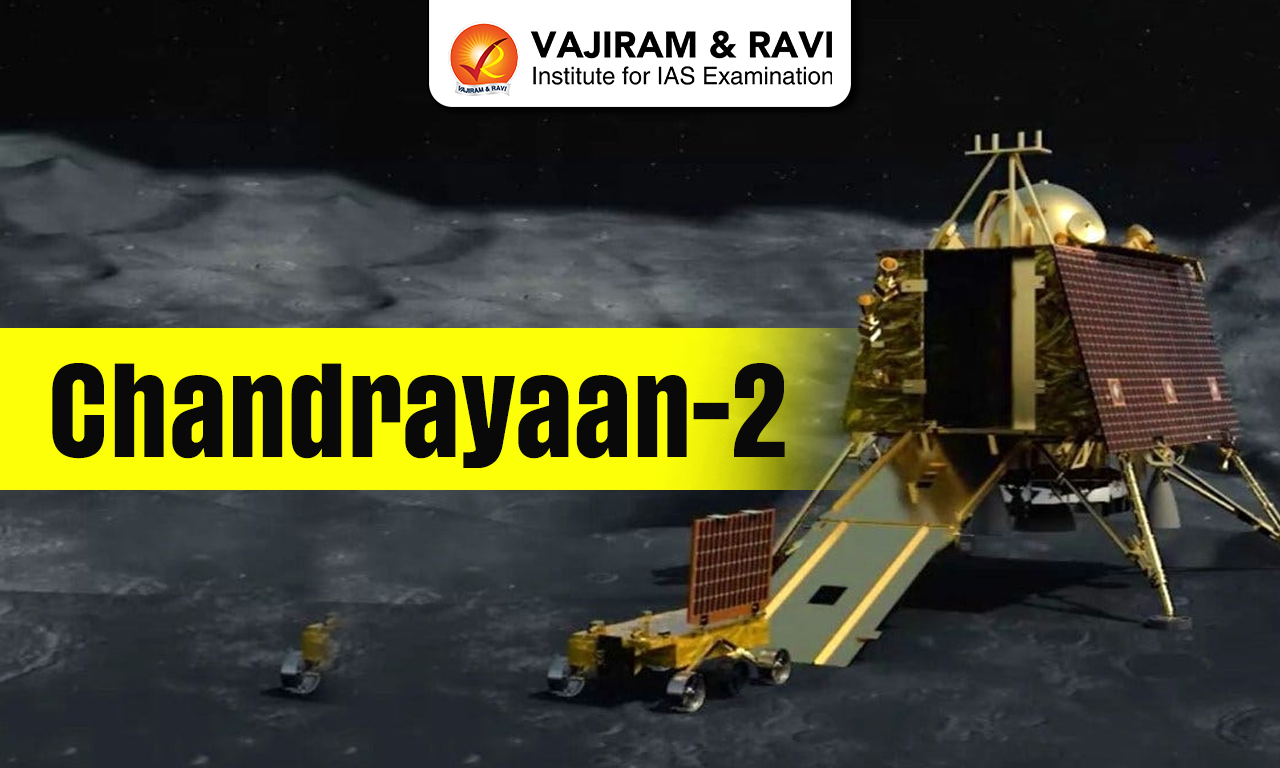
Chandrayaan-2 stands as one of India’s most ambitious and complex space missions, undertaken by the Indian Space Research Organisation (ISRO). The mission was launched in July 2019, it marked India’s second mission to the Moon and its first attempt to achieve a soft landing using entirely indigenous technology.

Chandrayaan-2 Objectives

Chandrayaan-2 aimed to advance India’s lunar exploration by conducting a detailed scientific study of the Moon’s surface, composition, and evolution.

  • High-Resolution Mapping of the Moon: To create detailed topographical maps of the lunar surface for better understanding of its structure and terrain.
  • Study of Lunar Mineralogy and Composition: To identify and analyze minerals and elements such as magnesium, calcium, iron, and titanium using onboard instruments.
  • Detection and Distribution of Water: To investigate the presence of water molecules and map water-ice deposits, especially in permanently shadowed regions of the south pole.
  • Exploration of Lunar South Polar Region: To study a largely unexplored region that may contain ancient, preserved materials and crucial scientific clues.
  • Understanding Lunar Exosphere: To analyze the Moon’s thin atmosphere (exosphere) and its variations.
  • Study of Lunar Surface Processes: To examine thermal properties, plasma environment, and surface interactions.
  • Demonstration of Soft Landing Technology: To successfully land the Vikram Lander on the Moon using indigenous technology.
  • Rover Mobility and In-situ Experiments: To deploy the Pragyan Rover for on-site chemical and elemental analysis.
  • Advancement of Deep Space Technology: To develop and test technologies required for future interplanetary missions.

Mission Architecture Orbiter, Lander, Rover

Chandrayaan-2 was designed with three key components: Orbiter, Lander, and Rover to enable a combination of orbital study and direct surface exploration of the Moon, making it a technologically advanced and integrated mission.

1. Orbiter

The Orbiter is the primary component of Chandrayaan-2, placed in a ~100 km polar orbit around the Moon, designed to carry out long-term remote sensing and scientific observations.

  • It carries eight advanced payloads to study lunar surface composition, mineralogy, water presence, exosphere, and ionosphere.
  • It provides high-resolution imaging and mapping, helping in understanding lunar geology and evolution.
  • It plays a crucial role as a communication relay system between Earth and the surface modules (lander and rover).
  • It has an extended mission life and continues to send valuable scientific data even years after launch.
  • It has significantly improved knowledge about the lunar south polar region, especially water-ice distribution.

2. Vikram Lander

The Vikram Lander was designed to achieve a soft landing on the Moon’s surface, particularly in the challenging south polar region, and to conduct in-situ scientific experiments.

  • It was intended to land near 70° south latitude between Manzinus C and Simpelius N craters.
  • It carried instruments to study surface temperature, plasma density, and thermal properties of the Moon.
  • It was designed to operate for one lunar day (about 14 Earth days).
  • It acted as a platform to deploy the Pragyan Rover for surface exploration.
  • During the final descent phase, it lost communication and crash-landed, preventing surface experiments.
  • The failure provided critical technical insights for improving future landing missions.

3. Pragyan Rover

The Pragyan Rover was a robotic vehicle designed for on-site (in-situ) exploration of the lunar surface near the landing site.

  • It was a 6-wheeled, solar-powered rover designed for mobility on the lunar surface.
  • It was capable of traveling up to 500 meters from the landing point.
  • It carried instruments to analyze the elemental and chemical composition of lunar soil and rocks.
  • It was designed to operate for one lunar day (14 Earth days).
  • It was dependent on the lander for communication with Earth.
  • It could not be deployed due to the failure of the Vikram Lander, but its design contributed to future mission improvements.

Chandrayaan-2 Payloads

Chandrayaan-2 orbiter carried eight sophisticated scientific payloads designed to study the Moon’s surface, subsurface, mineral composition, and exosphere in an integrated manner.

These payloads significantly improved upon the capabilities of Chandrayaan-1 by offering higher spatial resolution, deeper penetration, and better spectral accuracy.

1. Chandrayaan-2 Large Area Soft X-ray Spectrometer (CLASS)

  • CLASS is a non-imaging X-ray spectrometer that studies the Moon’s surface through X-ray Fluorescence (XRF).
  • It detects major rock-forming elements such as Magnesium, Aluminium, Silicon, Calcium, Titanium, Iron, and Sodium.
  • The working principle involves measuring characteristic X-rays emitted by elements when excited by solar X-rays.
  • It helps in understanding:
    • The chemical composition of the lunar crust
    • The processes involved in the Moon’s formation and differentiation
  • Equipped with gold-coated copper collimators for accurate detection.
  • Includes an aluminium protective door to shield detectors from radiation during transit.
  • Contains a radioactive calibration source (Titanium foil) for maintaining measurement accuracy.

2. Solar X-ray Monitor (XSM)

  • XSM measures solar X-ray emissions, which are essential for interpreting lunar XRF data obtained by CLASS.
  • Operates in the energy range of 1–15 keV.
  • Provides:
    • Full solar spectrum every second
    • High time-resolution light curves every 100 milliseconds
  • Capable of observing a wide range of solar activity, from quiet Sun conditions to intense X-class flares.
  • Ensures accurate calibration and correction of surface composition data from CLASS.
  • Currently serves as a unique source of continuous solar X-ray spectral data.

Also Read: Chandrayaan 3

3. CHACE-2 (Chandra’s Atmospheric Compositional Explorer-2)

  • CHACE-2 is a Quadrupole Mass Spectrometer designed for in-situ analysis of the lunar exosphere.
  • Its primary objectives include:
    • Determining the composition of the lunar exosphere
    • Studying spatial and temporal variations in atmospheric constituents
  • Key components:
    • Electron impact ionizer for ionizing neutral particles
    • Bayard-Alpert gauge for pressure measurement
    • Quadrupole rods for mass filtering
    • Detectors including Faraday Cup and Channel Electron Multiplier
  • Helps in understanding:
    • Surface-exosphere interactions
    • Effects of solar radiation and micrometeorite impacts

4. Dual Frequency Synthetic Aperture Radar (DFSAR)

  • DFSAR is a microwave imaging radar operating in both L-band and S-band frequencies.
  • It is the first fully polarimetric SAR instrument used in lunar exploration, enabling detailed analysis of surface properties.
  • Key objectives:
    • Quantitative estimation of water-ice in polar regions
    • Mapping of regolith thickness and subsurface structure
    • Study of surface roughness and dielectric properties
  • Can analyze:
    • Permanently shadowed regions (PSRs)
    • Impact craters, volcanic features, and ejecta deposits
  • Equipped with:
    • High-efficiency transmitter
    • Low-noise receiver
    • Onboard range compression technology

5. Imaging Infrared Spectrometer (IIRS)

  • IIRS is a hyper-spectral imaging instrument used for mineralogical and chemical mapping of the Moon.
  • Operates in the spectral range of 0.8–5.0 micrometers with about 250 contiguous spectral bands.
  • Key objectives:
    • Detection and characterization of water (H₂O) and hydroxyl (OH)
    • Global mapping of lunar minerals and volatiles
  • Special emphasis on the 3 micrometer absorption band, which indicates the presence of water molecules.
  • Enables identification of:
    • Major and minor mineral phases
    • Variations in surface composition across regions
  • Helps in studying:
    • Hydration processes on the Moon
    • Interaction between solar radiation and lunar surface

6. Terrain Mapping Camera-2 (TMC-2)

  • TMC-2 is an advanced imaging system designed for high-resolution topographic mapping.
  • Provides images with 5-meter spatial resolution and a 20 km swath width.
  • Key functions:
    • Creation of three-dimensional maps of the lunar surface
    • Generation of Digital Elevation Models (DEM)
  • Helps in:
    • Understanding surface morphology and geological evolution
    • Identifying features such as craters, valleys, ridges, and tectonic structures
  • Data is useful for:
    • Scientific analysis
    • Selection of future landing sites

7. Orbiter High Resolution Camera (OHRC)

  • OHRC captures ultra-high resolution images (~0.32 meters) of the lunar surface.
  • Primarily used for landing site characterization and hazard detection.
  • Capable of identifying:
    • Small craters
    • Boulders
    • Surface irregularities
  • Provides stereo imaging from different angles to generate high-precision Digital Elevation Models.
  • Uses Time Delay Integration (TDI) sensors to enhance image clarity and sensitivity.
  • Also supports post-landing scientific studies through detailed surface imaging.

8. Dual Frequency Radio Science (DFRS) Experiment

  • DFRS is designed to study the lunar ionosphere and its electron density variations over time.
  • Uses two coherent radio frequencies:
    • X-band (8496 MHz)
    • S-band (2240 MHz)
  • Signals are transmitted from the orbiter and received at ground stations for analysis.
  • Helps in:
    • Understanding temporal changes in the lunar ionosphere
    • Studying interaction of solar radiation with the Moon’s environment
  • Utilizes existing telemetry and communication signals, making it resource-efficient.
  • Provides insights into the electromagnetic and plasma environment around the Moon.

Chandrayaan-2 Significance

Chandrayaan-2 marked a major milestone in India’s space journey by advancing lunar science and demonstrating complex space technologies.

  • Enhanced scientific understanding of the Moon’s surface, composition, and evolution, especially in the unexplored south polar region.
  • Contributed to the search for water-ice and hydroxyl molecules, crucial for future human missions and resource utilization.
  • Provided insights into the early Solar System, as polar craters preserve ancient geological records.
  • Demonstrated India’s capability in deep space missions, orbital operations, and high-precision navigation.
  • Acted as a technology testbed for future missions, including landing, rover mobility, and communication systems.
  • Strengthened the development and reliability of GSLV Mk III for advanced missions.
  • Laid the foundation for future missions such as Chandrayaan-3 and interplanetary exploration programs.
  • Boosted India’s Make in India” initiative by showcasing indigenous space technology and manufacturing capabilities.
  • Enhanced opportunities for commercial satellite launches, contributing to economic growth and foreign exchange earnings.

About GSLV MK III

The GSLV Mk III, now officially known as LVM3 (Launch Vehicle Mark-3), is India’s most powerful and heaviest launch vehicle developed by the Indian Space Research Organisation. It is designed to launch heavy communication satellites and deep space missions, and plays a crucial role in India’s human spaceflight and planetary exploration programs.

  • It is a three-stage rocket consisting of two solid strap-on boosters (S200), a liquid core stage (L110), and a cryogenic upper stage (C25).
  • The cryogenic stage uses liquid hydrogen and liquid oxygen, making it highly efficient and marking India’s achievement in indigenous cryogenic engine technology.
  • It has a payload capacity of about 4 tonnes to Geosynchronous Transfer Orbit (GTO) and 8–10 tonnes to Low Earth Orbit (LEO).
  • The rocket has been used to launch major missions such as Chandrayaan-2 and Chandrayaan-3, along with commercial satellite launches.
  • It is the designated launch vehicle for the Gaganyaan Mission and has been human-rated with enhanced safety and reliability systems.
  • GSLV Mk III strengthens India’s capability in heavy-lift launches, cost-effective space missions, and global space market competitiveness, reducing dependence on foreign launch services.

Chandrayaan-2 FAQs

Q1: What is Chandrayaan-2?

Ans: Chandrayaan-2 is India’s second lunar mission launched by the Indian Space Research Organisation to study the Moon’s surface, composition, and south polar region.

Q2: When was Chandrayaan-2 launched?

Ans: It was launched in July 2019 from Sriharikota using the GSLV Mk III.

Q3: What were the main objectives of Chandrayaan-2?

Ans: The mission aimed to study lunar topography, mineral composition, water presence, and to demonstrate soft landing and rover mobility technologies.

Q4: What are the main components of Chandrayaan-2?

Ans: The mission consisted of three components: Orbiter, Vikram Lander, and Pragyan Rover.

Q5: Was Chandrayaan-2 successful?

Ans: The mission was partially successful; the orbiter is fully operational, but the Vikram Lander crash-landed during the final descent.

HELINA Missile, Development, Key Features, Modes of Attack, Significance

HELINA Missile

HELINA Missile is an advanced anti-tank guided missile developed by Defence Research and Development Organisation. It is designed to be launched from helicopters to destroy enemy tanks and armored vehicles with high accuracy. The missile uses modern guidance technology to track and hit targets effectively, making it a powerful weapon for strengthening India’s defence capabilities.

About HELINA

  • HELINA (Helicopter-based NAG) is an advanced anti-tank guided missile developed in India.
  • It is specially designed to be launched from helicopters to destroy enemy tanks, armored vehicles, and other high-value targets on the battlefield.
  • It belongs to the third-generation “fire-and-forget” category, which means once the missile is launched, it automatically tracks and hits the target without needing further guidance from the operator.
  • The missile has been developed by the Defence Research and Development Organisation under its missile development programme.

Development and Testing

  • HELINA has been developed indigenously by DRDO, mainly by its Hyderabad-based laboratory.
  • Its development is part of India’s effort to become self-reliant in defence technology.
  • The missile has undergone multiple successful user trials since 2018, proving its reliability and accuracy.
  • In April 2022, it was successfully flight-tested from an Advanced Light Helicopter (ALH), where it accurately hit a simulated tank target.
  • These tests were carried out jointly by DRDO, the Indian Army, and the Indian Air Force.
  • Successful high-altitude trials showed that the missile can perform effectively even in difficult terrains like mountainous regions.
  • These achievements have paved the way for its induction into the armed forces.

Key Features of HELINA

  • Range: Minimum range of about 500 meters and maximum range of up to 7 kilometers, making it suitable for short to medium-range combat.
  • All-weather capability: It can operate effectively in all weather conditions, including rain, fog, and dust.
  • Day and night operation: The missile can be used both during the day and at night, increasing its flexibility in combat situations.
  • Advanced guidance system:
    • It uses an Imaging Infra-Red (IIR) seeker, which helps in accurately identifying and tracking targets based on heat signatures.
    • It works on Lock-on Before Launch (LOBL) technology, meaning it locks onto the target before firing.
  • High destructive power: It can destroy tanks with conventional armour as well as Explosive Reactive Armour (ERA), which is designed to resist attacks.
  • Fire-and-forget system: After launching, the missile does not require continuous guidance, allowing the operator to move or take cover immediately.

Modes of Attack

  • Direct Hit Mode:
    • The missile travels in a straight path at a lower altitude and directly strikes the target.
    • This mode is useful when the target is clearly visible and not heavily protected from above.
  • Top Attack Mode:
    • The missile first climbs to a certain height and then dives down to hit the target from the top.
    • This is very effective because the upper part of tanks is usually less protected compared to the front or sides.

Integration and Variants

  • HELINA is designed to be integrated with the Advanced Light Helicopter (ALH) used by the Indian armed forces.
  • It is being inducted into the Indian Army to strengthen its anti-tank capabilities.
  • A variant of HELINA called Dhruvastra is developed for the Indian Air Force.
  • Dhruvastra can also perform air-to-ground attack roles, not just anti-tank missions, making it more versatile.

Other Anti-Tank Missiles Developed by DRDO

  • Nag Missile:
    • A third-generation fire-and-forget missile used by ground forces to destroy heavily protected enemy tanks.
  • MPATGM (Man-Portable Anti-Tank Guided Missile):
    • A lightweight missile with a range of around 2.5 km, designed for infantry soldiers to carry and use easily.
  • SANT (Smart Anti-Tank Missile):
    • A long-range missile being developed for helicopters like Mi-35 for stand-off attacks, allowing strikes from a safe distance.
  • ATGM for MBT Arjun:
    • A laser-guided missile launched from the Arjun tank, capable of destroying advanced armored targets with high precision.

HELINA Missile Significance

  • Enhances Anti-Tank Capability: HELINA strengthens the ability of armed forces to accurately destroy enemy tanks and armored vehicles.
  • High Precision & Advanced Technology: Its fire-and-forget system and modern guidance ensure accurate targeting with minimal human intervention.
  • Effective Against Modern Armour: The top attack mode allows it to hit the weaker upper part of heavily protected tanks.
  • All-Weather, Day-Night Operations: It can function effectively in any weather and at any time, increasing battlefield reliability.
  • Boosts Self-Reliance in Defence: Developed by Defence Research and Development Organisation, it supports indigenous defence production in India.

HELINA Missile FAQs

Q1: What is HELINA Missile?

Ans: HELINA is a helicopter-launched anti-tank guided missile developed in India by the Defence Research and Development Organisation to destroy enemy tanks and armored vehicles with high accuracy.

Q2: What does “fire-and-forget” mean in HELINA?

Ans: It means once the missile is launched, it automatically tracks and hits the target without further control from the operator.

Q3: What is the range of HELINA missile?

Ans: HELINA has a range of about 500 meters to 7 kilometers, making it effective for short to medium-range combat.

Q4: What are the key features of HELINA?

Ans: It has all-weather capability, works day and night, uses an advanced IIR seeker for guidance, and can destroy both normal and explosive reactive armour.

Q5: What is Dhruvastra?

Ans: Dhruvastra is the air force version of HELINA, used by the Indian Air Force for anti-tank and air-to-ground operations.

Integral Humanism, Meaning, Philosophy, Deen Dayal Upadhyaya

Integral Humanism

Integral Humanism is also known as ‘Ekatm Manavvad’. It is a socio-political philosophy proposed by Pandit Deen Dayal Upadhyay in the mid 1960s to guide India’s development through indigenous ideas. It emphasizes balanced growth of body, mind, intellect and soul while ensuring harmony between individual and society. The philosophy integrates material progress with ethical and spiritual values, aiming to create an equitable, culturally rooted and self reliant social order.

Integral Humanism Background

Integral Humanism emerged as an indigenous ideological response to post independence challenges, rooted in Indian philosophical traditions and cultural identity.

  • Origin: Upadhyay presented Integral Humanism in a series of lectures in Bombay in April 1965, outlining a uniquely Indian development model rejecting blind imitation of Western systems.
  • Influence of Daishik Shastra: The philosophy draws from Daishik Shastra by Badrishah Thulgharia (1923), which emphasized cultural unity and national identity, praised by leaders like Mahatma Gandhi and Bal Gangadhar Tilak.
  • Reaction to Western Ideologies: Upadhyay rejected capitalism for excessive individualism and socialism for suppressing individual freedom, arguing both ignored India’s socio-cultural realities and spiritual dimensions.
  • Gandhian Inspiration: It incorporates ideas similar to Gandhian Sarvodaya, Swadeshi and Gram Swaraj, focusing on welfare of all, self reliance and decentralized governance with a cultural foundation.
  • Philosophical Roots in Advaita: Inspired by Advaita Vedanta of Adi Shankaracharya, the philosophy views existence as interconnected, emphasizing unity of individual, society, nature and the divine.

Integral Humanism Philosophy

Integral Humanism is based on a holistic vision of life, combining ethical governance, cultural identity and balanced development guided by core philosophical principles.

  • Primacy of Whole: This principle states that society and life should be seen as an integrated whole rather than fragmented parts, ensuring harmony between individual, society, nature and universal order.
  • Supremacy of Dharma: Dharma acts as the guiding moral principle governing social, economic and political actions, ensuring justice, ethical conduct and balance between material and spiritual pursuits.
  • Autonomy of Society: Society is viewed as a natural organism with its own identity and values, not merely a contract among individuals and should function independently with cultural and moral coherence.
  • Purusharthas Framework: The philosophy is based on four goals of life- Dharma, Artha, Kama and Moksha, ensuring that economic and personal desires are guided by moral duties and spiritual growth.
  • Integrated Human Personality: It recognizes human beings as composed of body, mind, intellect and soul, requiring policies that address not just economic needs but also emotional, intellectual and spiritual well being.

Integral Humanism Features

Integral Humanism presents a comprehensive framework for governance and development, focusing on social harmony, cultural values and inclusive economic growth.

  • Cultural Nationalism: It promotes Bharatiyata by integrating traditional knowledge, customs and values with modern development, ensuring policies align with India’s cultural ethos and civilizational identity.
  • Antyodaya Concept: The philosophy emphasizes upliftment of the last person in society, ensuring that development benefits reach the poorest and most marginalized sections first.
  • Decentralized Economy: It advocates a village based, self reliant economic model where local communities manage resources, promoting balanced regional development and reducing dependency on centralized systems.
  • Ethical Governance: The concept of Dharma Rajya focuses on transparent, accountable governance based on moral values rather than mere legal authority or religious dominance.
  • Swadeshi Approach: It encourages economic self reliance by prioritizing domestic production, indigenous resources and local skills while selectively adopting modern technology suited to Indian needs.

Integral Humanism Significance

Integral Humanism remains highly relevant as it offers a balanced framework addressing modern socio-economic challenges through ethical, cultural and sustainable approaches.

  • Holistic Development Model: It provides a comprehensive development framework combining economic growth with social justice and spiritual well being, avoiding extremes of materialism or state control.
  • Social Harmony and Equality: By opposing caste discrimination and promoting unity, it supports creation of an inclusive society based on equality, justice and mutual respect.
  • Environmental Sustainability: The philosophy emphasizes harmony between humans and nature, aligning with sustainable development and ecological balance through responsible resource use.
  • Good Governance Framework: Its stress on ethical conduct, accountability and moral principles helps strengthen transparent governance and reduce corruption in public systems.
  • Global Relevance: Integral Humanism offers an alternative global model balancing national interest with universal welfare, promoting cooperation, peace and the idea of Vasudhaiva Kutumbakam.

Pandit Deen Dayal Upadhyaya

Pandit Deen Dayal Upadhyaya (1916-1968) was an Indian philosopher, economist, sociologist, historian and political leader who articulated Integral Humanism as an alternative to Western ideologies. He was born in Mathura district of Uttar Pradesh. He became the President of Bharatiya Jana Sangh in 1967 and edited publications like Panchajanya and Swadesh. His works include Samrat Chandragupt, Jagatguru Shankaracharya and Political Diary, reflecting his deep engagement with Indian civilizational thought.

Integral Humanism FAQs

Q1: What is Integral Humanism?

Ans: Integral Humanism is a philosophy given by Pandit Deen Dayal Upadhyay that promotes balanced development of individual and society by integrating material, moral and spiritual aspects of life.

Q2: When was Integral Humanism introduced?

Ans: Integral Humanism was formally presented in 1965 through a series of lectures delivered by Pandit Deen Dayal Upadhyay in Bombay.

Q3: What are the main principles of Integral Humanism?

Ans: The main principles include primacy of the whole, supremacy of Dharma and autonomy of society, ensuring harmony between individual, society and nature.

Q4: What is the concept of Purusharthas in Integral Humanism?

Ans: Purusharthas refer to four goals of life- Dharma, Artha, Kama and Moksha, which guide human actions and ensure balanced and ethical development.

Q5: Why is Integral Humanism important today?

Ans: It remains relevant as it promotes inclusive growth, ethical governance, social harmony and sustainable development based on indigenous values.

Shekha Jheel Bird Sanctuary as India’s 99th Ramsar Site

Shekha Jheel Bird Sanctuary as India’s 99th Ramsar site

India has achieved another significant milestone in wetland conservation with the inclusion of Shekha Jheel Bird Sanctuary (Uttar Pradesh) as its 99th Ramsar Site in April 2026. This recognition highlights India’s growing commitment to preserving ecologically important wetlands and strengthening biodiversity conservation under the Ramsar Convention on Wetlands.

About Shekha Jheel Bird Sanctuary

Shekha Jheel Bird Sanctuary is a freshwater wetland in Aligarh district of Uttar Pradesh, recently recognized as India’s 99th Ramsar Site in 2026.

  • Location: Situated around 15-17 km from Aligarh city in Uttar Pradesh
  • Wetland Type: Freshwater perennial jheel connected to the Upper Ganga Canal system
  • Ramsar Status: Declared as India’s 99th Ramsar Site in April 2026
  • Biodiversity: Supports over 200+ bird species, including many migratory birds
  • Flyway Importance: Lies on the Central Asian Flyway, a major migratory route
  • Key Bird Species: Bar-headed goose, painted stork, northern pintail, and other waterfowl
  • Other Fauna: Nilgai, blackbuck, reptiles, and small mammals found in surrounding areas
  • Ecological Role: Helps in groundwater recharge, flood control, and maintaining ecological balance

Ramsar Sites Added in 2025

The year 2025 marked a major boost to India’s wetland conservation efforts with the addition of 11 new Ramsar Sites across multiple states. These wetlands are ecologically significant as they support biodiversity, migratory birds, and sustainable livelihoods.

Ramsar Sites Added in 2025

S.No

Ramsar Site

State/UT

Year

Significance

1

Sakkarakottai Bird Sanctuary

Tamil Nadu

2025

Important habitat for migratory waterbirds; supports breeding and nesting of several avian species

2

Therthangal Bird Sanctuary

Tamil Nadu

2025

Key stopover on Central Asian Flyway; rich in aquatic bird diversity

3

Khecheopalri Wetland

Sikkim

2025

Sacred wetland with high cultural value; supports rare flora and fauna

4

Udhwa Lake

Jharkhand

2025

Only bird sanctuary in the state; crucial wintering ground for migratory birds

5

Khichan (Phalodi)

Rajasthan

2025

Famous for Demoiselle cranes; strong example of community-led conservation

6

Menar (Udaipur)

Rajasthan

2025

Known as “Bird Village”; supports large populations of migratory birds like flamingos

7

Gokul Jalashay

Bihar

2025

Provides habitat for diverse aquatic species and supports local irrigation

8

Udaipur Jheel

Bihar

2025

Rich wetland biodiversity; important for fishery and bird conservation

9

Gogabeel Lake

Bihar

2025

One of Bihar’s largest oxbow lakes; hotspot for migratory birds

10

Siliserh Lake

Rajasthan

2025

Supports birdlife and acts as a freshwater reservoir aiding water conservation

11

Kopra Jalashay

Chhattisgarh

2025

Important inland wetland supporting aquatic biodiversity and local livelihoods

Ramsar Sites Added in 2026

In 2026, India further strengthened its wetland conservation network by adding 3 new Ramsar Sites, taking the total to 99. These sites represent diverse ecosystems ranging from freshwater bird habitats to unique desert wetlands.

Ramsar Sites Added in 2026

S.No

Ramsar Site

State/UT

Year

Significance

1

Patna Bird Sanctuary

Uttar Pradesh

2026

Important Bird and Biodiversity Area (IBA); supports migratory birds and wetland ecosystem services

2

Chhari-Dhand Wetland Conservation Reserve

Kutch, Gujarat

2026

Unique desert wetland ecosystem; crucial habitat for migratory birds, including flamingos and cranes

3

Shekha Jheel Bird Sanctuary

Uttar Pradesh

2026

Freshwater wetland on Central Asian Flyway; supports rich avifauna, groundwater recharge, and eco-tourism

Shekha Jheel Bird Sanctuary FAQs

Q1: Where is Shekha Jheel Bird Sanctuary located?

Ans: Shekha Jheel Bird Sanctuary is located in the Aligarh district of Uttar Pradesh.

Q2: Why is Shekha Jheel Bird Sanctuary important?

Ans: It is an important wetland ecosystem that supports a large number of migratory and resident bird species and contributes to biodiversity conservation.

Q3: When was Shekha Jheel declared a Ramsar Site?

Ans: It was designated as India’s 99th Ramsar Site in April 2026.

Q4: How many bird species are found in Shekha Jheel?

Ans: The sanctuary supports 200+ bird species, including several migratory waterbirds.

Q5: Which migratory route is associated with Shekha Jheel?

Ans: It lies along the Central Asian Flyway, a major migratory path for birds traveling between Central Asia and the Indian subcontinent.

Limnonectes motijheel

Limnonectes motijheel

Limnonectes motijheel Latest News

Indian scientists recently discovered a rare, fanged mud-nesting frog, Limnonectes Motijheel, in Namdapha Tiger Reserve, Arunachal Pradesh.

About Limnonectes motijheel

  • It is a new species of frog.
  • It was discovered from Namdapha Tiger Reserve in Arunachal Pradesh.
  • It is named after Motijheel Lake, known for its rich amphibian diversity.
  • It belongs to a group commonly called Fanged Frogs, named for small, fang-like projections in the lower jaw of the males. Scientists say this feature may aid feeding or territorial behaviour. 
    • These frogs are found across South and Southeast Asia and are known for their unusual breeding habits.
  • The new species has been placed within the genus Limnonectes, which now counts six known species in India.
  • Unlike most frogs that lay eggs in water or on leaves, this species builds a nest out of mud beneath leaf litter on the forest floor. This is a behaviour not previously recorded in this group from India.
  • The frog also has a distinct appearance. The amphibian has a dark-brown line running between its eyes, an inverted "V"-shaped ridge along its back, and broken folds running down either side of its body.
  • Size
    • Frogs of the Limnonectes group are typically medium-sized amphibians.
    • They generally range between 2.3 to 3.5 centimetres as an adult. 

Key Facts about Namdapha Tiger Reserve

  • Namdapha, a national park and tiger reserve, lies on the international border between India and Myanmar within Changlang District in the state of Arunachal Pradesh.
  • It is located at the junction of the Indian Sub-Continent Bio-geographic region and the Indo-China Bio-geographic Region.
  • It is nestled between the Dapha Bum ridge of the Mishmi Hills of the northeastern Himalayas and the Patkai ranges.
  • It has a common boundary with Kamlang Wildlife Sanctuary (Arunachal Pradesh).
  • River: The Namdapha River (a tributary of the Noa-Dihing River) flows right across in a north-south direction of this reserve, and hence the name Namdapha has been given.
  • Vegetation: It consists of Northern Tropical Evergreen Forest, North Indian Tropical Moist Deciduous Forests, East Himalayan Moist Temperate Forests, and Moist Alpine Scrub Forests.
  • Flora:
    • It consists of species like Pinus merkusi and Abies delavavi being exclusive to the park.
    • It is home to the Blue Vanda, which is a rare and endangered orchard.
    • It also consists of medicinal plants like Mishimi Teeta (Copti teeta), which is used by the local tribes to treat different types of diseases.
  • Fauna
    • Elephants, Himalayan Black Bear, Himalayan Sun Bear, Hoolock Gibbon (only ape in India), Slow Loris, etc.
    • It is the only park in the world to have the four feline species of big cats, namely the Tiger (Panthera Tigris), Leopard (Panthera Pardus), Snow Leopard (Panthera Uncia), and Clouded Leopard (Neofelis Nebulosa) and numbers of lesser cats.

Source: MC

Limnonectes motijheel FAQs

Q1: What is Limnonectes motijheel?

Ans: It is a newly discovered species of frog.

Q2: Where was Limnonectes motijheel discovered?

Ans: In Namdapha Tiger Reserve, Arunachal Pradesh.

Q3: To which group does Limnonectes motijheel belong?

Ans: It belongs to the group known as Fanged Frogs.

Q4: What is unique about the breeding behavior of Limnonectes motijheel?

Ans: It builds a mud nest beneath leaf litter on the forest floor.

INS Nireekshak

INS Nireekshak

INS Nireekshak Latest News

INS Nireekshak recently arrived in Colombo to participate in the fourth edition of the India–Sri Lanka Diving Exercise (DIVEX 2026).

About INS Nireekshak

  • It is a Dive Support and Submarine Rescue Vessel of the Indian Navy. 
  • Built by Mazgaon Shipbuilders in 1985, the ship has been in service with the Navy since 1989 and was commissioned in the year 1995.
  • Equipped with advanced deep-sea diving systems, recompression chambers, and submarine rescue infrastructure, the vessel can deploy Deep Submergence Rescue Vehicles and support saturation diving missions. 
  • Its sophisticated systems allow it to maintain stability during sensitive underwater operations, making it indispensable for search-and-rescue missions, underwater inspections, and diver training.

Key Facts about DIVEX 2026

  • It is the fourth edition of the India–Sri Lanka Diving Exercise.
  • The week-long exercise will bring together diving teams from the Indian Navy and the Sri Lankan Navy to undertake a series of specialised underwater operations and training drills. 
  • The initiative is aimed at enhancing interoperability, strengthening coordination, and facilitating the exchange of best practices between the two maritime forces.
  • As part of India's humanitarian outreach, the INS Nireekshak will also hand over two BHISM (Bharat Health Initiative for Sahyog Hita & Maitri) cubes to Sri Lankan authorities under the government's Aarogya Maitri initiative. 
  • These portable medical units are equipped to handle up to 200 emergency cases and come with essential medicines and basic surgical capabilities, as per the release.

Source: TH

INS Nireekshak FAQs

Q1: What is INS Nireekshak?

Ans: It is a Dive Support and Submarine Rescue Vessel of the Indian Navy.

Q2: Which shipyard built INS Nireekshak?

Ans: Mazagon Dock Shipbuilders Limited.

Q3: When was INS Nireekshak commissioned?

Ans: In 1995.

Q4: What are the key roles of INS Nireekshak?

Ans: Search-and-rescue missions, underwater inspections, and diver training.

Santiaguito Volcano

Santiaguito Volcano

Santiaguito Volcano Latest News

A group of hikers were forced to flee as Guatemala’s Santiaguito Volcano erupted recently, throwing rocks into the air around them.

About Santiaguito Volcano

  • It is an active volcano located in western Guatemala near the city of Quetzaltenango.
  • It was created in the wake of the Santa María Volcano’s 1902 eruption. 
    • This eruption destroyed Santa María’s former summit and left some 5,000 people dead. It was one of the largest eruptions of the 20th century.
    • Since then, new lava domes have grown inside the trench left by this eruption. 
    • Santiaguito is the youngest of these domes, having been created around 1922. 
  • The massive Santiaguito dome complex has been growing ever since and is accompanied by continuous explosions, most of them minor. 
  • The Santiaguito lava-dome complex is one of the most active volcanic areas in Guatemala and worldwide. 
  • It belches smoke and ash on a regular basis but sometimes emits lava and pyroclastic flows.
  • It reaches about 2,500 meters (8,202 feet).
  • It currently has four craters, one of which is active. This gives it a completely different appearance than most volcanoes; it resembles a large rock with multiple peaks.
  • The last major explosion occurred on April 25, 2010, when 10 people were killed by falling rocks after an eruption. 
  • The deadliest explosion occurred in 1929, when more than 2500 people were killed.

Source: ALJ

Santiaguito Volcano FAQs

Q1: Where is Santiaguito Volcano located?

Ans: In western Guatemala near the city of Quetzaltenango.

Q2: How was Santiaguito Volcano formed?

Ans: It was formed after the 1902 eruption of Santa María Volcano.

Q3: What type of volcanic structure is Santiaguito?

Ans: A lava dome complex.

Q4: What type of volcanic activity is commonly observed at Santiaguito?

Ans: Continuous minor explosions with smoke and ash emissions.

Technology Development and Investment Promotion Scheme

Technology Development and Investment Promotion Scheme

Technology Development and Investment Promotion Scheme Latest News

Recently, the union Communications Minister has released revised guidelines for the Technology Development and Investment Promotion (TDIP) Scheme to strengthen the country's global telecom presence.

About Technology Development and Investment Promotion Scheme

  • It is aimed at strengthening India’s participation in global telecom standardization and accelerating the development of indigenous telecom technologies.
  • Financial Outlay and Duration: ₹203 crore for the period 2026–31
  • It has been designed as a comprehensive support framework to enable Indian entities to actively contribute to global standards, promote innovation, and enhance India’s competitiveness in next-generation telecommunications technologies.
  • It seeks to enhance India’s representation and influence in leading international telecom standardization bodies such as the International Telecommunication Union (ITU), 3GPP and oneM2M.
  • Scope: It expands the scope of the scheme to include startups, MSMEs, academia, research institutions, telecom service providers and industry players.
  • Implementation: It will be implemented through Telecommunications Standards Development Society, India (TSDSI), Telecom Centres of Excellence, India (TCoE) and Telecommunications Consultants India Limited (TCIL).

Source: PIB

Technology Development and Investment Promotion Scheme FAQs

Q1: Which ministry recently released revised guidelines for the TDIP Scheme in April 2026?

Ans: Ministry of Communications

Q2: What is the financial outlay of the revised TDIP Scheme?

Ans: Rs 203 crore for 2026-31

Daily Editorial Analysis 23 April 2026

Daily-Editorial-Analysis

India’s Post-LWE Future, From Red Sun to New Dawn

Context

  • The trajectory of Left-Wing Extremism (LWE) in India marks a transition from entrenched conflict to emerging stability.
  • Districts such as West Midnapore and Simdega once reflected deprivation, insecurity, and limited state presence.
  • Today, figures like Salima Tete and Mamta Hansda symbolise a shift toward opportunity and national integration.
  • Their journeys from remote, conflict-affected regions to representing India underscore the transformative power of sustained intervention.
  • Yet, the deeper challenge lies in ensuring that peace evolves into durable and inclusive development.

The Arc of Conflict and Security Gains

  • In 2009, PM Manmohan Singh identified LWE as India’s most serious internal security threat, a concern reinforced by the 2010 Dantewada attack.
  • Prolonged violence eroded state legitimacy, disrupted governance, and created an environment of fear, instability, and institutional breakdown.
  • By 2026, Home Minister Amit Shah declared the country free of Maoist insurgency, marking a significant security victory.
  • This achievement reflects political commitment, inter-state coordination, and strategic operations.
  • However, security gains alone cannot ensure long-term peace; they merely open the path for governance to establish trust, credibility, and stability.

Beyond Security: The Imperative of Governance Credibility

  • The transition from conflict to peace depends on building governance credibility in historically neglected regions.
  • These areas have long suffered from a resource curse, where natural wealth coexists with poverty.
  • Initiatives such as Jungle Mahal, Saranda, and Bastar demonstrate a shift toward area-based planning and sustained reconstruction.
  • A community-centred approach is essential, focusing on forest economies, agroforestry, local enterprises, and eco-tourism.
  • Strengthening local value chains and ensuring fair procurement can generate livelihood security.
  • The emphasis must be on inclusive growth, local ownership, and equitable distribution of resources.
  • Development, in this context, is not merely economic expansion but the restoration of dignity and agency.

The Human Dimension: Reclaiming Citizenship

  • At the heart of the LWE landscape lies the experience of the Adivasi citizen, often positioned between state forces and insurgents.
  • This condition reflects a deeper crisis of citizenship, where constitutional rights remain inadequately realised.
  • The everyday reality includes displacement, exclusion, and limited access to basic services.
  • Reclaiming citizenship requires recognising individuals as rights-bearing stakeholders rather than passive recipients.
  • The focus must shift toward human dignity, social justice, and empathetic governance. Peace is not simply the absence of violence but the presence of trust, recognition, and participation.

A Framework for Post-LWE Transformation

  • Sustainable transformation requires rebuilding relationships between the state and citizens, an idea aligned with the work of John Paul Lederach.
  • Conflict reflects deeper fractures that demand institutional repair, trust-building, and fairness.
  • The proposed AIEEEE framework, accountability, innovation, evidence, equity, empathy, and efficiency, offers a structured approach.
  • Effective implementation depends on policy convergence, institutional coordination, and last-mile delivery.
  • Strengthening justice systems, ensuring humane policing, improving grievance redressal, and addressing undertrial burdens are essential for building public confidence.

Youth, Aspiration, and the Role of Opportunity

  • Youth represent a critical driver of transformation. Sports have demonstrated their role in fostering discipline, confidence, and identity, but broader opportunities are necessary.
  • Expanding education access, skill development, and employment pathways aligned with local economies can sustain progress.
  • Encouraging women-led enterprises, enhancing residential schooling, and supporting entrepreneurship can create long-term social mobility.
  • Channelling aspiration into productive avenues reduces vulnerability to conflict and strengthens community resilience.

Conclusion

  • The shift from counter-insurgency to inclusive governance requires a commitment to cooperative federalism and sustained engagement.
  • The ultimate measure of success lies not in the absence of violence but in the presence of justice, opportunity, and institutional trust. Building structural confidence in governance is both an administrative and psychological task.
  • A humane and consistent state presence can transform these regions into spaces of belonging, participation, and shared progress.

India’s Post-LWE Future, From Red Sun to New Dawn FAQs

 Q1. What marked the turning point in India’s fight against LWE?
Ans. The declaration by Amit Shah in 2026 that India is free of Maoist insurgency marked a major turning point.

Q2. Why are security gains alone insufficient in LWE regions?
Ans. Security gains are insufficient because lasting peace requires governance that builds trust, delivers services, and ensures development.

Q3. What is meant by governance credibility in post-LWE regions?
Ans. Governance credibility means consistent state presence, reliable service delivery, and policies that ensure dignity and inclusion for citizens.

Q4. How does the AIEEEE framework support transformation?
Ans. The AIEEEE framework supports transformation by promoting accountability, equity, empathy, and efficient delivery of policies.

Q5. Why is youth development important in post-LWE areas?
Ans. Youth development is important because education, skills, and opportunities help prevent conflict and promote long-term stability.

Source: The Hindu


Beyond Trade Deals to Building a New Architecture

Context

  • In early 2026, India concluded major agreements with the European Union and the United States.
  • The India–EU Free Trade Agreement, described as the mother of all deals, and the U.S. pact, seen as a strategic reset, reflect India’s rising global economic stature.
  • Yet these successes also reveal a deeper shift: the global trading system is fragmenting, with politics, not efficiency, increasingly determining outcomes.

The Erosion of Rules-Based Globalisation

  • For decades, global trade functioned on comparative advantage, efficiency, and open markets, supported by international institutions that ensured fairness.
  • Countries specialised and traded freely, enabling India’s pharmaceutical industry and South Korea’s technological rise.
  • Today, this framework is weakening. Access to critical goods such as semiconductors, rare earth minerals, and medical supplies is shaped by geopolitics rather than market logic.
  • The decline of rules-based trade has reduced trust and increased uncertainty.

Weaponisation of Economic Interdependence

  • Major powers now use trade as a strategic tool. China has restricted exports during disputes, exposing India’s reliance on Active Pharmaceutical Ingredients (APIs).
  • This dependence extends to electronics, solar panels, and supply chains, making economic ties vulnerable.
  • Similarly, the United States has imposed tariffs to influence policy decisions, demonstrating that even partnerships are conditional.
  • Such actions show how economic interdependence has become a mechanism of leverage, not stability. Countries can no longer rely on predictable trade relationships.

Shrinking Strategic Space for India

  • India’s traditional strategy of strategic autonomy, balancing relations among major powers, has weakened.
  • Russia’s role as a counterweight has declined due to sanctions, reduced technological access, and growing dependence on China.
  • This has narrowed India’s policy space. Reliance on either the U.S. or China for critical supply chains carries significant risks.
  • While recent agreements provide short-term gains, they do not address long-term vulnerabilities in an increasingly fragmented system.

The Case for Sectoral Plurilateralism

  • A shift toward sectoral plurilateralism offers a viable alternative.
  • This approach involves forming focused partnerships among select countries in specific sectors rather than relying on large, broad alliances.
  • Such arrangements enable countries to develop shared standards, build capabilities, and create mutual interdependence on balanced terms.
  • Historical precedent supports this model. The 1951 European Coal and Steel Community linked industries among six nations, reducing conflict and building trust through practical cooperation.
  • This eventually evolved into the European Union. The lesson is clear: functional cooperation can precede deeper integration.

Leveraging India’s Strengths

  • India possesses significant assets that can underpin such partnerships. Its digital public infrastructure, including UPI, Aadhaar, and DigiLocker, demonstrates scalable innovation.
  • Collaborative efforts to build open-source systems could provide alternatives to China’s surveillance model and U.S. big tech dominance.
  • In artificial intelligence (AI), opportunities for collaboration are substantial. The United States leads in foundation models, while China builds parallel systems.
  • However, countries like France, Japan, and the UAE offer strengths in research, manufacturing, and investment capital.
  • Combined with India’s engineering talent and large market, these partnerships could create competitive and inclusive AI ecosystems for emerging economies.
  • Establishing early technical standards would ensure long-term influence.

From Tactical Wins to Strategic Vision

  • Bilateral agreements are tactical wins, but they remain vulnerable to political shifts. A broader strategy requires building durable systems of cooperation.
  • Sector-specific partnerships in areas such as space, digital infrastructure, and AI can provide this foundation.
  • These collaborations must have the authority to set binding standards and regulate participation, ensuring stability and credibility.
  • Such partnerships transform national capabilities into sustained influence rather than temporary bargaining tools.
  • They also reduce dependence on dominant powers while enhancing resilience.

Conclusion

  • The global trade environment is undergoing a structural transformation marked by fragmentation, uncertainty, and rising geopolitical competition.
  • India’s recent trade agreements highlight both opportunity and vulnerability. To navigate this landscape, India must move beyond reactive diplomacy.
  • By embracing sectoral plurilateralism, India can strengthen its position, mitigate risks, and shape emerging global systems.
  • Building partnerships with middle powers enables it to participate in defining rules rather than merely adapting to them.
  • This shift, from managing relationships to creating frameworks, will determine India’s role in the evolving world order.

Beyond Trade Deals to Building a New Architecture FAQs

Q1. Why are recent trade agreements not enough for India?
Ans. They are short-term gains and remain vulnerable to political changes.

Q2. What is weakening in the global trade system?
Ans. The rules-based system is weakening due to rising geopolitical influence.

Q3. Why is economic interdependence risky today?
Ans. It allows powerful countries to use trade as leverage for political goals.

Q4. What is sectoral plurilateralism?
Ans. It is a strategy of forming small, focused partnerships in specific sectors.

Q5. How can India strengthen its global position?
Ans. India can build strategic partnerships and set shared standards in key sectors.

Source: The Hindu


Indian Railway Track Modernisation - Building a Safer, Faster Network

Context

  • Indian Railways is one of the largest rail networks in the world, operating over 25,000 trains daily, serving 20 million passengers and transporting critical commodities — coal, iron ore, steel, cement, and grains — across 1,37,000 km of tracks.
    The track is the very foundation of this system. Therefore, its integrity directly determines passenger safety, freight efficiency, and network reliability.
  • Recognising this, Indian Railways launched a comprehensive track modernisation programme over a decade ago, and the results today are measurable and significant.

Key Modernisation Initiatives

  • Track renewal and structural upgrades

    • Since 2014, approximately 55,000 km of tracks have been renewed, improving safety, ride quality and reducing maintenance frequency.
    • Around 44,000 track km of long rail panels (260 m each) have been laid — fewer joints mean smoother, safer movement.
    • Over 80,000 track km of stronger 60-kg rails now support heavier axle loads and higher speeds.
  • Advanced inspection and flaw detection

    • Ultrasonic Flaw Detection (USFD) testing has been conducted over 36.2 lakh track km and 2.25 crore welds, identifying hidden internal cracks invisible to the naked eye.
    • This has resulted in a 90% reduction in rail and weld failures — a paradigm shift from reactive maintenance to preventive safety management.
    • Complementary technologies now deployed include -
      • Phased-array testing for flash-butt welds.
      • Magnetic-particle inspection for new welds.
      • GPS-enabled Oscillation Monitoring Systems (OMS) for real-time ride quality measurement and precise location tracking of track defects.
    • Mechanised maintenance:
      • The track machine fleet has nearly doubled — from 748 machines in 2014 to 1,785 in 2026 — enabling faster tamping, ballast cleaning and rail grinding.
      • Deep screening of ballast (the crushed stone bed providing drainage, vibration absorption, and track stability) has been completed across over 1 lakh track km. Rail grinding for surface defect removal has similarly covered over 1 lakh km.
      • Mechanisation is critical given that maintenance windows between trains are shrinking as traffic volumes grow.
    • Supporting safety infrastructure:
      • 17,500 km of safety fencing installed, especially on sections where speeds exceed 110 kmph, to prevent trespassing by humans and cattle.
      • 36,000 thick-web switches and 7,500 weldable CMS crossings at points and crossings for durability and smoother passage.
      • Wider, heavier sleepers for thermal stability, especially during summer.
      • H-beam sleepers on girder bridges and long welded rails through yards.
    • Digital integration: A web-enabled Track Management System (TMS) consolidates data from USFD testing, ride quality readings and track geometry measurements onto a single platform, enabling data-driven prioritisation and timely interventions.

Outcomes and Impact

  • Increase in speed potential: Networks capable of higher speeds, for example, track fit for over 130 kmph rose from 6% to 23% (between 2014-15 and 2025-26), and track fit for over 110 kmph rose from 40% to 80%.
  • Improved safety outcomes: Consequential train accidents reduced from 135 (2014–15) to 16 (2025–26), and accident rate per million train km improved from 0.11 to 0.01 - a 90% improvement.
  • Impact: These improvements enabled semi-high-speed services like the Vande Bharat Express, reduced journey times, improved punctuality and boosted freight reliability.


Challenges:

  • Shrinking maintenance windows as train frequency increases, leaving less time for track upkeep between services.
  • The scale of the network (over 1,37,000 km) makes uniform upgradation a logistical challenge.
  • The ballast degradation is a continuous process requiring sustained mechanised intervention.
  • Balancing speed upgradation with structural and signalling system readiness.
  • Last-mile safety risks such as trespassing, unmanned level crossings, and human error persist.

Way Forward

  • Continued expansion of the track machine fleet and USFD coverage across the remaining network.
  • Scaling up preventive and predictive maintenance using AI-integrated TMS data.
  • Extending high-speed-capable track (≥130 kmph) to enable broader deployment of Vande Bharat and future high-speed corridors.
  • Strengthening safety fencing and level crossing elimination on high-density routes.
  • Upgrading bridges and girder infrastructure in parallel with track renewal.
  • Investment in human capital — training maintenance staff in operating and interpreting data from modern machines.

Conclusion

  • India's railway track modernisation over the past decade represents one of the most significant infrastructure transformations in the country's recent history.
  • This story is instructive not merely as a sectoral achievement but as a model of how sustained institutional investment, technological adoption and policy continuity can produce systemic change in a public utility of national importance.
  • The task ahead is to consolidate these gains, extend them to the entire network, and align track capacity with India's broader ambitions in high-speed and freight rail.

 Indian Railway Track Modernisation FAQs

Q1. What is the significance of track modernisation of Indian Railways?

Ans. It enhances rail safety, enables higher speeds, reduces accidents, improves punctuality, and increases freight efficiency.

Q2. How has technology transformed maintenance practices in Indian Railways?

Ans. Technologies like Ultrasonic Flaw Detection, have shifted maintenance from reactive repairs to preventive and data-driven management.

Q3. What is the role of infrastructure upgrades in supporting services like Vande Bharat Express?

Ans. Stronger rails, long welded tracks, improved switches, and speed-capable corridors have enabled smoother and safer operations.

Q4. What are the major challenges in sustaining railway infrastructure modernisation in India?

Ans. Key challenges include rising traffic load, aging legacy infrastructure, climate risks, funding constraints, etc.

Q5. Why is railway modernisation crucial for India’s economic growth?

Ans. Efficient railways reduce logistics costs, improve connectivity, facilitate passenger mobility, and strengthen regional integration.

Source: IE

Daily Editorial Analysis 23 April 2026 FAQs

Q1: What is editorial analysis?

Ans: Editorial analysis is the critical examination and interpretation of newspaper editorials to extract key insights, arguments, and perspectives relevant to UPSC preparation.

Q2: What is an editorial analyst?

Ans: An editorial analyst is someone who studies and breaks down editorials to highlight their relevance, structure, and usefulness for competitive exams like the UPSC.

Q3: What is an editorial for UPSC?

Ans: For UPSC, an editorial refers to opinion-based articles in reputed newspapers that provide analysis on current affairs, governance, policy, and socio-economic issues.

Q4: What are the sources of UPSC Editorial Analysis?

Ans: Key sources include editorials from The Hindu and Indian Express.

Q5: Can Editorial Analysis help in Mains Answer Writing?

Ans: Yes, editorial analysis enhances content quality, analytical depth, and structure in Mains answer writing.


National Panchayati Raj Day 2026, Theme, Significance, Evolution

National Panchayati Raj Day 2026

National Panchayati Raj Day 2026 is celebrated on 24th April every year all over India. The day is observed to spread awareness about the establishment of Panchayati Raj Institution in India. The day is celebrated by spreading grassroots democracy, strengthening local governance and empowering rural communities. In this article, we are going to cover about the national panchayati raj day, its importance and celebrations. 

National Panchayati Raj Day 2026

National Panchayati Raj Day is celebrated every year on 24th April, embarking the enactment of 73rd Constitutional Amendment Act 1993. The act provides constitutional status to the Panchayati Raj system in India and the government and various other organisations celebrate the day to spread awareness about local governance. 

Overview of National Panchayati Raj Day 2026

Date

24th April 2026

Organized by

Ministry of Panchayati Raj

Theme

Yet to be announced by the Ministry

History

The then PM of India declared this date as the National Panchayati Raj Day in 2010

Significance

Marks the enactment of the 73rd Constitutional Amendment Act

Awards

National Panchayat Awards

Celebrations

Award ceremonies, workshops, seminars, and interactions between Panchayat members and national leaders.

Panchayati Raj System in India Evolution

The Panchayati Raj System in India has evolved from ancient times to the present times. Here is the chronological order of how the Evolution of Panchayati Raj System in India has taken place:

Period 

Development/Significance

Ancient Times

Village Councils called ‘Panchayats’ used to take care of the local administration

Early British Rule 

The traditional Panchayat system was disrupted and was replaced with a new system of taxation.

1870

Lord Mayo’s Resolution introduced the concept of elected representatives in urban municipalities.

1882

Lord Ripon’s Resolution of 1882 is also known as the “Magna Carta of Local Self-Government” in India. It aimed to transfer some administrative and financial responsibilities from the provincial government to newly formed local bodies.

Post Independence

The first two Five-Year Plans focused more on the development of rural areas.

1957 

The Balwantrai Mehta Committee was constituted, which recommended a three-tier system of rural governance – Gram Panchayat, Panchayat Samiti, Zila Parishad.

1959

The first Gram Panchayat was established on 2nd October 1959 at Nagaur, Rajasthan, followed by Andhra Pradesh on 11th October 1959.

1992

The 73rd Constitutional Amendment Act was enacted, which granted constitutional status to Panchayati Raj Institutions in India.

The 73rd Constitutional Amendment Act 1992

The 73rd Amendment to the Indian Constitution, enacted in December 1992 and implemented on 24th April 1993, marked a transformative moment in India's democratic journey. It granted constitutional status to Panchayati Raj Institutions (PRIs), laying the foundation for a three-tier system of local self-governance:

  • Gram Panchayat at the village level
     
  • Panchayat Samiti at the block level
     
  • Zila Parishad at the district level
     
  • This landmark amendment introduced key provisions such as:
    Mandatory elections every five years
    Reservation of seats for Scheduled Castes, Scheduled Tribes, and women
    Establishment of State Election Commissions to oversee fair elections
    Creation of State Finance Commissions for equitable financial devolution

To honour this historic step towards decentralised governance, the Government of India declared 24th April as National Panchayati Raj Day in 2010, celebrating the spirit of democracy empowered from the grassroots.

National Panchayati Raj Day 2026 Significance

National Panchayati Raj Day 2026 is a powerful reminder of India’s commitment to decentralization and democratic participation at the grassroots level. The Panchayati Raj system plays a vital role in empowering rural communities and promoting inclusive governance. Its significance lies in the following key areas:

  • Strengthening Grassroots Democracy:
    Panchayati Raj Institutions (PRIs) enable citizens to engage directly in decisions that affect their daily lives. This bottom-up approach ensures governance is tailored to local needs, cultures, and priorities.
     
  • Fostering Inclusive Participation:
    With mandated reservations for women, Scheduled Castes, and Scheduled Tribes, PRIs have become one of the largest platforms for inclusive governance. Today, over 1.4 million women representatives actively shape policy and leadership in rural India
     
  • Accelerating Rural Development:
    PRIs act as key implementers of various government schemes related to health, education, sanitation, and rural employment. They serve as a critical link between the state and village, making development more targeted and efficient.
     
  • Enhancing Accountability and Transparency:
    Through mechanisms like Gram Sabhas, social audits, and grievance redressal systems, Panchayats promote transparent governance. These forums ensure local voices are heard, budgets are discussed, and schemes are monitored by the people they’re meant to serve.

As we mark this day, we celebrate the spirit of participatory democracy that lies at the heart of the Panchayati Raj system—empowering India, one village at a time.

National Panchayat Awards 2026

Every year, on the occasion of National Panchayati Raj Day, the Government of India confers the National Panchayat Awards to recognize and celebrate the outstanding contributions of Panchayati Raj Institutions (PRIs). These awards acknowledge innovative, sustainable, and impactful initiatives undertaken by Gram Panchayats, Block Panchayats, and Zila Parishads across the country.

Award Categories include:

  • Deen Dayal Upadhyay Panchayat Satat Vikas Puraskar (DDUPSVP)
     
  • Nanaji Deshmukh Sarvottam Panchayat Satat Vikas Puraskar

Special Awards:

  • Gram Urja Swaraj Vishesh Panchayat Puraskar
     
  • Carbon Neutral Vishesh Panchayat Puraskar
     
  • Panchayat Kshamta Nirmaan Sarvottam Sansthan Puraskar

National Panchayat Raj Day 2026 FAQs

Q1: What is the theme of National Panchayati Raj Day 2026?

Ans: The official theme for National Panchayati Raj Day 2026 has not been announced yet.

Q2: Why is 24 April Panchayati Raj Day?

Ans: 24th April marks the enactment of the 73rd Constitutional Amendment Act in 1993, which granted constitutional status to Panchayati Raj Institutions.

Q3: What is the slogan of Panchayati Raj Day?

Ans: “Strong Panchayats, Empowered India” is often used to reflect the spirit of Panchayati Raj Day.

Q4: What is 73rd Amendment Act in Indian Constitution?

Ans: The 73rd Amendment Act of 1992 provided constitutional status to Panchayati Raj Institutions and established a three-tier system of rural local governance.

Q5: When is Panchayati Raj Day celebrated?

Ans: Panchayati Raj Day is celebrated every year on 24th April.

Online Gaming Authority of India (OGAI)

Online Gaming Authority of India (OGAI)

Online Gaming Authority of India (OGAI) Latest News

The government recently constituted the Online Gaming Authority of India, comprising six members.

About Online Gaming Authority of India (OGAI)

  • It is a regulatory body established under the Promotion and Regulation of Online Gaming Act 2025.
  • The authority will be a digital office under the Ministry of Electronics and Information Technology (MeitY), Government of India. It will be operational starting May 1.
  • It will act as the central regulator for online games, including esports, bringing them under a formal registration and classification system. 
  • The function of the authority will include categorising and registering online games, deciding whether a game qualifies as a money game, and addressing public grievances. 
  • It is established to issue guidelines, codes of practice, and directions to ensure compliance.
  • It will also coordinate with financial institutions and law enforcement agencies to ensure effective enforcement.
  • Membership:
    • The authority will comprise 6 members in which the Additional Secretary of the MeitY will be Chairperson .
    • Other five members will include Joint Secretaries from the Ministry of Home Affairs, Information and Broadcasting, Youth Affairs and Sports, Department of Financial Services, and Department of Legal Affairs.

Source: NOA

Online Gaming Authority of India (OGAI) FAQs

Q1: What is the Online Gaming Authority of India (OGAI)?

Ans: It is a regulatory body established under the Promotion and Regulation of Online Gaming Act 2025.

Q2: Which ministry will Online Gaming Authority of India (OGAI) function under?

Ans: Ministry of Electronics and Information Technology.

Q3: What are the key functions of Online Gaming Authority of India (OGAI)?

Ans: Categorising and registering games, deciding money games, and addressing grievances.

Q4: Who will be the Chairperson of Online Gaming Authority of India (OGAI)?

Ans: Additional Secretary of the Ministry of Electronics and Information Technology (MeitY).

Narcotics Analysis & RAG-based Investigation Tool (NARIT-AI)

Narcotics Analysis & RAG-based Investigation Tool (NARIT-AI)

Narcotics Analysis & RAG-based Investigation Tool (NARIT-AI) Latest News

The Gujarat government recently announced the Narcotics Analysis & RAG-based Investigation Tool (NARIT-AI), designed to help law enforcement agencies in handling complex narcotics cases under the Narcotics Drugs and Psychotropic Substances (NDPS) Act framework.

About Narcotics Analysis & RAG-based Investigation Tool (NARIT-AI)

  • It is an Artificial Intelligence (AI)-based investigation tool launched by the Gujarat Police, making it the first state police force in India to deploy an AI-driven system for narcotics investigations. 
  • It was built by the Western Railway Police (Vadodara Division) with private partner Gradiante Creative Services.
  • It aims to strengthen the handling of narcotics cases and improve conviction rates.
  • The tool is designed to act as a digital legal consultant for investigating officers handling complex cases under the NDPS Act by providing real-time legal analysis and procedural guidance.
  • The system utilizes Retrieval Augmented Generation (RAG) technology, which allows it to analyse FIRs in a closed database of Supreme Court and High Court judgments, bare acts (BNS, BNSS, BSA), and government circulars. 
  • Unlike open-source AI, NARIT AI does not use the general internet, ensuring data privacy and preventing "hallucinations" or false legal assumptions. 
  • The tool generates comprehensive reports highlighting the strengths and weaknesses of a case, providing an evidence checklist, and even predicting potential defence arguments in court to help prosecutors prepare rebuttals.

Source: IE

Narcotics Analysis & RAG-based Investigation Tool (NARIT-AI) FAQs

Q1: What is Narcotics Analysis & RAG-based Investigation Tool (NARIT-AI)?

Ans: It is an AI-based investigation tool for narcotics cases.

Q2: Which police force launched Narcotics Analysis & RAG-based Investigation Tool (NARIT-AI)?

Ans: Gujarat Police.

Q3: What is the main objective of Narcotics Analysis & RAG-based Investigation Tool (NARIT-AI)?

Ans: To strengthen narcotics case handling and improve conviction rates.

Q4: How does Narcotics Analysis & RAG-based Investigation Tool (NARIT-AI) assist investigating officers?

Ans: By acting as a digital legal consultant.

Q5: What technology does Narcotics Analysis & RAG-based Investigation Tool (NARIT-AI) use?

Ans: The system utilizes Retrieval Augmented Generation (RAG) technology, which allows it to analyse FIRs in a closed database.

Curiosity Rover

Curiosity Rover

Curiosity Rover Latest News

Recently, the Curiosity rover, part of NASA’s Mars Science Laboratory mission, has found a mix of organic molecules on Mars.

About Curiosity Rover

  • It is a U.S. robotic vehicle designed to explore the surface of Mars.
  • It was launched aboard an Atlas V rocket Florida on Nov. 26, 2011, and landed on Aug. 5, 2012.
  • It has been moving around the Gale crater and Mount Sharp on Mars
  • The rover is part of NASA’s Mars Science Laboratory mission which tested a novel landing method that saw the spacecraft descend on a parachute before its landing system fired up its rockets and hovered as the rover was lowered down onto the surface. 
  • Features
    • It is about 3 metres long and weighs about 900 kg.
    • It draws its electric power from a thermoelectric power generator, with the heat source being the radioactive decay of plutonium and the heat sink being Mars’s atmosphere.
  • According to NASA, Curiosity has four main science goals in support of the agency’s Mars exploration program:
    • Determine whether life ever arose on Mars.
    • Characterize the climate of Mars.
    • Characterize the geology of Mars.
    • Prepare for human exploration.

Source: IE

Curiosity Rover FAQs

Q1: Where did Curiosity land on Mars?

Ans: Gale Crater

Q2: hat is the primary mission goal of Curiosity?

Ans: Assess whether Mars ever had environmental conditions to support microbial life

Ramsar Sites in India, State-wise List, Largest, Smallest & Oldest Sites

ramsar sites in india

India is home to 99 Ramsar Sites across 28 states and union territories, each recognized for its ecological, hydrological, and biodiversity significance. The largest Ramsar site is the Sundarban Wetland in West Bengal (4,230 km²), while the smallest sites include Renuka Lake in Himachal Pradesh and Vembannur Wetland Complex in Tamil Nadu (both under 1 km²). The oldest Ramsar sites, Chilika Lake in Odisha and Keoladeo Ghana National Park in Rajasthan, were designated in 1981, reflecting India’s long-standing commitment to wetland conservation.

What is a Ramsar Site?

A Ramsar Site is a wetland recognized under the Ramsar Convention (1971) for its international importance in conserving biodiversity and sustaining ecological balance. These wetlands provide critical habitats for migratory birds, endangered species, and unique flora and fauna. They help in groundwater recharge, flood control, and climate regulation, while supporting local livelihoods like fishing and agriculture. India currently has 99 Ramsar Sites spread across 28 states and union territories, highlighting the country’s rich wetland diversity.

Ramsar Sites in India State-wise List

India has 99 Ramsar sites spread across 28 states and union territories, each recognized for its ecological, hydrological, and biodiversity significance. These wetlands range from large brackish lagoons to small freshwater lakes, supporting unique flora, fauna, and migratory birds.

Ramsar Sites in India State-wise List

S.No

Ramsar Site

State/UT

Designated Year

Area (km²)

1

Kolleru Lake

Andhra Pradesh

2002

901

2

Deepor Beel

Assam

2002

40

3

Kanwar (Kabar) Taal

Bihar

2020

26.2

4

Nagi Bird Sanctuary

Bihar

2023

2

5

Nakti Bird Sanctuary

Bihar

2023

3.3

6

Nanda Lake

Goa

2022

0.42

7

Khijadia WLS

Gujarat

2021

6

8

Nalsarovar BS

Gujarat

2012

123

9

Thol Lake

Gujarat

2021

6.99

10

Wadhvana Wetland

Gujarat

2021

10.38

11

Bhindawas WLS

Haryana

2021

4.11

12

Sultanpur NP

Haryana

2021

142.5

13

Chandra Taal

Himachal Pradesh

2005

0.49

14

Pong Dam Lake

Himachal Pradesh

2002

156.62

15

Renuka Lake

Himachal Pradesh

2005

0.2

16

Ranganathituu BS

Karnataka

2022

5.18

17

Magadi Kere Conservation Reserve

Karnataka

2024

0.5

18

Ankasamudra Bird Conservation Reserve

Karnataka

2024

0.98

19

Aghanashini Estuary

Karnataka

2024

4.8

20

Ashtamudi Wetland

Kerala

2002

614

21

Sasthamkotta Lake

Kerala

2002

3.73

22

Vembanad-Kol Wetland

Kerala

1905

1,512.5

23

Bhoj Wetland

Madhya Pradesh

2002

32

24

Sakhya Sagar

Madhya Pradesh

2022

2.48

25

Sirpur Wetland

Madhya Pradesh

2022

1.61

26

Yashwant Sagar

Madhya Pradesh

2022

8.22

27

Tawa Reservoir

Madhya Pradesh

2024

200

28

Lonar Lake

Maharashtra

2020

4.27

29

Nandur Madhameshwar

Maharashtra

2019

14

30

Thane Creek

Maharashtra

2022

65.21

31

Loktak Lake

Manipur

1990

266

32

Pala Wetland

Mizoram

2021

18.5

33

Ansupa Lake

Odisha

2021

2.31

34

Bhitarkanika Mangroves

Odisha

2002

650

35

Chilika Lake

Odisha

1981

1,165

36

Hirakud Reservoir

Odisha

2021

654

37

Satkosia Gorge

Odisha

2021

981.97

38

Tampara Lake

Odisha

2021

3

39

Beas CnR

Punjab

2019

64

40

Harike Wetland

Punjab

1990

41

41

Kanjli Wetland

Punjab

2002

1.83

42

Keshopur-Miani CmR

Punjab

2019

34

43

Nangal WLS

Punjab

2019

1

44

Ropar Wetland

Punjab

2002

13.65

45

Keoladeo National Park

Rajasthan

1981

28.73

46

Sambhar Lake

Rajasthan

1990

240

47

Chitrangudi BS

Tamil Nadu

2021

2.6

48

Gulf of Mannar Marine BR

Tamil Nadu

2022

526.72

49

Kanjirankulam BS

Tamil Nadu

2022

0.96

50

Karikili BS

Tamil Nadu

2022

0.584

51

Koonthankulam BS

Tamil Nadu

2021

0.72

52

Pallikaranai Marsh Reserve Forest

Tamil Nadu

2022

12.475

53

Pichavaram Mangrove

Tamil Nadu

2022

14.786

54

Point Calimere WLS & BS

Tamil Nadu

2002

389

55

Suchindram Theroor Wetland Complex

Tamil Nadu

2022

0.94

56

Udhayamarthandapuram BS

Tamil Nadu

2022

0.44

57

Vaduvur BS

Tamil Nadu

2022

1.12

58

Vedanthangal BS

Tamil Nadu

2022

0.4

59

Vellode BS

Tamil Nadu

2022

0.77

60

Vembannur Wetland Complex

Tamil Nadu

2022

0.2

61

Karaivetti Bird Sanctuary

Tamil Nadu

2024

4.5

62

Longwood Shola Reserve Forest

Tamil Nadu

2024

1.16

63

Nanjarayan Bird Sanctuary

Tamil Nadu

2024

1.3

64

Kazhuveli Bird Sanctuary

Tamil Nadu

2024

1,513

65

Rudrasagar Lake

Tripura

2005

2.4

66

Hokera Wetland

UT of Jammu & Kashmir

2005

13.75

67

Hygam Wetland CnR

UT of Jammu & Kashmir

2022

8.02

68

Shallbugh Wetland CnR

UT of Jammu & Kashmir

2022

16.75

69

Surinsar-Mansar Lakes

UT of Jammu & Kashmir

2005

3.5

70

Wular Lake

UT of Jammu & Kashmir

1990

189

71

Tso Kar

UT of Ladakh

2020

95.77

72

Tsomoriri

UT of Ladakh

2002

120

73

Bakhira WLS

Uttar Pradesh

2021

28.94

74

Haiderpur Wetland

Uttar Pradesh

2021

69

75

Nawabganj BS

Uttar Pradesh

2019

2

76

Parvati Arga BS

Uttar Pradesh

2019

7

77

Saman BS

Uttar Pradesh

2019

5

78

Samaspur BS

Uttar Pradesh

2019

8

79

Sandi BS

Uttar Pradesh

2019

3

80

Sarsai Nawar Jheel

Uttar Pradesh

2019

2

81

Sur Sarovar (Keetham Lake)

Uttar Pradesh

2020

4.31

82

Upper Ganga River (Brijghat to Narora)

Uttar Pradesh

2005

265.9

83

Asan Barrage

Uttarakhand

2020

4.44

84

East Kolkata Wetlands

West Bengal

2002

125

85

Sundarban Wetland

West Bengal

2019

4,230

86

Sakkarakottai Bird Sanctuary

Tamil Nadu

2025

87

Therthangal Bird Sanctuary

Tamil Nadu

2025

88

Khecheopalri Wetland

Sikkim

2025

89

Udhwa Lake

Jharkhand

2025

90

Khichan (Phalodi)

Rajasthan

2025

91

Menar (Udaipur)

Rajasthan

2025

92

Gokul Jalashay

Bihar

2025

93

Udaipur Jheel

Bihar

2025

94

Gogabeel Lake

Bihar

2025

-

95

Siliserh Lake

Rajasthan

2025

-

96

Kopra Jalashay

Chhattisgarh

2025

-

97

Patna Bird Sanctuary

Uttar Pradesh

2026

-

98

Chhari-Dhand

Kutch (Gujarat)

2026

-

99

Shekha Jheel Bird Sanctuary

Uttar Pradesh

2026

-

Newly Added Ramsar Sites in India

In 2025 and 2026, India added 14 new Ramsar Sites, reflecting its ongoing commitment to wetland conservation and biodiversity protection. These sites span several states and union territories, including Tamil Nadu, Chhattisgarh, Sikkim, Jharkhand, Rajasthan, and Bihar.

Newly Added Ramsar Sites in India

S.No

Ramsar Site

State/UT

Designated Year

1

Sakkarakottai Bird Sanctuary

Tamil Nadu

2025

2

Therthangal Bird Sanctuary

Tamil Nadu

2025

3

Khecheopalri Wetland

Sikkim

2025

4

Udhwa Lake

Jharkhand

2025

5

Khichan (Phalodi)

Rajasthan

2025

6

Menar (Udaipur)

Rajasthan

2025

7

Gokul Jalashay

Bihar

2025

8

Udaipur Jheel

Bihar

2025

9

Gogabeel Lake

Bihar

2025

10

Siliserh Lake

Rajasthan

2025

11

Kopra Jalashay

Chhattisgarh

2025

12

Patna Bird Sanctuary

Uttar Pradesh

2026

13

Chhari-Dhand

Kutch (Gujarat)

2026

14

Shekha Jheel Bird Sanctuary

Uttar Pradesh

2026

[youtube url="https://www.youtube.com/watch?v=SSE0fdf60s4" width="560" height="315"]

Ramsar Sites in India Description

This table provides a comprehensive list of all 99 Ramsar Sites in India, including their state/UT and a brief description highlighting ecological, cultural, and conservation importance. It serves as a handy reference for understanding India’s wetlands and their significance for biodiversity, migratory birds, and local livelihoods.

Ramsar Sites in India Description

S.No

Ramsar Site

State/UT

Description

1

Kolleru Lake

Andhra Pradesh

Nutrient-rich freshwater lake between Godavari and Krishna basins, supports fisheries and agriculture; endangered Spot-Billed Pelican.

2

Deepor Beel

Assam

Permanent freshwater lake near Guwahati; habitat for Grey Pelican, Lesser & Greater Adjutant Storks, Baer’s Pochard.

3

Kanwar Taal

Bihar

Oxbow lake in Indo-Gangetic plain; hosts critically endangered vultures and waterbirds like Baer’s Pochard.

4

Nagi Bird Sanctuary

Bihar

Created from damming Nagi River; wintering site for Baer’s Pochard and steppe eagle; large bar-headed goose congregation.

5

Nakti Bird Sanctuary

Bihar

Man-made wetland from Nakti Dam; habitat for red-crested pochard and vulnerable catfish.

6

Gokul Jalashay

Bihar

Oxbow lake on Ganga’s southern edge; supports 50+ bird species; local communities depend on it for fishing and agriculture.

7

Udaipur Jheel

Bihar

Oxbow lake in Udaipur WLS; home to 280 plant species and migratory birds including vulnerable common pochard.

8

Nanda Lake

Goa

Freshwater marsh near Zuari River; supports aquatic biodiversity despite small size (0.42 km²).

9

Khijadia WLS

Gujarat

Freshwater wetland in Jamnagar; endangered Pallas’s Fish-Eagle, Indian Skimmer, and Bdellium-Tree.

10

Nalsarovar BS

Gujarat

Largest natural freshwater lake in Thar Desert; supports endangered Indian Wild Ass and Sociable Lapwing.

11

Thol Lake

Gujarat

Human-made reservoir; supports Blackbucks and endangered birds like White-Rumped Vulture.

12

Wadhvana Wetland

Gujarat

Semi-arid man-made wetland; habitat for Pallas’s Fish-Eagle, Sarus Crane, Common Pochard.

13

Bhindawas WLS

Haryana

Human-made freshwater wetland; hosts Egyptian Vultures and Pallas’s Fish-Eagle.

14

Sultanpur NP

Haryana

Near Delhi; IBA wetland supporting Sociable Lapwing, Egyptian Vultures, Saker Falcon, Black-Bellied Tern.

15

Chandra Taal

Himachal Pradesh

High-altitude lake; habitat for Snow Leopard, Himalayan Ibex, Blue Sheep; threatened by overgrazing.

16

Pong Dam Lake

Himachal Pradesh

Reservoir on Beas River; lies on Trans-Himalayan Flyway for migratory waterfowl.

17

Renuka Lake

Himachal Pradesh

Freshwater wetland with karst formations; named after sage Parshuram’s mother.

18

Udhwa Lake

Jharkhand

Oxbow wetland; supports Oriental White-Backed Vulture, Pallas’s Fish Eagle, Lesser Adjutant.

19

Aghanashini Estuary

Karnataka

Free-flowing river estuary; mangroves support fish, prawns, and bird diversity; important nutrient cycling.

20

Ankasamudra Bird CnR

Karnataka

Near Hampi; 175 bird species including 11 IUCN-listed species; nesting and breeding site.

21

Magadi Kere CnR

Karnataka

Saline wetland attracting migratory waterfowl; hosts bar-headed goose, Grey & Purple Herons.

22

Ranganathituu BS

Karnataka

Part of Kaveri River; habitat for Mugger Crocodile, Smooth-Coated Otter, Painted Stork, Grey Pelican.

23

Ashtamudi Wetland

Kerala

Backwater ecosystem; second-largest estuary in Kerala; supports fisheries and National Waterway 3.

24

Sasthamkotta Lake

Kerala

Largest freshwater lake in Kerala; exceptionally pure water supporting diverse aquatic life.

25

Vembanad-Kol Wetland

Kerala

Largest brackish lake in Kerala; supports paddy cultivation and migratory birds; second-largest Ramsar site in India.

26

Bhoj Wetland

Madhya Pradesh

Two human-made lakes in Bhopal; habitat for Sarus Crane.

27

Sakhya Sagar

Madhya Pradesh

Reservoir near Madhav National Park; hosts Mugger, Smooth-Coated Otter, Hump-Backed Mahseer.

28

Sirpur Wetland

Madhya Pradesh

Human-made wetland in Indore; supports Common Pochard, Egyptian Vulture, Indian River Tern.

29

Tawa Reservoir

Madhya Pradesh

Within Satpura Tiger Reserve; fish spawning ground and habitat for Indian giant squirrel.

30

Yashwant Sagar

Madhya Pradesh

IBA wetland in Indore region; important for migratory and resident birds.

31

Lonar Lake

Maharashtra

Meteorite crater lake; hypersaline and alkaline, hosts haloarchaea producing pink pigment.

32

Nandur Madhameshwar

Maharashtra

Created by Godavari-Kadwa confluence; hosts leopards and endangered bird species.

33

Thane Creek

Maharashtra

Large brackish water creek; fringed by mangroves; supports flamingos and diverse avifauna.

34

Loktak Lake

Manipur

Largest freshwater lake in northeast India; features floating phumdis and Keibul Lamjao, the only floating national park.

35

Pala Wetland

Mizoram

Natural lake in Indo-Burma hotspot; supports Sambar Deer, Barking Deer, Hoolock Gibbon.

36

Ansupa Lake

Odisha

Freshwater oxbow of Mahanadi River; largest freshwater lake in Odisha; endangered birds and fish.

37

Bhitarkanika Mangroves

Odisha

Part of Bhitarkanika WLS; supports Olive Ridley Turtles, Saltwater Crocodiles.

38

Chilika Lake

Odisha

India’s first Ramsar site (1981); brackish water lagoon; home to Irrawaddy dolphins; major migratory bird hub.

39

Hirakud Reservoir

Odisha

Large earthen dam; moderates floods in Mahanadi delta.

40

Satkosia Gorge

Odisha

Mosaic of rivers and forests; home to tigers and endangered turtles.

41

Tampara Lake

Odisha

Formed during 1766 battle; now connected to Rushikulya River for flood control.

42

Beas CnR

Punjab

189 km stretch of Beas River; hosts Indus River dolphin and reintroduced Gharial.

43

Harike Wetland

Punjab

Shallow reservoir at Beas-Sutlej confluence; important for migratory birds.

44

Kanjli Wetland

Punjab

Associated with Guru Nanak; freshwater wetland supporting local biodiversity.

45

Keshopur-Miani CmR

Punjab

Mosaic of marshes and ponds; supports Common Pochard, Spotted Pond Turtle.

46

Nangal WLS

Punjab

Bhakra-Nangal reservoir; historically significant; endangered Indian Pangolin and Leopard.

47

Ropar Wetland

Punjab

Formed by Sutlej River barrage; supports Smooth Indian Otter, Hog Deer, Sambar.

48

Keoladeo NP

Rajasthan

Complex of seasonal marshes; invasive grasses threaten Siberian Crane; on Montreux Record in 1990.

49

Sambhar Lake

Rajasthan

India’s largest inland saltwater lake; wintering site for flamingos.

50

Khichan Wetland

Rajasthan

Thar Desert wetland; wintering site for migratory demoiselle cranes.

51

Menar Wetland Complex

Rajasthan

Monsoon-fed freshwater ponds; supports vultures, waterbirds, and local flora.

52

Khecheopalri Wetland

Sikkim

Sacred lake in Demazong valley; revered by Hindus and Buddhists; near Kanchenjunga.

53

Chitrangudi BS

Tamil Nadu

IBA adjacent to Kanjirankulam; supports Grey Pelican, Painted Stork, Little Egret.

54

Gulf of Mannar Marine BR

Tamil Nadu

First marine biosphere reserve in South Asia; Dugong, Hawksbill Turtle, Humpback Dolphin.

55

Kanjirankulam BS

Tamil Nadu

Affected by invasive Prosopis trees; hosts Painted Stork, Oriental Darter.

56

Karaivetti BS

Tamil Nadu

Irrigation tank; freshwater feeding ground for migratory birds like Bar-headed Goose.

57

Karikili BS

Tamil Nadu

Near Kanchipuram; supports Oriental Darter, Spot-Billed Pelican.

58

Kazhuveli BS

Tamil Nadu

Brackish lake; important migratory bird path and spawning ground for fish.

59

Koonthankulam BS

Tamil Nadu

Human-made wetland; IBA maintained by local community.

60

Longwood Shola RF

Tamil Nadu

Urban shola forest in Nilgiris; retains water, regulates microclimate.

61

Nanjarayan BS

Tamil Nadu

Historical freshwater lake; nesting habitats for waterbirds and flapshell turtles.

62

Pallikaranai Marsh RF

Tamil Nadu

Coastal marsh; buffers Chennai floodwaters.

63

Pichavaram Mangrove

Tamil Nadu

Large mangrove forest; spiritual value; supports endangered birds and Olive Ridley Turtle.

64

Point Calimere WLS & BS

Tamil Nadu

Last remnants of dry evergreen forests; hosts Spoon-Billed Sandpiper and Grey Pelican.

65

Suchindram Theroor Wetland Complex

Tamil Nadu

IBA; inland perennial man-made tank on Central Asian flyway.

66

Udhayamarthandapuram BS

Tamil Nadu

Stores monsoon floodwaters; maintains dry-season water flow.

67

Vaduvur BS

Tamil Nadu

Large human-made tank; shelter for migratory birds.

68

Vedanthangal BS

Tamil Nadu

Freshwater wetland; protected by locals; guano enriches agriculture.

69

Vellode BS

Tamil Nadu

Supports Indian River Tern, Oriental Darter, Painted Stork.

70

Vembannur Wetland Complex

Tamil Nadu

Human-made inland tank; habitat for Spot-Billed Pelican and Spotted Greenshank.

71

Karaivetti BS

Tamil Nadu

Freshwater lake; attracts migratory waterbirds.

72

Rudrasagar Lake

Tripura

Reservoir fed by perennial streams; habitat for Three-Striped Roof Turtle.

73

Hokera Wetland

UT of JK

Natural wetland near Srinagar; hosts White-Eyed Pochard.

74

Hygam Wetland CnR

UT of JK

Downstream of Wular Lake; threatened by siltation.

75

Shallbugh Wetland CnR

UT of JK

Prevents flooding; supports Steppe Eagle, Pallas’s Fish-Eagle.

76

Surinsar-Mansar Lakes

UT of JK

Composite freshwater lake; semi-arid Punjab plains; linked to Mahabharata mythology.

77

Wular Lake

UT of JK

Largest freshwater lake in India; fed by Jhelum; supports rich biodiversity.

78

Tso Kar

UT of Ladakh

High-altitude hypersaline and freshwater lakes; breeding site for Black-Necked Cranes.

79

Tsomoriri

UT of Ladakh

Freshwater-brackish lake; only breeding site in India for Black-Necked Cranes and Bar-Headed Geese.

80

Bakhira WLS

Uttar Pradesh

Freshwater marsh near Gorakhpur; hosts Egyptian Vultures, Greater Spotted Eagle.

81

Haiderpur Wetland

Uttar Pradesh

Formed by Madhya Ganga Barrage; supports Gharial, Golden Mahseer, Hog Deer.

82

Nawabganj BS

Uttar Pradesh

Shallow marsh near Lucknow; renamed Chandra Shekhar Azad BS; Egyptian Vulture and Pallas’s Fish Eagle.

83

Parvati Arga BS

Uttar Pradesh

Freshwater oxbow lakes; home to Red-Headed Vulture, Indian Vulture.

84

Saman BS

Uttar Pradesh

Seasonal oxbow lake on Ganges floodplain; Sarus Crane, Greater Spotted Eagle.

85

Samaspur BS

Uttar Pradesh

Perennial lowland marsh; Egyptian Vulture, Pallas’s Fish Eagle.

86

Sandi BS

Uttar Pradesh

Freshwater wetland; supports Sarus Crane.

87

Sarsai Nawar Jheel

Uttar Pradesh

Marsh; name from Sarus Crane; pilgrimage site nearby.

88

Sur Sarovar (Keetham Lake)

Uttar Pradesh

Created for Agra water supply; supports Greater Spotted Eagle.

89

Upper Ganga River

Uttar Pradesh

Stretch from Brijghat to Narora; endangered Ganges River Dolphin and Gharial.

90

Asan Barrage

Uttarakhand

Formed by damming Asan River; supports Red-Headed Vulture, White-Rumped Vulture, Baer’s Pochard.

91

East Kolkata Wetlands

West Bengal

Multiple-use wetland; feeds world’s largest wastewater-fed aquaculture.

92

Sundarban Wetland

West Bengal

Largest Ramsar site in India; mangrove forest; Northern River Terrapin, Irrawaddy Dolphin.

93

Newly Added Sites (2025 and 2026)

Multiple States

Includes Sakkarakottai BS, Therthangal BS (TN), Khecheopalri Wetland (Sikkim), Udhwa Lake (Jharkhand), Khichan (Rajasthan), Menar (Rajasthan), Gokul Jalashay, Udaipur Jheel (Bihar), Gogabeel Lake (Bihar), Siliserh Lake (Rajasthan), and Kopra Jalashay (Chhattisgarh), Patna Bird Sanctuary (Uttar Pradesh), Chhari-Dhand (Gujarat) and Shekha Jheel Bird Sanctuary (Uttar Pradesh).

Ramsar Sites in India Largest, Smallest and Oldest

The detailed list of Lagest, Smallest and Oldest Ramsar Sites in India have been listed below.

The Sundarban Wetland, Kazhuveli Bird Sanctuary, and Vembanad-Kol Wetland are among India’s largest Ramsar sites, spanning over 1,500 km² each. These wetlands play a crucial role in biodiversity conservation, supporting diverse flora, fauna, and migratory birds.

Largest Ramsar Sites in India

Rank

Ramsar Site

State

Area (km²)

1

Sundarban Wetland

West Bengal

4,230

2

Kazhuveli Bird Sanctuary

Tamil Nadu

1,513

3

Vembanad-Kol Wetland

Kerala

1,512.5

4

Chilika Lake

Odisha

1,165

5

Satkosia Gorge

Odisha

981.97

6

Kolleru Lake

Andhra Pradesh

901

Renuka Lake, Vembannur Wetland Complex, and Vedanthangal Bird Sanctuary are India’s smallest Ramsar sites, each under 1 km² in area. Despite their size, these sites are ecologically significant, providing critical habitats for endangered species and local communities.

Smallest Ramsar Sites in India

Rank

Ramsar Site

State

Area (km²)

1

Renuka Lake

Himachal Pradesh

0.2

2

Vembannur Wetland Complex

Tamil Nadu

0.2

3

Vedanthangal BS

Tamil Nadu

0.4

4

Nanda Lake

Goa

0.42

5

Udhayamarthandapuram BS

Tamil Nadu

0.44

Chilika Lake and Keoladeo Ghana National Park were the first Indian wetlands recognized under the Ramsar Convention in 1981. They are internationally renowned for their rich biodiversity, especially migratory waterbirds, and long-standing conservation importance.

Oldest Ramsar Sites in India

Rank

Ramsar Site

Year of Designation

1

Chilika Lake

1981

2

Keoladeo Ghana NP

1981

Importance of Ramsar Sites in India

Ramsar sites are wetlands of international importance that support biodiversity, regulate water cycles, and sustain livelihoods of local communities. They play a vital role in flood control, groundwater recharge, and climate regulation. 

  • Provide habitat for migratory and endangered species.
  • Support fisheries, agriculture, and tourism-based livelihoods.
  • Act as natural water purifiers and carbon sinks.
  • Help in flood mitigation and groundwater replenishment.
  • Contribute to climate regulation and ecosystem services.

Montreux Record in India

The Montreux Record is a register of Ramsar sites facing ecological changes due to human activities or natural factors. Inclusion highlights wetlands requiring priority conservation and restoration efforts. There are only 2 Ramsar Sites in India in the Montreux Record.

Indian Ramsar Sites on the Montreux Record

Ramsar Site

State

Reason for Inclusion

Year Listed

Keoladeo Ghana National Park

Rajasthan

Water shortage and unbalanced grazing

1990

Loktak Lake

Manipur

This lake is affected by factors such as human-induced changes and pollution

1993

Also Check Other Posts
Biosphere Reserves in India National Parks in India
Waterfalls in India Highest Peak in India
Ramsar Sites in India Wildlife Sanctuaries in India
Dams in India Tiger Reserves in India
Mountain Passes in India Longest Bridge in India

Ramsar Sites in India FAQs

Q1: What is a Ramsar Site?

Ans: A Ramsar Site is a wetland designated as being of international importance under the Ramsar Convention (1971) for its biodiversity, ecological, and hydrological value.

Q2: How many Ramsar Sites are there in India?

Ans: As of April 2026, India has 99 Ramsar Sites spread across 28 states and union territories.

Q3: Which is the largest Ramsar Site in India?

Ans: The Sundarban Wetland in West Bengal is the largest Ramsar Site in India, covering 4,230 km².

Q4: Which is the smallest Ramsar Site in India?

Ans: The Renuka Lake (Himachal Pradesh) and Vembannur Wetland Complex (Tamil Nadu) are the smallest Ramsar Sites, each under 1 km².

Q5: Which are the oldest Ramsar Sites in India?

Ans: Chilika Lake (Odisha) and Keoladeo Ghana National Park (Rajasthan), both designated in 1981, are the oldest Ramsar Sites.

Haemophilia A

Haemophilia A

Haemophilia Latest News

Recently, the World Health Organization has advanced a resolution aimed at improving equity in care for people living with haemophilia.

About Haemophilia

  • It is a rare, inherited bleeding disorder in which the blood does not clot properly.
  • Cause: It is due to low or absent levels of clotting factors, mainly factor VIII in haemophilia A and factor IX in haemophilia B.
  • Risk: Haemophilia is typically inherited in an X-linked recessive pattern, meaning it predominantly affects males, while females are usually carriers. 
  • Research has shown that nearly one-third of haemophilia cases arise from spontaneous mutations, meaning the condition can occur even without a known family history. 
  • Symptoms
    • Individuals with severe haemophilia often experience frequent spontaneous bleeding episodes, whereas those with milder forms may only show symptoms after injury, surgery, or dental procedures.
    • Common manifestations include prolonged bleeding, easy bruising, and frequent nosebleeds,
    • In rare but serious cases, bleeding can occur in critical areas such as the brain.
  • Treatment: The standard treatment is clotting factor replacement therapy, administered either to control active bleeding or as a preventive measure.

Source: TH

Haemophilia FAQs

Q1: What is Haemophilia?

Ans: An inherited bleeding disorder due to deficiency of clotting factors

Q2: What is the pattern of inheritance in Haemophilia?

Ans: X-linked recessive

Prime Minister Internship Scheme

PM Internship Scheme

Prime Minister Internship Scheme Latest News

Recently, the government has expanded eligibility criteria of the Prime Minister Internship Scheme to include final-year graduate and post-graduate students.

About Prime Minister Internship Scheme

  • It is a Government of India initiative aimed at providing internship opportunities to youth in top companies of India.
  • These internships span 24 sectors, including oil, gas, energy, travel, hospitality, automotive, banking, and financial services.
  • Financial Assistance: Interns will receive minimum financial assistance of ₹9,000 per month

Eligibility Criteria for Prime Minister Internship Scheme

  • Passed 10th, 12th, ITI, Polytechnic, or Diploma courses.
  • Fresh graduates from non-premier institutions.
    • Students from IITs, IIMs, National Law Universities, and individuals with professional degrees like CA, MBA, MBBS, etc., are excluded.
  • It provides young individuals aged 21-25 years from low-income households with 12-month internship opportunities in the country’s top 500 companies. 
  • The income of any of your family members (self, parents, or spouse) should not exceed ₹12 lakh in the preceding financial year
  • No family member has a government job.
  • New Changes
    • Final-year undergraduate and postgraduate students are now eligible to apply under PMIS
    • Students are required to submit a No Objection Certificate (NOC) from their respective educational institutions during the application process

Source: News On Air

Prime Minister Internship Scheme FAQs

Q1: What is the age limit for PMIS as per revised 2026 guidelines?

Ans: 18-25 years

Q2: What is the monthly stipend + one-time grant under PMIS?

Ans: Rs 9,000/month + Rs 6,000 one-time

Electricity Trading in India: How Electricity Trading in India Is Shifting to Market Coupling

Electricity Trading in India

Electricity Trading in India Latest News

  • India is moving toward restructuring its electricity trading system through proposed regulations on market coupling, issued by the Central Electricity Regulatory Commission (CERC). Market coupling aims to aggregate bids from all power exchanges and determine a single, uniform market-clearing price, replacing the current system where different exchanges set varying prices.
  • Traditionally, electricity in India is sold through long-term power purchase agreements (PPAs) between generators and distribution companies (DISCOMs). However, power exchanges enable short-term trading to manage demand fluctuations, where surplus electricity is sold at market-driven prices.
  • The proposed reform seeks to shift from this decentralised price discovery system to a unified one, with the Grid Controller of India designated as the central operator responsible for implementing market coupling and ensuring efficient price discovery.

CERC’s Market Coupling Proposal: Key Features and Developments

  • The Central Electricity Regulatory Commission has proposed amendments through the Power Market (Second Amendment) Regulations, 2026, building on the 2021 regulations where market coupling was first introduced.
  • Market coupling is a system where buy and sell bids from all power exchanges are combined to determine a single, uniform market-clearing price (MCP) for electricity.
  • It moves price discovery from individual exchanges to a central Market Coupling Operator (MCO) to optimize transmission, enhance price transparency, and maximize economic surplus.

Objectives of Market Coupling

  • Market coupling aims to:
    • Enable uniform price discovery across power exchanges 
    • Reduce price disparities between regions 
    • Provide a reliable benchmark price for policymakers 
    • Improve market efficiency and stability

Grid India as Market Coupling Operator (MCO)

  • The Grid Controller of India is proposed to act as the Market Coupling Operator (MCO), responsible for:
    • Operating and managing market coupling 
    • Creating a dedicated internal cell for this function 
    • Until formal rollout, power exchanges will continue price discovery.

Centralised Price Discovery Mechanism

  • MCO will aggregate bids from all power exchanges. 
  • Determine a single market-clearing price (MCP). 
  • Based on maximisation of economic surplus (buyer + seller benefits).
  • Ensures efficient and transparent pricing.

Power Market Coupling Procedure (PMCP)

  • Grid India will develop a detailed Power Market Coupling Procedure (PMCP) within six months. 
  • PMCP will define: 
    • Roles and responsibilities of MCO 
    • Standardised bid formats 
    • Design of the price discovery algorithm

Uniform Bid Collection and Transmission

  • All power exchanges will: 
    • Collect bids in a standardised format 
    • Share them with MCO via secure channels within defined timelines 
  • This ensures consistency and seamless integration across markets

Phased Expansion Across Market Segments

  • Market coupling will initially apply to: 
    • Day-Ahead Market (DAM) - DAM is a financial and physical electricity trading market where participants buy and sell power for delivery the following day. 
    • Real-Time Market (RTM) 
  • Gradually extended to other electricity market segments

Controversies and Legal Challenges

  • Insider Trading Allegations - Securities and Exchange Board of India (SEBI) flagged irregularities. Allegations of confidential information leak involving a CERC official. 
  • Industry Opposition - India Energy Exchange, holding over 90% Day-Ahead Market (DAM) share, opposed the move. 
  • Concern: loss of competitive advantage under uniform pricing.

Market Structure and Key Players

  • Dominant player: India Energy Exchange (IEX)
  • Other exchanges: 
    • Power Exchange India Limited 
    • Hindustan Power Exchange Ltd

Electricity Trading in India: Structure and Market Mechanisms

  • India’s electricity trading system is gradually shifting toward a more market-driven and flexible model, with short-term trading gaining importance alongside traditional long-term contracts.

Dual System: Long-Term Contracts and Short-Term Markets

  • Electricity trading in India operates through two main channels:
    • Long-term Power Purchase Agreements (PPAs): Typically 25-year contracts between generators and distribution companies 
    • Short-term markets: Facilitated through power exchanges to manage demand fluctuations and surplus supply 

Market-Based Price Discovery

  • Electricity is traded through bids (demand) and offers (supply). 
  • The market-clearing price (MCP) is determined where demand and supply intersect.
  • This system allows: 
    • Generators to optimise output and revenue 
    • Utilities to efficiently meet variable demand

Types of Power Markets Based on Timing

  • Spot Market
    • Real-Time Market (RTM): Near-immediate electricity delivery 
    • Intraday Market: Same-day trading, hours before delivery 
  • Day-Ahead Market (DAM)
    • Closed auctions for 15-minute time blocks 
    • Electricity delivered the next day 
  • Term-Ahead Market (TAM)
    • Contracts for delivery from 3 hours to 11 days ahead

Growth of Short-Term Electricity Markets

  • Volume increased from 65.90 Billion Units (2009-10) to 238.35 Billion Units (2024-25) 
  • Growth rate: 
    • Short-term transactions: 8.9% CAGR 
    • Total generation: 5.8% CAGR 
  • Share in total electricity generation rose from 9.6% to 13.03%

Source: IE

Electricity Trading in India FAQs

Q1: What is electricity trading in India?

Ans: Electricity trading in India involves buying and selling power through long-term PPAs and short-term markets on exchanges, where prices are determined through demand and supply bids.

Q2: What is market coupling in electricity trading in India?

Ans: Market coupling in electricity trading in India aggregates bids from all exchanges to determine a single uniform price, improving transparency, efficiency, and price discovery.

Q3: Why is electricity trading in India being restructured?

Ans: Electricity trading in India is being restructured to reduce price differences across exchanges, improve efficiency, and create a unified national electricity market.

Q4: What role does Grid India play in electricity trading in India?

Ans: Grid India will act as the Market Coupling Operator in electricity trading in India, aggregating bids and determining a uniform market-clearing price.

Q5: What are the types of markets in electricity trading in India?

Ans: Electricity trading in India includes real-time, intraday, day-ahead, and term-ahead markets, each based on delivery timelines and contract durations.

India Fertiliser Crisis: How India Fertiliser Crisis Deepens Amid Iran War and Supply Shocks

India Fertiliser Crisis

India Fertiliser Crisis Latest News

  • India is facing a sharp rise in fertiliser prices due to supply disruptions triggered by the US–Israel–Iran conflict and the closure of the Strait of Hormuz, a key global energy and trade route.
  • India’s latest urea import tender by Indian Potash Limited saw prices rise to $935–959 per tonne, nearly double the $508–512 per tonne recorded in February by Rashtriya Chemicals and Fertilizers.

Price Rise Across Key Fertilisers

  • DAP (Di-Ammonium Phosphate): Increased from ~$680–720 to ~$865–925 per tonne. 
  • Sulphur: Jumped from ~$300–550 to ~$900 per tonne. 
  • Ammonia: Rose from ~$435 to ~$850–900 per tonne. 
  • The surge affects both finished fertilisers and key raw materials, amplifying overall cost pressures.

Supply Chain Disruptions

  • Closure of the Strait of Hormuz has restricted global shipments.
  • Shutdown of facilities by QatarEnergy and Maaden due to Iranian strikes has reduced supply.
  • India is now sourcing from alternative markets like Indonesia, Malaysia, Morocco, and Jordan.
  • However, new suppliers must cater to multiple regions, including South America. This has increased competition for limited supplies, further pushing up prices.

Kharif Season Fertiliser Challenge in India Amid Supply Disruptions

  • The upcoming kharif season, beginning with the southwest monsoon in June, faces a serious fertiliser supply challenge, particularly for urea.
  • During this season:
    • Estimated kharif requirement: 19.4 million tonnes (mt)
    • Available stock (early April): ~5.5 mt
    • This indicates a significant shortfall ahead of peak sowing season.

Dependence on Imports and Gulf Region

  • India’s annual urea consumption: 39–40 mt 
    • Domestic production: 30–31 mt 
    • Imports: 9–10 mt 
  • Pre-war, ~40% imports came from Gulf Cooperation Council (GCC) countries. 
  • Over 60% of LNG (key input for urea production) sourced from the Gulf. 
  • Disruptions in the Gulf region have directly impacted both imports and domestic production.

Impact on Domestic Production

  • Normal monthly production: ~2.5 mt 
    • March output: ~1.5 mt 
    • April expected: ~1.7–1.8 mt 
  • Recovery to normal levels unlikely before June. 
  • LNG supply disruptions have reduced production capacity.

Logistical and Import Constraints

  • Shipment delays due to vessels being stuck near the Persian Gulf and Strait of Hormuz.
  • Deadlines for cargo loading extended due to availability and transit issues.
  • Both imports and transportation bottlenecks are worsening supply shortages.

Relative Position of Other Fertilisers

  • Better availability for: 
    • DAP (Di-Ammonium Phosphate) 
    • MOP (Muriate of Potash) 
    • SSP (Single Super Phosphate) 
    • Complex fertilisers (NPKS-based) 
  • The urea shortage remains the most critical concern.

Outlook: Kharif vs Rabi

  • Kharif season may be managed with difficulty 
  • Greater risk lies in the rabi season, where shortages could intensify

Addressing India’s Fertiliser Crisis: Alternatives and Policy Options

  • India’s fertiliser use is heavily skewed toward a few key products:
    • Urea: ~55% share of total consumption (70–71 mt annually) 
    • DAP (Di-Ammonium Phosphate): ~9–9.5 mt 
    • NPKS Complex Fertilisers: ~14.2 mt 
    • SSP (Single Super Phosphate): ~5–5.5 mt 
  • This dependence makes the system vulnerable to disruptions, especially in urea and DAP.

Shift Toward Alternative Fertilisers

  • Supply shortages—especially of ammonia—may lead to substitution with other fertilisers, such as:
    • TSP (Triple Super Phosphate): High phosphorus (46%), no nitrogen 
    • MAP (Mono Ammonium Phosphate): Balanced N and P content 
    • SSP: Lower phosphorus but contains sulphur 
  • This shift can help manage nutrient supply despite shortages.

Proposal: Fortified Fertilisers

  • Industry stakeholders suggest:
    • Coating urea or DAP with micronutrients (zinc, iron, boron, etc.) 
    • Adding secondary nutrients (sulphur, calcium, magnesium) 
    • Relaxing price controls on such fortified products 
  • Benefits:
    • Improved crop yields and nutrient efficiency 
    • Reduced need for separate micronutrient application 
    • Greater value for farmers despite higher prices

Role of Biostimulants in Reducing Fertiliser Dependence

  • Biostimulants are emerging as a sustainable alternative:
    • Derived from microbes, seaweed, and organic matter 
    • Do not supply nutrients directly but enhance nutrient uptake and efficiency 
  • Example: Phosphate-solubilising bacteria convert locked soil phosphorus into usable forms.

Improving Nutrient Use Efficiency

  • Fertilisers often have limited absorption by plants.
  • Biostimulants improve: 
    • Nutrient availability in soil 
    • Conversion into plant biomass and yield 
  • Can be blended with chemical fertilisers to reduce overall consumption.

Conclusion

  • The fertiliser crisis may accelerate a shift toward diversification, innovation, and efficiency, with alternatives like fortified fertilisers and biostimulants helping India reduce dependence on traditional inputs while sustaining agricultural productivity.

Source: IE

India Fertiliser Crisis FAQs

Q1: What is the India fertiliser crisis?

Ans: The India fertiliser crisis refers to rising fertiliser prices and supply shortages due to global disruptions, especially from geopolitical tensions affecting imports and production.

Q2: How has the Iran war affected the India fertiliser crisis?

Ans: The Iran war disrupted supply chains and closed key routes like the Strait of Hormuz, causing sharp increases in fertiliser and raw material prices.

Q3: Why is the India fertiliser crisis a concern for agriculture?

Ans: The India fertiliser crisis threatens kharif and rabi crops due to shortages of urea and rising costs, affecting farm productivity and food security.

Q4: What alternatives are suggested in the India fertiliser crisis?

Ans: Alternatives in the India fertiliser crisis include using TSP, MAP, SSP, fortified fertilisers, and biostimulants to improve efficiency and reduce dependency on urea and DAP.

Q5: How can India address the fertiliser crisis?

Ans: India fertiliser crisis can be managed through diversification of imports, boosting domestic production, promoting biostimulants, and improving nutrient use efficiency in agriculture.

Atal Pension Yojana

Atal Pension Yojana

Atal Pension Yojana Latest News

The Atal Pension Yojana (APY) has achieved a significant milestone by surpassing total gross enrollments of nine crore subscribers.

About Atal Pension Yojana

  • It is a flagship social security scheme of the Government of India.
  • It was launched on May 9, 2015, with the vision of establishing a universal social security system for all Indians.
  • It is a voluntary, contributory pension scheme primarily focused on the poor, the underprivileged, and workers in the unorganized sector. 

Features of Atal Pension Yojana

  • It provides a guaranteed monthly pension ranging from ₹1,000 to ₹5,000 for subscribers after attaining 60 years of age.
    • The same pension continues to the spouse after the subscriber’s demise.
    • The return of the corpus accumulated till the age of 60, to the nominee after the death of both.
  • Age: It is open to all Indian citizens between the age of 18 and 40 years, except those who are or have been income tax payers.
  • Voluntary Exit: Allowed, but the subscriber only receives the contribution made (with interest) and government co-contribution (if any) is forfeited.
  • It is administered by the Pension Fund Regulatory and Development Authority (PFRDA).

Source: PIB

Atal Pension Yojana FAQs

Q1: What tax benefit is available for APY contributions?

Ans: Deduction under Section 80CCD of Income Tax Act

Q2: What ministry/department administers APY?

Ans: PFRDA under overall architecture of NPS

Esports in India – Growth, Regulation and New Online Gaming Rules

Esports in India

Esports in India Latest News

  • The Government of India has notified new online gaming rules, introducing a regulatory framework and mandatory registration for esports platforms.

Esports in India: Concept and Growth

  • Esports refers to competitive video gaming where individuals or teams compete in organised tournaments, often for prize money and professional recognition. 
  • It is distinct from casual gaming due to its structured format, professional players, and spectator base.
  • The esports industry in India has witnessed rapid growth over the past decade. With increasing smartphone penetration, affordable internet, and a young population, India has emerged as a key market. 
  • The industry is estimated to be worth over $1-1.5 billion, with strong growth projections driven by streaming, sponsorships, and tournament ecosystems.
  • India has also seen the rise of professional esports athletes, gaming organisations, and large-scale tournaments. Platforms such as mobile gaming have significantly contributed to this expansion.

Types of Esports and Gaming Ecosystem

  • First, mobile esports dominate the Indian market due to accessibility. Games like battle royale and multiplayer strategy formats fall under this category.
  • Second, PC and console esports, which are more prevalent in global tournaments and require higher infrastructure.
  • Third, team-based competitive gaming, where structured leagues and franchises operate.
  • The ecosystem includes players, teams, tournament organisers, streaming platforms, sponsors, and audiences. 
  • Revenue streams include advertising, media rights, in-game purchases, and sponsorship deals.

Government Regulations and Policy Framework

  • Esports has been recognised as part of multi-sports events under the Ministry of Youth Affairs and Sports, distinguishing it from gambling or betting activities.
  • The Promotion and Regulation of Online Gaming Act, 2025, forms the basis of the current regulatory framework. It aims to balance innovation with user protection.
  • Key regulatory focus areas include:
    • Ensuring user safety and preventing addiction. 
    • Regulating financial transactions in gaming platforms. 
    • Preventing illegal betting and gambling activities. 
  • The government has adopted a light-touch regulatory approach, especially for non-risk gaming categories, to encourage industry growth while maintaining oversight.

News Summary

  • The government has notified administrative rules under the Online Gaming Act to regulate the online gaming sector.
  • A key feature is the creation of the Online Gaming Authority of India (OGAI), a six-member body under the Ministry of Electronics and Information Technology. It includes representatives from multiple ministries, ensuring inter-sectoral oversight. 
  • The authority will function as the central regulator and will oversee compliance, safety standards, and grievance redressal mechanisms. 

Key Provisions and Compliance Requirements

  • The rules mandate gaming companies to implement operational and behavioural safeguards to protect users from financial and psychological harm. 
  • A significant provision is that registration for esports platforms is mandatory, while other online games may not require registration unless identified as high-risk. 
  • Gaming companies must also establish grievance redressal systems, allowing users to escalate complaints to the regulator if unresolved within a specified time. 
  • Banks and financial institutions are required to verify whether gaming platforms are legally permitted before enabling transactions. They must restrict services to non-compliant entities. 

Approach to Regulation and Emerging Challenges

  • The government has emphasised a regulation-light approach, allowing most non-risk games to operate freely without mandatory registration. 
  • At the same time, provisions have been included to introduce age classification systems and codes of practice in the future to address issues such as gaming addiction. 
  • Illegal betting platforms and offshore gaming sites continue to pose challenges. Authorities have acknowledged difficulties in regulating such platforms, especially when accessed through VPNs.

Source: TH | BW

Esports in India FAQs

Q1: What is esports?

Ans: Esports refers to organised competitive video gaming involving professional players and tournaments.

Q2: Which law governs online gaming in India?

Ans: The Promotion and Regulation of Online Gaming Act, 2025 governs the sector.

Q3: What is the role of OGAI?

Ans: The Online Gaming Authority of India regulates gaming platforms and ensures compliance.

Q4: Is registration mandatory for all online games?

Ans: No, registration is mandatory mainly for esports and high-risk games.

Q5: What are the key risks associated with online gaming?

Ans: Major risks include financial loss, addiction, and exposure to illegal betting platforms.

Enquire Now