Internal Security Challenges, Conventional and Non-Conventional Challenges

Internal Security Challenges

Internal security is a critical component of India’s national security framework. It encompasses threats from within the country that can disrupt law and order, endanger citizens, destabilize governance, or undermine economic and strategic interests. India’s internal security environment is highly complex, shaped by historical, socio-political, economic, and geographical factors, as well as developments in the region and globally.

Internal security challenges in India can broadly be classified into conventional (traditional) and non-conventional (emerging/modern) threats.

Conventional Internal Security Challenges

Conventional challenges are mainly physical, immediate, and directly threaten law and order, territorial integrity, and political stability. They include issues like terrorism, insurgency, Naxalism, communal violence, organized crime, and cross-border militancy.

Left-Wing Extremism

Left-Wing Extremism, commonly called Naxalism, refers to the armed struggle carried out by groups inspired by Maoist ideology. These groups aim to overthrow the government using violence, often targeting security forces, government officials, and infrastructure.

It is mainly concentrated in central and eastern India, covering areas in Chhattisgarh, Jharkhand, Odisha, Bihar, and Maharashtra. Maoist groups exploit socio-economic deprivation, tribal alienation, and governance deficits to mobilize support. 

Terrorism 

Terrorism in India refers to the use of violence and intimidation by individuals or groups to achieve political, religious, or ideological objectives, often targeting civilians, government institutions, or strategic assets. Terrorism in India takes many forms: attacks on public places, infiltration attempts, targeted killings, and bombings.

Terrorism in India includes cross-border, domestic, and homegrown threats. Groups like Lashkar-e-Taiba (LeT) and Jaish-e-Mohammed (JeM) continue to target civilian and strategic sites. Recent examples include the Pahalgam terror attack that killed 26 civilians.

Militancy in Jammu & Kashmir

Insurgency in Kashmir is primarily motivated by separatism and cross-border terrorism. Although there has been a decline in militant incidents after enhanced security operations and the abrogation of Article 370 in 2019, sporadic attacks and infiltration attempts, such as the August 2024 grenade attack in Srinagar, underline the continued risk.

Insurgency in North-East India

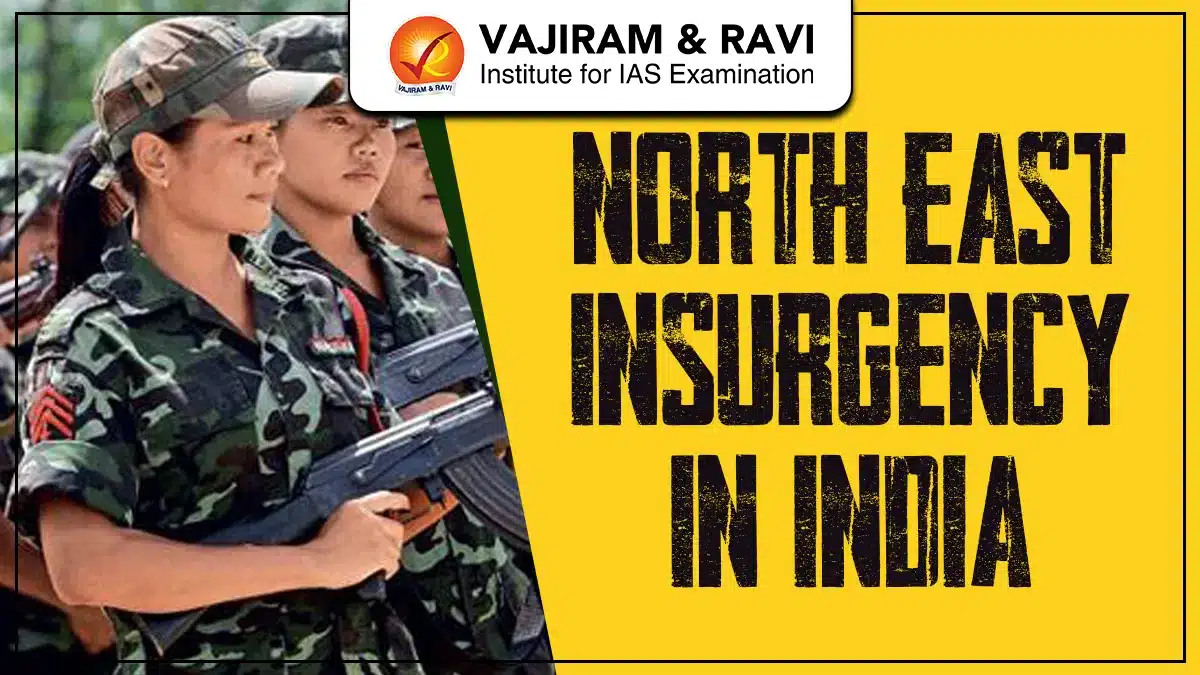
Insurgency refers to organized armed rebellion against the state by groups aiming to achieve political, ethnic, or separatist goals. In India’s North-East, several ethnic insurgent movements have operated for decades, primarily in Nagaland, Manipur, Assam, and Tripura.

Groups like NSCN (IM) in Nagaland and ULFA in Assam historically demanded separatist or greater autonomy. While large‑scale armed conflicts have declined in the Northeast, ethnic tensions and localized violence continue to pose serious security challenges. A stark example is the Manipur ethnic crisis of May–June 2023, where prolonged clashes between Meitei and Kuki communities resulted in hundreds of deaths, displacement of over 50,000 people,

Difficult and Hostile Neighbourhood

India shares long and porous borders with Pakistan, China, Nepal, Bangladesh, Bhutan, and Myanmar, and events in these countries can spill over into Indian territory, creating security challenges that are often beyond India’s direct control.

The Indo‑Bangladesh border sees regular illegal migration and smuggling, with over 1,100 infiltration attempts recorded in 2025. Bangladesh’s political changes in 2024 have created law-and-order challenges affecting cross-border security. Nepal’s frequent regime changes add to border vulnerabilities, enabling trafficking and illegal movement. In Myanmar, the ongoing conflict post-2021 coup has displaced refugees into Manipur and Mizoram and provides safe havens for insurgent.

Organised Crime

Organised Crime refers to illegal activities carried out by structured groups for profit, often across regions or borders. In India, it includes drug trafficking, human trafficking, arms smuggling, money laundering, and cybercrime, frequently exploiting coastal, border, and urban networks. These crimes not only threaten law and order but also undermine economic stability and fuel terrorism and other security challenges.

Maritime and Coastal Security

India’s coastline of over 11,098.81 km with 13 major and 200 minor ports, is vulnerable to terrorism, piracy, smuggling, and illegal migration. Incidents like the 26/11 Mumbai attacks exploited coastal vulnerabilities.

Communalism, Casteism, Ethnic Conflicts, and Linguistic Disputes

India’s diversity makes it prone to social tensions. Communal riots, caste-based violence, and ethnic conflicts disrupt harmony and law and order. Incidents such as the Hathras unrest (2020) and inter-ethnic violence in Manipur (2023) highlight the persistent nature of these challenges.

Non-Conventional / Modern Internal Security Challenges

While traditional threats such as insurgency, terrorism, and organized crime are well-recognized and largely physical, India increasingly faces non-conventional or modern security challenges. These threats are often less visible, transnational, technology-driven, and multi-dimensional. They do not always involve direct violence but can destabilize governance, disrupt economic and social systems, and challenge national security indirectly.

Cyber Attacks

Cybersecurity has emerged as one of the most critical aspects of India’s internal security. Attacks can target government databases, financial institutions, critical infrastructure like power grids, railways, and telecommunications, or even hospitals. Cyber-attacks may involve hacking, ransomware, phishing, or state-sponsored espionage.

In 2024, several Indian government websites, including those of state revenue departments, faced ransomware attacks, highlighting vulnerabilities in critical IT infrastructure. Cybercrime also facilitates terrorism, fake news, and financial fraud, making it an indirect threat to internal stability.

Informational Warfare

The rise of social media, messaging apps, and deepfake technologies has transformed the information space into a potential battlefield. Misinformation, fake news, and propaganda campaigns can exacerbate communal tensions, influence elections, spread panic during crises, and radicalize vulnerable populations.

During the 2023 Manipur ethnic crisis, misinformation spread via WhatsApp and social media amplified clashes between Meitei and Kuki communities. This challenge requires monitoring online platforms, digital literacy campaigns, and swift counter-narratives.

Energy and Resource Insecurity

Energy and resource security is crucial for a growing economy like India’s. Non-conventional threats include attacks or sabotage on oil pipelines, gas terminals, renewable energy infrastructure, and electricity grids. Disruptions in energy supply can impact industry, transport, and daily life, indirectly threatening social stability.

Example: The 2023 fire at a major refinery in Gujarat caused temporary power and fuel disruptions, showing how energy insecurity can ripple through the economy. Cyber-attacks on smart grids and water distribution networks are emerging threats in this domain.

Food and Pandemic Security

Non-conventional threats include challenges to public health and food security. Pandemics, bioterrorism, and contamination of food or water supplies can destabilize communities and create economic and political pressure.

The COVID-19 pandemic demonstrated how a health crisis could impact internal security by straining healthcare systems, causing migrant distress, and triggering economic instability. Future concerns include antimicrobial resistance, bioterror attacks, and disruptions to supply chains due to natural disasters or conflicts.

Biological and Chemical Threats

The accidental or deliberate release of biological or chemical agents is a serious non-conventional threat. Such attacks can cause mass casualties, panic, and long-term environmental harm. They require specialized detection systems, rapid response teams, and inter-agency coordination.

Example: Although India has not faced large-scale bioterror attacks, incidents like the 2022 Nipah virus outbreak in Kerala show the importance of preparedness.

Internal Security Challenges FAQs

Q1: What are internal security challenges in India?

Ans: Internal security challenges are threats from within the country that can disrupt law and order, threaten citizens, destabilize governance, or affect economic and strategic interests. They include both conventional and non-conventional threats.

Q2: What are the conventional internal security challenges?

Ans: Conventional internal security challenges are physical and immediate threats, such as terrorism, insurgency, Naxalism, communal violence, organized crime, and cross-border militancy. These directly impact law and order and territorial integrity.

Q3: What is Left-Wing Extremism and why is it a challenge?

Ans: Left-Wing Extremism, or Naxalism, is an armed rebellion inspired by Maoist ideology. It mainly affects central and eastern India, exploiting tribal alienation, poverty, and governance gaps to mobilize support, threatening local stability and government authority.

Q4: How does terrorism feature in India’s internal security challenges?

Ans: Terrorism involves violent acts for political, religious, or ideological goals. Groups like LeT and JeM continue to target civilians and strategic sites. The 2023 Pahalgam terror attack, which killed 26 civilians, shows how terrorism remains a major internal security challenge.

Q5: How does India’s neighborhood contribute to internal security challenges?

Ans: Porous borders with Pakistan, China, Nepal, Bangladesh, Bhutan, and Myanmar allow cross-border terrorism, smuggling, and refugee inflows. Political instability in neighboring countries, like Bangladesh’s 2024 crisis or Myanmar post-coup unrest, intensifies these challenges.

National Highways Authority of India, NHAI Chairman, Functions

National Highways Authority of India

The National Highways Authority of India (NHAI) serves as the primary agency under the Ministry of Road Transport and Highways, which is responsible for the development and maintenance of National Highways. These highways are the backbone of India's road network, ensuring seamless connectivity between cities, towns, and villages. They play a source of transportation of people and goods, which is essential for economic growth. National Highways contribute to national security by supporting military logistics and strategic mobility across the country.

National Highway

National highways are approximately 2.7% of India's total road network and play an important role in facilitating the movement of people and goods across the country. The establishment of the National Highways Authority of India (NHAI) Act laid the foundation for the development and management of these highways. India has one of the most extensive road networks globally, ranking as the second-largest in the world. Some of the major National Highways in India include NH 65, NH 147, NH 41, and NH 138.

National Highways Authority of India Functions

The National Highways Authority of India Act (NHAI Act) was formed by the Indian Parliament in 1988 after passing the law to establish the NHAI as an autonomous body responsible for the development, maintenance, and management of the country’s National Highways. This legislation grants NHAI the authority to administer the construction, operation, and upkeep of highways, while also regulating traffic on these roads. Key provisions of the NHAI Act include:

  1. Establishing NHAI as an independent body to manage the National Highways network.
  2. Granting powers to construct, operate, and maintain National Highways.
  3. Enabling funding for highway projects through loans, grants, and bonds.
  4. Creating the National Highways Fund to finance infrastructure development.
  5. Authorizing NHAI to acquire, manage, and dispose of property, along with entering contracts and agreements.
  6. Regulating and managing traffic on National Highways.
  7. Empowering NHAI to impose and collect tolls and fees.
  8. Setting up a National Highways Tribunal to address disputes related to National Highways.

National Highway Authority of India Achievements

Sanctioned Projects

In August 2024, the Cabinet Committee on Economic Affairs approved multiple highway projects to enhance connectivity across the country. These include:

  1. Agra-Gwalior Highway (6-lane expansion)
  2. Kharagpur-Moregram Highway (4-lane expansion)
  3. Tharad-Deesa-Mehsana-Ahmedabad Highway (6-lane expansion)

Foundation Stone Laying

In February 2024, key infrastructure projects saw their foundation stones laid, including:

  1. Dudhdhari Elevated Flyover on NH-34
  2. Kotdwar Bypass on NH-534
  3. Bhaniawala (Dehradun) to Rishikesh section of NH-07 (4-lane expansion)

Budget Allocation

For the financial year 2024-25, the Union Budget allocated ₹1.68 lakh crore to the National Highways Authority of India (NHAI) to accelerate highway development.

Highway Upgradation Focus

The government has directed NHAI to prioritize upgrading existing highways to improve road quality and efficiency. NHAI and the National Highways and Infrastructure Development Corporation Ltd (NHIDCL) are leading highway and expressway construction efforts in India.

Major Achievements of NHAI

The National Highways Authority of India has accomplished several milestones, including:

  1. Constructing over 40,000 km of National Highways across India.
  2. Implementing electronic toll collection (ETC) systems to reduce congestion.
  3. Rolling out the FASTag program for cashless toll payments.
  4. Launching the Bharatmala Pariyojana to enhance connectivity and infrastructure.
  5. Promoting green highways by integrating eco-friendly construction practices.
  6. Adopting advanced technologies like drones, GPS, and 3D mapping for efficient project execution.
  7. Strengthening road safety measures through crash barriers, traffic signals, and speed limit enforcement.

National Highway Authority of India Chairman

Shri Santosh Kumar Yadav, a senior Indian Administrative Service (IAS) officer from the 1995 batch of the Uttar Pradesh cadre, took charge as the Chairperson of the National Highways Authority of India (NHAI) in December 2022.

Current Status of total length of Highways

As of 2024, India has an extensive national highway network spanning approximately 150,000 km. The National Highways Authority of India (NHAI) is responsible for the development, maintenance, and management of these highways, which play a crucial role in the country's road transport system.

List of National Highways in India

The table below provides a List of National Highways in India, including their old and new numbering along with the Indian states and union territories.

List of National Highways in India
Highway Number New National Highway Number Serial No. in NH Act, 1956 States/UTs Through which it Passes

NH 1 A and NH 1 D

NH 1

1

Jammu & Kashmir

NH 1 B

NH 244

144

Jammu & Kashmir

NH 2

NH 19 (Golden Quadrilateral)

63

Bihar, Delhi, Haryana, Jharkhand, Uttar Pradesh, West Bengal

NH 2A

NH 519

66

Uttar Pradesh

NH 2B

NH 114

40

West Bengal

NH 3NH 50

NH 60

188

Maharashtra

NH 223

NH 4

12

Andaman & Nicobar Islands

NH 4 A

NH 748

165

Goa, Karnataka

NH 4 B

NH 348

161

Maharashtra

NH 5NH 6

NH 60

NH 217

NH 16 (Golden Quadrilateral)

49

Andhra Pradesh, Odisha, Tamil Nadu, West Bengal

NH 7

NH 135

123

Madhya Pradesh, Uttar Pradesh

NH 7 A

NH 138

131

Tamil Nadu

NH 8

NH 48 (Golden Quadrilateral)

157

Delhi, Gujarat, Haryana, Karnataka, Maharashtra, Rajasthan, Tamil Nadu

NH 8 A

NH 41

139

Gujarat

NH 8 C

NH 147

154

Gujarat

NH 8 D

NH 151

171

Gujarat

NH 9

NH 65

196

Andhra Pradesh, Maharashtra, Karnataka, Telangana

NH 11

NH 21

73

Rajasthan, Uttar Pradesh

NH 11 A

NH 148

158

Rajasthan

NH 12

NH 45

336

Madhya Pradesh, Chattisgarh

NH 18

NH 4

NH 40

136

Andhra Pradesh, Tamil Nadu

NH 21NH 22

NH 95

NH 5

13

Haryana, Chandigarh, Himachal Pradesh, Punjab

NH 23

NH 320

71

Jharkhand

NH 24

NH 530

102

Uttar Pradesh

NH 30

NH 319

65

Bihar

NH 35

NH 112

37

West Bengal

NH 39

NH 129

98

Assam, Nagaland

NH 47

NH 544

147

Kerala, Tamil Nadu

NH 47 A

NH 966 B

205

Kerala

NH 47 C

NH 966 A

204

Kerala

NH 55

NH 110

34

West Bengal

NH 56

NH 731

110

Uttar Pradesh

NH 79

NH 156

184

Rajasthan

NH 152

NH 127 A

87

Assam

NH 38 & NH 153

NH 315

45

Assam, Arunachal Pradesh

Also Check: National Disaster Management Authority

Related Articles
National Biodiversity Authority Food Safety and Standards Authority
Sports Authority India Agricultural and Processed Food Products Export Development Authority

National Highways in India FAQs

Q1: Is NHAI a Government company?

Ans: NHAI has been set up as a Central Authority to develop, maintain and manage the National Highways entrusted to it by the Government of India.

Q2: Who is the Minister of NHAI in India?

Ans: The current minister is Nitin Gadkari who has been serving in office since 27 May 2014 and is currently assisted by V. K. Singh as the Minister of State for Road Transport and Highways

Q3: What is the salary of NHAI?

Ans: The average Nhai salary ranges from approximately ₹1,99,764 per year (estimate) for a Supervisor to ₹18,00,765 per year (estimate) for a Resident Engineer.

Q4: What is the function of NHAI?

Ans: It oversees the development, maintenance, and management of assigned National Highways, along with related responsibilities and matters essential to their operation and connectivity.

Q5: who is the CEO of NHAI?

Ans: Akhilesh Srivastava is the CEO of NHAI.

74th Constitutional Amendment Act 1992, Objectives, Features

74th Constitutional Amendment Act

74th Constitutional Amendment Act 1992 provided constitutional status to Urban Local Bodies (ULBs) in India. It added a new Part IX-A to the Constitution of India. This part is entitled as ‘The Municipalities’ and consists of provisions from Articles 243-P to 243-ZG. In addition, the act has also added a new Twelfth Schedule to the Constitution. This schedule contains eighteen functional items of municipalities. This amendment, also known as the Municipalities Act, came into force on 1st June 1993.

74th Constitutional Amendment Act Objectives

Objectives of 74th Constitutional Amendment Act 1992 are: 

  • To strengthen urban local governance by providing constitutional recognition to municipalities.
  • To promote democratic decentralisation by transferring authority to urban local bodies.
  • To encourage people’s participation in decision-making processes at the city and town level.
  • To improve urban planning, development management, and public service delivery in urban areas.

It has brought Municipalities under the purview of justiciable part of the Constitution. State governments are under constitutional obligation to adopt the new system of municipalities in accordance with the

provisions of the act.

74th Constitutional Amendment Act, 1992 Features

The 74th Constitutional Amendment Act, 1992 has the following salient features:

Constitution of Municipalities (243Q) 

74th Constitutional Amendment Act provides for the constitution of the following three types of municipalities in every state.

  1. Nagar Panchayat for an area in transition from rural to urban area
  2. Municipal Council for a smaller urban area.
  3. Municipal Corporation for a larger urban area.

Since demographic, economic, and geographic conditions vary significantly across states, the Constitution has left it to the State Legislatures to decide the specific category of municipality suitable for a particular urban area. However, there is an exception. If municipal services in an urban area are already being provided by an industrial establishment, the Governor may declare such an area as an industrial township, and in such cases, a municipality may not be constituted.

Composition of Municipalities (Article 243R) 

  • All the members of a municipality shall be elected directly by the people of the municipal area. For this purpose, each municipal area shall be divided into territorial constituencies to be known as wards.
  • The state legislature may provide the manner of election of the chairperson of a municipality. It may also provide for the representation of the following persons in a municipality.
    • Persons having special knowledge or experience in municipal administration without the right to vote in the meetings of municipality.
    • The members of the Lok Sabha and the state legislative assembly representing constituencies that comprise wholly or partly the municipal area.
    • The members of the Rajya Sabha and the state legislative council registered as electors within the municipal area.
    • The chairpersons of committees (other than wards committees).

Wards Committees (Article 243S) 

  • There shall be constituted a wards committee, consisting of one or more wards, within the territorial area of a municipality having population of three lakh or more. 
  • The state legislature may make provision with respect to the composition and the territorial area of a wards committee and the manner in which the seats in a wards committee shall be filled.
  • In addition to the ward committees, the state legislature is also allowed to make any provision for the constitution of other committees. The chairpersons of such committees may be made members of the municipality.

Reservation of Seats ( Article 243T) 

  • Seats are reserved for Scheduled Castes (SCs) and Scheduled Tribes (STs) in proportion to their population in the municipal area.
  • At least one-third of the total seats are reserved for women, including SC and ST women.
  • State legislatures may make rules regarding reservation of chairperson offices for SCs, STs, and women.
  • Reservation for Other Backward Classes (OBCs) in municipalities may be provided by state law.
  • Reservation for SCs and STs in municipalities will cease after the period mentioned in Article 334 of the Constitution.

Duration of Municipalities (Article 243U) 

  • Every municipality has a fixed term of five years.
  • A municipality can be dissolved before the completion of its term.
  • In case of dissolution, fresh elections must be held within six months.
  • If the remaining term is less than six months, conducting elections is not compulsory.
  • A municipality reconstituted after dissolution will serve only the remaining period of the original term.
  • Before dissolving a municipality, it must be given a reasonable opportunity to present its case.

Disqualifications (Article 243V)  

  • A person is disqualified if he is disqualified under the election laws for the State Legislature or under any state law.
  • The minimum age to contest municipal elections is 21 years.
  • All questions related to disqualification are decided by the authority specified by the State Legislature.

Powers and Functions (Article 243W)  

The state legislature may endow the municipalities with such powers and authority as may be necessary to enable them to function as institutions of self-government.

  • Municipalities may be given responsibilities for : 
    • Preparation of plans for economic development and social justice.
    • Implementation of development schemes, including functions listed in the 12th Schedule.

Finances (243X) 

The state legislature may authorise a municipality to 

  • Levy, collect and appropriate taxes, duties, tolls and fees;
  • Assign to a municipality taxes, duties, tolls and fees levied and collected by state government;
  • Provide for making grants-in-aid to the municipalities from the consolidated fund of the state; 
  • Provide for constitution of funds for crediting all moneys of the municipalities.

Finance Commission (Article 243Y) 

  • A State Finance Commission is constituted every five years to review the financial position of municipalities. It recommends:
    • The distribution between the state and the municipalities of the net proceeds of the taxes, duties, tolls and fees levied by the state and allocation of shares amongst the municipalities at all levels.
    • The determination of the taxes, duties, tolls and fees that may be assigned to the municipalities.
    • The grants-in-aid to the municipalities from the consolidated fund of the state.
    • The measures needed to improve the financial position of the municipalities
    • Any other matter referred to it by the governor in the interests of sound finance of municipalities.
  • The Governor places these recommendations and action reports before the State Legislature.
  • The Central Finance Commission may also suggest ways to strengthen municipal resources.

Audit of Accounts ( Article 243Z) 

The state legislature may make provisions with respect to the maintenance of accounts by municipalities and the auditing of such accounts.

State Election Commission (243ZA) 

  • The State Election Commission is responsible for preparing electoral rolls and conducting elections to municipalities.
  • The state legislature may make provision with respect to all matters relating to elections to the municipalities.

Application to Union Territories (Article 243ZB) 

  • The provisions of this part are applicable to the Union territories. 
  • But, the President may direct that they would apply to a Union territory subject to such exceptions and modifications as he may specify.

Exempted Areas (Article 243ZC)

  • The act does not apply to the scheduled areas and tribal areas in the states
  • It shall also not affect the functions and powers of the Darjeeling Gorkha Hill Council of the West Bengal.
  • However, the Parliament may extend the provisions of this part to the scheduled areas and tribal areas subject to such exceptions and modifications as it may specify.

District Planning Committee (Article 243ZD) 

  • Every state must constitute a District Planning Committee (DPC) at the district level.
  • The main purpose of the DPC is to consolidate development plans prepared by Panchayats and Municipalities and prepare a district-wide development plan.
  • The state legislature may make provisions with respect to the following:
    • The composition of such committees
    • The manner of election of members of such committees;
    • The functions of such committees in relation to district planning
    • The manner of the election of the chairpersons of such committees.
  • The act lays down that four-fifths of the members of a district planning committee should be elected by the elected members of district panchayat and municipalities in the district from amongstthemselves.
  • The representation of these members in the committee should be in proportion to the ratio between the rural and urban populations in the district.
  • The chairperson of such committee shall forward the development plan to the state government.
  • In preparing the draft development plan, a district planning committee shall have regard to
    • Matters of common interest between the Panchayats and Municipalities including spatial planning, sharing of water other physical and natural resources, the integrated development of infrastructure and environmental conservation
    • Extent and type of available resources whether financial or otherwise;
    • Consult such institutions and organisations as the Governor may specify.

Metropolitan Planning Committe (Article 243ZE) 

  • Every metropolitan area (population of 10 lakh or more) shall have a metropolitan planning committee to prepare a draft development plan.
  • The state legislature may make provisions with respect to the following:
    • The composition of such committees;
    • The manner of election of members of such committees
    • The representation in such committes of the Central government, state government and other organisations;
    • The functions of such committees in relation to planning and coordination for the metropolitan area; and 
    • The manner of election of chairpersons of such committees.
  • The act lays down that two-thirds of the members of a metropolitan planning committee should be elected by the elected members of the municipalities and chairpersons of the panchayats in the metropolitan area from amongst themselves. 
  • The representation of these members in the committee should be in proportion to the ratio between the population of the municipalities and the panchayats in that metropolitan area.
  • The chairpersons of such committees shall forward the development plan to the state government.
  • In preparing the draft development plan, a metropolitan planning committee shall have regard to -  
    • Plan prepared by the Municipalities and the Panchayats in the metropolitan area
    • Matter of common interest between the Municipalities and Panchayats including coordinated spatial plans of the area
    • Sharing of water and other physical and natural resources
    • Integrated development of infrastructure and environmental conservation
    • Overall objectives and priorities set by the Government of India and the State Government
    • Extent and nature of investments likely to be made in the metropolitan area by agencies of the Government
    • Other available resources, financial and otherwise
    • Consult such institutions and organisations as the Governor may specify.

Continuance of Existing Laws and Municipalities (Article 243ZF) 

  • All state laws related to municipalities remained in force for one year after the commencement of this Act.
  • States were required to adopt the new municipal governance system within one year from 1 June 1993, when the Act came into effect.
  • Municipalities existing before the commencement of the Act continued till the completion of their original term, unless dissolved earlier by the State Legislature

Bar to Interference by Courts in Electoral Matters (Article 243ZG)

  • The act bars the interference by courts in the electoral matters of municipalities. 
  • It declares that the validity of any law relating to the delimitation of constituencies or the allotment of seats to such constituencies cannot be questioned in any court. 
  • It further lays down that no election to any municipality is to be questioned except by an election petition presented to such authority and in such manner as provided by the state legislature.

Twelfth Schedule of Indian Constitution

Twelfth Schedule of Indian Constitution contains the following 18 functional items placed within the purview of municipalities: 

  1. Urban planning (including town planning)
  2. Regulation of land use and buildings
  3. Economic and social development planning
  4. Roads and bridges
  5. Water supply
  6. Public health, sanitation, solid waste management
  7. Fire services
  8. Urban forestry and environmental protection
  9. Welfare of weaker sections, including disabled
  10. Slum improvement
  11. Urban poverty alleviation
  12. Parks, gardens, playgrounds
  13. Promotion of cultural, educational, and aesthetic aspects
  14. Burials, cremations
  15. Cattle pounds, prevention of cruelty to animals
  16. Vital statistics (births & deaths)
  17. Public amenities (street lighting, parking, bus stops)
  18. Regulation of slaughterhouses and tanneries

74th Constitutional Amendment Act FAQs

Q1: What is the 74th Constitutional Amendment Act, 1992?

Ans: The 74th Constitutional Amendment Act provides constitutional recognition to Urban Local Bodies (municipalities) and strengthens urban local governance through democratic decentralisation.

Q2: When did the 74th Constitutional Amendment Act come into force?

Ans: It came into force on 1 June 1993.

Q3: Which constitutional provision was added by this amendment?

Ans: It inserted Part IX-A (Articles 243P-243ZG) in the Constitution of India, dealing with municipalities.

Q4: What are the types of municipalities under this Act?

Ans: Nagar Panchayat for transition area, Municipal Council for smaller urban area, Municipal Corporation for larger urban area.

Q5: What is the significance of the 74th Amendment?

Ans: It promotes democratic urban governance, regular municipal elections, reservation for weaker sections, and better urban planning and service delivery.

Enforcement Directorate, Headquarter, Establishment, Functions

Enforcement Directorate

The Enforcement Directorate, formally known as the Directorate of Enforcement, stands as one of India’s foremost financial investigation and economic intelligence agencies. Tasked with probing economic crimes, enforcing foreign exchange laws, and curbing money laundering, the ED plays an important role in safeguarding India’s financial integrity. With increasing globalization, complex financial transactions, and cross-border crimes, the importance of a robust regulatory and investigative mechanism like the ED has never been greater. In this article, we are going to cover the Enforcement Directorate, its origin, evolution, objectives, functions, organisational structure, jurisdiction, importance and reforms. 

Enforcement Directorate

The Enforcement Directorate is a specialized financial law enforcement and economic intelligence agency operating under the Department of Revenue, Ministry of Finance, Government of India. It primarily focuses on the enforcement of economic laws and combatting financial crimes, particularly violations under the Foreign Exchange Management Act (FEMA, 1999), Prevention of Money Laundering Act (PMLA, 2002), and Fugitive Economic Offenders Act (FEOA, 2018). Its role is important in investigating cases involving complex financial crimes, tracing illicit assets, and ensuring adherence to legal provisions concerning foreign exchange and money laundering. By acting as a deterrent against financial misconduct, the ED contributes significantly to economic stability and the enforcement of law in India.

Enforcement Directorate Establishment and Evolution 

The Enforcement Directorate traces its origins to 1956 when an Enforcement Unit was formed within the Department of Economic Affairs to address violations of the Foreign Exchange Regulation Act (FERA), 1947. The evolution can be traced through key milestones:

  • 1956: Creation of the Enforcement Unit in the Department of Economic Affairs to investigate cases of foreign exchange violations. It was headquartered in New Delhi and led by a Director of Enforcement.
  • 1957: The unit was officially renamed the Enforcement Directorate (ED), marking its emergence as a dedicated agency.
  • 1960: Administrative control shifted from DEA to the Department of Revenue (DoR), Ministry of Finance.
  • 1973-1977: For a brief period, the Directorate was placed under the Department of Personnel & Administrative Reforms.
  • 1977 onwards: The ED was reinstated under the Department of Revenue, where it continues to function to date.

This historical evolution reflects India’s response to growing complexities in financial crimes and the need for specialized institutions to enforce economic regulation.

Enforcement Directorate Organisational Structure

The ED operates with a hierarchical and multi-tiered organizational structure, ensuring effective administration and investigation across the country:

  1. Headquarters:
    • Located in New Delhi, the ED headquarters is led by the Director of ED, who oversees overall administration and strategic decision-making.
  2. Regional Offices:
    • There are five regional offices in Mumbai, Chennai, Chandigarh, Kolkata, and Delhi. Each office caters to specific regions and is headed by a Special Director.
  3. Zonal Offices:
    • Below the regional offices, the ED maintains 27 zonal offices in key cities like Hyderabad, Gurugram, and others. These offices are led by Joint Directors.
  4. Sub-Zonal Offices:
    • Supporting the zonal offices are around 12-13 sub-zonal offices, each managed by a Deputy Director, operating in cities such as Mangalore, Allahabad, and Indore.

The multi-layered structure ensures that the ED can maintain a strong presence across India while facilitating specialized, region-specific investigations.

Enforcement Directorate Composition and Recruitment

The ED comprises a mix of directly recruited officers and those drawn from established government services such as the Indian Revenue Service (IRS), Indian Police Service (IPS), and Indian Administrative Service (IAS).

  • Director of ED: The Director heads the ED and is appointed by the Central Government on the recommendation of a high-level committee including the Central Vigilance Commissioner (CVC), Vigilance Commissioners, and Secretaries of the Ministries of Home, Personnel, and Finance.
  • Tenure: Initially fixed at two years, the Delhi Special Police Establishment (Amendment) Act, 2021 allows extensions up to a maximum of five years, in one-year increments, in the public interest.
  • Other Ranks: Include Special Directors, Joint Directors, Deputy Directors, and investigative officers, ensuring a professional and skilled workforce for tackling complex financial crimes.

Enforcement Directorate Functions

The ED’s functions are multi-faceted, encompassing investigation, enforcement, and prosecution within its statutory framework:

  1. Enforcement of Economic Laws:
    Implements FEMA (1999), PMLA (2002), and FEOA (2018).
  2. Investigation of Financial Crimes:
    • Probes money laundering, bank fraud, foreign exchange violations, and other financial misconduct.
  3. Prosecution and Adjudication:
    • Powers include arrests, searches, seizures, and summoning individuals or records for investigation.
  4. Collaboration with Other Agencies:
    • Works alongside CBI, Income Tax Department, and Customs, ensuring coordinated enforcement.
  5. Financial Regulation and Monitoring:
    • Enhances the integrity of India’s financial system and deters economic offences.

ED Statutory Functions and Important Acts

The Enforcement Directorate has the following statutory functions and important acts: 

  1. Prevention of Money Laundering Act (PMLA), 2002:
    • Provides for investigation, provisional attachment of property, and prosecution of offenders. The ED ensures assets derived from proceeds of crime are confiscated through Special Courts.
  2. Foreign Exchange Management Act (FEMA), 1999:
    • A civil law focusing on external trade, payments, and the orderly development of India’s foreign exchange market. The ED investigates violations and imposes penalties.
  3. Fugitive Economic Offenders Act (FEOA), 2018:
    • Targets economic offenders evading Indian courts by fleeing abroad. The ED attaches and confiscates their properties.
  4. Conservation of Foreign Exchange and Prevention of Smuggling Activities Act (COFEPOSA), 1974:
    • Grants powers for preventive detention related to FEMA violations.

ED Territorial Jurisdiction and Powers 

The Enforcement Directorate has the following territorial jurisdiction and powers: 

  • Jurisdiction: The ED has nationwide jurisdiction over any person or legal entity involved in economic crimes.
  • Powers: While the ED cannot act suo motu, it may investigate upon receiving a complaint or referral. Once a case is registered, it can seize assets, make arrests, and initiate proceedings under FEMA and PMLA. Adjudication is conducted by Special Courts or PMLA Courts.

Enforcement Directorate Importance

Enforcement Directorate has the following importance: 

  1. Financial Stability: The ED deters economic crimes that could destabilize India’s financial system.
  2. Economic Growth: Protects legitimate businesses by ensuring a level playing field.
  3. Recovery of Stolen Funds: Confiscated assets can be utilized for public welfare.
  4. Maintaining Financial Integrity: Promotes transparency, accountability, and investor confidence.
  5. Global Cooperation: Collaborates internationally to combat cross-border financial crimes.
  6. Public Trust: High-profile investigations enhance citizen confidence in the legal and financial system.

Enforcement Directorate Criticism and Challenges

  1. Political Misuse: The ED has faced allegations of being used for political vendetta, particularly against opposition figures.
  2. Lack of Transparency: Investigations are often opaque, raising concerns about impartiality.
  3. Extended Detentions: Accused individuals may face prolonged interrogations without charges.
  4. Procedural Lapses: Instances of bypassing standard legal protocols have been challenged in courts.
  5. Low Conviction Rates: Despite numerous cases, convictions remain limited, raising questions about investigative effectiveness.
  6. Impact on Business Climate: Frequent raids may create fear among investors and entrepreneurs.

Enforcement Directorate Recommendations 

The Enforcement Directorate remains a cornerstone of India’s financial law enforcement architecture. By detecting, investigating, and prosecuting economic offences, the ED ensures the stability and integrity of India’s financial system. 

  1. Guarding Against Political Misuse: Strengthen oversight mechanisms to ensure independence.
  2. Balancing Swiftness and Fairness: Streamline investigations to avoid punitive actions while ensuring timely prosecutions.
  3. Coordination with Other Agencies: Clear delineation of responsibilities with CBI, Customs, and other agencies.
  4. Enhanced Legal Framework: Reform PMLA to clarify definitions of offences and powers of the ED.
  5. Transparency and Accountability: Open investigative processes and provide access to key documents like the Enforcement Case Information Report (ECIR).

Review of Powers: Supreme Court review of ED’s powers under PMLA can help safeguard due process.

Also Check Other Post
Directive Principles of State Policy Federalism in Indian Polity
Uniform Civil Code Sarkaria Commission
Fundamental Duties Punchhi Commission
Ordinance Making Power of President Inter State Council
Prime Minister of India Fiscal Federalism

Enforcement Directorate FAQs

Q1: What does an Enforcement Directorate do?

Ans: The Enforcement Directorate (ED) investigates economic crimes, enforces foreign exchange and money laundering laws, and prosecutes offenders under statutes like FEMA, PMLA, and FEOA.

Q2: Who controls ED in India?

Ans: The ED operates under the administrative control of the Department of Revenue, Ministry of Finance, Government of India.

Q3: What is the difference between ED and CBI?

Ans: The ED primarily deals with financial crimes, money laundering, and foreign exchange violations, whereas the CBI investigates broader criminal cases, including corruption, fraud.

Q4: Who appoints the ED director in UPSC?

Ans: The Central Government appoints the Director of ED based on recommendations from a high-level committee including the Central Vigilance Commissioner, Vigilance Commissioners, and Secretaries of key ministries.

Q5: Is ED more powerful than CBI?

Ans: ED has specialized powers under financial laws like PMLA and FEMA, but CBI has broader investigative jurisdiction; power depends on the context of enforcement, not absolute hierarchy.

Salient Features of Indian Constitution, Length, Source, Criticisms

Salient Features of Indian Constitution

The Salient Features of Indian Constitution highlight the unique principles, institutions and values that shape the democratic system of India. It combines elements of federalism, parliamentary government, fundamental rights, directive principles, secularism and an independent judiciary within a single constitutional framework. These features ensure political stability and national unity while addressing the diverse needs of the country’s people.

What are the Salient Features of Indian Constitution?

The Indian Constitution is the lengthiest in the world. The framers of the Constitution intentionally incorporated much details to avoid ambiguity, legal uncertainty, or future controversies. In contrast to the United States where a federal Constitution exists alongside individual state constitutions, India adopted a single, unified Constitution to address the country’s vast size, social and cultural diversity, and administrative complexity. This also led to the inclusion of several temporary and special provisions to modify the unique needs of different regions and communities.

The Salient Features of Indian Constitution include:

Major Salient Features of Constitution of India

The key Salient Features of Indian Constitution have been explained below:

Lengthiest Written Constitution in the World

The Constitution of India is the most detailed and lengthiest written constitution in the world. Constitutions are generally classified into two types: written and unwritten. The Constitution of the United States is an example of a written constitution, while the Constitution of the United Kingdom is largely unwritten. Its framework was significantly influenced by various constitutional sources and laws across world, which contributed many structural and administrative provisions. India also follows a single Constitution for both the Union and the states, unlike some federal countries, making it more comprehensive and detailed in nature. Initially it contained only 395 Articles given under 22 Parts and 8 Schedules. However after several amendments the constitution now consists of 448 Articles under 25 Parts and 12 Schedules.

The key factors contributing to the vast length Salient Features of Indian Constitution are:

  • Geographical and Social Diversity: India’s vast territory and diverse population required detailed constitutional provisions to address regional, cultural, linguistic and social differences effectively.
  • Influence of Government of India Act 1935: Many constitutional provisions were adapted from the Government of India Act that significantly increased constitutional content.
  • Single Constitution for Union and States: Unlike some federations, India adopted one Constitution for both the Centre and states, requiring extensive provisions covering all levels of government.
  • Detailed Centre-State Relations: The Constitution contains elaborate provisions on legislative and administrative relations between the Union and states, ensuring clarity in federal governance.
  • Safeguards and Welfare Objectives: Detailed Fundamental Rights and Directive Principles were included to protect minorities, Scheduled Castes, Scheduled Tribes, Backward Classes and promote social welfare.
  • Extensive Administrative Provisions: Matters relating to citizenship, official language, government services, electoral machinery and administration were incorporated to ensure smooth governance and avoid confusion.

Constitution Inspired by Various Global Sources

The Indian Constitution has borrowed several important features from the constitutions of different countries as well as from the Government of India Act 1935. Nearly 250 provisions of the Constitution were adapted from the Government of India Act alone. During the drafting process, Dr. B. R. Ambedkar noted that the Constituent Assembly carefully examined and studied various constitutions across the world to identify the best constitutional practices. These provisions were then modified to suit India’s social, political, and administrative requirements. The major sources from which different constitutional features were adopted are listed in the table below.

Drawn from Various Sources
Source Borrowed

Government of India Act, 1935

Federal Scheme, Office of Governor, Judiciary, Public Service Commissions, Emergency Provisions, Administrative Details

British Constitution

Parliamentary Government, Rule of Law, Legislative Procedure, Single Citizenship, Cabinet System, Prerogative Writs, Parliamentary Privileges, Bicameralism

US Constitution

Fundamental Rights, Independence of Judiciary, Judicial Review, Impeachment of President, Removal of Supreme Court and High Court Judges, Post of Vice-President

Irish Constitution

Directive Principles of State Policy, Nomination of Members to Rajya Sabha, Method of Election of President

Canadian Constitution

Federation with a Strong Centre, Vesting of Residuary Powers in the Centre, Appointment of State Governors by the Centre, Advisory Jurisdiction of Supreme Court

Australian Constitution

Concurrent List, Freedom of Trade, Commerce, and Inter-course, Joint Sitting of Two Houses of Parliament

Weimar Constitution of Germany

Suspension of Fundamental Rights During Emergency

Soviet Constitution (USSR, now Russia)

Fundamental Duties, Ideal of Justice (Social, Economic, and Political) in Preamble

French Constitution

Republic and Ideals of Liberty, Equality, and Fraternity in Preamble

South African Constitution

Procedure for Amendment of Constitution, Election of Members of Rajya Sabha

Japanese Constitution

Procedure Established by Law

Also Check- Sources of Indian Constitution

Balanced Mix of Rigidity and Flexibility

Constitutions are generally classified into two categories: rigid and flexible. A rigid constitution, such as that of the United States, can be amended only through a special and often complicated procedure, making constitutional changes more difficult. In contrast, a flexible constitution, like that of the United Kingdom, can be amended through the ordinary law making process of the legislature. The Indian Constitution combines features of both systems. Some of its provisions can be amended under Article 368 by a simple parliamentary majority, while others require a special majority and, in certain cases, approval from at least half of the state legislatures. This unique amendment process creates a balance between stability and adaptability, making the Indian Constitution both rigid and flexible in nature.

Federal Structure with a Strong Central Government

India follows a federal system that divides powers between the Union and States while maintaining a strong and effective central government.

  • The Constitution establishes a dual polity with separate governments at the Union and State levels, ensuring governance at both national and regional levels while maintaining constitutional balance.
  • It contains key federal features such as division of powers, written Constitution, constitutional supremacy, independent judiciary, bicameralism and a rigid amendment process for certain provisions.
  • Despite being federal, the Constitution grants greater authority to the Union Government, making the Centre stronger than the States in legislative, administrative and financial matters.
  • The term “Federation” is not used in the Constitution. Article 1 describes India as a “Union of States,” emphasizing national unity and constitutional integration.
  • The expression “Union of States” signifies that the Indian Federation was not created through an agreement among states and no state can secede from it.
  • India follows a single Constitution for the entire country, unlike federations such as the United States where individual states can have separate constitutions.
  • Emergency provisions enable the Centre to assume greater control over states during crises, allowing the federal system to function almost as a unitary system when required.
  • Article 312 empowers Parliament to create All India Services that serve both the Union and States, strengthening administrative coordination across the country.
  • State Governors are appointed by the President under Article 155, while constitutional authorities like the Election Commission and Comptroller and Auditor General also operate under central constitutional arrangements.
  • Due to its federal structure combined with strong centralising features, India is often described as “quasi federal,” “federal in form but unitary in spirit,” and a federation with a centralising tendency.

Parliamentary System of Governance

The Parliamentary System of Governance in India is based on the British model and operates at both Union and State levels.

  • India follows the Parliamentary System instead of the American Presidential System, ensuring democratic governance through elected representatives at both the Centre and the States.
  • The system is based on the presence of a nominal executive and a real executive, where actual governing powers are exercised by elected leaders.
  • The President at the Centre and the Governor in States act as constitutional heads, while real executive authority rests with the Prime Minister and Chief Minister.
  • The party or coalition securing a majority in the legislature forms the government and exercises executive powers according to constitutional provisions.
  • The Council of Ministers is collectively responsible to the legislature and remains in office only as long as it enjoys legislative confidence.
  • Ministers are generally members of the legislature, ensuring close coordination between law making and executive functions within the parliamentary framework.
  • Articles 74 and 75 establish the parliamentary system at the Centre, providing for a Council of Ministers headed by the Prime Minister.
  • Articles 163 and 164 provide for a Council of Ministers in States, headed by the Chief Minister to aid and advise the Governor.
  • The Lok Sabha and State Legislative Assemblies can be dissolved when necessary, enabling fresh elections and ensuring democratic accountability.
  • Unlike Britain’s sovereign Parliament and hereditary monarchy, India has a Constitution bound Parliament and an elected republican head of state.

Balance Between Parliamentary Authority and Judicial Review

India follows a balanced constitutional system that combines parliamentary authority with judicial review to protect democracy and constitutional governance.

  • The British system is based on parliamentary sovereignty, where Parliament is supreme and can make or change laws without judicial interference.
  • The American system follows judicial supremacy, where courts possess extensive powers to review laws and invalidate unconstitutional legislative actions.
  • The framers of the Indian Constitution carefully combined both models to create a balanced relationship between the legislature and judiciary.
  • The Supreme Court of India has the power of judicial review and can strike down laws that violate constitutional provisions.
  • Parliament enjoys constituent powers and can amend a major portion of the Constitution through the prescribed constitutional amendment procedure.
  • Unlike the United States, the Indian Supreme Court exercises comparatively limited judicial review powers within the constitutional framework.
  • Article 21 of the Indian Constitution follows the principle of “Procedure Established by Law” rather than the American concept of “Due Process of Law.”
  • This constitutional arrangement prevents excessive concentration of power in either Parliament or the judiciary, ensuring institutional balance.
  • The system enables Parliament to perform legislative functions effectively while allowing courts to safeguard constitutional values and citizens’ rights.

Also Check: Difference Between Procedure Established by Law and Due Process of Law

Supremacy of Rule of Law

Rule of Law is one of the most significant Salient Features of Indian Constitution that ensures that a country is governed by laws, guaranteeing justice, equality, accountability and protection against arbitrary authority.

  • Rule of Law establishes the supremacy of law, ensuring that no individual, public authority, institution or government body is above the legal framework of the country.
  • It is a fundamental feature of a democratic system that prevents arbitrary decision making and promotes fair, transparent and accountable governance at every level.
  • The concept reflects society’s values, customs and collective wisdom developed over generations, making it both a legal principle and a social ideal.
  • Rule of Law is rooted in the belief that people should be governed by established laws rather than the will or power of any individual.
  • It maintains a proper balance between rights and powers, protecting individual freedoms while ensuring that the State functions effectively for society’s welfare.

Integrated and Independent Judicial System

India has an integrated and independent judicial system that ensures uniform justice, protects constitutional values, safeguards rights and upholds law.

  • The Supreme Court stands at the apex of the judicial hierarchy, followed by High Courts, district courts and subordinate courts, creating a unified system across India.
  • A single judicial structure administers and enforces both Union and State laws, ensuring consistency, legal uniformity and equal access to justice throughout the country.
  • The judiciary interprets the Constitution and laws, ensuring that legislative, executive, administrative, judicial and quasi-judicial authorities function within constitutional limits and legal boundaries.
  • Indian courts possess the authority to examine governmental actions and determine whether they comply with constitutional provisions and the basic structure of governance.
  • The judiciary acts as the balance wheel of Indian federalism by resolving disputes between governments and maintaining harmony within the federal framework.
  • Protection of Fundamental Rights is a core responsibility of the judiciary, preventing unlawful encroachment by any organ of government and ensuring constitutional safeguards.
  • Citizens can directly approach the Supreme Court under Article 32 and High Courts under Article 226 for enforcement of Fundamental Rights through writ jurisdiction.
  • The Supreme Court functions as the highest court of appeal, guardian of the Constitution and protector of citizens’ rights, ensuring constitutional supremacy.
  • Judges of the Supreme Court and High Courts enjoy constitutional safeguards, including security of tenure, fixed service conditions and protection from arbitrary removal.
  • Articles 124 and 217 prescribe a special removal procedure for judges on grounds of incapacity or misbehaviour, strengthening judicial independence and impartiality.

Protection of Fundamental Rights 

Fundamental Rights are one of the most important features of the Indian Constitution and are provided to citizens under Part 3 of the Constitution of India. The Constitution guarantees six Fundamental Rights that form the foundation of democracy, individual freedom, equality, and justice in India. These rights protect the dignity, liberty, and autonomy of every citizen and cannot be taken away merely by public opinion or ordinary legislative action. By safeguarding essential freedoms and legal protections, Fundamental Rights help uphold the principles of constitutional democracy and ensure that citizens can live with equality, security, and respect under the law.

Fundamental Rights
Rights Articles

Right to Equality

14-18

Right to Freedom

19-22

Right against Exploitation

23-24

Right to Freedom of Religion

25-28

Cultural and Educational Rights

29-30

Right to Constitutional Remedies

32

Directive Principles of State Policy

Directive Principles of State Policy guide governments in creating laws and policies that promote welfare, justice, equality and development. Dr. Ambedkar referred to DPSP as the Novel Feature of the constitution of India.

  • Contained in Part 4 (Articles 36-51), DPSPs serve as constitutional directions for the Union and State governments while framing laws and public policies.
  • Inspired by the Instrument of Instructions in the Government of India Act 1935, these principles outline the vision of a welfare oriented social and economic order.
  • Article 36 defines “State” in DPSPs with the same meaning as Article 12, covering authorities responsible for implementing constitutional governance.
  • DPSPs are classified into Socialistic, Gandhian and Liberal Intellectual principles, reflecting the Constituent Assembly’s broad vision for national progress and public welfare.
  • Unlike Fundamental Rights, DPSPs are non justiciable and cannot be enforced by courts, yet they remain fundamental to governance and law making.
  • The Supreme Court in Kesavananda Bharati Case and Minerva Mills Case affirmed that DPSPs and Fundamental Rights are complementary, together advancing justice, dignity, equality and inclusive development.

Fundamental Duties of Citizens

The original Constitution of India did not contain any provision related to the Fundamental Duties of citizens. 

  • To strengthen civic responsibility and national commitment, the Fundamental Duties were incorporated through the 42nd Constitutional Amendment Act 1976, based on the recommendations of the Swaran Singh Committee. 
  • This amendment added 10 Fundamental Duties that every Indian citizen is expected to follow.
  • Later, the 86th Constitutional Amendment Act 2002 introduced an 11th Fundamental Duty. 
  • While Fundamental Rights provide citizens with guaranteed legal entitlements and protections, Fundamental Duties outline the moral, civic, and constitutional responsibilities that citizens are expected to perform for the welfare, unity and development of the nation.

Secularism of the Indian State

The Constitution of India establishes a Secular System of Government, which means the State does not favour, endorse or promote any particular religion. At the same time, Indian secularism is not anti-religion, as it recognises and respects the religious diversity of the country. The core principle of Secularism in India is to ensure equal respect, equal protection and equal treatment for all faiths under the law. It requires the government to remain neutral in religious matters while safeguarding the rights and freedoms of people belonging to every religion. Thus, secularism in the Indian Constitution is based on neutrality rather than indifference and on equality rather than preference for any specific faith.

Universal Adult Franchise

Universal Adult Franchise is a key feature of the Indian democratic system that grants every citizen aged 18 years and above the right to vote in Lok Sabha and State Assembly elections, irrespective of caste, race, religion, gender or economic status. This principle ensures political equality by giving all eligible citizens an equal voice in the electoral process. Initially, the voting age was 21 years, but it was reduced to 18 years through the 61st Constitutional Amendment Act, expanding electoral participation and strengthening democratic representation across the country.

Single Citizenship for All Indians

The Indian Constitution provides for a federal system of government with powers divided between the Union and the States, but it follows the principle of single citizenship. 

  • Under this system, every citizen is recognized solely as an Indian citizen, irrespective of the state or territory in which they are born or reside. 
  • As a result, all citizens enjoy equal political and civil rights throughout the country without any discrimination based on their place of residence. 
  • Single citizenship strengthens national unity by ensuring a common identity for all Indians. 
  • The Constitution also does not permit dual citizenship; and if an Indian citizen voluntarily acquires the citizenship of another country, their Indian citizenship is automatically terminated.

Constitutional Independent Institutions

The Constitution of India establishes several Independent Constitutional Bodies beyond the legislative, executive and judicial organs of the Union and State governments. 

  • These institutions act as important pillars of India’s democratic system by ensuring transparency, accountability, merit-based recruitment and free governance. 
  • The Election Commission is responsible for conducting free and fair elections across the country. 
  • The Comptroller and Auditor General (CAG) of India audits the accounts of the Central and State Governments to ensure financial accountability. 
  • The Union Public Service Commission (UPSC) conducts examinations for recruitment to All India Services and higher Central Services and advises the President on disciplinary matters. 
  • Similarly, a State Public Service Commission (SPSC) is established in every state to conduct recruitment examinations for state services and to advise the Governor on disciplinary matters, thereby strengthening the administrative framework of the country.

Emergency Powers and Provisions 

Emergency Provisions in the Indian Constitution enable the President and Central Government to respond effectively during extraordinary national situations.

  • Purpose of Emergency Provisions: The framers of the Constitution included emergency provisions to address situations where normal governance becomes ineffective, ensuring protection of India’s sovereignty, unity, integrity, security, democratic system and constitutional framework.
  • National Emergency (Article 352): A National Emergency can be proclaimed during war, external aggression, or armed rebellion, allowing the Central Government to exercise extensive powers for national security and governance.
  • State Emergency (Articles 356 and Article 365): President’s Rule can be imposed when constitutional machinery fails in a state or when a state fails to comply with directions issued by the Central Government.
  • Financial Emergency (Article 360): A Financial Emergency may be declared when India’s financial stability or credit is threatened, enabling the Centre to take necessary measures to restore economic control.
  • Constitutional Basis of Emergency Provisions: Emergency provisions are detailed under Articles 352, 354 and 360 of the Constitution, empowering the President to handle extraordinary situations through special constitutional mechanisms.
  • Impact on Federal Structure: During an emergency, India’s federal system temporarily shifts towards a more unitary structure, with the Central Government acquiring greater authority and control over state administration.

Three-Tier Democratic Governance System

The Indian Constitution initially provided a two-tier governance structure, defining the organisation, powers, functions and responsibilities of the Central Government and State Governments.

  • The 73rd and 74th Constitutional Amendment Acts 1992 introduced a third tier of government, namely local government, a feature rarely found in constitutions worldwide.
  • The 73rd Amendment granted constitutional status to Panchayats as rural local governments by inserting Part IX and the Eleventh Schedule into the Constitution.
  • Through Part IX and the Eleventh Schedule, Panchayats received formal constitutional recognition, strengthening democratic decentralisation and local self-governance in rural areas.
  • The 74th Amendment granted constitutional status to Municipalities as urban local governments by inserting Part IX A and the Twelfth Schedule into the Constitution.
  • Through Part IX-A and the Twelfth Schedule, Municipalities became constitutionally recognised urban local bodies, ensuring structured governance and administration in urban areas.

Constitutional Recognition of Co-operative Societies

The 97th Constitutional Amendment Act, passed in 2011, gave cooperative societies constitutional status and protection. It empowered Parliament to make laws for multi-state cooperatives, while state legislatures were given the authority to regulate those operating within their own states.

Judicial Review

Judicial Review is a fundamental feature of the Indian Constitution that ensures all laws and government actions remain consistent with constitutional principles and Fundamental Rights. 

  • Article 13 empowers courts to examine both past and future legislation and declare any law unconstitutional if it violates Fundamental Rights or the basic structure of the Constitution. 
  • The Supreme Court, through the landmark cases of Kesavananda Bharati vs. State of Kerala (1973) and Minerva Mills vs. Union of India (1980), affirmed that judicial review is part of the Constitution’s basic structure and cannot be removed through constitutional amendments. 
  • Judicial review is further protected under Articles 32, 136, 226 and 227. 
  • However, courts generally do not interfere in policy matters unless a decision is arbitrary, unreasonable, violates statutory provisions, or infringes legal rights, a principle reiterated in Monarch Infrastructure vs. Commissioner, Ulhasnagar Municipal Corporation (2000). 
  • Key judicial review judgments include Marbury vs. Madison (1803), which established judicial review in the United States and A.K. Gopalan vs. State of Madras (1950), which recognised limited judicial review of preventive detention laws.

Separation of Power

India follows the principle of Separation of Functions rather than a rigid Separation of Powers as seen in the United States. 

  • Although the Doctrine of Separation of Powers is not fully implemented, the Indian Constitutional System establishes an effective mechanism of Checks and Balances among the legislature, executive and judiciary. 
  • This framework prevents the concentration of power in any one organ of the government and helps maintain constitutional governance. 
  • A key feature of this arrangement is the Power of the Judiciary to review legislative actions and invalidate laws enacted by the legislature if they are found to be unconstitutional. 
  • Thus, the system of checks and balances safeguards the supremacy of the Constitution and ensures that all state institutions function within their prescribed constitutional limits.

Criticisms of Indian Constitution

The Indian Constitution is comprehensive and influential, yet scholars and critics have raised concerns regarding various Salient Features of Indian Constitution including structure, functioning, amendments, rights and governance provisions.

  • Length and Complexity: With approx. 450 Articles, numerous Parts, Schedules and amendments, the Constitution is among the world's lengthiest. Its detailed and intricate framework often makes understanding constitutional provisions challenging for ordinary citizens.
  • Rigidity and Frequent Amendments: Some provisions, especially those concerning the federal structure and Fundamental Rights, require a special parliamentary majority for amendment. Despite this rigidity, the Constitution has undergone more than one hundred amendments since adoption.
  • Federalism with Unitary Features: Although India follows a federal system, significant powers remain with the Union government. Article 356, central control over All India Services and other provisions have led critics to view Indian federalism as unitary in practice.
  • Parliamentary System Concerns: India adopted the Westminster style parliamentary model where the executive is accountable to the legislature. Critics argue that this arrangement has sometimes contributed to coalition politics, political instability and leadership changes at the national level.
  • Limitations on Fundamental Rights: The Constitution guarantees six Fundamental Rights, but these are subject to reasonable restrictions. Judicial interpretations and legislative actions have occasionally narrowed the practical scope of equality, freedom of expression and related rights.
  • Non Justiciable Directive Principles: The Directive Principles of State Policy seek to promote social and economic justice. However, because they are non justiciable and unenforceable in courts, their effectiveness and practical implementation are often questioned.
  • Emergency Provisions and Misuse Risks: Emergency provisions allow the Union government to exercise extraordinary powers, including suspension of Fundamental Rights and President’s Rule. Their potential misuse became evident during the 1975-77 Emergency when civil liberties were significantly restricted.
  • Criticism of Constitutional Origins: Critics have described the Constitution as borrowed, a copy of the Government of India Act 1935, un-Indian, anti-Indian or un-Gandhian. Supporters counter that borrowed features were carefully adapted, major innovations were added, Indian aspirations were reflected and several Gandhian principles were accommodated.
  • Legalistic Nature of the Constitution: The Constitution is sometimes called a “Paradise of the Lawyers” because of its detailed legal language. Defenders argue that such precision is necessary to ensure clarity, consistency, interpretation and effective constitutional enforcement.
Other Related Posts
Directive Principles of State Policy Federalism in Indian Polity
Uniform Civil Code Sarkaria Commission
Fundamental Duties Punchhi Commission
Ordinance Making Power of President Inter State Council
Prime Minister of India Fiscal Federalism
Fundamental Rights Rule of Law
Citizenship Emergency in India


Salient Features of Indian Constitution FAQs

Q1: What are the Salient Features of Indian Constitution?

Ans: The Indian Constitution is federal in structure, parliamentary in nature, with a written document, fundamental rights, directive principles, secularism, and an independent judiciary.

Q2: Who is considered the chief architect of the Indian Constitution?

Ans: Dr. B.R. Ambedkar, the Chairman of the Drafting Committee, is regarded as the chief architect of the Indian Constitution.

Q3: Is the Indian Constitution rigid or flexible?

Ans: It is a blend of rigidity and flexibility some parts require a special majority for amendment, while others can be changed by a simple majority.

Q4: How is the Indian Constitution federal in nature?

Ans: It divides powers between the Centre and States through three lists in the Seventh Schedule, ensuring a federal system with a strong central government.

Q5: Why is India called a secular country under the Constitution?

Ans: India has no official state religion, and the Constitution guarantees equal treatment of all religions by the state, promoting religious freedom and harmony.

Fugitive Economic Offenders Act, 2018, Objectives, Provisions

Fugitive Economic Offenders Act, 2018

The Fugitive Economic Offenders Act, 2018 aims to stop economic offenders from escaping India after committing major financial crimes and ensure that their assets can be quickly seized to recover public money. 

It strengthens the government’s power to declare someone an FEO and confiscate their properties, even those held through companies or relatives. The Act allows special courts to handle such cases and ensures that offenders cannot use the judicial system unless they return to India.

Fugitive Economic Offender (FEO) Definition

A Fugitive Economic Offender is an individual against whom an arrest warrant has been issued for a scheduled economic offence and who either leaves India to avoid prosecution or refuses to return when summoned. The Act applies only when the amount involved in the offence is ₹100 crore or more. This definition ensures that the law targets major financial criminals rather than minor offenders.

Fugitive Economic Offenders Act, 2018 Objectives

The Fugitive Economic Offenders Act, 2018 aims to prevent major economic offenders from escaping India and ensure quick recovery of assets involved in high-value financial crimes. The key objectives of this act are:

  • To stop high-value economic offenders from fleeing India to evade investigation.
  • To enable swift attachment and confiscation of their properties.
  • To strengthen asset recovery mechanisms in major financial fraud cases.
  • To act as a deterrent against money laundering, bank fraud, and financial scams.
  • To support faster justice by reducing delays caused by absconding offenders.

Provisions of the FEO Act, 2018

The Fugitive Economic Offenders Act, 2018 lays down a structured mechanism to identify fugitive offenders, attach their properties, and enable courts to confiscate assets even in their absence. The key provisions of this act are:

  • Applies to individuals involved in scheduled economic offences involving ₹100 crore or more.
  • Enforcement Directorate (ED) can file an application before the Special Court to declare a person an FEO.
  • ED may provisionally attach properties of the accused for 180 days to prevent disposal.
  • Special Court under PMLA conducts the FEO declaration hearing and issues final orders.
  • Once declared an FEO, the court can confiscate all properties, including benami and overseas assets (equivalent value).
  • Offenders are barred from filing or defending civil claims in India unless they return to face investigation.
  • The Act covers both movable and immovable assets, including proceeds of crime and corporate properties.
  • Confiscated properties vest in the Central Government free of all encumbrances.

Role of Enforcement Directorate (ED)

The Enforcement Directorate (ED) is the primary agency responsible for implementing the Fugitive Economic Offenders Act, 2018 by identifying absconders, tracing their assets, and initiating legal processes to declare them FEOs.

  • Identifies cases where individuals flee India after committing economic offences above ₹100 crore.
  • Files applications before the Special Court seeking FEO declaration.
  • Provisional attachment of movable and immovable properties of the accused for 180 days.
  • Collects financial evidence and tracks assets both within India and abroad.
  • Coordinates with foreign agencies, Interpol, and MLAT partners to trace and freeze overseas assets.
  • Executes confiscation orders passed by the Special Court under the FEO Act.
  • Ensures that confiscated properties vest with the Central Government.

Differences Between FEO Act and PMLA

The Fugitive Economic Offenders Act (FEOA) and the Prevention of Money Laundering Act (PMLA) both deal with financial crimes, but they serve different purposes and operate through separate mechanisms. The Differences Between FEO Act and PMLA have been tabulated below.

Differences Between FEO Act and PMLA
Aspect FEO Act, 2018 PMLA, 2002

Purpose

Act against absconding economic offenders

Prevent and punish money laundering

Nature

Civil (confiscation-focused)

Criminal (investigation + prosecution)

Threshold

Applies to offences ₹100 crore+

No monetary threshold

Target

Offenders who flee India

Offenders laundering proceeds of crime

Presence of Accused

Not required for confiscation

Required for criminal trial

Key Action

Declaration as FEO + full property confiscation

Attachment, arrest, trial, and conviction

Property Confiscation

Entire property including benami & equivalent foreign assets

Only proceeds of crime or equivalent assets

Civil Rights

Cannot file/defend civil cases in India

No such restriction

Fugitive Economic Offenders Act, 2018 Significance

The Fugitive Economic Offenders Act, 2018 is important because it helps the government take quick action against people who cheat Indian banks or commit financial crimes and then escape abroad.

  • It stops economic offenders from hiding in other countries to escape Indian laws.
  • The government can take their properties even if they are outside India.
  • It helps banks and agencies recover money faster.
  • It creates fear among offenders so they think twice before running away.
  • It makes India’s financial system more trustworthy.
  • It shows that the government is strict against big financial scams.
  • It supports faster action and stronger cases during extradition.

Fugitive Economic Offenders Act, 2018 Issues

The Fugitive Economic Offenders Act, 2018, faces several issues that make its implementation challenging. A few of the issues have been discussed below.

  • Extradition takes a very long time because it depends on foreign countries’ legal systems.
  • Offenders often file cases in foreign courts, delaying India’s action against them.
  • Tracing and seizing assets outside India is difficult due to slow information-sharing.
  • ED and other agencies must provide strong proof that the person fled intentionally, which is hard to establish.
  • Critics say the Act may be misused against businesspersons during financial disputes.
  • Coordination between ED, CBI, banks, and the Ministry of External Affairs is slow, affecting speedy action.
  • Selling seized properties is difficult and time-consuming, and their value may decrease over time.

Way Forward

The Fugitive Economic Offenders Act, 2018 can work better with stronger global cooperation, faster legal processes, and improved coordination among agencies.

  • Strengthen international cooperation so that foreign countries share financial information faster.
  • Speed up extradition agreements and streamline procedures to bring fugitives back quickly.
  • Improve coordination between ED, CBI, banks, and the Ministry of External Affairs for faster action.
  • Use advanced technology and financial intelligence tools to track assets in India and abroad more effectively.
  • Create special fast-track courts to handle FEO cases and avoid long delays.
  • Ensure transparency and strict guidelines to prevent misuse of the Act against genuine businesspersons.
  • Train investigation teams and increase staff capacity to handle complex financial crime cases.
  • Work with global bodies like FATF to strengthen cross-border asset recovery mechanisms.

Fugitive Economic Offenders Act, 2018 FAQs

Q1: What is the Fugitive Economic Offenders Act, 2018?

Ans: It is a law that allows the government to confiscate the properties of major economic offenders who flee India to avoid prosecution.

Q2: Who can be declared a Fugitive Economic Offender?

Ans: A person with an arrest warrant for a scheduled offence involving ₹100 crore or more who refuses to return to India.

Q3: Which agency enforces the FEO Act?

Ans: The Enforcement Directorate (ED) is responsible for identifying, attaching, and confiscating assets under the Act.

Q4: Does FEOA require conviction for confiscation?

Ans: No, assets can be confiscated even if the offender is abroad and not convicted.

Q5: What kinds of assets can be seized under the Act?

Ans: Proceeds of crime, benami properties, and domestic or equivalent foreign assets.

Disaster Management Act 2005, Background, Objectives, Key Provisions

Disaster Management Act 2005

The Disaster Management Act, 2005 (DM Act) was enacted by the Government of India to provide a legal framework for the efficient management of disasters, including natural and man-made calamities. Although passed in 2005, the Act came into force in January 2006. It marks a significant step in transforming India’s approach from reactive disaster response to proactive disaster management.

Definition of “Disaster”

Section 2(d) of the Disaster Management Act, 2005 defines a disaster as:

“A catastrophe, mishap, calamity, or grave occurrence in any area, arising from natural or man-made causes.”

This broad definition includes floods, earthquakes, industrial accidents, epidemics, and other serious events that threaten human life and property.

Disaster Management Act, 2005 Background

  • Indian Ocean Tsunami 2004 – The devastating tsunami on 26th December 2004 affected the coasts of Tamil Nadu, Andhra Pradesh, and other parts of India, killing over 10,000 people and causing widespread destruction. This disaster highlighted the lack of a coordinated disaster management framework in India.
  • Need for Legal Framework – The tsunami exposed gaps in disaster preparedness, early warning systems, and response mechanisms, prompting the government to formulate a comprehensive law for disaster management.
  • Enactment of the Act – In response, the Disaster Management Act was passed in 2005, providing a legal and institutional structure for disaster preparedness, mitigation, and relief.
  • Shift from Relief to Preparedness – Prior to the Act, India’s approach was largely reactive, focusing on relief and rehabilitation. The Act introduced a proactive approach, emphasizing prevention, mitigation, capacity-building, and risk assessment.

Disaster Management Act, 2005 Objectives

  1. Efficient Disaster Management – To ensure effective management of disasters, including natural and man-made calamities.
  2. Mitigation Strategies – To prepare and implement strategies to reduce the impact of disasters.
  3. Capacity Building – To set up authorities at national, state, and district levels, such as the National Disaster Management Authority (NDMA), State Disaster Management Authorities (SDMAs), and District Disaster Management Authorities (DDMAs).
  4. Preparedness and Response – To establish a framework for timely and coordinated disaster response.
  5. Risk Assessment and Planning – To identify disaster-prone areas and formulate plans for disaster prevention, mitigation, and relief.
  6. Research and Training – To promote research, awareness, and training programs for improving disaster management capabilities.
  7. Coordination Among Agencies – To ensure cooperation and coordination between government bodies, NGOs, and civil society during disasters.
  8. Financial Preparedness – To provide funding mechanisms like the National Disaster Response Fund for emergency response and rehabilitation.

Provisions of Disaster Management Act, 2005 

The Disaster Management Act, 2005 provides a detailed legal and institutional framework for disaster preparedness, mitigation, and response in India. Key sections of the Act focus on national, state, and district-level authorities, their functions, and specialized bodies like the National Disaster Response Force (NDRF).

1. National Disaster Management Authority (NDMA)

Relevant Sections:

  • Section 6 – Empowers NDMA to formulate national disaster management plans and ensure state agencies implement them.
  • Section 10 – Authorizes the National Executive Committee (NEC) to direct government actions during disasters.
  • Section 33 – Allows District Authorities to direct local officers or departments to take necessary measures to prevent or reduce disaster impact.

Composition of NDMA:

  • Headed by the Prime Minister of India.
  • Can have up to 9 members, including a Vice-Chairperson designated by the Chairperson.
  • Members have a term of 5 years.
  • The Authority meets as needed and can form advisory committees of experts.

Functions and Duties of NDMA:

  1. Formulate disaster management policies.
  2. Approve the National Plan and plans from other central ministries.
  3. Set standards for state agencies and departments.
  4. Coordinate implementation of disaster management plans.
  5. Recommend financial resources for mitigation measures.
  6. Assist other nations during disasters, if needed.
  7. Promote preparedness, mitigation, prevention, and capacity building.
  8. Establish operational rules for the National Institute of Disaster Management (NIDM)

2. National Executive Committee (NEC)

Relevant Sections:

  • Section 8 – Constitutes the NEC to assist NDMA in its functions.
  • Section 10 – Outlines the NEC’s powers and responsibilities.

Composition of NEC:

  • Chairperson: Secretary of the Ministry/Department handling disaster management.
  • Members include:
    • Chief of Integrated Defence Staff of the Chiefs of Staff Committee.
    • Secretaries of relevant central ministries and departments.
    • Other central and state government officials as necessary.

Functions and Duties of NEC:

  1. Coordinate and monitor disaster management across the country.
  2. Prepare the National Disaster Management Plan for NDMA approval.
  3. Monitor implementation of the National Policy.
  4. Lay down guidelines for state and central ministries to prepare disaster plans.
  5. Promote public awareness and education on disaster management.
  6. Advise, assist, and coordinate NGOs and other authorities involved in disaster management.
  7. Provide technical support to states for disaster preparedness.
  8. Assess the readiness of government machinery at all levels.
  9. Organize specialized training programs in disaster management.
  10. Request personnel and resources from the government during emergencies.
  11. Form sub-committees to effectively discharge its duties.

3. State Disaster Management Authority (SDMA)

Relevant Sections:

  • Section 14 – Requires each state to establish a SDMA.
  • Section 22 – State Executive Committee is responsible for preparing the State Disaster Management Plan and implementing the National Plan.

Composition:

  • Ex-officio Chairperson: Chief Minister (states) or Lieutenant Governor (UTs).
  • Members: Maximum of 8 nominated by the Chairperson.
  • Vice-Chairperson: One nominee of the Chairperson.
  • Chief Executive Officer (CEO): Also chairs the State Executive Committee.

Functions and Duties of SDMA (Section 18):

  1. Formulate the state’s disaster management strategy.
  2. Approve the state plan and departmental plans.
  3. Set rules for state departments regarding disaster preparedness.
  4. Coordinate implementation of disaster management plans.
  5. Advise on fund allocation for mitigation measures.
  6. Review departmental preparedness and provide directives for capacity building and mitigation.

4. District Disaster Management Authority (DDMA)

Relevant Section:

  • Section 25 – Provides for the establishment of DDMA in each district.

Composition:

  • Ex-officio Chairperson: District Collector, Magistrate, or Deputy Commissioner.
  • Co-Chairperson: Elected representative of local authority.
  • Members:
    • Chief Executive Officer of the District Authority.
    • Police Superintendent.
    • Chief Medical Officer of the district.
    • Up to 2 additional officers nominated by the state government.

5. National Disaster Response Force (NDRF)

  • Section 44 – Establishes the NDRF for effective disaster response.
  • NDRF is composed of trained professional units for specialized disaster response.
  • Operates under the control and direction of NDMA.
  • Command and supervision rest with the Director General of NDRF, appointed by the Central Government.

Challenges Towards Disaster Management Act 2005

  • The Act lacks provisions for declaring disaster-prone zones, making proactive planning and resource allocation difficult.
  • It focuses mainly on sudden disasters, ignoring gradual or progressive disasters like dengue and tuberculosis that cause significant annual deaths.
  • Multiple national bodies like NDMA, NEC, NIDM, and NDRF have overlapping functions, creating coordination challenges.
  • Procedural delays in decision-making and implementation reduce the effectiveness of disaster response, as seen in events like the 2019 Bihar floods.
  • India has limited technological capacity for early warning and accurate prediction, increasing the impact of disasters, especially in rural areas.
  • Financial, resource, and awareness gaps exist, with funds sometimes delayed and public knowledge of disaster preparedness remaining low (only 30–35% of rural populations aware, according to NDMA 2022).

Way Forward

  • Strengthen local authorities as first responders by providing training, resources, and clear operational roles.
  • Integrate technology for early warning systems, accurate disaster prediction, and real-time monitoring.
  • Increase public awareness through education campaigns and community-level disaster preparedness programs.
  • Enhance coordination between national, state, and district authorities, NGOs, and private sectors for faster response.
  • Ensure timely funding and resource allocation through NDRF and SDRF to improve disaster mitigation and relief.
  • Include progressive and climate-related disasters in planning to address emerging risks like epidemics, heatwaves, and cyclones.

Disaster Management Act, 2005 FAQs

Q1: When was the Disaster Management Act passed and implemented?

Ans: The Act was passed in 2005 and came into force in January 2006.

Q2: What is the main objective of the Disaster Management Act, 2005?

Ans: Its main objective is to ensure efficient disaster management, including preparedness, mitigation, capacity building, and coordinated response to natural and man-made disasters.

Q3: Who heads the NDMA?

Ans: The Prime Minister of India serves as the Chairperson of NDMA. It can have up to 9 members, including a Vice-Chairperson.

Q4: Which ministry is the nodal agency for disaster management in India?

Ans: The Ministry of Home Affairs (MHA) is designated as the nodal ministry to coordinate disaster management activities at the national level.

Q5: How does the Act define a “disaster”?

Ans: Section 2(d) defines a disaster as a catastrophe, mishap, calamity, or grave occurrence in any area, arising from natural or man-made causes.

Rural and Urban Development, Meaning, Necessity, Govt Schemes

Rural and Urban Development

Rural and Urban Development is a crucial part of economic and social development in a country. It focuses on improving the quality of life, infrastructure, and economic opportunities for people living in villages and cities. Balanced development of both rural and urban areas ensures sustainable growth, reduces poverty, and promotes inclusive development.

Rural Development Meaning

Rural Development refers to the process of improving the economic and social conditions of people living in rural areas. It aims to enhance living standards by providing employment opportunities, basic infrastructure, education, healthcare, and access to essential services.

Rural development mainly focuses on reducing poverty, increasing agricultural productivity, and improving infrastructure such as roads, electricity, irrigation systems, and communication networks. It also involves empowering rural communities and promoting participatory decision-making in development programs. 

Necessities of Rural Development

Rural development is essential for improving the living standards of people in villages and ensuring balanced economic growth.

  • Basic Infrastructure: Development of roads, electricity, irrigation, drinking water, and communication facilities in rural areas.
  • Poverty Reduction: Rural development programs help reduce poverty by improving income sources and employment opportunities.
  • Agricultural Growth: Improving agricultural productivity through modern farming techniques and better irrigation facilities.
  • Employment Generation: Creation of jobs through agriculture, small-scale industries, and rural enterprises.
  • Access to Education and Healthcare: Ensuring availability of schools, hospitals, and health services in rural regions.
  • Balanced Regional Development: Rural development reduces migration to cities and promotes balanced growth across regions.

Major Areas of Rural Development

Rural development focuses on improving key sectors that influence the economic growth and social well-being of people living in villages. These areas aim to strengthen livelihoods, increase productivity, and provide essential services and infrastructure to rural communities.

  • Agricultural Development: Increasing farm productivity through irrigation, modern technology, quality seeds, fertilizers, and better farming practices.
  • Rural Infrastructure: Development of roads, electricity, irrigation facilities, drinking water supply, housing, and digital connectivity in villages.
  • Rural Industrialization: Promotion of cottage industries, small-scale industries, and agro-based industries to generate employment and diversify rural income.
  • Education and Skill Development: Improving literacy and providing vocational training to enhance employment opportunities for rural youth.
  • Healthcare and Sanitation: Establishing health centers, improving medical facilities, sanitation systems, and access to clean drinking water.
  • Financial Inclusion: Expanding access to banking services, credit, insurance, and financial support for farmers and rural entrepreneurs.
  • Social Welfare and Poverty Reduction: Implementing welfare schemes, empowering women, and supporting marginalized communities to reduce poverty and inequality.

Government Schemes Supporting Rural Development

The Government of India has launched several schemes to improve rural infrastructure, generate employment, and enhance the quality of life in villages.

  • Pradhan Mantri Gram Sadak Yojana: Aims to provide all-weather road connectivity to rural villages, improving access to markets, education, and healthcare.
  • Pradhan Mantri Awas Yojana – Gramin: Provides financial assistance to rural poor families for building permanent houses with basic amenities.
  • Deendayal Antyodaya Yojana – National Rural Livelihood Mission: Promotes self-employment and women-led Self-Help Groups (SHGs) to improve livelihoods and reduce rural poverty.
  • Swachh Bharat Mission – Gramin: Focuses on construction of toilets and improving sanitation facilities in rural areas to eliminate open defecation.
  • Sansad Adarsh Gram Yojana: Encourages Members of Parliament to develop model villages with improved infrastructure, education, and social development.
  • Vanbandhu Kalyan Yojana: Aims to improve the socio-economic conditions of tribal communities through better infrastructure, education, and livelihood opportunities.

Urban Development Meaning

Urban Development refers to the planned growth and improvement of towns and cities to ensure better living conditions, efficient infrastructure, and sustainable economic growth.

Urban areas are characterized by high population density, modern infrastructure, and diversified economic activities such as industry, trade, and services. Urban development involves improving housing, transportation, sanitation, water supply, healthcare, education, and environmental management. 

Necessities of Urban Development

Urban development is necessary to manage the rapid growth of cities and to ensure better living conditions for urban populations. It focuses on improving infrastructure, public services, and economic opportunities in urban areas.

  • Infrastructure Development: Expansion of roads, public transport, electricity, water supply, and communication systems to support growing urban populations.
  • Housing Facilities: Development of affordable and adequate housing to address the problem of slums and overcrowding in cities.
  • Employment Opportunities: Urban development promotes industries, businesses, and services that create jobs and support economic growth.
  • Urban Planning: Proper city planning helps manage land use, transportation, and public spaces efficiently.
  • Sanitation and Waste Management: Effective waste disposal systems and sanitation facilities help maintain public health and cleanliness.
  • Environmental Protection: Urban development includes pollution control, green spaces, and sustainable resource management.
  • Improved Public Services: Better access to healthcare, education, transportation, and other essential services for urban residents.

Major Areas of Urban Development

Urban development focuses on improving essential sectors that support the growth and functioning of cities. These areas aim to provide better infrastructure, services, and living conditions for the increasing urban population.

  • Urban Infrastructure: Development of roads, bridges, public transport systems, electricity supply, water supply, and communication networks to support urban life.
  • Housing and Urban Planning: Construction of affordable housing and planned urban expansion to reduce slums and overcrowding.
  • Transportation Systems: Development of efficient public transport such as buses, metro rail, and improved road networks to reduce traffic congestion.
  • Water Supply and Sanitation: Ensuring safe drinking water, proper sewage systems, and sanitation facilities for urban residents.
  • Waste Management: Proper collection, recycling, and disposal of solid waste to maintain cleanliness and environmental health.
  • Economic and Industrial Development: Promotion of industries, businesses, and service sectors to create employment opportunities in cities.
  • Environmental Sustainability: Protection of urban green spaces, pollution control, and promotion of sustainable urban development practices.

Government Schemes Supporting Urban Development

The Government of India has launched several schemes to improve infrastructure, housing, sanitation, and public services in cities. These initiatives aim to manage rapid urbanization and ensure sustainable and planned urban growth.

  • Smart Cities Mission: Launched in 2015 to develop 100 smart cities with modern infrastructure, digital governance, sustainable transport, and improved public services.
  • Atal Mission for Rejuvenation and Urban Transformation (AMRUT): Focuses on improving urban infrastructure such as water supply, sewerage systems, drainage, and green spaces in cities.
  • Pradhan Mantri Awas Yojana – Urban: Aims to provide affordable housing for the urban poor, especially economically weaker sections and low-income groups.
  • Swachh Bharat Mission – Urban: Promotes cleanliness, waste management, and sanitation infrastructure in urban areas to improve public health.
  • Deendayal Antyodaya Yojana – National Urban Livelihood Mission: Focuses on reducing urban poverty by providing skill development, employment opportunities, and support for self-employment.
  • HRIDAY Scheme: The Heritage City Development and Augmentation Yojana aims to preserve and develop heritage cities through infrastructure improvement and cultural conservation.

Rural and Urban Development FAQs

Q1: What is rural development?

Ans: Rural development refers to the process of improving the economic conditions, infrastructure, and quality of life of people living in rural areas.

Q2: What is urban development?

Ans: Urban development refers to the planned improvement of infrastructure, housing, services, and economic activities in cities and towns.

Q3: Why is rural development important?

Ans: Rural development is important because it reduces poverty, increases agricultural productivity, creates employment, and improves living standards in villages.

Q4: Why is urban development necessary?

Ans: Urban development is necessary to manage population growth in cities and to provide better infrastructure, housing, transportation, and public services.

Q5: What is the difference between rural and urban development?

Ans: Rural development focuses on improving villages and agriculture-based economies, while urban development focuses on cities, infrastructure, and industrial or service-based economies.

Natural Resources, Types, Importance, Conservation Practices

Natural Resources

Natural Resources are the very foundation of human survival and development. They include all the elements including natural and artificial that fulfills human needs and aspirations. The natural sources include soil, forests, water and minerals that sustain life and human-made sources like books, transport and machines that help increase productivity and comfort. It is not just the existence of a material but its utility that makes it a resource. In this article, we are going to cover natural sources, their classifications, their conservation methods and its importance in resource planning. 

Natural Resources

Natural resources are defined as everything in our environment that can be used to satisfy needs, provided it is technologically accessible, economically feasible, and culturally acceptable. The transformation of ordinary substances into resources is influenced by two dynamic forces: time and technology. For instance, home remedies that may lack commercial value today could become economically valuable if patented and marketed tomorrow. This transformation highlights the interconnected dynamics between nature, technology, and institutions. Humans, as mediators, interact with nature through technology and establish institutions that accelerate development. 

Natural Resources Nature, Mutual Relations and Human Linkages

Natural Resources include everything present in our surroundings that can be used to fulfill needs if they are technologically accessible, economically viable, and culturally acceptable. What makes something a resource is not its physical presence but its usability in human life.

  • Dynamic Nature

Natural resources are not static; their status changes with advancements in knowledge, inventions, and technology. For example, uranium was just another element in nature until nuclear technology discovered its potential for generating energy. Similarly, plants used in traditional remedies may have little significance today but can gain economic value once researched, patented, and marketed.

  • Interconnected Dynamics
    The transformation of substances into usable resources highlights a constant interplay between nature, technology, and institutions. Without nature’s raw materials, human knowledge, and organized systems, no resource can gain meaningful value.
  • Human-Nature Interface
    Humans connect with nature through tools, science, and organizational institutions to accelerate growth. This interface creates opportunities for progress but also poses challenges of overuse, inequality, and environmental degradation if not balanced wisely.

Natural Resources Classifications 

Natural Resources can be grouped as natural, human-made, and human resources depending upon where they originate and how humans use them.

  • Natural Resources: Directly taken from nature, like air, soil, minerals.
  • Human-made Resources: Created by applying human knowledge to natural resources, such as buildings, machines, or transport.
  • Human Resources: People themselves, with their intelligence, skills, and creativity, are considered the most valuable resources because they create, modify, and sustain all others.

Natural Resources Value and Usage

Natural resources are substances directly obtained from nature, requiring little or no modification before use.

  • These include air for breathing, water in rivers and lakes, fertile soils for crops, and minerals for industries. They are considered nature’s free gifts.
  • Although natural, many require human knowledge and technology for effective use. For example, water becomes more productive when managed through irrigation systems, and silk becomes a resource through breeding silkworms on mulberry trees.
  • Their distribution is highly uneven due to climatic differences, topography, and altitude. While some regions are rich in forests and rainfall, others are barren deserts, shaping unequal opportunities across the globe.

Natural Vegetation and Wildlife Life-Supporting Balance

  • Biosphere Connection
    Vegetation and wildlife exist in the biosphere, a thin layer where land, air, and water systems overlap. This zone is critical because it supports life forms and sustains ecological balance.
  • Ecosystem Interactions
    The ecosystem is a network of interdependence where plants, animals, and humans rely on one another. For example, plants produce oxygen, animals consume it, and decomposers recycle nutrients back into the soil.
  • Plant Contributions
  • Plants give us timber, fruits, medicines, latex, and paper. They prevent soil erosion, store groundwater, provide oxygen, and act as natural barriers against winds and floods. They are therefore the lifelines of ecosystems.
  • Wildlife Contributions
    Wildlife contributes milk, wool, meat, hides, and honey. Birds and insects enable pollination; decomposers recycle matter; scavengers like vultures clean the environment. The survival of humans and other organisms is closely linked with the survival of wildlife.

Flora and Fauna in India Richness, Issues, and Conservation

  • Diversity of Life
      • The Earth supports millions of life forms, each interwoven into ecosystems. Forests, being primary producers, anchor this biodiversity by providing food, oxygen, and habitat for other organisms.
  • India’s Biological Wealth
      • India ranks among the top biodiversity hotspots, hosting nearly 8% of the world’s known species. From rainforests in the Andamans to alpine vegetation in the Himalayas, its diversity is unparalleled.
  • Conservation Challenges
    • Despite this richness, nearly 10% of India’s flora and 20% of its mammals face extinction. Endangered examples include the cheetah, pink-headed duck, and plants like Madhuca insignis.

Factors Behind Depletion of Flora and Fauna

  • Colonial Exploitation
    British rule encouraged forest clearance for railways, mining, and plantations. Teak in South India and Chir Pine in the Himalayas were planted extensively, replacing native ecosystems.
  • Post-Independence Expansion
    Even after freedom, agricultural expansion continued. Between 1951–1980, more than 26,200 sq. km of forest land was converted to farms.
  • Shifting Cultivation
    In tribal belts, slash-and-burn practices like jhum have degraded forests, leading to biodiversity loss.
  • Large-Scale Projects
    River valley projects and dams have submerged thousands of hectares of forests, uprooting species and communities alike.
  • Mining Activities
    Mines in sensitive areas like the Buxa Tiger Reserve disrupt habitats, force migration of elephants, and degrade landscapes permanently.
  • Other Pressures
    Poaching, overgrazing, fires, and fuelwood collection worsen the crisis. Unequal access to resources means that while the rich overconsume, the poor face shortages and ecological risks.
  • Population Pressure
    Growing populations accelerate exploitation. For example, the average American consumes 40 times more resources than a Somalian, while India’s richest consume disproportionately more compared to the poor, creating ecological imbalances and inequality in responsibility.

Environmental Degradation and Social Dimensions

  • Cultural Effects
    Forests and wildlife are not merely ecological entities; they also sustain cultural traditions, rituals, and indigenous practices. Loss of biodiversity erases these traditions, marginalizing indigenous and tribal groups.
  • Gender Dimensions
    Women are disproportionately impacted, as they are responsible for collecting fuelwood, fodder, and water. The burden of resource depletion increases their workload, harms their health, and restricts education and childcare.

Indirect Impacts
Environmental degradation intensifies disasters like floods, landslides, and droughts, which affect vulnerable and poor populations the hardest. Such impacts deepen poverty, cause displacement, and widen inequalities.

Other Related Posts
Geomorphology Major Dams in India
Composition and Structure of Atmosphere Major Ports in India
Types of Forests in India Coastal States of India
Ocean Acidification Migration in India
Deep Ocean Mission Natural Vegetation of India

Natural Resources FAQs

Q1: What are the natural resources?

Ans: Natural resources are materials or substances that occur in nature and are used by humans for survival and development.

Q2: What are 9 natural resources?

Ans: The 9 natural resources are air, water, soil, sunlight, forests, minerals, coal, oil, and natural gas.

Q3: What are the four types of natural resources?

Ans: The four types are renewable, non-renewable, biotic, and abiotic resources.

Q4: What are the natural resources in short notes?

Ans: Natural resources are Earth’s gifts like air, water, land, forests, and minerals that support life and economic activities.

Q5: How many types of resources are?

Ans: Natural Resources are broadly categorized into three types: natural, human-made, and human resources.

Ecotone, Characteristics, Types, Significance, Ecocline

Ecotone

An ecotone is a boundary area between two different ecosystems where species from both sides coexist, showing unique characteristics and high biodiversity. Its types include forest-grassland, desert-forest, freshwater-marine, alpine, and urban-rural ecotones, each with ecological importance. While ecotones mark sharp transitions, an ecocline is a gradual change in species or community structure along an environmental gradient.

What is Ecotone?

An Ecotone is a transition zone between two distinct ecological communities or biomes, where the features of both ecosystems overlap. This area often shows high biodiversity, as it can support species from both neighboring ecosystems as well as unique species adapted to the transitional conditions. Ecotones can occur naturally, such as where forests meet grasslands, or along rivers and coastal areas, and are essential for understanding ecosystem interactions and environmental changes.

Ecotone Characteristics

Ecotones have several unique features that distinguish them from their adjacent ecosystems:

  • Transitional Nature: Ecotones are zones of transition, not fixed boundaries, blending characteristics of neighboring ecosystems.
  • High Biodiversity: They often host species from both adjoining ecosystems and some specialized species adapted only to the ecotone.
  • Edge Effect: This refers to the increased species richness and ecological interactions at the boundary compared to individual ecosystems.
  • Environmental Gradient: Factors like soil type, water availability, and temperature change gradually across the ecotone.
  • Dynamic and Sensitive: Ecotones are highly sensitive to environmental changes and human activities.

Types of Ecotone

Ecotones can occur wherever two different ecosystems meet, forming transitional zones with unique environmental conditions. These areas often host species from both ecosystems and sometimes specialized species adapted to the boundary.

  1. Forest-Grassland Ecotone – Transition between forests and grasslands. Example: Shivalik foothills.
  2. Freshwater-Marine Ecotone – Area where rivers meet the sea, mixing freshwater and saltwater. Example: Sundarbans mangrove region.
  3. Desert-Forest Ecotone – Zone where arid deserts gradually merge into forested areas. Example: Arid regions of Rajasthan bordering forests.
  4. Alpine Ecotone – Transition from mountain forests to alpine meadows. Example: Lower Himalayan slopes.
  5. Urban-Rural Ecotone – Area where urban settlements gradually transition into rural or natural landscapes.

Ecotone Significance

Ecotones are ecologically important zones that support biodiversity and help maintain environmental balance. They act as buffers, migration pathways, and indicators of ecosystem health, making them crucial for both nature and humans.

  • Biodiversity Hotspots: Support species from adjacent ecosystems and unique transitional species.
  • Edge Effect: Higher species richness and ecological interactions occur at the boundary.
  • Buffer Zones: Protect against environmental disturbances such as floods, soil erosion, and storms.
  • Migration and Feeding Grounds: Provide corridors and habitats for wildlife movement.
  • Environmental Indicators: Changes in ecotones can signal climate change, deforestation, or habitat degradation.
  • Ecosystem Services: Contribute to soil fertility, water purification, and carbon sequestration.

Edge Effect

The Edge Effect refers to the increased diversity and abundance of species at the boundary between two different ecosystems or habitats. These transitional zones often provide more resources, shelter, and opportunities for species interactions compared to the interior of each ecosystem. Edge effects are common in ecotones and can influence species behavior, population dynamics, and biodiversity.

  • Higher Species Diversity: More species are found at the boundary than in the interior of either ecosystem.
  • Resource Availability: Transitional zones provide varied food, water, and shelter options.
  • Species Interactions: Predation, competition, and symbiosis are often higher in edge zones.
  • Sensitive to Disturbance: Human activities can disrupt edge effects and reduce biodiversity.

What is Ecocline?

An Ecocline is a gradual and continuous change in the structure or composition of a biological community along an environmental gradient, such as temperature, moisture, or altitude. Unlike ecotones, which are sharp transitional zones, ecoclines show a smooth and gradual transition of species. They are important for studying adaptation and species distribution in response to environmental changes. Example: The change in plant species from the foothills to the alpine zone in the Himalayas is an ecocline.

What is Ecological Niche?

An ecological niche refers to the role and position of a species within its ecosystem, including how it obtains food, interacts with other organisms, and responds to environmental conditions. It defines where a species lives, what it eats, and how it survives and reproduces. Each species has a unique niche, which reduces competition and helps maintain ecological balance. Example: The ecological niche of the honeybee includes pollinating flowers, collecting nectar, and producing honey.

Ecotone FAQs

Q1: What is an example of an ecotone in India?

Ans: The Sundarbans mangrove region is a freshwater-marine ecotone, and the Shivalik foothills are a forest-grassland ecotone.

Q2: Why are ecotones important for biodiversity?

Ans: Ecotones often host species from both neighboring ecosystems and unique species adapted to transitional conditions, making them biodiversity hotspots.

Q3: What is the edge effect in an ecotone?

Ans: The edge effect refers to the higher species richness and ecological interactions found at the boundary between two ecosystems.

Q4: How are ecotones affected by human activity?

Ans: Deforestation, urbanization, intensive farming, and pollution can degrade ecotones, reducing biodiversity and ecosystem services.

Q5: Can ecotones shift due to climate change?

Ans: Yes, changes in temperature, rainfall, and other environmental factors can alter ecotone boundaries, affecting species distribution and ecosystem stability.

Prevention of Money Laundering Act, Objectives, Features, Benefits

Prevention of Money Laundering Act

The Prevention of Money Laundering Act (PMLA), 2002 is a significant legislation enacted by the Indian Parliament to curb the menace of money laundering and to strengthen India’s financial and legal framework against economic crimes. The Act came into effect in January 2003 and has been subsequently amended through the Prevention of Money Laundering (Amendment) Acts of 2009 and 2012 to address emerging challenges in tackling financial crimes. In this article, we are going to cover the Prevention of Money Laundering Act, 2002, its objectives, features and benefits.

Prevention of Money Laundering Act 2002

The Prevention of Money Laundering Act, 2002 is a landmark legislation that strengthens India’s fight against financial crimes. By establishing a robust framework for prevention, detection, investigation, and prosecution, PMLA safeguards the economy, ensures accountability in financial institutions, and promotes integrity in the banking and financial system. Its enforcement mechanisms, combined with judicial oversight and international cooperation, make it an indispensable tool in combating money laundering and maintaining the transparency and credibility of India’s financial ecosystem. Money laundering refers to the process by which criminals attempt to convert the proceeds of crime into ostensibly legitimate assets, effectively “cleaning” illegally acquired wealth. PMLA is a key legal tool to prevent, detect, and penalize such activities, and it empowers regulatory authorities to investigate and confiscate the proceeds of crime.

Read About: Cybersecurity

Prevention of Money Laundering Act 2002 Objectives

The PMLA was enacted with three primary objectives:

  1. Prevention and Control of Money Laundering
    The Act aims to prevent money laundering activities and ensure that the financial system is not misused for illegitimate gains derived from criminal acts.
  2. Confiscation and Seizure of Proceeds of Crime
    PMLA empowers authorities to attach, seize, and confiscate properties acquired directly or indirectly from proceeds of crime, ensuring that criminals cannot benefit from illicit activities.
  3. Addressing Ancillary Issues Connected to Money Laundering
    The Act establishes a legal framework for investigation, prosecution, adjudication, and monitoring of money laundering cases to maintain the integrity of India’s financial and banking system.

Definition of Offence under PMLA

According to Section 3 of the Act, the offence of money laundering is defined as:

“Whoever directly or indirectly attempts to indulge, knowingly assists, or is actually involved in any process or activity connected with the proceeds of crime and projects it as untainted property shall be guilty of the offence of money laundering.”

This comprehensive definition encompasses all stages of laundering, from acquisition to concealment and conversion of illicit funds.

Read About: National Cyber Security Strategy 

Prevention of Money Laundering Act 2002 Provisions  

The provisions of Prevention of Money Laundering Act are: 

  1. Obligation on Financial Institutions
    Banks, financial institutions, and intermediaries are required to verify and maintain records of their clients and transactions. This ensures transparency and accountability in all monetary dealings.
  2. Role of Directorate of Enforcement (ED)
    The ED is the key agency empowered under PMLA to investigate cases of money laundering. It can attach properties involved in money laundering and initiate prosecution.
  3. Adjudicating Authority and Appellate Tribunal
    • The Adjudicating Authority confirms attachment or confiscation of properties linked to money laundering.
    • The Appellate Tribunal hears appeals against the orders of the Adjudicating Authority, providing a legal recourse for aggrieved parties.
  4. Special Courts
    The Act designates one or more courts of sessions as Special Courts to exclusively try PMLA offences, ensuring expedited judicial proceedings.
  5. International Cooperation
    The Central Government may enter into agreements with foreign governments to enforce the provisions of PMLA, facilitating cross-border investigations and asset recovery.

PMLA Section 45 Bail Provisions

Section 45 of PMLA governs the grant of bail to accused persons:

  • Twin Conditions for Bail:
    Before granting bail, the court must be satisfied that:
    1. There are reasonable grounds to believe that the accused is not guilty (prima facie innocence).
    2. The accused is not likely to commit any offence while on bail (no risk of tampering with evidence).
  • Non-Bailable Nature:
    Offences under PMLA are generally non-bailable, giving courts discretionary powers. Bail is not an automatic right.
  • Amendments and Judicial Rulings:
    The stringent nature of Section 45 has faced legal challenges. The Supreme Court in Nikesh Tarachand Shah v. Union of India (2017) struck down the twin conditions as unconstitutional, but they were reintroduced through the 2018 amendment.

Prevention of Money Laundering Act 2002 Features

PMLA has the following features: 

  1. Comprehensive Legal Framework:
    PMLA provides a holistic approach covering prevention, investigation, attachment, confiscation, adjudication, and prosecution of money laundering.
  2. Empowers Regulatory Agencies:
    Agencies such as the ED and RBI are given authority to monitor, investigate, and enforce compliance with the Act.
  3. Specialized Judicial Mechanism:
    The Act provides for Special Courts and Appellate Tribunals, expediting trials and appeals for money laundering cases.
  4. Obligatory Compliance by Banks and Intermediaries:
    All financial institutions must maintain detailed records of client identities and transactions, helping detect suspicious financial activities.
  5. International Cooperation:
    PMLA allows India to collaborate with foreign governments for asset recovery, information sharing, and joint investigation.

Read About: National Investigation Agency

Prevention of Money Laundering Act 2002 Benefits

PMLA has the following benefits: 

  1. Prevention of Crime Proceeds Integration: PMLA disrupts the conversion of criminal proceeds into legitimate assets, thereby reducing economic crime.
  2. Strengthening Financial Integrity: By enforcing compliance and monitoring suspicious transactions, the Act enhances the transparency and accountability of the financial system.
  3. Effective Law Enforcement: The ED’s powers to attach and confiscate property ensure efficient investigation and prosecution of offenders.
  4. Global Recognition: PMLA aligns India with international anti-money laundering standards, promoting credibility in the global financial system.
  5. Economic Stability: By curbing illicit money flows, PMLA contributes to financial stability, investor confidence, and equitable economic growth.

Prevention of Money Laundering Act FAQs

Q1: What is the Prevention of Money Laundering Act?

Ans: The PMLA, 2002 is an Indian law enacted to prevent money laundering, confiscate proceeds of crime, and combat financial crimes.

Q2: What are the three stages of PMLA?

Ans: The three stages are prevention of money laundering, attachment/confiscation of laundered assets, and prosecution of offenders.

Q3: What is the Prevention of Money Laundering Act 2005?

Ans: The Prevention of Money Laundering Act 2005 refers to the amendments made to strengthen the original PMLA, enhancing enforcement and investigation powers.

Q4: What is the objective of PMLA?

Ans: The objective is to prevent money laundering, seize criminal proceeds, and maintain the integrity of the financial system.

Q5: What is section 45 of PMLA?

Ans: Section 45 deals with bail provisions for money laundering offences, placing stringent conditions before granting bail.

Indian Healthcare Sector, Primary, Secondary & Tertiary Sector

Indian Healthcare Sector

The Indian Healthcare System performs functions across different levels, that is the primary level, the secondary level and the tertiary level in order to meet the diverse needs of the huge Indian population. The importance of the healthcare sector in India lies not only in improving public health outcomes and providing equitable access to medieval services but also in contributing to overall economic development by increasing productivity. In this article, we are going to cover the Indian Healthcare system, its structure, strategies and government initiatives. 

Indian Healthcare Sector 

The Indian Healthcare Sector is very complex as well as constantly evolving with the aim of serving people in both rural as well as urban areas. The sector operates at three levels- primary, secondary and tertiary. Each level particularly focuses on ensuring the health and well-being of citizens. Recently, the government has introduced many digital health initiatives to integrate them 

Indian Healthcare System Structure

The Indian Healthcare System can be divided in the following structures- Primary, Secondary and Tertiary Sector. 

Primary Indian Healthcare System 

The primary healthcare system forms the foundation of India’s medical network, delivering essential health services at the ground levels. It focuses on prevention, early detection, and treatment of common ailments while spreading health awareness.

Important Components:

  • Health education and awareness campaigns.
  • National immunisation programmes.
  • Maternal and child healthcare support.
  • Basic treatment and control of common diseases.
  • Sanitation, nutrition, and hygiene promotion.

Infrastructure:

  • Sub-Centres (SCs): Staffed by Auxiliary Nurse Midwives (ANMs), serving rural populations.
  • Primary Health Centres (PHCs): The first formal point for professional medical care, offering promotive, preventive, and curative services.

Secondary Indian Healthcare System

The secondary healthcare system provides more advanced treatment for patients referred from primary centres, with specialist care and district-level hospitals playing an important role.

Important Components:

  • District Hospitals and Community Health Centres (CHCs).
  • Specialist services in gynecology, pediatrics, internal medicine, and surgery.
  • Emergency services and minor surgical procedures.

Infrastructure:

  • CHCs: Serve as a link between PHCs and tertiary care institutions.
  • District Hospitals: Offer comprehensive medical facilities for larger communities.

Tertiary Indian Healthcare System

The tertiary healthcare system provides the most advanced level of medical treatment with highly specialized services and cutting-edge technology.

Important Components:

  • Super-Specialty Hospitals: For advanced procedures like organ transplants, cancer care, and neurosurgery.
  • Teaching Hospitals: Linked to medical colleges and research bodies.
  • Private Hospitals: A significant contributor in urban areas, offering specialized services.

Infrastructure:

  • Premier institutes like AIIMS and other centres of excellence.
  • Corporate hospitals equipped with global-level infrastructure.

Indian Healthcare System Challenges

While the Indian Healthcare System has been divided into an organised structure in order to cater to the very specific needs of each level, there are yet many challenges faced by the healthcare sector. These challenges include: 

  • Unequal Access: Rural areas remain underserved in comparison to urban healthcare facilities.
  • Workforce Shortages: The lack of doctors availability, nurses, and allied health staff, especially in rural India.
  • Infrastructure Gaps: Outdated equipment, inadequate facilities, and poor infrastructure persist in most government hospitals. 
  • High Out-of-Pocket Costs: Families continue to bear most medical expenses, leading to financial stress.
  • Disease Burden: India struggles with both communicable diseases like tuberculosis and non-communicable diseases such as diabetes, cancer, and heart conditions.
  • Pandemic Preparedness: The COVID-19 crisis exposed major gaps in hospital capacity, oxygen supply, and public health infrastructure, highlighting the need for resilience in future.

Indian Healthcare System Government Initiatives

The government introduced multiple Indian Healthcare initiatives in the form of schemes and reforms to increase access and quality of healthcare: 

  • Ayushman Bharat (PM-JAY): Gives free health insurance coverage to low-income families for secondary and tertiary care.
  • National Health Mission (NHM): Focuses on improving healthcare delivery in rural and underserved areas.
  • Jan Aushadhi Yojana: Expands access to affordable generic medicines.
  • Mission Indradhanush: Ensures immunisation coverage for children and pregnant women.
  • Ayushman Bharat Digital Mission (ABDM 2021): A landmark initiative creating unique digital health IDs, electronic health records, and telemedicine services for better accessibility and transparency.
  • COVID-19 Response Measures: Emergency vaccination drives, rapid creation of COVID care centres, and scaling of oxygen plants taught India the importance of public-private coordination in health.

Indian Healthcare System Strategies for Improvement 

In order to address the challenges related to the Indian Healthcare system and strengthen the healthcare delivery, it is important to implement long term strategies that can help in strengthen the healthcare sector: 

  • Strengthening Primary Care: Increased investment in primary and secondary healthcare sectors, better staffing, and uninterrupted supply of essential medicines.
  • Public-Private Partnerships (PPPs): Joint efforts with private players to upgrade infrastructure and expand healthcare coverage.
  • Preventive Healthcare: Awareness campaigns on lifestyle changes, regular screenings, and preventive checkups to reduce disease burden.
  • Medical Education Reforms: Expansion of medical colleges, modern training programmes, and incentives for doctors to serve in rural areas.
  • Universal Health Coverage: Expansion of affordable healthcare to all, supported by digital integration under ABDM.
  • Resilience for Pandemics: Strengthening critical care capacity, vaccine infrastructure, and supply chains to handle future health emergencies.
Also Check Other Posts
Civil Society Foreign Contribution Regulation Act
Foreign Exchange Managment Act 1999 1st ARC Report

Indian Healthcare Sector FAQs

Q1: What are the three main health care sectors?

Ans: The three main healthcare sectors are primary care, secondary care, tertiary care.

Q2: What is Mission Indradhanush?

Ans: Mission Indradhanush is a Government of India immunisation programme aimed at achieving full vaccination coverage for children and pregnant women.

Q3: Where does India rank in healthcare?

Ans: As per the 2024 World Index of Healthcare Innovation, India ranks as a low to middle performer globally, reflecting challenges in access, quality, and infrastructure.

Q4: What is the Ayushman Bharat Digital Mission?

Ans: The Ayushman Bharat Digital Mission (2021) is a government initiative to create digital health IDs, electronic health records, and telemedicine access for every citizen.

Q5: What is Jan Aushadhi Yojana?

Ans: The Jan Aushadhi Yojana is a scheme that provides affordable quality generic medicines through Pradhan Mantri Bhartiya Janaushadhi Kendras across India.

Integrated Battle Groups, Features, Strategic Importance

Integrated Battle Groups

Integrated Battle Groups (IBGs) are brigade-sized, agile, and self-sufficient combat formations introduced to transform the warfighting capabilities of the Indian Army. These formations are designed to enable rapid mobilisation, swift strikes, and better coordination among different arms of the military during modern warfare.

Integrated Battle Groups Key Features

 Integrated Battle Groups are a significant shift from conventional military structures due to their flexibility and efficiency. Some of their major features include:

  • Rapid Mobilisation: IBGs can be deployed within 12-48 hours, depending on their location.
  • Self-Sufficient Units: Each IBG includes combat, combat support, and logistical elements, making it capable of independent operations.
  • Customised Composition: Formed based on the principle of Threat, Terrain, and Task (3Ts).
  • High Mobility: Designed for quick movement and rapid response along borders.
  • Integrated Structure: Combines infantry, artillery, armoured units, engineers, and communication systems.

Also Read: Defence Technology

The Concept of 3Ts

The design of each IBG is based on the 3Ts principle, ensuring maximum effectiveness:

  • Threat: Nature and capability of the enemy
  • Terrain: Geographic conditions such as deserts, plains, or mountains
  • Task: Specific mission objectives (defence, offence, or strike operations)

For example:

  • A desert IBG may have more tanks and mechanised units
  • A mountain IBG may focus on light infantry and mobility equipment

Integrated Battle Groups Strategic Importance

The introduction of IBGs is a major military reform aimed at improving India's combat readiness. Their importance lies in:

  • Faster Response Time: Ability to act swiftly during crises
  • Enhanced Combat Efficiency: Better coordination between different units
  • Flexibility in Warfare: Adaptable to multiple battle scenarios
  • Deterrence Capability: Acts as a strong signal to adversaries

The deployment of IBGs along borders with China and Pakistan strengthens India's ability to handle two-front security challenges effectively.

Integrated Battle Groups FAQs

Q1: What are Integrated Battle Groups (IBGs)?

Ans: Integrated Battle Groups (IBGs) are brigade-sized, self-sufficient combat units of the Indian Army designed for rapid deployment and swift military operations.

Q2: What is the main objective of IBGs?

Ans: The primary objective is to ensure quick mobilisation and effective combat response, enabling the army to carry out fast and coordinated strikes during conflicts.

Q3: How quickly can IBGs be mobilised?

Ans: IBGs can be deployed within 12 to 48 hours, depending on their location and operational requirements.

Q4: What is the 3Ts principle in IBGs?

Ans: The 3Ts – Threat, Terrain, and Task – determine the structure and composition of each IBG, making them flexible and mission-specific.

Q5: Who commands an IBG?

Ans: Each IBG is usually headed by a Major General, ensuring effective leadership and coordination.

101st Constitutional Amendment Act, Importance, Key Details

101st Constitutional Amendment Act

Under 101st Constitutional Amendment Act, Goods and Service tax which is popularly known as GST was included in the Constitution of India. Article 366(12A) discusses the same which also refers to tax applied to the supply of goods, services or even both from which sale of alcohol is exempted.

The Goods and Services Tax (GST) marked a major shift in the Indirect Tax System of India. It merged several Central and State taxes into a single tax, resolving the issue of double taxation. For consumers, one of the biggest benefits was the expected drop in the overall tax burden on goods earlier around 25-30%. It also made the cost of taxes more transparent, so people could actually see how much they were paying.

101st Constitutional Amendment Act

Article 246 of the Indian Constitution splits legislative powers, including taxation, between the Parliament and State Legislatures. The Constitution ensures that fiscal powers of the Centre and the States are clearly separated, with minimal overlap.

The Centre can tax the manufacture of goods except alcoholic beverages for human use, opium, and narcotic drugs. States are allowed to tax the sale of goods, but not their manufacture. For inter-state sales, the Centre levies a tax called the Central Sales Tax, but the revenue goes entirely to the state where the sale originated.

When it comes to services, only the Centre is allowed to impose a service tax. States cannot levy taxes on the import or export of goods; this power lies solely with the Centre. The Centre also collects additional customs duties (CVD and SAD) to make up for taxes like excise duty and VAT that would apply if the same goods were made domestically.

With the launch of GST, the Constitution had to be amended to give both the Centre and States the power to tax and collect GST.

Also Check: 103rd Constitutional Amendment Act

Legislative Basis Of GST

The GST Bill was first introduced in the 16th Lok Sabha in 2014. It was passed by the Lok Sabha in May 2015 and, after a few changes, cleared the Rajya Sabha in August 2016. Once the required number of states ratified it, the Bill received the President’s assent on September 8, 2016, and became the 101st Constitutional Amendment. The GST Council was formed soon after, on September 12, 2016, with a dedicated Secretariat to guide its work. To ensure a smooth rollout of GST, several committees and sector-specific groups were created, including representatives from both the Centre and the States.

Important provisions of the Bill

  • Central GST (CGST) subsumes excise duty, service tax, and other central levies
  • State GST (SGST) covers VAT, luxury tax, and other state-level taxes.
  • For interstate trade, GST is applied through the Integrated GST (IGST). IGST isn’t a separate tax but a mechanism to coordinate tax sharing between the Centre and the States. 
  • To enable this framework, the Constitution was amended to include Articles 246A, 269A, and 279A, along with key changes to the 7th Schedule.

Key aspects of Article 246 (A)

Article 246A establishes that both the Union and the States can make laws on goods and services tax. In the case of intra-state trade, both the Centre and the State have the authority to levy GST. However, when it comes to inter-state trade and commerce, only the central government has the exclusive power to impose GST.

Key aspects of Article 269 A

Article 269A deals with the taxation of inter-state trade under GST. It discusses that the Government of India will collect this tax and then distribute it between the Centre and the States, based on the recommendations of the GST Council.

Key aspects of Article 279-A

Article 279A mandates the President to establish a GST Council within sixty days of the Act coming into force. The Council is chaired by the Union Finance Minister, with the Union Minister of State for Revenue or Finance as a member. Each state nominates one minister in charge of finance or taxation. In terms of decision-making, the Centre holds one-third of the voting power, while the states share the remaining two-thirds. Any decision requires a three-fourths majority to pass.

Key Aspects of List I

  • The Article mandates the President to constitute a GST Council within sixty days of the GST Act coming into effect.
  • The GST Council will be headed by the Union Finance Minister, who will serve as its Chairman.
  • The Union Minister of State in charge of Revenue or Finance will also be a member of the Council.
  • Each state will nominate one member who is in charge of finance or taxation.
  • The Council's structure ensures that the central government holds one-third of the total voting power.
  • The remaining two-thirds of the voting power rests with the states collectively.
  • For any decision to be passed in the Council, a three-fourths majority vote is required.

Also Check: 104th Constitutional Amendment Act

Main Features of GST

  • Levied on Supply: GST applies to the supply of goods and services, replacing earlier taxes on manufacturing, sales, or service provision.
  • Destination-Based Tax: It follows a destination-based model, meaning the tax revenue goes to the state where goods or services are consumed, not where they're produced.
  • Dual Structure: GST has two components, Central GST (CGST) levied by the Centre and State GST (SGST) levied by the States both charged on the same transaction.
  • Import as Inter-State Supply: Imports are treated as inter-state supplies and attract Integrated GST (IGST), along with customs duties.
  • Rates Decided by GST Council: GST rates for CGST, SGST, and IGST are decided through mutual agreement between the Centre and States, based on recommendations by the GST Council.

Multiple Tax Slabs: GST was introduced with multiple tax rates 5%, 12%, 18%, and 28% with goods and services classified under each slab by the GST Council.

101st Constitutional Amendment Act FAQs

Q1: What is the 101st Constitutional Amendment Act?

Ans: It introduced the Goods and Services Tax (GST) in India, unifying multiple indirect taxes into a single nationwide tax regime.

Q2: When was the 101st Constitutional Amendment passed?

Ans: The Amendment was passed by Parliament in August 2016 and came into effect on 1st July 2017.

Q3: What is the main objective of the 101st Amendment?

Ans: Its main aim is to create a unified national market by replacing various indirect taxes with a single tax, GST.

Q4: Which Article was inserted by the 101st Amendment?

Ans: It inserted Article 279A into the Constitution, which provides for the establishment of the GST Council.

Q5: What is the GST Council?

Ans: The GST Council is a constitutional body that recommends tax rates, exemptions, and regulations related to GST in India.

Black Money, Meaning, Sources, Effects, Steps to Curb

Black Money

In economic theory, there is no single official definition of Black Money. Different terms are often used interchangeably with it, such as parallel economy, illegal economy, irregular economy, black incomes, and unaccounted economy. The simplest way to understand it: Black Money is income that is concealed from tax authorities and therefore escapes taxation and official accounting.

Black Money

There is no universally accepted definition of black money in economics. Broadly, it refers to income that is earned through illegitimate means or income that is concealed from tax authorities.

It represents unaccounted money on which due taxes have not been paid to the government. Black money is hidden from official records and does not figure in GDP estimates, national income, or other economic indicators.

It is important to note that counterfeit currency or spurious notes are not classified as Black Money, since they are illegally printed currency rather than unaccounted legitimate earnings.

Black Money Sources

Black Money in India mainly arises from two broad categories:

  • Illegal Activities
    • Includes income generated from activities such as smuggling, trafficking, corruption, bribery, extortion, and other unlawful trades.
    • Since these are criminal in nature, the earnings are never reported to tax authorities.
  • Legal but Unreported Activities
    • Incomes earned through legitimate means but deliberately concealed to evade taxes.
    • Examples: under-reporting business profits, inflating expenses, cash transactions without bills, property dealings in cash (benami transactions).

Black Money Effects

  • Loss of Revenue to the Exchequer
      • Reduces tax collection and widens the fiscal deficit.
      • To bridge this gap, the government may increase taxes, cut subsidies, or borrow more, leading to higher public debt.
      • Persistent deficits can force cuts in development expenditure.
  • Money Begets Money
      • Black Money is often parked in assets like gold, real estate, or foreign accounts.
      • It remains outside the formal economy and keeps circulating within a limited wealthy class.
      • This perpetuates concentration of wealth and denies broader economic benefits.
  • Higher Inflation and Inequality
    • Unaccounted money inflates demand for luxury goods and assets, driving up prices.
    • Inflation hits the poor hardest, reducing their purchasing power.
    • The gap between rich and poor widens, worsening socio-economic inequality.

Steps to Curb Black Money

To curb the menace of black money, India has adopted a mix of legislative measures and international cooperation mechanisms. Over the years, several laws have been enacted to prevent tax evasion, regulate benami transactions, and tackle money laundering. At the same time, India has signed global agreements to enable information exchange on undisclosed assets. The table below summarises the key measures:

Steps to Curb Black Money

Category

Act/Agreement

Key Provisions

Legislative Measures

Fugitive Economic Offenders Act, 2018

Seizure of assets of offenders who flee India to avoid prosecution. Targets those refusing to return for legal proceedings.


Central Goods and Services Tax (CGST) Act, 2017

Ensures ease of compliance, widens tax base, and reduces tax evasion via input tax credit mechanism.


Benami Transactions (Prohibition) Amendment Act, 2016

Defines benami transactions (property held in another’s name). Provides for confiscation, special courts, appellate tribunals, and imprisonment up to 7 years.


Black Money (Undisclosed Foreign Income and Assets) and Imposition of Tax Act, 2015

Penalises concealment of foreign assets. Creates criminal liability for tax evasion. One-time disclosure window for residents.


Prevention of Money Laundering Act (PMLA), 2002

Main law to tackle money laundering. Applies to banks, financial institutions, mutual funds, insurers, intermediaries. Allows attachment/confiscation of illicit assets.

International Cooperation

Double Taxation Avoidance Agreements (DTAAs) & Tax Information Exchange Agreements (TIEAs)

Enables exchange of tax-related data with foreign governments to track undisclosed assets.


Automatic Exchange of Information (AEOI) under CRS (2017 onwards)

Multilateral mechanism for proactive sharing of financial account data of Indian residents abroad. Strengthens tax compliance.

Black Money In India Effects

  • Black Money has far-reaching consequences for a nation’s economy. It weakens the financial system by making it difficult for the central bank to regulate money supply, often resulting in inflation and depreciation of the currency.
  • It erodes a country’s credibility at the global level and fuels illegal activities such as drug trafficking and terrorism, which harm national security and social stability. 
  • The government also loses significant revenue through tax evasion, while the rise of a parallel economy undermines governance and policy implementation.
  • Black Money pushes up real estate prices, increasing the risk of asset bubbles that can destabilize the economy.
Also Check Other Posts
Care Economy Mutual Funds
Alternative Investment Funds - AIF GDP Deflator

Black Money FAQs

Q1: What is the current black money in India?

Ans: Exact figures aren’t available, but estimates run into lakhs of crores, reflecting unaccounted wealth hidden domestically and abroad.

Q2: Is black money legal?

Ans: No, black money is illegal since it represents income not reported to tax authorities, often generated through corruption, tax evasion, or unlawful activities.

Q3: What is the Black Money Act in India?

Ans: The Black Money Act, 2015, targets undisclosed foreign income and assets, imposing heavy penalties and prosecution for concealment.

Q4: What is the difference between black money and money laundering?

Ans: Black money is unaccounted income. Money laundering is the process of disguising illicit money as legitimate by routing it through legal channels.

Q5: What is an example of black money?

Ans: Unreported cash payments for real estate, bribes, or undeclared business profits are common examples of black money in India.

Maritime Security, Definition, Challenges, Significance

Maritime Security

Maritime security is one of the most important dimension of national and international security in the contemporary world. With growing threats in the maritime domain and the increasing significance of sea-based trade, energy, and strategic interests, nations are prioritizing measures to ensure the safety and stability of their maritime boundaries. In this article, we are going to cover Maritime Security, its importance, mechanisms employed to secure the maritime domain, India’s initiatives, international cooperation, the role of coastal communities, challenges in addressing maritime threats, and the way forward. 

Maritime Security 

Maritime security is a multidimensional challenge that requires proactive, coordinated, and technologically advanced measures. For India, safeguarding its extensive coastline and ensuring the stability of the Indian Ocean region is critical for national security, economic growth, and international influence. National mechanisms, international cooperation, and active participation of coastal communities collectively strengthen maritime security. Addressing challenges like jurisdictional complexity, resource constraints, and technological advancements of adversaries is essential to create a secure and resilient maritime domain. Moving forward, continuous investment in technology, capacity building, and international collaboration will be key to sustaining maritime security in the rapidly evolving global landscape.

Maritime Security Significance

Maritime security includes the protection of national waters, economic interests, and maritime resources from threats such as terrorism, piracy, smuggling, and environmental hazards. The following factors underline its relevance:

  • India's Geo-Strategic Location: India possesses a long coastline of 7,516 km, spanning the Arabian Sea, Bay of Bengal, and Indian Ocean. Its strategic location in the Indo-Pacific region necessitates robust maritime security measures to protect national interests and regional stability.
  • Security Imperative: Securing territorial waters and maritime borders is important to prevent unauthorized intrusions and safeguard sovereignty. The 2008 Mumbai attacks, where terrorists entered via the sea, underscored the vulnerabilities in coastal security.
  • Changing Dynamics of International Politics: The maritime domain has grown central to global geopolitics, compelling nations to focus on maritime security. The formation of QUAD (India, USA, Japan, and Australia) is an example of cooperation to maintain a free, open, and inclusive Indo-Pacific.
  • Geo-Economics of the Indian Ocean: Making sure that the security of sea lanes is important for uninterrupted trade, energy transport, and economic growth. Additionally, the potential for deep-sea exploration enhances the economic potential of the region. For instance, Operation Sankalp by the Indian Navy ensures the safety of Indian vessels in conflict zones.
  • Prevention of Smuggling: Effective maritime security prevents illegal transportation of goods, narcotics, and weapons into national territory.
  • Environmental Protection: Maritime security also plays a role in safeguarding marine ecosystems, protecting biodiversity, and mitigating pollution impacts. The 2017 Ennore oil spill exemplified the need for prompt maritime response to environmental crises.
  • Humanitarian Assistance and Disaster Relief (HADR): Maritime capabilities are vital during humanitarian emergencies, such as evacuations during the Yemeni civil war under Operation Rahat.
  • Stability and Diplomacy: Maritime security fosters regional cooperation. Exercises like Malabar, conducted with the USA, Japan, and Australia, aim to ensure a free, open, and stable Indo-Pacific.
  • Safeguarding Offshore Energy Installations: Offshore oil and gas platforms, like Mumbai High, require robust maritime protection to ensure uninterrupted energy supplies.
  • Preventing Illegal Fishing: Security measures regulate illegal, unreported, and unregulated fishing in coastal waters. In 2020, the Indian Navy intercepted a Sri Lankan fishing vessel violating Indian waters near the Lakshadweep Islands.

The increasing relevance of maritime security shows it multifaceted importance in national defense, economic growth, environmental protection, and regional stability.

Maritime Security Available Mechanism

India has a combination of naval, coast guard, and law enforcement mechanisms to provide maritime security.

  • Indian Navy and Coast Guard Patrols: Regular patrols in territorial waters and the Exclusive Economic Zone (EEZ) deter unauthorized activities. In 2019, the Indian Coast Guard intercepted a Sri Lankan boat carrying narcotics off Tamil Nadu.
  • Coastal Surveillance Network (CSN): This network integrates coastal radars and Automatic Identification System (AIS) stations to monitor maritime activities. CSN was instrumental in tracking terrorists during the 2008 Mumbai attacks.
  • Maritime Exercises and Joint Operations: India conducts exercises with foreign navies to enhance interoperability and cooperation. The Varuna exercise with France exemplifies such collaboration.
  • Legislative and Legal Frameworks: India has enacted laws to address piracy, terrorism, and environmental protection, such as the Suppression of Unlawful Acts against the Safety of Maritime Navigation and Fixed Platforms on Continental Shelf Act, 2002.
  • International Cooperation: India actively collaborates through platforms like the Indian Ocean Naval Symposium (IONS) and Indian Ocean Rim Association (IORA) to strengthen regional security.
  • Capacity Building and Technology Adoption: Investments in advanced surveillance systems, patrol vessels, and aircraft enhance maritime domain awareness. The acquisition of the P-8I Poseidon maritime patrol aircraft has significantly bolstered reconnaissance capabilities.
  • Port Security Measures: Implementation of International Ship and Port Facility Security (ISPS) Code ensures the safety of ports such as Mumbai, Chennai, and Visakhapatnam.

Maritime Security and India’s Initiative

India has undertaken strategic initiatives to strengthen its maritime domain:

  • SAGAR (Security and Growth for All in the Region): This strategic doctrine emphasizes security and sustainable development in the Indian Ocean region.
  • Information Fusion Centre - Indian Ocean Region (IFC-IOR): Established in 2018, IFC-IOR acts as a hub for information sharing and maritime situational awareness.
  • The Blue Economy Vision 2030: This initiative aims to harness maritime resources while conserving marine ecosystems.
  • National Committee for Strengthening Maritime and Coastal Security (NCSMCS): Set up in 2013, this committee coordinates maritime security initiatives across agencies.
  • National Command Control Communication and Intelligence (NC3I) Network: Integrates surveillance data to enhance maritime domain awareness and response capability.

Maritime Security for International Mechanisms

Global cooperation complements national efforts in ensuring maritime security. This includes:

  • International Legislation: Treaties like the United Nations Convention on the Law of the Sea (UNCLOS) define maritime rights and responsibilities, reducing disputes.
  • International Organizations: The International Maritime Organization (IMO) oversees safety, security, and environmental regulations in global shipping.
  • Regional Maritime Security Initiatives: Agreements such as the Djibouti Code of Conduct (DCoC) and forums like IONS enhance cooperation in regional waters.
  • Maritime Exercises and Drills: Exercises like the US-led Sea Dragon or Combined Maritime Forces operations improve interoperability and readiness against piracy, terrorism, and other threats.
  • Information Sharing and Fusion Centers: MAOC-N in Europe, for instance, facilitates collaboration to combat drug trafficking.
  • Capacity Building and Assistance Programs: The Africa Partnership Station (APS) program trains and equips African maritime forces, enhancing regional security capabilities.

Maritime Security and Role of Coastal Communities

Coastal communities are important to maritime security due to their proximity and interaction with maritime activities:

  • Early Warning and Reporting: Communities often detect suspicious activities first. In 2019, Kerala fishermen reported a suspicious boat involved in drug trafficking.
  • Supporting Maritime Law Enforcement: Local knowledge aids law enforcement in monitoring maritime threats. Initiatives like Sagar Rakshak Dal involve residents in coastal surveillance.
  • Safeguarding Fisheries and Marine Resources: Coastal communities help prevent illegal fishing. In Gujarat, the Porbandar community actively reports unlawful fishing activities.
  • Disaster Rescue Operations: Communities assist in evacuation and disaster relief. During Cyclone Fani in 2019, Odisha’s coastal communities played a key role.
  • Promoting Maritime Awareness: Communities educate members about maritime security and safety, such as Mandvi in Gujarat.
  • Cultural and Social Ties: Deep-rooted maritime traditions foster ownership and responsibility for maritime security.

Maritime Security Challenges

Despite extensive efforts, maritime security faces many challenges:

  • Jurisdictional Complexity: Transnational threats complicate enforcement. For example, disputes in the Bay of Bengal between India and Bangladesh posed security challenges.
  • Information Sharing and Intelligence Gaps: Limited cooperation can hinder timely response. The 2008 Mumbai attacks highlighted intelligence-sharing failures.
  • Resource Constraints: Some strategic maritime regions, especially island nations, face shortages of trained personnel and naval assets.
  • Corruption and Illicit Networks: Corruption can facilitate smuggling and piracy. West African maritime zones have been impacted by such issues.
  • Lack of Coordination among Agencies: Disjointed responses reduce efficiency. Post-2019 Gulf of Oman oil tanker attacks exposed such coordination gaps.
  • Technological Advancements of Adversaries: Threats evolve rapidly with technology. In 2020, drones were used for smuggling gold from India to Sri Lanka.
  • Political Considerations: Territorial disputes can complicate cooperation, such as the complex dynamics involving India, Pakistan, and China in the Indian Ocean.
  • Maritime Environment and Weather: Vast areas and adverse weather conditions challenge surveillance and rescue operations, particularly during the monsoon in the Bay of Bengal and Arabian Sea.

Way Forward

To strengthen maritime security, nations must adopt a comprehensive approach:

  • Enhanced Maritime Domain Awareness: Invest in radar systems, satellite surveillance, and AIS tracking to monitor real-time maritime activity.
  • Information Sharing and Intelligence Cooperation: Establish agreements among countries and agencies to close intelligence gaps and coordinate responses.
  • Public-Private Partnerships: Collaborate with port authorities, shipping companies, and private stakeholders to identify and mitigate risks.
  • Coastal Community Engagement: Leverage local knowledge through awareness campaigns, reporting mechanisms, and community-based surveillance.
  • Research and Development: Innovate in counter-UAV technologies, underwater surveillance, and cybersecurity to address evolving threats.

Public Diplomacy and Maritime Awareness: Promote awareness on maritime security issues and encourage international collaboration for a stable maritime environment.

Maritime Security FAQs

Q1: What is Maritime Security?

Ans: Maritime security is the protection of a nation’s territorial waters, sea lanes, and maritime interests from threats like piracy, terrorism, smuggling, and environmental hazards.

Q2: What is UNCLOS?

Ans: UNCLOS is an international treaty that defines the rights and responsibilities of nations in their use of the world’s oceans, including navigation, resource exploitation, and maritime boundaries.

Q3: What is Blue Economy Vision 2030?

Ans: The Blue Economy Vision 2030 is India’s initiative to sustainably harness marine resources for economic growth while conserving marine ecosystems.

Q4: What is EEZ?

Ans: EEZ (Exclusive Economic Zone) is a sea zone extending up to 200 nautical miles from a country’s coast, where the nation has exclusive rights over the exploration and use of marine resources.

Q5: What is HADR?

Ans: HADR (Humanitarian Assistance and Disaster Relief) refers to maritime operations aimed at providing aid, rescue, and relief during natural disasters or humanitarian crises.

102nd Constitutional Amendment Act, History, Key Details

102nd Constitutional Amendment Act

The 102nd Constitutional Amendment Act of 2018 granted constitutional status to the National Commission for Backward Classes (NCBC). It also empowered the President to notify the list of socially and educationally backward classes (SEBCs) for each state or union territory. In May 2021, the Supreme Court ruled that this amendment had taken away the state’s power to identify SEBCs within their own jurisdictions for the purpose of providing reservations in education and employment.

102nd Constitutional Amendment Act

India passed the 102nd Constitutional Amendment Act on August 11, 2018. This Act gave constitutional status to the National Commission for Backward Classes (NCBC), which had originally been set up in 1993. Article 338B was introduced to formally establish the NCBC as a constitutional body. It empowers the Commission to investigate matters related to socially and educationally backward classes (SEBCs), handle complaints, and advise the government on welfare policies and development measures.

Article 342A was added to give the President the authority to notify SEBCs for each state and union territory. Once notified, only Parliament can make changes to the central list of SEBCs. The Amendment clarified that it does not impact existing reservations for Scheduled Castes, Scheduled Tribes, or Other Backward Classes (OBCs). 

The Amendment updated Article 366, which contains definitions used throughout the Constitution. The 102nd Constitutional Amendment strengthened the institutional framework for protecting and promoting the interests of SEBCs by giving the NCBC more authority and a constitutional mandate. It aimed to improve representation, ensure consistent policy-making, and provide a clearer process for identifying and supporting backward communities.

102nd Constitutional Amendment Act History

Two Backward Class Commissions were appointed one by Kaka Kalelkar in the 1950s and another by B.P. Mandal in the 1970s. Later, in the Indra Sawhney Case 1992, the Supreme Court directed the government to set up a permanent body to handle issues related to Backward Classes.

The idea was to have a commission that could regularly review, examine, and recommend which communities should be included or excluded from the Backward Classes list. Acting on this, Parliament passed the National Commission for Backward Classes Act in 1993, leading to the formal establishment of the commission.

Article 338B

Article 338B was added to the Indian Constitution through the 102nd Constitutional Amendment Act in 2018. It made the National Commission for Backward Classes (NCBC) a constitutional body. This Article outlines the structure, powers, and duties of the Commission. The table below highlights some of the key provisions and features of Article 338B.

Article 338B
Title Description

Establishment of NCBC

  • NCBC is a commission for backward classes.
  • It is established by Article 338B.
  • It operates at the national level.
  • It replaces the National Commission for Backward Classes Act, 1993.

Composition

  • The NCBC has a Chairperson, Vice-Chairperson, and three other members. 
  • They are appointed by the President of India. 
  • They hold office for a tenure specified by the President.

Powers and Functions

  • NCBC investigates and monitors backward class matters.
  • This includes their inclusion in SC and ST lists. 
  • It can investigate complaints about the rights of backward classes. 
  • It can take action to protect those rights.

Advice to the Government

  • NCBC advises central and state governments on welfare measures for backward classes.
  • It also recommends measures for their advancement.

Duties

  • NCBC studies the socio-economic conditions of backward classes. 
  • They undertake research and analysis. 
  • Reports are presented to the President. 
  • The President shares the reports with both houses of Parliament i.e Lok Sabha and Rajya Sabha.

Autonomy

  • NCBC is independent and not controlled by any government authority. 
  • It has civil court powers during inquiries.

Article 343A

Article 342A of the Indian Constitution was added in 2018. It empowers the President of India to identify socially and educationally backward classes for each State and Union Territory.

Under this Article, the President can issue a notice specifying which communities qualify as backward. These notifications form the basis for creating official lists of backward classes across States and Union Territories. These lists are important because they determine who is eligible for government benefits like reservations in education and jobs, as well as other affirmative action programs.

While the President has this power, the process can involve suggestions and discussion with the Governor of a State or the Administrator of a Union Territory. However, the final decision rests with the President, and Parliament plays a role in shaping how the law is implemented.

102nd Constitutional Amendment Act FAQs

Q1: What is the 102nd Constitutional Amendment Act?

Ans: The 102nd Amendment grants constitutional status to the National Commission for Backward Classes (NCBC), making it a statutory body under Article 338B.

Q2: When was the 102nd Constitutional Amendment Act passed?

Ans: It was enacted in August 2018 and came into effect on 15 August 2018.

Q3: What Article was inserted through the 102nd Amendment?

Ans: It inserted Article 338B to establish the NCBC and Article 342A to list socially and educationally backward classes (SEBCs).

Q4: What is Article 342A?

Ans: Article 342A empowers the President to notify the list of SEBCs for any state or Union Territory, in consultation with the Governor.

Q5: How did the 102nd Amendment impact states' powers?

Ans: According to the Supreme Court, it limited states’ powers to identify SEBCs, making the central list binding unless amended later.

North East Insurgency in India, Causes, Impacts, Insurgent Groups

North East Insurgency in India

The North East region of India, comprising eight states: Assam, Arunachal Pradesh, Manipur, Meghalaya, Mizoram, Nagaland, Tripura, and Sikkim, has long been affected by insurgency. These movements, rooted in ethnic, political, and economic grievances, have posed serious challenges to India’s security and development. Over the decades, various insurgent groups have operated in the region, demanding autonomy, independence, or special rights for their communities.

The article on North East Insurgency in India has been discussed below.

North East Insurgency in India

The North East Insurgency in India refers to armed movements by various ethnic and political groups seeking autonomy or separate statehood. It emerged due to factors such as ethnic diversity, economic backwardness, political alienation, and porous international borders. Over time, government measures like peace accords, development initiatives, and security operations have reduced insurgency, though challenges remain.

Causes of Insurgency in the North East

The insurgency in North East India has multiple overlapping causes:

  • Ethnic Diversity and Identity Politics – The region is home to more than 200 ethnic groups with distinct languages, cultures, and traditions. Many groups feel marginalized and demand recognition or autonomy.
  • Historical Neglect and Economic Backwardness – Lack of infrastructure, unemployment, and poor access to education and healthcare have fueled resentment among local populations.
  • Political Alienation – Some communities feel excluded from mainstream political processes, prompting demands for separate states or independence.
  • Illegal Migration – Migration from neighboring countries like Bangladesh has been a major flashpoint, particularly in Assam, leading to social tension and insurgent movements.
  • Cross-Border Support for Insurgents – Proximity to international borders with Myanmar, Bangladesh, and China has allowed insurgent groups to receive support and safe havens from across the border.
  • Exploitation of Natural Resources – Disputes over land, forests, and mineral resources have intensified conflicts between locals and the government.

Impact of Insurgency on Society and Economy

  • Loss of Lives and Displacement: Prolonged violence has resulted in civilian casualties, forced migration, and long-term displacement of local communities.
  • Economic Stagnation: Persistent instability discourages private investment, slows industrial growth, and limits tourism and trade in the region.
  • Unemployment and Poverty: Disruption of normal economic activities increases joblessness, making youth vulnerable to insurgent recruitment.
  • Damage to Infrastructure: Insurgent attacks on roads, bridges, railways, and public assets delay development and increase reconstruction costs.
  • Social Fragmentation: Ethnic tensions, mistrust, and fear weaken social cohesion and disrupt traditional community life.
  • Human Development Setbacks: Education and healthcare services are frequently interrupted, lowering literacy levels, health outcomes, and overall quality of life.

Government Policies and Counter-Insurgency Measures

  • Military Deployment: The Indian Army, Assam Rifles, and Central Armed Police Forces are actively deployed across insurgency-affected areas to maintain law and order and neutralize militant groups.
  • Key Counter-Insurgency Operations:
    • Operation All Clear successfully dismantled Assamese insurgent camps along the Indo-Bhutan border.
    • Operation Sunrise, conducted in coordination with Myanmar, targeted insurgent networks operating in Manipur and Nagaland, significantly weakening cross-border militant infrastructure.
  • Cross-Border Coordination: India has strengthened cooperation with Bangladesh and Myanmar to curb the movement of insurgents, dismantle ULFA camps, and prevent illegal arms trafficking.

Dialogue and Negotiation

  • Peace Accords: Landmark agreements such as the Mizo Peace Accord (1986) and the Bodo Peace Accord (2020) led to the surrender of over 1,500 militants and included a ₹1,500 crore development package for socio-economic upliftment.
  • Ceasefire Arrangements: Ceasefire agreements with groups like NSCN were extended up to 2023, helping sustain peace and facilitate political dialogue in Nagaland.
  • Community Rehabilitation:
    • The Bru Accord (2020) enabled the permanent resettlement of displaced Bru families.
    • The Karbi Anglong Peace Agreement (2021) ended decades-long insurgency in the region.
    • Rehabilitation schemes provide financial assistance, skill training, and livelihood support to surrendered militants.

Structural Autonomy

  • State Reorganization: States such as Meghalaya, Nagaland, and Mizoram were carved out of Assam, while Manipur and Tripura were upgraded from Union Territories to states, ensuring greater political autonomy.
  • Constitutional Safeguards:
    • Article 244(2) establishes Autonomous District and Regional Councils under the Sixth Schedule.
    • Article 371(A) grants special constitutional protections to Nagaland, preserving customary laws and practices.
  • Economic Autonomy: Special administrative and economic packages support decentralized governance and region-specific development.

Development Initiatives

  • Institutional Framework: The Ministry of Development of North Eastern Region (MDoNER) acts as the central nodal agency for coordinating socio-economic development.
  • Industrial & Trade Connectivity: The North-East Industrial Corridor, linking Dawki (Meghalaya) to Moreh (Manipur), aims to boost trade, investment, and regional integration.
  • Infrastructure Development: Strategic projects such as the Bogibeel Rail-cum-Road Bridge, Bhupen Hazarika Bridge, and Daporijo Bridge (Arunachal Pradesh) have significantly improved connectivity.
  • Social and Economic Programs:
    • NESIDS and World Bank-assisted NERLP focus on livelihood generation and infrastructure creation.
    • The UDAN scheme enhances air connectivity, reducing isolation of remote areas.
  • AFSPA Rationalisation: AFSPA has been fully withdrawn from Meghalaya and partially reduced in Arunachal Pradesh, reflecting improved security conditions and efforts to strengthen civil-military relations.

Challenges

  • Porous International Borders: The North East shares nearly 5,500 km of international borders with five countries, making it vulnerable to insurgent movement, illegal arms trafficking, and cross-border support networks.
  • Economic Backwardness: Despite being resource-rich, the region faces high unemployment, inadequate infrastructure, and low industrial growth, allowing insurgency to function as an alternative economic “industry” for marginalized youth.
  • Geographical Constraints: Mountainous terrain, dense forests, and poor connectivity restrict mobility of security forces and complicate sustained counter-insurgency operations.
  • Political Alienation: Perceptions of central neglect, delayed implementation of autonomy provisions, and ineffective execution of development schemes continue to fuel discontent.
  • Fragmentation of Insurgent Groups: The presence of multiple outfits such as NSCN, ULFA, and NDFB, often divided into rival factions, leads to inter-group violence and undermines peace processes.

Way Forward

  • Strengthen Border Management: Enhance border fencing, surveillance technologies (drones, sensors), and intelligence sharing with neighboring countries to curb cross-border movement of insurgents and arms.
  • Inclusive Economic Development: Promote region-specific industrialization, skill development, and employment generation to address economic backwardness and reduce the appeal of insurgency.
  • Effective Implementation of Autonomy Provisions: Ensure timely and transparent execution of Sixth Schedule and Article 371 safeguards to address political alienation and strengthen local self-governance.
  • Sustained Political Dialogue: Continue negotiations with all insurgent factions, including splinter groups, to achieve comprehensive and lasting peace settlements.
  • Infrastructure and Connectivity Push: Accelerate road, rail, digital, and air connectivity projects to integrate remote areas with national markets and administrative systems.

North East Insurgency in India FAQs

Q1: What is meant by insurgency in North East India?

Ans: Insurgency in North East India refers to armed movements by various groups seeking autonomy, separate statehood, or independence, driven by ethnic identity, political grievances, and economic neglect.

Q2: Which states of the North East are most affected by insurgency?

Ans: Assam, Manipur, Nagaland, and Tripura have historically been the most affected, though the intensity of insurgency has declined significantly in recent years.

Q3: What are the main causes of insurgency in the North East?

Ans: Key causes include ethnic diversity, political alienation, economic backwardness, porous international borders, illegal migration, and weak implementation of development policies.

Q4: How has the Indian government responded to North East insurgency?

Ans: The government has adopted a multi-pronged strategy involving security operations, peace accords, political dialogue, development initiatives, and selective application of AFSPA.

Q5: What is the role of AFSPA in countering insurgency?

Ans: AFSPA provides special powers to the armed forces in disturbed areas to maintain law and order, though its application has been gradually reduced as security conditions improve.

105th Constitutional Amendment Act, Important Dates, Significance

105th Constitutional Amendment Act

The 105th Constitutional Amendment Act 2021 officially titled the Constitution (One Hundred and Fifth Amendment) Act restored the authority of State governments to identify Socially and Educationally Backward Classes (SEBCs), including Other Backward Classes (OBCs). This amendment was introduced in response to a Supreme Court ruling in 2021, which interpreted the 102nd Amendment as having taken away this power from the States. To address the issue promptly, the amendment was passed by both Houses of Parliament and received Presidential assent on August 18, 2021.

105th Constitutional Amendment Act 2021

The Constitution (One Hundred and Fifth Amendment) Act 2021 reaffirmed the authority of state governments to identify and notify Socially and Educationally Backward Classes (SEBCs), which include communities such as Other Backward Classes (OBCs). This amendment clarified the state’s power to prepare and maintain their own list of SEBCs, following concerns raised after a Supreme Court judgment. It was enacted after receiving the assent of the President of India on August 18, 2021. As of September 28, 2023, the Indian Constitution has undergone a total of 106 amendments since it came into effect in 1950.

105 Constitutional Amendment Act 2021 Clauses

The 105th Constitutional Amendment Act, 2021 is the most recent amendment to the Indian Constitution. Its purpose is to restore the power of state governments to identify and list Other Backward Classes (OBCs) who are socially and educationally backward.

This amendment modifies clauses (1) and (2) of Article 342A and introduces a new clause (3). It also amends Articles 366(26C) and 338B. The key takeaway is that states retain the authority to maintain their own OBC lists.

The 102nd Amendment had created a Central List of OBCs controlled solely by the Centre, without affecting the state’s powers. However, confusion over its interpretation raised concerns that states might lose the right to identify backward communities.

It ensures that around 671 OBC communities can continue to access reservation benefits in state-run education and employment benefits they might have lost if the state lists were invalidated.

Also Check: 103rd Constitutional Amendment Act

Need for 105th Constitutional Amendment Act 2021

The 105th Constitutional Amendment Act was enacted to restore the authority of states and Union Territories to maintain their own lists of Other Backward Classes (OBCs). Under Articles 15(4), 15(5), and 16(4) of the Indian Constitution, states are empowered to identify and declare socially and educationally backward classes. In practice, both the Centre and individual states maintain separate OBC lists. The need for this amendment arose following the Supreme Court's judgment in the Maratha reservation case, which upheld the 102nd Constitutional Amendment Act. That amendment had introduced Articles 338B and 342A, placing the power to specify backward classes with the President, in consultation with Governors, thereby limiting the role of states. The 105th Amendment sought to clarify and reinstate the state’s legislative competence in this domain.

The table below includes the Important Dates & Events Directing to the 105th Amendment of the Indian Constitution:

Important Dates & Events Directing to the 105th Amendment of the Indian Constitution
Name of the Act/Report Year Effectiveness

Mandal Commission Report

1980

  • The Mandal Commission submitted its report in 1980. It was established in 1979.
  • Suggested reservations for OBCs for employment and education, impacting prospective amendments and lawful actions, including the 105th Amendment.

Supreme Court Judgment in Indra Sawhney Case

1992

  • On November 16, 1992, the Mandal recommendations introduced a 50% cap on reservations and excluded the "creamy layer" of OBCs.
  • Set legal precedents that influenced the 105th Amendment of the Indian Constitution.

Maharashtra SEBC Act


2018

  • On November 30, 2018, Maharashtra law provided reservations for Marathas under SEBC.
  • Highlighted a constitutional amendment to clarify states in determining SEBCs.

Supreme Court Judgment in Maratha Quota Case


2021

  • On May 5, 2021, the Maharashtra SEBC Act was struck down, stating that states couldn't identify SEBCs after the 102nd Amendment.
  • Demonstrated the need for the 105th Amendment of the Indian Constitution to restore states' powers.

Introduction of the 105th Amendment of the Indian Constitution Bill


2021

  • On August 9, 2021, introduced in the Lok Sabha.
  • Aimed to amend the Constitution to restore states' power to identify SEBCs.

Passage of the 105th Amendment of Indian Constitution Bill


2021

  • On August 10-11, 2021, Passed by Lok Sabha and Rajya Sabha.
  • Demonstrated broad consensus and urgency.

Presidential Assent


2021

  • The President gave assent on August 18, 2021, making it official.
  •  Restored states' power to identify and notify SEBCs.

105th Constitutional Amendment Significance

The 105th Constitutional Amendment Act 2021 is one of the most recent additions to the Indian Constitution. Its primary objective is to restore and clarify the authority of State Governments in identifying and notifying Other Backward Classes (OBCs) who are socially and educationally disadvantaged. Enacted on August 18, 2021, this Amendment marks a significant step in reinforcing the federal structure and the legislative process through which social justice is implemented across India.

  • The Act reinforces the State’s exclusive power to identify OBCs for their respective territories, ensuring the continuation of state-specific welfare measures.
  • It establishes that the Central List of OBCs will only be applicable to the Central Government and its institutions.
  • The Amendment does not interfere with State Lists or limit the State’s authority to recognize or notify backward communities.
  • Nearly 671 OBC communities stood to lose reservation benefits in education and employment if the State List had been abolished. This Amendment safeguards their rights.
  • It reflects the government's commitment to social justice, equality, and inclusive development, particularly for historically marginalised communities.

Also Check: 104th Constitutional Amendment Act

105th Constitutional Amendment Impact

The 105th Constitutional Amendment Act brought notable changes by amending Clauses (1) and (2) of Article 342A and inserting a new Clause (3). It made corresponding amendments to Articles 366 and 338B. The primary objective of this Amendment was to restore the authority of state governments to identify and notify Socially and Educationally Backward Classes (SEBCs) for their respective states.

By modifying the above-mentioned provisions, the Amendment reinstated the power of states to maintain their own list of SEBCs, an authority that had been reduced following the Supreme Court’s interpretation in the Maratha reservation judgment. This legislative intervention aimed to strike a balance between the centralised framework of backward class identification and the federal structure of governance.

The debate over reservations both in support and opposition has been ongoing for decades. Despite several decades of independence, India continues to grapple with socio-economic disparities. The 105th Amendment marks another legislative effort towards achieving social justice and equal opportunity by enabling states to better address the specific needs of underrepresented communities within their jurisdictions.

105th Constitutional Amendment Act FAQs

Q1: What is the 105th Constitutional Amendment Act, 2021?

Ans: The 105th Amendment restores state’s power to identify and notify socially and educationally backward classes (SEBCs) for their respective lists.

Q2: When was the 105th Constitutional Amendment enacted?

Ans: It received Presidential assent on 18 August 2021 and came into effect retrospectively from 15 August 2021.

Q3: Why was the 105th Amendment necessary?

Ans: It was enacted following the Supreme Court’s interpretation in the Maratha reservation case, which limited state powers on OBC identification.

Q4: Which Articles were amended by the 105th Amendment?

Ans: The amendment changed Articles 338B and 342A and added a new clause to Article 366 of the Constitution.

Q5: What does Article 342A deal with after the 105th Amendment?

Ans: Article 342A allows the President to notify the central list of SEBCs and empowers states to maintain their own SEBC lists.

Comparison of the Indian Constitution with Other Countries

Comparison of the Indian Constitution with Other Countries

The Indian Constitution is a unique blend of global constitutional ideas adapted to suit India’s diverse society and governance needs. It borrows features from countries like the United Kingdom, United States, France, Russia and Canada while maintaining its own identity. Unlike many nations, it combines federalism with a strong central authority and ensures detailed provisions for governance. The detailed comparison of the Indian Constitution with Other Countries is discussed below in the article.

Borrowed Features of the Indian Constitution

The framers drew inspiration from multiple countries to incorporate best practices. The table below provides a structured overview: 

Borrowed Features of the Indian Constitution

Source

Features Borrowed

Government of India Act, 1935

Federal Scheme, Office of Governor, Judiciary, Public Service Commissions, Emergency Provisions, Administrative Details

United Kingdom

Parliamentary Government, Rule of Law, Legislative Procedure, Single Citizenship, Cabinet System, Parliamentary Privileges, Bicameralism

United States

Fundamental Rights, Judicial Review, Independence of Judiciary, Impeachment of President, Vice-President Post

Ireland

Directive Principles of State Policy (DPSP), Election of President, Nomination to Rajya Sabha

Canada

Strong Centre, Residuary Powers with Centre, Appointment of Governors

Australia

Concurrent List, Freedom of Trade and Commerce, Joint Sitting

Germany (Weimar)

Emergency Provisions, Suspension of Fundamental Rights

Russia (USSR)

Fundamental Duties, Social Justice ideals

France

Republic system, Liberty, Equality, Fraternity

South Africa

Constitutional Amendment Procedure, Rajya Sabha Election

Japan

Procedure Established by Law

Comparison of the Indian Constitution with United States

The Indian Constitution and that of the United States are both written and federal in nature, with provisions for fundamental rights and judicial review. The similarities and differences between the indian Constitution and United States have been highlighted below.

Similarities between Indian Constitution and United States

  • Both India and the United States have written constitutions, where India’s is the most detailed and extensive, while the US Constitution is among the oldest and more concise in structure.
  • Both countries follow a federal system, where powers are divided between the central authority and states, with India specifying this division through the Seventh Schedule and the US through constitutional provisions.
  • Both provide constitutional protection of citizens’ rights, with India guaranteeing Fundamental Rights (Articles 12-35) and the US ensuring freedoms through the Bill of Rights.
  • In both systems, the judiciary has the power of judicial review, allowing courts to interpret the Constitution and invalidate laws that violate constitutional principles.
  • Both nations have a bicameral legislature, where India has Lok Sabha and Rajya Sabha, while the US has the House of Representatives and the Senate to ensure balanced law-making.
  • India and the US are republics, meaning the head of state is elected rather than hereditary, reflecting democratic governance.
  • Both constitutions begin with a Preamble, expressing core ideals and values, with the phrase “We the People” highlighting the principle of popular sovereignty.

Differences between Indian Constitution and United States

  • The Indian Constitution is extensive and highly detailed, containing numerous articles, parts, and schedules, whereas the US Constitution is brief and compact, with only a few articles and amendments.
  • The United States established its constitutional system in 1789, while India adopted its Constitution in 1950, defining itself as a sovereign, socialist, secular, and democratic republic.
  • The US follows a strict federal model, whereas India has a quasi-federal structure where the Centre can exercise overriding powers in certain situations.
  • The American federation was formed through an agreement among independent states, while India’s federation was created by the Constitution itself, not by state consent.
  • India provides for single citizenship, ensuring uniform national identity, while the US allows dual citizenship at both state and federal levels, and even internationally.
  • In India, representation in Parliament is largely population-based, whereas in the US, each state has equal representation in the Senate regardless of size.
  • The Indian Constitution divides legislative powers into Union, State, and Concurrent Lists, while in the US, powers are clearly separated between federal and state governments.
  • Indian states do not have the right to secede, whereas the US system historically emerged from a union where states had greater autonomy in theory.
  • Residuary powers lie with the Centre in India, whereas in the US, such powers are reserved for the states.
  • India operates under a single constitutional framework for both the Union and the states, while in the US, each state has its own constitution in addition to the federal Constitution.
  • India maintains uniformity in major laws, especially criminal laws, whereas in the US, laws vary significantly from state to state.
  • The Indian Parliament has the authority to alter state boundaries and names, while in the US, the federal government cannot unilaterally change state boundaries.
  • The Indian Constitution uses the term “Union of States”, while the US Constitution explicitly emphasizes the term “federal” structure.
  • India follows a parliamentary system, where the Prime Minister is the real executive, whereas the US follows a presidential system, where the President holds executive authority.
  • Judges in the US enjoy lifetime tenure, whereas in India, judges have fixed retirement ages, ensuring periodic judicial turnover.

Comparison of the Indian Constitution with United Kingdom

The Indian Constitution and that of the United Kingdom share features like a parliamentary system and rule of law, though their structural nature differs. The similarities and differences between the Indian Constitution and the United Kingdom have been highlighted below.

Similarities between Indian Constitution and United Kingdom

  • Both countries follow a cabinet form of government, where the Council of Ministers functions on the principle of collective responsibility to the lower house.
  • India and the United Kingdom adopt a parliamentary system, in which the executive is accountable to the legislature and remains in power only with majority support.
  • The presence of a nominal and real executive exists in both systems, with the President/Monarch as the ceremonial head and the Prime Minister as the real authority.
  • Both nations have a bicameral legislature, ensuring checks and balance in the law-making process through two houses.
  • The Prime Minister is typically the leader of the majority party in the lower house in both countries, and plays a central role in governance.
  • The Indian system has borrowed heavily from the British model in terms of the role and powers of the Prime Minister and cabinet functioning.
  • The civil services structure in India reflects the British system, emphasizing merit-based recruitment and neutrality in administration.
  • Judges in both countries enjoy security of tenure, with removal only through a formal parliamentary procedure.
  • Elections to the lower house in both India and the UK follow the first-past-the-post system, ensuring direct representation.

Differences between Indian Constitution and United Kingdom

  • India has a written and codified constitution, while the United Kingdom follows an uncodified constitution based on conventions and statutes.
  • The Indian Constitution was framed by a Constituent Assembly, whereas the British Constitution has evolved gradually over centuries.
  • India follows constitutional supremacy, while the UK is based on the principle of parliamentary sovereignty.
  • The amendment process in India is structured and partly rigid, while in the UK, the Constitution is highly flexible and can be changed through ordinary laws.
  • India is a republic with an elected President, whereas the UK is a constitutional monarchy with a hereditary ruler.
  • In India, the Prime Minister can be a member of either house, whereas in the UK, the Prime Minister is generally from the House of Commons.
  • India allows a non-member to become a minister temporarily, while in the UK, only elected members of Parliament can hold ministerial positions.
  • The scope of judicial review is extensive in India, whereas in the UK it is limited due to parliamentary supremacy.
  • The UK does not include Directive Principles or Fundamental Duties, whereas India incorporates both as guiding principles and citizen responsibilities.
  • The UK has a formal Shadow Cabinet system, while India does not have such an institutional arrangement.
  • The Speaker in the UK maintains strict neutrality and resigns from party affiliation, whereas in India such resignation is not compulsory.
  • In the UK, ministers may have legal obligations such as countersigning acts of the monarch, while this is not required in India.
  • The UK allows dual citizenship, whereas India follows a system of single citizenship.
  • Constitutional conventions play a dominant role in the UK, while in India, governance is largely guided by written provisions.

Comparison of the Indian Constitution with France

The Indian Constitution and that of France are both written and based on democratic principles, with provisions for rights and governance. The similarities and differences between the Indian Constitution and France have been highlighted below.

Similarities between Indian Constitution and France

  • Both India and France have written constitutions, providing a formal legal framework for governance, although France has witnessed multiple constitutional phases before establishing its present system in 1958.
  • Both countries follow a republican system, where the head of state is not hereditary but holds office under constitutional provisions.
  • India and France have a bicameral legislative structure, ensuring deliberation and balance in the law-making process.
  • Both constitutional systems provide for a structured amendment procedure, allowing adaptation to changing political and social needs.
  • The constitutions of both nations include emergency provisions, enabling the state to respond effectively to crises.
  • Both systems recognize the presence of a President and a Prime Minister, reflecting a dual executive framework in governance.

Differences between Indian Constitution and France

  • India follows a parliamentary system, whereas France operates under a semi-presidential system, where executive powers are shared between the President and the Prime Minister.
  • The Indian President performs a largely ceremonial role, while the French President exercises significant executive authority, including policy and administrative powers.
  • In India, the President is indirectly elected and can serve multiple terms, whereas in France, the President is directly elected by the people and is limited to two consecutive terms.
  • India has a federal structure with division of powers between Centre and States, whereas France follows a unitary system with centralized authority.
  • India practices inclusive secularism, allowing state interaction with all religions, while France follows strict secularism, maintaining a rigid separation between religion and the state.
  • India has an integrated judicial system, whereas France follows a dual judicial structure with separate administrative and civil courts.
  • France provides for institutional involvement of civil society through bodies like advisory councils, while India does not constitutionally mandate such structured participation.
  • France permits dual citizenship, whereas India follows a system of single citizenship.

Comparison of the Indian Constitution with Canada

The Indian Constitution and that of Canada are both written and federal in structure, with a strong central authority and parliamentary system of governance. The similarities and differences between the Indian Constitution and Canada have been highlighted below.

Similarities between Indian Constitution and Canada

  • Both countries follow a federal system with a strong central government, ensuring national unity while allowing regional governance
  • Both have a written constitution that clearly defines the structure and powers of government institutions
  • Both adopt a parliamentary form of government, where the executive is responsible to the legislature
  • Both maintain a bicameral legislature, ensuring checks and balance in law-making
  • Both provide for an independent judiciary to interpret the Constitution and safeguard rights
  • Both systems include a division of powers between the Centre and provinces/states
  • Both recognize the concept of constitutional supremacy, where laws must conform to the Constitution
  • Both allow for judicial interpretation and review of laws to maintain constitutional order
  • Both systems reflect a centralized federation, where the Centre has comparatively stronger powers
  • Both provide mechanisms to resolve Centre-State disputes through courts

Differences between Indian Constitution and Canada

  • India is a republic with an elected President, whereas Canada is a constitutional monarchy with the British monarch as the head of state
  • In Canada, the monarch is represented by the Governor General, while in India, the President is the constitutional head
  • India has a single, detailed constitutional document, whereas Canada’s Constitution is a combination of statutes, conventions, and legal documents
  • India has an integrated judicial system, while Canada follows a federal judicial structure with separate provincial courts
  • India provides single citizenship, whereas Canada allows dual citizenship
  • The Indian Parliament has the power to alter state boundaries, whereas such powers are limited in Canada
  • India includes Directive Principles of State Policy and Fundamental Duties, which are not present in the same form in Canada
  • Canada’s provinces enjoy greater practical autonomy, whereas India’s Centre is comparatively stronger
  • In India, Governors are appointed by the Centre, while in Canada, provincial arrangements function differently under federal principles
  • The Indian Constitution is more detailed and comprehensive, while Canada’s framework is relatively less elaborate

Comparison of the Indian Constitution with Other Countries FAQs

Q1: Why is the Indian Constitution compared with other countries?

Ans: The Indian Constitution is compared with other nations to understand its borrowed features, unique structure, and how it combines global best practices with Indian needs.

Q2: Which countries influenced the Indian Constitution the most?

Ans: Major influences came from the United Kingdom (parliamentary system), United States (Fundamental Rights, judicial review), Canada (federalism with strong centre), and Ireland (Directive Principles).

Q3: How is the Indian Constitution different from the US Constitution?

Ans: India follows a parliamentary system with a strong Centre and single citizenship, while the United States follows a presidential system with strict federalism and dual citizenship.

Q4: What similarities exist between India and the UK Constitution?

Ans: Both India and the United Kingdom follow a parliamentary system, cabinet responsibility, bicameral legislature, and rule of law.

Q5: How does the Indian Constitution differ from the UK Constitution?

Ans: India has a written and supreme Constitution, whereas the United Kingdom has an unwritten constitution based on parliamentary sovereignty and conventions.

Essential Commodities Act 1955, Provisions, Amendment, Recent Aspects

Essential Commodities Act 1955

The Essential Commodities Act 1955 is a key economic regulation law enacted by the Parliament of India to ensure the uninterrupted availability of essential goods to citizens at reasonable prices. The Act empowers the government to control the production, supply, and distribution of critical commodities such as food items, petroleum products, fertilizers, and drugs. It was designed to prevent hoarding, black marketing, and artificial scarcity that could disrupt normal public life and threaten national food and economic security.

Essential Commodities Act 1955 Provisions

The Essential Commodities Act provides regulatory powers to the government to maintain the supply of crucial goods and prevent exploitation as highlighted below:

  • Declaration of Essential Commodities: The Act defines essential commodities as goods listed in the Schedule of the legislation. Items include drugs, fertilizers, foodstuffs including edible oils, petroleum products, raw jute, seeds, and yarn. The Central Government can modify this list depending on national economic and supply conditions.
  • Power Under Section 3: Section 3 empowers the Central Government to regulate the production, supply, and distribution of essential commodities. It may impose stock limits, restrict hoarding, regulate transportation and storage, and ensure equitable distribution so that consumers receive these goods at fair and controlled prices.
  • Price Regulation Authority: The Act authorizes the government to fix the selling price of certain commodities whenever market fluctuations threaten affordability. This provision has historically helped regulate prices of food grains, sugar, edible oils, and petroleum products to prevent inflation from affecting common households.
  • Stock Holding Limits: When shortages occur, the government can impose limits on how much of a commodity traders, wholesalers, retailers, or importers may store. Any stock exceeding the permitted quantity must immediately be released into the market, increasing supply and helping reduce retail prices.
  • Enforcement by State Governments: Through Section 5 of the Act, the Central Government can delegate its powers to state governments or authorized officers. This allows local administrations to conduct inspections, enforce stock limits, and implement market regulations more effectively at the regional level.
  • Penalties for Violations: Individuals or traders violating orders issued under Section 3 face strict penalties. Punishments may include imprisonment ranging from three months to seven years along with financial penalties. These strict provisions discourage black marketing and unlawful stockpiling of essential goods.
  • Confiscation Powers: Authorities are empowered to seize commodities stored illegally under the Act. Vehicles, storage facilities, or equipment used for transporting such goods may also be confiscated. Confiscated stocks are often auctioned or distributed through fair price shops to stabilize supply.
  • Market Surveillance Mechanism: State enforcement agencies conduct inspections, raids, and monitoring activities to ensure compliance. Traders who stock goods beyond permitted limits are required to release excess quantities into the market, helping to maintain adequate supply and prevent artificial shortages.
  • Commodities Addition: During the COVID 19 crisis, the government temporarily included masks and hand sanitizers under the Essential Commodities framework to prevent shortages and ensure that protective medical supplies were sold at affordable prices to the public.

Essential Commodities Act 1955 Amendment

The Essential Commodities Act has undergone several amendments to balance market freedom with consumer protection.

  • In 2020, Parliament amended the law through Essential Commodities (Amendment) Act 2020 to reduce excessive government intervention in agricultural markets. 
  • The amendment ordinance was issued on 5 June 2020. The Lok Sabha passed the amendment bill on 15 September 2020 and the Rajya Sabha approved it on 22 September 2020. The law came into force on 27 September 2020 after receiving presidential assent.
  • The amendment aimed to encourage private investment in agricultural storage, supply chains, and infrastructure by limiting the government’s power to impose stock limits on certain commodities.
  • Cereals, pulses, potatoes, onions, edible oilseeds, and edible oils were removed from routine regulatory control. These commodities can now be regulated only during extraordinary situations such as war, famine, natural calamity, or abnormal price surges.
  • The amendment introduced clear triggers for government intervention. Stock limits may be imposed only when retail prices rise sharply, such as a 100% increase for horticultural produce and a 50% rise for non-perishable agricultural food items.
  • Processors, exporters, and supply chain operators were largely exempted from stock limits based on their production capacity or export commitments. This measure was intended to promote agricultural trade and prevent disruptions in food processing industries.
  • The amendment sought to create a balance between consumer protection and market efficiency. By limiting regulatory control during normal circumstances, the government aimed to attract investment in storage facilities, cold chains, and agricultural logistics systems.
  • Several policymakers and farmer organizations expressed concerns that removing certain commodities from strict regulation might increase the risk of hoarding and price manipulation, particularly affecting poor consumers who depend heavily on stable food prices.

Essential Commodities Act 1955 Recent Developments

Recent geopolitical tensions affecting global energy markets have led the government to invoke provisions of the Essential Commodities Act for energy security.

  • Rising global energy uncertainty caused by the US-Israel-Iran conflict and disruptions in West Asian oil supply routes has created concerns regarding petroleum availability and price stability in international markets.
  • In response to the evolving crisis, the Government of India used the Essential Commodities Act to ensure stable domestic availability of key petroleum products, particularly Liquefied Petroleum Gas used in households.
  • Oil refineries across India were directed to maximise production of Liquefied Petroleum Gas to ensure uninterrupted supply for domestic cooking needs and maintain price stability in the national energy market.
  • Authorities instructed petroleum companies to prioritise LPG distribution to domestic consumers to prevent shortages that could affect daily cooking fuel requirements of millions of households.
  • Refineries were prohibited from diverting propane and butane streams to petrochemical manufacturing. These inputs must be primarily utilised for LPG production to maintain sufficient household fuel supply.
  • Petroleum and its derivatives, including LPG, are officially recognised as essential commodities under the Act, allowing the government to regulate their production and distribution during supply disruptions.
  • The United States temporarily allowed India to purchase Russian crude oil for a period of 30 days. This measure was aimed at stabilising global energy markets and maintaining steady crude oil flows.

Essential Commodities Act 1955 FAQs

Q1: What is the Essential Commodities Act 1955?

Ans: The Essential Commodities Act 1955 is a law that regulates the production, supply, and distribution of essential goods so that they remain available to consumers at fair and reasonable prices.

Q2: Why was the Essential Commodities Act 1955 enacted?

Ans: The Act was introduced to prevent hoarding, black marketing, and artificial shortages of essential goods such as food items, petroleum products, fertilizers, and drugs, etc.

Q3: Which authority can regulate essential commodities under the Essential Commodities Act?

Ans: Under Section 3 of the Act, the Central Government has the authority to regulate essential commodities and impose stock limits when necessary.

Q4: What changes were introduced in the Essential Commodities (Amendment) Act 2020?

Ans: The 2020 amendment limited government regulation of agricultural commodities like cereals, pulses, onions, and potatoes to extraordinary situations such as war, famine, natural calamities, or sharp price rise.

Q5: What commodities are considered essential under the Essential Commodities Act?

Ans: Essential commodities include drugs, fertilizers, foodstuffs including edible oils, petroleum products, raw jute, seeds, and other goods that are necessary for public consumption and economic stability.

Nanda Devi Biosphere Reserve

Nanda Devi Biosphere Reserve

Nanda Devi Biosphere Reserve Latest News

A new report “Nanda Devi Biosphere Decadal Monitoring Campaign 2026”,  has found that landslide-prone zones in the core have nearly doubled over the past decade. 

About Nanda Devi Biosphere Reserve

  • Location: It is one of India’s most important protected mountain ecosystems located in the Western Himalayas of Uttarakhand.
  • It includes the Nanda Devi National Park and the Valley of Flowers National Park, both of which are designated as UNESCO World Heritage Sites.
  • The reserve is recognised under UNESCO’s Man and the Biosphere (MAB) Programme.
  • Geographical Features
    • It consists of rugged mountain ranges, deep gorges, glaciers and snow-covered peaks.
    • Elevation ranges from about 1,800 metres to over 7,800 metres,
    • Glaciers: Numerous glaciers, including the Uttari Rishi, Dakshini Rishi, Trisul and Ramani glaciers.
  • Vegetation: Alpine meadows (Bugyals), temperate forests and sub-alpine vegetation dominate the landscape.
  • Rivers: The Rishi Ganga River originates from the glaciers within the Nanda Devi Sanctuary. It joins the Dhauliganga River, which is a tributary of the Alaknanda River.
  • Flora: Temperate forests contain oak, deodar, blue pine, fir, spruce and rhododendron.
  • Fauna: Snow Leopard, Himalayan Musk Deer, Himalayan Tahr, Bharal (Blue Sheep), Asiatic Black Bear and Common Leopard.

Source: NIE

Nanda Devi Biosphere Reserve FAQs

Q1: Where is Nanda Devi Biosphere Reserve located?

Ans: Uttarakhand

Q2: What type of vegetation is found in Nanda Devi Biosphere Reserve?

Ans: Alpine meadows (Bugyals), temperate forests and sub-alpine vegetation dominate the landscape.

Central Asian Flyway Digital Hub

Central Asian Flyway Digital Hub

Central Asian Flyway Digital Hub Latest News

The Central Asian Conservation Network (CACN) has launched a new Central Asian Flyway Digital Hub, according to a recent statement by the organisation. 

About Central Asian Flyway Digital Hub

  • It is developed by the Central Asian Conservation Network (CACN).
  • Its aim is to strengthen the sharing of knowledge and information for the conservation of migratory birds across one of the world’s major migration routes.
  • It brings together information on bird species, important flyway sites, conservation initiatives, educational resources and participation opportunities across the flyway.
  • It will also provide dedicated portals for recording bird collisions and sightings of marked birds.

Features of Central Asian Flyway Digital Hub

  • Collection of educational and awareness materials: These are designed to make the story of migratory birds accessible to children, teachers, communities, birdwatchers and the wider public.
  • Bird Collision Reporting Portal: It is for documenting bird deaths and injuries caused by infrastructure, and a
  • Ringing and Resighting Portal: It is for recording observations of marked birds and understanding migration routes.
  • It will continue to expand with new species information, educational resources, conservation projects and monitoring data.

Source: DIE

Central Asian Flyway Digital Hub FAQs

Q1: Who developed the Central Asian Flyway Digital Hub?

Ans: It is developed by the Central Asian Conservation Network (CACN).

Q2: What is the aim of Central Asian Flyway Digital Hub?

Ans: Its aim is to strengthen the sharing of knowledge and information for the conservation of migratory birds across one of the world’s major migration routes.

Pradhan Mantri Dhan-Dhanya Krishi Yojana

Pradhan Mantri Dhan-Dhanya Krishi Yojana

Pradhan Mantri Dhan-Dhanya Krishi Yojana Latest News

Recently, the Prime Minister Dhan-Dhanya Krishi Yojana (PMDDKY) completed its first year  marking a year of focused district-level action.

About Pradhan Mantri Dhan-Dhanya Krishi Yojana

  • It was launched in 2025 to support farmers.
  • The objective of the scheme is to
    • Enhance agricultural productivity,
    • Increase adoption of crop diversification and sustainable agricultural practices,
    • Augment post-harvest storage at the panchayat and block levels,
    • Improve irrigation facilities, and
    • Facilitate availability of long-term and short-term credit.
  • It bridges developmental gaps by integrating 36 schemes from 11 different departments, ensuring convergence in efforts and efficient resource utilisation.
  • It focuses on transforming agriculture and allied activities across 100 Aspirational Agricultural Districts.
  • These districts were identified using three key indicators: low productivity, low cropping intensity, and less agricultural credit disbursement.
  • The selection also considered the share of net cropped area and operational holdings in each State and Union Territory. Each State has at least one selected district.
  • Time Period: It is a six-year initiative, beginning with 2025-26.

Administrative Structure for Implementation

  • The PMDDKY scheme follows a three-tier implementation structure-
    • District Level: The District Dhan Dhaanya Krishi Yojana Samiti, headed by the District Collector/DM, prepares and implements the District Action Plan.
    • State Level: The State Dhan Dhaanya Krishi Yojana Samiti, headed by the Chief Secretary of the State, reviews and monitors the District Plans.
    • National Level: Two committees oversee the scheme. The National Executive Committee is headed by the Union Minister for Agriculture and Farmers Welfare. The National Monitoring Committee is headed by the Secretary, DA&FW.

Source: PIB

Pradhan Mantri Dhan-Dhanya Krishi Yojana FAQs

Q1: What is the objective of Pradhan Mantri Dhan-Dhanya Krishi Yojana?

Ans: Increase adoption of crop diversification and sustainable agricultural practices,

Q2: What is the time period of Pradhan Mantri Dhan-Dhanya Krishi Yojana?

Ans: It is a six-year initiative, beginning with 2025-26.

National Disaster Management Authority (NDMA)

National Disaster Management Authority

National Disaster Management Authority (NDMA) Latest News

Prime Minister Narendra Modi on August 29, 2025, nominated two people as new members of the National Disaster Management Authority (NDMA) and re-nominated three existing members for three years.

About National Disaster Management Authority (NDMA)

  • Establishment: The NDMA, established under the Disaster Management Act, 2005, is the country's apex body for disaster management and is chaired ex officio by the Prime Minister of India.
  • Objectives: NDMA is responsible for laying down the national policies, plans, and guidelines for disaster management, coordinating and enforcing implementation of these policies, and approving plans developed by ministries, states, and other agencies to ensure integrated responses to disasters.
  • Vision: NDMA's vision is to build a safer and disaster-resilient India through proactive, technology-driven, and sustainable strategies involving all stakeholders.

NDMA Organisation Structure

  • Composition: The NDMA is chaired by the Prime Minister of India, assisted by a Vice-Chairperson (Cabinet Minister rank) and up to eight Members (Minister of State rank).
  • Divisions: It operates through specialized divisions, including Policy & Plans, Mitigation, Operations, Communications & IT, Administration, and Finance.
  • Institutional Mechanism: At the state and district levels, State Disaster Management Authorities (SDMAs) and District Disaster Management Authorities (DDMAs) function under NDMA’s overall framework and guidelines.

NDMA Functions and Responsibilities

NDMA, as the apex body, is mandated to lay down the policies, plans and guidelines for Disaster Management to ensure timely and effective response to disasters. Towards this, it has the following responsibilities:-

  • Laying down policies, approving the National Disaster Management Plan.
  • Framing guidelines for central and state authorities, integrating mitigation measures into development plans.
  • Coordinating the enforcement and implementation of disaster management policies and plans.
  • Recommending provision of funds for mitigation efforts and capacity building.
  • Supporting international disaster relief as directed by the central government.
  • Overseeing the functioning of the National Institute of Disaster Management (NIDM).
  • Training officials, conducting preparedness drills, and developing community resilience strategies.

Source: TH

National Disaster Management Authority (NDMA) FAQs

Q1: Who heads the National Disaster Management Authority in India?

Ans: The National Disaster Management Authority of India is headed by the Prime Minister.

Q2: Under which Ministry is NDMA?

Ans: NDMA operates under the Ministry of Home Affairs.

Q3: What are the 12 natural disasters under NDMA?

Ans: NDMA covers disasters like floods, earthquakes, cyclones, droughts, landslides, avalanches, tsunamis, forest fires, pest attacks, nuclear, chemical, and biological emergencies.

Q4: Where is the headquarter of NDMA?

Ans: NDMA headquarters is located in New Delhi, India.

Epstein – Barr Virus (EBV)

Epstein - Barr virus

Epstein - Barr Virus (EBV) Latest News

According to the World Health Organization’s International Agency for Research on Cancer analysis, Epstein-Barr virus (EBV) is one of the causative agents responsible for a substantial cancer burden worldwide in 2024.

About Epstein - Barr Virus

  • EBV, also known as human herpesvirus 4, belongs to the herpesvirus family.
  • Transmission: It spreads mainly through saliva, including through kissing or sharing drinks, food, eating utensils and toothbrushes.
  • Symptoms 
    • Many people infected with EBV have no symptoms. When illness occurs, symptoms can include fever, sore throat, swollen lymph nodes and marked fatigue.
    • After the initial infection, EBV remains in the body in a dormant state.
  • EBV is classified by IARC as a Group 1 carcinogen.
  • Most cases of Epstein-Barr virus affect children, teenagers and young adults, but anyone can get the virus.
  • It usually does not cause any harm, but the virus gets reactivated inside the body in some unusual conditions like immunological stress or immunocompetence.
  • This may further lead to various complications like a type of blood cancer called Burkitt’s lymphoma, stomach cancer, multiple sclerosis.
  • Treatment: There is no specific treatment for EBV. However, some things like drinking fluids to stay hydrated, getting plenty of rest can be done to help relieve symptoms.

Source: TEpstein - Barr Virus (EBV)H

Epstein - Barr Virus (EBV) FAQs

Q1: What is Epstein - Barr Virus (EBV)?

Ans: EBV, also known as human herpesvirus 4, belongs to the herpesvirus family.

Q2: How does Bpstein - Barr virus transmits?

Ans: It spreads mainly through saliva, including through kissing or sharing drinks, food, eating utensils and toothbrushes.

Water Resources in India, Types, Distribution, Challenges

Water Resources

Water is a fundamental and cyclic natural resource, vital for life, agriculture, industry, and ecosystems. Despite its global abundance covering approximately 71 % of the earth’s surface, only a small fraction, about 3% constitutes freshwater suitable for human use. India, accounting for 2.45 % of the world’s land area and housing 16 % of the global population, has 4 % of the world’s water resources. Effective management of these resources is critical for sustaining livelihoods, food production, and economic growth in a rapidly developing country. In this article, we are going to cover water resources in India.

Water Resources in India

The total annual water availability in India from precipitation is estimated to be 4,000 cubic kilometers, with an average annual precipitation of 1,170 mm. Of this, the total availability from surface water and replenishable groundwater is approximately 1,869 cubic kilometers, but only about 60 % of this water is potentially utilizable for beneficial purposes. Consequently, India’s total utilizable water resources amount to 1,122 cubic kilometers per year, highlighting the gap between natural abundance and practical availability.

Water resources in India can be broadly classified into:

  • Surface water resources
  • Groundwater resources

Surface Water Resources in India

Surface water resources primarily include rivers, lakes, ponds, and tanks. India’s rivers, fed by the monsoon and Himalayan snowmelt, account for most of the country’s surface water. The mean annual flow in all river basins is estimated at 1,869 cubic kilometers, yet only approximately 690 cubic kilometers (37 %) can be effectively harnessed.

Challenges in Surface Water Utilization:

  • Seasonal Concentration: Over 90 % of the annual flow of Himalayan rivers occurs during the four monsoon months, limiting capture potential.
  • Storage Limitations: Suitable sites for reservoirs and dams are scarce, especially in hilly and flood-prone regions.
  • Geographical Constraints: Surface water in many regions is unevenly distributed, with northern and northeastern states enjoying abundant flow, while western and southern regions experience deficits.

India has constructed nearly 5,000 major and medium dams, barrages, and reservoirs to store river water, support irrigation, generate hydropower, and replenish groundwater.

Groundwater Resources in India

The total replenishable groundwater resources of India are estimated at 432 cubic kilometers, with Ganga and Brahmaputra basins accounting for approximately 46 % of the total potential. Groundwater plays a critical role in Indian agriculture, providing water for over 50 % of irrigated areas, supported by about 20 million tube wells nationwide.

  • High Utilization: States like Punjab, Haryana, Rajasthan, and Tamil Nadu exploit groundwater intensively for irrigation and industrial purposes.
  • Low Utilization: States such as Chhattisgarh, Odisha, and Kerala use only a small proportion of their groundwater potential due to abundant surface water and lower irrigation demands.
  • Overreliance on groundwater has led to aquifer depletion, declining water tables, and quality deterioration. To address this, the government emphasizes groundwater recharging through reservoirs, rainwater harvesting, and integrated water resource management.

Water Use and Sectoral Distribution

Agriculture dominates water usage in India, consuming 89 % of surface water and 92 % of groundwater. By contrast, the industrial sector accounts for only 2 % of surface water and 5 % of groundwater, while the domestic sector consumes 9 % of surface water.

This skewed distribution highlights the importance of efficient irrigation techniques and water-saving technologies to ensure sustainable allocation among sectors.

Factors Contributing to Water Quality Deterioration

Many anthropogenic and natural factors have led to water quality deterioration in India:

  1. Water Scarcity: Limited availability increases dependency on contaminated sources.
  2. Pathogenic Pollution: Presence of bacteria and viruses from untreated sewage and surface runoff.
  3. Chemical Leaching: Pesticides, fertilizers, and industrial effluents seep into groundwater.
  4. Oxygen Depletion & Eutrophication: Excess nutrients from fertilizers trigger algal blooms and reduce oxygen levels in water bodies.
  5. Salinity and Alkalinity: Improper irrigation and seawater intrusion increase soil and water salinity.
  6. Toxic Contaminants: Heavy metals like arsenic, lead, and mercury pose significant health risks.

The Central Ground Water Board (CGWB), under the Ministry of Jal Shakti, monitors and manages groundwater resources through scientific assessment, exploration, augmentation, and regulation. Established in 1970, CGWB serves as India’s apex agency for groundwater governance.

Types of Pollution Sources

  1. Point Source Pollution: Sources are identifiable, such as domestic sewage and industrial effluents.
  2. Non-Point Source Pollution: Sources are diffuse, including agricultural runoff, stormwater, rural waste, open defecation, and air deposition.

Other contaminants include heavy metals and biochemical oxygen demand (BOD) or chemical oxygen demand (COD), which impact aquatic ecosystems. Monsoon flooding further exacerbates pollution spread.

Global Water Scarcity

Water scarcity arises when freshwater availability is insufficient to meet demand. It manifests in:

  • Unmet water needs for households, agriculture, or industry
  • Economic competition for limited water resources
  • Environmental degradation
  • Groundwater depletion

Currently, one-third of the global population (2 billion people) faces severe water scarcity for at least one month per year.

Measuring Water Scarcity

The Falkenmark Indicator or Water Stress Index is widely used to assess water scarcity:

  • Below 1,700 m³ per capita per year: Water stress
  • Below 1,000 m³: Water scarcity
  • Below 500 m³: Absolute water scarcity

India is currently water-stressed, with declining per capita availability due to population growth, overexploitation, and regional imbalances in distribution.

Water Scarcity in India

The causes and stress factors leading to water scarcity in India are: 

  1. Population Growth: Rising demand from households and agriculture.
  2. Agricultural Dominance: Over 70 % of water resources are consumed by irrigation.
  3. Rapid Urbanization: High urban demand strains surface and groundwater.
  4. Climate Change: Altered monsoon patterns, melting glaciers, and temperature rises affect water availability.
  5. Aquifer Depletion: Excessive extraction for irrigation and domestic use lowers groundwater levels.
  6. Pollution: Discharge of untreated sewage, industrial waste, and agricultural runoff deteriorates water quality.

Projections indicate India’s population may reach 1.6 billion by 2050, further intensifying water stress.

Consequences of Water Scarcity

Water scarcity can lead to the following consequences for the human population: 

  1. International Conflicts: Shared river basins with neighboring countries like Pakistan, Nepal, Bangladesh, and Myanmar may trigger disputes.
  2. Health Impacts: Limited access to clean water causes water-borne diseases and limits educational and economic opportunities.
  3. Food Shortages: Reduced water availability threatens agriculture, potentially leading to food insecurity and social unrest.
  4. Energy Shortages: Water-intensive thermoelectric plants and hydropower require adequate water for energy security.
  5. Economic Slowdown: Industrial production and urban growth are constrained by water shortages, affecting GDP growth and livelihoods.

Solutions for Water Scarcity 

In order to tackle the problem of water scarcity, the following methods can be adopted: 

  1. CO₂ Cleaning: Use of carbon dioxide in solid form as a cleaning agent reduces water consumption in industries.
  2. Realistic Pricing: Pricing water to reflect true costs encourages conservation and infrastructure maintenance.
  3. Education and Awareness: Behavioural changes in water usage are vital for sustainable consumption.
  4. Water Conservation Technologies: Including rainwater harvesting, drip irrigation, solar-powered purifiers, and wastewater recycling.
  5. Desalination Plants: Energy-efficient and solar-powered plants can augment freshwater supply in coastal regions.
  6. Improved Irrigation Practices: Use of drip or sprinkler systems to reduce water wastage.
  7. Community Governance: Localized management and participation ensure sustainable water use.
  8. Distribution Infrastructure: Repairing pipelines, reservoirs, and treatment plants to reduce losses and improve quality.
  9. Pollution Control: Establishment of STPs, water treatment facilities, and bioremediation techniques.
  10. Research & Development: Innovation in water conservation, wastewater treatment, and sustainable aquifer management.

Government Initiatives to Manage Water Scarcity

The Government of India has adopted the following schemes and initiatives to manage the problem of water scarcity: 

  1. Jal Shakti Abhiyan: Focuses on water conservation in water-stressed districts, promoting citizen participation.
  2. Pradhan Mantri Krishi Sinchay Yojana (PMKSY): Aims at "Har Khet Ko Pani" and "More Crop per Drop", enhancing irrigation efficiency.
  3. National Water Mission: Promotes conservation, efficient use, and equitable distribution of water, targeting a 20 % improvement in water use efficiency.
  4. Atal Bhujal Yojana: Encourages sustainable groundwater management with community involvement.
  5. Jal Jeevan Mission (JJM): Ensures functional household tap connections (FHTC) for all rural households by 2024.
  6. National Rural Drinking Water Programme (NRDWP): Enhances rural water supply coverage and quality.
  7. Jal Kranti Abhiyan: Aims to transform water-scarce villages into water-surplus villages through integrated conservation and management.

Sustainable Approaches for Water Resource Augmentation

  1. Enhancing Water Availability: Protect ecosystems, increase green cover, manage riparian buffers, and implement diversified agriculture and recycling.
  2. Improving Water Quality: Enforce regulations, control pollution, establish treatment plants, and adopt bioremediation.
  3. Reducing Water-Related Risks: Implement integrated watershed management, flood control, climate-resilient agriculture, and sustainable livelihoods.

Mihir Shah Committee Recommendations

The committee recommended restructuring the Central Water Commission (CWC) and Central Ground Water Board (CGWB) into a National Water Commission (NWC) as India’s apex body for water policy, data management, and governance, enabling coordinated and strategic management of water resources at the national level.

Sustainable Management of Water Resources in Indian States

Water is an essential resource for human survival, agriculture, industry, and ecosystems. India, despite being endowed with abundant water resources, faces significant challenges in ensuring equitable distribution, sustainable utilization, and conservation. Various states in India have developed innovative programmes, traditional practices, and modern governance mechanisms to manage water resources sustainably. Understanding these strategies, along with challenges and solutions, is vital for ensuring water security for present and future generations.

Water Resources State-Level Water Management Initiatives 

Different states have launched different schemes and initiatives to ensure water resources are available for all. These include: 

Rajasthan: Mukhya Mantri Jal Swavlamban Abhiyan

Rajasthan, one of the driest states in India, launched the ‘Mukhya Mantri Jal Swavlamban Abhiyan’ to promote water conservation and harvesting activities in rural areas. The scheme focuses on:

  • Construction and restoration of check dams, ponds, and traditional water bodies.
  • Encouraging community participation in maintaining irrigation infrastructure.
  • Ensuring sustainable groundwater recharge to combat water scarcity.

The programme has successfully mobilized local communities, particularly women, to actively participate in pre-monsoon desilting, water body cleaning, and maintenance activities

Maharashtra: Jalyukt Shivar Abhiyan

Maharashtra’s Jalyukt Shivar programme aims to make 5,000 villages free of water scarcity every year. Key features include:

  • Restoration of minor irrigation structures, such as check dams and percolation tanks.
  • Promotion of rainwater harvesting and soil moisture conservation techniques.
  • Strengthening village-level water governance systems to manage irrigation and drinking water needs effectively.

The programme has also contributed to improved agricultural productivity by ensuring water availability during critical cropping seasons.

Telangana: Mission Kakatiya

The Telangana government initiated Mission Kakatiya with the objective of enhancing agriculture-based income for small and marginal farmers. The programme focuses on:

  • Renovation and restoration of ancient tanks and minor irrigation structures.
  • Promoting community-based irrigation management.
  • Facilitating water availability for irrigation, livestock, and domestic use.

By restoring nearly 46,000 tanks, the mission has increased groundwater levels, reduced irrigation dependence on monsoon rainfall, and improved cropping intensity.

Distribution and Challenges of India’s Water Resources

India receives an average annual rainfall of about 1,170 mm, corresponding to 4,000 BCM (Billion Cubic Meters) of precipitation, including snowfall. However, water distribution is highly uneven:

  • Water Surplus States: Uttar Pradesh, Himachal Pradesh, Assam, and northeastern states receive abundant rainfall.
  • Water-Scarce States: Maharashtra (especially Vidarbha and Beed), Karnataka, Tamil Nadu, Rajasthan, and parts of Gujarat face recurring water stress.

Groundwater in northwestern India is now available at depths of nearly 100 meters, reflecting over-extraction and declining aquifer levels.

Institutional Mechanisms for Water Governance 

The following mechanisms have been adopted for water governance: 

Central Water Commission (CWC)

The CWC is India’s premier technical organization in the field of water resources. Its responsibilities include:

  • Initiating and coordinating water resource schemes in consultation with state governments.
  • Conservation and utilization of water for flood control, irrigation, drinking water supply, navigation, and hydropower development.
  • Monitoring water infrastructure and advising on policy and management.

NITI Aayog Composite Water Management Index (CWMI)

To encourage efficient water use and management, NITI Aayog developed the Composite Water Management Index, which benchmarks state-level performance across key water indicators.

Key Focus Areas and Weights:

Theme Weight (%)

Source augmentation and restoration of water bodies

5

Source augmentation (Groundwater)

15

Major & medium irrigation – supply-side management

15

Watershed development – supply-side management

10

Participatory irrigation practices – demand-side

10

Sustainable on-farm water use practices – demand-side

10

Rural drinking water

10

Urban water supply and sanitation

10

Policy and governance

15

Total

100

The index evaluates states on water availability, consumption efficiency, equitable access, and governance, facilitating data-driven decision-making.

Interlinking of Rivers Project

The government has identified four priority links for detailed project reports under the Peninsular Component:

  1. Ken-Betwa Link: Uttar Pradesh and Madhya Pradesh

  2. Damanganga-Pinjal Link: Maharashtra and Gujarat

  3. Par-Tapi-Narmada Link: Maharashtra and Gujarat

  4. Godavari-Cauvery Link: Andhra Pradesh and Tamil Nadu

  • Arguments in Favor:

    • Optimizes water utilization across regions.
    • Addresses water stress and improves irrigation coverage.
    • Enhances power generation and disaster management capabilities.
  • Arguments Against:

    • Artificially alters river courses and affects dryland areas.
    • May have negative environmental impacts, including shoreline erosion and disruption of monsoon patterns.
    • Raises federal disputes over water sharing between states.

Dam Rehabilitation and Improvement Project

Started in 2010 with World Bank assistance, this project aims to:

  • Rehabilitate dams and appurtenant structures.
  • Strengthen institutional capacity and project management.
  • Enhance flood control, irrigation, and water security.
  • The project was scheduled for completion in 2020 and continues to support water storage and safety improvements nationwide.

Groundwater Management and Extraction Rules

India is the largest user of groundwater globally, accounting for 25% of global extraction:

  • 90% is used for agriculture.
  • 10% is used for drinking, domestic, and industrial purposes.
  • Industrial use contributes only 5% of total groundwater extraction.
  • The Central Ground Water Authority (CGWA), constituted in 1997 under the Environment Protection Act, 1986, regulates groundwater extraction and promotes sustainable management practices.

Challenges in Water Resources Governance

  • Lack of credible water information and comprehensive data.
  • Presence of multiple institutions with overlapping mandates.
  • Unsustainable extraction and depletion of aquifers.
  • Absence of an overarching National Water Policy in some regions.
  • Suboptimal water infrastructure performance and deteriorating soil moisture.
  • Increasing water footprint due to agriculture, industry, and urbanization.

The National Aquifer Mapping and Management Program (NAQUIM) by CGWB addresses these challenges by mapping aquifers, characterizing water-bearing formations, and developing Aquifer Management Plans for sustainable groundwater use.

Day Zero Instances in India

Day Zero refers to a situation when taps in a region run dry due to prolonged drought or excessive extraction. Global examples include:

  • Cape Town, South Africa: Countdown due to a three-year drought.
  • Sao Paulo, Brazil (2015): Water supply cut for 12 hours daily.
  • Barcelona, Spain (2008): Water imported from France.
  • In India, cities like Shimla (Himachal Pradesh), Udupi, and Mangaluru (Karnataka) are at risk of similar crises due to unsustainable water use and depletion of local sources.

Traditional Water Conservation Practices in India

India’s rich cultural heritage offers valuable lessons for water management:

  • Building water structures: Stepwells (e.g., Rani Ki Vav, Patan), ponds, and tanks.
  • Maintenance and cleaning of local water bodies.
  • Cultural performances: Songs, dances, and rituals like Ganga Geet, Bhawai, Jal Yatras, and Jal Yagya celebrated water’s sacred value.

Tribal and Rural Practices

  • Ziro Valley, Arunachal Pradesh: Community-managed irrigation canals.
  • Spiti Valley: Khuls channel glacial water to villages with regulated distribution.
  • Thar Desert, Rajasthan: Rituals like Lasipa and community desilting maintain water structures.

Traditional Conservation System 

There are many traditional conservation systems for conserving water: 

System Location/Description Function

Phad

Tapi basin, Maharashtra

Community-managed irrigation with check dams and canals.

Zing

Ladakh

Small tanks collecting glacier meltwater.

Kuhls

Himachal Pradesh

Channels carrying glacial water to fields.

Zabo/Ruza

Nagaland

Terraced hill structures for rainwater collection.

Jackwells

Great Nicobar

Bamboo tubes collecting leaf runoff into pits.

Pat System

Madhya Pradesh

Diverts hill stream water via bunds for irrigation.

Eri

Tamil Nadu

Tank system controlling floods, preventing soil erosion, recharging groundwater.

Johads

Rajasthan

Earthen check dams for groundwater recharge.

Panam Keni

Wayanad

Wooden cylinders capturing groundwater from springs.

Ahar Pynes

South Bihar

Reservoirs and artificial rivulets for irrigation.

Jhalara/Bawari

Rajasthan

Stepwells for storage and access to groundwater.

Taanka

Thar Desert

Cylindrical underground pits capturing rooftop rainwater.

Khadin

Jaisalmer

Long earthen embankments across hill slopes for runoff irrigation.

Kund
Western Rajasthan/Gujarat
Saucer-shaped catchments directing water to central wells.

These systems combine traditional engineering, community participation, and ecological knowledge, providing sustainable solutions for water management in diverse terrains.

Modern Integration with Traditional Practices

Modern initiatives like rainwater harvesting, check dams, and minor irrigation projects often integrate traditional knowledge systems, ensuring:

  • Improved water availability and groundwater recharge.
  • Reduced soil erosion and flooding.
  • Increased community ownership and participation.
  • Preservation of cultural heritage and biodiversity.
Also Check Other Posts
Geomorphology Major Dams in India
Composition and Structure of Atmosphere Major Ports in India
Types of Forests in India Coastal States of India
Ocean Acidification Migration in India
Deep Ocean Mission Natural Vegetation of India

Water Resources FAQs

Q1: What is called water resources?

Ans: Water resources are sources of water, both surface and underground, that are useful for human consumption, agriculture, industry, and ecological purposes.

Q2: What are the five types of water resources?

Ans: The five types of water resources are surface water, groundwater, rainwater, atmospheric water, and artificial water resources.

Q3: What are the 10 natural resources of water?

Ans: The ten natural water resources include rivers, lakes, ponds, glaciers, springs, wetlands, groundwater, rainwater, snow, and estuaries.

Q4: What is Jal Shakti Abhiyan?

Ans: Jal Shakti Abhiyan is a nationwide campaign launched by the Indian government for water conservation, rainwater harvesting, and improving water use efficiency, especially in water-stressed districts.

Q5: What is Jal Kranti Abhiyan?

Ans: Jal Kranti Abhiyan is a government initiative aimed at transforming villages and cities through integrated water conservation and management practices to make water-scarce regions water-surplus.

Naga Movement, History, Phases, About Naga Community

Naga Movement

The Naga Movement is a political movement in Northeast India where Naga groups demanded more autonomy and protection of their identity after independence. Over the years, it became an important internal security and peace issue and the government has tried to resolve it through talks and agreements.

About Nagas

  • The Nagas are a tribal community mainly living in the hilly and mountainous areas of Northeast India and parts of Myanmar. Their total population is around 2.5 million, with most living in Nagaland and others in Manipur and Arunachal Pradesh. 
  • They are divided into several major tribes and each tribe has its own name, culture and language. The Nagas are considered an indigenous group of the region and it is generally believed that they belong to the Indo-Mongoloid group who migrated to this area many centuries ago.

Naga Movement History

The history of the Naga Movement can be understood in different phases over time. It began before independence and later developed into an armed struggle after 1947. The main events and developments of the movement are discussed below.

Pre-Independence Phase of the Naga Movement

  • The British took control of Assam in 1826, and later, in 1881, the Naga Hills also became part of British India.
  • In 1918, Naga leaders formed the Naga Club to unite different Naga tribes and protect their interests. In 1929, the Club submitted a memorandum to the Simon Commission, requesting that Naga areas should not be merged with the rest of India and should be allowed to remain separate.
  • In 1946, the Naga Club developed into the Naga National Council (NNC), which aimed at the social and political progress of the Nagas. After the return of Angami Zapu Phizo in 1947, the demand for complete independence became stronger.
  • On 14 August 1947, under Phizo’s leadership, the NNC declared Nagaland as an independent state. In 1951, it conducted a referendum claiming support for a sovereign Nagaland.
  • Earlier, in June 1947, Assam Governor Sir Akbar Hydari had signed the Nine-Point Agreement with moderate Naga leaders, offering some autonomy. However, Phizo rejected this agreement as he wanted full independence.

Post-Independence Phase & Peace Process

  • After independence, the Naga National Council (NNC) started an armed movement in the 1950s demanding sovereignty. In 1952, A.Z. Phizo formed the underground Naga Federal Government (NFG) and its armed wing, the Naga Federal Army (NFA).
  • To control the insurgency, the Government of India sent the Army and enacted the Armed Forces (Special Powers) Act (AFSPA) in 1958.
  • In 1960, a 16-Point Agreement was signed with moderate Naga leaders, which led to the creation of the state of Nagaland in 1963. However, violence continued. A Peace Mission was started in 1964, but talks failed by 1967.
  • Shillong Accord (1975)
    • In 1975, the Shillong Accord was signed between the Government of India and a section of NNC leaders. They agreed to give up violence and accept the Indian Constitution.
    • However, this agreement was strongly opposed by leaders like Thuingaleng Muivah and Isak Swu. In 1980, they formed the National Socialist Council of Nagaland (NSCN).
    • Later, in 1988, the NSCN split into:
      • NSCN (IM) led by Isak and Muivah
      • NSCN (K) led by Khaplang
    • Over time, the NNC became weaker, and NSCN (IM) emerged as the main Naga insurgent group.
  • Demand for Greater Nagaland
    • Under the leadership of NSCN (IM), many Naga groups demanded the creation of a larger Naga homeland, often called Greater Nagalim.
    • One idea was to form a completely independent country that would include present-day Nagaland and all Naga-inhabited areas of Manipur and even parts of Myanmar.
    • Another demand was to bring together all Naga-inhabited districts of Manipur and merge them with Nagaland, but within the framework of the Indian Constitution.
    • This demand has been a major issue in peace talks because it involves changing state boundaries in the Northeast.

Naga Peace Accord (2015)

The Naga Peace Accord, also called the Framework Agreement, was signed on 3 August 2015 between the Government of India and the NSCN (IM). Its main aim was to end the long-running Naga insurgency and find a peaceful solution to the Naga issue.

  • Background & Outcomes: Since 1997, the NSCN (IM) had been in ceasefire and peace talks with the Government of India. After many years of discussions, both sides signed the Framework Agreement in 2015 and the key outcomes are:
    • The full details of the agreement were not made public, but some broad ideas were discussed:
    • More powers could be given to Nagaland under Article 371(A) of the Constitution.
    • NSCN (IM) cadres could be adjusted into a new security force.
    • More autonomy could be given to Naga areas in Manipur.
    • However, there would be no change in state boundaries (no physical integration of all Naga areas).
    • The agreement was only a basic framework. A final detailed settlement is still pending.
  • Major Issues in the Peace Talks
    1. Issue of Sovereignty
      • The agreement mentions “sharing sovereign power.”
      • NSCN (IM) says this means Nagas should retain some form of sovereignty.
      • The Government of India does not accept separate sovereignty.
    2. Separate Flag and Constitution
      • NSCN (IM) demands a separate Naga flag and constitution (Yezabo).
      • The Centre has not agreed to this demand.
    3. Vague Language of the Agreement
      • The wording of the Framework Agreement is unclear, leading to different interpretations by both sides.
    4. Role of Other Naga Groups (NNPGs)
      • Smaller Naga groups were also included in talks.
      • This created tension, as NSCN (IM) considers itself the main representative of Naga interests.
    5. Trust Issues
      • Differences arose between NSCN (IM) and the government’s interlocutor (R.N. Ravi), leading to a trust deficit.

Naga Movement FAQs

Q1: What is the Naga Movement?

Ans: It is a political and armed movement in Northeast India where some Naga groups demanded independence or greater autonomy after 1947.

Q2: Who are the Nagas?

Ans: The Nagas are a tribal community living mainly in Nagaland, Manipur, Arunachal Pradesh and parts of Myanmar, with different tribes, languages and cultures.

Q3: What was the Shillong Accord (1975)?

Ans: It was an agreement where a section of NNC leaders agreed to give up violence and accept the Indian Constitution.

Q4: What is Greater Nagalim?

Ans: It is the demand to unite all Naga-inhabited areas under one administration.

Q5: What is the Naga Peace Accord (2015)?

Ans: It is the Framework Agreement signed between the Government of India and NSCN (IM) to find a peaceful solution, though final settlement is still pending.

Project Seabird

Project Seabird

Project Seabird Latest News

Recently, the Chief of the defence staff inaugurated critical trunk utility and amenity infrastructure for the Indian Navy as part of Project Seabird Phase IIA at the naval base in Karnataka’s Karwar. 

About Project Seabird

  • It is the largest naval infrastructure project for India.
  • Location: It involves creation of a naval base at Karwar, Karnataka, on the west coast of India. 
  • It is a massive project spread over around 11,000 acres of land. With the first sealift facility in the country and a transfer system for docking and undocking ships and submarines.
  • Phases of Project Seabird
    • Phase 1: Its first phase, which included the construction of a deep-sea harbour, breakwaters dredging, a township, a naval hospital, a dockyard uplift centre and a ship lift, was commissioned in 2005.
    • Phase 2: The development of phase 2 of INS Kadamba commenced in 2011.
    • This phase is further divided into 2A and 2B. It was planned to expand the facilities to dock additional warships and a new Naval Air Station, among other projects. 
  • Once completed, it will be the largest naval base in the Eastern Hemisphere.
  • It will be able to accommodate around 32 warships, 23 submarines, and hangers for several aircraft.

Source: TOI

Project Seabird FAQs

Q1: What is Project Seabird?

Ans: It is the largest naval infrastructure project for India.

Q2: Where the Project Seabird is implementing by the Indian Navy?

Ans: It involves creation of a naval base at Karwar, Karnataka, on the west coast of India. 

Polymetallic Nodules, Significance, Challenges, Schemes, Mission

Polymetallic Nodules

Polymetallic Nodules, commonly called manganese nodules, are potato-shaped mineral deposits scattered across the seabed, mainly in deep ocean basins such as the Pacific and Indian Oceans. They are rich in key metals like manganese, nickel, cobalt, and copper, making them highly valuable for industries ranging from electronics to renewable energy. 

Considered a source for future mineral supply, these Polymetallic Nodules could reduce dependence on land-based mining. However, their extraction also raises serious environmental and ethical debates, particularly concerning the protection of fragile marine ecosystems and the rights of coastal and island nations.

Polymetallic Nodules

Polymetallic Nodules, or manganese nodules, are rock-like mineral deposits found on the ocean floor, especially in deep-sea regions such as the Clarion-Clipperton Zone of the Pacific Ocean. They are primarily made up of manganese, nickel, copper, and cobalt, along with small quantities of rare earth elements. These nodules form over millions of years through the slow accumulation of minerals from seawater around a core, such as a shell fragment or volcanic particle.

Their high concentration of critical minerals makes them valuable for industries like electronics, renewable energy, and battery manufacturing, which rely heavily on these metals. However, extracting them through deep-sea mining poses serious risks, including disruption of fragile marine ecosystems and biodiversity loss. To harness their potential responsibly, sustainable mining technologies and strong international regulations are essential to strike a balance between resource demand and environmental protection.

Polymetallic Nodules Significance

Polymetallic Nodules carry immense economic, industrial, and scientific importance because of their rich deposits of manganese, nickel, copper, and cobalt. Their role extends beyond mining, linking directly to global development, energy transition, and scientific discovery.

  • Economic Importance
    • These nodules are a major potential source of critical metals used in electronics, battery manufacturing, and renewable energy industries. Nickel and cobalt, in particular, are vital for electric vehicle batteries and energy storage.
    • With rising global demand, they can act as a future reserve of essential minerals, reducing reliance on limited land-based sources.
  • Energy Transition
    • The metals within nodules are key components of clean energy systems, including solar panels, wind turbines, and electric mobility solutions. They are central to supporting the shift towards a low-carbon economy.
  • Scientific Value
    • Nodules form over millions of years and provide rare insights into mineral deposition, ocean chemistry, and deep-sea geological processes. Studying them helps understand Earth’s history and marine ecosystems.
  • Potential for Sustainable Mining
    • As terrestrial reserves shrink, nodules could provide a longer-term supply of critical minerals. Yet, this requires careful adoption of sustainable and eco-sensitive mining practices to avoid irreversible damage to marine biodiversity.

Polymetallic Nodules Challenges

  • Environmental Impact: Destruction of fragile deep-sea ecosystems, biodiversity loss, and toxic release; sediment plumes disrupt food chains and smother marine life.
  • Technological Barriers: Extreme pressure, low temperatures, and corrosive seawater make operations difficult; efficient extraction and transport methods are still under development.
  • Economic Concerns: Very high infrastructure costs, uncertain profitability, and competition from cheaper, established land-based mining.
  • Regulatory Issues: Lack of clear international rules, ownership disputes in international waters, and weak monitoring of environmental safeguards.
  • Public & Ethical Concerns: Strong opposition from scientists and environmental groups, ethical debates on exploiting untouched ocean ecosystems, and reputational risks for industries.

Schemes and Missions for Polymetallic Nodules

Several global and national initiatives have been launched to explore and utilize Polymetallic Nodules while balancing economic interests with environmental concerns. These missions aim to promote sustainable mining practices, advance technology for deep-sea exploration, and regulate activities in international waters. The table below highlights the Schemes and Missions for Polymetallic Nodules:

Schemes and Missions for Polymetallic Nodules

Mission / Scheme

Country / Organization

Purpose / Objective

Key Features / Focus

International Seabed Authority (ISA)

Global (UN body under UNCLOS)

Regulates exploration and extraction from the international seabed

Issues licenses, sets environmental guidelines, ensures sustainable deep-sea mining

Deep Ocean Mission

India (Ministry of Earth Sciences, 2021)

Harness ocean resources, study deep sea, and extract nodules

Identifying nodule-rich regions, developing mining tech, environmental monitoring, building deep-sea mining industry

India–US Joint Deep-Sea Exploration Program

India & United States

Collaborative exploration of deep-sea resources

Focus on research, technology development, environmental protection, and economic feasibility studies

National Institute of Ocean Technology (NIOT)

India (MoES)

Develop technologies for deep-sea mining

ROVs for exploration, marine mapping, extraction techniques, environmental impact assessments

Private & International Companies

Various (with ISA permits)

Explore commercial potential of polymetallic nodules

Joint ventures, exploration in Clarion-Clipperton Zone (CCZ), technological innovation

Horizon 2020 Program

European Union

Fund sustainable mineral extraction research

Develop eco-friendly mining tech, lifecycle analysis, sustainable alternatives

International Geoscience & Geoparks Programme (IGGP)

UNESCO

Support marine geology research & promote sustainable resource use

International collaborations, study of mineral deposits, assess environmental impacts

Polymetallic Nodules FAQs

Q1: What is a polymetallic nodule?

Ans: Polymetallic nodules are potato-shaped mineral deposits found on deep ocean floors, rich in metals like manganese, nickel, cobalt, and copper, crucial for industrial applications.

Q2: What are polymetallic nodules in UPSC?

Ans: In UPSC, polymetallic nodules are deep-sea mineral resources containing key metals, often asked in environment, geography, and current affairs due to India’s exploration rights.

Q3: Why are polymetallic nodules valuable?

Ans: They’re valuable because they contain essential metals, manganese, nickel, cobalt, copper-vital for batteries, renewable energy, steelmaking, and electronics, making them critical for global clean energy demand.

Q4: What minerals are commonly found in polymetallic nodules?

Ans: Polymetallic nodules mainly contain manganese, nickel, cobalt, copper, along with traces of iron, molybdenum, and rare earth elements, useful for strategic and industrial purposes.

Q5: Is nodule harmful?

Ans: The nodules themselves aren’t harmful, but deep-sea mining can damage fragile ecosystems, disturb marine biodiversity, and release sediments, raising environmental sustainability concerns.

Red-Headed Vulture

Red-Headed Vulture

Red-Headed Vulture Latest News

Recently, a rare red-headed vulture sighted at an altitude of about 2,650 metres in Uttarakhand's Munsiyari. 

About Red-Headed Vulture

  • The Red-headed vulture (Sarcogyps calvus) is an Old World vulture.
  • Other Names: It is also known as the Asian king vulture, Indian black vulture, or Pondicherry vulture.
  • Appearance: It is a dark, medium-sized vulture with a bare reddish head and loose flaps on the side of the neck.
  • Habitat: They are usually found in open country and in cultivated and semi-desert areas, deciduous forests, foothills, river valleys and also in mountainous regions.
  • Distribution: It is mainly found in South Asia with small disjunct populations in some parts of Southeast Asia.
    • Typically found in Central India, Nepal, Myanmar, Thailand, Vietnam, and parts of Kerala, Karnataka, and Tamil Nadu.
  • Breeding: Breeding typically takes place between November and January.
  • Diet: These are scavenging birds, feeding mostly on carcasses of dead animals which they find by sight.
  • Threats: It was extensively found in India but its numbers drastically reduced after diclofenac poisoning

Conservation Status of Red-Headed Vulture

  • IUCN Red List: Critically Endangered
  • Wildlife Protection Act, 1972: Schedule 1

Source: NIE

Red-Headed Vulture FAQs

Q1: Where do we find Red-Headed Vulture?

Ans: It is mainly found in South Asia with small disjunct populations in some parts of Southeast Asia.

Q2: What is the IUCN status of Red-Headed Vulture?

Ans: Critically Endangered

Panama

Panama

Panama Latest News  

An earthquake with a preliminary magnitude of 7.7 hit Panama causing structures to collapse and shaking the capital of the Central American country. 

About Panama  

  • Location: It is a country of Central America located on the Isthmus of Panama.
  • Bordering Countries: It is bordered by Costa Rica and Colombia.
  • Water Bodies: It is bounded by the Caribbean Sea to the north and by the Pacific Ocean to the south.
  • Capital City: Panama City.

Geographical Features of Panama

  • Climate: Panama has a moist tropical and subtropical climate. 
  • Lakes: Lake Gatun which also plays a vital role in the operation of the Panama Canal.
  • River: Tuira River is the longest river of Panama.
  • Mountain Range: The Cordillera Central, or Central Mountain Range, runs down the middle of Panama.
  • Natural Resources: It mainly consists of gold, copper, manganese, and iron.

Source: Reuters

Panama FAQs

Q1: Where is Panama located?

Ans: It is a country of Central America located on the Isthmus of Panama.

Q2: Which countries border Panama?

Ans: It is bordered by Costa Rica and Colombia.

Cyclones, Tropical & Temperate Cyclones, Formation, Nomenclature

Cyclones

Cyclones are dynamic low-pressure systems characterised by the inward spiralling of winds towards a central core. These systems play a critical role in atmospheric heat redistribution, monsoon circulation, and seasonal climatic variations. For India, cyclones greatly influence both the southwest monsoon and the pattern of rainfall over coastal regions, making them essential for understanding weather-related vulnerabilities as well as agricultural outcomes. 

Cyclones rotate anticlockwise in the Northern Hemisphere and clockwise in the Southern Hemisphere due to the Coriolis force. They draw their name from the Greek word ‘Cyclos,’ meaning a coiled snake, which aptly describes the spiral cloud bands observed in satellite imagery. 

In the Indian Ocean region, these cyclones form primarily in the Bay of Bengal and Arabian Sea, where warm ocean waters fuel their development.

Cyclones Classification

Cyclones are broadly classified based on their origin, latitudinal location, and the atmospheric conditions responsible for their formation. This categorization helps differentiate their structure, behavior, and potential impact on different climatic zones.

  • Tropical Cyclones
    • Form over warm tropical oceans between the Tropics of Cancer and Capricorn.
    • Characterized by intense low pressure, strong winds, and heavy rainfall.
    • Common in regions such as the Indian Ocean, Western Pacific, and Atlantic basins.
  • Extratropical Cyclones (Temperate or Mid-Latitude Cyclones)
    • Develop in the mid-latitudes between 35° and 65° in both hemispheres.
    • Form due to interaction of contrasting air masses along the polar front.
    • Move west to east and are dominant during winter seasons in temperate regions.

Anticyclones

Anticyclones are high-pressure weather systems where air subsides and diverges outward from the center, creating calm and stable atmospheric conditions. These systems typically bring clear skies, dry weather, and steady winds that rotate differently in each hemisphere.

Anticyclones Features

  • High-Pressure Center: Air pressure is highest at the center and decreases outward.
  • Subsiding Air: Air sinks from upper layers toward the surface, preventing cloud formation.
  • Wind Direction:
    • Northern Hemisphere: Winds blow outward in a clockwise direction.
    • Southern Hemisphere: Winds blow outward in a counter-clockwise direction.
  • Weather Conditions: Usually bring fair weather, mild temperatures, clear skies, and low precipitation.
  • Large and Slow-Moving: Anticyclones cover large areas and may persist for several days to weeks.
  • Associated Hazards: Can cause cold waves in winter, heatwaves in summer, and fog due to stable air.
Pattern of Wind Direction in Cyclones and Anticyclones

Pressure System

Pressure Condition at the Centre

Pattern of Wind Direction (Northern Hemisphere)

Pattern of Wind Direction (Southern Hemisphere)

Cyclone

Low

Anticlockwise

Clockwise

Anticyclone

High

Clockwise

Anticlockwise

Also Read: Amphan Cyclone

Tropical Cyclones

Tropical cyclones are intense low-pressure systems that form over warm tropical oceans and develop into powerful storms with strong winds, heavy rainfall, and storm surges. Their formation depends on warm sea temperatures, high humidity, and organized wind circulation. These systems can cause large-scale destruction when they move toward coastal regions.

Tropical Cyclones Features

  • Origin: Develop over tropical and subtropical oceans between 5° and 30° latitude.
  • Energy Source: Derive energy from warm ocean surfaces with temperatures above 27°C.
  • Pressure Conditions: Characterized by a sharply defined low-pressure center called the eye.
  • Wind Circulation:
    • Northern Hemisphere: Anticlockwise.
    • Southern Hemisphere: Clockwise.
  • Cloud Structure: Surrounded by dense cumulonimbus cloud bands arranged in a spiral pattern.
  • Movement: Generally move westward and curve poleward due to Coriolis force.
  • Associated Hazards: High-velocity winds, torrential rainfall, and storm surges causing coastal flooding.
  • Seasonality: Most active during pre-monsoon and post-monsoon periods in the Indian Ocean.
  • Naming: Names assigned by WMO’s regional bodies based on predetermined lists.
  • Lifecycle: Undergo stages of formation, maturation, and decay, often weakening rapidly after landfall.

Conditions Favourable for Tropical Cyclone Formation

Tropical cyclones require a combination of warm ocean temperatures, atmospheric instability, and organized wind flow to develop into powerful rotating systems. These conditions allow moisture, heat, and convection to intensify the low-pressure center.

  • Warm Sea Surface Temperature: Ocean temperature above 27°C over a large area to supply heat and moisture.
  • High Humidity: Sufficient moisture in the lower and middle troposphere to fuel continuous convection.
  • Coriolis Force: Adequate Coriolis effect (usually beyond 5° latitude) to initiate and maintain cyclonic rotation.
  • Low Vertical Wind Shear: Minimal variation in wind speed and direction with altitude to allow vertical cloud development.
  • Pre-existing Low-Pressure Area: Presence of a weak low-level disturbance or cyclonic circulation to act as an initial trigger.
  • Upper-Air Divergence: Strong divergence or outflow at the upper troposphere to support rising air and intensification.
  • Unstable Atmosphere: Favourable lapse rate enabling warm, moist air to rise and form deep convective clouds.

Stages in the Formation of Tropical Cyclones

Cyclones evolve through a sequence of well-defined stages depending on atmospheric conditions and ocean heat availability. Each stage contributes to the organisation, intensification, or dissipation of the storm. Understanding these stages is essential for predicting cyclone behaviour.

  1. Formation and Initial Development Stage
    • Begins with the transfer of heat and moisture from warm ocean surfaces through evaporation.
    • Rising air cools and condenses to form cumulonimbus clouds, increasing atmospheric instability.
    • A weak low-pressure area emerges, organizing into a developing cyclonic circulation.
  1. Mature Stage
    • Strong convection produces vigorous thunderstorms and widespread upward motion.
    • Air diverges outward at the tropopause, intensifying the low pressure at the center.
    • A distinct warm “eye” develops, surrounded by dense cloud bands and extremely strong winds.
  1. Modification and Decay Stage
    • Cyclone weakens when cut off from its supply of warm, moist air, typically after landfall or moving over cooler waters.
    • Central pressure rises, wind speeds drop, and cloud systems begin to disintegrate.
    • The storm gradually loses strength and eventually dissipates. Tropical Cyclone Formation

Tropical Cyclones Nomenclature

Tropical cyclones are given human-readable names to facilitate clear communication between meteorological agencies, governments and the public. The WMO/ESCAP Panel on Tropical Cyclones maintains pre-approved lists of names submitted by member countries; each name is used once and then retired.

  • Names are chosen by regional bodies (e.g. WMO/ESCAP panel) from lists submitted by participating countries.
  • Each name is short, easy to pronounce, culturally neutral, and not repeated once used. 
  • In the North Indian Ocean (Bay of Bengal + Arabian Sea), naming began in 2004 and is handled by the RSMC in New Delhi. 
  • From 2020 onwards, a new list of 169 names was adopted by the WMO/ESCAP Panel (including more countries). 
  • Names are used sequentially column-wise from the member-country list; once a column's names are used, they move to the next.
Country Some Recent Names in List

Bangladesh

Nisarga, Biparjoy, Arnab, Upakul, Rajani, Urmi, Meghala

India

Gati, Tej, Murasu, Aag, Vyom, Jhar, Probaho, Neer, Prabhanjan, Ghurni, Ambud, Jaladhi, Vega 

Iran

Nivar, Hamoon, Akvan, Sepand, Booran, Anahita, Azar, Pooyan, Arsham, Hengame, Savas, Tahamtan, Toofan

Maldives

Burevi, Midhili, Kaani, Odi, Guruva, Kurangi, Kuredhi, Horangu, Thundi, Faana 

Myanmar

Kywe, Michaung, Ngamann, Kyarthit, Sapakyee, Yinkaung, Linyone, Kyeekan, Bautphat

Oman

Yaas, Remal, Sail, Naseem, Muzn, Sadeem, Dima, Manjour, Rukam, Watad, Al-jarz, Rabab, Raad

Pakistan

Gulab, Asna, Sahab, Afshan, Manahil, Zannata, Sarsar, Badban, Sarrab, Gulnar, Waseq

Qatar

Shaheen, Dana, Lulu, Mouj, Suhail, Rayhan, Anbar, Oud, Bahar, Seef, Fanar

Saudi Arabia

Jawad, Fengal, Ghazeer, Asif, Sidrah, Kaseer, Nakheel, Haboob, Bareq, Alreem, Wabil 

Sri Lanka

Asani, Shakhti, Gigum, Gagana, Verambha, Ogha, Salitha, Rivi, Rudu

Thailand

Sitrang, Montha, Thianyot, Bulan, Phutala, Kraison, Matcha, Mahingsa, Phraewa, Asuri, Thara

UAE

Mandous, Senyar, Afoor, Nahhaam, Quffal, Gargoor, Khubb, Degl, Athmad, Boom, Saffar

Yemen

Mocha, Ditwah, Diksam, Sira, Bakhur, Balhaf, Brom, Shuqra, Fartak, Darsah, Samhah

Cyclone Levels (Categories 1 to 5)

Cyclones are classified into five levels based on maximum sustained wind speed, with higher categories indicating more destructive potential.

Levels of Cyclones and Their Wind Speed Range

Cyclone Level

Category

Wind Speed Range

Impact Severity

Level 1

Category 1

119–153 km/h

Minor damage; broken tree branches; light structural damage.

Level 2

Category 2

154–177 km/h

Moderate damage; uprooted shallow trees; damage to weak structures.

Level 3

Category 3

178–208 km/h

Major damage; roofs damaged; trees uprooted; power failures.

Level 4

Category 4

209–251 km/h

Severe damage; structural failures; widespread power outages.

Level 5

Category 5

≥ 252 km/h

Catastrophic destruction; total roof failure; large-scale devastation.

Extratropical Cyclones (Temperate Cyclones)

Extratropical cyclones, also known as temperate cyclones or mid-latitude cyclones, form outside the tropics and are driven mainly by temperature contrasts between warm and cold air masses. These cyclones typically develop along the polar front in mid-latitudes between 30°-60°. They bring widespread rainfall, strong winds, and frontal systems affecting large areas.

  • Also called mid-latitude, wave, or temperate cyclones.
  • Associated with frontal systems like warm front and cold front.
  • Influenced by westerlies and jet streams.
  • Move from west to east and cover large spatial areas.
  • Common in North America, Europe, and the North Atlantic.

Extratropical Cyclones Formation

  • Develop along the polar front, where warm tropical air meets cold polar air.
    Initiated by a wave-like disturbance on the front.
  • Cyclogenesis occurs as pressure drops and a low-pressure centre forms.
  • Warm front and cold front develop and begin to rotate around the low.
  • Strengthening aided by upper-air divergence and jet stream support.
    Mature stage shows a comma-shaped cloud pattern with intense rainfall.
  • Dissipation occurs when the cyclone becomes occluded as the cold front overtakes the warm front.

Cyclones in India

Cyclones in India primarily form in the Bay of Bengal and the Arabian Sea due to warm ocean temperatures and favourable monsoon dynamics. The Bay of Bengal witnesses a higher frequency and intensity of storms, impacting eastern coastal states more severely. These cyclones significantly influence India’s climate, disaster patterns, and seasonal rainfall distribution.

  • India is impacted by cyclones from two major basins, the Bay of Bengal (more active) and the Arabian Sea (increasingly intense in recent years).
  • Eastern coastal states like Odisha, West Bengal, Andhra Pradesh, and Tamil Nadu face the maximum risk.
  • Cyclones occur mostly in April-June and October-December, with November being the peak month.
  • Bay of Bengal is more cyclone-prone due to warmer waters, low wind shear, and storm movement from the South China Sea.
  • Cyclones bring heavy rainfall, flooding, storm surges, and strong winds, affecting millions along the coast.
  • IMD acts as the Regional Cyclone Warning Centre, issuing alerts using satellites, radars, and models.
  • India has strengthened evacuation planning, early warning systems, and cyclone shelters, reducing fatalities significantly.
  • Recent years show a rise in rapid intensification and more powerful Arabian Sea cyclones due to climate warming.

Destructive Elements of Cyclones

  • Strong Winds: Cyclones generate extremely powerful winds capable of uprooting trees, damaging buildings, and disrupting essential services. These winds increase rapidly near the eyewall, causing enormous destruction within a short period. Electrical and communication infrastructure is particularly vulnerable.
  • Torrential Rainfall: Heavy rainfall associated with cyclones can cause widespread flooding, landslides, and soil erosion. Large amounts of precipitation accumulate over short intervals, overwhelming drainage systems. Flooding remains a major source of loss of life during cyclonic events.
  • Storm Surge: Storm surges are abnormal rises in seawater levels caused by low pressure and strong onshore winds. These surges inundate coastal areas, contaminating freshwater sources and destroying agricultural land.

Cyclones Management in India

India’s strategy for managing cyclones combines structural infrastructure and advanced early-warning systems, backed by strong institutional coordination under the National Cyclone Risk Mitigation Project (NCRMP). The government has significantly strengthened last-mile alerting, evacuation networks, shelters, and community capacity, reducing cyclone-related casualties.

  • The National Cyclone Risk Mitigation Project (NCRMP) strengthens coastal infrastructure, builds cyclone shelters, and improves communication networks across coastal states.
  • A modern early-warning dissemination system sends alerts through SMS, sirens, radio, television, satellites, and local control rooms for timely action.
  • Thousands of Multi-Purpose Cyclone Shelters (MPCS) have been constructed to house communities safely during cyclone landfalls.
  • Evacuation routes, raised roads, saline embankments, and underground power cabling help minimise structural damage during storms.
  • Community capacity-building programs train volunteers in first aid, search and rescue, shelter management, and disaster preparedness.
  • India uses advanced forecasting tools, numerical weather models, Doppler radars, and satellite monitoring to improve cyclone prediction accuracy.
  • A web-based risk atlas and decision-support system assist planners in assessing cyclone vulnerability and making informed decisions before landfall.
  • Large-scale, well-organized evacuations conducted by state governments significantly reduce loss of life during severe cyclones.
  • The Common Alerting Protocol helps issue location-specific warnings in multiple formats to ensure alerts reach even remote coastal villages.
  • Maintenance of cyclone shelters and disaster infrastructure is now handled by state authorities to ensure long-term readiness.
  • Recent government initiatives focus on climate-resilient development, improved coastal zone management, and strengthening of early-warning technology.

Western Disturbances

Western Disturbances in India are eastward-moving extratropical storms originating in the Mediterranean region that bring significant winter rainfall to northwestern India. They travel across West Asia, picking up moisture and producing cloudiness, rainfall, hailstorms, and snowfall in the Himalayas. These systems play a crucial role in supporting rabi agriculture, especially wheat, in North India.

  • They are mid-latitude cyclonic systems embedded in the westerly jet stream that enter India through Pakistan and Afghanistan.
  • Western Disturbances bring winter rainfall to Punjab, Haryana, Delhi, Rajasthan, and western Uttar Pradesh.
  • They cause snowfall in Jammu & Kashmir, Ladakh, Himachal Pradesh, and Uttarakhand.
  • Associated weather features include cloudy skies, rise in night temperatures, thunderstorms, hailstorms, and sometimes cold waves post-rainfall.
    They contribute 5–10% of India’s annual rainfall, vital for the rabi crop cycle.
  • Interaction with tropical winds sometimes triggers intense rainfall events, leading to flooding or crop damage.
  • Increased frequency and intensity in recent years is linked to climate variability and warmer oceans affecting global circulation patterns.
  • Strong Western Disturbances can also influence heatwave patterns, delaying the onset of summer in north India.
Other Related Posts
Chota Nagpur Plateau Interior of the Earth
Malwa Plateau Continental Drift Theory
Soils of India Paleomagnetism
Largest State in India Convectional Current Theory
Godavari River System Tsunami
Big Bang Theory Western Disturbances in India
Latitude and Longitude The Universe
Asteroid

Cyclones FAQs

Q1: What is the definition of a cyclone?

Ans: A cyclone is a rotating low-pressure system with inward-spiralling winds around its centre.

Q2: What are cyclones also called?

Ans: Cyclones are also called hurricanes, typhoons, willy-willies, and tropical storms depending on the region.

Q3: How do cyclones happen?

Ans: Cyclones form when warm ocean water heats the air, creating a low-pressure system that intensifies with moisture and rotation.

Q4: Which is the longest cyclone?

Ans: Cyclone Freddy (2023) is the longest-lived tropical cyclone ever recorded.

INS Shreyas

INS Shreyas

INS Shreyas Latest News

Recently, the INS Shreyas was launched by the Garden Reach Shipbuilders and Engineers Ltd. 

About INS Shreyas

  • It is the third of four next-generation offshore patrol vessels.
  • These ships derive their names from India’s rich heritage, with this ship being named as ‘Shreyas’, meaning ‘Best’ or ‘Most Excellent’ in Sanskrit.
  • It is being built by defence PSU Garden Reach Shipbuilders and Engineers (GRSE) Ltd for the Indian Navy.

Features of INS Shreyas

  • Measure: It measures about 113 metres in length and 14.6 metres in width.
  • Speed and Capacity: It will be capable of achieving speeds of up to 23 knots and have an endurance of 8,500 nautical miles.
  • Operations: It is designed for a wide range of maritime operations, the NGOPVs will undertake coastal and offshore asset protection, maritime interdiction, surveillance, mine warfare and special operations.

Source: TOI

INS Shreyas FAQs

Q1: What is INS Shreyas?

Ans: It is the third of four next-generation offshore patrol vessels.

Q2: What is the speed and capacity of INS Shreyas?

Ans: It will be capable of achieving speeds of up to 23 knots and have an endurance of 8,500 nautical miles.

Wetland Ecosystems, Types, Significance, Threats, Importance

Wetland Ecosystems

Wetland Ecosystems are areas where land is covered with water either permanently or seasonally, such as marshes, swamps, and mangroves. They support a wide variety of plants and animals and play an important role in maintaining ecological balance. Wetlands also help in water purification, flood control, and provide habitat for wildlife, making them valuable natural resources.

About Wetland

  • Wetlands are areas of land that lie between terrestrial (land) and aquatic (water) ecosystems, meaning they are neither completely dry nor fully covered with water. According to the International Union for Conservation of Nature, wetlands are lands that are submerged or saturated with water. They can be natural or man-made, permanent or temporary, and may contain still or flowing water that can be fresh, brackish, or salty. It also includes shallow marine areas where the water depth does not exceed 6 meters during low tide. Examples include mangroves, lake littoral zones, floodplains, and other marshy or swampy areas.
  • The Ramsar Convention on Wetlands defines wetlands as:
    • areas of marsh, fen, and peatland, whether natural or artificial, permanent or temporary, with water that is fresh, brackish, or salt, including areas of marine water where the depth at low tide does not exceed 6 meters.

Major Types of Wetlands

  • Swamps: Swamps are wetlands that remain filled with water most of the time and are mainly covered with trees. They are of two types:
    • Freshwater Swamps: These develop on flat land near lakes or rivers where water collects easily and does not flow away quickly. The soil stays wet, allowing plants like cattails, lotus, and cypress to grow well. Such swamps are commonly found in tropical regions near the Equator.
    • Saltwater Swamps: These form in coastal areas where land is regularly covered by seawater during high tides. The water here is brackish (a mix of saltwater and freshwater). A famous example is the Sundarbans, which has the largest mangrove forest in the world.
  • Marshes: Marshes are wetlands dominated by grasses and soft plants rather than trees. They are usually found along river mouths, coastlines, and bays, and are often flooded and exposed due to tides. They are of two types:
    • Freshwater Marshes: These are found away from the sea, often around lakes and rivers. They are mainly covered with grasses and aquatic plants. Many such marshes are located in the prairie regions of North America.
    • Saltwater Marshes: These are very rich in biodiversity. They are mostly covered with grasses and algae and provide habitat for many organisms like fish, shellfish, amphibians, and reptiles. Sometimes a few mangrove trees may also be present.
  • Bogs: Bogs are wetlands usually found in colder regions like North America, Europe, and Asia. They develop in areas where water collects and does not drain easily. Over time, dead plant material builds up and forms a thick layer called peat. The soil in bogs is more acidic and less fertile compared to other wetlands. Because of this, fewer types of plants and animals are found here, so biodiversity is lower than in swamps and marshes.
  • Fen: Fens are wetlands that have a high level of nutrients. They mainly develop in areas where water comes from rainfall. This regular supply of water helps maintain moisture and supports the growth of different types of vegetation.

Significance of Wetland Ecosystems

  • Water Regulation: Wetlands help control the flow and storage of water. They absorb excess rainwater during heavy rainfall and release it slowly, which reduces the chances of floods. They also play an important role in recharging groundwater.
  • Erosion Control and Land Formation: Wetlands reduce soil erosion by slowing down the movement of water. They help in the transport and deposition of sediments, which supports land formation and protects coastal and river areas from storm damage.
  • Water Security and Climate Protection: Wetlands improve the availability and quality of water. They act as natural buffers against floods and storms and help communities adapt to the impacts of climate change.
  • High Productivity and Biodiversity: Wetlands are among the most productive ecosystems in the world. They support a large variety of plants and animals and have high nutrient recycling, which helps maintain ecological balance.
  • Habitat for Birds and Wildlife: Wetlands provide an important habitat for many species, especially waterbirds and migratory birds. These areas are used for feeding, breeding, and resting during long migrations across regions and continents.
  • Source of Food and Livelihood: Wetlands are an important source of food such as fish, shellfish, and rice. They support fisheries and aquaculture, providing livelihood to many people. They also help in maintaining soil fertility and natural pest control.
  • Ecological Support Functions: Wetlands support important ecological processes like nutrient cycling and regulation of pests and diseases. These functions help in maintaining the overall health of ecosystems.
  • Cultural and Recreational Value: Wetlands have cultural, historical, and religious importance in many societies. They are also popular for recreational activities like bird watching, fishing, photography, and nature walks.

Threats to Wetland Ecosystem

  • Changes in Water Flow (Hydrological Regime): Wetlands depend on a proper flow and availability of water. Changes like reduced water supply, irregular flooding, and loss of connection with nearby water bodies can harm wetland ecosystems. These changes affect biodiversity and disturb important processes like nutrient exchange.
  • Catchment Area Degradation: When the surrounding land (catchment area) is damaged due to deforestation, construction, or soil erosion, it reduces the ability of wetlands to store water. This weakens the overall health and functioning of the wetland.
  • Invasive Species: Many wetlands in India are affected by non-native or exotic species that grow rapidly and disturb the natural ecosystem. For example, water hyacinth spreads quickly and blocks sunlight and oxygen, harming other plants and aquatic life.
  • Overuse of Resources: Unsustainable use of wetland resources like excessive fishing, plant harvesting, and overgrazing by animals can damage the ecosystem and reduce its productivity.
  • Excessive Water Extraction: Taking too much water from wetlands for agriculture, industry, or domestic use lowers water levels and disturbs the natural balance of the ecosystem.
  • Mining Activities: Activities like sand, salt, or laterite mining in and around wetlands damage their structure and reduce their ecological value.
  • Pollution and Urbanization (Additional Threat): Discharge of sewage, industrial waste, and chemicals into wetlands pollutes the water. Rapid urban development also leads to encroachment and loss of wetland areas.

India’s Wetlands of International Importance

  • India has a wide variety of wetlands and a large number of them. This diversity is due to differences in rainfall, landforms, climate, and physical features across the country. Each wetland is unique and plays an important role in the environment.
  • India became a member of the Ramsar Convention on Wetlands on 1 February 1982. At present, India has 98 Ramsar Sites spread across 28 states and union territories, covering a surface area of 1.384.140 ha. These wetlands are recognized for their importance in terms of ecology, water systems, and biodiversity.
  • The largest Ramsar site in India is the Sundarban Wetland in West Bengal, covering about 4,230 sq. km. The smallest sites are Renuka Lake and Vembannur Wetland Complex, both covering less than 1 sq. km.
  • The oldest Ramsar sites in India are Chilika Lake in Odisha and Keoladeo Ghana National Park in Rajasthan, which were designated in 1981. This shows that India has been committed to wetland conservation for a long time.

Measures Taken to Conserve Wetland Ecosystems

  • Amrit Dharohar Programme: This initiative focuses on linking wetland conservation with local livelihoods by promoting eco-friendly tourism. In its first phase, important sites like Sultanpur National Park, Sirpur Wetland, Yashwant Sagar, Bhitarkanika National Park, and Chilika Lake were selected. Training programmes like Alternative Livelihood Programme (ALP) and Paryatan Navik Certificate (PNC) help local people earn income through conservation activities.
  • Wetland City Accreditation (WCA): India is promoting sustainable urban planning under the Ramsar Convention on Wetlands through WCA. Cities must protect wetlands as natural flood buffers. In 2025, Indore and Udaipur became the first Indian cities to receive this recognition.
  • Wetland Mitras (Citizen Participation): Under the “Save Wetlands Campaign,” local people are encouraged to act as “Wetland Mitras” (Friends of Wetlands). They help monitor wetlands, report pollution or encroachment, and support conservation as part of a people’s movement.
  • Green Credit Programme (GCP): This programme allows private companies to earn credits by funding wetland restoration. It encourages the private sector to invest in conservation, including activities like restoring mangroves.
  • Wetland Health Cards: The government uses modern tools like satellite data (from Indian Space Research Organisation) along with field data to monitor wetlands. These “health cards” give real-time information about water quality and help take timely action.
  • Expansion of Ramsar Sites: India has significantly increased its wetlands under international protection from 26 in 2014 to 98 now. This ensures better conservation through global recognition and legal protection.
  • Ground Truthing of Wetlands: To protect even small wetlands, physical verification (ground truthing) is being done along with satellite mapping. This helps identify and protect wetlands that might otherwise be ignored or encroached upon.
  • National Plan for Conservation of Aquatic Ecosystems (NPCA): This plan focuses on managing not just the wetland but also its surrounding catchment area. It helps control pollution and siltation at the source for better long-term conservation.
  • National Wetlands Conservation Programme (NWCP): Launched in 1985-86, this programme aims to protect important wetlands across India. About 115 wetlands have been identified for priority action. State governments manage these wetlands, while the Ministry of Environment, Forest and Climate Change provides guidelines, funding, and technical support.

Wetland Ecosystems FAQs

Q1: What are wetlands?

Ans: Wetlands are areas where land is covered with water either permanently or seasonally, lying between land and water ecosystems.

Q2: How are wetlands defined internationally?

Ans: The Ramsar Convention on Wetlands defines wetlands as areas of marsh, fen, peatland, or shallow water (less than 6 m depth at low tide), whether natural or man-made.

Q3: What are the major types of wetlands?

Ans: The main types are swamps, marshes, bogs, and fens.

Q4: Why are wetlands important?

Ans: They help in flood control, water purification, biodiversity conservation, groundwater recharge, and support livelihoods.

Q5: What are the main threats to wetlands?

Ans: Major threats include pollution, urbanization, invasive species, overuse of resources, water extraction, and changes in water flow.

Khadi and Village Industries Commission (KVIC)

Khadi and Village Industries Commission

Khadi and Village Industries Commission (KVIC) Latest News

Khadi and Village Industries (KVI) commission has continued to play a significant role in promoting rural livelihoods, generating employment and strengthening the vision of an Atmanirbhar Bharat. 

About Khadi and Village Industries Commission

  • It is a statutory body established under the Khadi and Village Industries Commission Act of 1956.
  • Nodal Ministry: It is an apex organization under the Ministry of Micro, Small, and Medium Enterprises.
  • It is charged with the planning, promotion, organisation and implementation of programmes for the development of Khadi and other village industries in rural areas.
  • Organisation Structure: At the state level, Khadi & Village Industries Boards were set up to effectively implement the schemes of KVIC in their respective states.
  • Objectives of the KVIC are
    • Social Objective: To provide employment in rural areas
    • Economic Objective: To produce a saleable product
    • Wider Objective: To create self-reliance among the economically weaker section.

Functions of the KVIC

  • Strategic Reserve: To build a strategic reserve of raw materials and implements for supply to producers.
  • Processing: To create common service facilities for processing raw materials as semi-finished goods and provisions for facilities for marketing KVI products.
  • Marketing: To enhance the sale and marketing of Khadi and other products of village industries or handicrafts.
  • Research: To be responsible for encouraging and promoting research in the production techniques.
  • Standards: To assure the genuineness of the products and to set standards for the quality of products from Khadi and Village Industries.

Source: PIB

Khadi and Village Industries Commission FAQs

Q1: What is Khadi and Village Industries Commission?

Ans: It is a statutory body established under the Khadi and Village Industries Commission Act of 1956.

Q2: Khadi and Village Industries Commission works under which ministry?

Ans: Ministry of Micro, Small, and Medium Enterprises

Bathukamma Festival

Bathukamma Festival

Bathukamma Festival Latest News

Telangana's special festival of flowers Bathukamma, began with Engilipula Bathukamma. 

About Bathukamma Festival

  • It is a floral festival celebrated by the women folk of Telangana.
  • History Behind Bathukamma
    • The term “Bathukamma” translates to “Mother Goddess Come Alive”, reflecting the divine feminine energy and protection.
    • Folklore connects the festival to legends of Goddess Gauri and her miraculous survival as well as King Dhramangada and Queen Satyavati of the Chola dynasty. 
    • Historically, the Kakatiya dynasty emphasized Bathukamma as a celebration of feminine strength and agricultural prosperity.
  • Every year this festival is celebrated usually in September–October of the Gregorian calendar.
  • Cultural Traditions: It is celebrated for nine days during Durga Navratri and the 9-day festivities will culminate on “Saddula Bathukamma” or “Pedda Bathukamma” festival.
  • Bathukamma is followed by Boddemma, which is a 7-day festival.
  • State Festival: It has been declared as the Telangana State Festival.

Source: News On Air

Bathukamma Festival FAQs

Q1: Where is Bathukamma Festival celebrated?

Ans: Telangana

Q2: When is Bathukamma Festival celebrated?

Ans: Every year this festival is celebrated usually in September–October of the Gregorian calendar.

73rd Constitutional Amendment Act 1992, Provisions, Panchayati Raj

73rd Constitutional Amendment Act

The 73rd Constitutional Amendment Act 1992 constitutionally recognised the Panchayati Raj System in India. This amendment helped promote decentralisation of power especially in the local form of governance and give power to local bodies and make sure democratic participation is encouraged at grassroots level. In this article, we are going to cover all about the 73rd Constitutional Amendment Act 1992. 

73rd Constitutional Amendment Act

The Panchayati Raj System acts at the level of local governance. The system is divided into three tiers: Gram Panchayat at village level, Mandal Parishad or Block Samiti of Panchayat Samiti and Zila Parishad at District level. The 73rd Amendment Act helped Panchayati Raj System get a constitutional status in 1992. At present, Panchayati Raj System exists in almost all states in India except Nagaland, Meghalaya and Mizoram as well as Delhi.

Also Check: 103rd Constitutional Amendment Act

73rd Constitutional Amendment Act 1992 Provisions

Following are the major highlighting features of 73rd Constitutional Amendment Act: 

  • Gram Sabha (Article 243A): The Gram Sabha consists of people listed in the electoral rolls of a village within a Panchayat’s jurisdiction. It forms the core of the Panchayati Raj system and may exercise powers and perform functions as provided by State legislation.
  • Three-Tier System (Article 243B): The Constitution mandates a three-tier Panchayati Raj structure—village, intermediate, and district levels—for all States. However, States with populations below 20 lakhs can skip the intermediate level.
  • Election of Members and Chairpersons (Article 243C): Panchayat members at all levels are directly elected. Chairpersons at the intermediate and district levels are elected indirectly from among elected members. The method of electing village-level Chairpersons is determined by the State.
  • Reservation of Seats (Article 243D): Seats are reserved for Scheduled Castes and Scheduled Tribes in proportion to their population in each Panchayat. One-third of all seats are reserved for women. States may provide further reservations for backward classes.
  • Duration of Panchayats (Article 243E): The standard term is five years. If dissolved prematurely, elections must be held unless the remainder of the term is less than six months.
  • Disqualification of Members (Article 243F): A person is disqualified if deemed so under State law. However, those above 21 years of age cannot be disqualified solely for not having reached 25 years.
  • Powers and Functions (Article 243G): State legislatures may empower Panchayats to function as institutions of self-government. This includes preparing plans for economic development, social justice, and implementing government schemes.
  • Finances (Article 243H): States may allow Panchayats to collect taxes, receive State-assigned revenues, grants, and establish local funds.
  • Finance Commission (Article 243I): The Governor appoints a Finance Commission to evaluate Panchayat finances and recommend tax-sharing principles and permissible levies.
  • Audit of Accounts (Article 243J): State legislatures decide procedures for maintaining and auditing Panchayat accounts.
  • State Election Commission (Article 243K): Responsible for preparing electoral rolls and conducting Panchayat elections in a free and fair manner.
  • Application to Union Territories (Article 243L): The President may apply the 73rd Amendment to Union Territories with necessary modifications.
  • Exempted States and Areas (Article 243M): The Act does not apply to Nagaland, Meghalaya, Mizoram, and certain scheduled and tribal areas, unless Parliament decides otherwise.
  • Continuance of Existing Laws (Article 243N): Existing State laws related to Panchayats remain valid for one year post-implementation, unless repealed earlier.
  • Judicial Non-Interference (Article 243O): Courts cannot interfere in Panchayat elections or challenge seat allocations and delimitation. Election disputes must follow procedures laid out by State law.

Also Check: 104th Constitutional Amendment Act

Panchayati Raj Structure

The Panchayati System in India has the following structure: 

  • Division into three-tier Panchayati Raj System: The 73rd Constitutional Amendment Act established a three-tier Panchayati Raj System in every state, including Panchayats at village, intermediate and district levels. 
  • Enable Uniformity: The decentralisation of power ensures uniformity in the structure of Panchayati Raj System all over the country. 
  • Optional for smaller states: A state with population not exceeding 20 lakh has the option to either constitute or not constitute Panchayats at intermediate level.

73rd Constitutional Amendment Act FAQs

Q1: What is the 73rd Amendment Act 1992?

Ans: The 73rd Amendment Act, 1992, granted constitutional status to the Panchayati Raj institutions and introduced Part IX in the Constitution.

Q2: When was the Panchayati Raj System established in India?

Ans: The Panchayati Raj System was formally established on 24th April 1993 with the implementation of the 73rd Amendment Act.

Q3: What is Gram Sabha?

Ans: Gram Sabha is the assembly of all registered voters in a village within a Panchayat area, serving as the foundation of the Panchayati Raj system.

Q4: What are the Articles covered under the Panchayati Raj System?

Ans: Articles 243 to 243-O under Part IX of the Constitution cover the Panchayati Raj System.

Q5: Which states have not adopted the Panchayati Raj System in India?

Ans: Nagaland, Meghalaya, and Mizoram have not adopted the Panchayati Raj system due to the prevalence of traditional tribal governance.

Flash Flood in India, Causes, Prone States, Impacts, Initiatives

Flash Floods in India

Flash floods are among the most dangerous natural disasters in India, causing sudden destruction to life, property, agriculture, and infrastructure. Unlike regular floods, flash floods develop within a few hours of intense rainfall or other triggering events, leaving very little time for evacuation. During the monsoon season, several states experience flash flood threats due to heavy rainfall, cloudbursts, overflowing rivers, and hilly terrain.

Why in News?

The India Meteorological Department (IMD) has issued red and orange alerts as the southwest monsoon has intensified across several parts of India. The weather agency has forecast extremely heavy rainfall over Gujarat, Konkan, and Madhya Maharashtra, with a flash flood risk in vulnerable districts.

Flash Flood In India

A flash flood is a sudden and rapid rise in water levels caused by intense rainfall, cloudbursts, dam failures, glacial lake outbursts, or blockage of natural drainage systems. These floods generally develop within six hours of heavy rainfall and can occur with little or no warning.

India experiences flash floods mainly during the southwest monsoon (June to September) when torrential rains fall over mountainous regions, river basins, and urban areas with poor drainage.

What Causes Flash Floods in India?

Flash floods in India occur due to a combination of natural factors and human activities that lead to the rapid accumulation of water within a short period.

  • Heavy Rainfall: Intense rainfall over a few hours overwhelms rivers and drainage systems, causing sudden flooding.
  • Cloudbursts: Extremely heavy rainfall concentrated over a small area, especially in Himalayan regions, triggers flash floods.
  • Glacial Lake Outburst Floods (GLOFs): Sudden bursting of glacial lakes releases massive volumes of water downstream.
  • Dam or Embankment Failure: Breach or sudden release of water from dams and reservoirs can inundate nearby areas.
  • Rapid Urbanization: Concrete surfaces, encroachment on wetlands, and poor drainage increase surface runoff.
  • Deforestation: Loss of forest cover reduces the land's ability to absorb rainwater, accelerating water flow.
  • Blocked Drainage Systems: Clogged drains and inadequate stormwater infrastructure lead to waterlogging and flash floods in urban areas.
  • Landslides: Landslide-induced blockage of rivers can create temporary dams that may suddenly collapse and cause flash floods.
  • Climate Change: Rising global temperatures have increased the frequency of extreme rainfall events and erratic monsoon patterns.

States Most Prone to Flash Floods in India

Several states in India are highly vulnerable to flash floods due to heavy monsoon rainfall, cloudbursts, glacial lakes, steep terrain, and overflowing rivers.

  • Uttarakhand: Frequent cloudbursts, glacial lake outburst floods (GLOFs), and steep Himalayan terrain make it highly vulnerable.
  • Himachal Pradesh: Heavy rainfall, landslides, and fast-flowing mountain rivers often trigger flash floods.
  • Jammu & Kashmir: Cloudbursts, snowmelt, and mountainous river systems increase flash flood risk.
  • Sikkim: Glacial lake outbursts, intense rainfall, and fragile mountain ecosystems contribute to frequent flooding.
  • Arunachal Pradesh: Receives heavy monsoon rainfall, causing sudden flooding in river valleys.
  • Assam: Overflowing rivers, intense rainfall, and low-lying floodplains make it one of the most flood-prone states.
  • Meghalaya: Among the highest rainfall-receiving regions in the world, making it susceptible to flash floods and landslides.
  • Kerala: Intense southwest monsoon rains, hilly terrain, and overflowing rivers frequently cause flash floods.
  • Maharashtra: Konkan and Western Ghats experience extremely heavy rainfall, leading to urban and riverine flash floods.
  • Gujarat: Heavy monsoon showers, low-lying coastal areas, and poor drainage increase the likelihood of flash flooding.
  • Nagaland: Mountainous terrain and prolonged monsoon rainfall contribute to sudden floods and landslides.
  • Manipur and Mizoram: Steep slopes, high rainfall, and river overflow make these northeastern states vulnerable to flash floods.

Difference Between Flash Floods and River Floods

Although both flash floods and river floods involve the overflow of water, they differ in their speed of occurrence, causes, duration, and the extent of damage caused.

Difference Between Flash Floods and River Floods

Flash Floods

River Floods

Occur suddenly, often within a few hours of intense rainfall or a cloudburst.

Develop gradually as rivers overflow after prolonged or continuous rainfall.

Triggered by heavy rainfall, cloudbursts, dam failures, or glacial lake outbursts.

Mainly caused by sustained rainfall, snowmelt, or excessive river discharge.

Provide little or no warning, making evacuation difficult.

Usually allow more time for warnings and evacuation.

Affect localized areas such as valleys, urban regions, and mountain streams.

Impact larger river basins, floodplains, and downstream regions.

Water flows rapidly with strong currents and debris.

Water generally rises and spreads more slowly over a wider area.

Usually last for a few hours.

Can persist for several days or even weeks.

Cause sudden and severe damage to life, property, roads, and infrastructure.

Cause widespread flooding, crop losses, and prolonged disruption over large areas.

Impact of Flash Floods on People, Infrastructure, and Agriculture

Flash floods have severe social, economic, and environmental impacts, causing loss of life, widespread damage to infrastructure, disruption of livelihoods, and significant losses to the agricultural sector.

  • Loss of Human Lives: Fast-rising floodwaters can lead to drowning, injuries, and missing persons with little time for evacuation.
  • Displacement of Communities: Families may be forced to leave their homes and take shelter in relief camps.
  • Damage to Houses and Property: Homes, vehicles, household belongings, and commercial establishments can be severely damaged or destroyed.
  • Destruction of Roads and Bridges: Floodwaters wash away roads, bridges, and culverts, disrupting transportation and connectivity.
  • Disruption of Essential Services: Electricity, drinking water supply, telecommunications, healthcare, and emergency services may be interrupted.
  • Crop Damage: Standing crops are submerged, leading to significant agricultural losses and reduced farm income.
  • Loss of Livestock: Animals may be swept away or die due to flooding, affecting rural livelihoods.
  • Soil Erosion and Land Degradation: Fertile topsoil is washed away, reducing agricultural productivity and increasing erosion.
  • Water Contamination: Floodwaters contaminate drinking water sources, increasing the risk of water-borne diseases such as cholera and diarrhoea.
  • Economic Losses: Damage to infrastructure, businesses, industries, and agriculture results in substantial financial losses and slows local economic activity.

Government Initiatives for Flash Flood Management in India

The Government of India has implemented several policies, early warning systems, and disaster management programmes to reduce the impact of flash floods through better forecasting, preparedness, mitigation, and emergency response.

  • National Disaster Management Authority (NDMA): Frames guidelines for flood risk reduction, disaster preparedness, response, and recovery across the country.
  • India Meteorological Department (IMD): Issues weather forecasts and Red, Orange, and Yellow alerts for heavy rainfall and potential flash flood events.
  • Central Water Commission (CWC): Monitors river water levels and provides flood forecasts and early warnings for vulnerable river basins.
  • Flash Flood Guidance Services (FFGS): Operated by IMD in collaboration with national and international agencies to provide district-level flash flood guidance based on rainfall and soil moisture conditions.
  • National Disaster Response Force (NDRF): Conducts search, rescue, evacuation, and relief operations during flood emergencies.
  • State Disaster Response Force (SDRF): Assists state governments in emergency response, rescue operations, and relief distribution.
  • Flood Forecasting Programme: The Central Water Commission operates flood forecasting stations across major river systems to provide advance warnings.
  • Dam Safety Measures: Continuous monitoring of reservoirs and regulated water releases help minimize downstream flood risks during heavy rainfall.
  • Integrated Flood Management (IFM): Promotes coordinated river basin management, floodplain zoning, drainage improvement, and sustainable land-use planning.
 

Flash Flood in India FAQs

Q1: What is a flash flood?

Ans: A flash flood is a sudden and rapid rise in water levels caused by intense rainfall, cloudbursts, dam failures, or glacial lake outburst floods (GLOFs). It usually develops within a few hours and leaves little time for evacuation.

Q2: What causes flash floods in India?

Ans: Flash floods in India are mainly caused by heavy rainfall, cloudbursts, glacial lake outburst floods (GLOFs), dam failures, poor urban drainage, deforestation, rapid urbanization, and climate change.

Q3: Which states are most prone to flash floods in India?

Ans: States highly vulnerable to flash floods include Uttarakhand, Himachal Pradesh, Jammu & Kashmir, Sikkim, Assam, Arunachal Pradesh, Meghalaya, Kerala, Maharashtra, Gujarat, Nagaland, Manipur, and Mizoram.

Q4: What is the difference between a flash flood and a river flood?

Ans: A flash flood occurs suddenly within a short period due to intense rainfall or cloudbursts, while a river flood develops gradually when rivers overflow after prolonged rainfall or snowmelt.

Q5: Which agency issues flash flood warnings in India?

Ans: The India Meteorological Department (IMD) issues weather alerts and flash flood warnings, while the Central Water Commission (CWC) provides river flood forecasts. The National Disaster Management Authority (NDMA) coordinates disaster preparedness and response.

Tides, Classifications, Features, Importance, Key Details

Tides

Tides are rhythmic rise and fall of sea levels along coastlines, created due to gravitational forces exerted by the moon and to a lesser degree, sun, together with Earth’s rotation. Along with this, the moon has the strongest influence, drawing oceans towards it and creating bulges of water. These bulges in water correspond to high tides, while areas around its right angles experience low tides, as the water is pulled away. In this article, we are going to cover tides, their classifications, features and significance. 

Tides 

As the Earth rotates, different coastal locations move through these zones for high and low water levels, thus producing the tidal cycle. A normal cycle lasts for about 12 hours and 25 minutes, meaning most coasts experience two high tides and two low tides within 24 hours, also known as semi-diurnal tides. While in some places tides occur only once daily , some coasts show a mixed pattern, where two highs and lows occur but with varying intensities. Tides have predictable natural processes on Earth. Beyond being a striking oceanic rhythm, they have an important role in regulating coastal ecosystems, guiding marine lids and shaping landscapes and supporting human activities such as navigation, fishing and coastal settlement. 

Tides Classifications

Tides can be classified on the basis of their frequency, their link to the positions of the moon and sun and the extent of their range. Tides can be classified into forming:

  1. Based on Periodicity
  • Semi-diurnal Tides: These tides involve two high waters and two low waters each day, spaced roughly 12 hours and 25 minutes apart. This is the most common type worldwide, and is observed along the Atlantic coasts of North America and Europe.
  • Diurnal Tides: Here, the tidal rhythm consists of just one high tide and one low tide every 24 hours and 50 minutes. Such tides are less common but occur in places like the Gulf of Mexico and some areas in Southeast Asia.
  • Mixed Tides: This type is a blend, where there are two highs and two lows daily, but their heights are unequal. The Pacific coasts, particularly California, often witness mixed tidal cycles.
  1. Based on Gravitational Influence
  • Spring Tides: These occur during new moon and full moon phases, when the sun, moon, and Earth align in a straight line. The gravitational forces of the sun and moon combine, producing extremely high high tides and very low low tides, resulting in the greatest tidal range.
  • Neap Tides: These happen during the moon’s first and third quarters, when the sun and moon are positioned at right angles relative to Earth. Their gravitational pulls counteract each other, producing minimal differences between high and low water levels.
  1. Based on Tidal Range
  • Micro Tides: Found in areas with a very small tidal variation, usually less than 0.6 meters (2 feet). This is typical of regions like the Mediterranean and Caribbean Seas.
  • Meso Tides: Characterized by a moderate tidal difference, between 0.6 and 1.2 meters (2–4 feet). Many coastal areas across the world fall under this category.
  • Macro Tides: These involve very large tidal fluctuations, often exceeding 1.2 meters (4 feet). The Bay of Fundy in Canada is the most dramatic example, where tides can climb up to 15 meters (50 feet).

Tides Features

The features of tides help understand the causes, patterns and effects of coastal zones. These features include: 

  • Periodicity: Tides repeat in predictable cycles and their timing is governed by the Earth’s rotation with the gravitational positioning of the moon and sun. The three rhythms are semi-diurnal, diurnal, and mixed.
  • Tidal Range: This is the vertical gap between high tide and low tide levels and ranges vary geographically, from very small in enclosed seas like the Mediterranean to extreme in regions like the Bay of Fundy.
  • Spring and Neap Patterns: The tidal range fluctuates depending on the moon’s phase. Alignments of the sun, moon, and Earth bring about spring tides with maximum ranges, while right-angle positions lead to neap tides with minimum variation.
  • Gravitational Bulges: The moon’s pull draws ocean water outward, creating bulges. As Earth rotates, coastlines pass through these bulges, producing highs and lows.
  • Tidal Bore: A dramatic event where incoming tides force a wall-like wave to rush upstream through rivers or estuaries. Seen in places like the Qiantang River in China and the Bay of Fundy, tidal bores can be both destructive and awe-inspiring.
  • Tidal Currents: Tides also generate horizontal water movements known as tidal currents. These flows are particularly significant in bays and estuaries, influencing sediment movement, marine transport, and ecosystem dynamics.
  • Marine Life Influence: Intertidal areas, alternately submerged and exposed, provide unique habitats for species specially adapted to these conditions. Many marine organisms, from crabs to mollusks, rely on tidal rhythms for feeding and breeding.
  • Coastal Erosion and Sediment Transport: The constant movement of tidal waters causes both erosion of shorelines and deposition of sediments, gradually reshaping beaches, estuaries, and deltas.
  • Human Activities: Navigation, shipping schedules, fishing patterns, and coastal planning are heavily influenced by tidal knowledge. Ports often depend on tidal phases for safe operations.

Tides Importance  

Tides are just oceanic oscillations but fundamental to ecological balance, human livelihoods and planetary processes: 

  1. Regulating Coastal Ecosystems: The rise and fall of waters bring nutrients and oxygen into intertidal zones, sustaining diverse life forms such as crabs, mollusks, seaweed, and migratory birds. These ecosystems support high biodiversity and act as nurseries for marine species.
  2. Supporting Marine Productivity: By circulating nutrients and promoting upwelling, tides fuel the growth of plankton, which forms the base of marine food webs. This underpins the health of global fisheries.
  3. Guiding Marine Life: Many animals synchronize their life cycles with tides. Sea turtles, for instance, time nesting to particular tidal phases, while fishes and crabs use tides to feed and migrate.
  4. Source of Renewable Energy: Tidal power harnesses the motion of water to generate electricity. It offers a clean, predictable, and sustainable energy alternative, particularly valuable for coastal communities.
  5. Navigation and Shipping: Harbors and shipping routes are deeply affected by tides. Ships must plan entries and departures according to tidal depth, making tidal charts critical for global trade.
  6. Shaping Landforms: Tidal action is central to the erosion of cliffs, the deposition of sandbars, and the formation of estuaries and deltas. These features, in turn, provide habitats and buffer coastal areas from storms.
  7. Influence on Climate and Weather: Tidal currents help in the transfer of heat between the ocean and atmosphere. They play a role in local climate regulation and can amplify storm surges, worsening coastal flooding during cyclones.
  8. Impact on Fisheries: Since fish often follow tidal rhythms, tides dictate the timing and success of fishing activities. Juvenile fish also find shelter in tidal nurseries like estuaries, sustaining fish populations.
  9. Recreational and Commercial Activities: Swimming, surfing, boating, and beach tourism depend on tidal conditions. Shellfish harvesting and water sports also rely on understanding tidal patterns.
  10. Tidal Bores: These powerful waves influence river dynamics, sediment flow, and ecosystems, creating both challenges and opportunities for local communities.
  11. Indicator of Climate Change: Monitoring tides is crucial to tracking sea level rise and predicting coastal impacts of climate change, such as more frequent flooding and accelerated shoreline erosion.

Tides FAQs

Q1: What do you mean by tides?

Ans: Tides are the periodic rise and fall of ocean water levels caused mainly by the gravitational pull of the moon and the sun along with Earth’s rotation.

Q2: What are the 4 types of tides?

Ans: The four main types of tides are semi-diurnal, diurnal, mixed, and based on position—spring and neap tides.

Q3: What is the importance of tides?

Ans: Tides are important for coastal ecosystems, navigation, fishing, tidal energy generation, and shaping coastal landforms.

Q4: What are neap tides?

Ans: Neap tides occur during the first and third quarters of the moon when the sun and moon pull at right angles, resulting in the smallest tidal range.

Q5: What are meso tides?

Ans: Meso tides are tides with a moderate tidal range, generally between 0.6 meters and 1.2 meters, found in many coastal regions worldwide.

Making Cement Greener – Decarbonising India’s Construction Sector

Cement

Cement Latest News

  • India aims to become a developed country by 2047 and achieve net-zero emissions by 2070. 
  • Decarbonising the construction sector is essential to meeting both objectives, as construction depends heavily on energy-intensive materials such as cement and steel.
  • The construction sector accounts for an estimated 35–40% of global greenhouse gas (GHG) emissions, considering the broader built environment and its supply chains. 
  • Cement alone contributes approximately 7–11% of global CO₂ emissions, making it one of the hardest sectors to decarbonise.

India’s Cement Industry

  • Overview: 
    • India is the 2nd-largest cement producer in the world, with an installed capacity of roughly 668 to 700 million tonnes per annum (MTPA).
    • Cement became the dominant construction binder following the development of Portland cement in Britain in the 1820s. 
    • Its popularity stems from its versatility, availability, ease of use and relatively rapid strength development.
  • Key facts:
    • Production volume: Reached ~490 million metric tonnes in FY26, showing an 8.6% year-on-year growth.
    • Demand drivers: Housing (accounting for about 65% of demand), commercial real estate, and large-scale public infrastructure projects like PM Gati Shakti.
    • Per capita consumption: Roughly 280 to 290 kg per year, which is lower than the global average.
    • Core industry: It is designated as one of India's eight core industries, carrying a weight of 5.37% in the Index of Industrial Production (IIP).
    • Regional distribution: South India holds the largest share of installed capacity at approximately 32%.
    • Key limestone-rich states: Rajasthan, Andhra Pradesh, Tamil Nadu, and Chhattisgarh.
    • Major cement companies: UltraTech Cement (largest player in India with a market share of around 22%–28%); Adani Cement (Ambuja Cements & ACC); Shree Cement, etc.

Understanding Cement’s Environmental Footprint

  • Energy-intensive manufacturing:
    • Limestone is extracted through mining, often involving the removal of vegetation and topsoil. It is then mixed with clay and heated in kilns to approximately 1,450°C.
    • Traditionally, coal, petroleum coke and natural gas have supplied the required heat. The high energy demand generates substantial emissions.
  • Process emissions:
    • During calcination, limestone (calcium carbonate) decomposes into lime (calcium oxide) and carbon dioxide. This chemical reaction releases CO₂ independently of the fuel used.
    • The resulting material is processed into clinker, which is ground with gypsum and, depending on the cement type, other supplementary materials.
  • Wider environmental impacts:
    • Cement's environmental footprint extends beyond factory emissions and includes -
      • Land degradation: Limestone mining can destroy vegetation, disturb habitats and alter landscapes.
      • Air pollution: Manufacturing releases nitrogen oxides, sulphur dioxide and particulate matter, affecting air quality and human health.
      • Transportation emissions: Moving raw materials and finished cement over long distances adds to the carbon footprint.
      • Loss of carbon sinks: Deforestation and vegetation loss reduce natural carbon sequestration.
      • Resource depletion: Intensive extraction places pressure on mineral resources and local ecosystems.
    • Therefore, a life-cycle approach is necessary to assess the environmental costs of cement production, transportation, construction and subsequent building use.

India’s Cement Decarbonisation Challenge

  • India's cement industry emits approximately 0.62 tonnes of CO₂ per tonne of cement. A decarbonisation roadmap must identify the following targets -
    • Reduce emissions intensity to 0.56 tonnes of CO₂ per tonne of cement by 2030.
    • Further reduce it to 0.51 tonnes by 2047.
  • At the same time, cement production is projected to increase to 1,546 million tonnes by 2070, reflecting India's expanding infrastructure and urbanisation needs.
  • This creates a major policy challenge - reducing emissions intensity while preventing rising production volumes from undermining absolute emission reductions.

Existing and Proposed Solutions

  • Cleaner fuels and energy:
    • Electrification, renewable energy and alternative fuels can reduce dependence on fossil fuels in cement manufacturing.
    • Refuse-derived fuel (RDF), produced by processing combustible fractions of municipal solid waste, can partially replace coal and petroleum coke in cement kilns.
    • NITI Aayog's roadmap recommends achieving a 20% thermal substitution rate using RDF by 2030, potentially reducing cumulative emissions by approximately 80 million tonnes of CO₂-equivalent.
    • However, this requires effective waste segregation at source, reliable waste-processing infrastructure and quality control.
  • Reducing clinker content:
    • India's clinker-to-cement ratio is around 67.5%, already below the global average of 77%, but further reductions remain possible.
    • Builders often prefer Ordinary Portland Cement (OPC contains more than 95% clinker), because of its established performance and faster early-strength development. 
    • Replacing a portion of clinker with supplementary cementitious (gypsum and fly ash) materials can substantially reduce emissions (Replacing one tonne of clinker can avoid approximately 0.83 tonnes of CO₂ emissions - IEA).
    • Green cement adoption can be encouraged through government procurement, revised construction specifications, performance-based standards and awareness among developers.
  • Carbon capture, utilisation and storage (CCUS):
    • Cement cannot be fully decarbonised through fuel substitution alone because calcination generates process emissions. CCUS may therefore be necessary to address residual emissions.
    • However, its large-scale deployment will require technological improvements, investment, suitable transport and storage infrastructure, and effective monitoring.
  • Sustainable building design:
    • Reducing cement demand through better architectural planning can complement cleaner manufacturing. 
    • Climate-responsive buildings that minimise heat gain and heat storage can reduce cooling requirements and operational energy consumption.

Traditional Material and Indigenous Construction

  • India's diverse climatic and geographical conditions have produced construction techniques that can reduce dependence on conventional cement-based systems.
  • For example,
    • Compressed earth blocks and rammed earth: Used in parts of southern India, often with small quantities of cement or lime.
    • Lime-surkhi mortar: Combines lime with finely powdered burnt clay or brick material.
    • Natural binders: Cactus-derived mucilage, lime and mud, and certain industrial by-products such as marble powder can be explored in suitable applications.
    • Kath Kuni architecture: Traditional Himachal Pradesh construction uses alternating timber and dry-stone masonry, often supported by a raised stone plinth.
    • Elevated timber and bamboo houses: Found in flood-prone and earthquake-prone regions, particularly parts of northeastern India.
  • These methods can offer locally appropriate, resource-efficient solutions. However, they are not universally suitable and may require adaptation to meet modern requirements. 
  • The objective should be to reduce cement use wherever technically appropriate, rather than eliminate it indiscriminately.

Way Forward

  • Strengthen circular economy practices: Improve waste segregation and utilise suitable industrial by-products, including fly ash and slag (Example, PPC and PSC).
  • Improve regulatory and market incentives: Encourage low-carbon building codes, green public infrastructure and transparent disclosure of embodied carbon.
  • Balance sustainability with affordability: Ensuring that low-carbon materials remain accessible and using cement more efficiently.

Source: TH

Cement FAQs

Q1: Why is decarbonisation of the construction sector essential?

Ans: Decarbonising it through cleaner energy, low-carbon materials and sustainable building design is vital for achieving net zero by 2070.

Q2: Why is cement considered a hard-to-abate sector?

Ans: Cement emissions arise both from fossil-fuel combustion and from the chemical calcination of limestone.

Q3: How can clinker substitution help reduce emissions from cement manufacturing?

Ans: Replacing clinker with supplementary materials such as fly ash and blast-furnace slag reduces process-related emissions.

Q4: What is the role of refuse-derived fuel (RDF)?

Ans: RDF can replace a portion of fossil fuels in cement kilns, reducing emissions while supporting waste management.

Q5: How can traditional Indian construction practices contribute to sustainable urbanisation?

Ans: Techniques such as lime-surkhi mortar can reduce cement dependence and promote climate-responsive construction.

Carbon Border Adjustment Mechanism (CBAM): How India Could Benefit from the US Probe

EU Carbon Border Adjustment Mechanism - Explained

Carbon Border Adjustment Mechanism (CBAM) Latest News

  • The United States Trade Representative (USTR) has launched an investigation into the European Union’s expansion of its Carbon Border Adjustment Mechanism (CBAM) — a move that could escalate trade tensions between the two blocs. 
  • The USTR has invited public comments from American small businesses till November 9. Seeking public comments is typically the first step toward possible retaliation — signalling the US may push the EU to soften CBAM’s implementation.
  • For India, this development carries an unusual silver lining: any US-driven softening of CBAM could automatically benefit Indian exporters too, thanks to a clause in the India-EU trade deal.

What Is CBAM, and Why Is the US Investigating It?

  • CBAM is the EU’s carbon pricing mechanism. It requires EU importers of goods in six carbon-intensive sectors to declare the embedded emissions of imported products and pay a carbon price equivalent to what EU domestic producers already pay.
  • Covered Sectors: Aluminium; Cement; Electricity; Fertiliser; Hydrogen; Iron and steel.

The US’s Specific Complaint

  • The EU calculates default emission values using country- and sector-level production/energy data.
  • However, the EU adds a punitive mark-up to these default values — a measure meant to push companies toward submitting verified company-level data instead.
  • Any company-level data must be verified by an EU-accredited third-party verifier — adding cost and compliance burden, which the US says disproportionately hurts American small businesses.

How India Stands to Benefit

  • India had tough negotiations with the EU over CBAM while finalising the India-EU trade deal, since the regulation is expected to hit a wide range of Indian metal exports. 
  • Crucially, however, Indian negotiators secured a ‘forward-Most Favoured Nation’ (MFN) CBAM clause.
  • What this clause does - It ensures that any concession the EU grants to another trading partner (here, the US) under a separate agreement automatically extends to India too.
    • In the EU-US trade deal joint statement (August last year), the EU had already committed: “...the European Commission... commits to work to provide additional flexibilities in the CBAM implementation” for US businesses.
    • If the ongoing USTR probe results in further CBAM flexibilities for the US, India would also receive those same concessions — without needing to renegotiate separately.

The Stakes for Indian Industry

  • According to the Global Trade Research Initiative (GTRI), CBAM could translate into a 20–35% tax on select Indian exports — particularly iron, steel, and aluminium — into the EU. 
  • This is effectively being called a steel bill for India.
  • Added complication — Steel Scrap
    • The EU is the world’s largest producer of steel scrap, and its move to curb steel-scrap exports, combined with CBAM, acts as a non-tariff barrier against Indian industry.
    • Despite Indian objections, the EU kept CBAM outside the scope of the India-EU trade deal.
  • Why Production Method Matters
    • Blast furnace–basic oxygen furnace (BF-BOF) route: highest emissions.
    • Gas-based direct reduced iron (DRI): lower emissions.
    • Scrap-based electric arc furnace (EAF) route: lowest emissions.
  • India’s Vulnerability: Indian manufacturers largely rely on the blast furnace route, making them currently underprepared for CBAM’s carbon-price burden.

India’s Response: The Green Steel Push

  • The government plans to scale up scrap-based steel production via electric arc furnace technology, under its Green Steel Initiative.
  • However, a May 2025 report by the Indian Council for Research on International Economic Relations (ICRIER) flagged a major constraint:
    • Scrap currently makes up only 20% of India’s steelmaking feedstock.
    • This is limited by domestic scrap availability of just ~25 Million Metric Tonnes (MMt) annually.
    • The report notes: hard-to-abate sectors like steel face unprecedented pressure to decarbonise amid tools like CBAM, with scrap steel central to this transition — yet India’s constrained scrap access remains a critical bottleneck.

Conclusion

  • The US probe into CBAM is, at its core, a dispute over how the EU prices carbon at its borders — but it has inadvertently opened a door for India. 
  • Thanks to a carefully negotiated MFN clause, any flexibility the EU grants the US could flow to Indian exporters too, without further bargaining. 
  • Yet this remains a short-term cushion, not a solution: India’s long-term competitiveness in a carbon-taxed world will depend on how fast it can scale scrap-based, low-emission steel production — a transition still constrained by domestic scrap scarcity.

Source: IE

Carbon Border Adjustment Mechanism (CBAM) FAQs

Q1: What is the Carbon Border Adjustment Mechanism (CBAM)?

Ans: The Carbon Border Adjustment Mechanism (CBAM) requires EU importers in six carbon-intensive sectors to report embedded emissions and pay a corresponding carbon price.

Q2: Why is the United States investigating the EU’s CBAM?

Ans: The United States objects to punitive default emissions mark-ups and costly third-party verification requirements, arguing that these disproportionately burden American small businesses.

Q3: How could India benefit from the US investigation into CBAM?

Ans: India could receive additional CBAM flexibilities granted to the United States because the India-EU trade deal contains a forward Most-Favoured-Nation clause.

Q4: How could CBAM affect Indian steel and aluminium exports?

Ans: The Carbon Border Adjustment Mechanism could impose an estimated 20–35% tax on selected Indian exports, particularly iron, steel and aluminium entering European markets.

Q5: What should India do to reduce the long-term impact of CBAM?

Ans: India should expand scrap-based electric-arc-furnace steelmaking, improve domestic scrap availability and accelerate low-emission production to strengthen competitiveness in carbon-priced markets.

Constitutional Amendments in India, List, Procedure, Latest Acts & Bills

Constitutional Amendments in India

The Constitution of India, adopted on 26th January 1950, is a dynamic document that has continuously evolved to meet the changing needs of society, politics, and governance. To adapt to shifting social, political, and economic conditions, Constitutional Amendments have been introduced periodically. These amendments reflect the growth of Indian democracy, highlight policy priorities, and mark shifts in power structures. Some amendments have made minor procedural changes, while others like the 42nd and 44th Amendments have fundamentally reshaped the Constitution's spirit and framework.

What are Constitutional Amendments in India?

The Constitutional Amendments in India are formal changes to the text of the Constitution. These changes may modify, add, or remove provisions to adapt to new circumstances. Article 368 of the Indian Constitution grants Parliament the power to amend the Constitution while safeguarding the basic structure. The Total Amendments in Indian Constitution till date are 106 along with several pending bills left for approval.

According to Dr. B.R. Ambedkar:

“The Constitution is a dynamic document. It must be capable of growth and change.”

Constitutional Amendments in India Types

According to Article 368, there are three types of constitutional amendments which are discussed in the table below:

Constitutional Amendments in India Types
Type of Amendment Majority Required Examples

By Simple Majority of Parliament

More than 50% of members present and voting (Not under Article 368)

  • Admission or establishment of new states (Article 2)
  • Alteration of state boundaries or names

By Special Majority of Parliament

Majority of total membership + 2/3 of members present and voting in each House

  • Amendment to Fundamental Rights
  • Directive Principles
  • Election of President

By Special Majority + State Ratification

Special majority + Approval by half of the state legislatures

Major Constitutional Amendments in India

The Constitution of India, as a living document, has evolved over the decades through a series of significant amendments. These constitutional amendments reflect the dynamic needs of governance, societal transformation, and legal reform in a developing democracy. The following table includes all major Constitutional Amendments in India:

List of Constitutional Amendments in India
Constitution Amendment Changes Introduced

1st Amendment Act, 1951

  • Provided for the saving of laws, providing for the acquisition of estates, etc. 
  • Addition of the Ninth Schedule to protect the land reform and other laws included in it from judicial review. 
  • Empowerment of the state to make special provisions for the advancement of socially and economically backward classes. 
  • Added three more grounds of restrictions on freedom of speech and expression, public order, friendly relations with foreign states, and incitement to an offence. Also, it made the restrictions “reasonable” and thus justiciable in nature.
  • The act also provided that state trading and nationalisation of any trade or business by the state is not invalid on the grounds such as violation of the right to trade or business. 
  • Insertion of 31A and 31 B.

2nd Amendment Act, 1952

  • Readjustment of the scale of representation in the Lok Sabha by providing that one member could represent even more than 7,50,000 persons. 

7th Amendment Act, 1956

  • Abolition of the existing classification of states into four categories, i.e., Part A, Part B, Part C, and Part D state, and reorganised them into 14 states and 6 union territories. 
  • Extension of the jurisdiction of high courts to union territories and establishment of a common high court for two or more states. 
  • Provided for the appointment of additional and acting judges of the high court. 
  • Amendment of Second Schedule.
  • Modifications to the lists relating to the acquisition and requisition of property in the seventh schedule of the Constitution.

10th Amendment Act, 1961

  • Incorporation of Dadra and Nagar Haveli in the Indian Union in order to enable the President to make regulations for the peace, progress, and good government of the territory.

15th Amendment Act, 1963 

  • The High Courts were enabled to issue writs to any person or authority, even outside its territorial jurisdiction, if the cause of action arose within its territorial limits. Increase in the retirement age of high court judges from 60 to 62 years. 
  • Amendment in articles 297, 311, and 316.
  • Provision for appointment of retired judges of the high courts as acting judges of the same court.
  • Provided compensatory allowance to judges who are transferred from one high court to another. 
  • Enabling the retired judge of a high court to act as an ad-hoc judge of the Supreme Court. 

24th Amendment Act, 1971

  • Affirmation of the power of Parliament to amend any part of the Constitution, including fundamental rights.
  • It was made compulsory for the president to give his assent to a Constitutional Amendment Bill.
  • The act seeks to amend article 13 of the Constitution to make it inapplicable to any amendment of the Constitution under article 368.

25th Amendment Act, 1971

  • Introduction of new Article 31C.
  • The amendment act aims to overcome the obstacles that stand in the way of putting the Directive Principles of State Policy into action.
  • The act limited the fundamental right to property. 

26th Amendment Act, 1971

  • Omission of Articles 291 and 362 and insertion of new article 363A that states recognition granted to Rulers of Indian States to cease and privy purses to be abolished.

34th Amendment Act, 1974

  • This amendment act proposed to amend the Ninth Schedule to the Constitution to include the revised ceiling laws. 
  • The act also included twenty more land tenure and land reform acts of various states in the Ninth Schedule.

38th Amendment Act, 1975

  • The 38th amendment act of the Constitution seeks to amend articles 123, 213, 239B, 352, 356, 359, and 360 of the Constitution.
  • The emergency was declared as non-justiciable by the president of India. 
  • The promulgation of ordinances by the president, governors, and administrators of union territories was made non-justiciable. 
  • Empowerment of the president to declare different proclamations of national emergency on different grounds simultaneously.

42nd Amendment Act, 1976 (Mini Constitution)

  • Three new words were added in the 42nd Amendment Act, i.e., socialist, secular, and integrity, which were added in the Preamble. 
  • Fundamental Duties were added by the citizens (new Part IV A). 
  • President shall act in accordance with the advice of the Council of Ministers in the discharge of his functions under Article 74.
  • Provided provision for administrative tribunals and tribunals for other matters (Added Part XIV A). 
  • Maintenance of seats in the Lok Sabha and state legislative assemblies on the basis of the 1971 census till 2001. 
  • Constitutional amendments were made beyond judicial scrutiny. 
  • The tenure of Lok Sabha and state legislative assemblies was raised from 5 to 6 years. 
  • As long as certain Fundamental Rights are not violated, laws enacted to implement Directive Principles cannot be deemed invalid by the courts.
  • Added three new Directive Principles of state policy, viz., equal justice and free legal aid, participation of workers in the management of industries, and protection of the environment, forests, and wildlife. 
  • Facilitating the proclamation of national emergency in a part of the territory of India.
  • Extension of the one-time duration of the President’s rule in a state from 6 months to one year. 
  • Five subjects, including education, forests, wild animal and bird protection, weights and measures and administration of justice, Constitution, and organisation of all courts aside from the Supreme Court and the high courts, were moved from the state list to the concurrent list.
  • Establishment of All-India Judicial Service. 

44th Amendment Act, 1978

  • In the 44th Amendment Act, some of the powers of the Supreme Court and high courts were restored.
  • Replacement of the term “internal disturbance” with “armed rebellion” in respect of national emergency. 
  • Made the President declare a national emergency only on the written recommendation of the cabinet.
  • Deletion of the right to property from the list of Fundamental Rights, making it a legal right.
  • Provided that the fundamental rights guaranteed by Articles 20 and 21 cannot be suspended during a national emergency. 

51st Amendment Act, 1984

  • Provision of the reservation of seats in the Lok Sabha for Scheduled Tribes in Meghalaya, Arunachal Pradesh, Nagaland, and Mizoram, as well as in the Legislative Assemblies of Meghalaya and Nagaland.

52nd Amendment Act, 1985

  • This amendment act is also known as Anti Defection Law. 
  • The act provided for the disqualification of members of Parliament and state legislatures on the grounds of defection
  • Addition of a new Tenth Schedule containing the details in this regard.
61st Amendment Act, 1989
  • Reduced the voting age from 21 years to 18 years for the Lok Sabha and Assembly elections.
65th Amendment Act, 1990
  • Provision for the establishment of a National Commission for Scheduled Castes and Scheduled Tribes in the place of a Special Officer or SCs and STs.

69th Amendment Act, 1991

  • Made Delhi the ‘National Capital Territory of Delhi’ along with the provision of a 70-member assembly and a 7-member Council of Ministers for Delhi.

73rd Amendment Act, 1992

  • Panchayati Raj Institutions were included under the Eleventh Schedule that enumerated the powers and functions of Panchayati Raj Institutions.
  • Provisions for a three-tier model of Panchayati Raj, reservation of seats for SCs and STs in proportion to their population, and one-third reservation of seats for women were granted.

74th Amendment Act, 1992

  • This act granted Constitutional status and protection to the urban local bodies. 
  • For this purpose, the Amendment has added a new Part IX-A entitled “the municipalities.” 
  • A new Twelfth Schedule was added containing 18 functional items of the municipalities.

76th Amendment Act, 1994

  • The act included the Tamil Nadu Reservation Act of 1994, which provides for 69 percent reservation of seats in educational institutions and posts in state services in the Ninth Schedule in order to protect it from judicial review. 
  • In 1992, the Supreme Court ruled that the total reservation should not exceed 50 percent.

77th Amendment Act, 1995

  • The Scheduled Castes and the Scheduled Tribes have been enjoying the reservation in the promotion since 1955.
  • This act provided for reservation in promotions in government jobs for SCs and STs. 
  • Nullification of the Supreme Court ruling with regard to reservation in promotions.

80th Amendment Act, 2000

  • An alternative scheme of devolution of revenue for sharing taxes between the Union and the State was enacted. 

85th Amendment Act, 2001

  • Provided provision for “consequential seniority” in the case of promotion by virtue of the rule of reservation for the government servants belonging to the Scheduled Castes and Scheduled Tribes.

86th Amendment Act, 2002

  • Elementary education was made a fundamental right. 
  • The newly-added Article 21-A declares that “the State shall provide free and compulsory education to all children of the age of six to fourteen years in such manner as the State may determine.”
  • Changed the subject matter of Article 45 in Directive Principles.
  • Addition of a new fundamental duty under Article 51-A, which reads – It shall be the duty of every citizen of India who is a parent or guardian to provide opportunities for education to his child or ward between the age of six and fourteen years.

91st Amendment Act, 2003

  • Limited the size of the Council of Ministers at the Center and in the States to debar defectors from holding public offices and to strengthen the anti-defection law.

93rd Amendment Act, 2005

  • Reservation for the socially and educationally backward classes in private unaided educational institutions except for the minority educational institutions

97th Amendment Act, 2012

  • This act gave Constitutional status and protection to co-operative societies.

99th Amendment Act, 2014

  • Replacement of the collegium system of appointing judges to the Supreme Court and High Courts with a new body called the National Judicial Appointments Commission (NJAC). 
  • However, in 2015, the Supreme Court declared this amendment act unconstitutional and void. Consequently, the earlier collegium system became operational.

100th Amendment Act, 2015

  • This act amended the Constitution of India to give effect to the acquiring of territories by India and the transfer of certain territories to Bangladesh in pursuance of the agreement and its protocol entered into between the Governments of India and Bangladesh.

101st  Amendment Act, 2016

  • It introduced the Goods and Services Tax (GST) in India.
  • This amendment was passed by the Parliament and the states, and came into effect on July 1, 2017. 

102nd Amendment Act, 2018

  • Provided Constitutional status to the National Commission for Backward Classes.
  • This act relieved the National Commission for Scheduled Castes from its functions with regard to the backward classes. 
  • It also empowered the President to specify the socially and educationally backward classes in relation to a state or union territory. 

103rd Amendment Act, 2019

  • Empowered the state to make any special provision for the advancement of any economically weaker sections (EWS) of citizens. 
  • An EWS Certificate is needed in order to avail benefits of the EWS category. 
  • The state was permitted to set aside up to 10% of seats for certain sections when it came to admission to educational institutions, including private educational institutions that were either assisted or unassisted by the state, with the exception of minority educational institutions. This additional reservation of up to 10% would be made in addition to the ones already made.

104th Amendment Act, 2020

  • Extension of deadline for the cessation of seats for SCs and STs in the Lok Sabha and state assemblies from 70 to 80 years.
  • Removal of the reserved seats for the Anglo-Indian community in the Lok Sabha and state assemblies.

105th Amendment Act, 2020

  • It restored the power of state governments and union territories to identify and recognize Socially and Educationally Backward Classes (SEBCs).
  • The amendment came into effect on August 15, 2021. 

106th Amendment Act, 2020

  • Also known as the Women's Reservation Act.
  • It reserves one-third of seats in the Lok Sabha and state assemblies for women.
  • The amendment was passed in September 2023 and received the President's assent on September 28, 2023. 

Constitutional Amendments in India Scope

The Indian Constitution is designed with enough flexibility to adapt to changing needs while ensuring the preservation of its foundational principles. The scope of Parliament's power to amend the Constitution is broad, yet it is subject to important limitations to safeguard the democratic ethos and integrity of the Constitution.

  • One of the most significant limitations arises from the doctrine of the “Basic Structure,” which was propounded by the Supreme Court in the landmark Kesavananda Bharati case (1973). According to this doctrine, Parliament cannot amend those elements of the Constitution that form its basic structure.
  • Key Features of the Basic Structure Include:
    • Sovereignty of the people
    • Rule of law
    • Separation of powers
    • Judicial review
    • Federalism
    • Republican form of government
    • Secularism
    • Equality
    • Liberty
    • Justice
  • Additional Restrictions on Parliamentary Amendments:
    • Parliament cannot pass an amendment that seeks to extend or curtail its own term of office.
    • The Constitution cannot be amended to abolish key democratic institutions such as the office of the President or the Supreme Court.
    • Amendments that affect federal provisions such as the representation of states in Parliament or the powers of the states, require ratification by at least half of the state legislatures.

Constitutional Amendments in India Procedure

The Procedure for Making Constitutional Reforms in India is provided under Article 368. It ensures that amendments reflect a balance between flexibility and rigidity, preserving the core framework of the Constitution while allowing necessary changes.

The process of carrying out All Constitutional Amendments in India involves the following steps:

  • Initiation of the Bill: An amendment bill can be introduced in either House of Parliament Lok Sabha or Rajya Sabha. It can be proposed by a minister or any private member. However, it cannot be introduced in any of the state legislatures.
  • Parliamentary Approval: The bill must be passed in each House of Parliament by a special majority. This means:
  • A majority of the total membership of the House, and
  • A majority of not less than two-thirds of the members present and voting.
  • State Ratification (if required): In the case of amendments affecting federal provisions such as the distribution of powers between the Centre and the states, or representation of states in Parliament, the bill must be ratified by at least half of the state legislatures through a simple majority.
  • Presidential Assent: Once passed by Parliament and ratified by states (if required), the bill is sent to the President. The President is constitutionally obligated to give assent and cannot withhold or return the bill.
  • Enactment: Upon receiving the President’s assent, the bill becomes a Constitutional Amendment Act. It is then formally incorporated into the Constitution.

Recent Constitutional Amendments in India

One of the Latest Constitutional Amendments in India is 106th Constitutional Amendment Act 2023. It is also known as the Nari Shakti Vandan Adhiniyam. It brought 33% (1/3rd) reservation of women in Lok Sabha, state legislative assemblies and the Legislative Assembly of the NCT of Delhi along with sub-reservations of reserved classes. Several Recent Constitutional Amendment Bills introduced include:

125th Amendment of Indian Constitution Bill 2019

  • Proposed changes to Article 280 and the 6th Schedule to strengthen the functioning of Autonomous District Councils (ADCs) in Assam, Meghalaya, Tripura and Mizoram.
  • Sought greater financial and administrative autonomy for ADCs to improve local governance in tribal areas.
  • Recommended compulsory State Finance Commissions and the creation of Village and Municipal Councils for stronger grassroots democracy.
  • Proposed direct transfer of funds to local bodies for better development outcomes.
  • The Bill was introduced in the Rajya Sabha, examined by the Standing Committee on Home Affairs and remains pending.

126th Amendment of Indian Constitution Bill 2019

  • Extended reservation of seats for Scheduled Castes (SCs) and Scheduled Tribes (STs) in the Lok Sabha and State Legislative Assemblies for ten more years, up to 25 January 2030.
  • Discontinued the constitutional provision for nominated Anglo-Indian members in legislatures.
  • Ensured continued political representation of SC and ST communities through constitutional safeguards.
  • Passed by Parliament, ratified by the required State Assemblies and enacted as the 104th Amendment of Indian Constitution Act 2019.

127th Amendment of Indian Constitution Bill 2021

  • Restored the authority of States and Union Territories to identify and maintain their own lists of Socially and Educationally Backward Classes (SEBCs) or OBCs.
  • Amended Articles 338B, 342A and 366 to clarify the powers of States regarding backward class identification.
  • Removed the requirement for States to rely on the National Commission for Backward Classes (NCBC) for state specific lists.
  • Approved by both Houses of Parliament and became the 105th Amendment of Indian Constitution Act 2021 after receiving Presidential assent in August 2021.

128th Amendment of Indian Constitution Bill 2023

  • Popularly known as the Nari Shakti Vandan Adhiniyam.
  • Provided 33% reservation for women in the Lok Sabha, State Legislative Assemblies and the Legislative Assembly of the National Capital Territory of Delhi.
  • Extended the reservation benefit to seats already reserved for SC and ST communities.
  • Passed by Parliament in September 2023 and came into force as the 106th Amendment of Indian Constitution Act 2023.

129th Amendment of Indian Constitution Bill 2024

  • Introduced the constitutional framework for the "One Nation, One Election" (ONOE) initiative.
  • Aims to synchronize elections to the Lok Sabha and all State Legislative Assemblies.
  • Based on the recommendations of the Kovind Committee and seeks alignment of Assembly terms with the Lok Sabha tenure.
  • Introduced in the Lok Sabha in December 2024 and is currently pending as a proposed constitutional reform measure.

130th Amendment of Indian Constitution Bill 2025

  • Seeks to strengthen political accountability and ethical governance standards.
  • Proposes mandatory resignation or removal of the Prime Minister, Chief Ministers and Ministers if they remain in custody or detention for more than 30 consecutive days.
  • Applies to serious criminal offences carrying a punishment of five years or more of imprisonment.
  • Introduced in the Lok Sabha by Union Home Minister Amit Shah in August 2025 and is under parliamentary committee review.

131st Amendment of Indian Constitution Bill 2026

  • Proposes increasing the maximum strength of the Lok Sabha from 550 to 850 members.
  • Allocates up to 815 seats for States and 35 seats for Union Territories to reflect present population realities.
  • Reintroduces the principle of proportional representation among States and facilitates a post 2026 delimitation process.
  • Introduced by the Union Government in April 2026 and is currently under discussion and review regarding delimitation criteria and implementation.

Constitutional Amendments in India FAQs

Q1: How many constitutional amendments have been made in India till 2026?

Ans: A total of 106 amendments have been enacted as of 2026.

Q2: What is the most significant constitutional amendment?

Ans: The 42nd Amendment Act (1976) is considered the most comprehensive, often called the Mini Constitution.

Q3: Which amendment introduced Fundamental Duties?

Ans: The 42nd Amendment Act inserted Article 51A, introducing Fundamental Duties.

Q4: Which amendment granted constitutional status to Panchayati Raj?

Ans: The 73rd Amendment Act, 1992.

Q5: What is the 103rd Amendment Act?

Ans: It provides 10% reservation to Economically Weaker Sections (EWS) in educational institutions and government jobs.

RBI Forex Derivative Curbs: Rules to Curb Speculation and Rupee Volatility

RBI Forex Derivative Curbs

RBI Forex Derivative Curbs Latest News

  • With the rupee approaching 97 against the dollar and crude oil trading above $100/barrel, the Reserve Bank of India (RBI) has rolled out a fresh package of measures tightening the rupee derivatives market. 
  • The objective: strengthen market discipline, curb excessive speculation, and bring greater transparency to foreign exchange transactions.

Why Now? The Backdrop of Pressure

  • Forex reserves dipped by $12.95 billion to $734.60 billion in the week ended October 2.
  • The rupee remains under pressure despite over $143 billion in inflows under the FCNR scheme.
  • Higher oil prices are fuelling imported inflation, with retail inflation forecast at 5.2% in FY27.
  • The RBI is already on a rate-hiking cycle — it raised the repo rate by 25 bps to 5.50% on October 7.
  • The RBI is targeting a source of pressure it can directly regulate: derivatives market activity. 
    • When traders build positions anticipating rupee depreciation, this amplifies demand for foreign currency, worsening volatility.

Key Measures Announced

  • Underlying Exposure Threshold Slashed — 95% Cut
    • The limit for undertaking forex derivative transactions without proving underlying exposure has been cut from $100 million to $5 million equivalent, across authorised dealers.
      • Earlier, banks and companies could enter into currency betting contracts worth up to $100 million without having to show any real business reason for it — like an actual import payment, export receipt, or loan to protect.
      • Now, that free pass only works up to $5 million. Beyond that, anyone wanting to trade in rupee-dollar contracts must prove they have a real, underlying business transaction.
    • The same cut applies to exchange-traded currency derivatives involving the rupee, across all recognised stock exchanges.
    • Important clarification: This is not a blanket ban on derivatives above $5 million — it only removes the earlier higher exemption limit.
  • No Rebooking of Cancelled Contracts
    • Authorised dealers cannot allow rebooking of a cancelled rupee-forex derivative contract (deliverable or non-deliverable) once cancelled with any dealer, post-directive.
    • Rolling over contracts at maturity remains permitted, subject to existing norms.
    • Why it matters: Repeated cancellation-and-rebooking let traders change positions as market conditions shifted — this loophole is now closed, forcing greater discipline before entering contracts.
  • Ban on Double-Hedging
    • Banks must now obtain and retain a written undertaking from users confirming the same underlying exposure has not been hedged with another authorised dealer.
    • Purpose: Prevents a single commercial exposure from being used to justify multiple derivative positions, improving transparency.
    • Effect: More paperwork and stronger internal controls for businesses; tighter compliance scrutiny for banks.
  • New Foreign Exchange Risk Reserve (FERR) — 20% Cash Reserve
    • FERR is a regulatory requirement introduced by the RBI to defend the Indian Rupee (INR) and curb speculative forex demand.
    • For covered forex derivative contracts involving the rupee with a notional value above $2 million, authorised dealers must maintain a cash reserve with the RBI equal to 20% of each transaction’s rupee-equivalent notional amount.
    • Applies specifically to contracts hedging current-account exposures where the user buys foreign currency against rupees.
    • Clarification: This is a reserve requirement on banks, not an automatic 20% fee charged to customers — but it could raise the cost of providing covered derivatives and influence pricing.

Impact on Market Participants

  • Higher cost of taking large currency positions.
  • Reduced flexibility — last-minute changes to hedging positions become harder.
  • Greater documentation burden for both banks and corporate customers.
  • Message from RBI: The forex market must serve genuine economic needs, not function as a playground for unchecked speculation.

Conclusion

  • The RBI’s latest measures reflect a calculated attempt to decouple genuine hedging needs from speculative currency betting, at a moment when the rupee is under sustained pressure from oil prices, capital outflows, and global uncertainty. 
  • By raising costs, tightening documentation, and closing rebooking loopholes, the central bank aims to restore discipline to the derivatives market — without resorting to a blunt, blanket restriction. 
  • Whether this stabilises the rupee will depend on how global oil prices and capital flows evolve in the coming months.

Source: IE | FE

RBI Forex Derivative Curbs FAQs

Q1: Why did the RBI introduce forex derivative curbs?

Ans: RBI forex derivative curbs aim to strengthen market discipline, reduce excessive speculation and improve transparency amid rupee depreciation pressure, rising crude prices and global uncertainty.

Q2: How did the RBI change the underlying exposure threshold?

Ans: RBI forex derivative curbs reduced the exemption threshold from $100 million to $5 million, requiring traders to demonstrate genuine underlying business exposure above that limit.

Q3: What restrictions apply to cancelled forex derivative contracts?

Ans: RBI forex derivative curbs prohibit rebooking cancelled rupee-forex derivative contracts through authorised dealers, although contract rollovers at maturity remain permitted under existing norms.

Q4: What is the Foreign Exchange Risk Reserve introduced by the RBI?

Ans: The Foreign Exchange Risk Reserve requires authorised dealers to maintain a 20% cash reserve against covered rupee derivative contracts exceeding $2 million in notional value.

Q5: How could RBI forex derivative curbs affect businesses?

Ans: RBI forex derivative curbs could increase hedging costs, reduce flexibility in changing positions and impose additional documentation requirements on banks and corporate customers.

42nd Constitutional Amendment Act 1976, Provisions, Case Law

42nd Constitutional Amendment Act

The 42nd Constitutional Amendment Act 1976 is the most important constitutional amendment and also known as the ‘Mini Constitution’ of India. Indira Gandhi was heading the Indian Congress when these changes were implemented. In this article, we are going to cover the 42nd Constitutional Amendment Act 1976 and its importance and major changes that were implemented. 

42nd Constitutional Amendment Act 1976

The 42nd Constitutional Amendment Act 1976 introduced some major changes in the Constitution of India. Also known as the Constitution Act of 1976, this act made the following changes in the constitution: 

  • Reduce the power of the supreme court and the high court
  • Laid down fundamental duties for citizens
  • Terms- socialist, secular and integrity were added to the Preamble 

42nd Constitutional Amendment Act Provisions

The 42nd Constitutional Amendment Act 1976 altered the basic structure of the Constitution of India. The changes include: 

42nd Constitutional Amendment Act Provisions
Changes introduced Details of the Amendment

Preamble

  • For the words “Sovereign Democratic Republic”, the words “Sovereign
    Socialist Secular Democratic Republic” was substituted
  • For the words “unity of the Nation”, the words “unity and
    integrity of the Nation” was substituted.

7th Schedule

Transferred five subjects from the state list to the concurrent list:

  1. Education
  2. Forests
  3. Weights & Measures
  4. Protection of Wild Animals and Birds
  5. Administration of Justice

Article 51A

10 Fundamental Duties added for the citizens. (The Fundamental Duties of citizens were added upon the recommendations of the Swaran Singh Committee that was constituted by the government in 1976)

Parliament

  1. Made President bound to the advice of the cabinet
  2. Allowed Centre to deploy central forces in State to deal with the conflicting situations of law and order (Article 257A)
  3. Gave special discretionary powers to the speaker of  the Lok Sabha and Prime Minister (Article 329A)
  4. Directive Principles were given precedence over Fundamental Rights and any law made to this effect by the Parliament was kept beyond the scope of judicial review by the Court

Judicial Powers of HC

Curtailed the judicial review power of the High Courts

Articles 323A and 323B, Part XIV-A 

Part XIV-A added entitled as ‘Tribunals dealing with Administrative matters’ and ‘Tribunals for other matters’

DPSPs 

Three new DPSPs (Directive Principles of State Policy) were added to the existing list of DPSPs and one was amended:

  1. To secure opportunities for the healthy development of children (Article 39)
  2. To promote equal justice and to provide free legal aid to the poor (Article 39 A)
  3. To take steps to secure the participation of workers in the management of industries (Article 43 A)
  4. To protect and improve the environment and to safeguard forests and wildlife (Article 48 A)

42nd Constitutional Amendment Act Case Law

The 42nd Constitutional Amendment Act faced major judicial review, leading to landmark rulings that restored constitutional balance and judicial powers.

  • In the Minerva Mills v. Union of India Case (1980), the Supreme Court became the most important judicial check on the 42nd Amendment and protected the Constitution's basic structure. 
  • The Court struck down Section 4 of the 42nd Amendment, which gave Directive Principles priority over Fundamental Rights in many cases. 
  • The Court invalidated Section 55, which attempted to give Parliament unlimited power to amend the Constitution under Article 368.
  • The judgment reaffirmed that judicial review is a basic feature of the Constitution and cannot be removed by constitutional amendments.
  • The Court relied on the Kesavananda Bharati judgment and held that Parliament cannot alter the Constitution’s basic structure.
  • The Janata Government reversed several Emergency-era changes, restored powers of the Supreme Court and High Courts, and replaced "Internal Disturbance" with "Armed Rebellion" for National Emergency through 43rd and 44th Amendments.

42nd Constitutional Amendment Act FAQs

Q1: What is the 42nd amendment of India?

Ans: It is the Constitutional (42nd Amendment) Act 1976, which made extensive changes to the Indian Constitution during the Emergency.

Q2: Which words are added in the Preamble by the 42nd amendment?

Ans: The words "Socialist", "Secular", and "Integrity" were added to the Preamble.

Q3: When was the 42nd amendment Act implemented?

Ans: It came into effect on 3 January 1977.

Q4: What were the major changes of the 42nd Constitutional Amendment?

Ans: It added Fundamental Duties, strengthened Directive Principles, curtailed judicial review, extended legislatures’ terms, and altered the Preamble.

Q5: Why is the 42nd amendment act also called a mini constitution?

Ans: The 42nd Constitutional amendment brought the most comprehensive and wide-ranging changes to the Constitution since its adoption.

India’s Critical Mineral Stockpiling Policy – Key Developments and Challenges

Critical Mineral Stockpiling

Critical Mineral Stockpiling Latest News

  • The Ministry of Mines is planning to finalise a new policy on critical mineral stockpiling within a month to reduce import dependence and protect India against global supply chain disruptions.

About Critical Minerals

  • Critical minerals are raw materials that are essential for economic development, technological advancement and national security, but whose supply may be vulnerable to geopolitical tensions, concentration of production or supply chain disruptions.
  • Important critical minerals include:
    • Lithium and cobalt: Used in rechargeable batteries and electric vehicles.
    • Nickel: Important for battery manufacturing and industrial applications.
    • Copper: Essential for electricity networks, power infrastructure and renewable energy systems.
    • Rare earth elements: Used in wind turbines, advanced electronics and other strategic technologies.
  • These minerals are increasingly important for the clean energy transition, electric mobility and the expansion of modern industrial infrastructure.

Need For Critical Mineral Stockpile

  • A strategic stockpile is a reserve of essential materials maintained to ensure their availability during emergencies or periods of supply disruption.
  • India faces several vulnerabilities in securing critical minerals:
  • High import dependence
    • India has limited processing capacity and is entirely dependent on imports for most critical minerals, according to the report. This exposes domestic industries to international price fluctuations and supply disruptions.
  • Concentration of processing capacity
    • China controls approximately 90% of global critical mineral processing capacity. Such concentration creates strategic risks because disruptions or restrictions affecting a dominant supplier can have consequences for industries worldwide.
  • Geopolitical and trade risks
    • Critical minerals can become instruments of economic leverage during trade tensions. Export restrictions or other supply interruptions could affect battery manufacturing, electric vehicles and renewable energy infrastructure.
  • Challenges in overseas acquisitions
    • India has attempted to secure mineral assets abroad through Khanij Bidesh India Ltd (KABIL). However, proposed investments in mineral extraction projects in countries such as Australia, Vietnam, Mali and Chile have faced delays or setbacks.
    • Progress has been reported in Argentina, where KABIL has acquired five lithium brine blocks in Catamarca province.
    • A domestic stockpile could provide a buffer against these vulnerabilities while longer-term efforts to diversify mineral supplies and develop domestic processing capacity continue.

About National Critical Minerals Mission (NCMM)

  • The NCMM is a government initiative aimed at strengthening India's critical mineral supply chains and improving the availability of minerals required for domestic industries.
  • The mission proposes the development of a National Critical Mineral Stockpile Programme.
  • Key features include:
    • Financial allocation: ₹500 crore has been earmarked for the stockpiling initiative over the mission period of seven years, from 2024-25 to 2030-31.
    • Minimum mineral coverage: The proposed national stockpile will include at least five critical minerals.
    • Institutional participation: A joint initiative involving Central Public Sector Undertakings (CPSUs) and private companies is proposed to establish and operate the stockpiling programme.
    • Primary objective: To mitigate global supply chain risks and ensure the availability of essential minerals for domestic use during emergencies.
  • The proposed policy is expected to establish a more structured approach to building and maintaining these strategic reserves.

Boosting Domestic Critical Mineral Processing

  • Stockpiling can provide short-term protection, but long-term supply security also requires domestic processing capabilities and technological self-reliance.
  • The government has identified four states for promoting critical mineral processing plants.

State & Proposed area of focus

  • The government intends to develop each processing park as a complete ecosystem for a particular mineral. 
  • Such an approach could support the development of specialised industrial infrastructure, supply chains and related manufacturing activities.
  • Indigenous technology development
    • Access to processing technology remains a major challenge because countries with established capabilities may be reluctant to share their technological expertise.
    • The Ministry of Mines has therefore emphasised developing indigenous processing technologies or acquiring them wherever available. Nine Centres of Excellence have been identified for this purpose, with some reportedly making substantial progress.
    • The government has also been considering a separate scheme to promote lithium and nickel processing, both of which are important for the battery manufacturing ecosystem.

Challenges and the Way Forward

  • India's critical mineral strategy must address several interconnected challenges.
    • Limited processing capacity: Establishing processing facilities requires specialised technology, infrastructure and skilled personnel.
    • Overseas project delays: Diversifying mineral supplies through foreign acquisitions requires sustained investment and effective project execution.
    • Implementation of stockpiles: The government must determine appropriate reserve levels, storage arrangements, replenishment mechanisms and procedures for releasing minerals during emergencies.
    • Private-sector participation: Clear institutional responsibilities and commercially viable arrangements will be necessary to sustain collaboration between public and private entities.
    • Supply diversification: India should pursue multiple international supply sources while developing domestic exploration, extraction and processing capabilities.
  • A balanced strategy combining strategic reserves, international partnerships, technological development and domestic industrial capacity can reduce vulnerability to external shocks.

Source: IE

Critical Mineral Stockpiling FAQs

Q1: What is a critical mineral stockpile?

Ans: It is a strategic reserve of essential minerals maintained to ensure supply availability during emergencies or international supply chain disruptions.

Q2: Why is India vulnerable to critical mineral supply disruptions?

Ans: India has limited processing capacity, depends entirely on imports for most critical minerals and faces risks arising from the concentration of global processing capacity.

Q3: What is the National Critical Minerals Mission?

Ans: The NCMM is a government initiative aimed at strengthening India's critical mineral supply chains, including through the proposed National Critical Mineral Stockpile Programme.

Q4: Which four states have been identified for critical mineral processing plants?

Ans: Gujarat, Andhra Pradesh, Odisha and Maharashtra have been identified for developing critical mineral processing facilities.

Q5: Why is indigenous critical mineral processing technology important?

Ans: Indigenous technology can reduce dependence on foreign technological capabilities and strengthen India's long-term control over critical mineral processing.

Ocean Deposits, Meaning, Types, Significance, Examples

Ocean Deposits

Ocean Deposits means natural accumulation of solid, liquid and gaseous materials present on Earth’s surface, within ocean waters or in the atmosphere. These deposits also known as marine deposits are formed by the process of marine deposition, where sediments or materials are gradually transported and laid down in different parts of the ocean. Over geological timescales, these deposits create layered sediments that preserve valuable records about the climate history of the Earth, biological activity and tectonic changes. In this article, we are going to cover Ocean deposits, its types, and significance.

Ocean Deposits

Ocean Deposits refers to the materials that get collected at the bottom of oceans due to natural processes. This includes biological matter like the remains of time marine plants and animals, inorganic matter like sand, clay and rocks and even dissolved minerals that precipitate out of ocean water. The collection of these materials form sediment layers on the seafloor, each acting as a chronological archive of the Earth’s geological and climatic history. Some deposits originate from land sources carried by rivers, winds or glaciers, while others are authentically marine, produced by organisms, chemical precipitation or even cosmic activity. 

Ocean Deposits Types

Ocean deposits are divided on the basis of many criteria like location, depth and sediment composition. Ocean Deposits Types include: 

1. Based on Location- Shelf Deposits

Shelf deposits occur on the continental shelf, the shallowest and most productive part of the ocean. They are subdivided into:

  • Terrigenous Deposits: Formed by materials transported from land into the ocean through rivers, winds, glaciers, and coastal erosion.
  • Biogenous Deposits: Derived from the remains of marine organisms, such as shells, corals, and plankton skeletons.
  • Hydrogenous Deposits: Minerals precipitated directly from seawater, e.g., manganese nodules and phosphorites.
  • Cosmogenic Deposits: Rare deposits formed due to cosmic material, such as micrometeorites settling on the seafloor.

2. Based on Depth

  • Continental Shelf Deposits- Located in shallow waters along the shelf region.
    • Found in the steep gradient zone, often comprising coarser materials transported downslope.
  • Oceanic Basin Deposits – Located in the deepest parts of the ocean, mainly fine-grained sediments such as clays and oozes.

3. Based on Sediment Type

  • Clastic Deposits – Formed by fragmented rock or sediment particles transported by rivers, glaciers, or winds into the ocean.
  • Non-clastic Deposits – Composed of chemically precipitated minerals such as salts, phosphates, and carbonates, not derived from rock fragments.

Ocean Deposits Significance

Ocean deposits are important for the purpose of science, economy, and environmental studies. The study of Ocean Deposits in important because: 

  1. Historical Record: Sediment layers preserve evidence of past oceanic and climatic changes.
  2. Ocean Currents Study: Deposits reveal patterns of current movement and marine circulation.
  3. Climate Reconstruction: They act as archives of past climate variations, helping predict future climate shifts.
  4. Carbon and Water Cycles: Deposits illustrate the role of oceans in regulating global biogeochemical cycles.
  5. Oceanography: Deposits provide insights into the interaction of oceans with the atmosphere, lithosphere, and hydrosphere.

Ocean Deposits and Climate Change

Ocean deposits are central to the study of climate change. Since oceans act as major regulators of Earth’s temperature, examining deposits like microfossils, corals, and marine sediments allows scientists to trace historic shifts in climate, ice ages, and warming phases. They also reveal how oceans absorb atmospheric CO₂ and buffer against global warming.
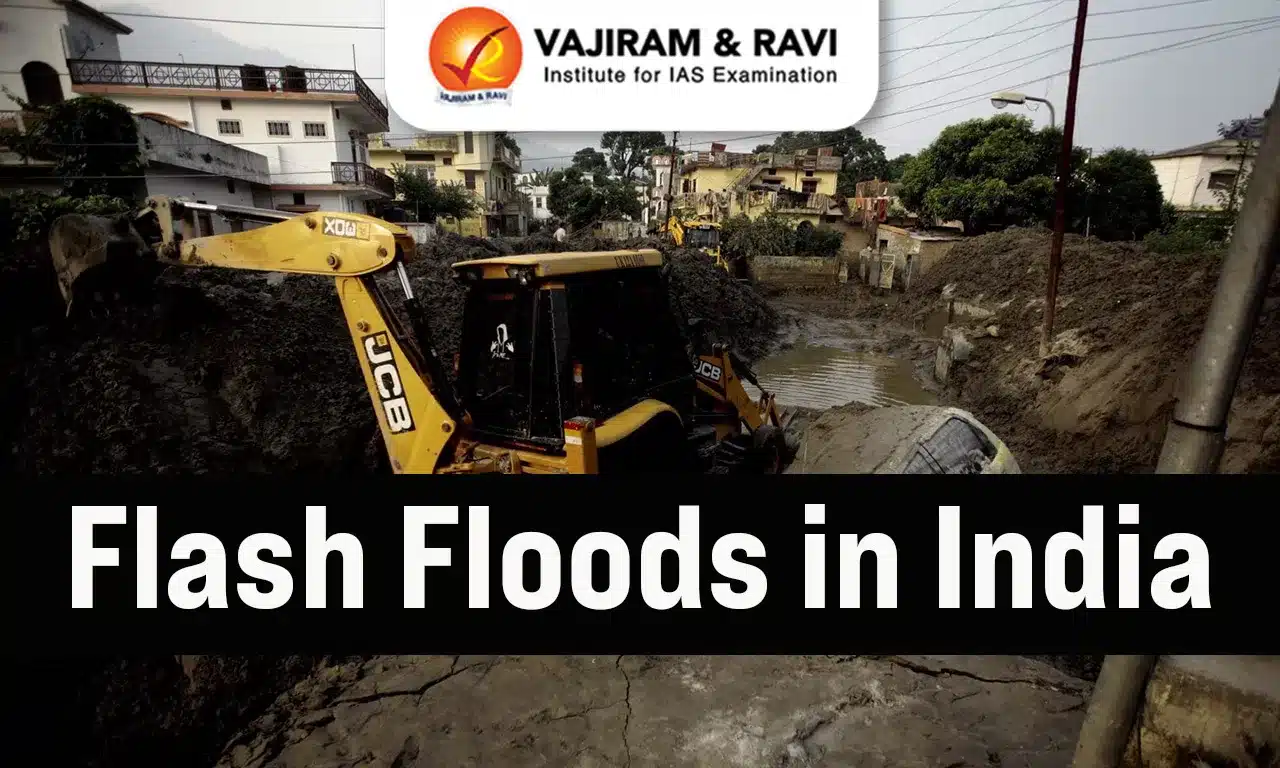
Ocean Deposits Examples

Examples of ocean deposits include:

  • Rocks: Basalt, gabbro, granite in the oceanic crust.
  • Minerals: Olivine, pyroxene, amphibole, manganese nodules, phosphorites.
  • Sediments: Clay, silt, sand, and gravel transported from land.
  • Biological Material: Remains of plankton, corals, algae, and other organisms that form biogenous oozes.
Also Check Other Posts
Geomorphology Major Dams in India
Composition and Structure of Atmosphere Major Ports in India
Types of Forests in India Coastal States of India
Ocean Acidification Migration in India
Deep Ocean Mission Natural Vegetation of India

Ocean Deposits FAQs

Q1: What are ocean deposits?

Ans: Ocean deposits are naturally accumulated materials like sediments, minerals, and biological remains that settle on the ocean floor over time.

Q2: What are the deposits in the ocean?

Ans: Ocean deposits include terrigenous, biogenous, hydrogenous, and cosmogenic materials such as sand, clay, minerals, and remains of marine organisms.

Q3: What is the classification of ocean deposits?

Ans: Ocean deposits are classified based on location (shelf, slope, basin), depth, and sediment type (clastic and non-clastic).

Q4: What are clastic deposits?

Ans: Clastic deposits are ocean sediments made of rock fragments or particles transported by rivers, winds, or glaciers.

Q5: What are oceanic basin deposits?

Ans: Oceanic basin deposits are fine-grained sediments like clay and biogenous oozes that accumulate in the deepest parts of the ocean.

What is Proportional Representation?

Proportional Representation

About Proportional Representation:

  • The Proportional Representation (PR) system ensures representation of all parties based on their vote share.
  • The most commonly used PR system is the ‘party list PR’ where voters vote for the party (and not individual candidates) and then the parties get seats in proportion to their vote share.

First Past the Post System:

  • India currently uses the First Past the Post (FPTP) system, where the candidate with the most votes in a constituency wins.
  • The FPTP system is simple and provides stability to the executive, but it can lead to unrepresentative governments.

Mixed Member Proportional Representation (MMPR):

  • To balance stability and proportionate representation, the Mixed Member Proportional Representation (MMPR) system can be considered.

Under MMPR, there is one candidate elected through FPTP from each territorial constituency, and additional seats are allocated to parties proportionally based on their vote share.


Q1. What is the strength of the Rajya Sabha?

The Rajya Sabha should consist of not more than 250 members - 238 members representing the States and Union Territories, and 12 members nominated by the President. The Rajya Sabha currently has 245 members, including 233 elected members and 12 nominated.

Source: Is it time for proportional representation? | Explained

First Past The Post vs. Proportional Representation: A Comparative Analysis

First Past The Post vs. Proportional Representation: A Comparative Analysis

What’s in today’s article?

  • Why in News?
  • What is First Past the Post (FPTP) system?
  • What is Proportional Representation (PR)?
  • What are international practices?
  • Way forward for India

Why in News?

The results of the Lok Sabha elections were declared on June 4. The ruling National Democratic Alliance (NDA) has won 293 seats with a 43.3% vote share while the Opposition bloc INDIA has secured 234 seats with a 41.6% vote share. Other regional parties and independents received about 15% of the votes but only won 16 seats in total.

As a result, many experts are now advocating for India to switch to a proportional representation system.

What is First Past the Post (FPTP) system?

  • About
    • The FPTP system, also known as the simple majority voting system, is an electoral method where the candidate with the most votes in a constituency wins the election. 
    • This system is widely used in countries like the United Kingdom, Canada, and India for legislative elections.
  • Working
    • Single-Member Districts - Each constituency elects one representative.
    • Plurality Wins - The candidate who receives the highest number of votes wins, regardless of whether they achieve an absolute majority (more than 50% of the votes).
  • Advantages
    • Simplicity
      • Easy for voters to understand and participate in.
      • Straightforward counting process.
    • Strong and Stable Governments
      • Often produces a clear winner, which can lead to strong and stable governments.
      • Under this system, the ruling party/coalition can enjoy a majority in the Lok Sabha/Legislative assembly without obtaining majority of the votes (more than 50%) across constituencies. This increases stability of the govt.
    • Direct Representation
      • Provides direct representation of constituencies, ensuring that each geographic area has a dedicated representative.
    • Accountability
    • Representatives are directly accountable to their constituents, as they can be easily voted out in the next election if they do not perform well.
  • Disadvantages of FPTP
    • Disproportionality
      • Can lead to a significant mismatch between the percentage of votes received and the percentage of seats won.
      • Smaller parties may be underrepresented, while larger parties may receive a disproportionate number of seats.
  • Wasted Votes
    • Votes for losing candidates do not contribute to the overall election result, which can discourage voter participation.
    • Can lead to strategic voting, where voters choose not their preferred candidate, but the one they think has the best chance of winning.
  • Minority Rule
    • A candidate can win with a minority of the votes if the opposition is divided among multiple candidates.
    • This can result in a government that does not reflect the majority preference of the electorate.
  • Geographic Concentration
    • Parties with geographically concentrated support can win more seats than parties with evenly distributed support, even if they receive fewer overall votes.
  • Encourages Gerrymandering
    • The system can incentivize the drawing of constituency boundaries to favor one party over another, known as gerrymandering.

What is Proportional Representation (PR)?

  • About
    • PR is an electoral system designed to allocate seats in the legislature in proportion to the number of votes each party receives. 
    • This system contrasts with the First Past the Post (FPTP) system, where the candidate with the most votes in each constituency wins. 
    • PR aims to create a more accurate reflection of the voters' preferences across the entire electorate.
  • Working
    • Party Lists - Voters typically cast their vote for a party rather than an individual candidate. 
      • The party then allocates seats to candidates from their list based on the proportion of votes received.
    • Multi-Member Districts - Each district elects multiple representatives, which allows for proportional allocation.
    • Thresholds - Often, a minimum percentage of votes (threshold) is required for a party to gain representation, to prevent excessive fragmentation.
    • Types of Proportional Representation:
    • List PR - Voters choose a party, and parties receive seats based on their share of the vote. Seats are filled by candidates from the party’s list.
    • Mixed-Member PR - Combines elements of FPTP and PR. Voters cast two votes: one for a candidate and one for a party. 
      • Some seats are filled by individual candidates, while others are allocated to parties based on their share of the vote.
    • Single Transferable Vote (STV) - Voters rank candidates in order of preference. 
      • Seats are allocated based on the proportion of votes each candidate receives, with surplus votes and eliminated candidates' votes transferred according to voter preferences.
  • Advantages of PR
    • Fair Representation
    • Ensures that parties receive seats in proportion to their share of the vote, leading to a more accurate reflection of the electorate's preferences.
    • Minority Inclusion
      • Smaller parties and minority groups have a better chance of gaining representation, promoting diversity in the legislature.
    • Reduced Wasted Votes
    • Fewer votes are wasted as most votes contribute to the election of a candidate, increasing voter satisfaction and participation.
    • Encourages Voter Turnout
      • Voters may feel their vote has more impact, leading to higher voter turnout.
  • Disadvantages of PR
    • Coalition Governments
    • While coalitions can be a strength, they can also lead to unstable governments if coalition partners frequently disagree, resulting in inefficiency or frequent elections.
    • Complexity
    • PR systems can be more complex for voters to understand and for electoral authorities to administer compared to simpler systems like FPTP.
    • Fragmentation
    • Can lead to a fragmented legislature with many small parties, making it difficult to achieve a majority consensus.
    • Weaker Constituency Links
    • Representatives may be less accountable to specific geographic constituencies since they are elected on a party list basis rather than as individuals.
    • Influence of Party Leadership
    • Party leaders often have significant control over candidate lists, which can centralize power within the party and reduce individual accountability of representatives.

What are international practices?

  • Brazil and Argentina: These countries use the party list Proportional Representation (PR) system for their elections.
  • South Africa, the Netherlands, Belgium, and Spain: These countries also use the party list PR system to ensure fair representation of political parties based on vote share.
  • Germany: Bundestag Structure
    • Out of 598 seats, 299 seats (50%) are filled from constituencies under the First Past the Post (FPTP) system. 
    • The remaining 299 seats (50%) are allocated to parties that secure at least 5% of the votes, based on their vote share.
  • New Zealand: House of Representatives Structure
    • Out of 120 seats, 72 seats (60%) are filled through the FPTP system from territorial constituencies. 
    • The remaining 48 seats (40%) are distributed among parties that secure at least 5% of the votes, based on their vote share.

Way forward for India

  • Law Commission's Recommendation (170th report, 1999)
    • The Law Commission in its report, ‘Reform of the electoral laws’, recommended the introduction of the Mixed-Member Proportional Representation (MMPR) system on an experimental basis.
      • It suggested that 25% of seats could be filled through a PR system by increasing the strength of the Lok Sabha.
  • Upcoming Delimitation Exercise and associated challenges
    • A delimitation exercise to increase the number of Lok Sabha seats is due after the first Census conducted post-2026.
    • The population growth in the last five decades has been uneven across regions.
    • Determining the number of seats in proportion to population alone may conflict with federal principles.
    • It could lead to disenchantment in States that might lose representation through such a method.
  • Way out through MMPR System
    • Introducing the MMPR system for incremental seats or at least 25% of the total seats from each State/UT during the delimitation exercise could balance representation.
    • This approach could mitigate concerns of southern, northeastern, and smaller northern States by preventing domination of larger States solely through the FPTP system.

Q.1. What is Mixed-Member Proportional Representation (MMPR) system?

Under MMP systems, the PR seats are awarded to compensate for any disproportionality produced by the district seat results. For example, if one party wins 10 per cent of the vote nationally but no district seats, then it will be awarded enough seats from the PR lists to bring its representation up to 10 per cent of the seats in the legislature. Voters may get two separate choices, as in Germany and New Zealand. Alternatively, voters may make only one choice, with the party totals being derived from the totals for the individual district candidates.

Q.2. What is the meaning of partylist?

A party-list system is a type of electoral system that formally involves political parties in the electoral process, usually to facilitate multi-winner elections. In party-list systems, parties put forward a list of candidates, the party-list who stand for election on one ticket.

Source: Is it time for proportional representation? | Explained | ORF | The Hindu

Enquire Now