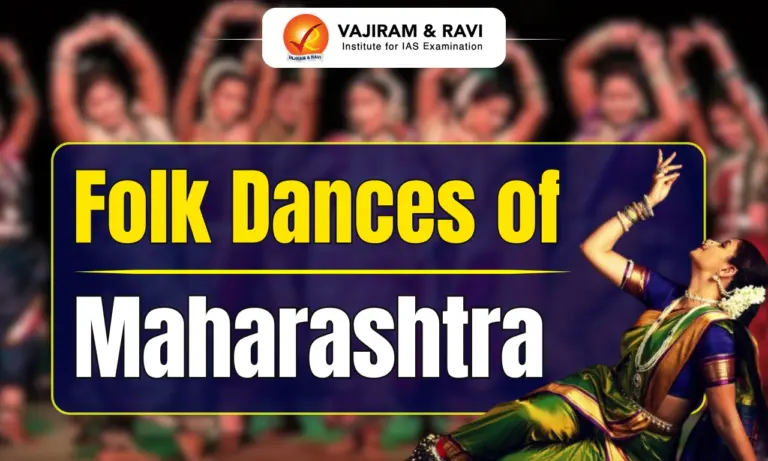
Folk Dances of Maharashtra reflect the rich culture, traditions, and lively spirit of the people of the state. These dances are closely connected with festivals, religious rituals, and everyday life, making them an important part of social celebrations. From the energetic beats of Lavani and Tamasha to the devotional movements of Koli and Dhangari Gaja, each dance tells a unique story about the region’s history and lifestyle. With their colorful costumes, rhythmic music, and expressive movements, these folk dances bring people together and keep Maharashtra’s cultural heritage alive across generations.
Famous Folk Dances of Maharashtra
The famous Folk Dances of Maharashtra reflect the state’s diverse culture, traditions, and regional lifestyles. These dances are performed during festivals, religious occasions, and social gatherings, showcasing energy, devotion, and storytelling through music and movement. Each dance form has its own unique style, costume, and cultural significance, representing different communities and traditions of Maharashtra. Some of the most popular and widely performed folk dances are discussed below.
1. Lavani Dance
- Lavani is one of the most vibrant and expressive Folk Dances of Maharashtra, known for its combination of powerful rhythm, graceful movements, and emotional storytelling. The term comes from “Lavanya,” meaning beauty, which is reflected in its style and presentation.
- It is usually performed by women dressed in a nine-yard Nauvari saree, along with traditional jewelry, expressive makeup, and confident body language, making it visually striking.
- The dance is performed to the fast and energetic beats of the dholki, supported by instruments like manjeera and harmonium, creating a lively musical environment.
- Lavani often deals with themes like love, social issues, politics, romance, and humor, making it both entertaining and thought-provoking.
- Historically, it flourished during the Peshwa period, where it was used to entertain soldiers and boost their morale during wars.
- Today, Lavani is closely associated with Tamasha theatre and remains an important symbol of Maharashtra’s cultural identity and artistic richness.
2. Koli Dance
- Koli Dance is performed by the Koli fishing community, and it beautifully captures their daily life, traditions, and strong bond with the sea.
- The dance is usually performed in groups of men and women, representing teamwork and cooperation, which are essential in fishing activities.
- Movements in the dance imitate real-life actions like rowing boats, casting fishing nets, and the movement of ocean waves, making it realistic and engaging.
- The dancers wear traditional coastal attire, with women in bright sarees and ornaments, and men often carrying props like oars or nets.
- It is commonly performed during festivals, weddings, and community gatherings, reflecting the joy, unity, and cultural pride of the Koli people.
- This dance highlights how occupation and environment influence cultural expression.
3. Dhangari Gaja Dance
- Dhangari Gaja is a traditional dance of the Dhangar (shepherd) community, mainly from the Solapur region, and reflects their pastoral lifestyle and devotion to nature.
- The dance is closely associated with their deity Biruba, and is performed as a way to express gratitude, seek blessings, and celebrate their return home after long periods of grazing cattle.
- Dancers wear simple yet colorful traditional attire like dhoti, angarakha, and pheta, often decorated with scarves and accessories.
- The performance is accompanied by the strong beats of drums, creating a powerful and rhythmic atmosphere.
- It also includes folk poetry (ovi), which conveys beliefs, emotions, and life experiences of the community.
- The dance represents faith, simplicity, and harmony with nature, which are central to rural life.
4. Povada
- Povada is a dramatic folk performance that combines dance, music, and storytelling, mainly used to narrate historical and heroic tales.
- It is strongly associated with Chhatrapati Shivaji Maharaj, highlighting his courage, leadership, and contribution to the Maratha Empire.
- The performers use loud, energetic singing, expressive gestures, and dramatic narration to create a powerful emotional and patriotic effect.
- Musical instruments like dhol, taal, and shehnai are used to enhance the intensity of the performance.
- Povada is performed during cultural events, festivals, and historical celebrations, helping people connect with their history and regional pride.
- It plays an important role in preserving historical memory and inspiring future generations.
5. Lezim Dance
- Lezim dance is a highly energetic and synchronized folk dance, which is also considered a form of physical training and group exercise.
- It is widely performed during festivals, school programs, parades, and especially during Ganesh Chaturthi processions.
- Dancers use a small handheld instrument called “Lezim”, which has metal jingles, producing rhythmic sounds as they move.
- The dance involves various formations like rows, circles, and pairs, showing discipline, coordination, and teamwork.
- There are several regional variations such as Ghoti Lezim, Dakhni Lezim, and Ghungroo Lezim, each with slight differences in style.
- Lezim promotes fitness, unity, and festive enthusiasm, making it popular among youth and communities.
6. Tamasha
- Tamasha is a traditional folk theatre form that combines dance, music, drama, and humor, making it one of the most popular entertainment forms in Maharashtra.
- It includes Lavani performances, along with dialogues, comic acts, and storytelling, creating a complete stage experience.
- Performers wear colorful costumes and elaborate makeup, enhancing the visual appeal and theatrical effect.
- The performances often deal with social issues, folklore, and mythological themes, making them both entertaining and meaningful.
- Tamasha has been a major source of rural entertainment and continues to attract audiences even today.
- It reflects Maharashtra’s strong tradition of performing arts and storytelling.
7. Kala Dandya
- Kala Dandya is a traditional stick dance, commonly performed during Navratri, similar to the popular Dandiya Raas.
- Dancers form a circle and strike sticks rhythmically, creating a lively and synchronized performance.
- The dance is performed in bright traditional costumes, with fast-paced music played on instruments like dhol and tabla.
- It encourages group participation, coordination, and festive joy, making it popular among all age groups.
- The dance reflects the spirit of celebration and unity during festivals.
8. Warli Dance
- Warli Dance is performed by the Warli tribal community, reflecting their simple lifestyle, traditions, and deep connection with nature.
- It is usually performed during harvest festivals, weddings, and rituals, often around a bonfire or open space.
- The movements are simple, rhythmic, and repetitive, representing daily activities like farming, hunting, and social gatherings.
- The music includes traditional drums and chants, creating a natural and earthy atmosphere.
- This dance is closely linked with Warli paintings, both of which depict nature, community life, and harmony.
9. Dholacha Dance
- Dholacha Dance is a high-energy group dance, performed to the loud and rhythmic beats of the dhol.
- Dancers form a circle, place hands on each other’s shoulders, and move in coordination while shouting joyful sounds.
- It is commonly performed during festivals and celebrations, creating a festive and energetic environment.
- The dance represents unity, enthusiasm, and collective happiness.
10. Dahi Handi (Handi Nritya)
- This dance is performed during Janmashtami, inspired by the childhood stories of Lord Krishna.
- Participants form human pyramids to break a pot filled with curd or butter, symbolizing Krishna’s playful nature.
- The event is filled with music, dance, and excitement, attracting large public participation.
- It represents teamwork, coordination, devotion, and celebration.
11. Dashavatar Dance
- Dashavatar is a religious dance drama depicting the ten incarnations of Lord Vishnu.
- It begins with prayers to Lord Ganesha and Saraswati, followed by dramatic storytelling through costumes and performance.
- It is performed during religious festivals, combining spirituality with entertainment.
- The dance helps in spreading religious knowledge and cultural values.
12. Radha Nach
- Radha Nach is based on the divine love of Radha and Krishna, expressed through graceful dance and facial expressions.
- The performance follows a musical storytelling format, where one dancer sings and others repeat.
- It is known for its simple steps, emotional depth, and devotional theme.
- The dance highlights love, devotion, and cultural aesthetics.
Also Read : Festivals of Maharashtra
Folk Dances of Maharashtra Cultural Significance
- Folk Dances of Maharashtra are closely linked to the daily life and occupations of people, such as fishing, farming, and herding. Dances like Koli Dance and Dhangari Gaja reflect the lifestyle, environment, and traditions of specific communities.
- These dances play an important role in festivals and celebrations, bringing people together in joy and devotion. Forms like Lezim, Kala Dandya, and Dholacha Dance are commonly performed during events like Ganesh Chaturthi and Navratri, creating a festive atmosphere.
- Many folk dances act as a medium of storytelling, preserving history and culture. For example, Povada narrates the bravery of Chhatrapati Shivaji Maharaj, while Tamasha and Lavani present stories related to society, romance, and daily life.
- Folk dances also have a strong religious and devotional connection, where performances are dedicated to gods and traditions. Dances like Dahi Handi, Dashavatar, and Radha Nach are linked with Lord Krishna and Lord Vishnu, showing faith and spirituality.
- These dances promote community bonding and teamwork, as most of them are performed in groups. Activities like Dahi Handi (human pyramid) and group dances like Koli and Lezim highlight cooperation, unity, and participation.
- Folk Dances of Maharashtra help in preserving cultural identity and traditions, and many like Lavani and Tamasha have also gained popularity beyond the state, representing Maharashtra’s rich cultural heritage on a wider level.


 Last updated on Oct, 2026
→ UPSC 2027 Notification will be released on 13 January 2027 at upsconline.nic.in.
→ Check Nobel Prize 2026 Winners List here.
→ Download PIB PRiSM Monthly Magazine 2026 here.
→ Check UPSC Monthly Current Affairs Magazine The Recitals here.
→ Check out the latest UPSC Syllabus here.
→ Download UPSC Model Answers for Mains 2026
→ UPSC Mains Question Paper 2026 is out now for Essay & GS Paper 1, 2, 3 & 4.
→ UPSC Calendar 2027 has been released.
→ Enroll in Vajiram & Ravi’s UPSC Mains Test Series 2027 for structured answer writing practice, expert evaluation, and exam-oriented feedback.
→ Join Vajiram & Ravi’s UPSC Mentorship Program 2027 for personalized guidance, strategy planning, and one-to-one support from experienced mentors.
→ Go through the UPSC Mains Previous Year Papers to enhance your preparation.
→ UPSC has released UPSC Toppers List 2025 with the Civil Services final result on its official website.
→ Also check Best UPSC Coaching in India
Folk Dances of Maharashtra FAQs
Q1. What are the most famous Folk Dances of Maharashtra?+
Q2. What is the cultural significance of Lavani dance?+
Q3. How does Koli dance reflect Maharashtra’s lifestyle?+
Q4. Why is Dhangari Gaja important in Maharashtra?+
Q5. What role does Tamasha play in Maharashtra’s culture?+
Q6. What does Lezim dance symbolize?+
Q7. How do folk dances preserve Maharashtra’s traditions?+
Tags: art and culture art and culture notes dances of india folk dances of india